Famous Duels That Altered History
When most people think about duels, they picture dramatic Hollywood scenes with flintlock pistols at dawn. The reality was often messier, more bizarre, and had consequences that rippled through history in ways no one could have predicted.
From political careers cut short to entire nations gaining independence, these face-offs between individuals sometimes changed the course of human events far more than any battlefield. Dueling wasn’t just about honor or pride—it was a legally recognized way to settle disputes for centuries across multiple cultures.
Some duels removed brilliant minds from the world, while others nearly prevented future presidents from ever taking office. Here’s a list of duels that left their mark on history.
Hamilton vs. Burr
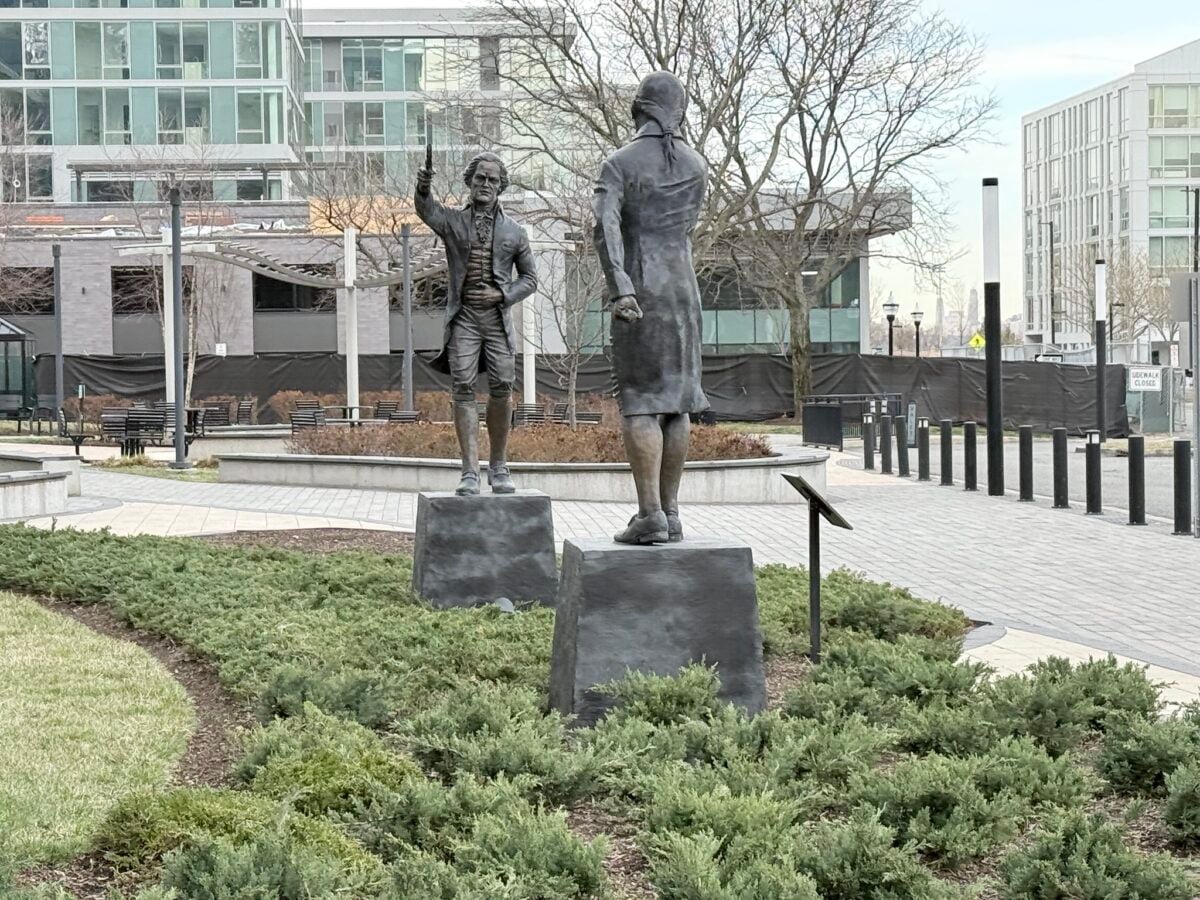
The most famous duel in American history took place on July 11, 1804, when Vice President Aaron Burr shot Treasury Secretary Alexander Hamilton in Weehawken, New Jersey. Hamilton died the next day, and Burr’s political career was effectively over—he was charged with murder in two states and became a pariah.
This duel removed one of America’s most influential founding fathers and destroyed another, fundamentally altering the young nation’s political landscape.
Jackson vs. Dickinson
Andrew Jackson fought Charles Dickinson in 1806 over insults about Jackson’s wife and a horse racing bet. Dickinson shot first, hitting Jackson in the chest near his heart, but Jackson remained standing, took careful aim, and killed Dickinson.
Jackson carried that bullet in his chest for the rest of his life, and the duel cemented his reputation for toughness—a quality that would help propel him to the presidency two decades later.
Pushkin vs. d’Anthès
Russia lost its greatest poet on January 29, 1837, when Alexander Pushkin dueled Georges-Charles d’Anthès over the Frenchman’s alleged interest in Pushkin’s wife. D’Anthès shot Pushkin in the abdomen, and the writer died two days later at age 37.
The loss devastated Russian culture, cutting short the career of a literary genius who had revolutionized Russian literature and was still producing masterworks.
Musashi vs. Kojirō
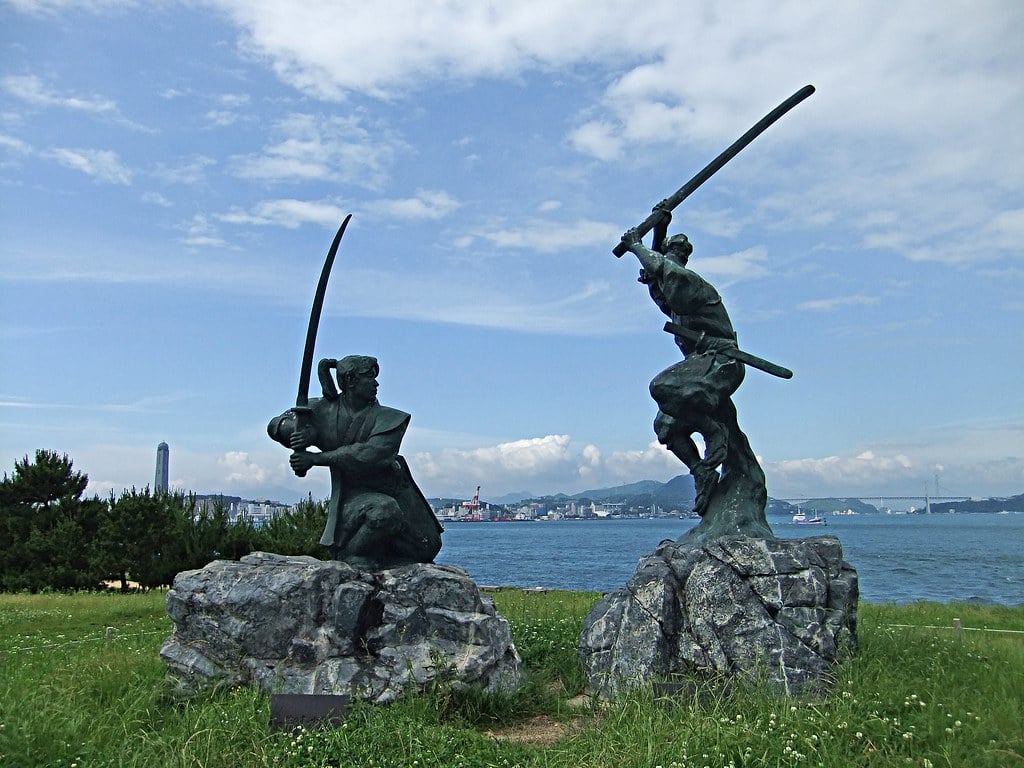
In 1612, Japan’s most legendary swordsman, Miyamoto Musashi, faced Sasaki Kojirō on Ganryū Island in what became the most famous duel in Japanese history. Musashi arrived hours late, allegedly to anger his opponent, then killed Kojirō with a wooden sword he’d carved from an oar on the boat ride over.
This victory solidified Musashi’s reputation and his unorthodox two-sword fighting style became legendary, influencing Japanese martial arts philosophy for centuries.
Lincoln vs. Shields
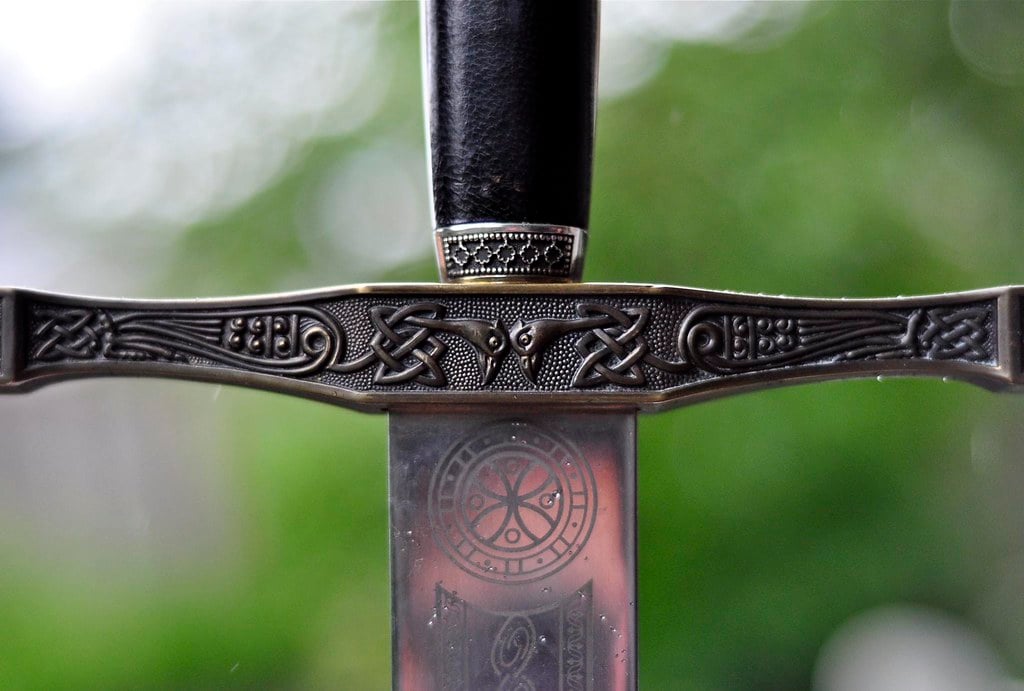
Abraham Lincoln nearly died before ever becoming president when he agreed to duel James Shields in 1842 over satirical letters Lincoln had written mocking the Illinois state auditor. As the challenged party, Lincoln chose cavalry broadswords as weapons, which gave his longer reach a massive advantage.
Cooler heads intervened at the last moment, but if the duel had proceeded, American history would have taken a radically different path.
de Carrouges vs. Le Gris
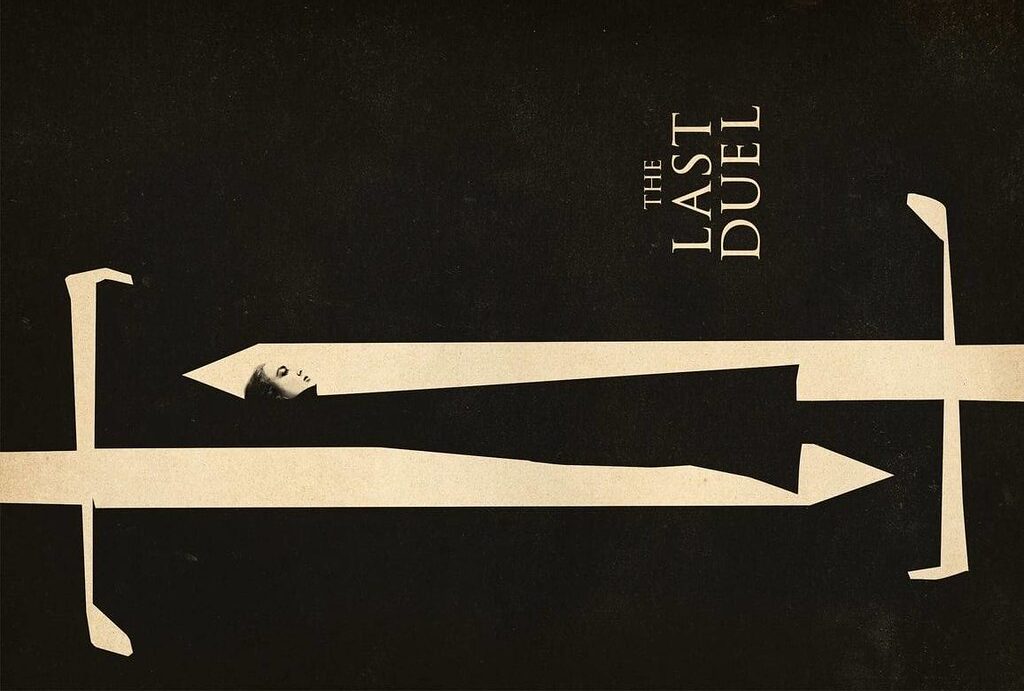
The 1386 duel between Jean de Carrouges and Jacques Le Gris was the last officially sanctioned judicial combat in France, fought to determine whether Le Gris had assaulted de Carrouges’ wife. De Carrouges won, killing Le Gris and vindicating his wife—though she would have been burned alive if her husband had lost.
This trial by combat represented the final gasp of medieval justice before France moved toward more modern legal systems.
King Naresuan vs. Prince Mingyi Swa
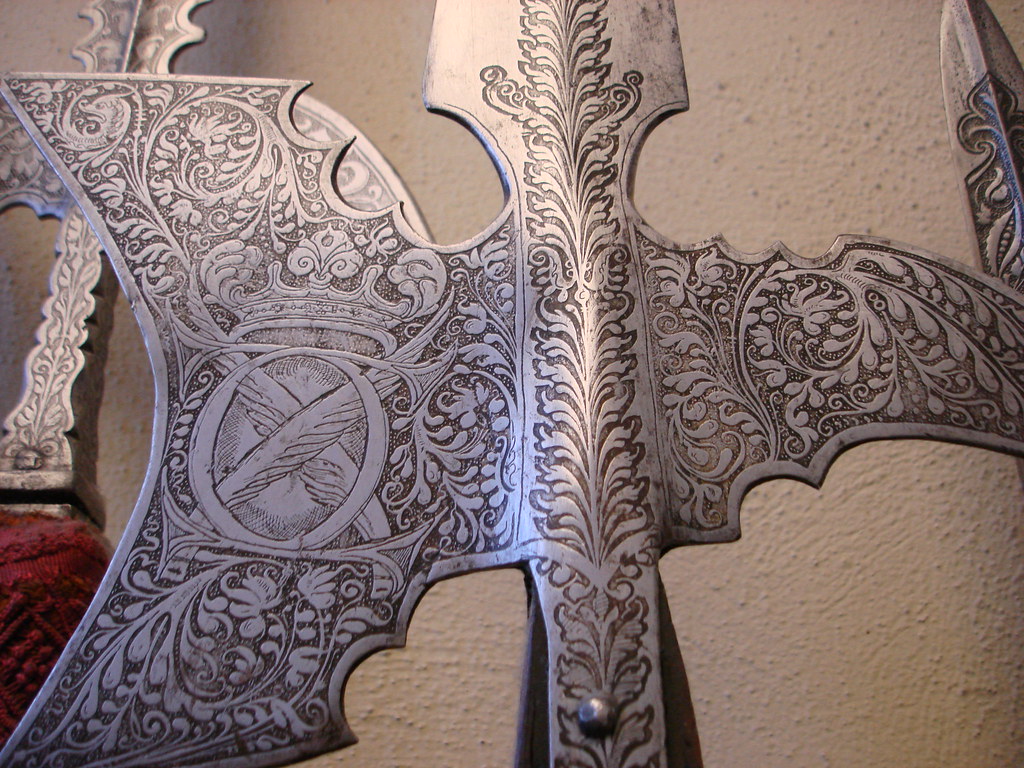
In 1593, the Siamese King Naresuan faced Burmese Crown Prince Mingyi Swa in elephant-back combat during a battle that would determine Burma’s control over Siam. Naresuan killed the prince with a slash from his halberd, and the Burmese forces retreated in disarray.
This single combat effectively won Siam its independence and made Naresuan a national hero whose legacy endures in Thailand today.
de Carazzi and de Pettinella vs. de Brunoro and de Chablis
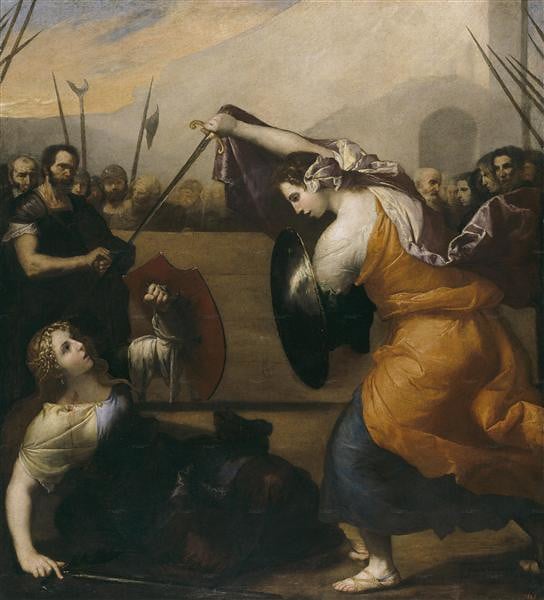
In 1552, Isabella de Carazzi and Diambra de Pettinella fought a duel in Naples over the affections of a young nobleman, with their male supporters acting as seconds who also fought. The women reportedly fought in the presence of a large crowd, and while accounts vary on who won, the duel became famous throughout Europe.
It challenged contemporary assumptions about women and violence, though some historians question whether it actually occurred as dramatically as reported.
Hickok vs. Tutt
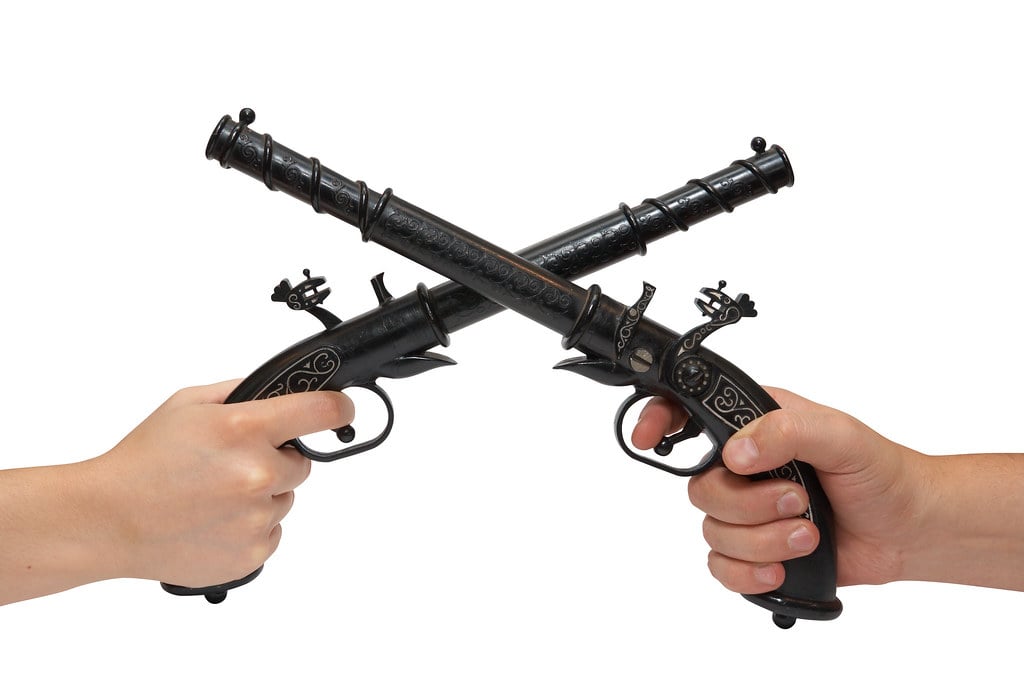
Wild Bill Hickok’s 1865 shootout with Davis Tutt in Springfield, Missouri, wasn’t technically a formal duel, but it established the template for the Western ‘quick-draw’ that would define American folklore. The two men faced each other across the town square over a gambling debt and a pocket watch, and Hickok shot Tutt through the heart from about 75 yards away.
This confrontation became the model for countless Western stories and helped create the mythology of the Old West gunfighter.
Houston vs. White
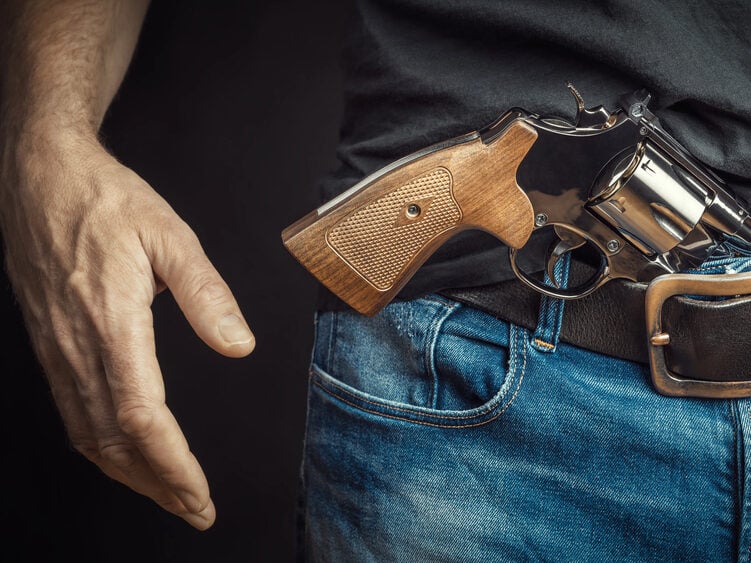
Sam Houston, future hero of Texas independence, fought General William White in 1826 after White accused Houston of fraud while Houston was governor of Tennessee.
Both men fired and missed, and their seconds convinced them to end the affair. If Houston had been killed, Texas might never have won its independence from Mexico, as Houston’s military leadership proved crucial in the Battle of San Jacinto.
Jonson vs. Spenser
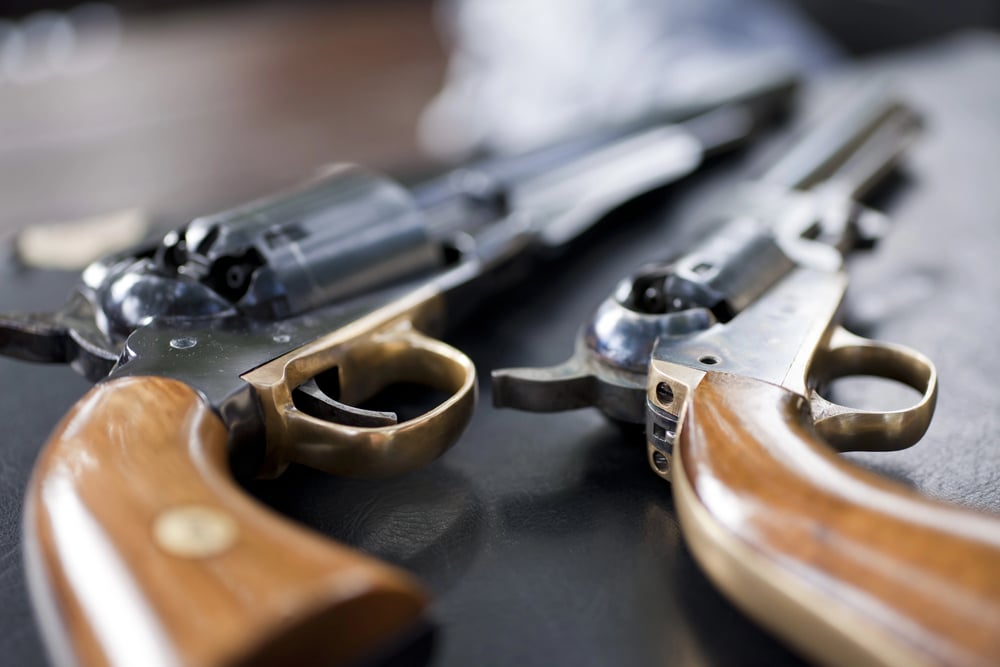
Playwright Ben Jonson killed fellow actor Gabriel Spenser in a duel in 1598 in London’s Hoxton Fields, a confrontation that nearly ended Jonson’s theatrical career before it truly began. Jonson was tried for murder but escaped hanging by claiming ‘benefit of clergy’—proving he could read Latin.
He lost all his property and was branded on his thumb, but went on to become one of England’s greatest playwrights, second only to Shakespeare.
Manet vs. Duranty
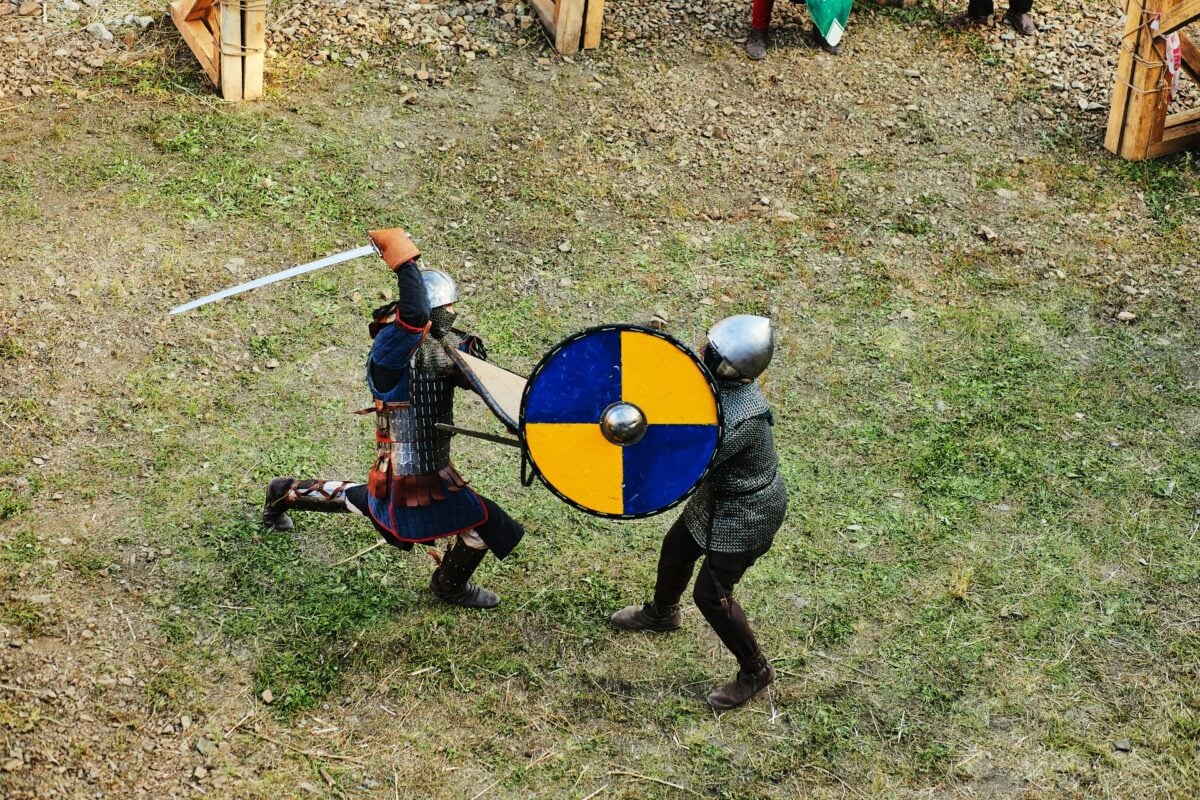
Impressionist painter Édouard Manet fought art critic Edmond Duranty with swords in 1870 after Duranty wrote negative reviews of Manet’s work. Manet wounded Duranty slightly in the chest, honor was satisfied, and the two actually became friends afterward.
The duel illustrates how deeply artists took criticism in the 19th century and how integrated dueling remained in French cultural life even as it was dying out elsewhere.
Benton vs. Lucas
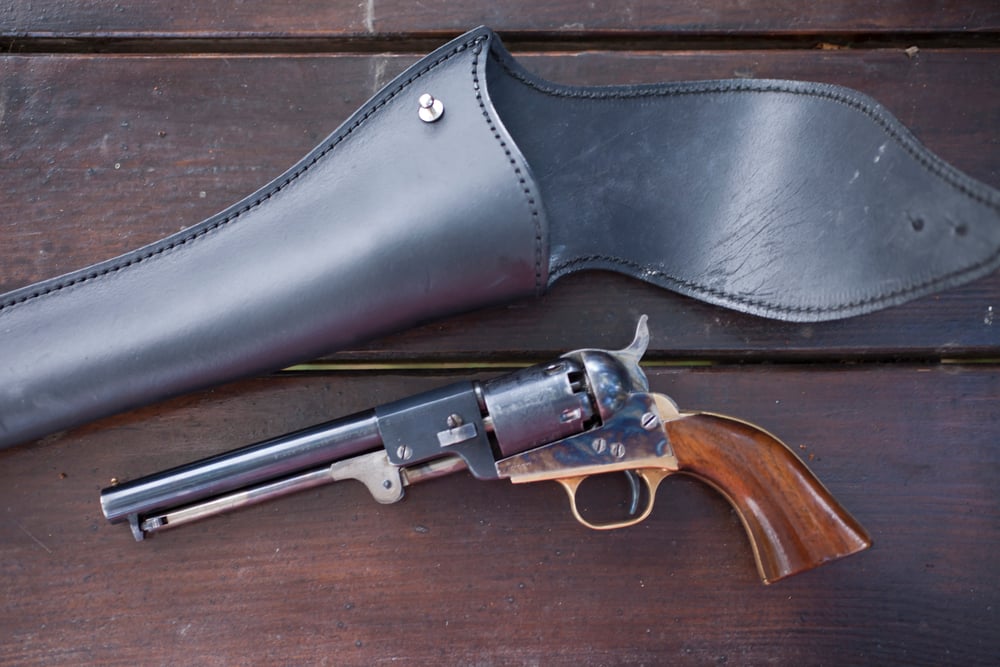
Thomas Hart Benton, future U.S. Senator and influential Western expansionist, fought Charles Lucas in two duels in 1817 near St. Louis. The first ended inconclusively, but in the second, Benton shot Lucas through the throat, killing him.
Benton later expressed deep regret, but his reputation for deadliness followed him into politics, where he became one of the most powerful voices for Manifest Destiny.
Hudson vs. Crofts
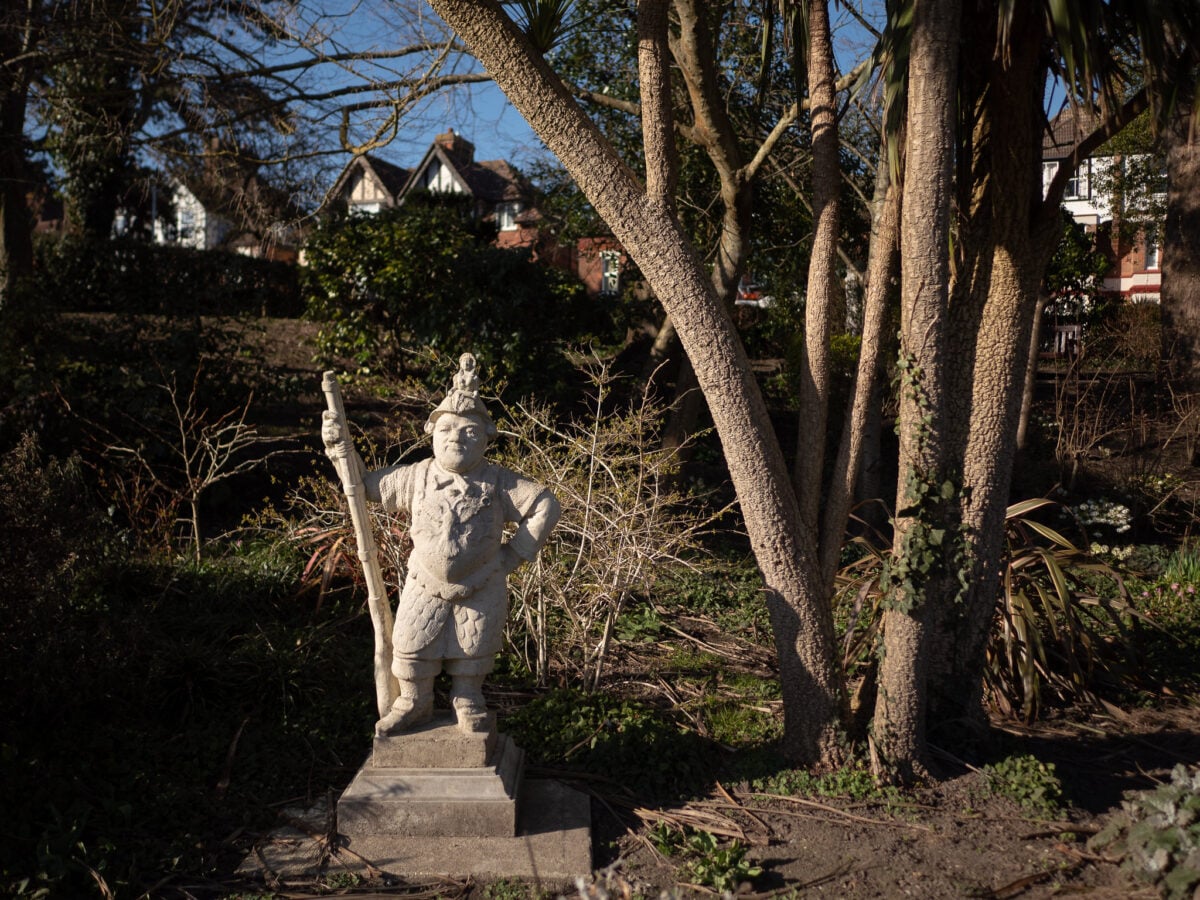
Jeffrey Hudson, a 3-foot-9 court dwarf who served Queen Henrietta Maria of England, killed Captain William Crofts in a duel in the 1640s after Crofts mocked him. Hudson insisted on using pistols instead of the squirt guns Crofts suggested as a joke, then shot the captain dead.
The incident showed that even someone physically disadvantaged could demand and receive satisfaction under dueling codes, though Hudson was banished from court for the killing.
Metternich vs. Kielmannsegg
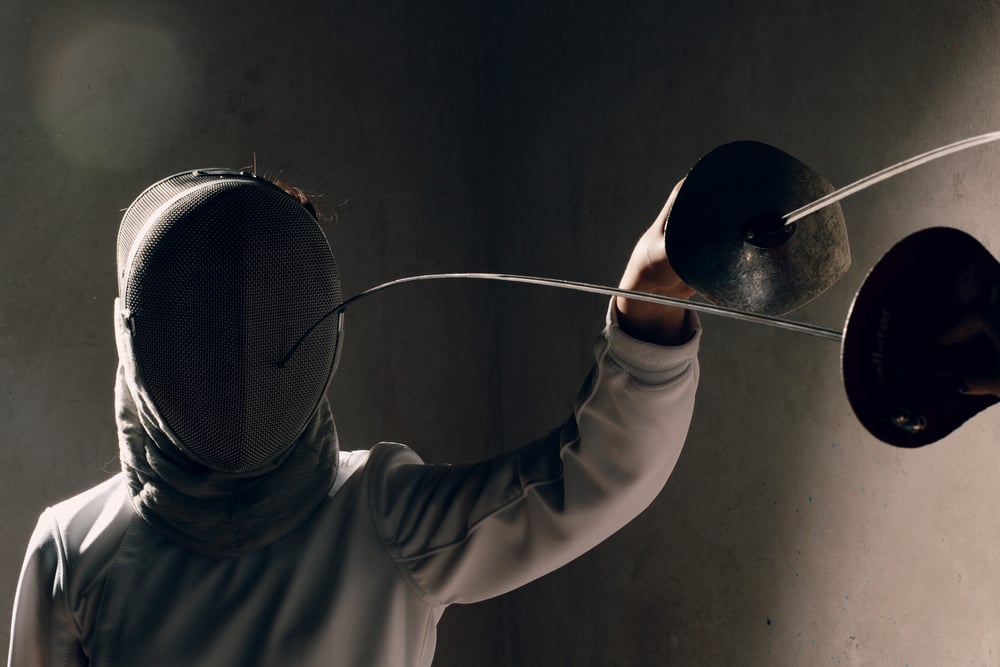
Princess Pauline von Metternich and Countess Kielmannsegg allegedly fought a topless duel in 1892 in Liechtenstein with swords, attended by female seconds and a female doctor who recommended removing clothing to prevent infection from fabric in wounds. The countess received a slight wound on her nose, and while some historians doubt the topless detail, the duel demonstrated that aristocratic women still engaged in affairs of honor even at the end of the dueling era.
Braddock vs. Elphinstone
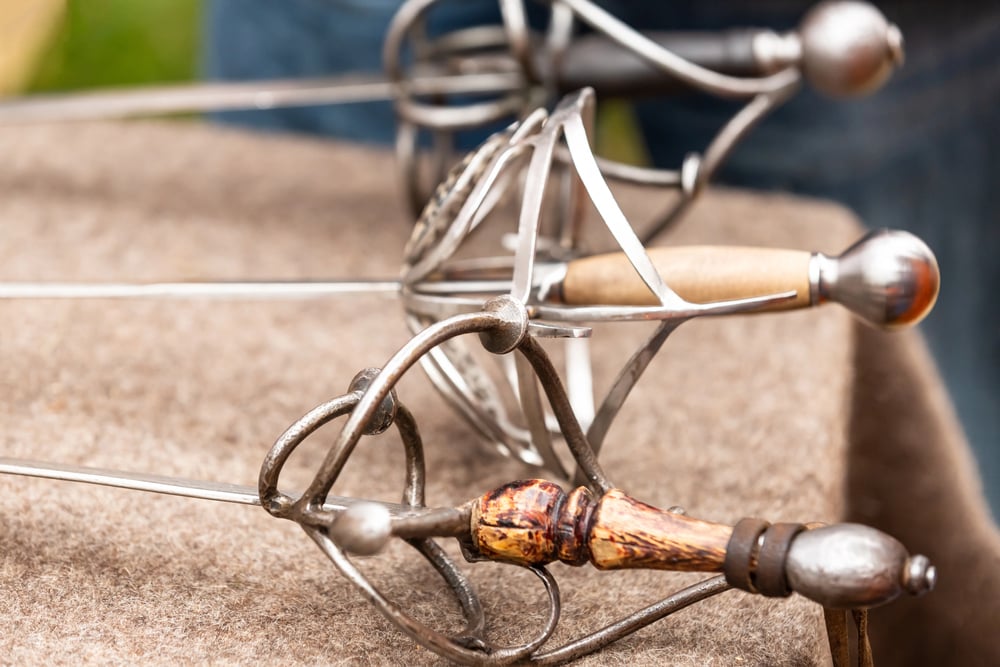
Lady Almeria Braddock challenged Mrs. Elphinstone to a duel in London’s Hyde Park in 1792 after Mrs. Elphinstone suggested Lady Braddock was older than she claimed. They first fought with pistols—Lady Braddock’s shot knocked Mrs. Elphinstone’s hat off—then switched to swords, where Lady Braddock wounded her opponent in the arm.
Mrs. Elphinstone apologized, and the matter was settled, making this one of the few well-documented duels between women in British history.
Bismarck vs. Virchow

Otto von Bismarck challenged renowned pathologist Rudolf Virchow to a duel in 1865 after Virchow accused Bismarck of budgetary impropriety. Virchow, as the challenged party, reportedly chose sausages as weapons—one infected with deadly trichinosis, one safe—to highlight the absurdity of the affair.
Bismarck withdrew the challenge, and Virchow’s clever response became famous as an example of how dueling could be defused through wit rather than violence.
A Practice That Defined Eras
These confrontations reveal how personal honor and public life were inseparably tangled for centuries. The duel shaped political careers, military reputations, and artistic legacies in ways that seem almost incomprehensible today.
While we’ve moved past settling disputes with weapons, the legacy of these encounters—the leaders they created, the talents they destroyed, and the nations they shaped—remains woven into the fabric of modern history.
More from Go2Tutors!

- The Romanov Crown Jewels and Their Tragic Fate
- 13 Historical Mysteries That Science Still Can’t Solve
- Famous Hoaxes That Fooled the World for Years
- 15 Child Stars with Tragic Adult Lives
- 16 Famous Jewelry Pieces in History
Like Go2Tutors’s content? Follow us on MSN.