14 Underwater Ruins Revealed by Dropping Sea Levels
Rising sea levels have destroyed innumerable human settlements throughout history, burying entire towns and historic buildings under the seas. This process has occasionally been reversed by geological events, dam construction, and climate change, exposing long-forgotten ruins that were previously hidden from view.
Archaeologists have unique possibilities to examine preserved artifacts of civilizations that time and water have worked to hide, thanks to these fleeting views into underwater worlds. These 14 amazing underwater ruins were revealed when sea levels momentarily dipped, offering glimpses into our underwater archaeological past..
Lion City

Deliberate flooding of China’s great Lion City, also known as Shi Cheng, occurred in 1959 during the construction of the Xin’an River Dam. Dating back to the Eastern Han Dynasty over 1,800 years ago, this opulent city features exceptionally preserved stone buildings decorated with elaborate sculptures of lions, phoenixes, and other symbolic creatures.
The city’s ornate gates, temples, and memorial arches become apparent during especially low water times in Qiandao Lake, therefore exposing craftsmanship that has remained undersea for millennia, amazingly intact.
Port Royal
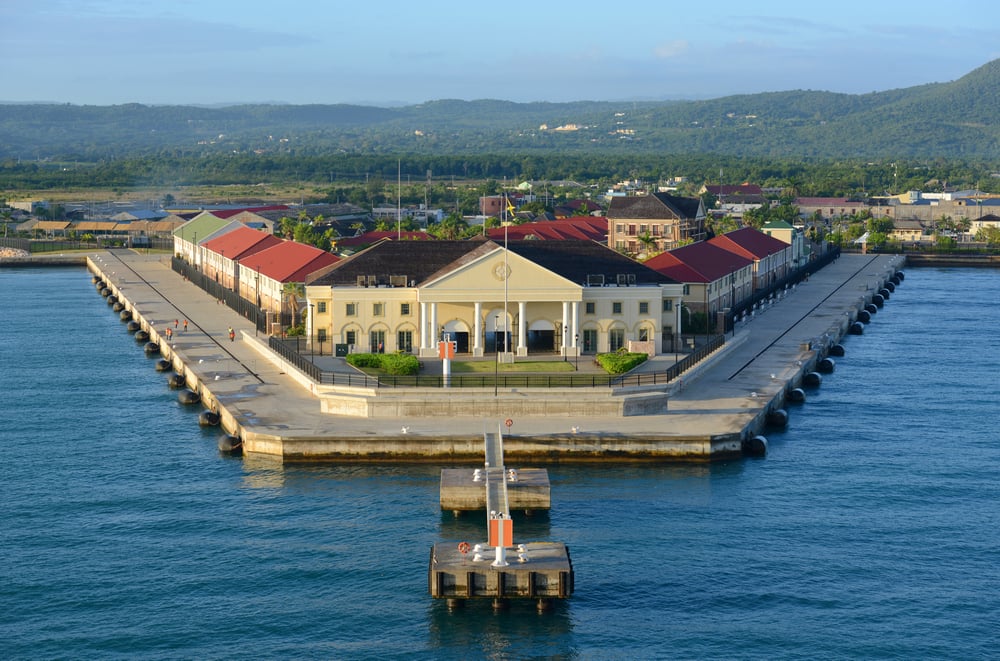
Once dubbed the ‘wickedest city on Earth,’ this infamous pirate haven near Kingston, Jamaica partially sank during a massive earthquake in 1692. The disaster plunged about two-thirds of the bustling port city beneath the Caribbean Sea in mere minutes.
Drought conditions occasionally lower water levels enough to expose additional sections of the sunken city, including tavern foundations, portions of military fortifications, and everyday items frozen in time. The water-preserved artifacts provide an unparalleled snapshot of 17th-century Caribbean life that continues to fascinate archaeologists.
Dwarka
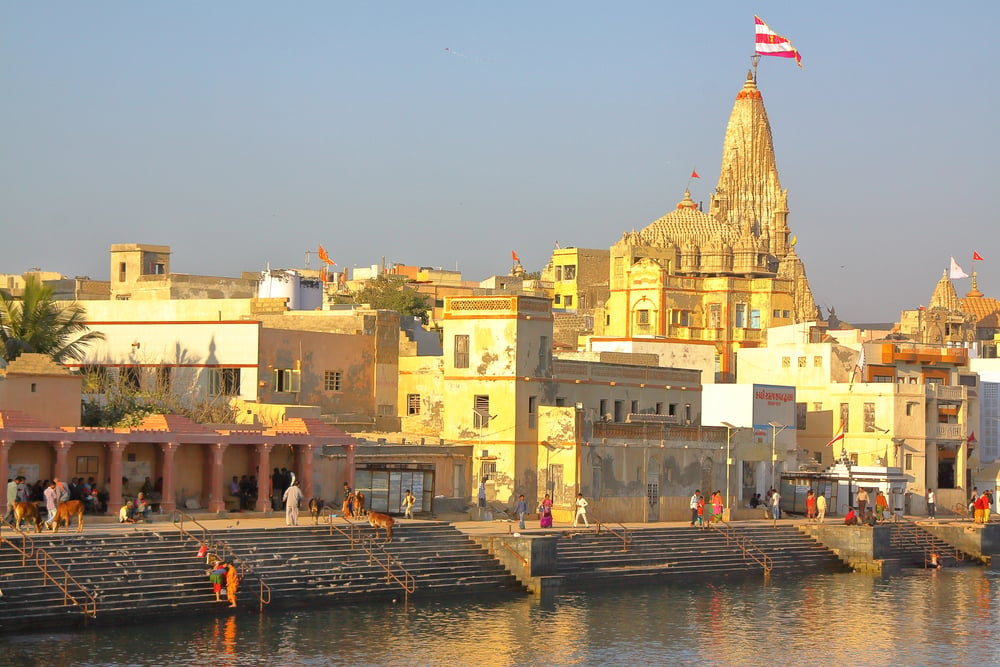
Ancient texts describe Lord Krishna’s magnificent city of Dwarka being reclaimed by the ocean after his death. Marine archaeologists discovered substantial ruins off India’s western coast that periodically become more visible during extreme low tides.
The underwater site spans nearly half a mile and features stone blocks arranged in what appears to be organized city structures dating back potentially 9,000 years. Receding waters have revealed additional sections of stone jetties, anchors, and what some researchers believe are remnants of ancient harbor works from this legendary city.
Pavlopetri
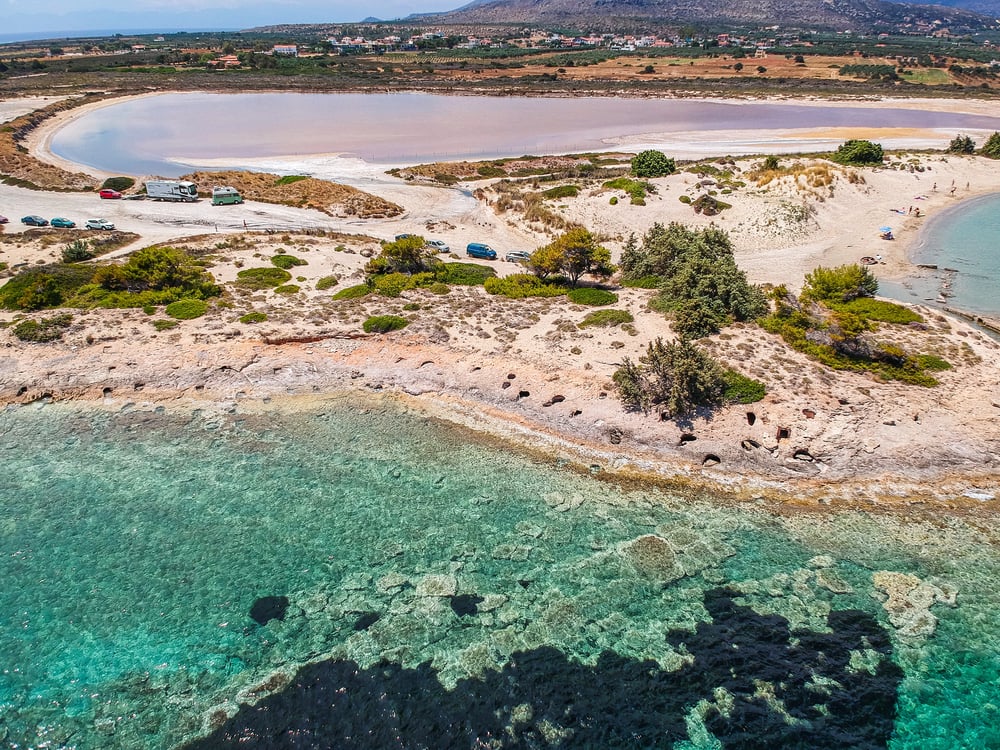
Off the coast of southern Greece lies Pavlopetri, considered the oldest known submerged city in the Mediterranean. Dating back approximately 5,000 years, this Bronze Age settlement features remarkably intact streets, courtyards, tombs, and building foundations arranged in a sophisticated urban plan.
During drought periods affecting the Mediterranean, larger portions of the ancient town emerge from beneath the shallow waters. Modern mapping techniques have revealed a complex community with evidence of advanced engineering and urban design millennia ahead of its time.
Villa Epecuén
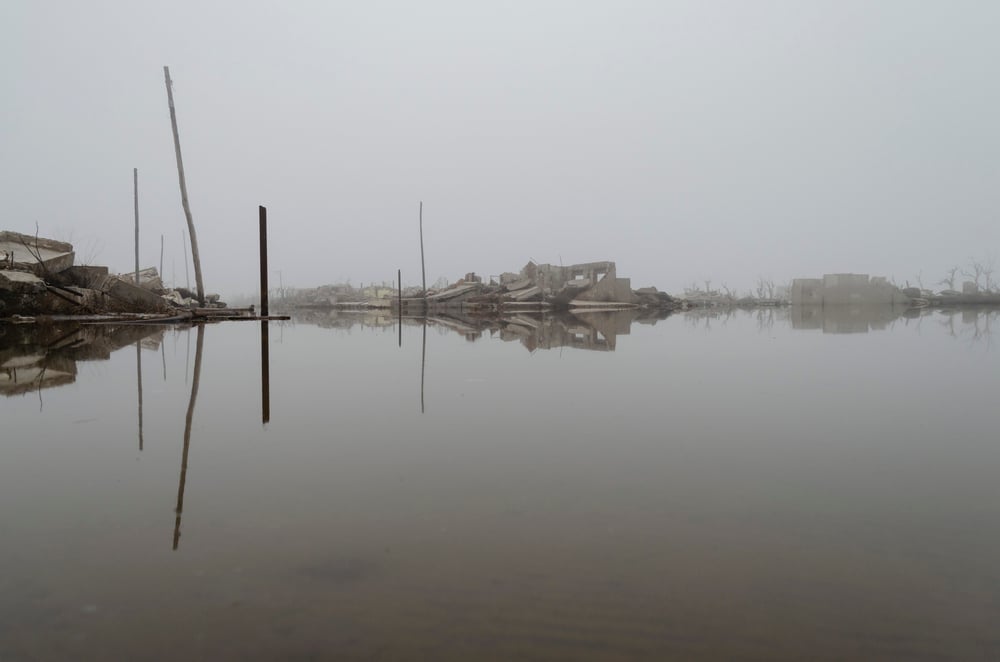
This Argentine tourist town was submerged in 1985 when nearby Lake Epecuén overflowed after heavy rainfall, gradually drowning the popular spa destination under nearly 33 feet of water. After remaining submerged for 25 years, the waters began receding in 2009, exposing the haunting ruins of the once-thriving resort community.
The town’s skeletal remains feature ghostly trees encrusted with salt, the rusted hulks of vehicles, and crumbling buildings standing as monuments to nature’s destructive power. Villa Epecuén offers perhaps the most modern example of a community claimed by rising waters only to be revealed decades later.
Atlit-Yam
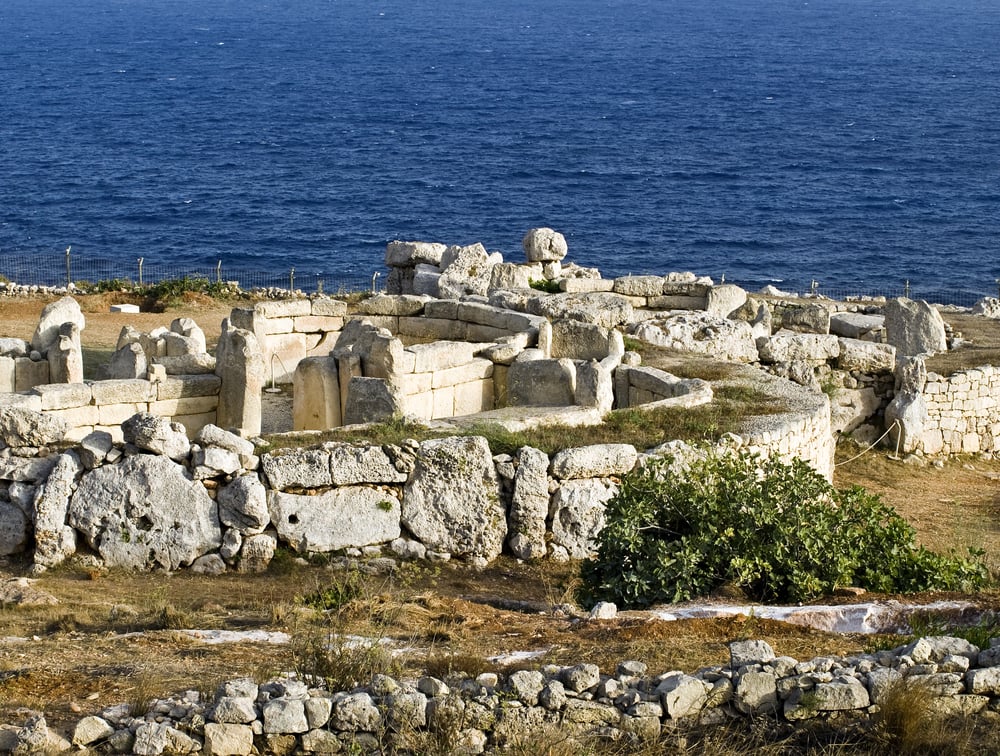
This Neolithic settlement off Israel’s coast dates back approximately 9,000 years and contains what may be the oldest known evidence of humans suffering from tuberculosis. The site features a semicircle of megalithic stones surrounding a freshwater spring, now preserved as a unique underwater monument.
During extreme low tides, more elements of the settlement emerge, including stone-lined wells, hearths, and graves containing human remains that continue providing valuable genetic information. The presence of fish bones alongside cattle remains illustrates the transitional period when humans balanced fishing with agricultural practices.
The Lost Villages
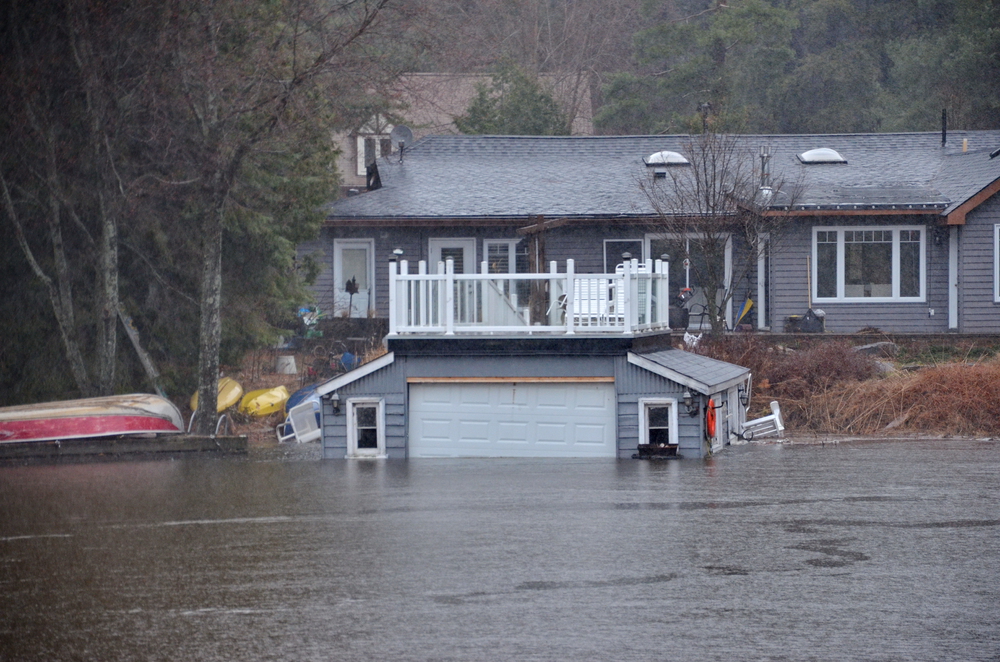
Eleven communities in Ontario, Canada, were deliberately flooded during the construction of the Saint Lawrence Seaway in 1958. These ‘Lost Villages’ contained homes, businesses, churches, and everyday structures that residents were forced to abandon before the waters came.
Drought conditions occasionally lower the waterline enough to reveal foundations, streets, and even partial structures from these mid-20th-century communities. Unlike ancient ruins, these relatively modern underwater villages contain artifacts directly connected to living generations who remember walking those now-submerged streets.
Vilarinho da Furna
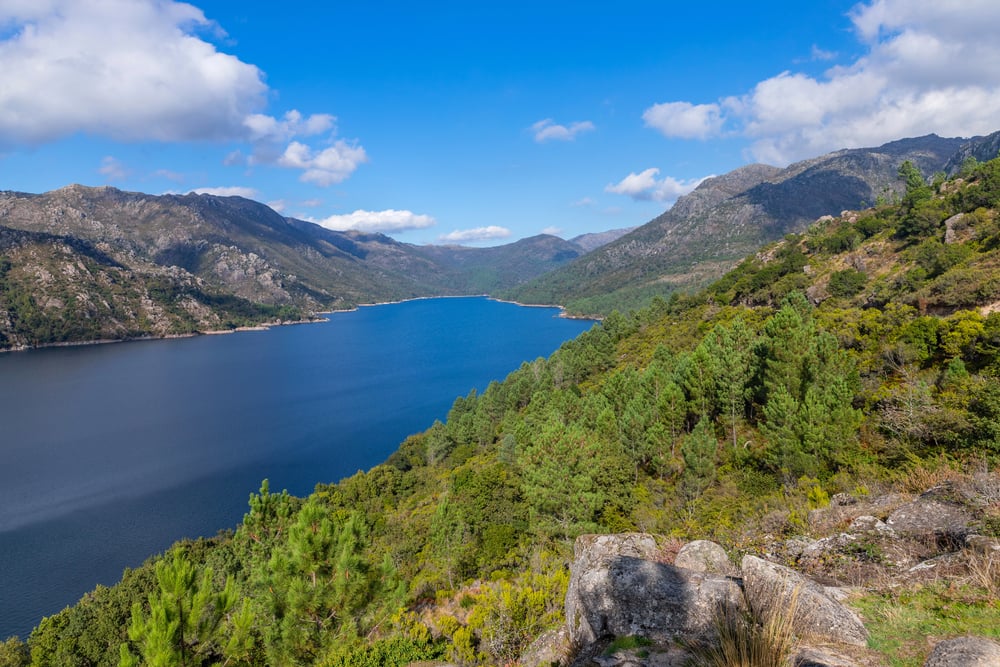
This ancient Portuguese community was sacrificed to create a reservoir in 1972, submerging structures dating back to Roman times. The village operated under a unique communal system called ‘Council of Neighbors’ where major decisions were made collectively through a democratic process centuries ahead of its time.
During severe droughts, the community’s granite homes, communal oven, and central gathering spaces emerge from the waters. Former residents maintain a museum preserving artifacts and memories of this distinctive social experiment that operated successfully for centuries before being claimed by modern infrastructure needs.
Potosi Church
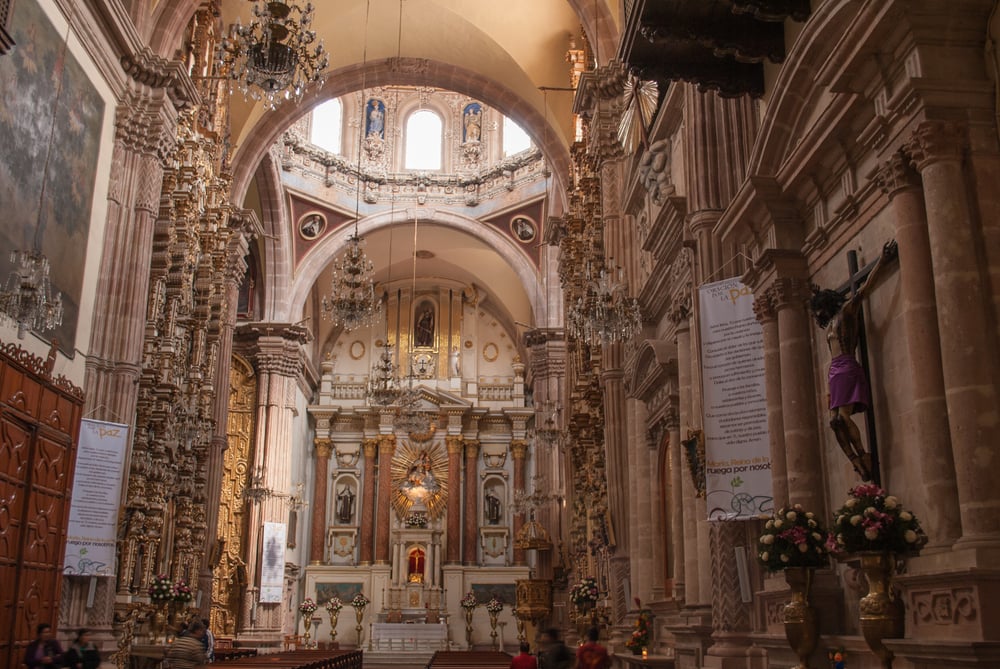
This colonial-era Venezuelan church emerges during extreme drought conditions from the Uribante Reservoir, created in 1985. The Gothic structure’s cross-topped steeple becomes visible first, followed by walls and interior elements as water levels continue dropping.
Local residents view the church’s reappearance as both ominous and sacred, with some returning to pray in the temporarily accessible ruins. The structure serves as a potent reminder of the cultural heritage sacrificed for hydroelectric power generation throughout Latin America.
Old Adaminaby
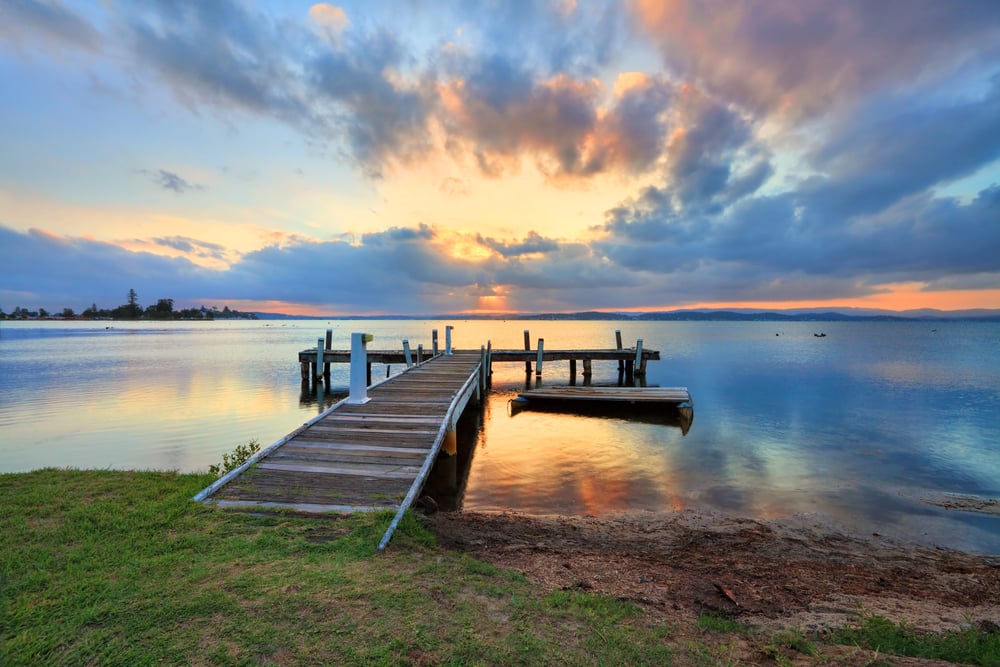
This Australian town was relocated in the 1950s to make way for a massive hydroelectric project, leaving the original settlement submerged beneath Lake Eucumbene. During Australia’s millennium drought, water levels dropped dramatically, exposing foundations, streets, and partial structures from the abandoned community.
Former residents and their descendants often visit during low-water periods to walk streets not seen for generations and reconnect with their heritage. The site offers a unique opportunity to study mid-20th-century rural Australian architecture and town planning preserved by the waters.
The Lost Temple of Mahabalipuram
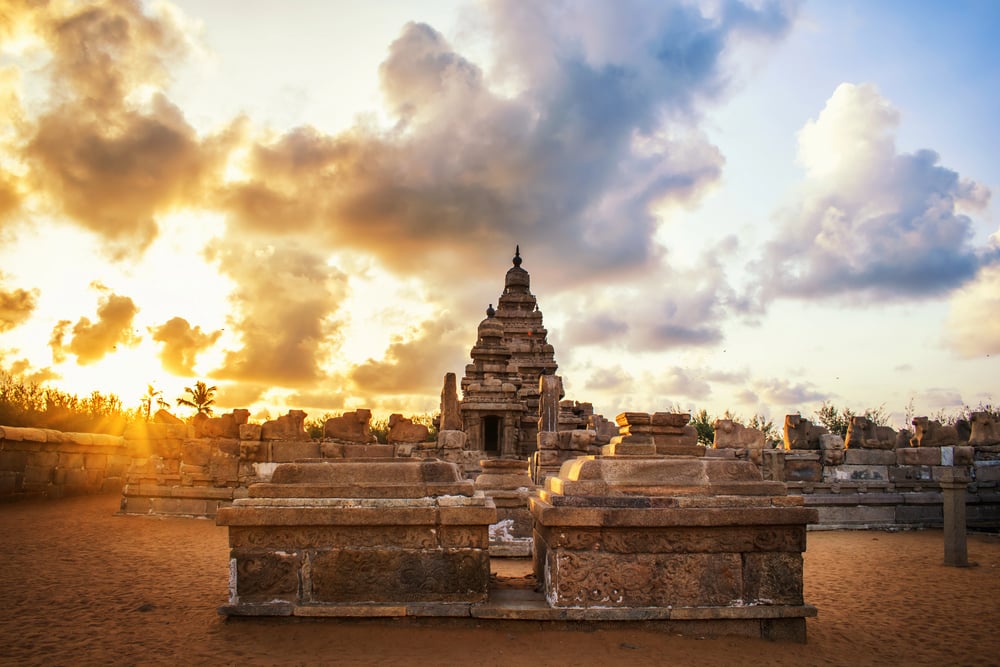
According to local legend, seven magnificent temples once lined the coast at Mahabalipuram, India, with all but one claimed by the sea. After the devastating 2004 tsunami temporarily altered coastal water levels, previously hidden structures emerged from the shifting sands.
Subsequent excavations revealed substantial ruins including a large stone lion and carved walls extending from the shoreline into the ocean. Archaeologists continue studying these partially submerged structures that provide evidence supporting ancient literary descriptions of the magnificent port city.
Like Go2Tutors’s content? Follow us on MSN.
Bomben Lake Ruins
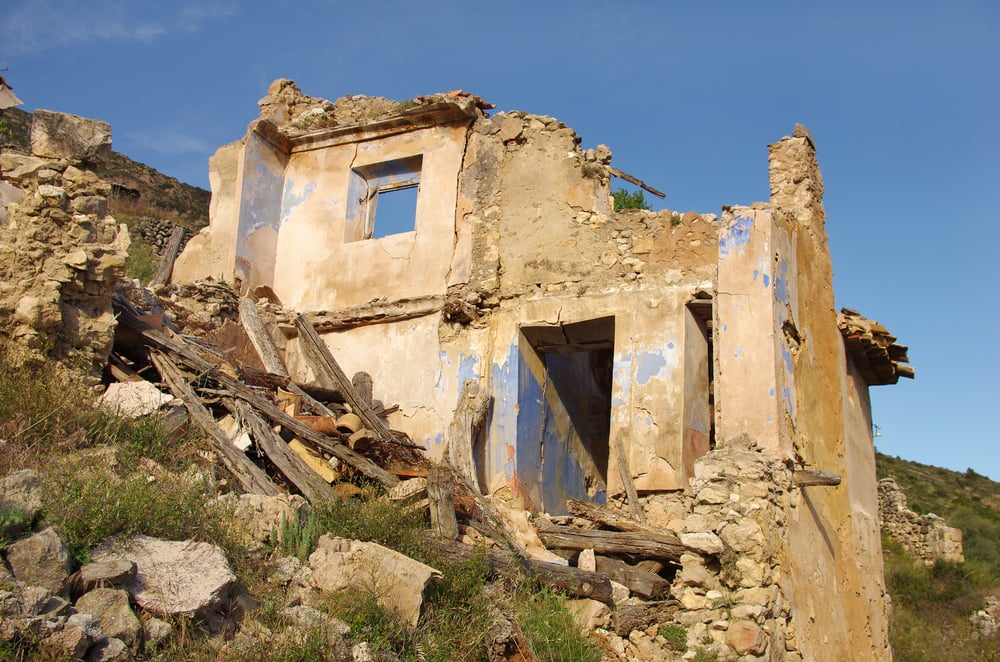
This submerged archaeological site in Norway contains settlement evidence spanning from the Stone Age through the Bronze Age. During particularly dry summers, water levels drop enough to reveal stone foundations, cooking pits, and artifacts spanning thousands of years of continuous human habitation.
The site’s periodic reemergence allows archaeologists to document changes in architecture and lifestyle across multiple prehistoric periods. The lake bed’s oxygen-poor environment has preserved organic materials rarely found at conventional archaeological sites, including wooden tools and leather items.
Gulf of Cambay Structures
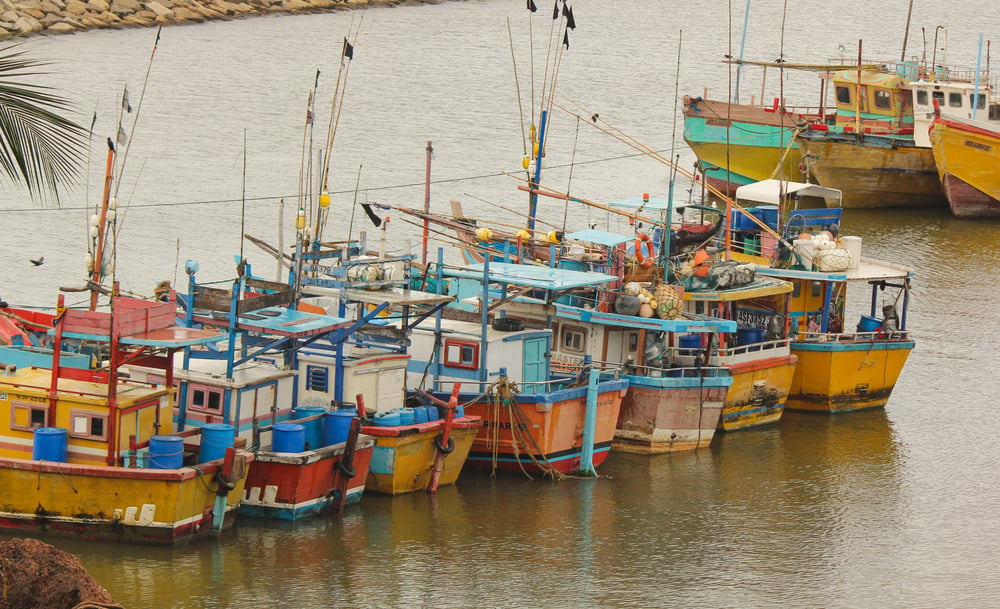
Controversial discoveries in India’s Gulf of Cambay include geometric stone structures spotted during periods of extreme low tide. Some researchers propose these ruins represent urban settlements potentially dating back 9,500 years, which would make them among the oldest known organized communities on Earth.
The structures feature what appear to be grid-patterned streets and drainage systems suggesting sophisticated urban planning. Ongoing research during optimal low-water conditions continues evaluating whether these formations represent natural phenomena or evidence of an advanced ancient civilization predating currently accepted timelines.
Helike
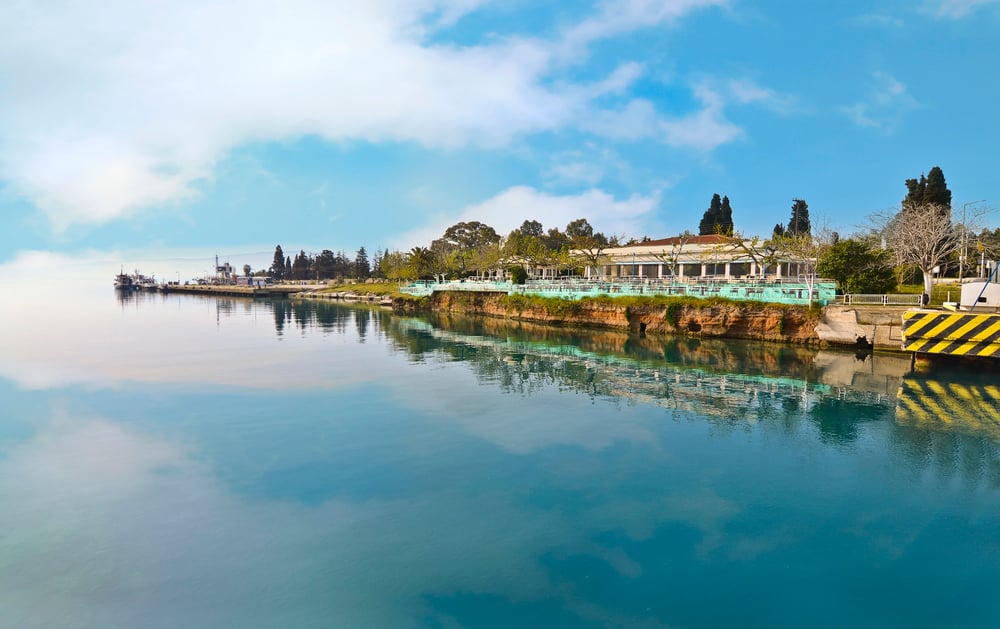
This ancient Greek city disappeared beneath the waters of the Corinthian Gulf following a catastrophic earthquake and tsunami in 373 BCE. The disaster occurred so suddenly that Helike became the inspiration for Plato’s story of Atlantis.
Modern drought conditions occasionally expose additional ruins from this legendary lost city, revealing well-preserved artifacts including coins, pottery, and building foundations. Ongoing archaeological work during low water periods has uncovered evidence of temples, public buildings, and everyday items providing insights into daily life in this important ancient Greek community.
The Waters Recede, History Returns
These submerged ruins represent more than archaeological curiosities—they stand as powerful reminders of humanity’s complex relationship with water. From deliberate flooding for modern infrastructure to sudden natural disasters, water claims human settlements with indifferent regularity while paradoxically preserving what it consumes.
Each drought-induced revelation offers researchers fleeting opportunities to document submerged heritage before rising waters reclaim these sites. As climate patterns continue shifting globally, we may witness more frequent appearances of these underwater time capsules, providing unprecedented glimpses into communities long surrendered to the depths.
More from Go2Tutors!

- The Romanov Crown Jewels and Their Tragic Fate
- 13 Historical Mysteries That Science Still Can’t Solve
- Famous Hoaxes That Fooled the World for Years
- 15 Child Stars with Tragic Adult Lives
- 16 Famous Jewelry Pieces in History
Like Go2Tutors’s content? Follow us on MSN.



