Famous Foods That Were Created Completely By Accident And Took Over The World
Some of the most beloved foods on the planet came from moments when everything went wrong. A chef’s mistake. A forgotten pot.
An experiment that failed spectacularly and succeeded anyway. These culinary accidents didn’t just create new dishes — they built empires, changed cultures, and ended up on dinner tables across every continent.
The stories behind these foods remind you that innovation rarely follows a recipe. Instead, it emerges from spilled ingredients, burnt edges, and the willingness to taste something that probably shouldn’t exist.
What started as kitchen disasters became the comfort foods that define entire nations.
Chocolate Chip Cookies
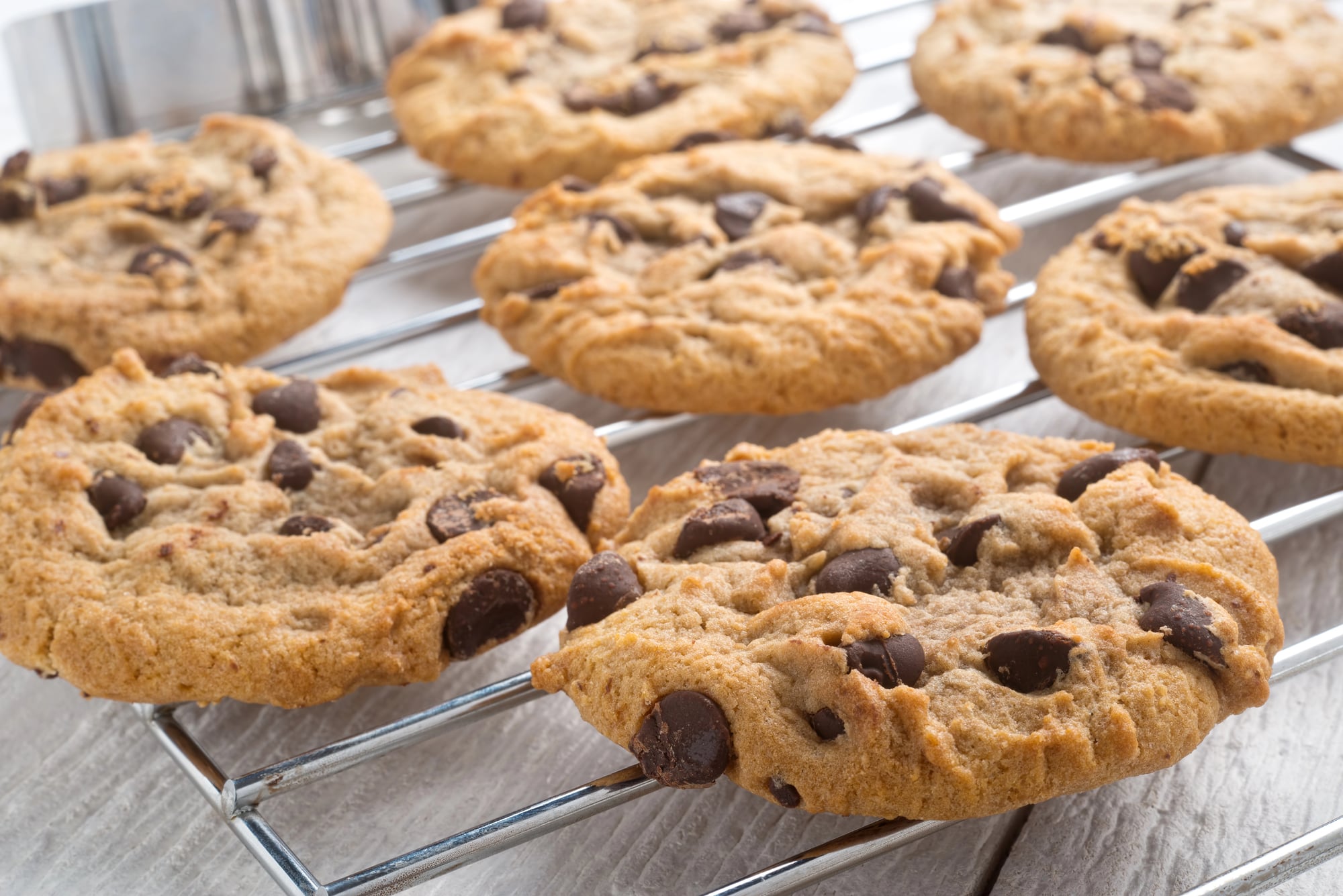
Ruth Wakefield ran the Toll House Inn in Massachusetts, and in 1938, she faced a problem that would accidentally reshape American desserts forever. She was making chocolate cookies for her guests, but she had run out of baker’s chocolate.
So she grabbed a bar of Nestlé semi-sweet chocolate, chopped it up, and tossed the pieces into her cookie dough, assuming they would melt and spread evenly throughout the batter during baking. They didn’t.
The chocolate pieces held their shape, creating pockets of sweetness scattered through each cookie — something that had never existed before. Her guests devoured them.
Word spread, and soon people were driving to the inn specifically for these strange new cookies. Nestlé noticed their chocolate bar sales spiking in the Boston area, tracked down the source, and eventually bought Ruth’s recipe in exchange for a lifetime supply of chocolate.
The chocolate chip cookie became America’s most popular cookie, and it all started because someone ran out of the right ingredient.
Potato Chips
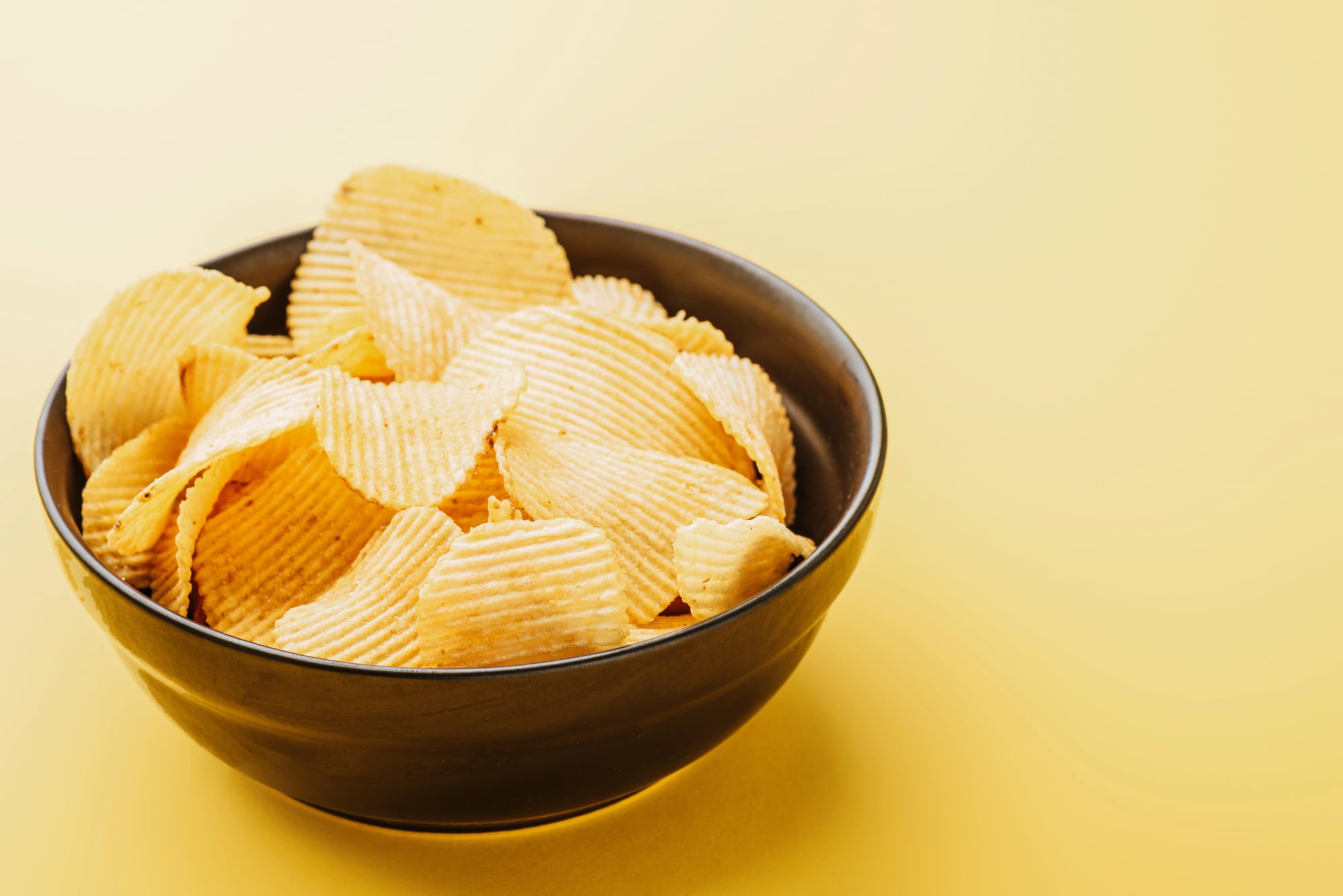
George Crum worked as a chef at Moon’s Lake House in Saratoga Springs, New York, in 1853. A customer kept sending back his fried potatoes, complaining they were too thick and soggy.
Crum got annoyed. So he sliced the potatoes paper-thin, fried them until they were crispy, and salted them heavily — intending to create something so ridiculous that the customer would finally be satisfied or give up entirely.
The customer loved them. Other diners wanted to try these impossibly thin, salty potato slices.
Word spread throughout the resort town, and “Saratoga Chips” became a local specialty. What started as an act of kitchen spite became the foundation of a snack industry worth billions of dollars.
Crum’s moment of frustration created one of the world’s most addictive foods.
Popsicles
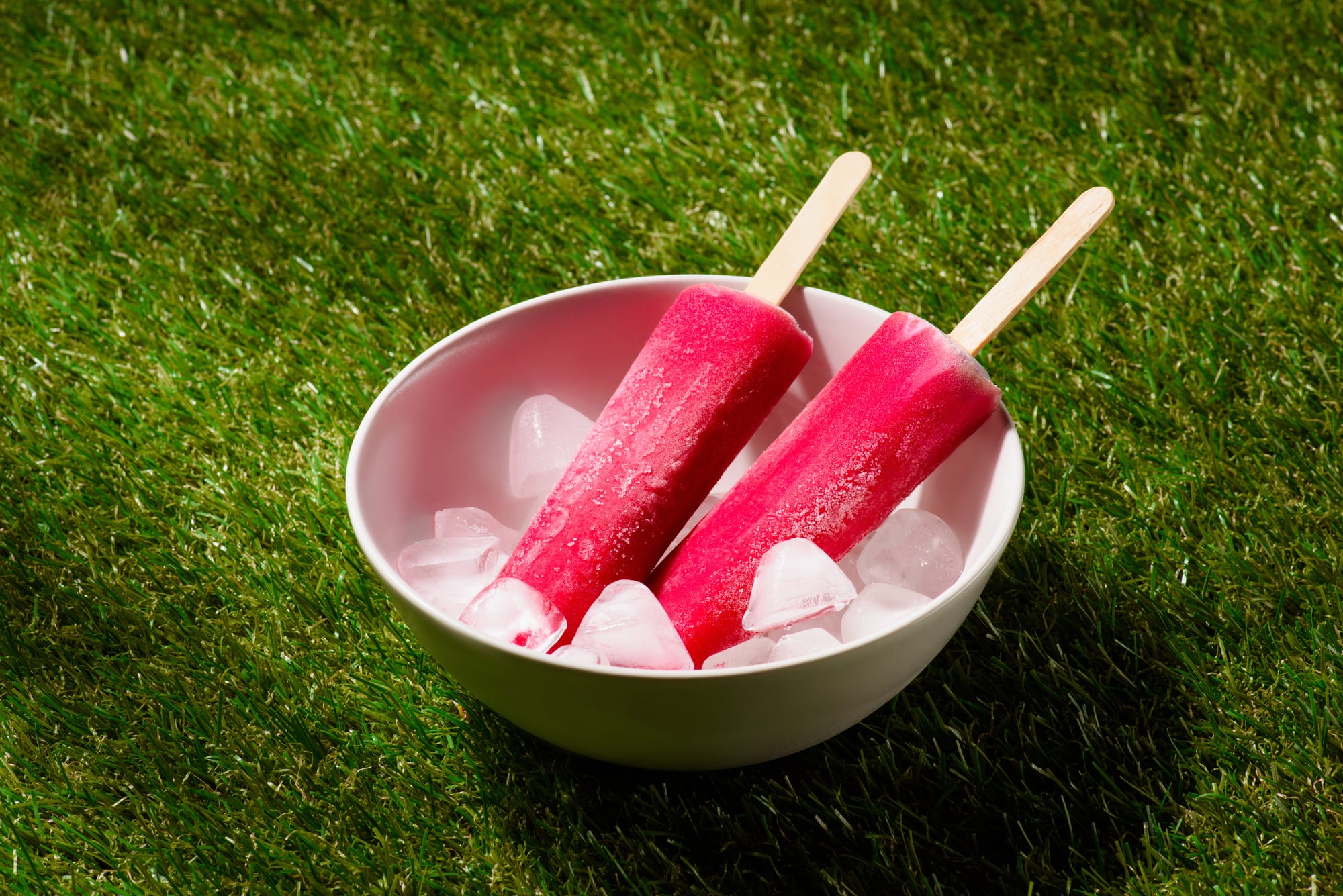
Frank Epperson was eleven years old in 1905 when he mixed powdered soda and water on his porch in Oakland, California. He left the mixture outside overnight with the stirring stick still in it, and the temperature dropped below freezing.
When he found it the next morning, he had created something that didn’t exist yet: a frozen treat on a stick. He called it the “Epsicle” and made them for friends.
Nearly twenty years later, he remembered his childhood accident and started selling them at an amusement park. His own children convinced him to change the name to “Popsicle,” and he patented the concept in 1924.
A forgotten drink on a cold night became one of summer’s defining treats. Sometimes the best discoveries happen when you’re too young to know they’re impossible.
Nachos
Ignacio “Nacho” Anaya worked at a restaurant called the Victory Club in Piedras Negras, Mexico, just across the border from Eagle Pass, Texas. In 1943, a group of military wives from the nearby U.S. base arrived after closing time, hungry and hoping for food.
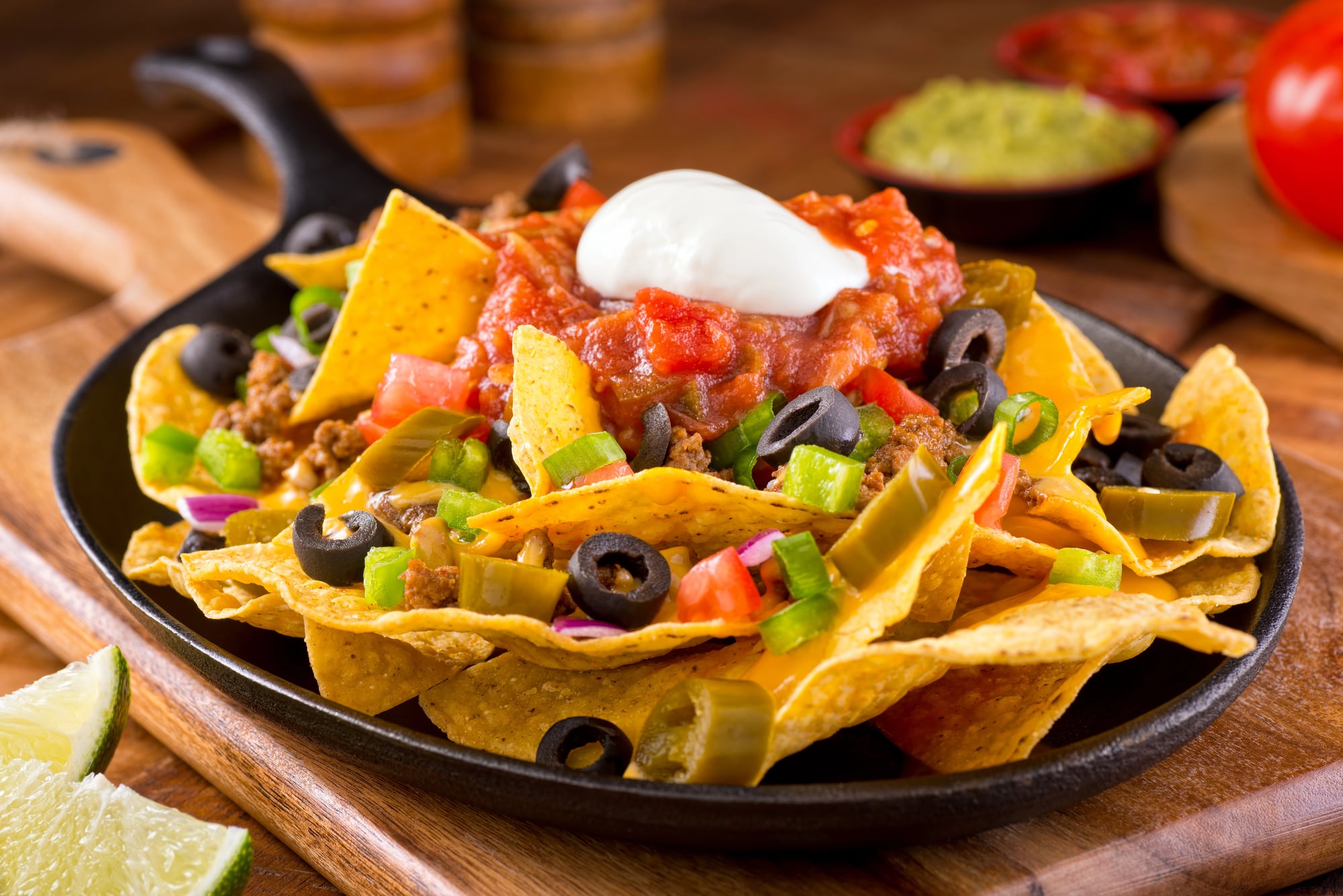
Anaya’s kitchen was mostly cleaned out, but he didn’t want to turn them away. He found some tortilla chips, melted cheese, and sliced jalapeños — essentially whatever was left in his kitchen.
He melted the cheese over the chips, added the peppers, and served it as a snack. The women loved it and started bringing friends.
They called it “Nacho’s especial,” and the dish spread throughout Texas and beyond. A desperate attempt to feed unexpected guests with kitchen scraps became one of the most popular appetizers in North America.
The best hospitality sometimes comes from having nothing left to offer but creativity.
Ice Cream Cones
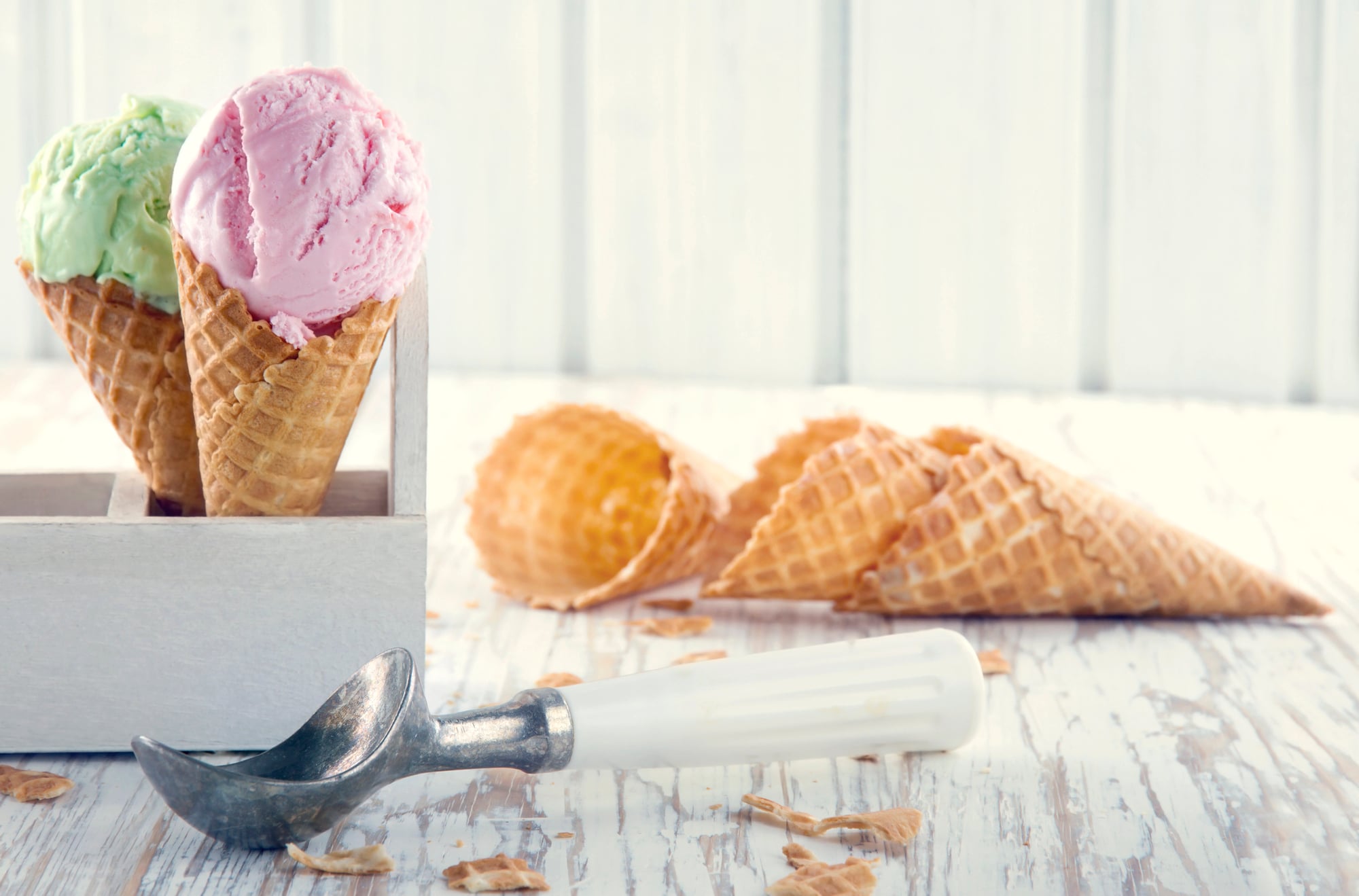
The ice cream cone emerged from desperation at the 1904 World’s Fair in St. Louis, though the exact story depends on who you ask (and several vendors claimed credit afterward, which tells you how obvious the success was in hindsight). The most widely accepted version involves Ernest Hamwi, who was selling zalabia — thin, waffle-like pastries from his native Syria — at a booth next to an ice cream vendor.
The ice cream booth ran out of bowls during a particularly busy day, with long lines of customers and no way to serve them. Hamwi started rolling his warm waffles into cone shapes so the ice cream vendor could fill them with scoops of ice cream.
Customers could eat the entire thing — container and all. Other vendors noticed and started creating their own versions.
A supply shortage at a busy fair created the most practical way to eat ice cream ever devised. And yet, it took until 1904 for someone to think of it.
Tarte Tatin
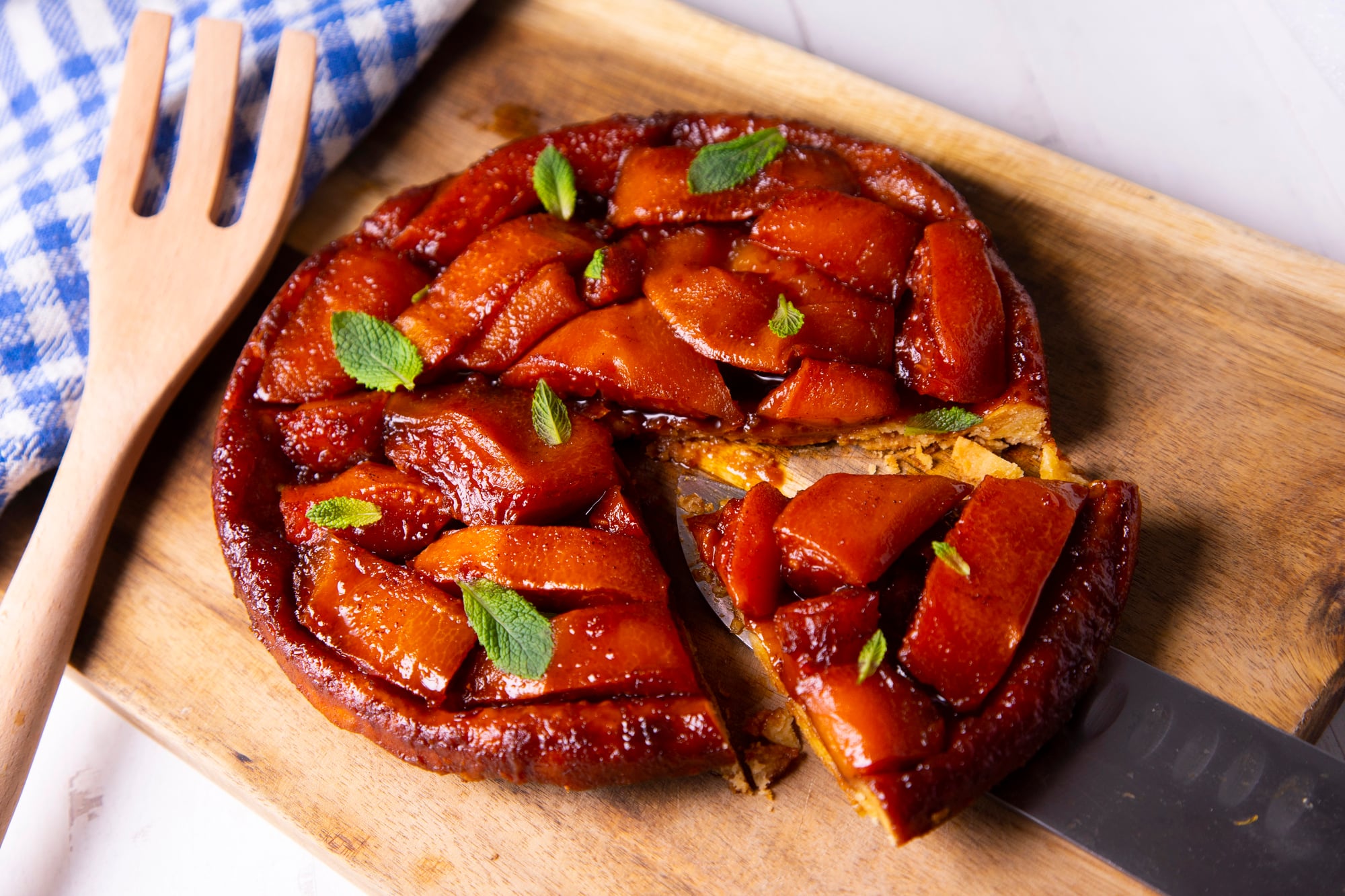
The Tatin sisters ran a hotel in Lamotte-Beuvron, France, in the 1880s, and Stéphanie Tatin was preparing an apple tart when everything went sideways. She dropped the tart, or the apples caramelized too much, or she forgot to put the pastry on the bottom first — the story changes depending on who tells it, but the result was consistent: she ended up with caramelized apples in a pan and pastry that needed to go somewhere.
Rather than start over, she placed the pastry on top of the apples and baked the whole thing. When it was done, she flipped it upside down, creating a tart where the caramelized apples formed a glossy top and the pastry became the base.
The hotel guests found it remarkable. Word spread, and eventually the technique made its way to fancy restaurants in Paris.
A kitchen mistake in a small French hotel became one of the most elegant desserts in classical French cuisine.
Champagne

Dom Pérignon didn’t invent champagne — he stumbled into it while trying to make regular wine, though the monks at the Abbey of Hautvillers would probably phrase it more diplomatically. The champagne region’s cool climate meant that fermentation often stopped during winter, only to restart when temperatures warmed in spring.
This created a second fermentation that produced carbon dioxide, which had nowhere to go except into the wine itself. Most winemakers considered this a flaw, a sign that something had gone wrong with the process.
But Pérignon and the other monks noticed that these “flawed” wines had a lively, effervescent quality that people enjoyed. Instead of trying to prevent the second fermentation, they started encouraging it.
They developed stronger bottles to handle the pressure and learned to control the process. A winemaking problem became the foundation of celebration itself.
The most expensive wines in the world exist because someone decided to embrace what was supposed to be a mistake.
Worcestershire Sauce
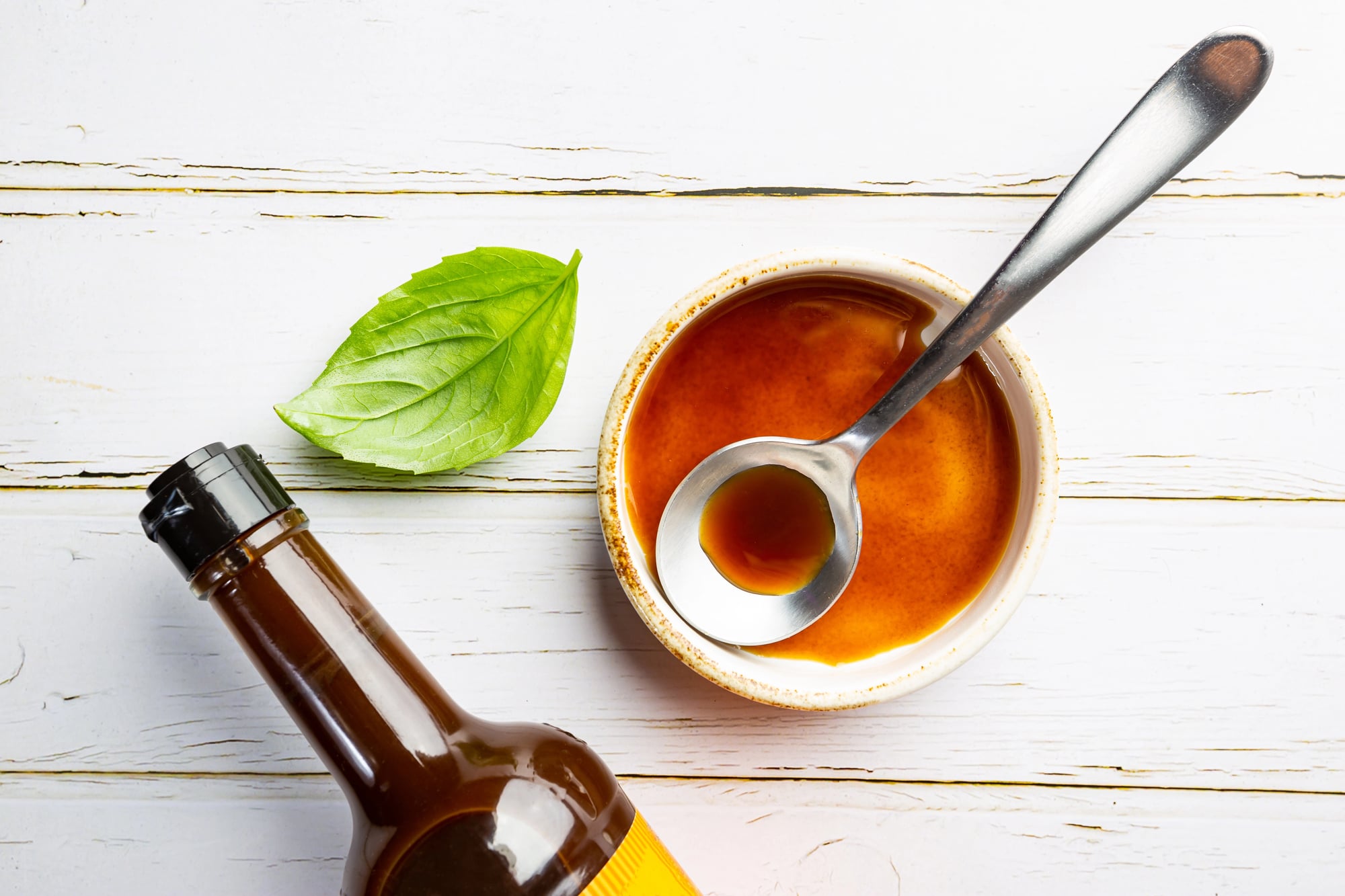
Lord Sandys returned to England from Bengal in the 1830s with a recipe for a sauce he had enjoyed during his time in India. He brought the recipe to Lea & Perrins, a pharmacy in Worcester that mixed medicines and occasionally dabbled in food products, asking them to recreate it.
They tried, but the result was harsh and nearly inedible — nothing like what Lord Sandys remembered. The pharmacists relegated the failed batches to the cellar and forgot about them.
When they rediscovered the barrels months later and tasted the contents, the harsh flavors had mellowed and merged into something complex and savory. The accidental aging process had created a sauce with layers of flavor that no one had intended.
Lea & Perrins started bottling it, and Worcestershire sauce became one of the world’s most widely used condiments. Sometimes the best results come from abandoning your failures and checking on them later.
Cornflakes
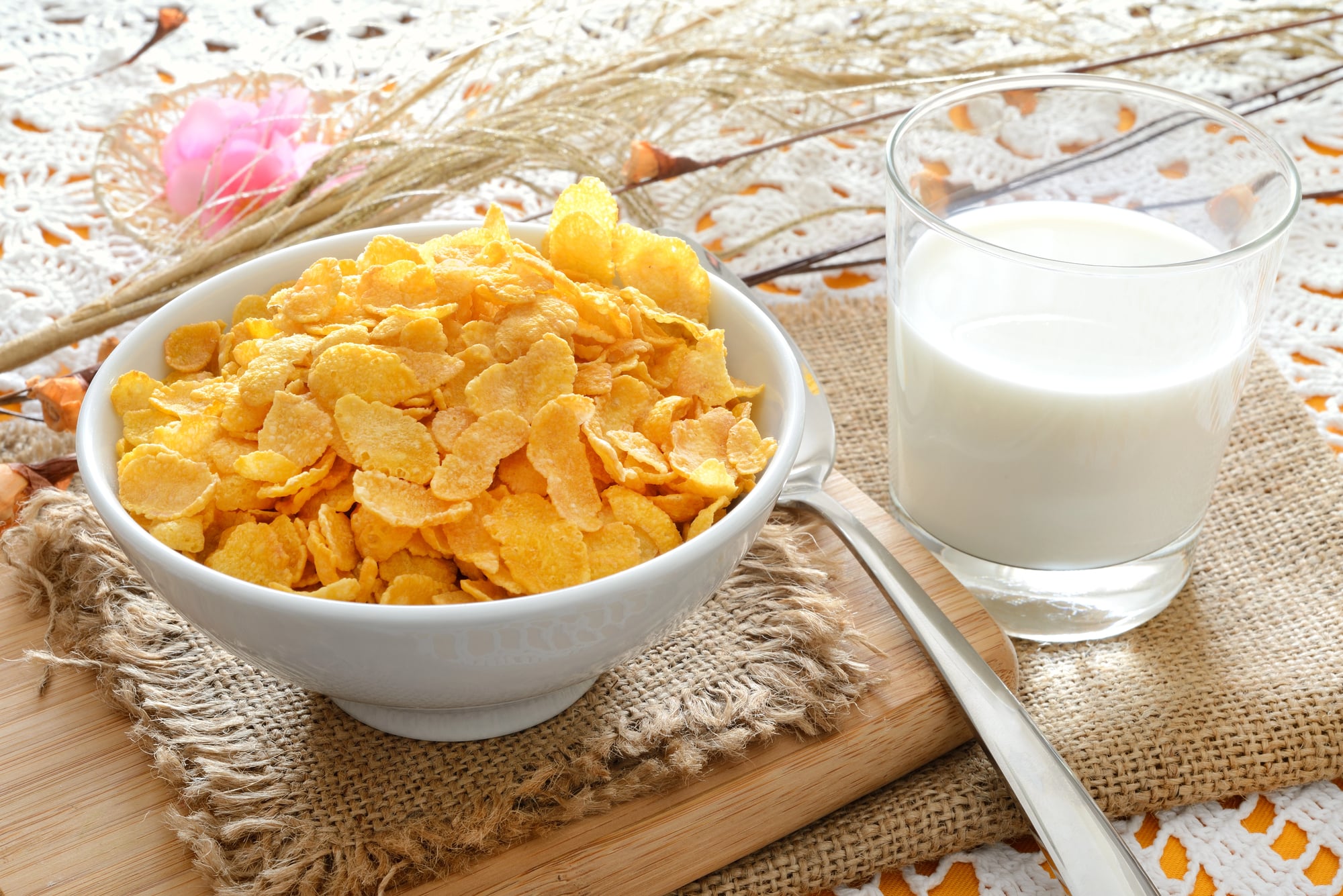
John Harvey Kellogg ran a health sanitarium in Battle Creek, Michigan, and believed that bland foods were morally and physically superior to flavorful ones. He spent considerable time developing wholesome, unexciting foods for his patients.
In 1894, he was experimenting with boiled wheat when he and his brother Will left a batch sitting out too long. When they returned, the wheat had gone stale.
Rather than waste it, they decided to roll it anyway. Instead of forming a dough, the stale wheat broke apart into flakes.
They toasted the flakes and served them to patients, who found them surprisingly palatable for health food. The brothers eventually switched from wheat to corn and founded the Kellogg Company.
A forgotten pot of grain became the foundation of the breakfast cereal industry. The irony is that Will later added sugar to make the flakes more appealing, which would have horrified his health-obsessed brother.
Penicillin
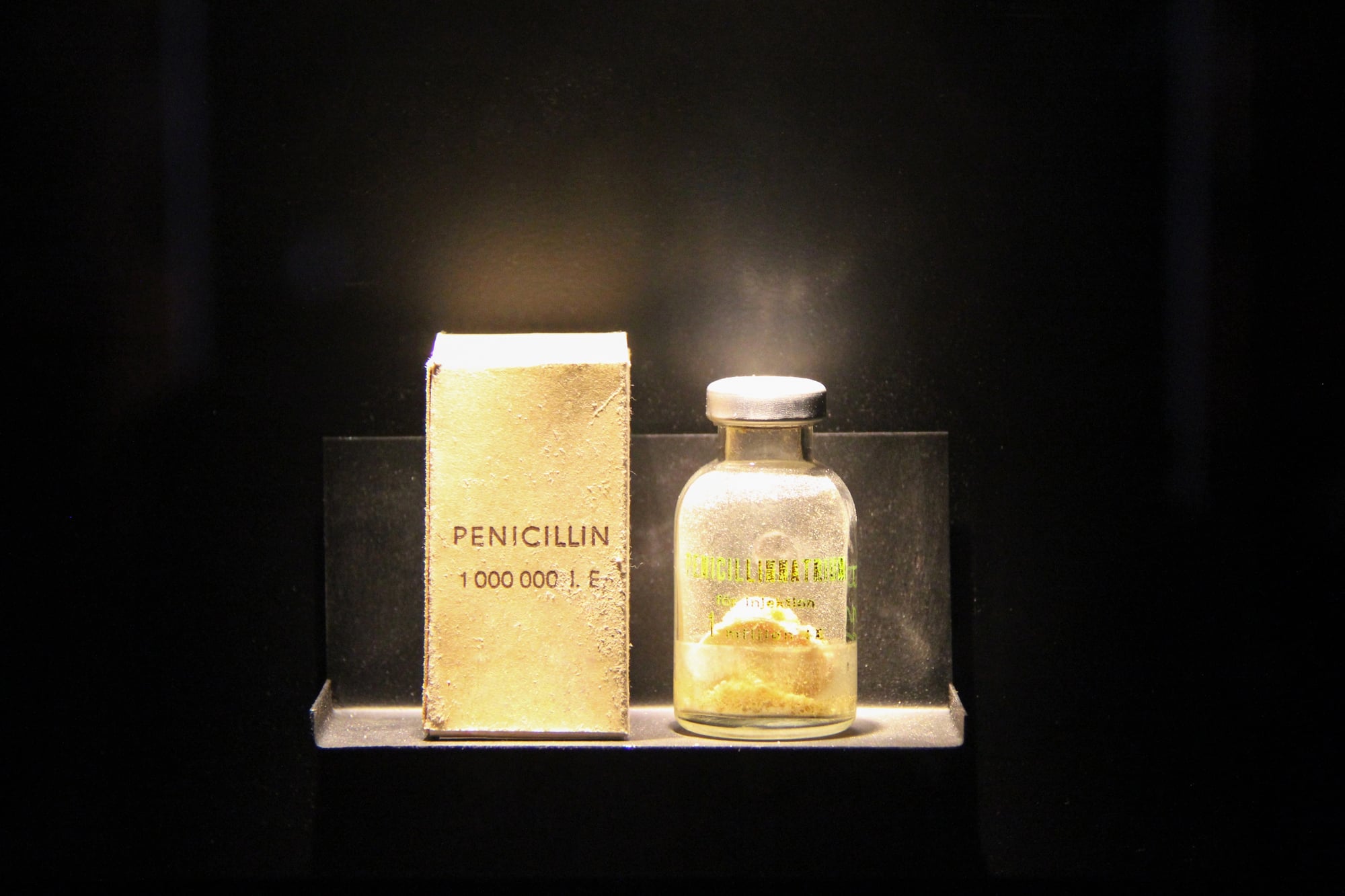
Alexander Fleming wasn’t trying to create an antibiotic in 1928 — he was studying influenza bacteria in his laboratory at St. Mary’s Hospital in London when he noticed something odd about one of his culture plates. He had left the plate uncovered, and a mold had contaminated it.
But instead of simply ruining the experiment, the mold had killed the bacteria around it, creating a clear zone where nothing could grow. Most researchers would have discarded the contaminated plate and started over.
Fleming examined it more closely and identified the mold as belonging to the genus Penicillium. He realized that the mold was producing something that could kill harmful bacteria — a natural antibiotic.
His accidental discovery led to the development of penicillin, which has saved millions of lives. The most important medical breakthrough of the 20th century happened because someone forgot to cover a petri dish.
Vulcanized Rubber

Charles Goodyear spent years trying to make rubber useful in all weather conditions. Natural rubber became sticky and smelly in heat and brittle in cold, which limited its practical applications.
He experimented with different additives and treatments, but nothing worked consistently. In 1839, he was mixing rubber with sulfur when he accidentally dropped some of the mixture onto a hot stove.
Instead of melting into a gooey mess as he expected, the rubber-sulfur combination charred around the edges but remained flexible and strong in the center. The heat had created a chemical reaction that made the rubber stable at both high and low temperatures.
This process, which he called vulcanization, made modern rubber products possible — from car tires to waterproof clothing. An accidental spill onto a hot stove created the foundation of the rubber industry.
Saccharin
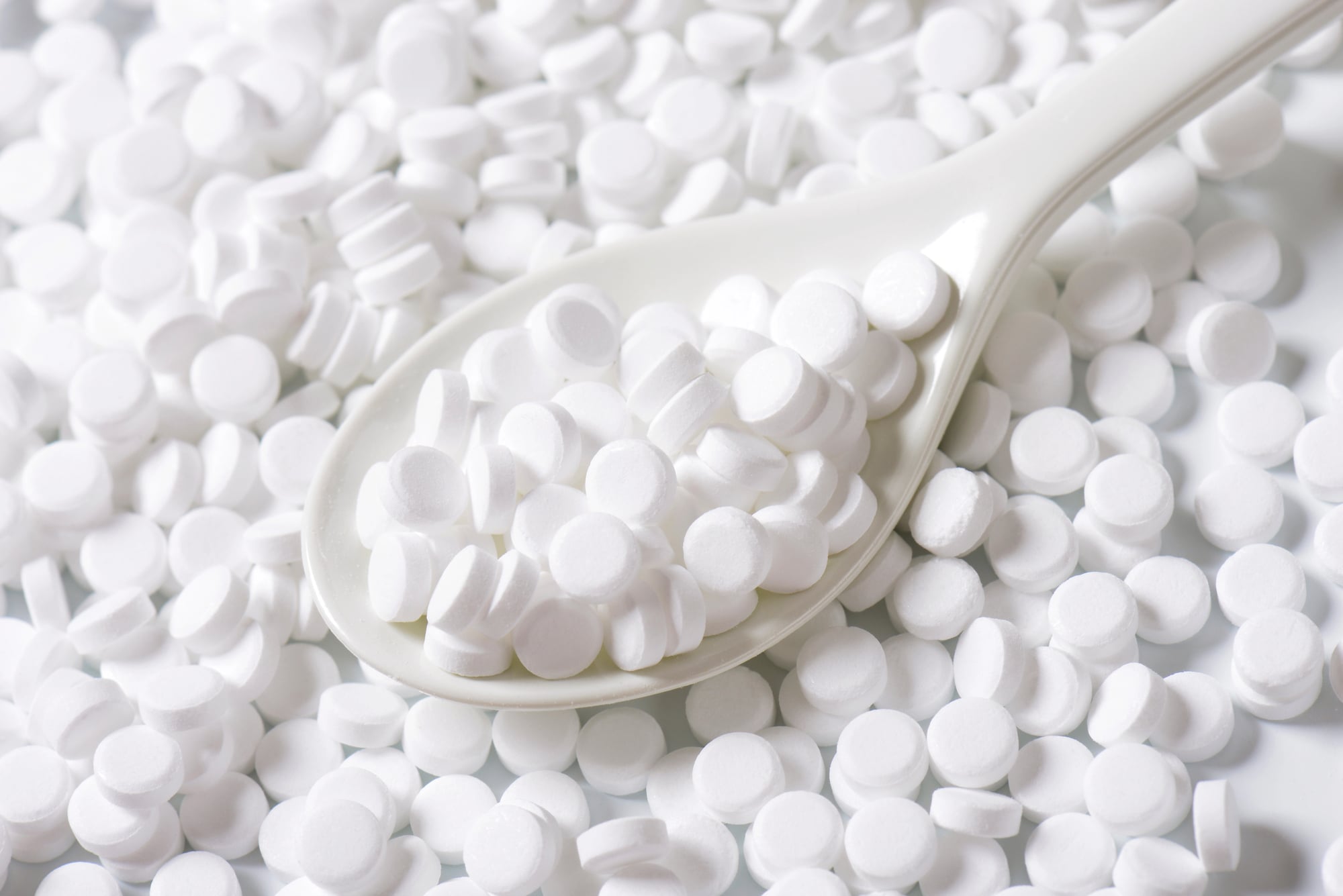
Constantin Fahlberg was researching coal tar derivatives at Johns Hopkins University in 1879 when he made a discovery at his dinner table rather than in his laboratory. He had been working with various chemical compounds all day and apparently hadn’t washed his hands thoroughly before eating.
When he tasted his bread, it was remarkably sweet — much sweeter than it should have been. He realized that something from his laboratory work had transferred to his hands and then to his food.
He returned to the lab and systematically tasted (probably not the safest research method) the compounds he had been working with until he identified the source of the sweetness. The compound was hundreds of times sweeter than sugar and contained no calories.
Saccharin became the first artificial sweetener, and poor laboratory hygiene became a billion-dollar discovery.
Viagra
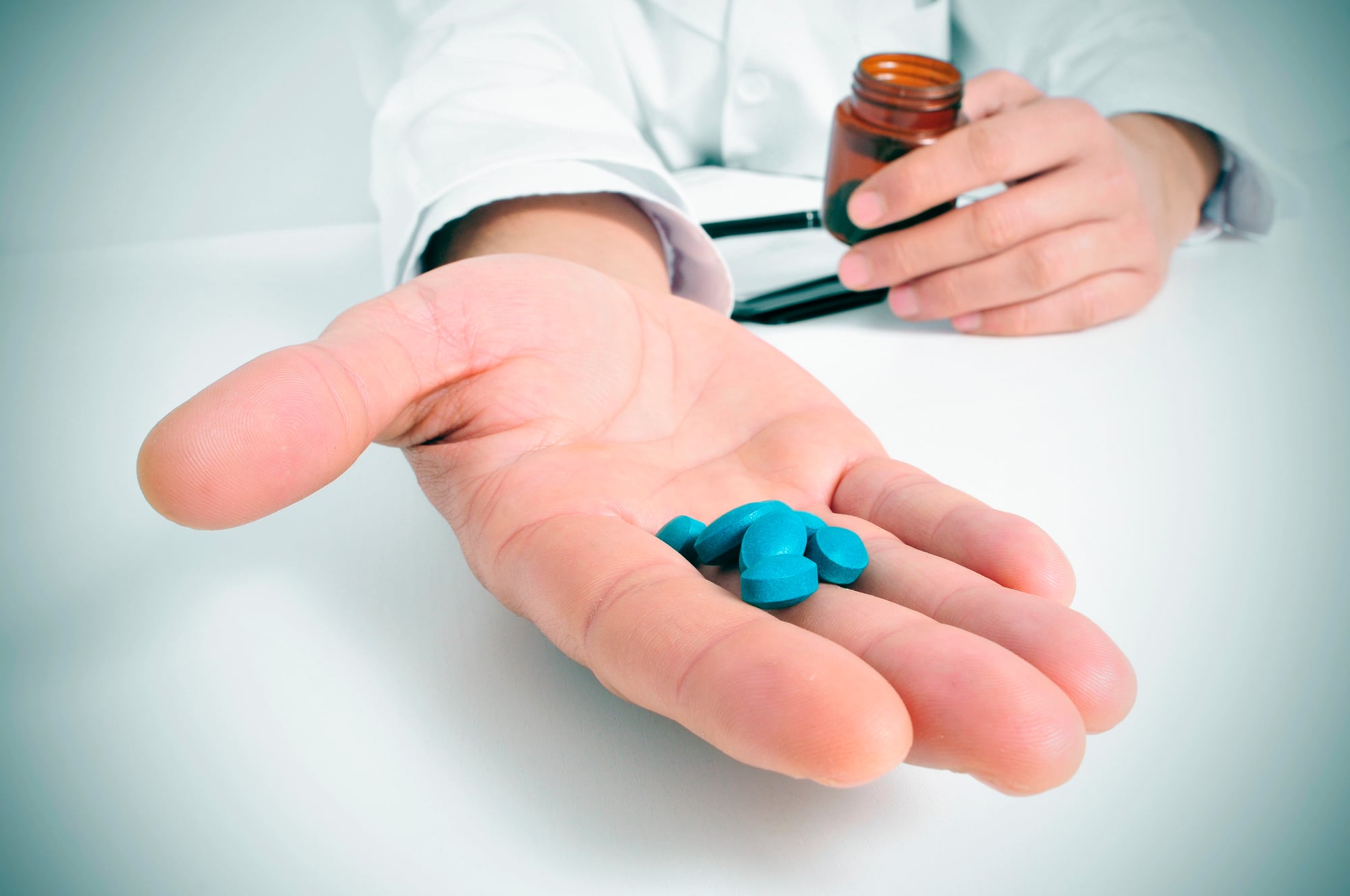
Pfizer researchers in the 1980s were developing a drug called sildenafil to treat high blood pressure and heart-related chest pain. The drug worked by relaxing blood vessels, which should have helped with cardiovascular problems.
But in clinical trials, it didn’t perform particularly well for its intended purpose. Researchers were preparing to abandon the project when they noticed something unexpected in the trial reports.
Male participants were reporting a side effect that had nothing to do with blood pressure or chest pain. The drug was causing increased blood flow to areas where increased blood flow had very different implications.
Instead of discarding the drug, Pfizer decided to investigate this side effect as a potential treatment for erectile dysfunction. Viagra became one of the most profitable pharmaceuticals ever developed.
A failed heart medication became a solution to an entirely different problem.
Post-It Notes

Spencer Silver was working for 3M in 1968, trying to develop a super-strong adhesive for aerospace applications. Instead, he created an adhesive that was weak, pressure-sensitive, and could be easily removed without leaving residue.
It was the opposite of what he wanted, and it seemed useless for any practical application. For years, Silver tried to find a use for his weak adhesive.
His colleague Art Fry sang in a church choir and was frustrated that his bookmarks kept falling out of his hymnal. Fry remembered Silver’s adhesive and realized it could create removable bookmarks that would stick lightly to pages without damaging them.
They developed the concept into Post-it Notes, which became one of 3M’s most successful products. An adhesive that failed at being strong succeeded at being gentle.
Teflon
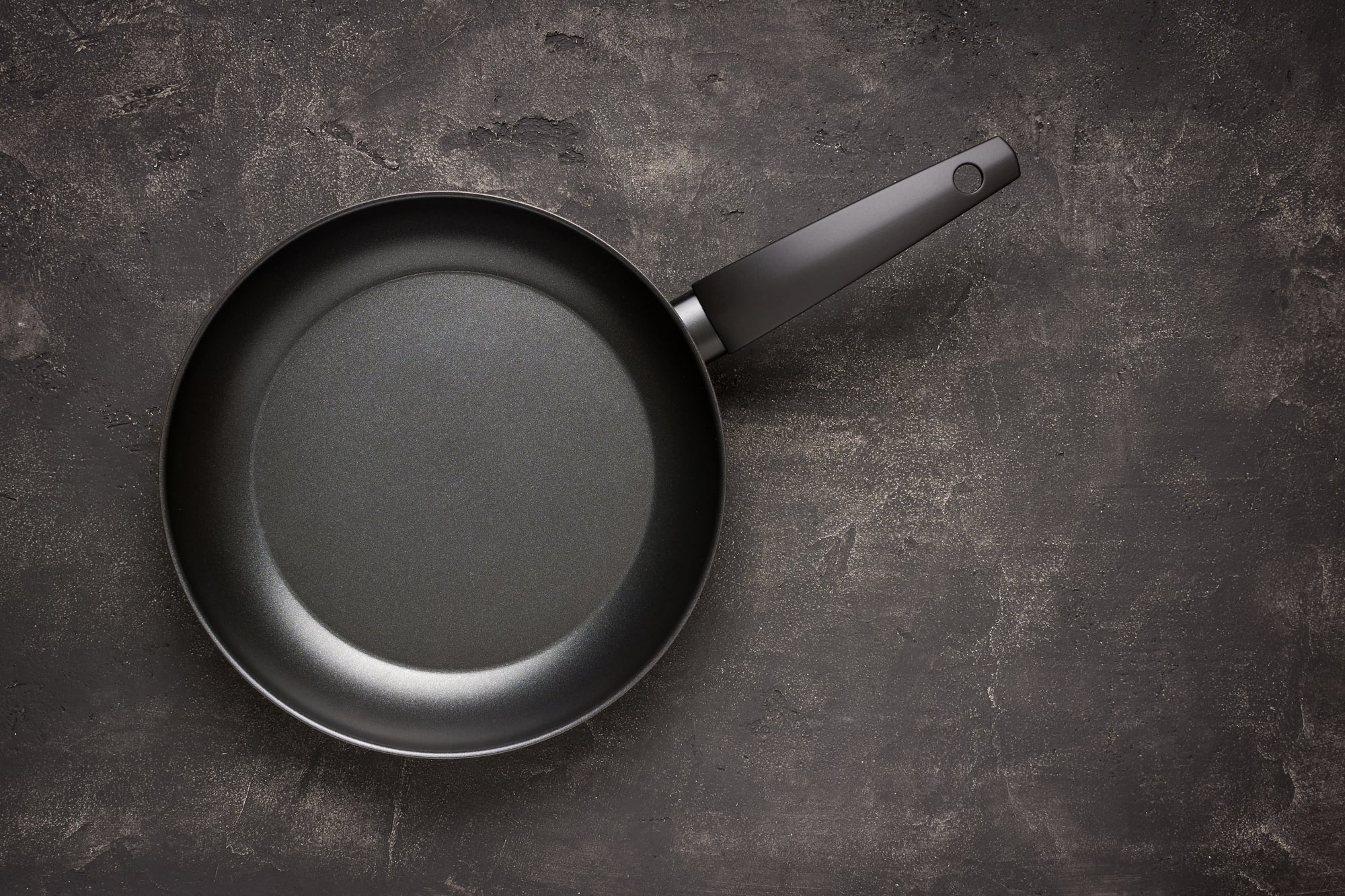
Roy Plunkett was working for DuPont in 1938, trying to develop new refrigerants by experimenting with gases stored under pressure. He was working with tetrafluoroethylene gas when one of his storage containers seemed to be empty, even though its weight indicated it should still contain gas.
Instead of discarding it, he cut the container open to see what had happened. Inside, he found a white, waxy substance that the gas had polymerized into.
The substance was slippery, chemically inert, and resistant to extreme temperatures. Nothing would stick to it, and it wouldn’t react with other chemicals.
Plunkett had accidentally created polytetrafluoroethylene, which would later be branded as Teflon. A gas that failed to stay gaseous became the coating that revolutionized cooking and countless industrial applications.
Safety Glass

Édouard Bénédictus was working in his laboratory in Paris in 1903 when he accidentally knocked a glass flask off his workbench. He expected it to shatter into dangerous pieces, but instead, the glass cracked but held together in a web-like pattern.
The flask had contained cellulose nitrate, a liquid plastic, which had evaporated and left a thin film coating the inside of the glass. When the glass broke, the plastic film held the pieces together, preventing them from scattering.
Bénédictus realized this could make glass much safer for windows, cars, and buildings. He developed the concept into laminated safety glass, which has prevented countless injuries in car accidents and building failures.
A clumsy moment in a laboratory created one of the most important safety innovations of the modern world.
The Sweet Taste Of Chaos
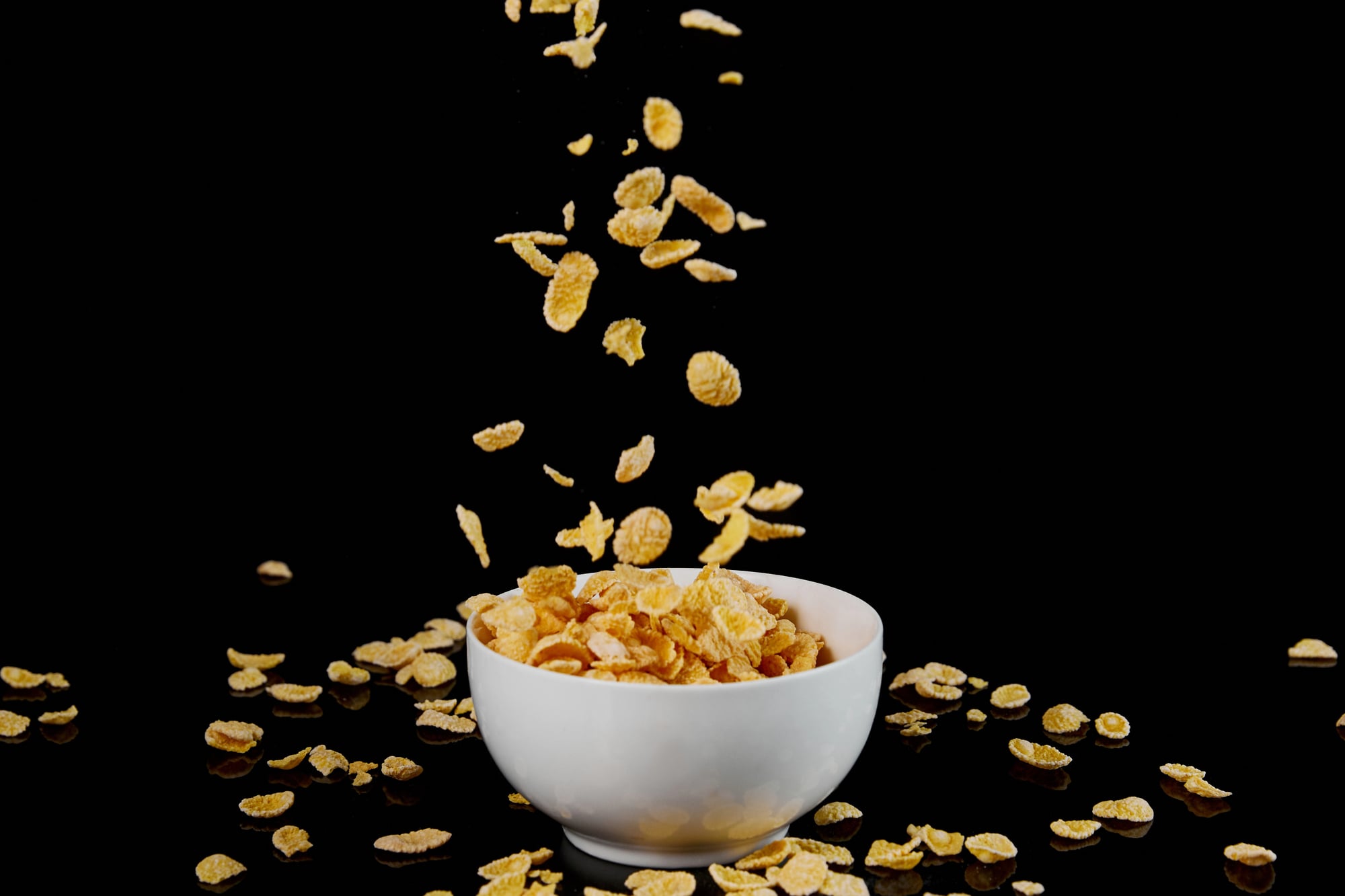
These accidental foods share something beyond their unplanned origins: they succeeded because someone was paying attention when things went wrong. Each story involves a moment when the expected outcome failed, and instead of discarding the result, someone tasted it, examined it, or wondered what would happen if they tried a different approach.
The best accidents in food history happened not because someone was careless, but because they were curious enough to explore what their carelessness had created. That willingness to taste the mistake, to serve the failure, to bottle the accident — that’s where the magic lives.
Sometimes the most important ingredient is the courage to try something that shouldn’t work.
More from Go2Tutors!

- The Romanov Crown Jewels and Their Tragic Fate
- 13 Historical Mysteries That Science Still Can’t Solve
- Famous Hoaxes That Fooled the World for Years
- 15 Child Stars with Tragic Adult Lives
- 16 Famous Jewelry Pieces in History
Like Go2Tutors’s content? Follow us on MSN.



