Famous “Hauntings” With Logical Explanations
Ghost stories have captivated people for centuries, but many of the most famous hauntings have surprisingly mundane explanations. From deliberate hoaxes designed to make money to simple misunderstandings of natural phenomena, these supposedly supernatural events often have rational causes that are just as fascinating as the myths themselves.
The line between the paranormal and the perfectly normal can be thinner than you think. Here is a list of famous hauntings that turned out to have logical explanations behind them.
The Amityville Horror
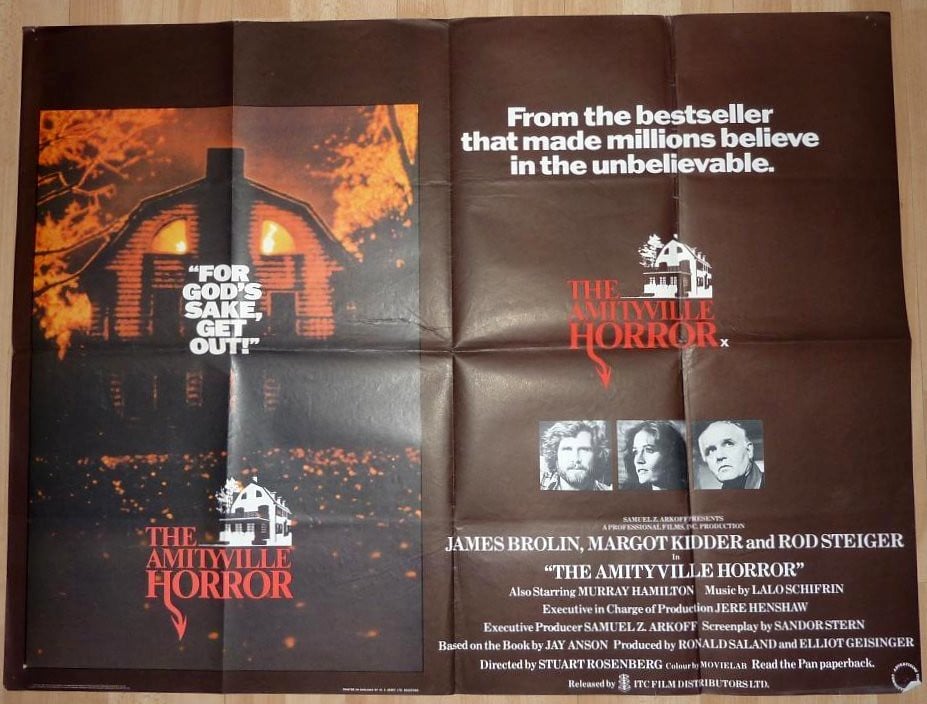
The Amityville Horror stands as one of the most famous haunting hoaxes in American history. The story, which became a bestselling book and spawned numerous films, was actually fabricated by the Lutz family and their lawyer William Weber to make money.
Weber himself admitted in 1988 that they ‘took real-life incidents and transposed them,’ essentially confirming it was a hoax from the start. Every family that has lived in the house since 1976 has reported absolutely no paranormal activity, with one owner commenting that nothing weird ever happened except people showing up because of the book and movie.
Winchester Mystery House

Sarah Winchester’s sprawling California mansion has long been portrayed as a woman’s attempt to confuse ghosts, but the reality is far less spooky. The supposed ‘mystery’ was largely created by tour operators who wanted to boost ticket sales after Winchester’s death in 1922.
The odd architectural features like stairs to nowhere and doors opening to walls were actually the result of Sarah being a self-taught architect who made mistakes, earthquake damage from the 1906 San Francisco quake, and her desire to accommodate her arthritis and small stature with features like shallow steps and low ceilings. Tour guides have even admitted they’re required to tell fabricated stories that paint Sarah as mentally unstable when she was actually a shrewd businesswoman and architectural enthusiast.
Infrasound and the Fear Frequency

One of the most scientifically validated explanations for ghost sightings involves infrasound, which is sound below 20 Hz that humans can’t consciously hear. British engineer Vic Tandy discovered in the 1980s that a fan in his supposedly haunted laboratory was producing sound at 18.9 Hz, which caused his eyeballs to vibrate and created the illusion of a gray figure in his peripheral vision.
This frequency also triggers feelings of anxiety, dread, and the sensation of being watched because it makes your organs vibrate and can cause hyperventilation. Tandy went on to find similar infrasound levels at other ‘haunted’ locations including Coventry Cathedral and Warwick Castle, debunking their paranormal reputations.
The Enfield Poltergeist

The Enfield Poltergeist case from 1977-1979 in London was widely promoted as one of Britain’s most convincing hauntings, but it’s now largely recognized as an elaborate prank. The two sisters at the center of the case, Janet and Margaret Hodgson, were repeatedly caught faking incidents, and Janet later admitted to hoaxing some of the activity.
Stage magicians who reviewed the evidence noted that the ‘poltergeist’ only acted when it wasn’t being watched, and the infamous levitation photo was simply Janet jumping on her bed. Investigators were so gullible that when the girls told them to face away and then pelted them with Lego bricks, the adults eagerly reported that a poltergeist had done it.
Carbon Monoxide Poisoning

Carbon monoxide poisoning has explained away numerous supposed hauntings because it causes hallucinations, feelings of dread, and the sensation of a presence in the room. A famous case from 1921 involved a family who heard footsteps, felt weak, experienced headaches, and saw apparitions until they discovered a carbon monoxide leak.
The symptoms perfectly mimic classic ghost encounter descriptions because the colorless, odorless gas interferes with oxygen delivery to the brain. If you ever think you’re experiencing a haunting, checking your carbon monoxide detector should be your first move, not calling a paranormal investigator.
The Bell Witch Poisoning

The Bell Witch haunting in Tennessee, which supposedly tormented the Bell family from 1817 to 1821, may have actually been a case of deliberate poisoning. Chemistry professor Dr. Jennifer Mann discovered that many of John Bell’s symptoms match arsenic poisoning, and a mysterious vial found in the Bell home reportedly produced a bright blue flame when thrown into a fireplace, which is exactly what arsenic does.
The ‘witch’ even claimed credit for poisoning John Bell, but the entity may have been covering for a human poisoner. The scratching sounds, strange noises, and other phenomena associated with the case fit the pattern of someone trying to create a supernatural explanation for what was actually murder.
Sleep Paralysis Encounters
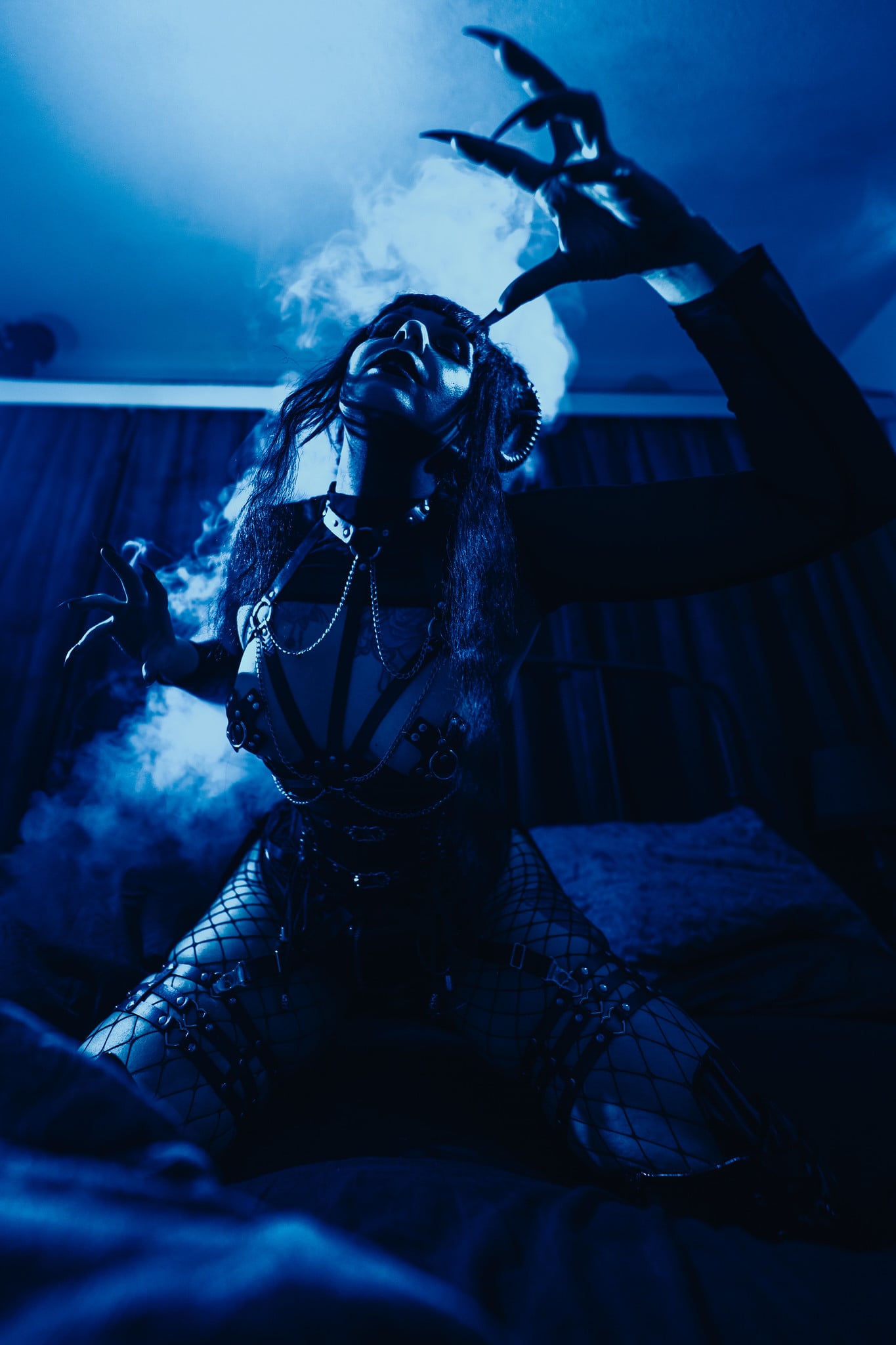
Sleep paralysis explains a huge percentage of supposed ghost sightings and demonic encounters that happen at night. During sleep paralysis, your brain wakes up but your body remains temporarily paralyzed, often accompanied by intense feelings of dread and vivid hallucinations of shadowy figures or malevolent presences in the room.
Research published in Frontiers in Psychiatry has linked many paranormal experiences to this phenomenon, which affects about 8% of the general population. The experience feels absolutely real and terrifying, but it’s just a glitch in the transition between sleep stages, not a visit from the other side.
Toxic Mold and Hallucinations

Researchers at Clarkson University discovered that many ‘haunted’ buildings are actually contaminated with toxic molds like rye ergot fungus, which alters human perception. In a building with poor air quality and mold spores, even normal events like a cold draft or a shadow can develop into full-blown auditory or visual hallucinations.
Think of it like accidentally dosing yourself with a hallucinogenic drug just by breathing the air in an old building. The mold creates what researchers call a ‘neuroactive environment’ where your brain misinterprets sensory information and conjures up ghosts where none exist.
Old Building Acoustics
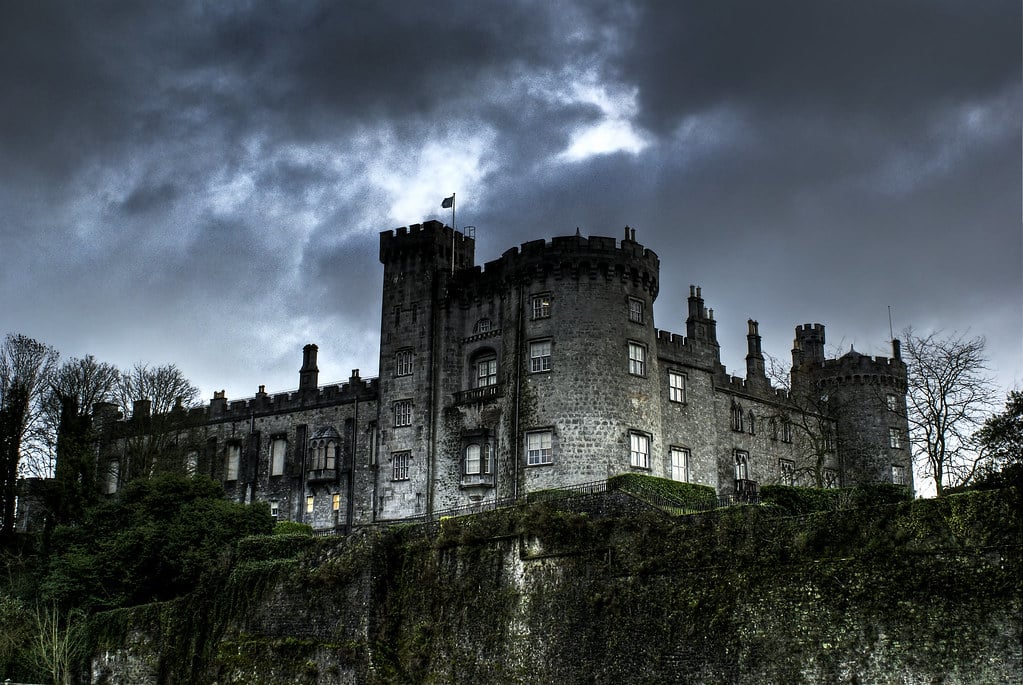
Many ‘haunted’ castles and historic buildings are simply suffering from bad acoustics and structural quirks. Large, rambling old houses naturally have temperature variations between rooms that create cold spots, and their settling and exterior temperature changes produce creaks, groans, and odd noises.
Wind whistling through gaps can sound like whispering voices, and the canyon effect and temperature inversions can make distant sounds seem like they’re coming from inside the building. Low-frequency sounds are particularly difficult to pinpoint, which is why people often can’t tell where that spooky noise is actually coming from.
Suggestion and Expectation
Your brain is remarkably good at finding what it expects to find, especially in places with a reputation for being haunted. Studies have shown that if you tell people a location is haunted before they visit it, they’re far more likely to report paranormal experiences even when nothing unusual happens.
Researchers at the University of Illinois at Springfield gave the same tour to two groups, telling only one that they were investigating a haunting, and that informed group reported significantly more intense emotions and strange occurrences. This psychological priming is so powerful that you can essentially create a haunted house just by telling people it’s haunted.
Electromagnetic Fields

Electromagnetic fields generated by faulty wiring, old appliances, or even geological features can create the sensation of being watched or a ghostly presence. Studies have found that exposure to certain electromagnetic frequencies affects the temporal lobes of the brain, which can produce feelings of unease and even trigger hallucinations.
Some researchers believe that many reportedly haunted locations simply have high EMF readings from old electrical systems. It’s not a ghost making the hair on the back of your neck stand up, it’s literally the magnetic field messing with your nervous system.
Victorian Spiritualism and Profit

Many of the most famous ‘haunted’ houses gained their reputations during the Victorian era when spiritualism was enormously popular and profitable. Enterprising tour operators and property owners discovered they could attract paying visitors by inventing ghost stories and promoting paranormal activity that never actually occurred.
The Winchester Mystery House is a perfect example, where the owners who bought it after Sarah Winchester’s death immediately began fabricating stories about her mental state and supernatural motivations to sell tickets. The spiritualism movement created an entire industry of fraudulent mediums, haunted attractions, and manufactured mysteries designed to separate believers from their money.
Pareidolia and Pattern Recognition
The human brain is hardwired to recognize patterns, especially faces, even when they’re not really there. This phenomenon called pareidolia explains why people see ghostly faces in windows, shadowy figures in photographs, and apparitions in the mist.
Your brain is so good at finding faces that it will create them from random shadows, water stains, or the play of light through curtains. This evolutionary advantage that helped our ancestors spot predators hiding in the bushes now tricks us into seeing ghosts around every corner.
Mass Hysteria and Group Influence

When one person reports a paranormal experience, others nearby become more likely to report similar experiences in what researchers call mass hysteria or collective delusion. The famous ‘contagion effect’ means that if someone in a group claims to see or feel something supernatural, others will unconsciously look for confirmation and often find it in perfectly normal stimuli.
This group psychology explains why entire families or communities report hauntings that vanish when subjected to objective investigation. One person’s imagination becomes everyone’s ‘evidence’ through the power of suggestion and social conformity.
Confirmation Bias in Investigations
People investigating supposedly haunted locations often fall victim to confirmation bias, where they interpret evidence to support what they already believe. If you enter a dark basement expecting to find ghosts, you’ll notice every creak, cold spot, and shadow while ignoring the hundred mundane explanations for each phenomenon.
Paranormal investigators frequently make this mistake by counting hits and forgetting misses, recording ambiguous sounds and claiming they’re voices, and attributing equipment malfunctions to supernatural interference. The result is ‘evidence’ that confirms the haunting but falls apart under scientific scrutiny.
Hoaxes for Fame and Fortune

Perhaps the simplest explanation for many famous hauntings is that people deliberately faked them for money, attention, or both. The Amityville Horror lawyer admitted they made it up, the Enfield Poltergeist girls confessed to playing tricks, and countless other cases have been exposed as frauds over the years.
Creating a convincing haunting is surprisingly easy when you have motivated participants, credulous investigators, and a media eager for sensational stories. The hoaxers often start small but the stories grow with each retelling until the original deception becomes impossible to debunk in the public imagination.
Where History and Hype Collide
The fascinating truth about famous hauntings is that the real stories are often more interesting than the supernatural versions. Whether it’s a grieving widow experimenting with architecture, children playing elaborate pranks, or someone literally getting away with murder, these cases reveal more about human psychology, creativity, and occasionally criminal behavior than they do about the afterlife.
The next time you hear about a haunted house, remember that the simplest explanation usually involves faulty equipment, human deception, or just a really old building doing what old buildings do. Science may not be as thrilling as ghost stories, but it has the advantage of actually being true.
More from Go2Tutors!

- The Romanov Crown Jewels and Their Tragic Fate
- 13 Historical Mysteries That Science Still Can’t Solve
- Famous Hoaxes That Fooled the World for Years
- 15 Child Stars with Tragic Adult Lives
- 16 Famous Jewelry Pieces in History
Like Go2Tutors’s content? Follow us on MSN.



