Famous Landmarks Built In The Past 50 Years
Old buildings usually stand for long histories, strength, time passed. Still, icons we know best now came much later.In five decades, design began showing purpose, not just custom.
Structures speak of drive, comeback, new thinking, worldwide presence instead of old ways.Right off, folks seldom welcomed these new icons.
Some stirred debate, others messed with familiar city outlines, a few made people wonder why so much cash got spent.Yet slowly, they turned into symbols – quick ways to picture the places and societies behind them.
What matters is not just their shape or size, but what those forms say about when they came to be.A fresh view of well-known structures from the last half century begins here.
These sites changed how cities stand out, stick in memory, leave impressions.Some shifted skylines overnight. Others quietly altered daily life.
Recognition transformed, not by chance but design. Memory now ties to shapes that rise fast.
Experience bends around bold forms. Each one marks time differently than old monuments did.
Sydney Opera House
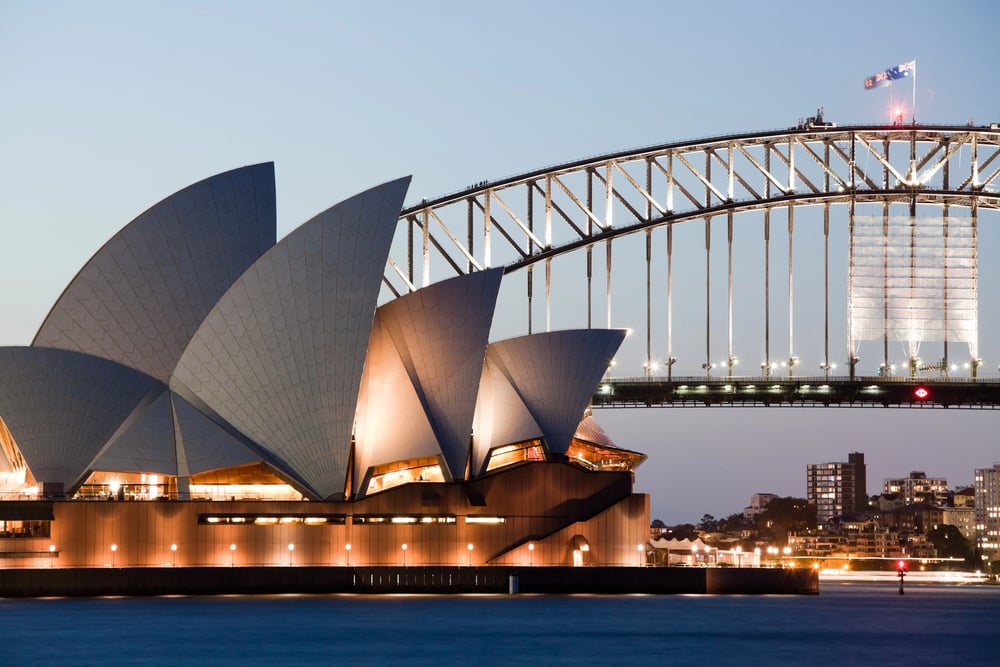
Fresh off the presses in 1973, Sydney’s famous shell-shaped roof perched where old ideas met bold new ones. Not just a place for music and plays – its curves changed how cities thought about public buildings.
Suddenly standing tall as more than brick and steel but something people began calling their own. Years passed with people complaining about the structure’s odd look.
Mainly because work dragged on and expenses climbed. Still, what came later changed things in ways few expected.
Thanks to that bold roofline, city landmarks started embracing personality instead of sticking to stiff, old rules. Expression won space where caution once ruled every plan drawn.
Centre Pompidou

When the Centre Pompidou opened in 1977, it disrupted Parisian architectural norms by placing structural and mechanical elements on the exterior. What was usually hidden became the building’s defining feature.
Initial reactions ranged from fascination to outrage. Still, the Pompidou gradually redefined what a cultural institution could be.
By blending museum space, public access, and civic life, it reframed landmarks as participatory environments rather than distant monuments. Influencing museum design across the world.
Petronas Towers
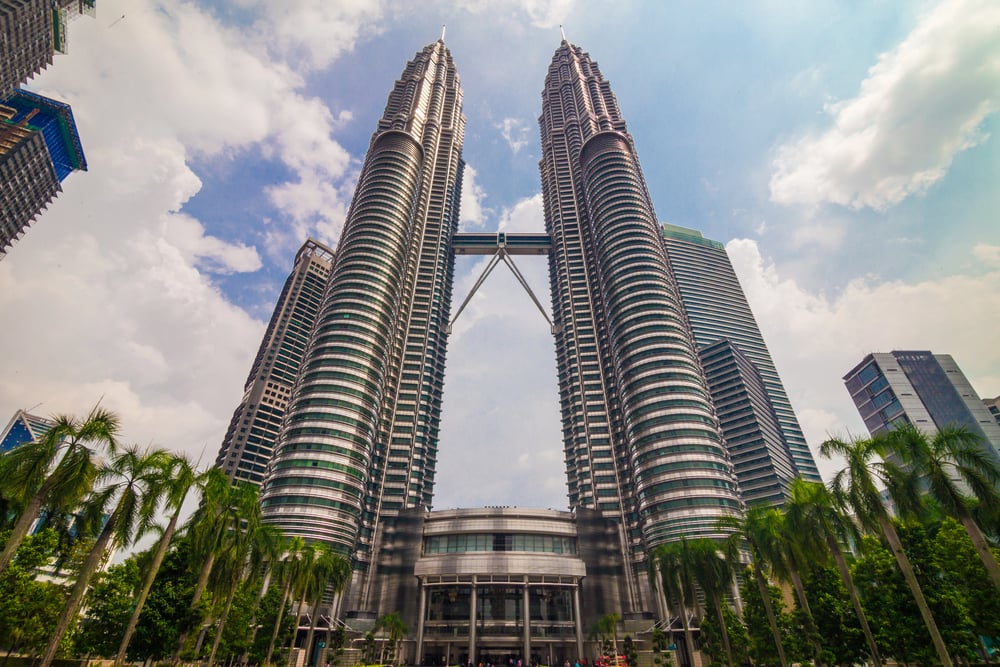
Completed in 1998, the Petronas Towers became a symbol of Malaysia’s economic confidence at the close of the 20th century. Rising more than 1,480 feet, they briefly held the title of the world’s tallest buildings.
Their importance extends beyond height. The towers integrate Islamic geometric patterns into a modern skyscraper form.
Creating a balance between global ambition and cultural specificity. This approach helped reshape how emerging economies used architecture to express identity on the world stage.
Guggenheim Museum Bilbao
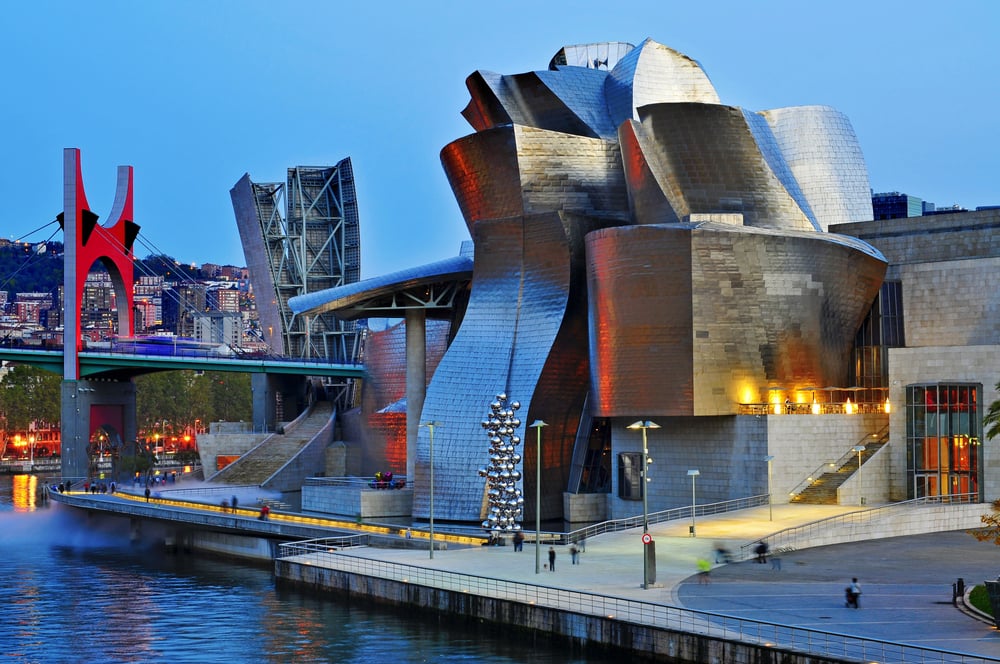
The Guggenheim Museum Bilbao, completed in 1997, changed how cities think about the relationship between architecture and economic renewal. Its flowing metallic exterior immediately distinguished it from traditional museum design.
More importantly, the building helped revitalise a former industrial city, attracting visitors and investment. This success altered urban planning strategies worldwide.
Positioning cultural landmarks as catalysts for regeneration rather than purely aesthetic achievements.
Burj Khalifa

Opened in 2010, the Burj Khalifa redefined the limits of vertical construction, standing more than 2,700 feet tall. Its sheer scale reshaped global expectations of what modern engineering could achieve.
Beyond its height, the tower symbolised Dubai’s rapid transformation and forward-looking ambition. Anchoring a broader urban development.
It demonstrated how landmarks could function as economic centres, tourism drivers, and global identifiers all at once.
Millennium Bridge
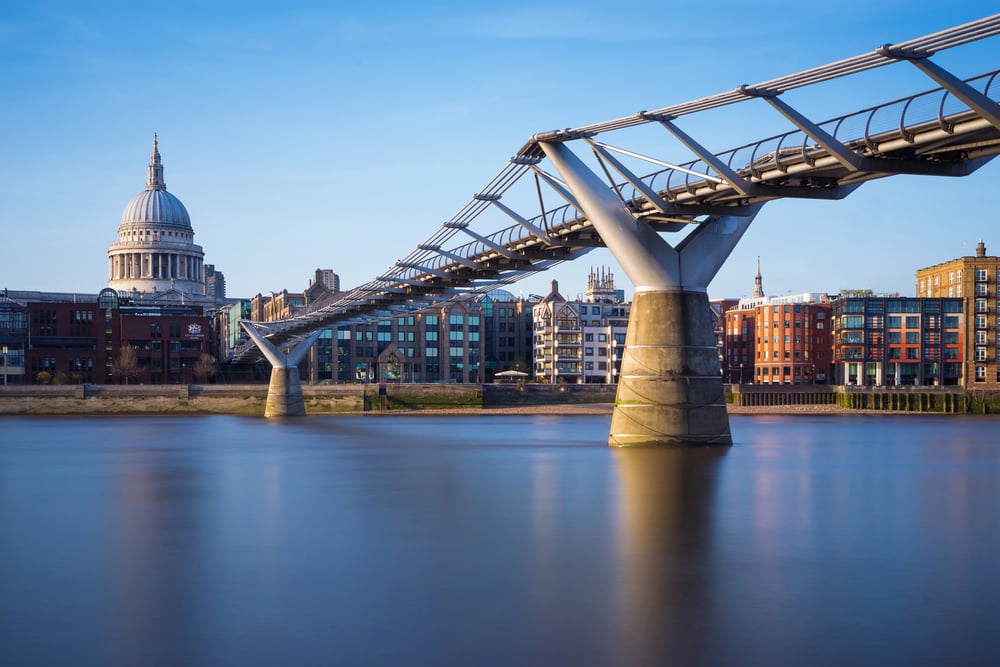
The Millennium Bridge, completed in 2000, was designed as a pedestrian connection between historic and contemporary London. Its sleek, understated form contrasted sharply with nearby stone bridges.
Early structural adjustments became part of its narrative rather than a defining flaw. Over time, the bridge came to represent how modern infrastructure can adapt through use.
Reinforcing the idea that landmarks evolve alongside the people who interact with them.
Tate Modern
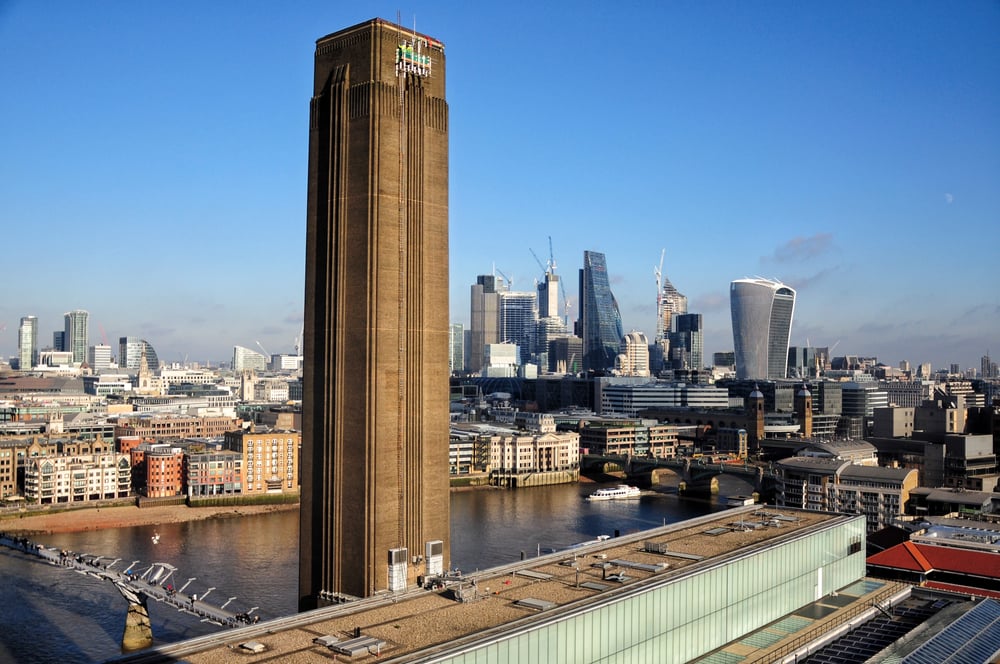
Opened in 2000, the Tate Modern transformed a former power station into a leading contemporary art museum. Instead of erasing the industrial past, the building preserved its imposing structure.
This approach reshaped attitudes toward adaptive reuse. The Tate Modern demonstrated that landmark status does not require new construction.
Only thoughtful reinvention. Its success influenced redevelopment strategies worldwide.
Especially in post-industrial cities seeking cultural renewal.
One World Trade Center
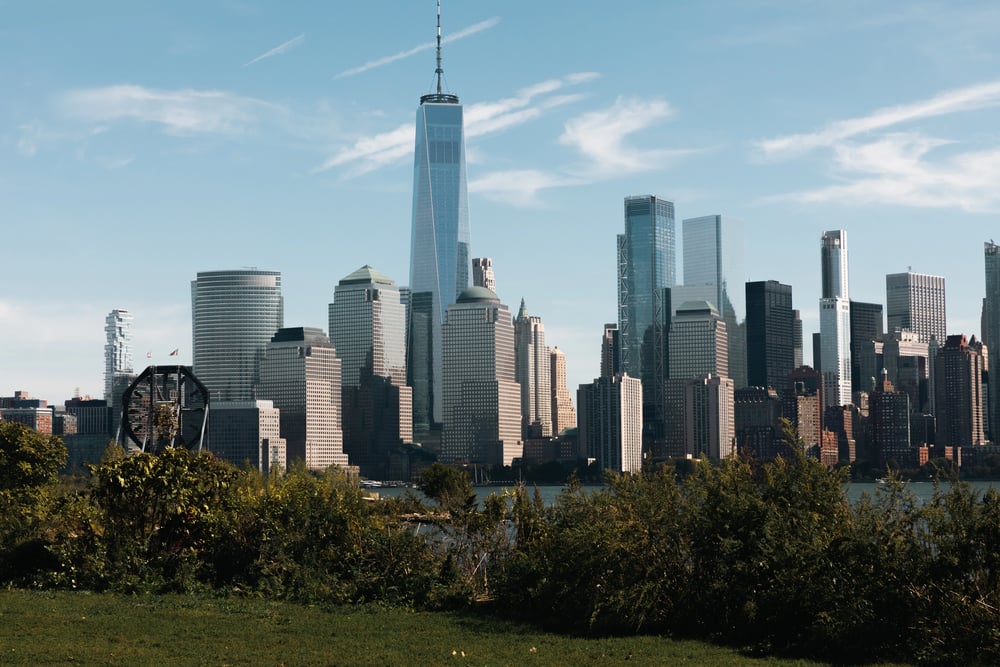
Completed in 2014, One World Trade Center carries symbolic weight rooted in history and recovery. Rising more than 1,770 feet, its height reflects national significance rather than architectural competition.
The building balances resilience with restraint. Its design avoids excess, focusing instead on clarity and strength.
As a landmark, it demonstrates how modern architecture can carry emotional meaning while remaining functional and forward-looking.
The Shard
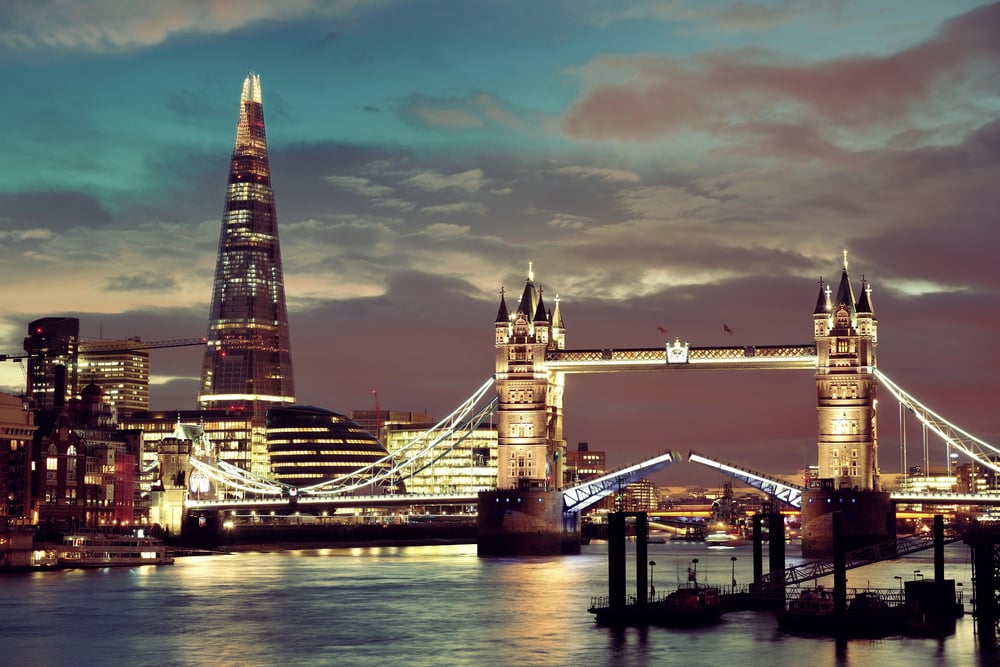
Finished in 2012, The Shard introduced a striking vertical presence to London’s skyline. Its glass surface reflects changing light, giving the building a dynamic appearance throughout the day.
The structure prompted debate about scale in historic cities. Still, it illustrated how contemporary landmarks can coexist with older surroundings.
When designed with sensitivity. Its mixed-use purpose reflects modern expectations of versatility in landmark architecture.
Marina Bay Sands
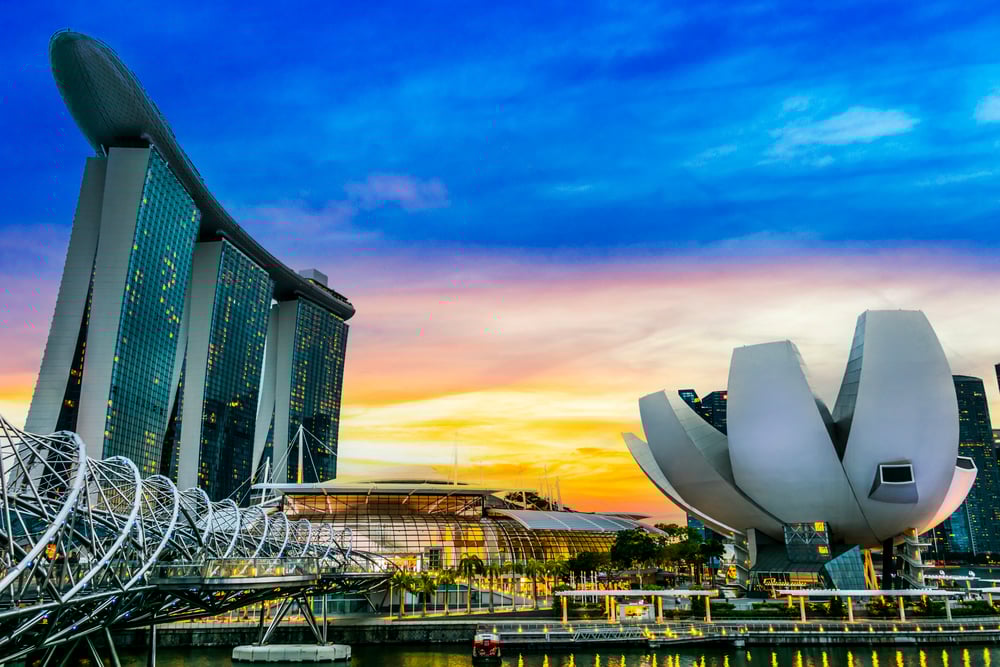
Completed in 2010, Marina Bay Sands reimagined what a landmark could be by combining hospitality, commerce, and public space. Its distinctive rooftop structure visually unites three towers into a single silhouette.
The complex became a symbol of Singapore’s modern identity, blending spectacle with practicality. It reflects a broader trend in contemporary architecture.
Where landmarks serve multiple roles rather than existing solely as visual statements.
Lotus Temple
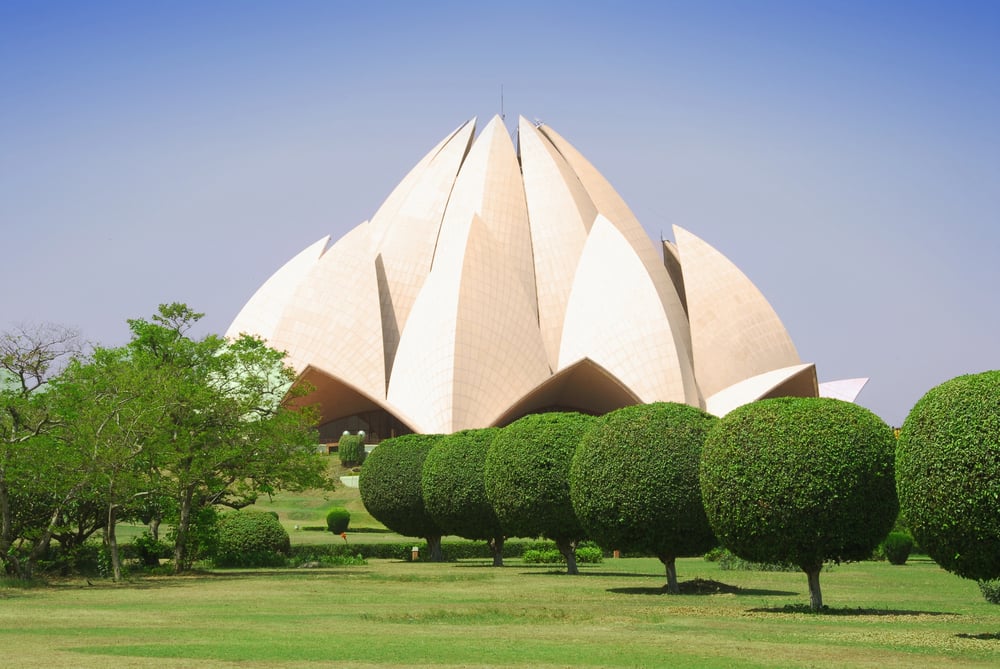
Opened in 1986, the Lotus Temple introduced a form-driven approach to spiritual architecture. Its petal-like structure set it apart from traditional religious buildings.
Emphasising openness and universality. The building’s design encourages quiet reflection regardless of belief.
Making it both a spiritual and architectural landmark. Its popularity demonstrated how symbolic design could foster inclusivity.
And global recognition without reliance on historical style.
European Central Bank
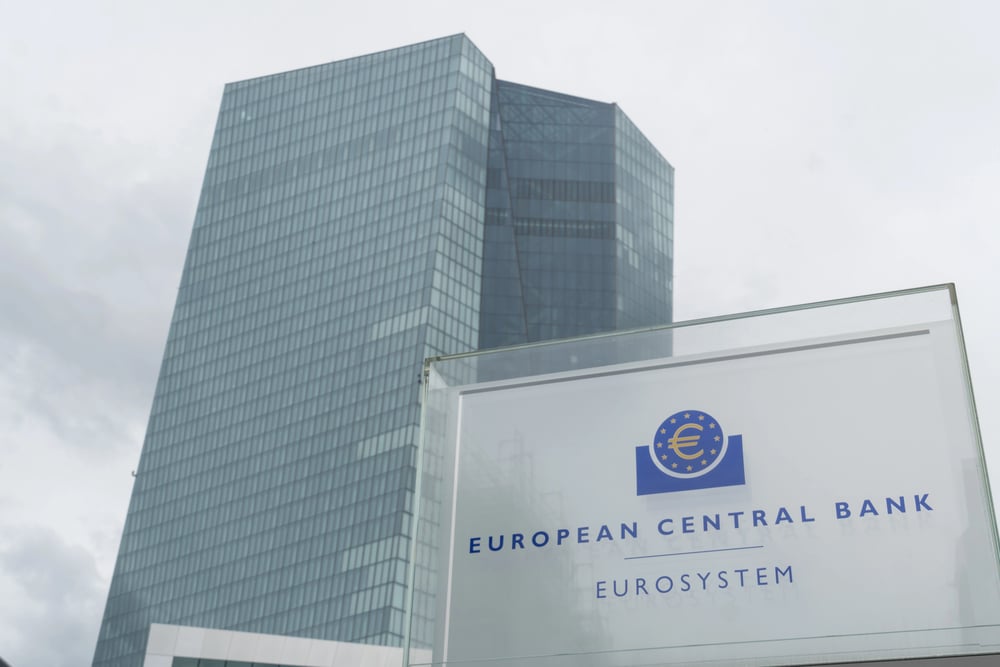
Finished in 2014, the main office of the European Central Bank shows how banks now shape city skylines. Not mirror images but leaning forms.
Its two towers break away from grand old state structures. Openness shapes the building.
Its form built on links between people, not just walls. Power speaks differently here.
Through light and space instead of columns or stone. Modern cities lean into visibility.
So this place stands clear: influence wears a new face.
Why These Landmarks Still Matter

Out of nowhere, bold structures from the last half century show what matters to people when times shift fast. Built not just to stand tall but to say something.
They carry echoes of new techniques and fresh thinking. Even so, their shapes often argue with tradition.
Pushing back against older ideas of design. Sometimes quiet, sometimes loud, these places mark where culture has turned its gaze.
More than steel or glass, they hold choices made under pressure. Choices about who we are.
When urban areas expand, such buildings mark where we’ve been. Each one holds what mattered most at a given point.
Showing how significance sticks around long after construction ends. What makes them stand out isn’t just years passed.
It’s how deeply they’re woven into shared memory.
More from Go2Tutors!

- The Romanov Crown Jewels and Their Tragic Fate
- 13 Historical Mysteries That Science Still Can’t Solve
- Famous Hoaxes That Fooled the World for Years
- 15 Child Stars with Tragic Adult Lives
- 16 Famous Jewelry Pieces in History
Like Go2Tutors’s content? Follow us on MSN.



