Unexpected History Behind Common Street Names
Most people walk down the same streets every day without giving the names a second thought. Broadway. Main Street. Wall Street.
They’re just words on a sign. But a lot of those names are fossils — remnants of a time when the road looked nothing like it does today, when the city didn’t exist yet, or when someone just needed to sell some land fast.
Broadway Was a Native American Trail First

Before Broadway was lined with theaters and yellow cabs, it was a path worn into the earth by the Lenape people. They called it the Wiechquaeskeck Trail, and it ran the length of Manhattan long before any European showed up.
Dutch colonists widened it, called it the Breede Weg — “broad road” — and eventually the name stuck in its anglicized form. The theaters came much later. The path came first.
Wall Street Had an Actual Wall

This one sounds too obvious to be true, but it is. In the 1640s, Dutch colonists built a wooden wall across the lower tip of Manhattan to protect their settlement from potential attacks. The wall ran east to west along what is now Wall Street.
It was torn down in 1699, long before anyone thought to put a stock exchange nearby. The street kept the name. The wall is gone.
Main Street Isn’t as Original as It Sounds

You’d think every town’s Main Street had some distinct local origin. Most of the time, it didn’t. “Main” simply meant primary or principal — a practical label slapped onto whichever road was busiest.
Towns across the country named their central road Main Street independently, without any coordination, which is why you’ll find it in nearly every American city and small town. It’s the least creative name imaginable, and somehow it became the most iconic.
Elm Street’s Trees Are Mostly Gone

Towns across New England and the Midwest named their streets after the tall American elm trees that once lined them in impressive canopies. For a stretch of the 19th century, elm-lined streets were the gold standard of civic beauty.
Then Dutch elm disease arrived in the 1930s and worked through the continent for decades, killing millions of trees. The streets kept their names.
The elms largely didn’t survive. Today, Elm Street is mostly a memory of a canopy that no longer exists.
Bourbon Street Honors French Royalty, Not the Drink

New Orleans’ most famous street has nothing to do with whiskey. It was named after the House of Bourbon, the French royal dynasty, when the city was laid out in 1721.
The French Quarter’s streets were named to honor French nobility, and Bourbon Street was among them. The drink gets its name from Bourbon County, Kentucky — which was also named after the same royal family.
So the street and the whiskey share an ancestor, but they’re not the same thing.
Pennsylvania Avenue Was a Swamp
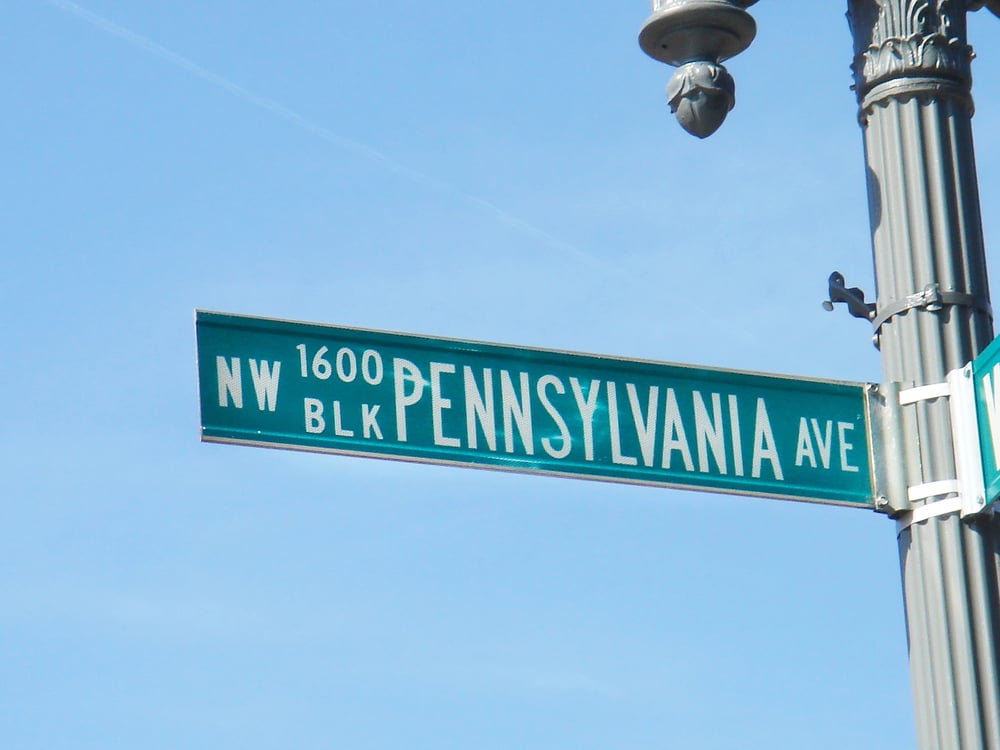
When Pierre Charles L’Enfant designed Washington D.C. in 1791, he envisioned a grand boulevard connecting the Capitol to the President’s House. What he was actually dealing with was marshy, malarial lowland full of mud and mosquitoes.
Early residents called it one of the worst stretches of road in the country. Construction workers building the Capitol lived in shacks along its edges. It took decades of filling, paving, and sheer political willpower to make it the ceremonial route it became.
Sunset Boulevard Started as a Path Through Farmland

Before it was synonymous with movie stars and neon signs, Sunset Boulevard was a dirt road winding through bean fields, dairy farms, and citrus groves. In the late 1800s, it was one of several agricultural roads heading west from Los Angeles toward the ocean.
The name came from its general direction — a road that pointed you toward the sunset. It didn’t start attracting attention until the film industry arrived and real estate developers figured out that glamour sold better than beans.
Rodeo Drive Was Cattle Country
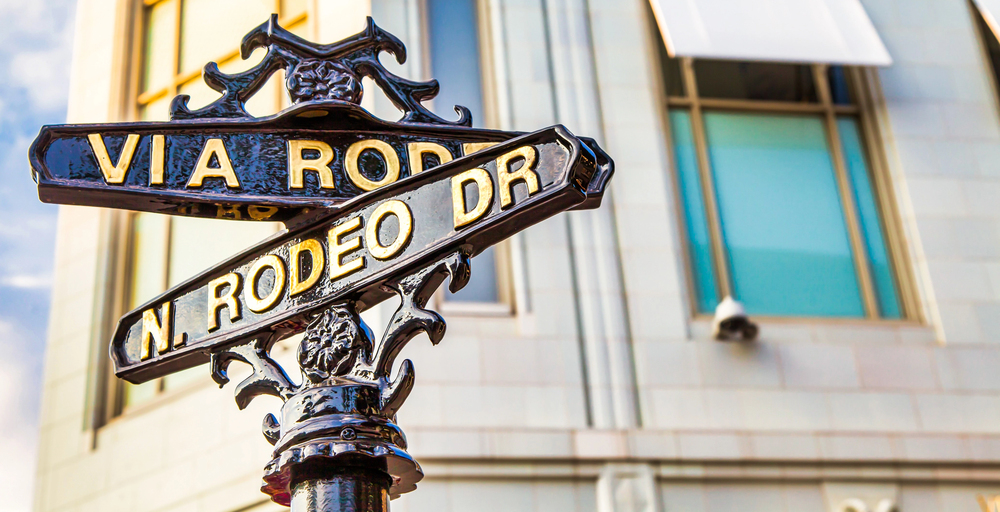
The street now associated with luxury shopping and sports cars takes its name from El Camino de las Carretas, a route used to drive cattle between ranches in Spanish California. “Rodeo” in Spanish just means a gathering of cattle — the same root that gives you the rodeo as a sporting event.
When Beverly Hills was developed in the early 20th century, the cattle were long gone, but the name survived. The ranches became boutiques.
The cattle drive became a different kind of spectacle.
Fleet Street Hides a River
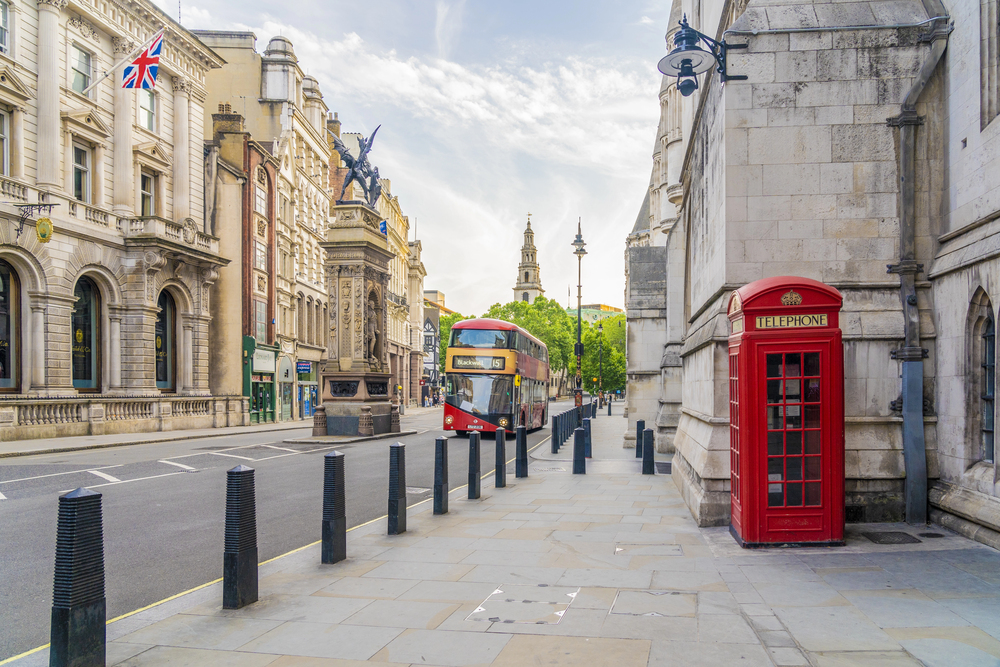
London’s Fleet Street, once the center of British print journalism, sits above a river that most people have forgotten entirely. The River Fleet flows underground beneath the city now, channeled into a sewer system in the 18th century.
Before that, it was a significant waterway — wide enough for boats, important enough to give a neighborhood its name. The river still runs under the street. If you know where to listen near certain drains, you can reportedly hear it.
Penny Lane Is Just a Bus Route
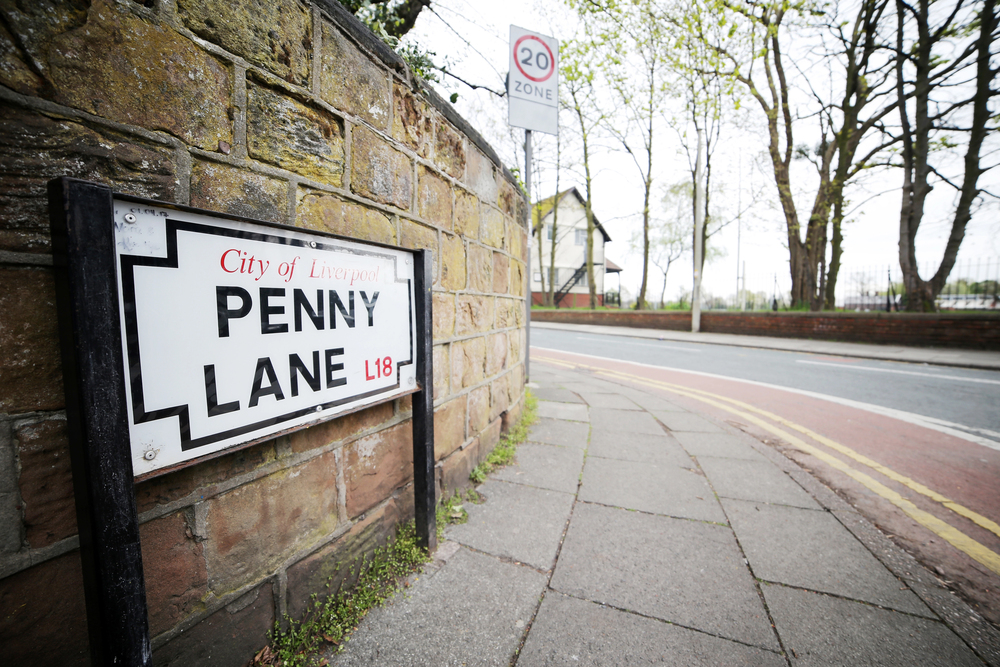
The Beatles made Penny Lane one of the most visited streets in Liverpool, but its origins are completely mundane. It was the terminus for a local bus line, and locals used the name informally for decades before it ever appeared on a map.
The actual street sign was added much later, partly because tourists kept stealing the original ones as souvenirs. Some historians believe the name itself comes from James Penny, an 18th-century merchant who was, uncomfortably, a major supporter of the Atlantic slave trade.
Liverpool has had ongoing debates about what to do with that history.
Baker Street Was Named by a Property Speculator
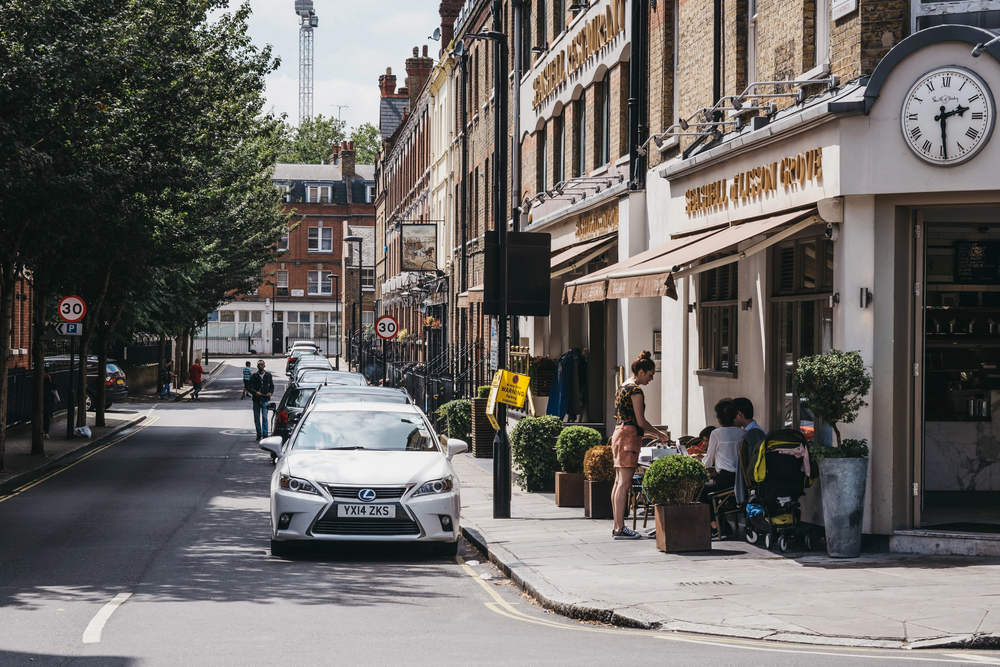
Sherlock Holmes lives on Baker Street, but the street itself has a fairly unremarkable origin. It was named after William Baker, a surveyor and property developer who laid out the road in the late 1700s as part of a planned housing development in Marylebone.
Baker never lived there. He just owned the land and built the streets.
His name stuck because landowners often named roads after themselves — a common practice that turned dozens of ordinary streets into personal monuments.
Hollywood Boulevard Was a Marketing Trick

In the 1880s, Harvey Henderson Wilcox and his wife Daeida bought a large plot of land northwest of Los Angeles and started developing it. The name “Hollywood” was reportedly suggested by a woman on a train who mentioned her summer home by that name — a detail that may or may not be true.
What is true is that the Wilcoxes understood that a distinctive name would help sell the land. There was no Hollywood industry yet, no stars on sidewalks, no sign on the hill.
Just a real estate developer who needed a catchy name for some dry scrubland.
Fifth Avenue’s Grid Was a Political Decision
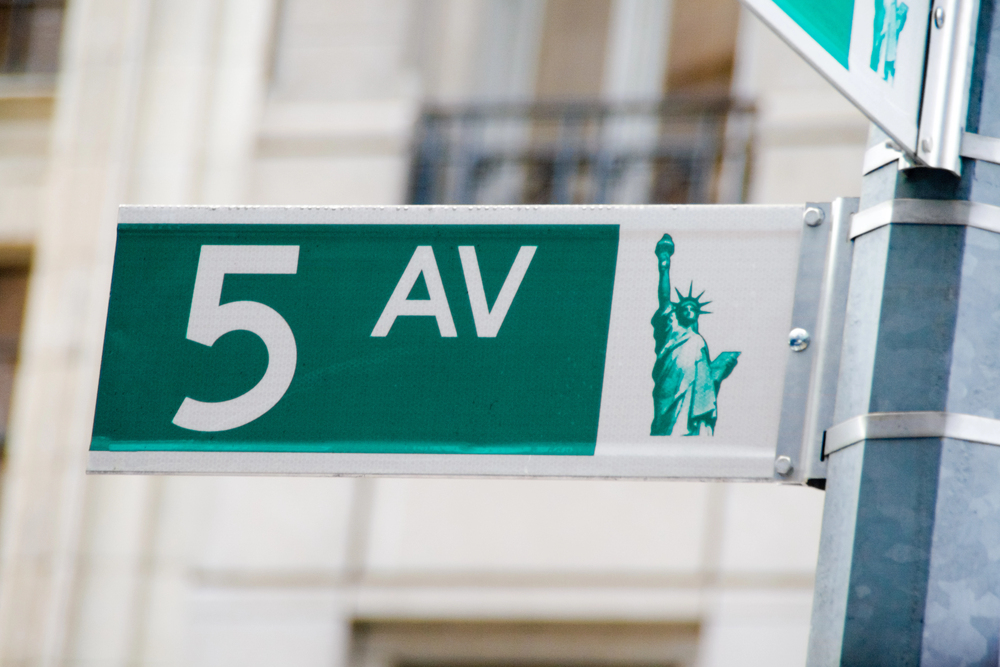
New York’s Fifth Avenue exists because of a deliberate political choice made in 1811. The city commissioners drew up a grid plan for Manhattan that divided the island into numbered streets and avenues, designed for maximum efficiency in selling and developing real estate.
Fifth Avenue didn’t become prestigious on its own — it became prestigious because it ran through the center of the grid, making it the natural spine of Manhattan’s development. The elegance came later.
The math came first.
The Streets That Outlasted Everything They Named

There’s something quietly interesting about the fact that names outlast the things they described. The wall is gone but Wall Street remains.
The elms died but Elm Street is still there. The river runs underground but Fleet Street still marks where it used to flow.
Streets function like this — they accumulate time in their names, carrying forward the memories of walls and trees and rivers and cattle trails long after the original things have disappeared. You’re walking through history every time you follow a sign, even if you never think to ask what it used to mean.
More from Go2Tutors!

- The Romanov Crown Jewels and Their Tragic Fate
- 13 Historical Mysteries That Science Still Can’t Solve
- Famous Hoaxes That Fooled the World for Years
- 15 Child Stars with Tragic Adult Lives
- 16 Famous Jewelry Pieces in History
Like Go2Tutors’s content? Follow us on MSN.



