16 School Rules That Wouldn’t Fly Today
Remember when schools had some truly bizarre regulations? Education has evolved dramatically over the decades with many old-school policies now seeming downright outrageous by modern standards. The rules that once governed classrooms across America reflect the changing values and understanding of child development through the generations.
Here is a list of 16 school rules from the past that would cause an uproar if implemented today.
Left-Handed Writing Bans

Until the mid-20th century, many schools actively forced left-handed students to write with their right hands. Teachers would often tie a child’s left hand down or rap knuckles with rulers when catching students using their dominant hand.
This practice stemmed from old superstitions associating left-handedness with evil or disability and caused many students tremendous stress and difficulty with handwriting throughout their lives.
Gender-Separated Entrances

Students had to use separate doorways marked “Boys” and “Girls” in many older school buildings. Strict gender segregation laws, which prohibited boys and girls from even entering the same building through the same door, were represented in these architectural artifacts.
Gender segregation was maintained for a large portion of the school day by complete educational ideologies that went beyond simple building design.
Measuring Skirt Length

In the past, teachers would force girls to kneel on the floor for routine skirt inspections to make sure their skirts touched the ground. The “ruler method” was also used in some schools, where officials took precise measurements of the distance between the knee and the hemline.
In today’s school setting, these intrusive methods that focus on girls’ bodies would immediately lead to lawsuits.
Public Weighing

Physical education classes in many mid-century schools included mandatory public weigh-ins where students lined up to be weighed as classmates watched. Teachers would announce weights aloud and sometimes record them on public charts tracking student measurements.
This humiliating practice created lifelong body image issues for countless students and completely ignored the psychological impact of public body scrutiny.
Writing Lines as Punishment

Teachers regularly assigned repetitive writing tasks as discipline with students forced to write phrases like “I will not talk in class” hundreds of times. This mindless punishment wasted educational time and did nothing to address underlying behavioral issues.
Modern educational psychology recognizes that such punishments teach nothing except resentment toward writing itself.
No Bathroom Breaks

Many schools maintained strict bathroom access policies allowing restroom use only during designated break times regardless of student needs. Teachers commonly dismissed legitimate bathroom requests as excuse-making and forced students to “hold it” for hours.
The physical discomfort and anxiety this created often led to health problems and embarrassing accidents in front of peers.
Dunce Caps

Struggling students were once forced to wear pointed “dunce caps” and stand in corners facing away from classmates as punishment for wrong answers. This public humiliation targeted students who needed additional support and branded them as unintelligent.
Modern understanding of learning differences and educational psychology has thankfully eliminated this cruel practice.
Reading Grades Aloud

Teachers regularly announced test scores and grades to entire classrooms creating immediate hierarchies among students. This public ranking system humiliated struggling learners while creating unhealthy competition among classmates.
Today’s privacy regulations and understanding of educational psychology prohibit such public grade disclosures.
Corporal Punishment
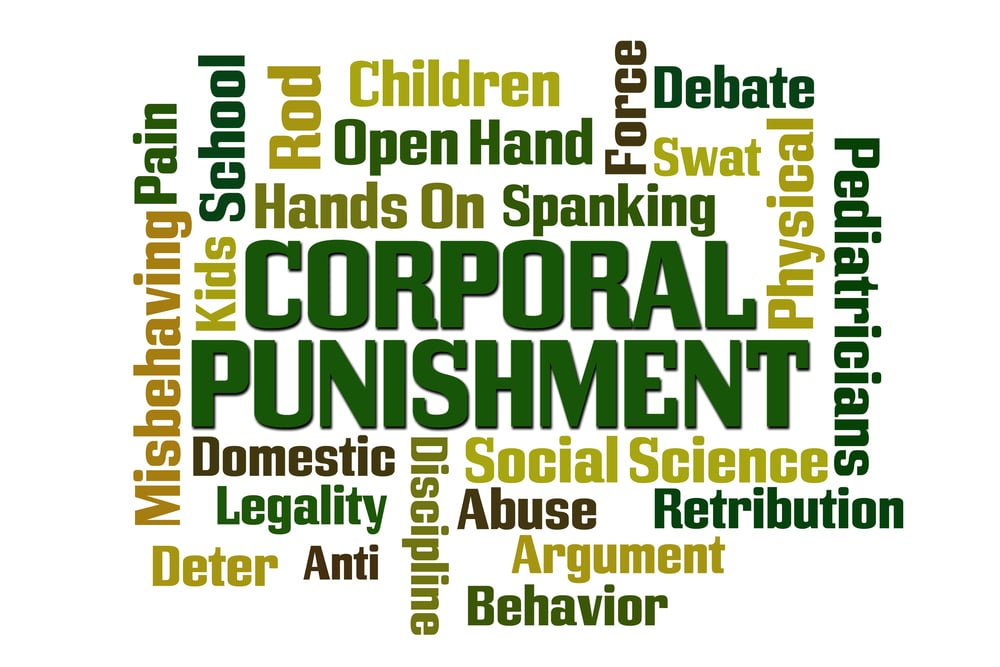
Perhaps the most shocking former school rule was the widespread use of physical punishment through paddling spanking and hitting students with various implements. Teachers and principals legally struck children for infractions ranging from talking in class to incorrect answers.
While still technically legal in some states this practice has largely disappeared as research consistently shows its harmful effects.
Marriage Bans for Teachers

Female teachers were commonly fired upon getting married well into the 20th century based on the belief that a woman’s focus should shift entirely to her household. Some districts even included explicit “marriage clauses” in teaching contracts that automatically terminated employment upon a woman’s marriage.
This blatant discrimination prevented countless talented educators from pursuing their careers.
Mandatory Prayer

Daily prayer and Bible readings were standard requirements in public schools until Supreme Court rulings in the 1960s declared them unconstitutional. Students of all backgrounds were required to participate in Christian religious exercises regardless of their family beliefs.
Today’s understanding of religious freedom and the separation of church and state has eliminated these mandatory practices.
No Talking at Lunch

Many schools enforced strict silence during lunch periods prohibiting any conversation between students during meals. Some institutions used traffic light systems or clapping patterns to allow brief talking periods amid otherwise silent dining.
This rule ignored the important social development that happens during meal times and treated natural childhood socialization as misbehavior.
Dress Codes Requiring Skirts for Girls

Female students were once prohibited from wearing pants or shorts to school regardless of weather conditions or activities. This rule forced girls to wear skirts or dresses even during winter months and limited their ability to move freely during play.
The gender-based clothing restrictions reflected broader societal limitations on female freedom and comfort.
Expulsion for Pregnancy

Pregnant students were routinely expelled from schools to avoid “setting bad examples” for other students well into the 1970s. These young women lost educational opportunities at precisely the moment they needed more support and resources.
Federal protections now prohibit such discrimination though stigma sometimes persists.
Prohibition of Foreign Languages

Many schools actively punished students for speaking languages other than English even during lunch or recess. Children from immigrant families faced discipline for using their native languages anywhere on school grounds.
This practice damaged cultural identities and created shame around bilingualism which is now recognized as a valuable skill.
Collective Punishment

When unable to identify specific rule-breakers teachers commonly punished entire classes for one student’s actions. Everyone might lose recess privileges or receive extra homework because of a single disruptive classmate.
This practice taught students that fairness was irrelevant and created hostile peer dynamics toward perceived troublemakers.
Changing Educational Values

Looking back at these outdated school rules reveals how dramatically our understanding of effective education has evolved. Today’s emphasis on emotional well-being equity and evidence-based practices has transformed schools into more supportive environments.
While modern education systems still face challenges the elimination of these harmful practices represents genuine progress in how we treat young learners during their formative years.
More from Go2Tutors!

- The Romanov Crown Jewels and Their Tragic Fate
- 13 Historical Mysteries That Science Still Can’t Solve
- Famous Hoaxes That Fooled the World for Years
- 15 Child Stars with Tragic Adult Lives
- 16 Famous Jewelry Pieces in History
Like Go2Tutors’s content? Follow us on MSN.