Famous Structures That Almost Weren’t Built
It’s funny to think that some of the world’s most famous landmarks almost never existed. Money ran out, people argued, and plans were scrapped, yet somehow, these projects survived.
Today, they stand as proof that persistence can turn even the toughest obstacles into lasting symbols. It’s amazing how close we came to losing these wonders before they even got a chance.
Let’s take a walk through history and uncover the near-misses behind some of the planet’s most recognizable structures.
Eiffel Tower

When Gustave Eiffel first proposed his tower for the 1889 World’s Fair, Parisians hated it. Writers and artists called it ugly, even comparing it to a factory chimney.
Protests filled the newspapers, and the city nearly canceled the project. But Eiffel refused to back down, believing the tower represented progress and innovation.
It went up piece by piece, taller than anything the world had ever seen. Ironically, the structure everyone mocked became France’s proudest landmark and one of the most visited monuments on Earth.
Sydney Opera House
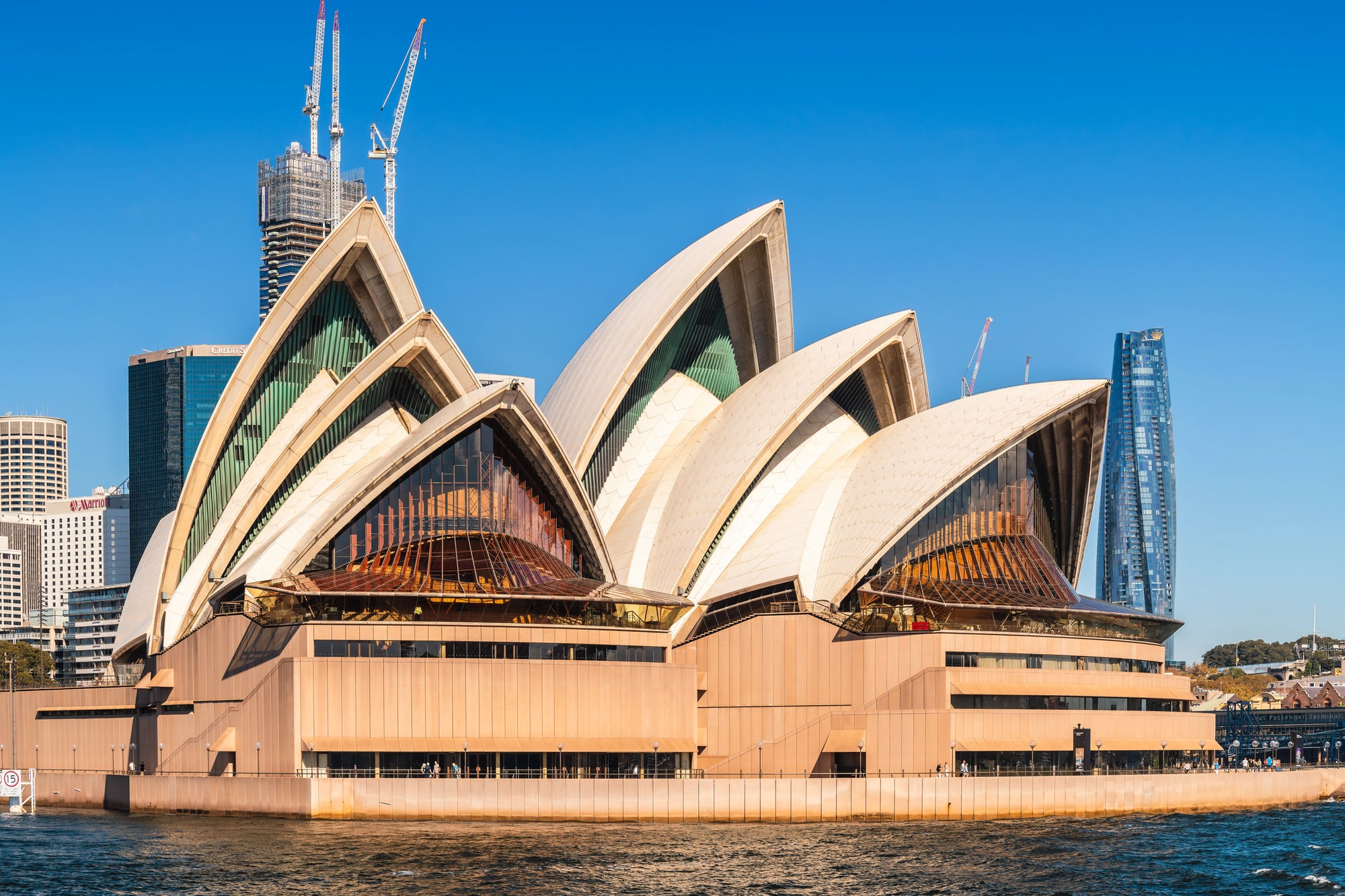
When Jørn Utzon’s design was chosen, people were confused. The white ‘sails’ looked too strange and futuristic for the 1950s.
Construction was a nightmare—costs exploded, deadlines passed, and political fights broke out. Utzon eventually quit and never saw his design completed.
But when the Opera House opened in 1973, it instantly changed how the world saw Sydney. Its image on the harbor became a symbol of bold imagination and resilience, proving that even messy beginnings can lead to greatness.
Golden Gate Bridge

Before the Golden Gate Bridge connected San Francisco to Marin County, engineers were told it couldn’t be done. The winds were too strong, the waters too deep, and the cost too high.
Environmentalists and the military both objected. Yet chief engineer Joseph Strauss pushed forward with a design that balanced strength and beauty.
The Great Depression nearly stopped construction, but local citizens voted to back it with their own properties as collateral. When it finally opened in 1937, its orange towers cut through the fog like a promise that the impossible was worth trying.
Statue of Liberty

When France offered the Statue of Liberty to the United States, it wasn’t an instant yes. The French could build the statue, but America had to fund the pedestal—and no one wanted to pay for it.
For years, the unfinished statue sat in crates while donations trickled in. That changed when publisher Joseph Pulitzer launched a fundraising campaign through his newspaper, calling on everyday Americans to give what they could.
Pennies and nickels poured in from across the country, and soon the statue rose proudly in New York Harbor. It became a beacon of hope for millions arriving on U.S. shores.
Lincoln Memorial

After Abraham Lincoln’s death, many wanted a monument to honor him. But years of debate followed about cost, design, and location.
Some politicians thought it was too expensive; others disliked the swampy land chosen for it. Despite this, architect Henry Bacon created a timeless design inspired by ancient Greek temples.
When it opened in 1922, people immediately felt its quiet power. Decades later, it became the backdrop for Martin Luther King Jr.’s ‘I Have a Dream’ speech—proof that the memorial’s message of unity had only grown stronger.
London Eye
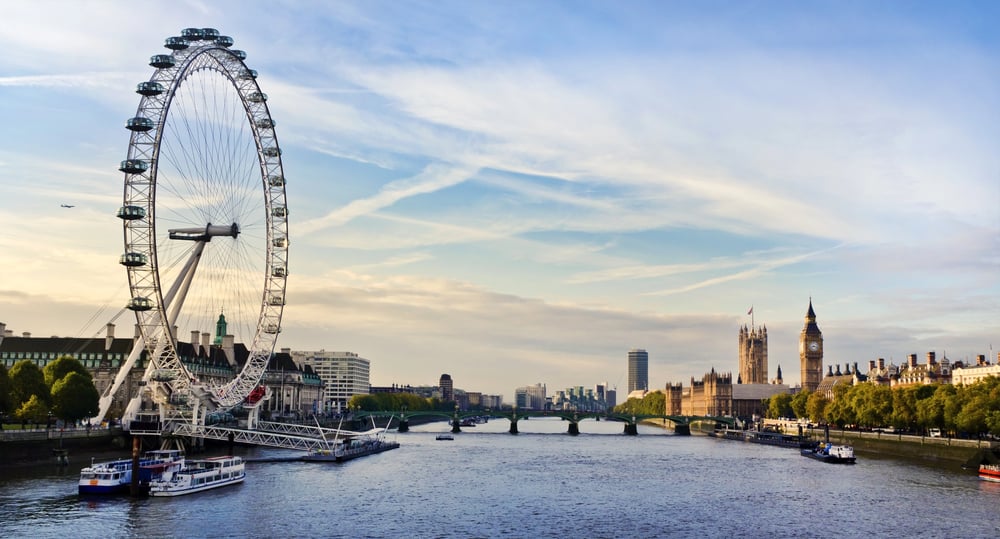
The London Eye was never supposed to be permanent. Built to celebrate the year 2000, it faced technical challenges that nearly scrapped the project.
Investors pulled out, and engineers struggled to figure out how to safely lift the massive wheel over the River Thames. But when it finally opened, crowds lined up for hours just to ride it.
The views were breathtaking, and the public loved it so much that the city decided to keep it. Today, the London Eye stands as a gentle reminder that some temporary ideas deserve to last.
Gateway Arch
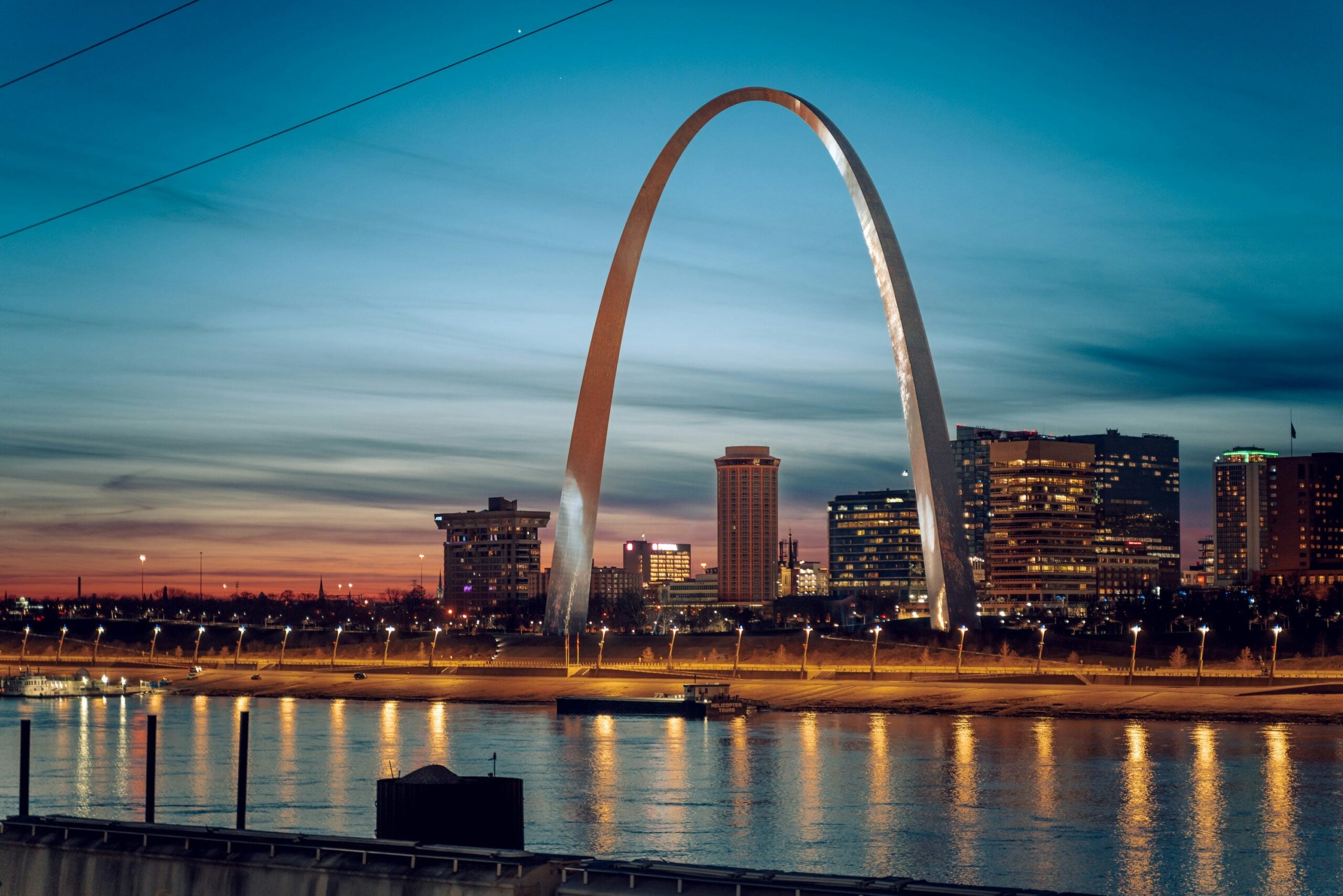
St. Louis wanted a monument to mark America’s westward expansion, but the Gateway Arch project faced major backlash. Locals complained it was a waste of money, and lawsuits delayed construction.
Even after work began, safety concerns and strong winds made the project risky. When it was finally completed in 1967, the shining stainless-steel arch became a symbol of modern design and human ambition.
Its graceful curve now stands as a proud marker of where east meets west.
Empire State Building
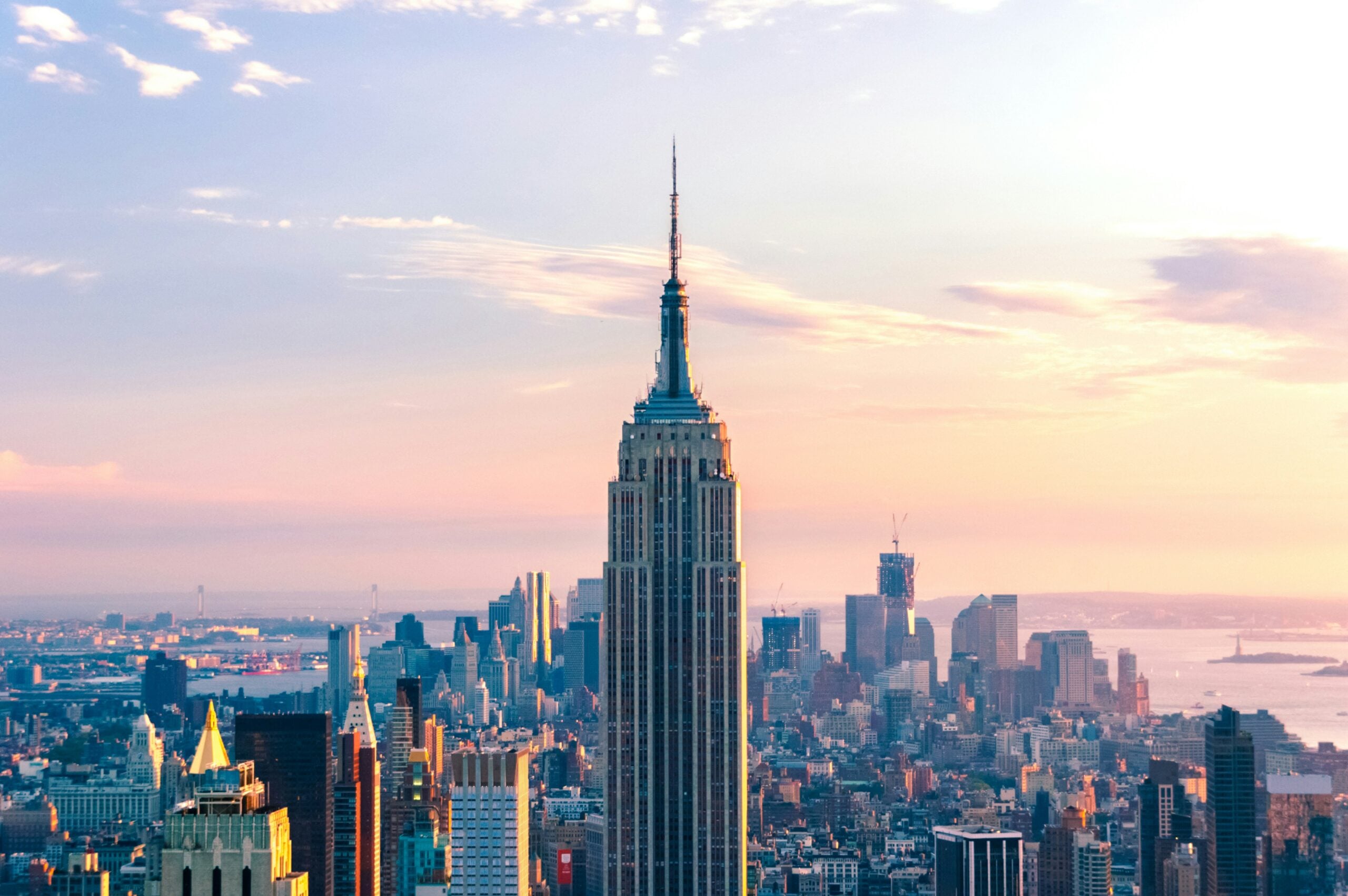
The Empire State Building went up during one of the hardest times in U.S. history. Construction began just months after the stock market crash of 1929.
Jobs were scarce, and people questioned the point of building such a huge skyscraper when businesses couldn’t even fill it. For years, it stood half-empty and earned the nickname ‘Empty State Building.’
But over time, it filled with tenants, became a symbol of New York’s strength, and appeared in countless movies. It still represents the grit and determination that define the city itself.
Space Needle
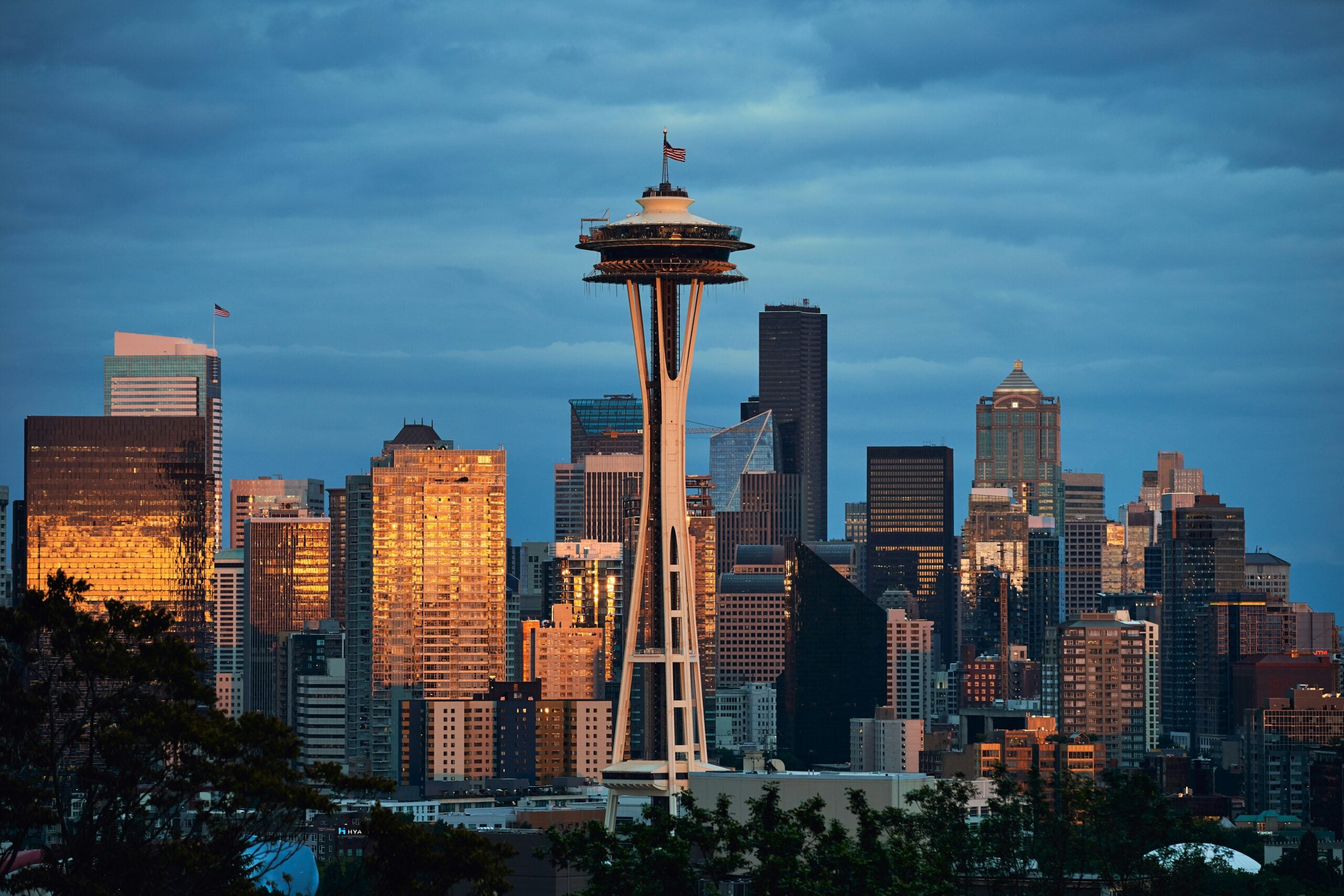
The Space Needle started as a wild idea for the 1962 World’s Fair in Seattle. Its futuristic shape looked impossible to build, and many thought it would topple in the wind.
Funding was another major issue, with banks refusing to invest in what they saw as a risky project. Eventually, private investors and creative engineering saved it.
When it opened, visitors were amazed by the rotating restaurant and sweeping city views. What once seemed absurd became a lasting symbol of Seattle’s forward-thinking spirit.
Parthenon in Athens

In ancient Greece, not everyone agreed that Athens needed a massive temple to Athena. Critics thought it was too expensive and extravagant.
But statesman Pericles saw it as more than a building—it was a message of power, culture, and unity. Workers carved marble blocks by hand and assembled them with incredible precision.
Despite wars and centuries of damage, the Parthenon still stands as a reminder of how vision can outlast time.
Hoover Dam

The Hoover Dam was born out of necessity—to control floods and provide power during the Great Depression. But many said it couldn’t be built.
The harsh desert conditions, lack of technology, and deadly heat made it seem impossible. Workers endured extreme temperatures and dangerous conditions to carve the dam into the canyon walls.
Against all odds, it was completed ahead of schedule in 1936. The dam became a triumph of teamwork and remains one of America’s greatest engineering achievements.
Big Ben and the Houses of Parliament

After a fire destroyed much of the old Palace of Westminster in 1834, the rebuilding process became a national headache. Designers clashed over styles, budgets soared, and engineers debated how to build such a massive clock tower.
When Big Ben finally chimed for the first time, it instantly became one of London’s most loved sounds. Over the years, its steady rhythm has marked moments of joy, grief, and resilience across the city.
Mount Rushmore
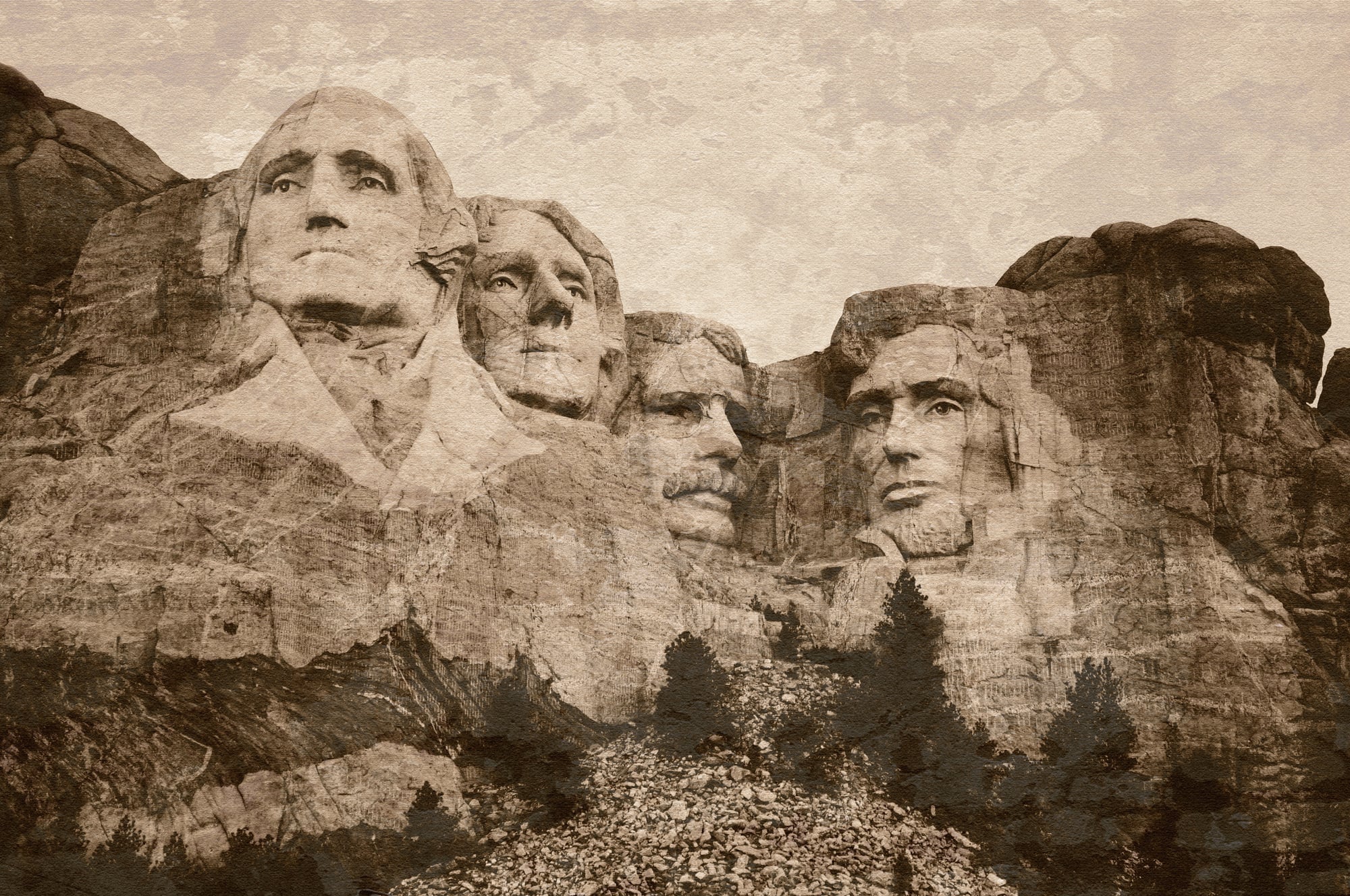
Mount Rushmore started as a bold dream to attract visitors to South Dakota. The idea was to carve four presidents’ faces into a granite cliff—a task that seemed impossible.
Funding dried up several times, and the sculptor, Gutzon Borglum, died before it was completed. His son continued the work until 1941, when the project finally ended due to war and lack of money.
Despite its rocky journey, the monument stands as a powerful reminder of American identity and ambition.
Leaning Tower of Pisa

The Leaning Tower of Pisa began tilting before builders even finished the second floor. The soil beneath it was too soft, and each attempt to fix it only made things worse.
Construction stopped for nearly 100 years at one point. But instead of giving up, engineers across centuries found ways to stabilize it.
Today, that unplanned tilt makes it one of the most famous—and endearing—landmarks in the world.
The Pentagon

When plans for the Pentagon began in 1941, the U.S. was preparing for war. The rush to build such a massive building led to countless problems, from material shortages to design changes.
The chosen site even had to be moved because it blocked views of Washington’s monuments. Despite these setbacks, workers completed it in just 16 months.
The building became the heart of U.S. defense and a symbol of efficiency and strength.
Christ the Redeemer

In Brazil, early plans for a giant statue on Mount Corcovado were met with doubt. The church supported the idea, but the government hesitated to fund it.
Local communities held small fundraisers, donating coins and small bills to keep the dream alive. Construction was difficult due to the mountain’s steep terrain, but in 1931, the 98-foot statue was unveiled.
Today, Christ the Redeemer overlooks Rio de Janeiro, welcoming millions with open arms.
The Louvre Pyramid

When architect I. M. Pei unveiled plans for a glass pyramid at the Louvre’s entrance, Parisians were furious. They said it clashed with the historic palace and looked too modern.
The controversy lasted for years, and many wanted it canceled. But Pei stood by his vision, believing the contrast would highlight both old and new France.
Today, the pyramid glows beautifully at night and has become one of Paris’s most photographed landmarks.
Brooklyn Bridge
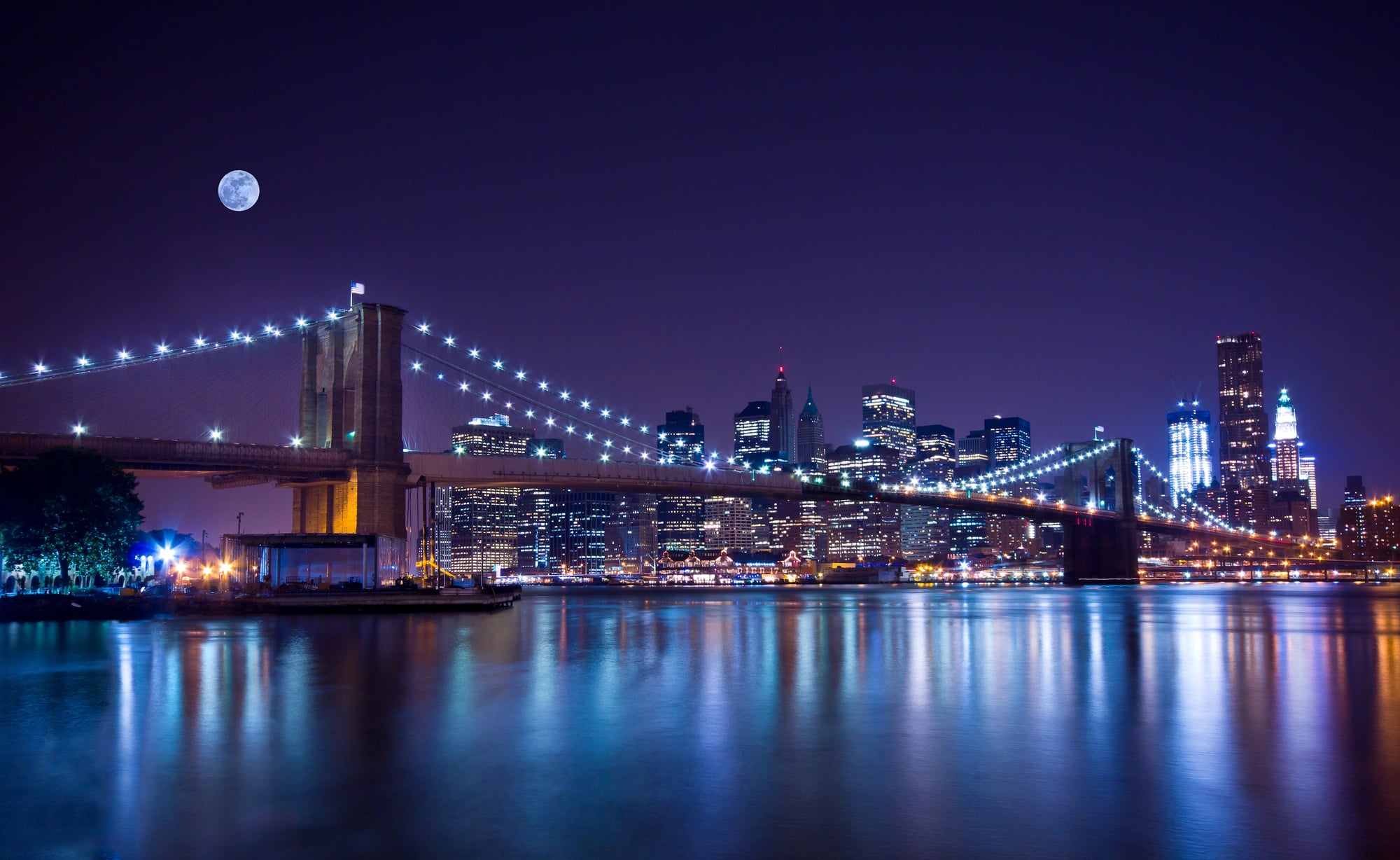
The Brooklyn Bridge was a family effort born from tragedy. Chief engineer John Roebling died before construction began, and his son Washington took over—until illness left him bedridden.
His wife, Emily Roebling, stepped in to manage communications between him and the workers. Despite setbacks, delays, and dangerous conditions, the bridge opened in 1883 to massive celebrations.
It became a symbol of perseverance, love, and human ingenuity.
From doubts to pride
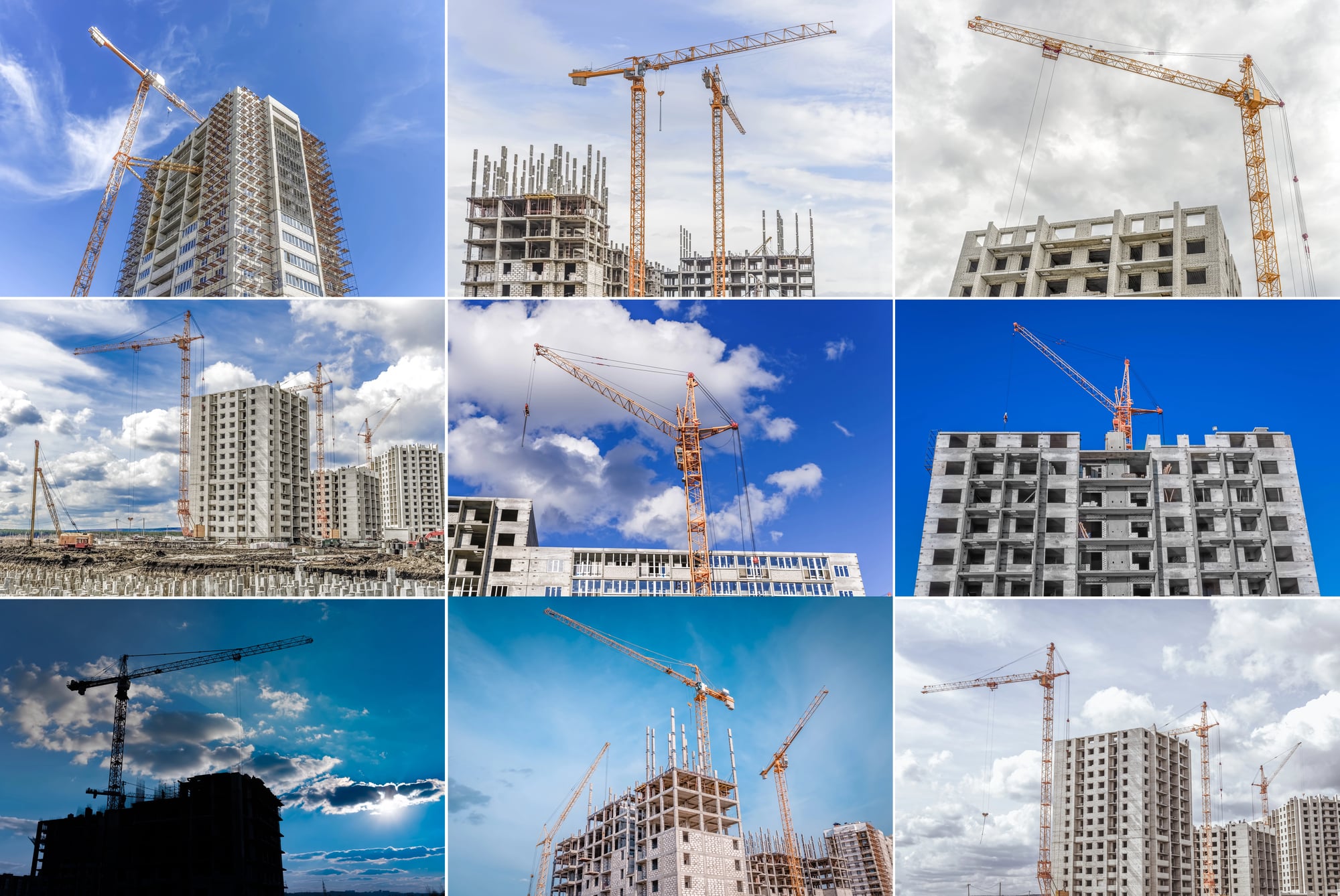
Every one of these landmarks began with uncertainty, arguments, or outright rejection. Yet the people behind them kept pushing through fear, failure, and criticism.
What started as impossible dreams became symbols of hope, progress, and endurance.
More from Go2Tutors!

- The Romanov Crown Jewels and Their Tragic Fate
- 13 Historical Mysteries That Science Still Can’t Solve
- Famous Hoaxes That Fooled the World for Years
- 15 Child Stars with Tragic Adult Lives
- 16 Famous Jewelry Pieces in History
Like Go2Tutors’s content? Follow us on MSN.