Famous Watches Linked to Powerful Figures
Power shows itself in different ways. Sometimes through speeches, policies, or achievements.
But the details matter too—what someone wears on their wrist can tell you something about how they see themselves and want others to see them. Some leaders choose flashy timepieces that scream wealth.
Others pick modest watches that send a different message entirely. The choices these figures make often reflect the image they want to project.
A Rolex says one thing. A Casio says another. And the stories behind these watches reveal more than just good taste in craftsmanship.
The President’s Omega

John F. Kennedy wore an Omega Ultra Thin that his friend Grant Stockdale gave him the day before his inauguration. The inscription on the back read simple and direct: “President of the United States John F. Kennedy from his friend Grant.”
This wasn’t a statement piece. The watch measured just 34mm—tiny by today’s standards.
Kennedy kept it understated, matching the clean-cut image he cultivated. The Omega fit his style perfectly: elegant without trying too hard.
Churchill’s Timekeeper

Winston Churchill carried a Breguet pocket watch throughout World War II. Made by one of the most respected watchmakers in history, the piece represented old-world sophistication.
Churchill didn’t wear it on his wrist like modern leaders. He kept it tucked away, checking it deliberately during his most crucial moments.
The choice of a pocket watch instead of a wristwatch said something about Churchill’s character. He valued tradition and craftsmanship that had proven itself over centuries.
During the Blitz, while London burned, Breguet kept ticking.
The Collector in the Kremlin

Vladimir Putin’s watch collection has sparked endless speculation. He’s been spotted wearing everything from A. Lange & Söhne to Blancpain, with combined values reaching into the hundreds of thousands.
Some analysts spend hours scrutinizing which watch appears at which meeting, trying to decode messages that probably aren’t there. The variety itself sends a message though.
Putin doesn’t commit to one brand or style. He rotates through his collection like someone who understands that different occasions call for different statements.
A Patek Philippe for diplomacy. A simpler piece for populist appearances.
Obama’s Unexpected Choice
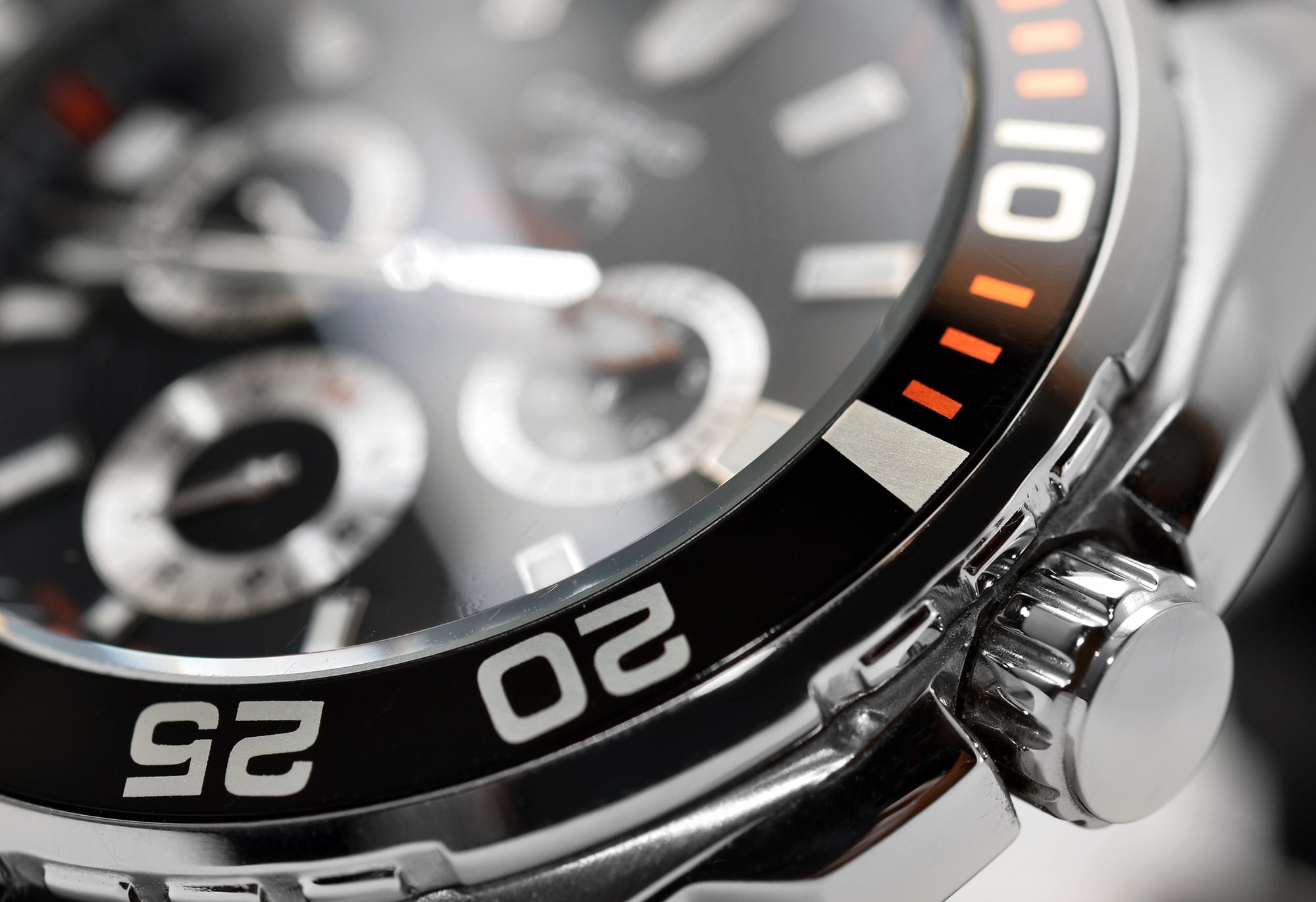
Barack Obama wore a Jorg Gray 6500 Chronograph throughout much of his presidency. The watch cost around three hundred dollars—a fraction of what most world leaders spend on their timepieces.
His Secret Service detail gave it to him as a gift. The choice raised eyebrows.
Here was the most powerful person in the world wearing a watch most people had never heard of. But that made its own point.
Obama understood optics. During an economic crisis, wearing a modest watch looked better than sporting a Rolex.
Castro’s Contradictory Wrists

Fidel Castro wore two Rolex watches at once for years. Yes, two. Usually a GMT-Master on one wrist and a Submariner on the other.
The images are jarring when you think about it—a communist revolutionary draped in Swiss luxury. Castro claimed he needed one set to Havana time and another to GMT.
Maybe that’s true. More likely, he just liked the watches and didn’t care about the contradiction.
Revolutionary leaders get to make their own rules about symbolism.
The Revolutionary’s Rolex
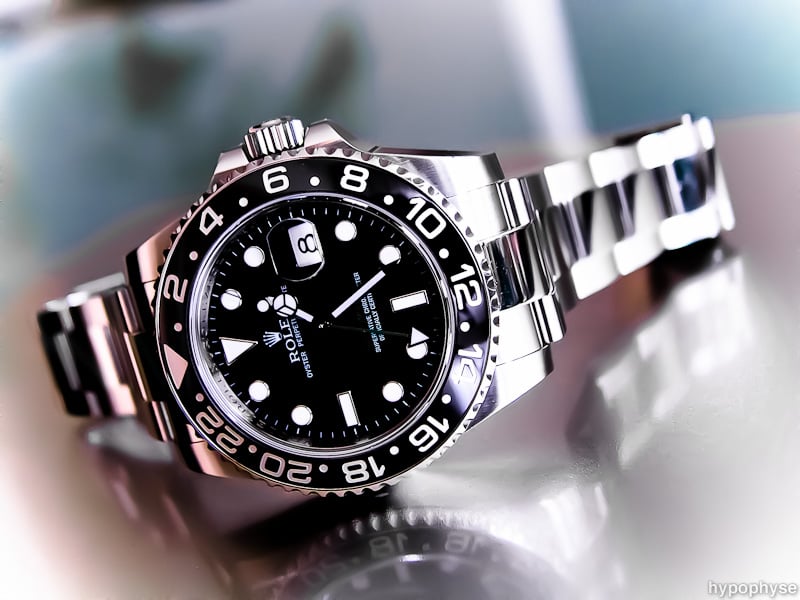
Che Guevara also wore a Rolex GMT-Master. The famous photo of him with his dark beret shows the watch clearly on his wrist.
Another communist. Another Rolex. The irony writes itself.
But Guevara didn’t seem to think about it that way. The GMT-Master was a tool watch, built for function.
He needed something reliable that could track multiple time zones while he moved through different countries. The fact that it cost a fortune probably mattered less to him than the fact that it worked.
The Minimalist Who Wore Nothing
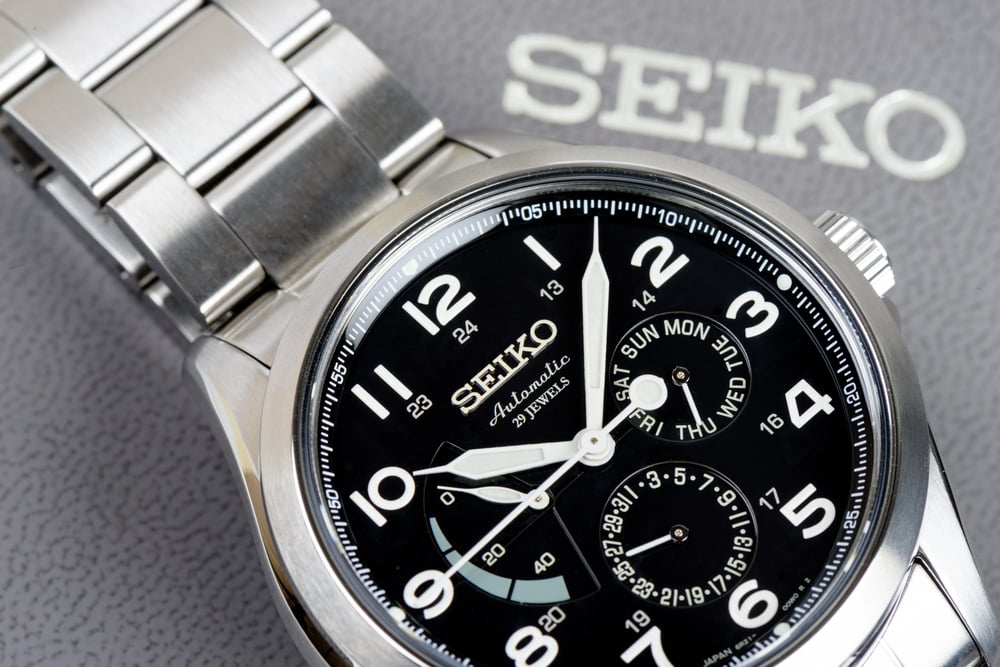
Steve Jobs didn’t wear a watch. Nothing on his wrist at all for years.
Then occasionally he’d show up wearing a Seiko or a simple piece that nobody cared about because it wasn’t the point. The absence said more than any expensive timepiece could have.
Jobs built his image on simplicity and focus. A watch would have cluttered the uniform—black turtleneck, jeans, sneakers.
Adding anything else would have broken the spell. His choice to skip the watch game entirely while building one of the world’s most valuable companies sent its own message: I don’t care about your status symbols.
Gates and the Ten-Dollar Wonder

Bill Gates wears a Casio F-91W. The same watch you can buy at a gas station for ten dollars.
The same watch teenage skaters wear. The same watch that’s so ubiquitous it’s basically invisible.
This is a man worth over a hundred billion dollars. He could buy any watch ever made.
He could commission custom pieces that would make collectors weep. Instead, he wears a plastic Casio that tells the time and nothing else.
The message cuts through perfectly: I have nothing to prove. The watch works. That’s enough.
Aldrin’s Moon Watch

Buzz Aldrin wore an Omega Speedmaster Professional when he stepped onto the moon’s surface. The watch wasn’t chosen for looks. NASA tested the hell out of it—extreme temperatures, vacuum conditions, vibrations that would shake apart lesser timepieces.
The Speedmaster survived everything. Then it survived the moon. That single fact turned it into an icon.
When you can say your watch has been to the moon and back, you’ve won the watch game. Aldrin kept his Speedmaster for years after.
The watch had earned its place on his wrist by going where almost no human has gone.
Newman’s Racing Companion

Paul Newman wore a Rolex Daytona that his wife Joanna Woodward gave him. The inscription read “Drive Carefully Me.”
Newman wore it constantly during his racing career, and the watch became so associated with him that Rolex Daytonas of that style are now called “Paul Newman Daytonas.”
The watch eventually sold at auction for over seventeen million dollars—the most expensive watch ever sold. But Newman didn’t wear it for investment purposes.
He wore it because his wife gave it to him and it worked well for timing laps on the track.
King’s Symbol of Success
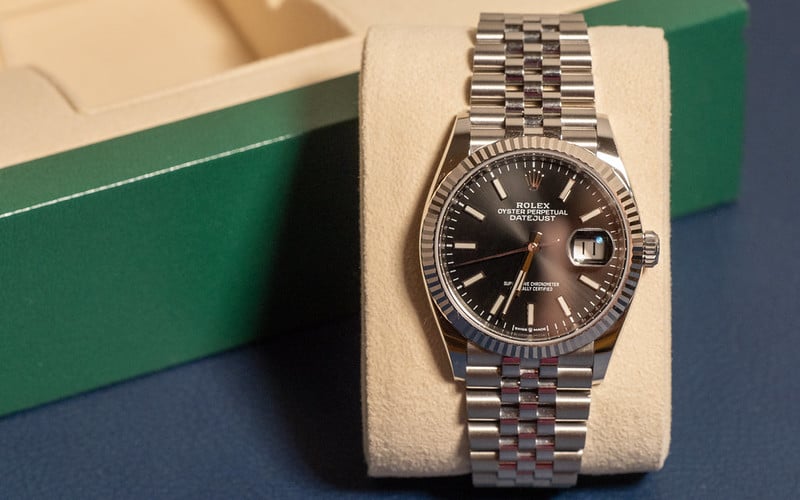
Martin Luther King Jr. wore a gold Rolex Datejust. Photos from the March on Washington show it on his wrist.
Some people find this surprising—why would a civil rights leader wear such an expensive watch? But King earned his doctorate.
He won the Nobel Peace Prize. The watch represented achievement, not excess.
In the context of the 1960s, when Black Americans were systematically denied opportunities for success, wearing that Rolex meant something different than it would today. It said: We belong here too.
Diana’s Elegant Statement

Princess Diana wore a Cartier Tank Française. The rectangular watch sat perfectly on her wrist, elegant without being flashy.
Cartier designed the Tank series after World War I tanks—the straight lines and geometric shape referenced those military vehicles, but refined into something beautiful.
Diana wore the watch constantly, even after her divorce. The Tank became part of her signature look.
She had plenty of jewelry and could have chosen anything. But she kept coming back to Cartier. Simple. Classic. Timeless.
Buffett’s Daily Driver

A twenty-dollar Seiko quartz ticks on Warren Buffett’s wrist. Not what you’d expect from someone with billions.
He picks it because it works – no need for flash. Just like his investments, simplicity wins.
Costlier doesn’t mean better. A watch tells time. So do his stock choices.
Value hides where others overlook. Flashy brands shout. His strategy whispers.
What matters is function, not fame. The cheapest option often serves just fine. Fancy extras rarely add real worth.
His habits mirror his portfolio. Both reject noise. Both favor sense. That watch shows the right time every day. Yet it never needs fixing. Its price was tiny.
In Buffett’s eyes, paying big money for a fancy mechanical one is like grabbing an expensive stock – just because it feels special. Numbers refuse to back it up.
What People Actually Wear

A story comes through each timepiece. Wealth matters most to certain bosses.
Power shines bright for some others. Humility shows up on wrists too.
Practical choices appear now and then. Preference runs deep among a small group.
Message? Not everyone cares what it says. Here lies the curiosity – not in the watches. Meaning emerges through interpretation.
A fresh appearance by a global figure sparks scrutiny when the wrist shows something different. Experts lean in closely on each instance.
Choosing platinum rather than steel prompts questions. Swapping Cartier for Rolex feels like a signal needing translation.
Could be a clue. Could just be noise. Still, folks stare, study every move, dig into the signals on the arm.
After all, tiny things slip out sometimes – truths, lies, whatever fits the story someone built.
More from Go2Tutors!

- The Romanov Crown Jewels and Their Tragic Fate
- 13 Historical Mysteries That Science Still Can’t Solve
- Famous Hoaxes That Fooled the World for Years
- 15 Child Stars with Tragic Adult Lives
- 16 Famous Jewelry Pieces in History
Like Go2Tutors’s content? Follow us on MSN.



