Fascinating Facts About Animals That Thrive In Winter
Cold months might seem harsh, yet certain animals thrive when snow arrives. Instead of struggling, they’ve adapted in surprising ways that turn freezing temps into an advantage.
Fur grows dense – sometimes white – for warmth and stealth among icy landscapes. Hunting shifts; timing changes; patience becomes a tool under silent skies.
While others hide from frost, these beings move with purpose through short days and long nights. Winter isn’t an obstacle to them – it’s an opportunity dressed in ice.
Frost doesn’t scare every creature equally. Some beasts thrive when the world turns icy, living boldly where others would freeze.
These animals turn snowdrifts into homes, using stillness or speed to survive. Winter isn’t a challenge for them – it’s just Tuesday.
Their bodies adapt without drama, growing dense fur or shifting rhythms deep within. Cold becomes fuel instead of fear.
Movement stays sharp even in silence. Each one owns the chill like it was made for them.
Arctic Foxes Change Their Entire Wardrobe Twice A Year
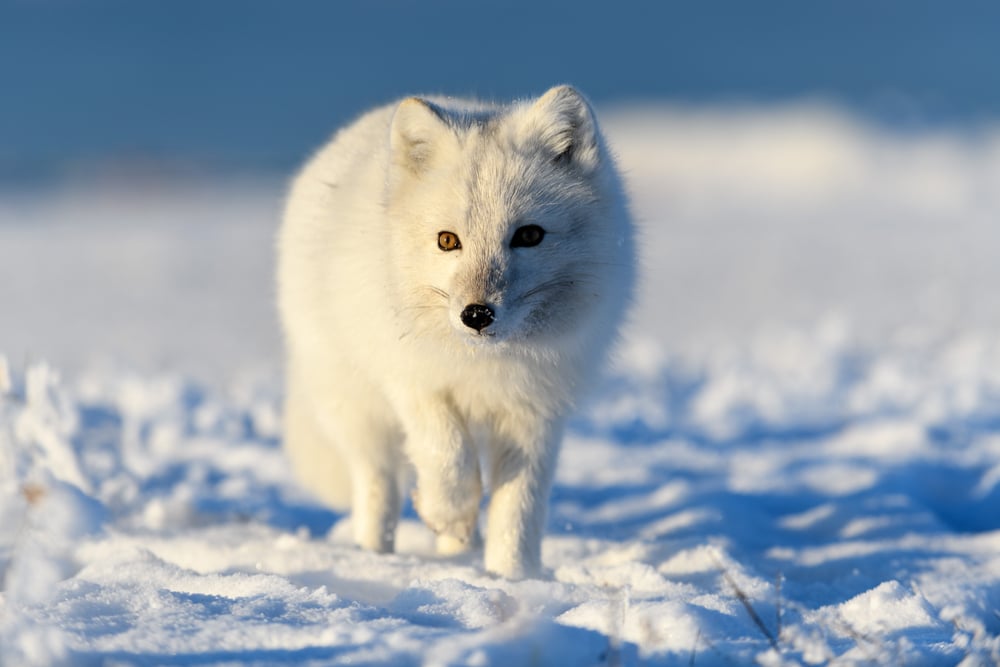
When winter shows up, the Arctic fox swaps its brown summer look for a bright white coat. Snow and ice become its backdrop, hiding it completely.
Not for fashion – this shift lets it move unseen toward lemmings, birds, while hunting. As colors change, so does thickness; fur grows much denser.
Each strand holds air near the body, acting like personal warmth control.
Ahead Of Winter’s Quiet, Snowy Owls Detect Movement Beneath Thick Layers Of Snow.
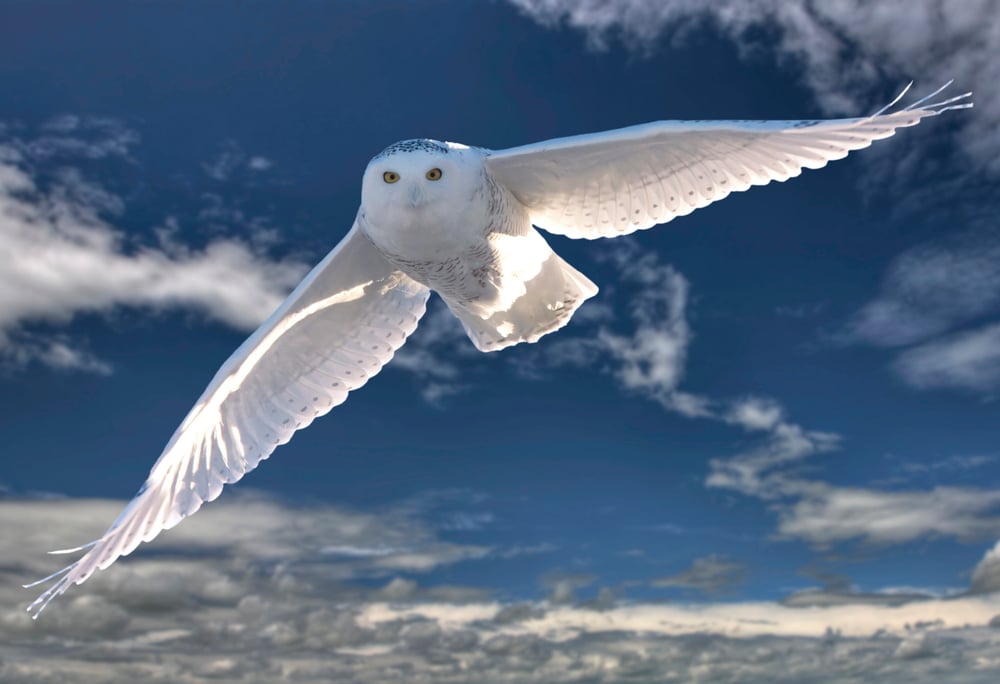
Their vision cuts through white cover, finding what hides below. Sharp eyes lock on unseen shapes buried deep.
Without sound, they know where small creatures shift underground. Even when everything seems frozen still, their sight works relentlesslyA snowy owl’s ears pick up tiny rustles under icy blankets from more than thirty feet off.
Not needing warmer places when cold hits, they follow meals instead of fleeing frost. Beneath frozen layers, lemmings creep through tunnels while silent hunters above listen close.
Feathers stack deep on toes and shins, making each step a muffled approach across wind-scoured fields.
When Snow Covers The Ground, A Caribou’s Eyes Shift To Blue
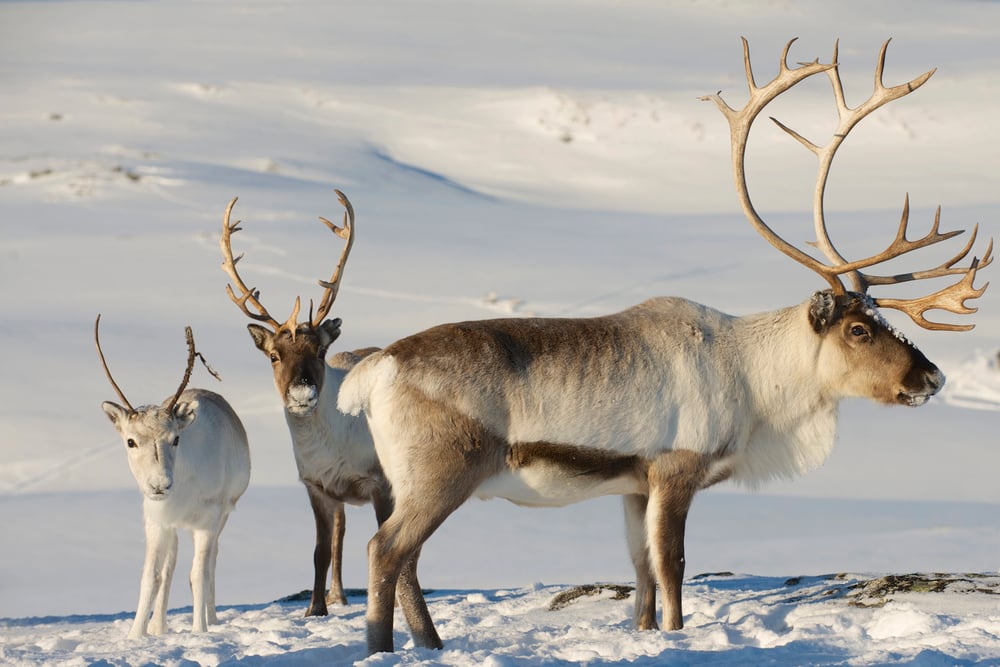
. This Change Helps Them Notice Food Under Low-Light Conditions.
Light enters the eye differently during cold months. The tapetum changes color over time.
Vision improves when days grow short. Blue tones enhance contrast against icy landscapes.
Pupils adapt without much sunlight aroundYou may think it’s fake, yet caribou really do alter their eye shade as seasons turn. Behind the retina, a layer morphs from golden hues in warm months into dark blue when snow arrives.
Light bends differently through that changed tissue, helping sight stretch further under dim polar skies. With less sunlight peeking above frozen ground, the shift boosts how much glow enters each pupil.
That deeper hue bounces extra illumination across sensitive cells – like nature adding lenses tuned for twilight survival. Spotting wolves or scraping moss from icy rocks becomes easier once eyes adjust to the cold gloom.
Frozen Trails Hold Wolverines Aloft
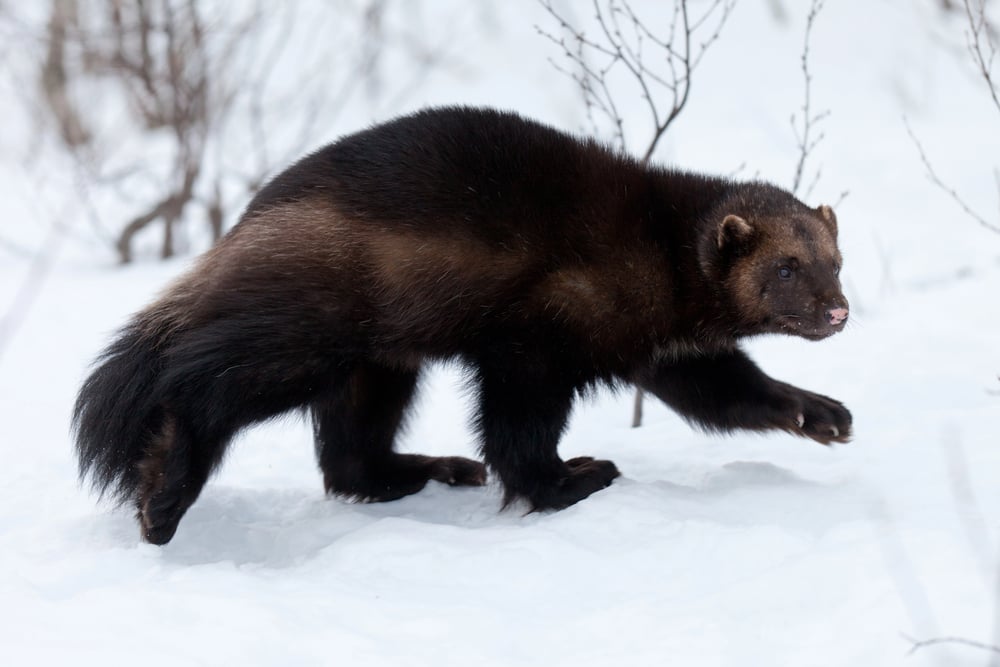
, Their Broad Paws Spreading Weight Like Natural Rafts. Each Step Sinks Less Thanks To Wide Toes Fanned Wide Beneath. Deep Snow Barely Slows These Thick-Furred Roamers Down.
Foot size acts like built-in flotation gear across icy terrain. Powder stays packed only where they pass through.
Their design thrives where others would vanish beneathA chunky animal with a bearlike face turns out to belong among weasels, not bears at all. With every step, its broad feet splay outward – almost like built-in gear for floating on powder.
Lightly carried atop frozen fields, it darts where others sink without hope. Deep winter becomes an advantage, not a barrier, especially when scavenging meals left struggling by stronger but less agile hunters.
Emperor Penguins Huddle Together And Take Turns Being The Warm Center
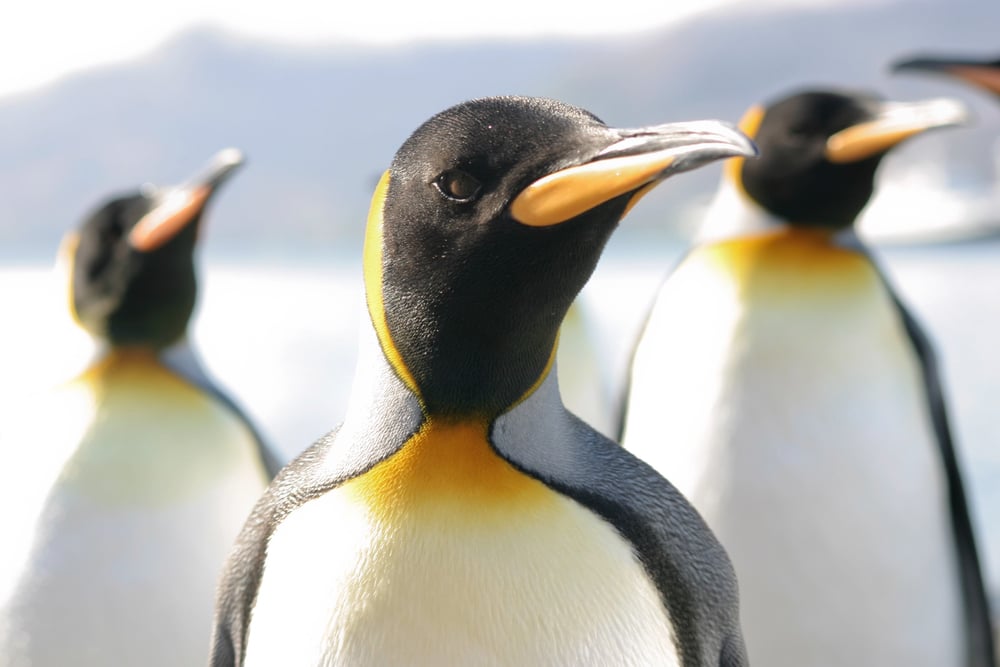
Winter in Antarctica hits hard, hitting minus 40 under vast white skies. Penguins there survive using a smart move – crowding tightly by the thousands.
Called a huddle, it shifts without stopping; outer layers inch inward over time. Those sheltered gradually step outward again, making space for others behind.
Movement never pauses, giving each bird warmth in turns despite frozen air. Inside that mass, heat holds near 98 degrees while wind bites beyond the edge.
Underwater, Beavers Stash Their Meals So The Cold Can’t Touch Them
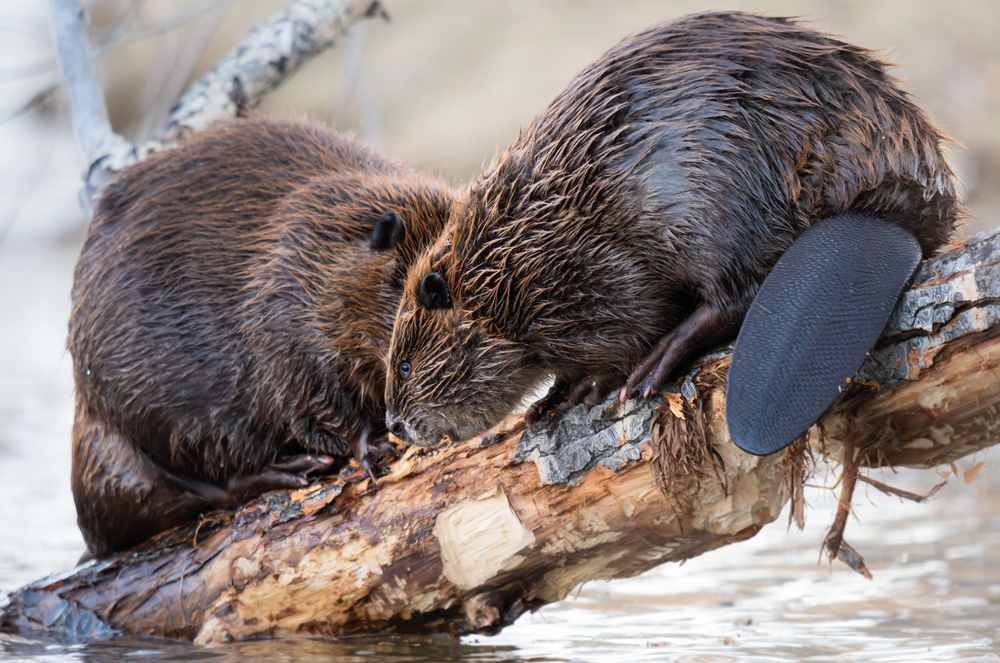
Winter means business for beavers. Autumn turns them into busy builders, felling trees with sharp teeth.
Branches get hauled through damp air straight into chilly ponds. Underwater stacks settle on muddy floors, kept cold but never frozen.
The cold depth acts like a natural cooler when snow flattens the land. Ice seals the surface tight, yet life moves below.
From their shelter, they slip beneath the frost layer. A quick dive brings up stored meals from hidden heaps.
Back inside, chewing begins in quiet warmth.
Thick Hides Cloaked In Winter Storms

Musk Oxen Carry A Double-Layered Defense. Beneath Bristled Guard Hairs Lies Down So Fine It Outshines Woven Silk.
Out here, the big fuzzy beasts seem draped in ancient parkas – turns out that makes perfect sense. Their topcoat of coarse hair slides off rain, stops icy gusts cold, yet beneath lies something finer: qiviut, a downy underwool absurdly warm, beating sheep’s fleece by eightfold.
Picture one rooted firm in a howling snowstorm, losing zero warmth despite chaos swirling around. If mercury crashes harder, watch them huddle calf-center, back outward, building a living wall woven entirely from thick hide and stubborn calm.
Ptarmigans Grow Feathers On Their Feet And Change Color Three Times A Year
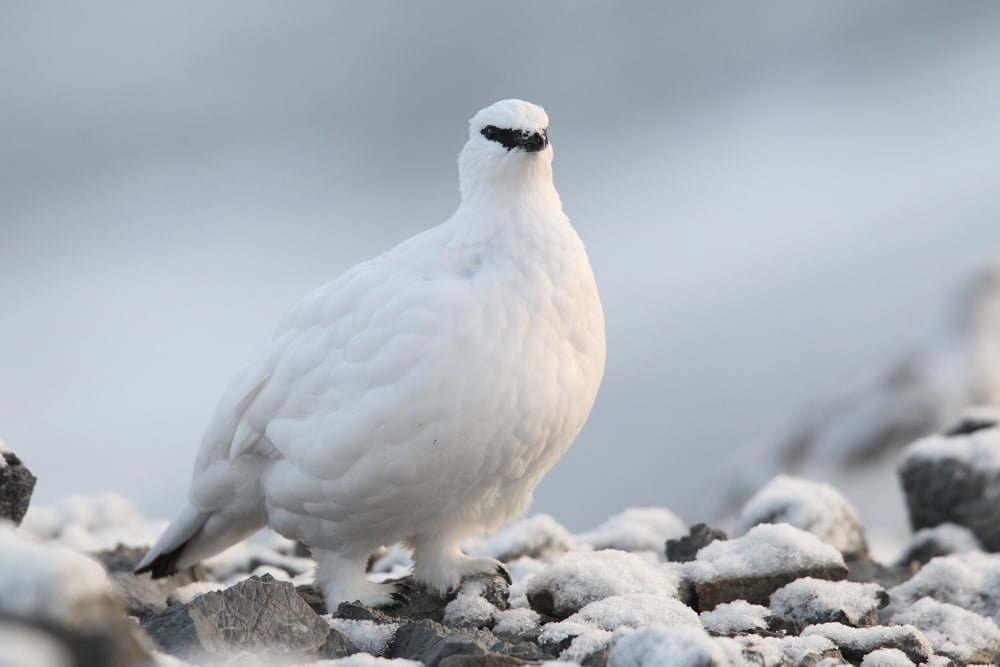
These chicken-sized birds take winter preparation to another level. By the time snow falls, ptarmigans have grown a thick layer of feathers on their feet that work like mini skis and keep their toes from freezing.
They also change their plumage from brown in summer to pure white in winter, with a brief mottled phase in between. This triple color change means they always match their surroundings, whether it’s bare ground, patchy snow, or full winter coverage.
Harp Seals Give Birth On Floating Ice And Their Pups Gain Five Pounds Daily

Harp seal mothers pick ice floes in the North Atlantic as maternity wards every late winter. Their pups arrive with fluffy white coats that provide camouflage against the ice, though this fur isn’t actually waterproof yet.
The mother’s milk is so rich in fat that pups can gain up to five pounds every single day, building up the blubber they’ll need when they start swimming in frigid waters. Within two weeks, these pups nearly triple their birth weight.
Wood Frogs Freeze Solid And Their Hearts Stop Beating Until Spring

This sounds impossible, but wood frogs literally turn into frogsicles every winter and survive it. When temperatures drop, special proteins in their blood act like antifreeze and protect their vital organs while the rest of their body freezes solid.
Their hearts stop pumping, they quit breathing, and ice crystals form throughout their bodies. Then when spring warmth returns, they just thaw out and hop away like nothing happened.
They’re basically frozen in time for months.
Ermines Turn White Except For The Black Tip On Their Tail

Ermines, also called stoats, are fierce little hunters that undergo a dramatic color transformation each winter. Their brown summer coat becomes snow white, making them nearly invisible in winter landscapes.
Oddly, the tip of their tail stays jet-black year-round. Scientists think this black tip might actually work as a decoy, drawing the attention of predators away from the ermine’s head and body.
These tiny carnivores stay active all winter, hunting rodents in their tunnels beneath the snow.
Moose Legs Work Like Radiators They Can Turn On And Off

Moose have figured out something pretty clever about staying warm without overheating. The blood vessels in their long legs can constrict to keep warm blood in their core when it’s freezing, or dilate to release extra heat when they’re working hard.
This means a moose can stand in deep snow for hours without losing body heat through its legs, but can also cool down quickly if it’s been running from wolves. It’s like having a thermostat built into their limbs.
Red Squirrels Remember Thousands Of Hiding Spots For Their Food Stash
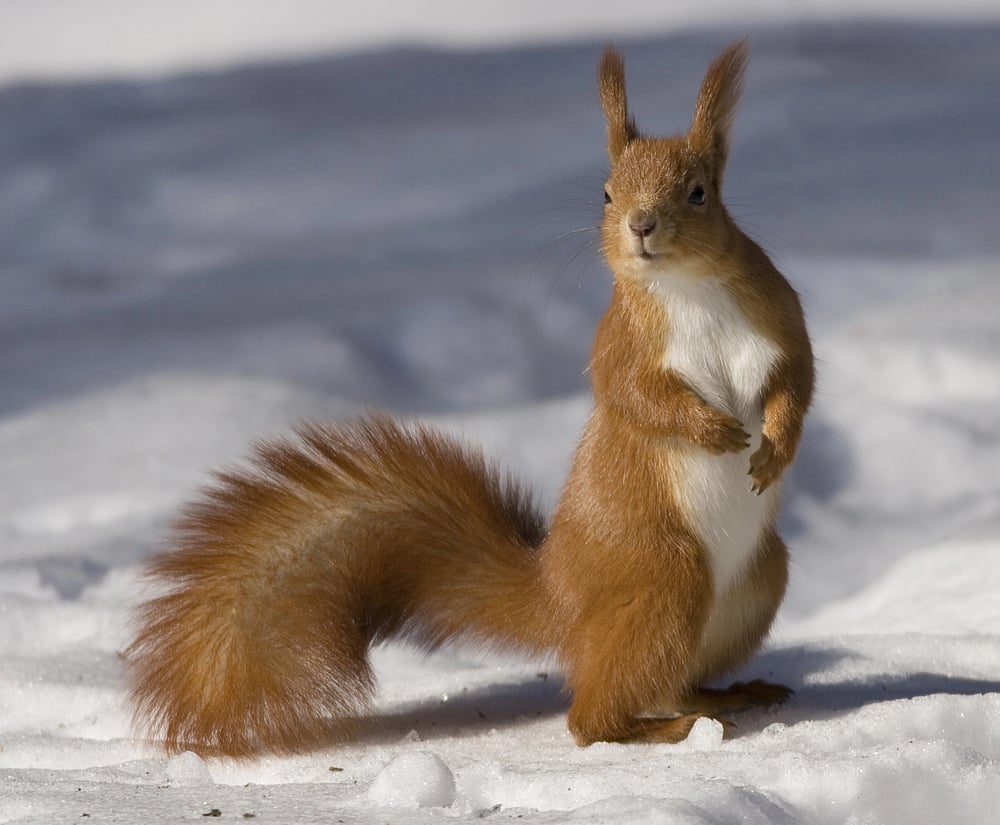
These busy critters don’t hibernate, so they spend autumn hiding food all over their territory for winter retrieval. A single red squirrel might create thousands of small caches, burying nuts and seeds in different spots.
The amazing part is they actually remember where most of these hiding spots are located, even under feet of snow. Their spatial memory is so good they can find food they buried months earlier, though they also get lucky stumbling across forgotten stashes.
Lynx Paws Act Like Natural Snowshoes That Are Twice The Size Of A Bobcat’s

The Canada lynx has comically oversized paws that look too big for its body. These huge paws spread out their weight across a much larger surface area, letting them walk on top of snow that would swallow most other predators.
This gives them a huge advantage when hunting snowshoe hares, their primary food source. While other predators sink and struggle, lynx can bound across the surface and catch prey that thought deep snow meant safety.
Bighorn Sheep Dig Through Snow With Their Hooves To Reach Dried Grass
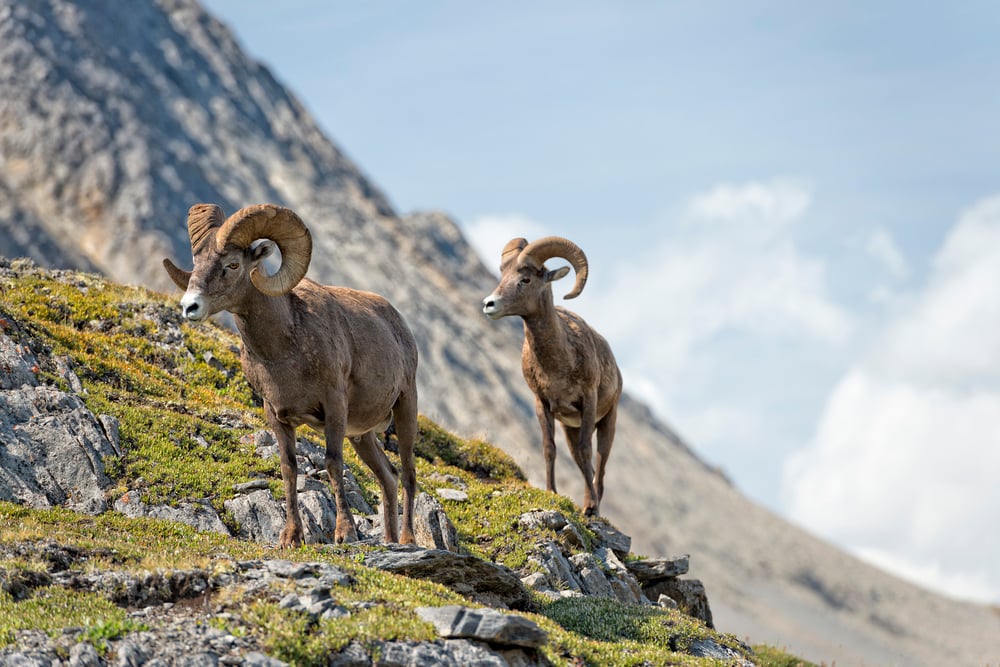
These sure-footed mountain dwellers don’t migrate to lower elevations when winter hits. Instead, they use their sharp hooves to paw through snow and uncover the dried grasses and plants underneath.
Bighorn sheep actually prefer slopes that get blasted by wind because these areas have less snow accumulation. They’ll also eat lichen and woody plants when they have to, getting moisture from snow since mountain streams freeze solid.
Rough-Legged Hawks Fly Thousands Of Miles South Just To Experience Winter
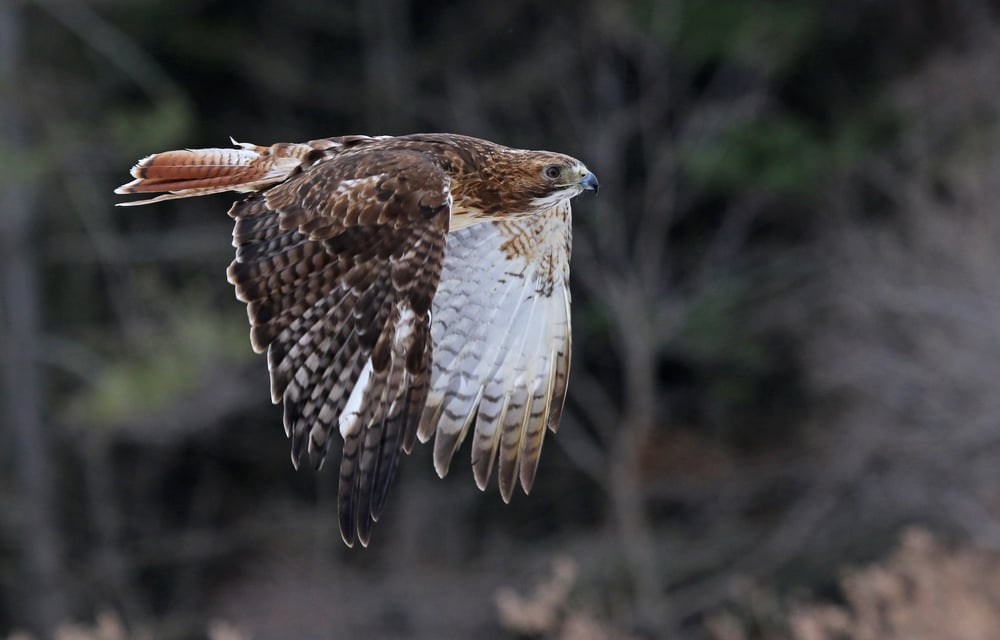
While most birds fly south to escape cold weather, rough-legged hawks do the opposite. They breed in the Arctic during summer, then migrate south to places like the northern United States for winter.
This might seem backwards until you realize they’re following their food supply. These hawks hunt small rodents, and the areas they winter in have more accessible prey than the frozen Arctic does.
They’re perfectly adapted to cold weather with feathered legs and feet, so winter in Montana or Wyoming feels downright comfortable to them.
Arctic Ground Squirrels Drop Their Body Temperature Below Freezing Without Dying

These squirrels hibernate harder than almost any other mammal on Earth. Their body temperature can drop to 26 degrees Fahrenheit, well below the freezing point of water.
They survive this by entering a state called supercooling, where their body fluids don’t actually freeze into ice crystals. Every couple weeks they have to warm back up for a few hours to restore their brain function, then drop right back down into deep cold.
This lets them conserve enough energy to survive eight months of winter underground.
Where Winter Still Reigns Supreme

These cold-weather animals prove that winter isn’t just something to endure but can actually be the best time of year for certain species. Evolution has given them tools and tricks that turn frozen landscapes into perfect habitats where they face less competition and find plenty of food.
The animals that call winter home aren’t just surviving out there. They’re built for it, and in many ways, they’re living their best lives when the temperature drops and snow starts to fall.
More from Go2Tutors!

- The Romanov Crown Jewels and Their Tragic Fate
- 13 Historical Mysteries That Science Still Can’t Solve
- Famous Hoaxes That Fooled the World for Years
- 15 Child Stars with Tragic Adult Lives
- 16 Famous Jewelry Pieces in History
Like Go2Tutors’s content? Follow us on MSN.