Fascinating Facts About Cocktails
There’s something almost magical about a well-made cocktail. It’s not just alcohol in a glass—it’s history, chemistry, culture, and a bit of theater all mixed together (pun absolutely intended).
From speakeasies during Prohibition to modern craft cocktail bars where bartenders wear suspenders and have elaborate mustaches, the world of mixed drinks has always been more interesting than people give it credit for. These are some facts that’ll make you look at your next martini a little differently.
The Word “Cocktail” Has the Weirdest Origin Stories

Nobody actually knows where the term “cocktail” came from, which is kind of embarrassing for such an important word. One theory says it comes from a French egg cup called a “coquetier” that was used to serve mixed drinks in New Orleans.
Another claims it’s from the English practice of putting a feather (a cock’s tail) in drinks. There’s also a story about a Mexican princess named Xóchitl who served mixed drinks to American soldiers.
The first printed definition appeared in a New York newspaper in 1806, describing it as “a stimulating liquor composed of spirits of any kind, sugar, water, and bitters.” Which is basically an Old Fashioned, if you think about it.
Martinis Were Originally Made With Sweet Vermouth, Not Dry
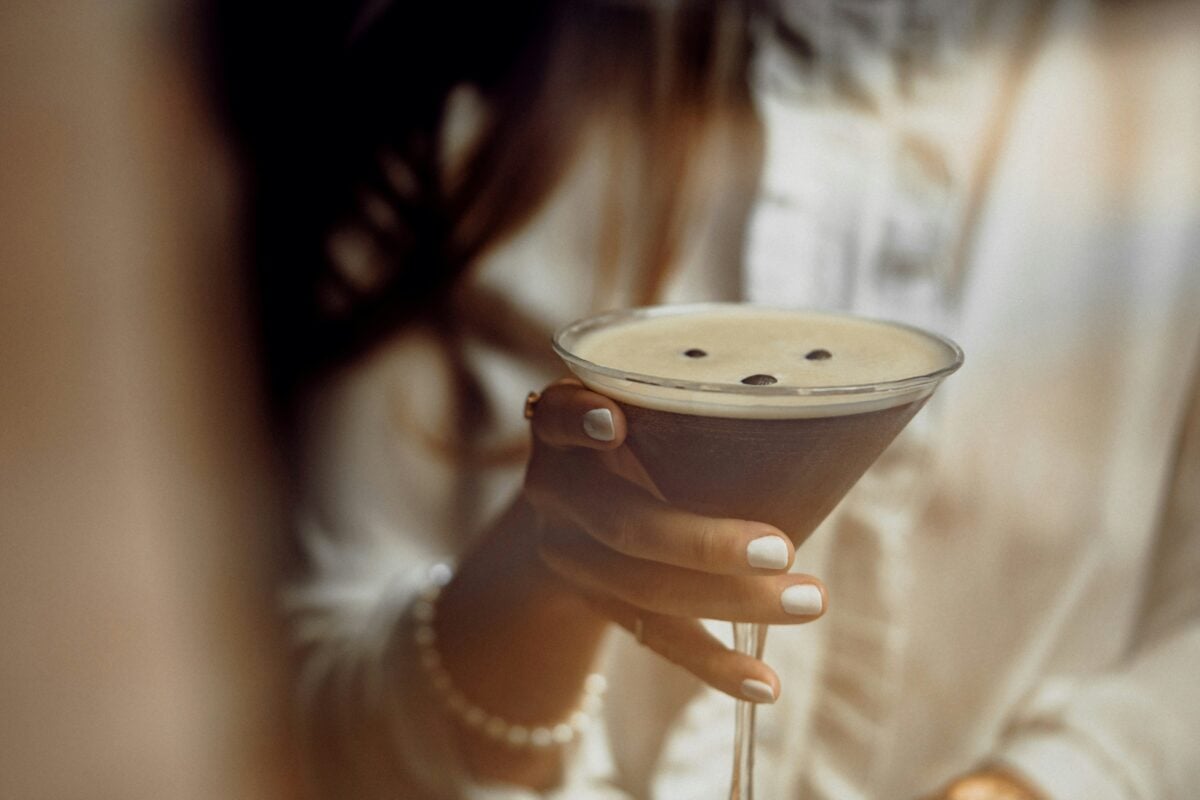
The modern martini—gin, dry vermouth, olive or lemon twist—would be unrecognizable to someone drinking them in the 1880s. Back then, martinis used sweet vermouth and were actually pretty different drinks.
The shift to dry vermouth happened gradually in the early 20th century, and then people just kept making them drier and drier. By the time James Bond showed up asking for his “shaken, not stirred” (which is actually the wrong way to make a martini, but whatever), the drink had basically become cold gin with a whisper of vermouth.
Some bartenders in the 1970s would just wave the vermouth bottle over the glass.
Prohibition Created Modern Cocktail Culture

This one’s pretty ironic. When the US banned alcohol from 1920 to 1933, people didn’t stop drinking—they just got creative about it.
The illegal booze available was often of terrible quality (sometimes literally poisonous), so bartenders started mixing it with strong flavors to mask the taste. Fruit juices, herbs, syrups, anything to make bathtub gin palatable.
This experimentation actually led to some of the most creative cocktail recipes we still use today. Also, American bartenders fled to Europe and brought cocktail culture with them, which is why you’ll find classic American cocktails in bars from London to Paris.
The Mojito Has Been Around Since the 1500s

Supposedly, this rum-and-mint combination was originally created by pirates. And not in a fun, romanticized way—the early version was made with a primitive rum called aguardiente (basically firewater), sugar, lime, and mint to help with scurvy and other diseases.
It was called “El Draque” after Sir Francis Drake. The modern version emerged in Havana, Cuba, and became famous when Ernest Hemingway drank them at La Bodeguita del Medio (along with everything else—the man was not picky about his drinking locations).
Tiki Culture Was Invented by Two Rivals in California

In the 1930s, two guys—Don the Beachcomber and Trader Vic—independently decided to create fake Polynesian restaurants and bars in California. They served elaborately garnished rum cocktails with names like “Zombie” and “Mai Tai” in ceramic mugs shaped like tiki gods.
The whole aesthetic was completely made up (neither had spent much time in the actual Pacific Islands), but Americans went absolutely wild for it. These two men spent decades arguing about who invented what drink.
Trader Vic claimed he invented the Mai Tai in 1944, and Don the Beachcomber said that was nonsense. They took this rivalry very seriously.
The Margarita’s Origin Is Completely Disputed

Everyone has a different story about where margaritas came from. Some say a bartender in Tijuana created it in 1938 for a dancer named Marjorie King who was allergic to all alcohol except tequila (convenient).
Others credit a bartender in Acapulco. Another story involves a Dallas socialite. There’s even a claim that it’s just a tequila version of a Prohibition-era drink called the Daisy.
Honestly, nobody knows, and at this point, does it matter? It’s tequila, lime, and Cointreau, and it’s delicious.
A “Dry” Martini Means Less Vermouth, Not Martini Brand

People get confused about this all the time. When you order a “dry martini,” you’re asking for less vermouth in your drink, not specifying Martini brand vermouth (though that exists too, just to make things more confusing).
The drier the martini, the less vermouth. A “bone dry” martini has basically no vermouth at all—it’s just chilled gin or vodka.
Some people will literally just rinse the glass with vermouth and pour it out before adding the gin. Which seems wasteful, but people have strong opinions about their martinis.
The Manhattan Was Allegedly Invented for Winston Churchill’s Mother

According to legend, the Manhattan cocktail was created in the 1870s at a party hosted by Lady Randolph Churchill (Winston’s mom) at the Manhattan Club in New York. However, this story is almost certainly false because she was in England giving birth to Winston at the time the party supposedly happened.
The truth is probably much more boring—some bartender in New York mixed whiskey with vermouth and bitters and it caught on. But the Churchill story sounds better at parties.
Japanese Bartenders Take Cocktails Extremely Seriously
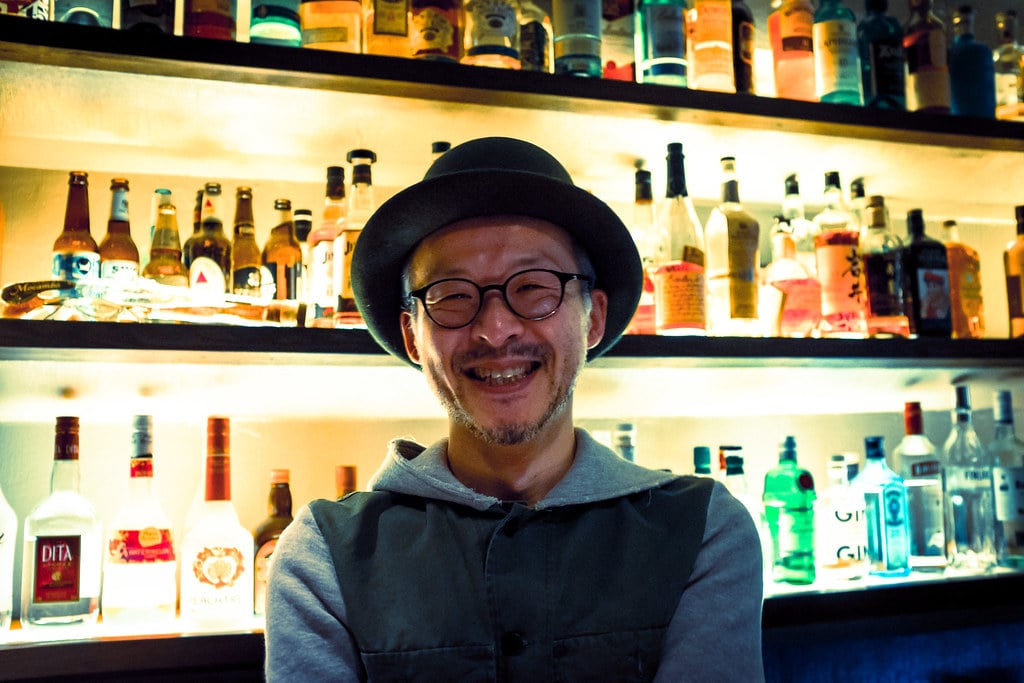
If you want to see cocktail-making elevated to an art form, go to Japan. Japanese bartenders train for years, treating each drink like a carefully choreographed performance.
They hand-cut ice into perfect spheres, measure ingredients to the milliliter, and stir drinks with a technique that’s almost meditative. There’s a famous bar in Tokyo where the bartender makes one Old Fashioned using a single, hand-carved ice sphere that takes him 15 minutes.
The drink costs about $20. People wait in line for this experience.
The Old Fashioned Is Basically the Original Cocktail

Remember that 1806 definition of a cocktail? Spirit, sugar, water, bitters? That’s an Old Fashioned.
It’s called “old fashioned” because by the late 1800s, bartenders were making increasingly complicated drinks, and customers who wanted the simple stuff would ask for a cocktail made “the old-fashioned way.” The name stuck.
It’s had a huge resurgence in the last couple decades thanks to shows like Mad Men, where Don Draper drank them constantly (usually while looking troubled and handsome).
Absinthe Never Actually Made People Hallucinate
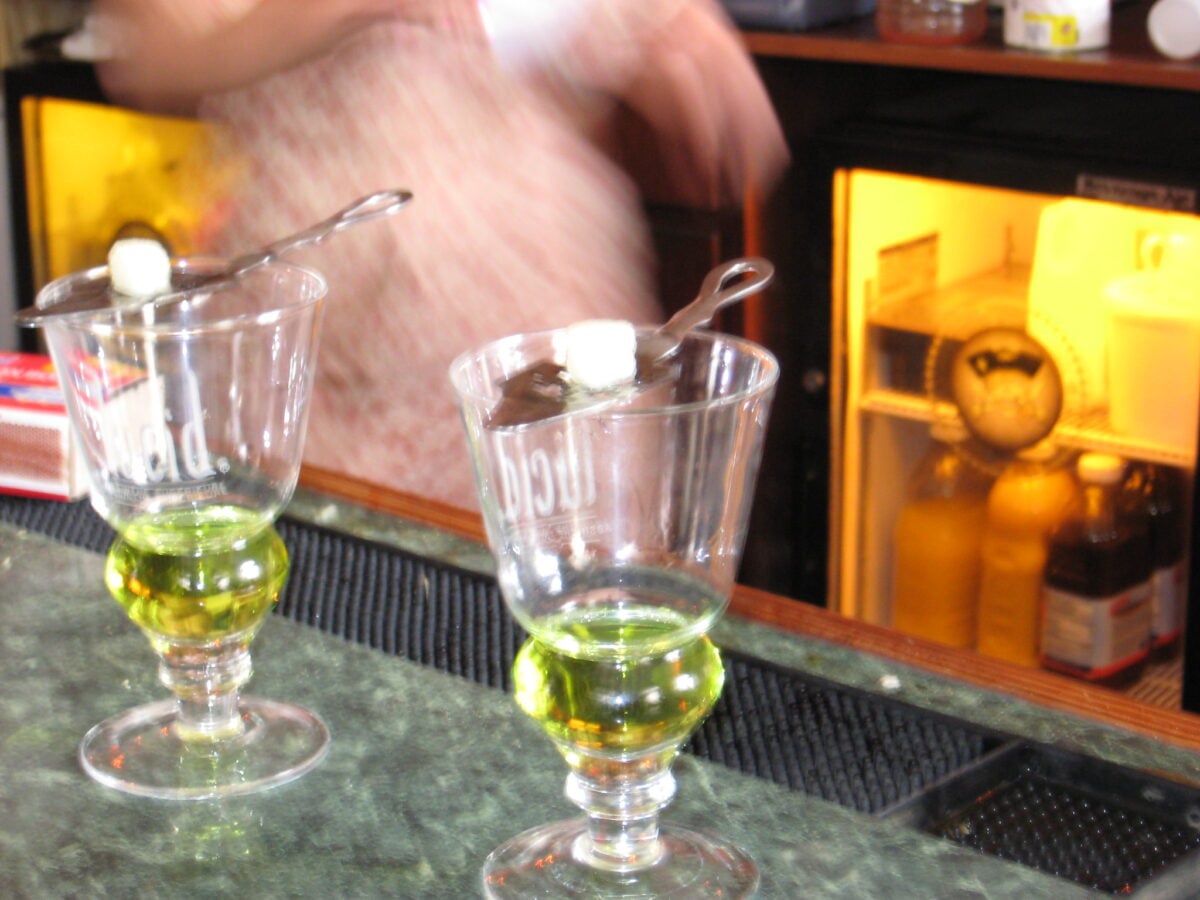
The whole “absinthe makes you see green fairies” thing is mostly myth and marketing. Absinthe is made with wormwood, which contains a chemical called thujone that people claimed caused hallucinations.
In reality, the thujone levels weren’t high enough to do anything except maybe give you a nasty hangover when combined with the high alcohol content (often 70% ABV). The real problem was that cheap absinthe in the 1800s was sometimes adulterated with toxic chemicals, and also people were just drinking way too much of it.
The French were going through 36 million liters per year by 1910. It got banned in most countries by the 1910s, but it’s legal again now.
Still no hallucinations, just a strong anise flavor that people either love or hate.
The Espresso Martini Was Created by Accident (Sort of)

In the 1980s, a supermodel walked into a London bar and asked bartender Bradsell for something that would “wake me up”. He grabbed vodka, coffee liqueur, sugar, and a shot of espresso and invented the Espresso Martini on the spot.
It wasn’t called that originally—it went through several name changes—but the combination of caffeine and alcohol caught on. Now it’s having another massive revival, especially with younger drinkers.
The drink isn’t actually a martini at all (no vermouth, no gin), but we call anything served in a V-shaped glass a martini these days apparently.
Some Cocktails Were Designed to Be Terrible

During Prohibition, bartenders would sometimes make intentionally bad drinks to punish customers they didn’t like or to discourage people from ordering certain things. But the most famous “terrible on purpose” drink might be the Four Horsemen—a shot combining four different whiskeys (Jack Daniel’s, Jim Beam, Johnnie Walker, and Jameson).
It’s not about flavor at that point. Frat boys and people making bad decisions order these.
Your Grandparents’ Cocktails Are Back in Style
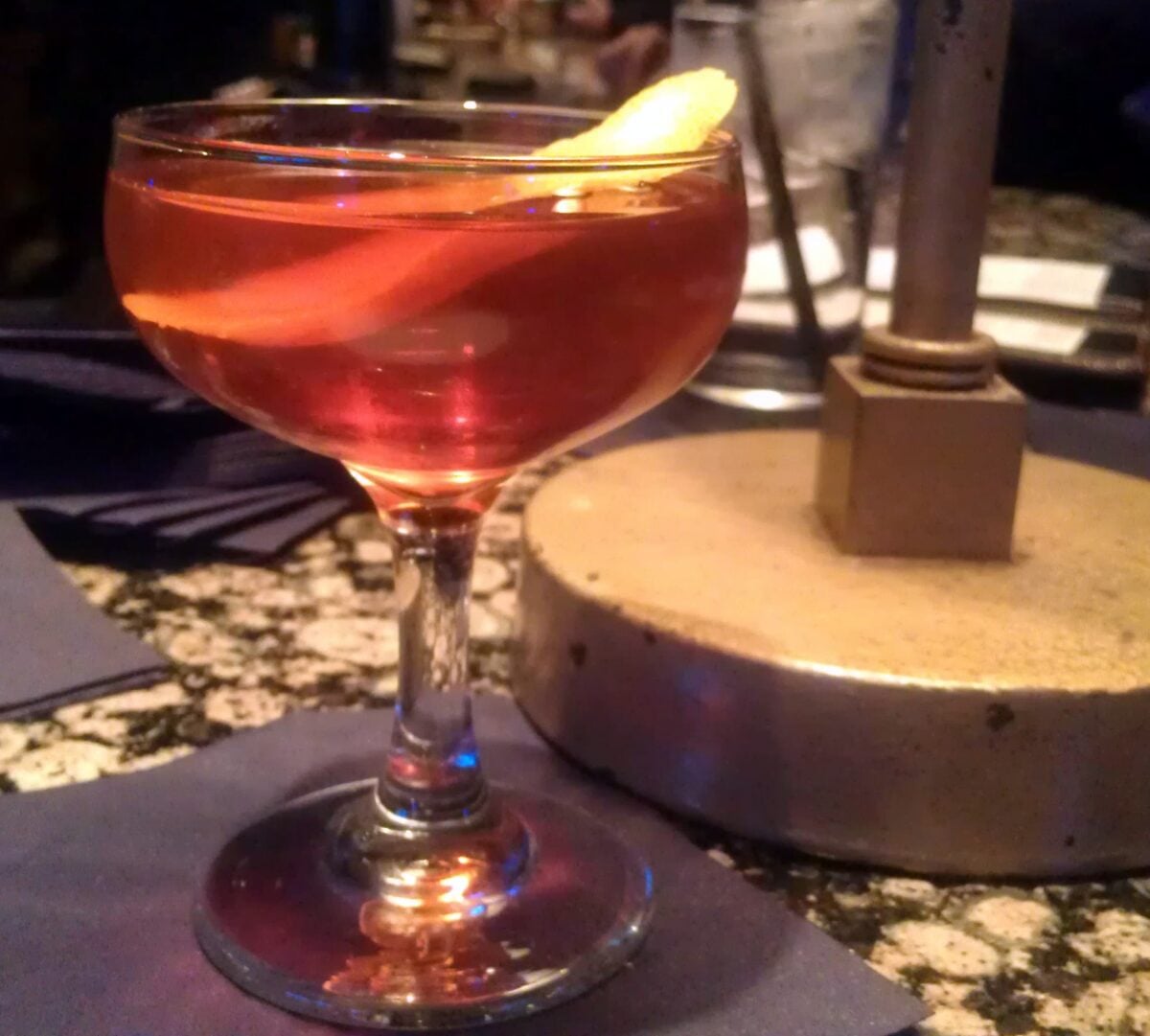
Everything old becomes new again. The cocktails that were popular in the 1950s and 60s—things like Negronis, Boulevardiers, Aviation cocktails—are having a major comeback.
Craft cocktail bars are digging through old bartender manuals and reviving forgotten recipes. Some of these drinks involve ingredients that had disappeared from bars for decades, like crème de violette or Lillet Blanc.
The whole “pre-Prohibition” and “classic cocktail” movement means you can now order drinks your great-grandparents drank. Though they probably cost about 10 times more than they did back then.
So Next Time You’re at a Bar

Order something you’ve never tried before. Ask the bartender what they like to make.
Learn the difference between shaken and stirred (there’s actually a reason beyond James Bond being difficult). Appreciate that the drink in your hand has history, chemistry, and probably a few completely fabricated origin stories attached to it.
And maybe ease up on the Four Horsemen.
More from Go2Tutors!

- The Romanov Crown Jewels and Their Tragic Fate
- 13 Historical Mysteries That Science Still Can’t Solve
- Famous Hoaxes That Fooled the World for Years
- 15 Child Stars with Tragic Adult Lives
- 16 Famous Jewelry Pieces in History
Like Go2Tutors’s content? Follow us on MSN.