Fascinating Facts About the Octopus
Octopuses are among the ocean’s most captivating creatures, combining alien-like features with surprisingly relatable intelligence. These eight-armed invertebrates have evolved abilities that seem almost supernatural, from instant camouflage to problem-solving skills that rival some mammals.
Despite lacking bones or shells for protection, they’ve become masters of survival through sheer adaptability and brainpower.Here is a list of 15 fascinating facts about the octopus.
Nine Brains in One Body
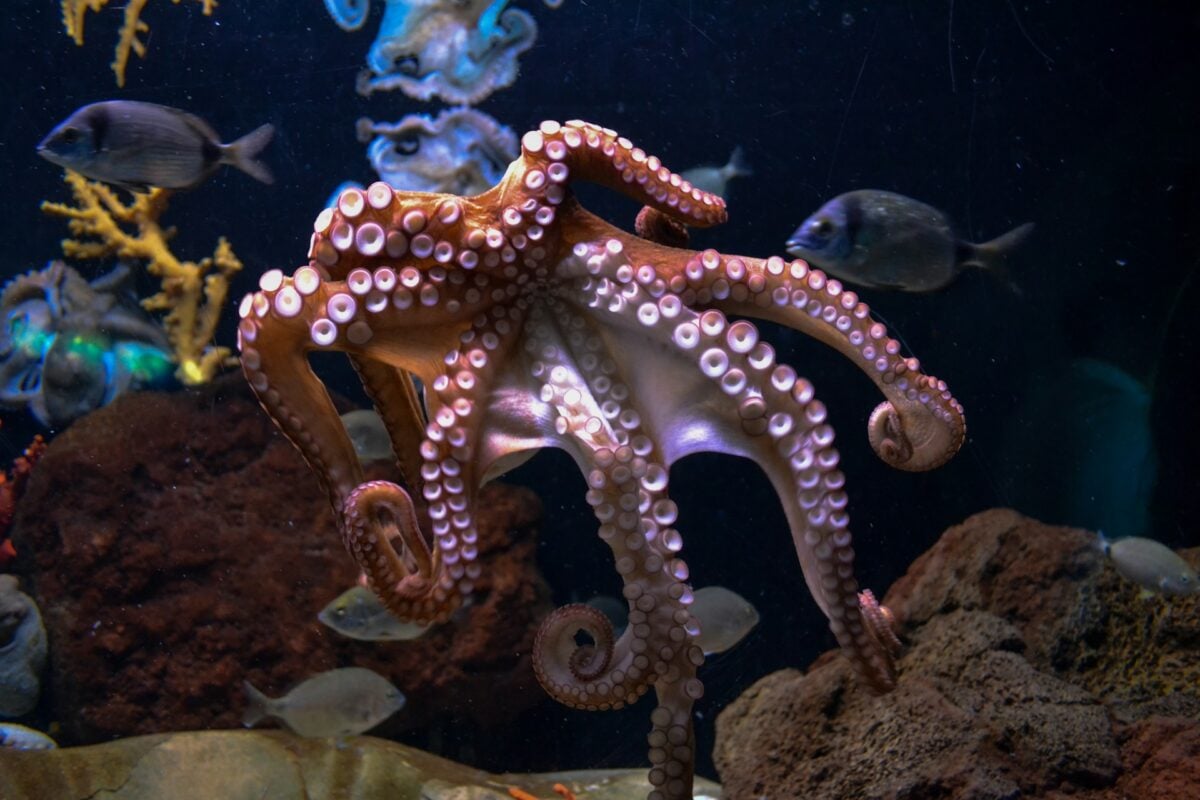
Octopuses operate with nine separate brains working in tandem—one central brain located in their head, plus a mini-brain at the base of each of their eight arms. This distributed intelligence system allows each arm to act independently, tasting and touching without waiting for instructions from headquarters.
The arrangement enables them to multitask in ways other animals can’t, with arms solving problems on their own while the central brain handles overall coordination.
Three Hearts Pumping Blue Blood
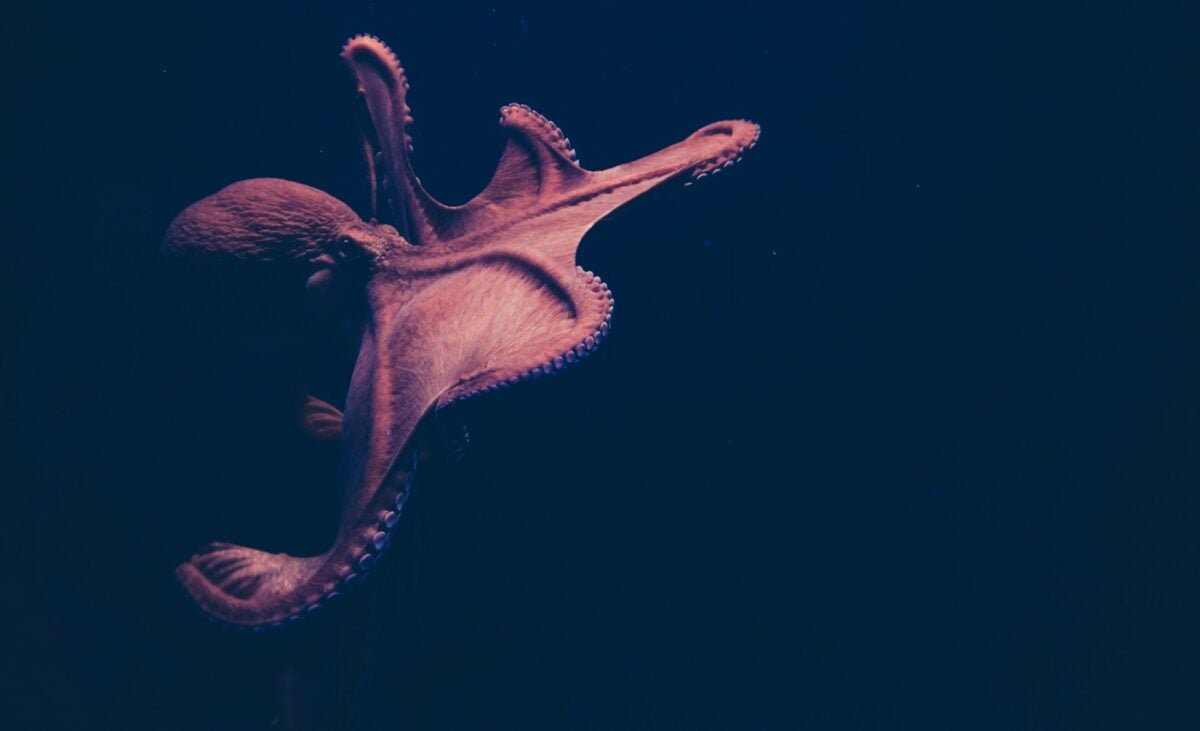
Unlike most animals, octopuses have three hearts and their blood runs blue instead of red. Two hearts work exclusively to pump blood through their gills, while the third circulates it to the rest of their organs.
The blue color comes from copper-based hemocyanin, which is more efficient at transporting oxygen in cold, low-oxygen ocean environments than our iron-based hemoglobin.
Like Go2Tutors’s content? Follow us on MSN.
Masters of Instant Camouflage
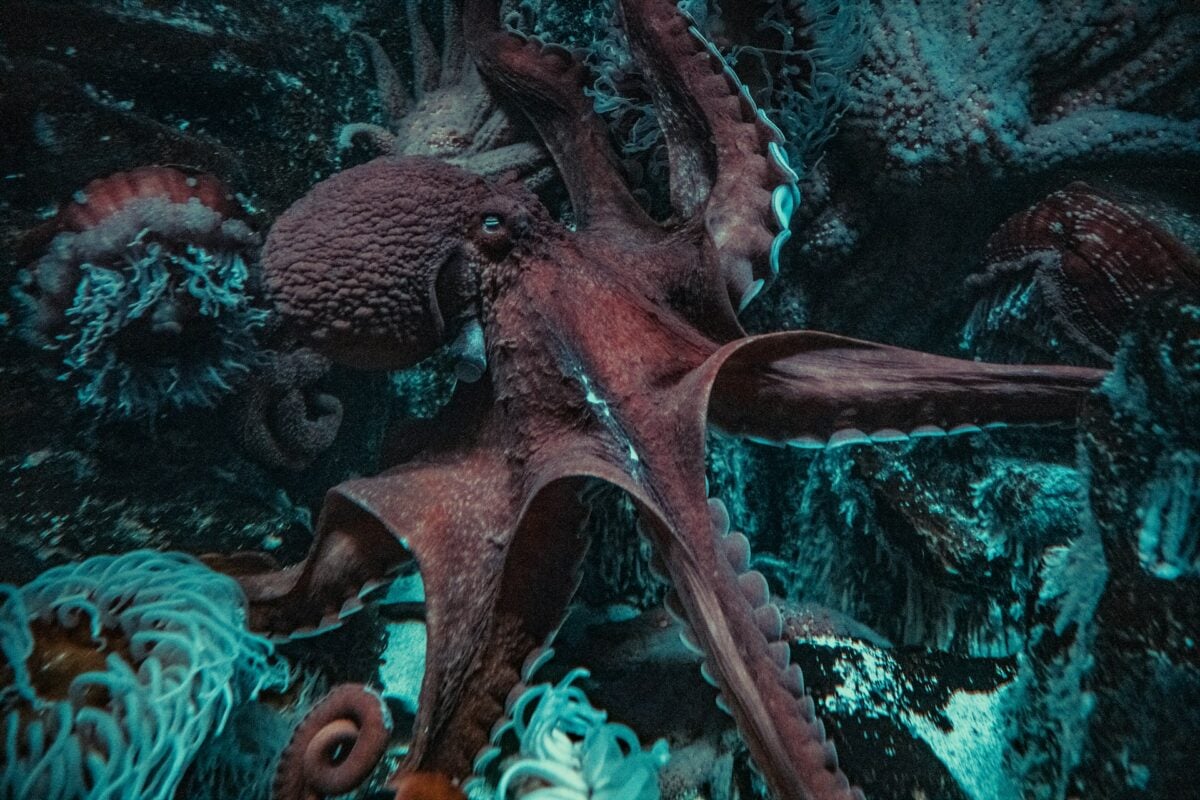
Octopuses can transform their appearance faster than you can blink, changing colors in milliseconds through thousands of specialized skin cells called chromatophores. Each chromatophore contains an elastic sac filled with pigment that can be stretched or contracted by surrounding muscles, creating complex patterns across their skin.
What makes this even more remarkable is that octopuses accomplish this feat despite being completely colorblind, relying instead on light-sensing proteins in their skin and the unique shape of their pupils to detect wavelengths.
Texture-Changing Skin
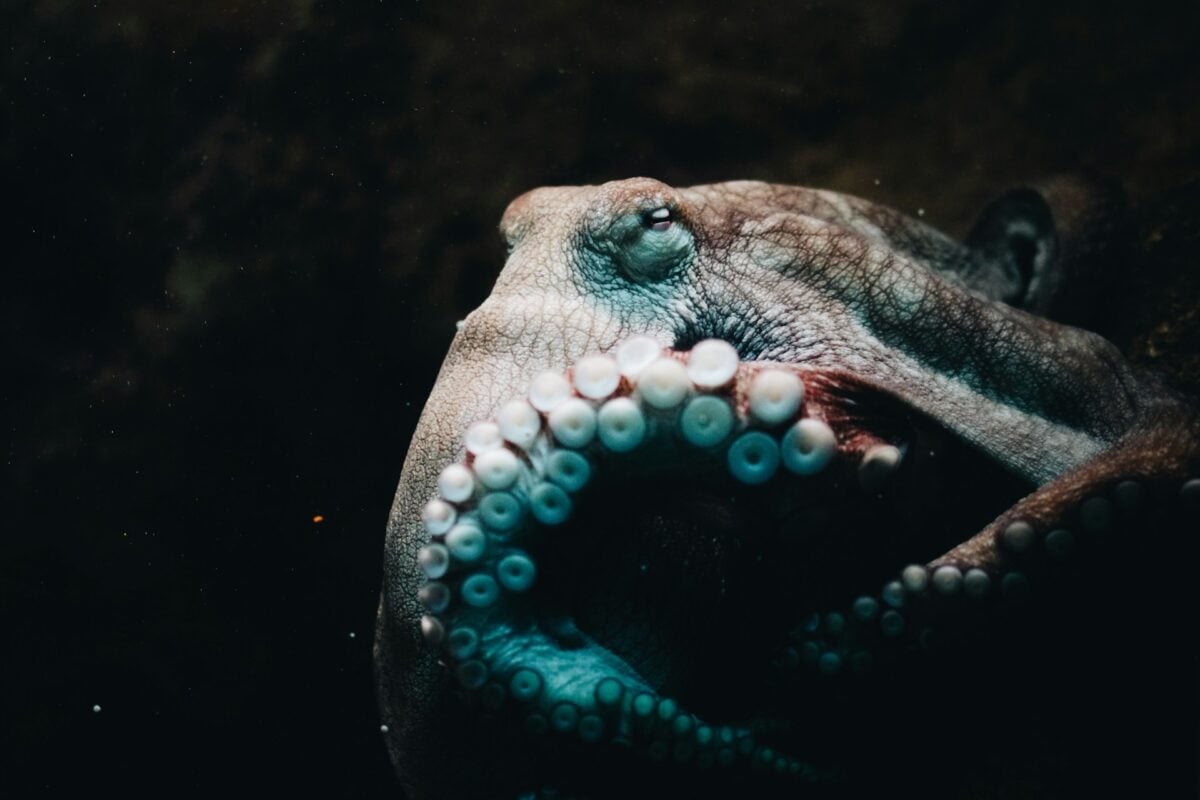
Beyond color, octopuses can alter their skin texture to match their surroundings by controlling tiny bumps called papillae. They can make their skin smooth like seaweed or rough and bumpy like coral and rocks, creating textures ranging from small bumps to tall spikes.
This dual ability to change both color and texture makes them nearly invisible to predators and prey alike, offering a level of disguise unmatched in the animal kingdom.
Boneless Shape-Shifters

Octopuses have no bones whatsoever, which gives them an almost supernatural ability to squeeze through impossibly tight spaces. Their only hard part is a small beak, similar to a parrot’s, hidden in the center where their eight arms meet.
This means an octopus can slip through any opening larger than its beak, no matter how cramped. Aquarium staff have learned this the hard way, discovering their octopuses escaping through gaps that seemed far too small.
Like Go2Tutors’s content? Follow us on MSN.
Tool Users
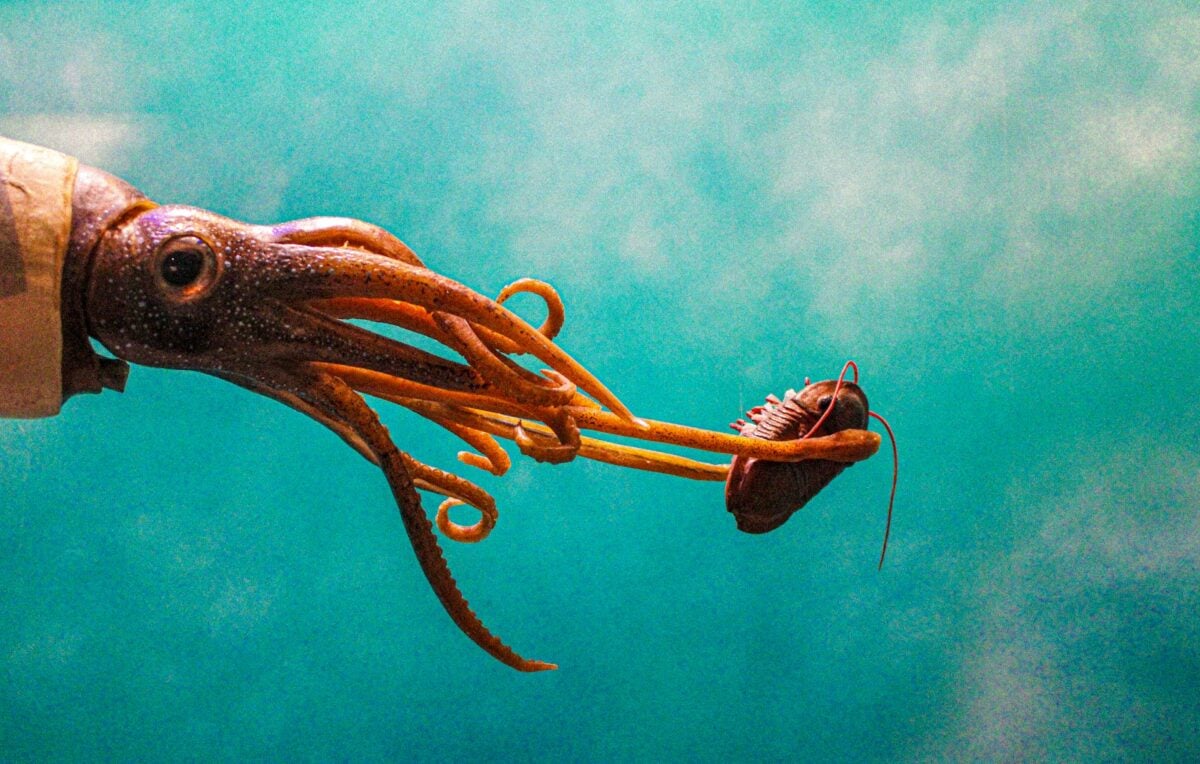
The veined octopus has been observed collecting discarded coconut shells, carrying them significant distances, and then reassembling them to create portable shelters. Researchers believe octopuses used seashells for the same purpose before humans made coconut shells widely available on the seafloor.
This behavior demonstrates forward planning and tool use, cognitive abilities once thought to be exclusive to vertebrates.
Problem-Solving Geniuses
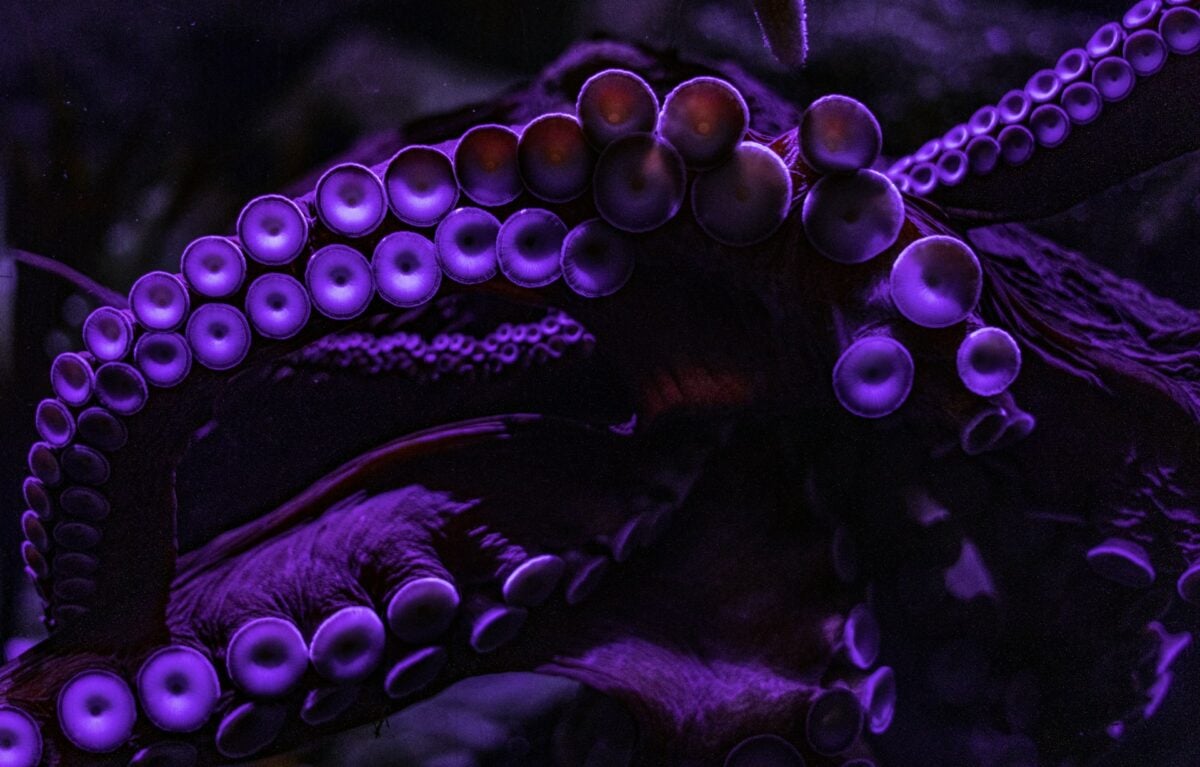
Octopuses have proven their intelligence through maze-solving, completing complex tasks to earn food rewards, and skillfully getting themselves in and out of containers. One famous incident involved an octopus sneaking out of its tank at night, raiding a neighboring tank for fish, then returning home and hiding the evidence.
In at least two aquariums, octopuses learned to short-circuit overhead lights by squirting jets of water at the bulbs. One troublemaker in New Zealand had to be released back into the wild because the behavior became too expensive.
500 Million Neurons
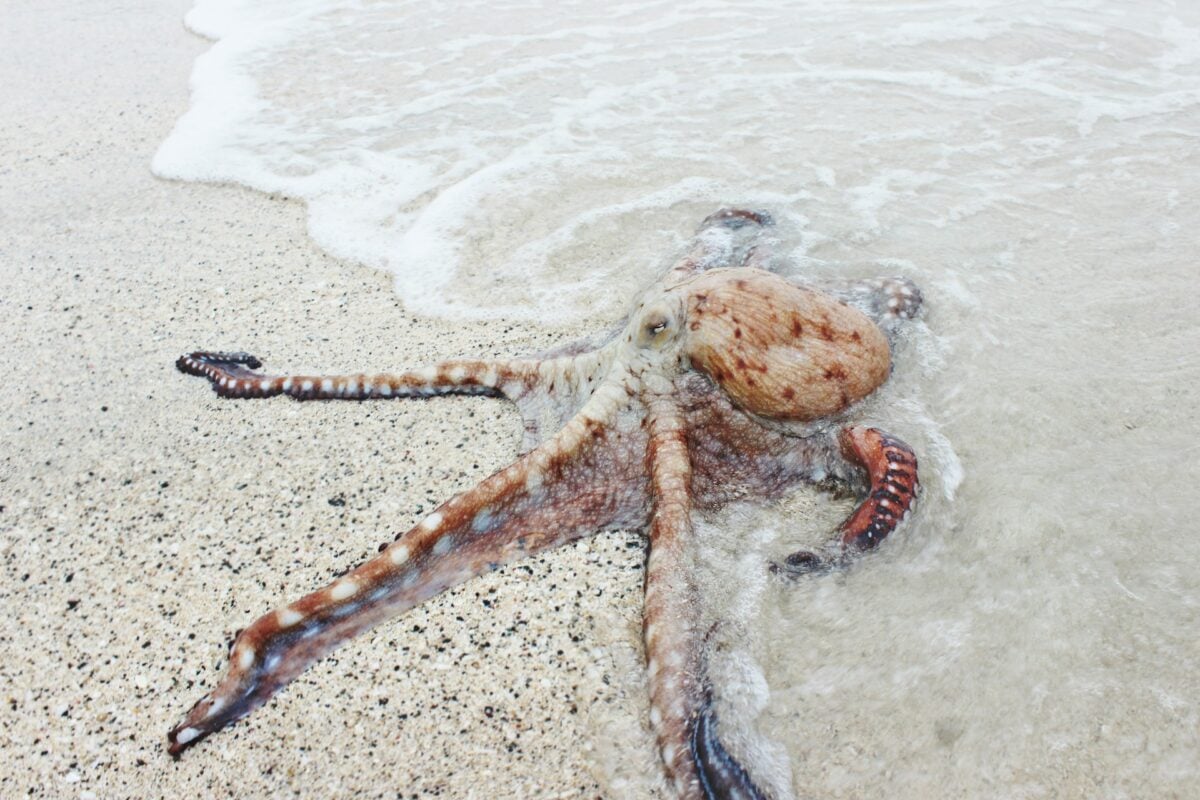
The common octopus has around 500 million neurons, roughly equivalent to a dog’s brain. About two-thirds of these neurons are distributed throughout their arms rather than concentrated in their head.
This gives each arm remarkable autonomy—they can continue to react to stimuli and perform basic movements even when severed from the body, though this is obviously not something anyone should test.
Like Go2Tutors’s content? Follow us on MSN.
All Species Are Venomous
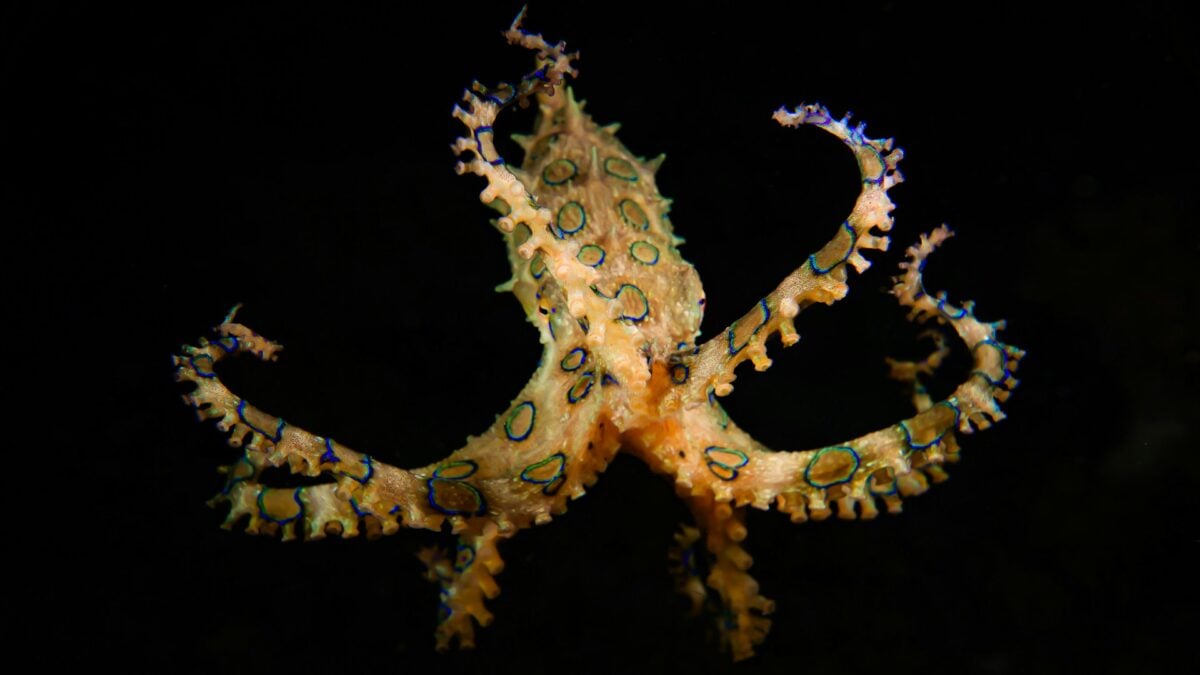
Every single octopus species is venomous, though only the blue-ringed octopus of Australia poses a serious threat to humans. The venom is injected through their beak when they drill into prey, simultaneously paralyzing the victim and beginning the digestive process.
Scientists have discovered that octopus venom contains proteins similar to those found in pufferfish, porcupinefish, and even some venomous snakes.
Remarkably Short Lifespans
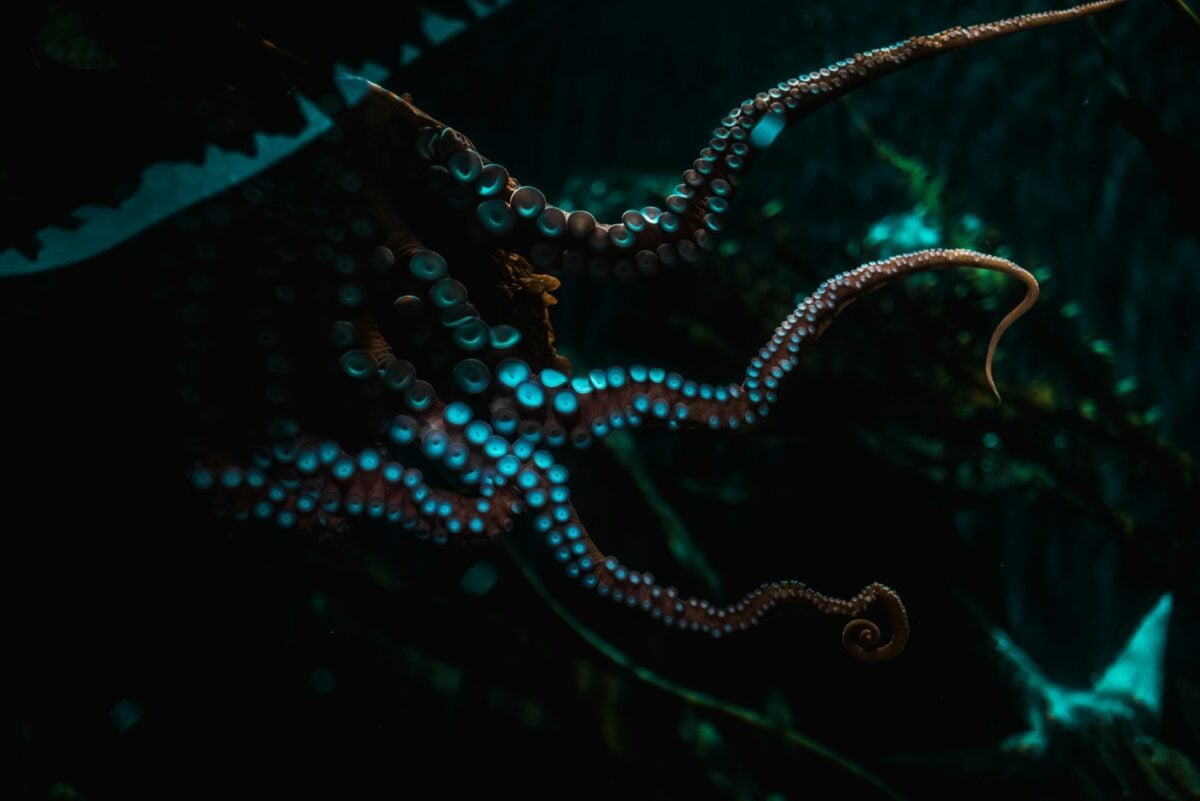
Despite their intelligence, most octopuses live only one to two years, with the giant Pacific octopus reaching three to five years at the upper end. On the shorter end, the tiny star-sucker pygmy octopus lives for just six months.
The exception is the deep-sea octopus Graneledone boreopacifica, whose females brood their eggs for over four years, suggesting a potential lifespan of 16 to 18 years. This would make it the longest-living cephalopod species known to science.
Reproduce Once and Die
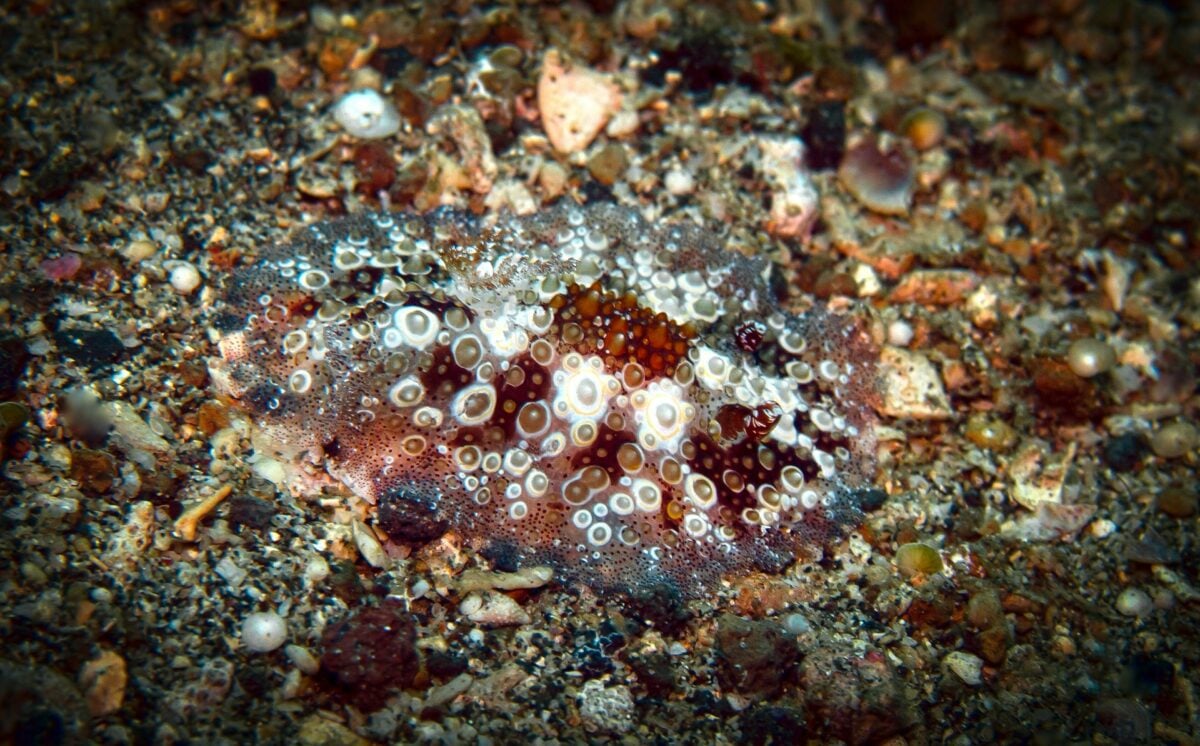
Octopuses are semelparous, meaning they reproduce only once in their lifetime and die shortly afterward. Males typically die a few months after mating, while females dedicate themselves entirely to guarding their eggs.
The female stops eating completely during this brooding period, which can last two to ten months depending on the species, and dies soon after the eggs hatch. Research has shown that the optic gland in the octopus brain triggers this programmed death by altering hormone production and essentially shutting down the digestive system.
Like Go2Tutors’s content? Follow us on MSN.
Famous Escape Artists
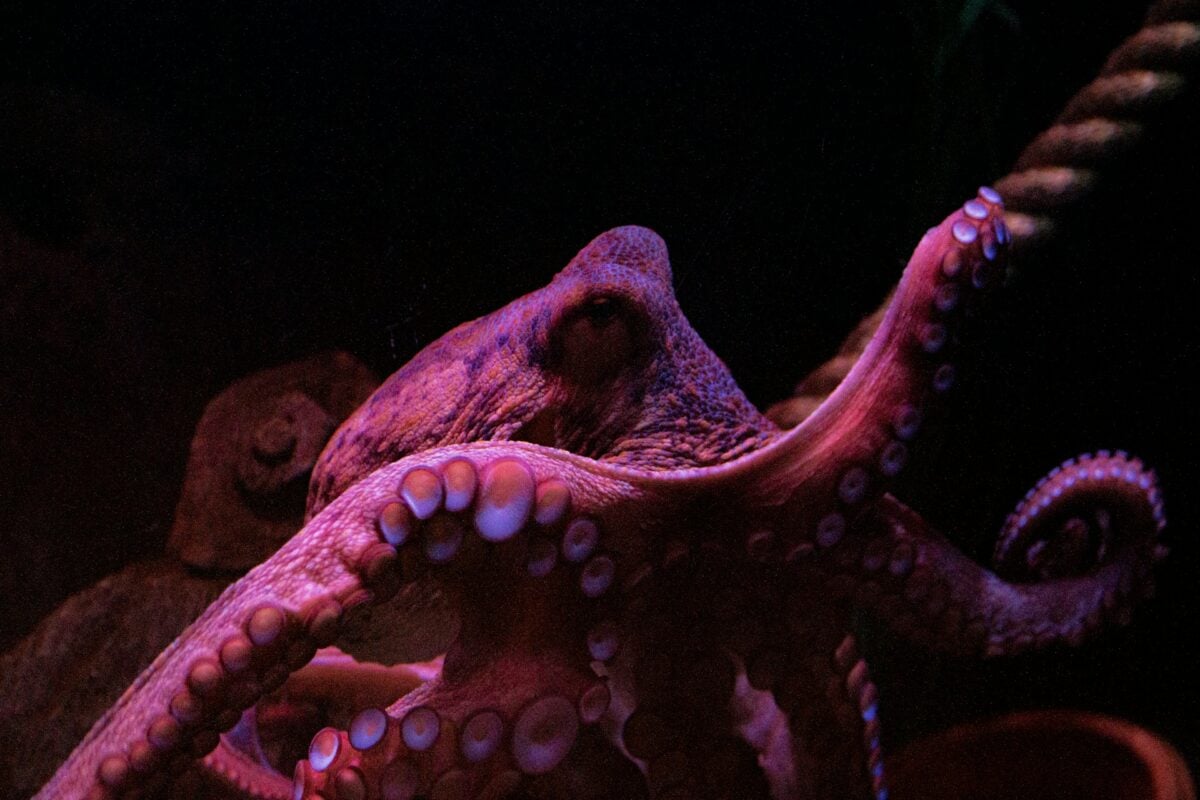
The octopus reputation as an escape artist is well-earned and consistently documented. They’re remarkably adept at getting themselves in and out of containers, often surprising researchers with their determination and creativity.
Their boneless bodies, combined with their intelligence and problem-solving abilities, make them incredibly difficult to contain. Aquarium keepers have to secure octopus tanks with weighted lids and remove any pipes or openings, because these clever creatures will exploit any weakness.
Expensive Color Changes
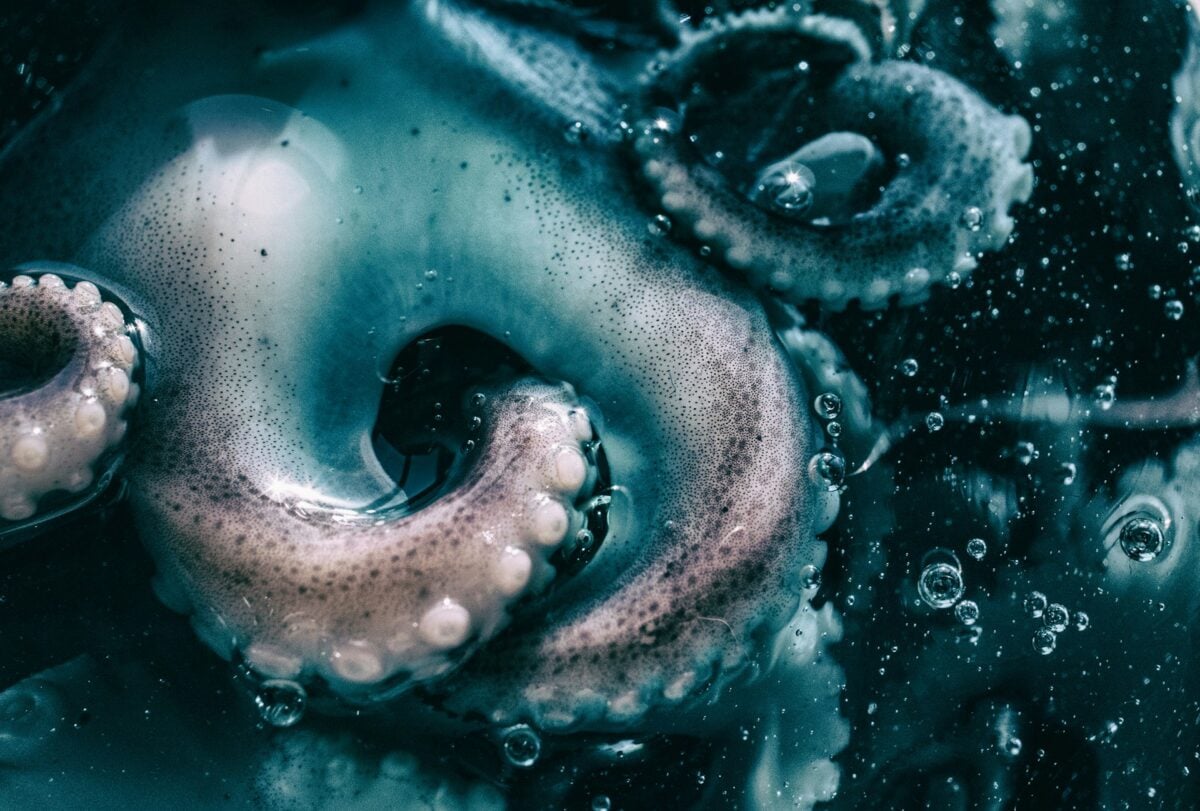
Recent research has revealed that activating the full chromatophore system requires nearly as much energy as an octopus’s entire resting metabolic rate. This makes cephalopod color change likely one of the most energetically expensive forms of color change in the animal kingdom.
The high cost may explain why many octopuses adopt nocturnal lifestyles and spend significant time hiding in dens—conserving energy when they’re not actively hunting or avoiding predators.
Arm Regeneration
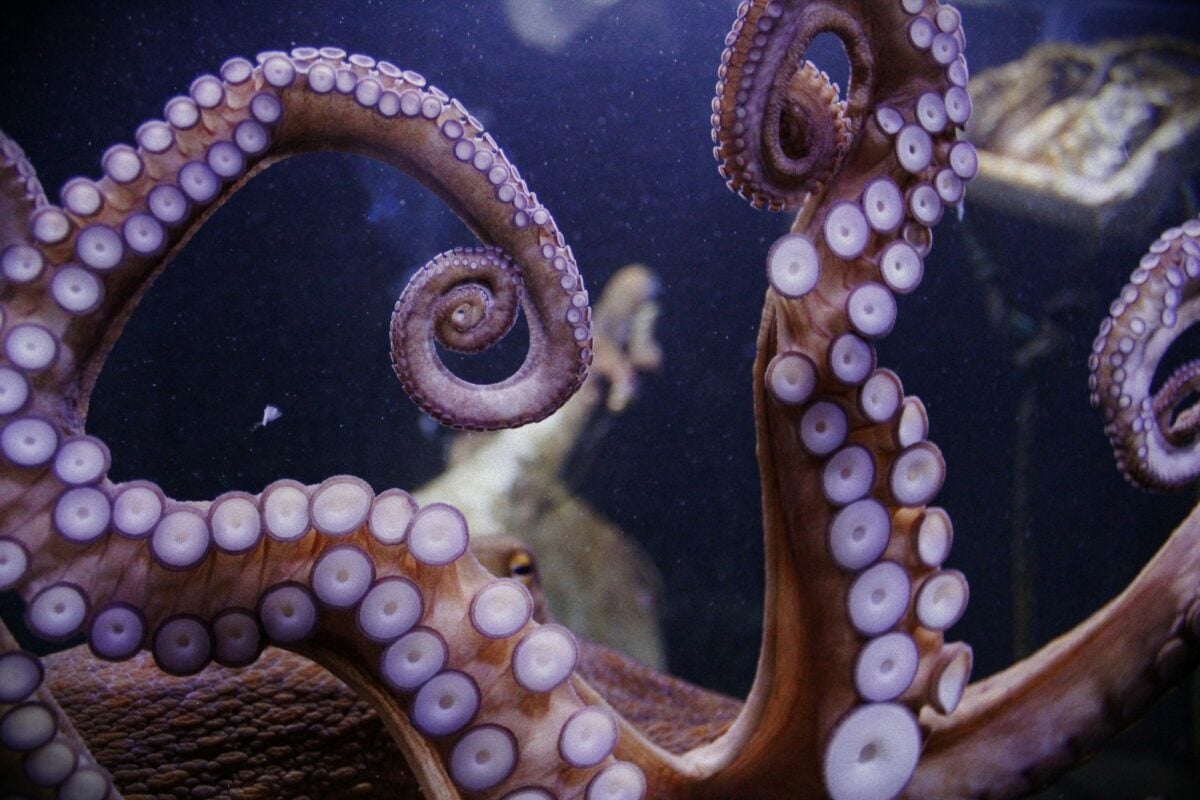
Octopuses can regrow lost arms, a handy ability considering their dangerous lifestyle. The regeneration process takes several months, but the new arm functions just as well as the original.
This ability extends to other body parts too—they can repair damaged skin and even reconstruct portions of their brain tissue. The regenerated arms contain all the same sensory capabilities, including the thousands of taste receptors lining their suckers.
Like Go2Tutors’s content? Follow us on MSN.
Independent Arm Intelligence
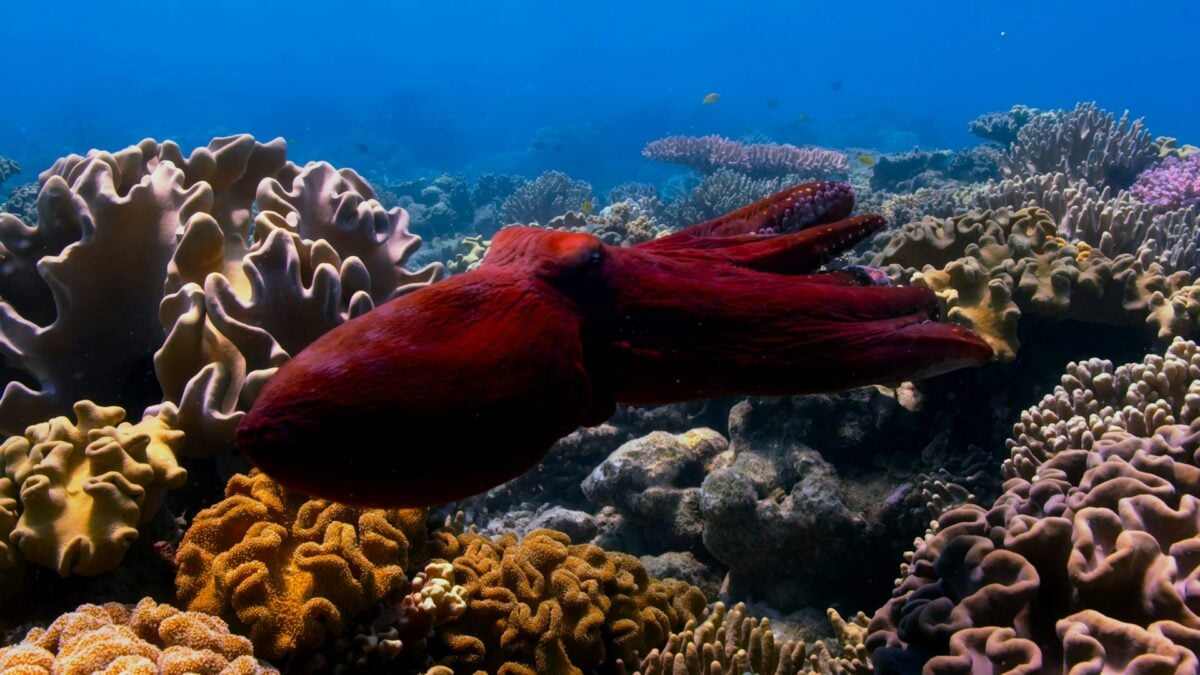
Each arm can taste and touch independently, with every sucker containing up to 10,000 neurons dedicated to taste and touch. The arms can perform basic movements and tasks without input from the central brain, though the brain maintains overall control when needed.
This decentralized nervous system allows an octopus to search multiple hiding spots simultaneously while the central brain focuses on watching for predators, making them remarkably efficient hunters despite their relatively simple body plan.
The Paradox of Intelligence
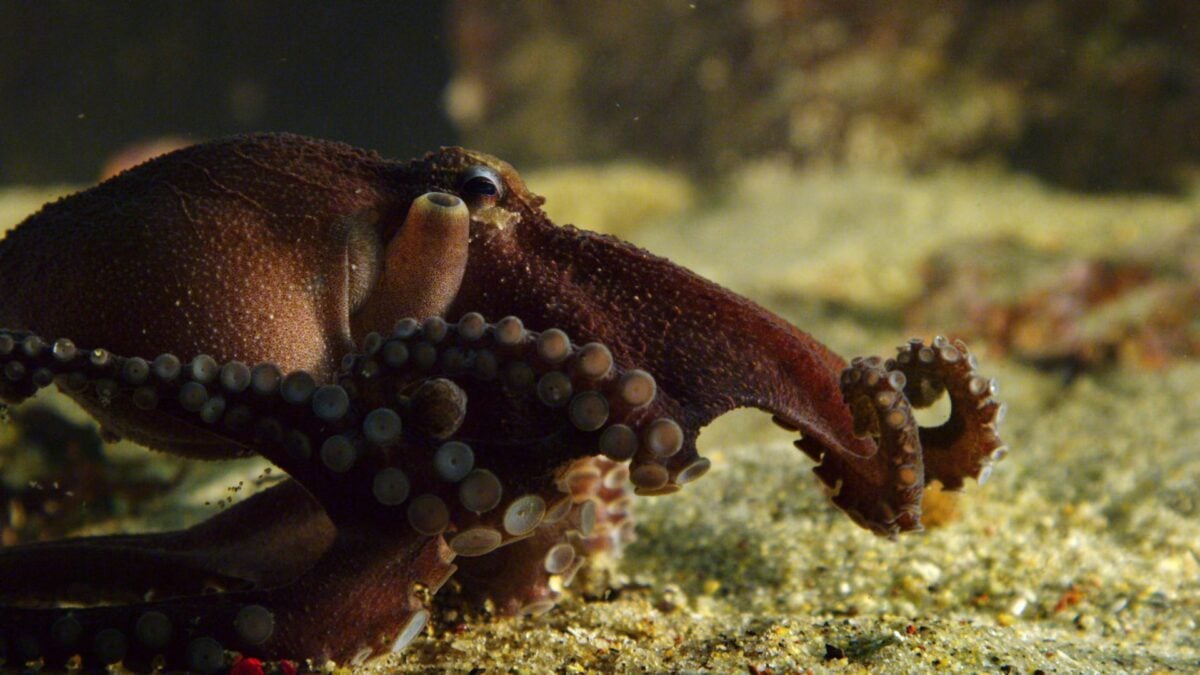
Octopuses have the largest brain-to-body ratio of any invertebrate, and it’s larger than many vertebrates, though not mammals. They’ve been compared to intelligent extraterrestrials because their mammal-like intelligence evolved completely independently through convergent evolution.
The puzzling question is why evolution would produce such advanced cognitive abilities in a creature that lives only a year or two. Most intelligent animals—dolphins, elephants, primates—live decades, giving them time to learn and pass knowledge to others.
The octopus gets no such luxury, making their innate problem-solving abilities even more impressive.
More from Go2Tutors!

- 16 Historical Figures Who Were Nothing Like You Think
- 12 Things Sold in the 80s That Are Now Illegal
- 15 VHS Tapes That Could Be Worth Thousands
- 17 Historical “What Ifs” That Would Have Changed Everything
- 18 TV Shows That Vanished Without a Finale
Like Go2Tutors’s content? Follow us on MSN.



