Ancient libraries and how books were copied
Long before the printing press, the survival of knowledge rested on human effort. Scrolls and tablets were written, rewritten, and carefully guarded in institutions that served not only as storehouses of wisdom but also as emblems of cultural power. Below are some of the most extraordinary ancient libraries — and the painstaking, often fragile, ways books were copied within their walls.
Library of Alexandria
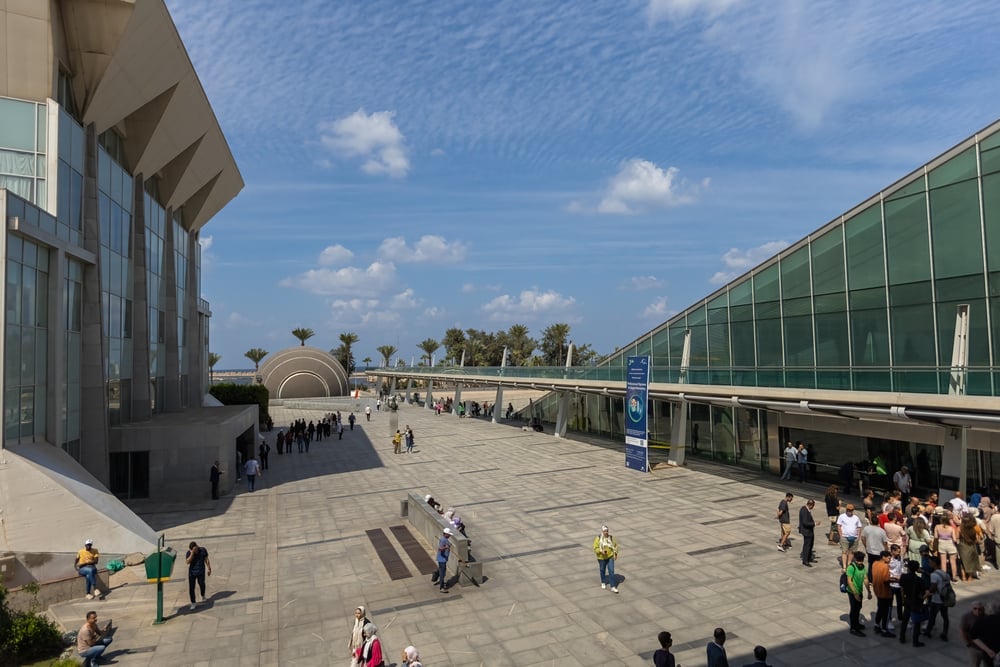
— Photo by natalia.milko@gmail.com
Perhaps the most famous of them all, Alexandria’s collection sought to gather every text in existence. Ships entering the harbor were said to have their scrolls seized, copied by scribes, and eventually returned — though not always quickly. Copying was laborious, each papyrus roll transcribed line by line, word by word. And accuracy could falter. A weary hand at dusk, a slip of the pen, and meaning shifted.
Library of Ashurbanipal
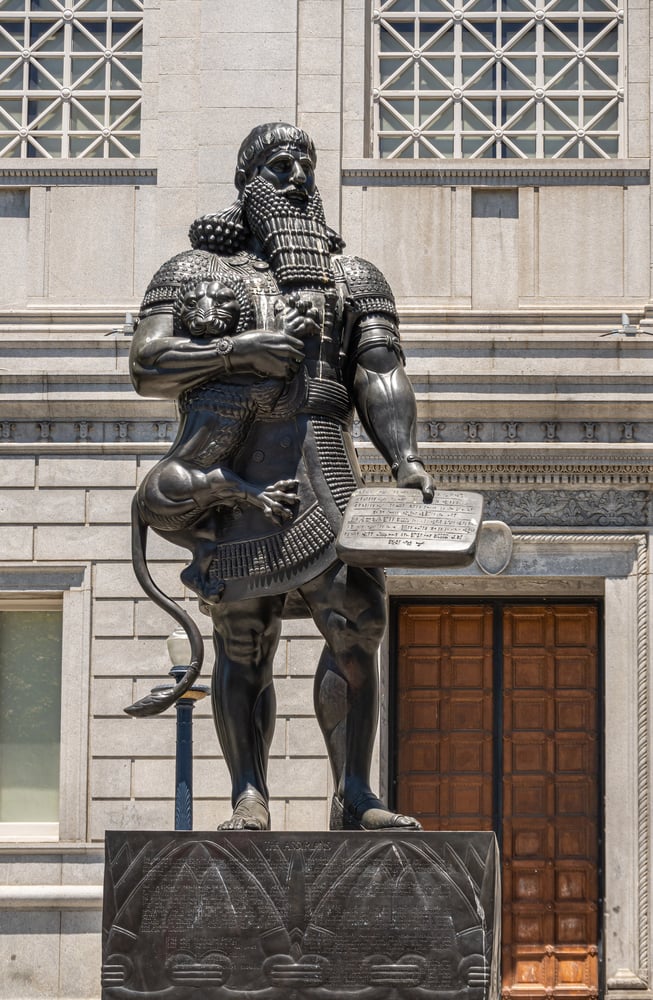
— Photo by Klodien
In Nineveh, King Ashurbanipal amassed thousands of clay tablets. These weren’t copied with ink but pressed with wedge-shaped cuneiform marks. Unlike papyrus, clay had to be shaped, dried, and sometimes baked — sturdy, yes, but cumbersome. Picture a shelf full of stone-like books, each one simultaneously fragile and oddly permanent. Heavy knowledge in every sense.
Pergamon Library
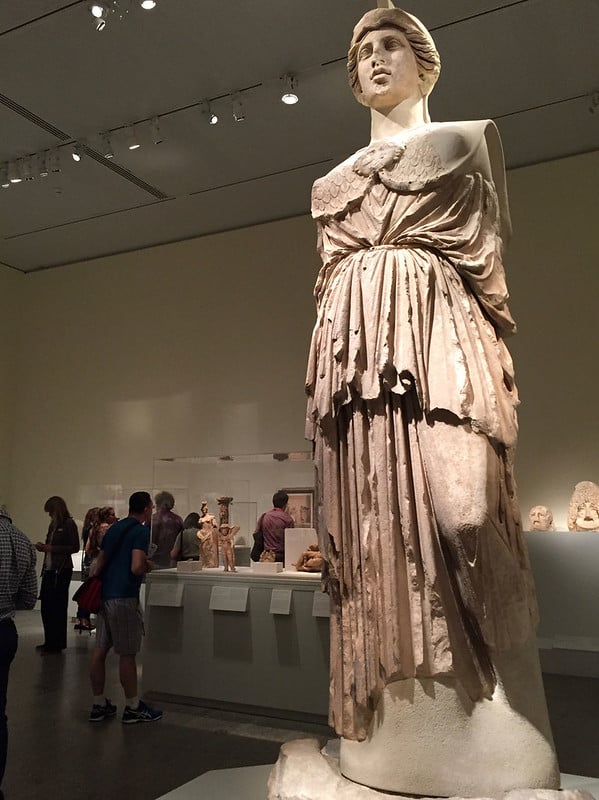
Pergamon in modern-day Turkey became known for its innovation when papyrus imports were blocked. The answer was parchment — animal skins treated and thinned until they made smooth writing sheets. The library grew vast, rivalling Alexandria, as scribes scratched sharpened pens across the stretched hides. The scent of treated leather likely lingered in the air, a reminder that ideas now clung to something far more durable than reeds.
Library of Celsus
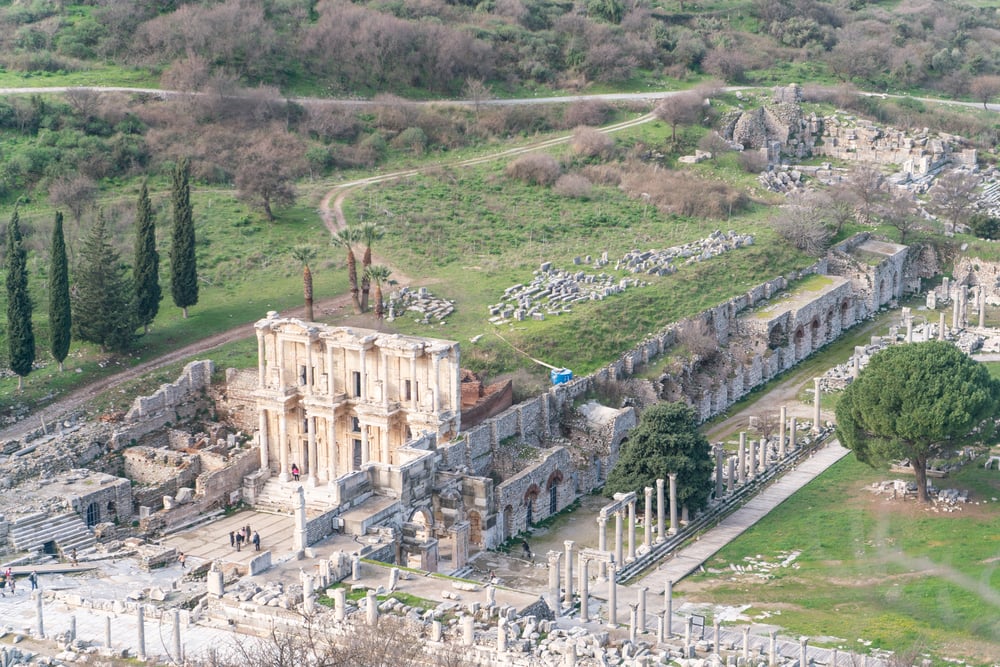
Built in Ephesus, this library held thousands of scrolls stacked in niches along its tall walls. Copying here often depended on teamwork. One scribe would read aloud while others wrote in unison, their styluses moving quickly across papyrus. Finished texts were checked line by line. Even so, errors crept in. Words dropped. Phrases repeated. Tiny accidents that became part of the record — forever fixed in ink.
Nalanda University Library
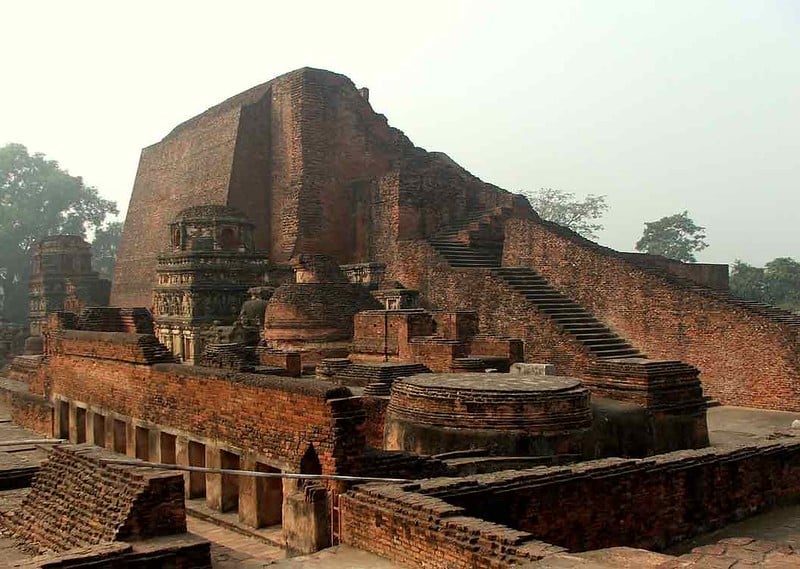
In India, Nalanda’s libraries stretched across several halls, filled with works on philosophy, medicine, astronomy, and more. Monks copied texts onto palm leaves, rubbing them with oil to ward off insects. Yet the climate was unforgiving. Heat, humidity, and pests made decay inevitable. Every few decades, manuscripts had to be recopied. Knowledge survived through constant renewal — less a possession than a living rhythm.
House of Wisdom
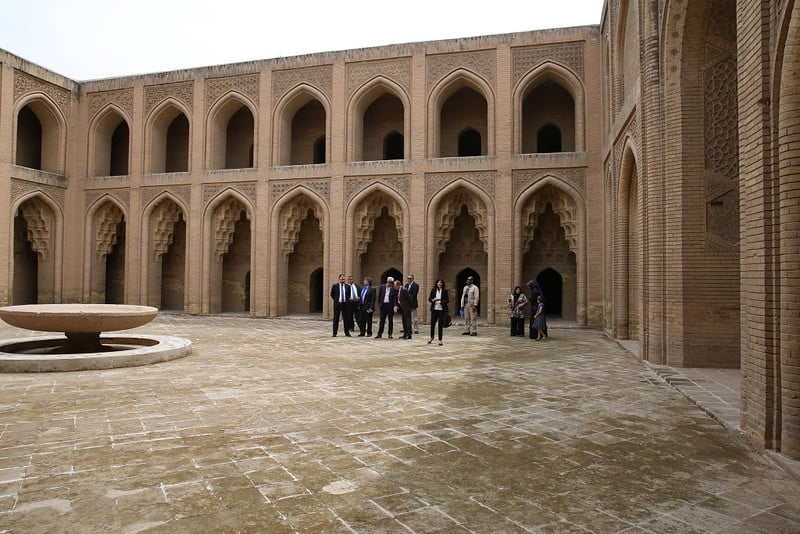
In Baghdad, the House of Wisdom became both a library and a translation centre. Scholars worked in teams to render Greek, Persian, and Indian texts into Arabic. Copying here was never just duplication. It meant interpretation, adaptation, sometimes correction — and even commentary. Manuscripts emerged layered with multiple voices, a chorus of cultures blending into something new.
Villa of the Papyri
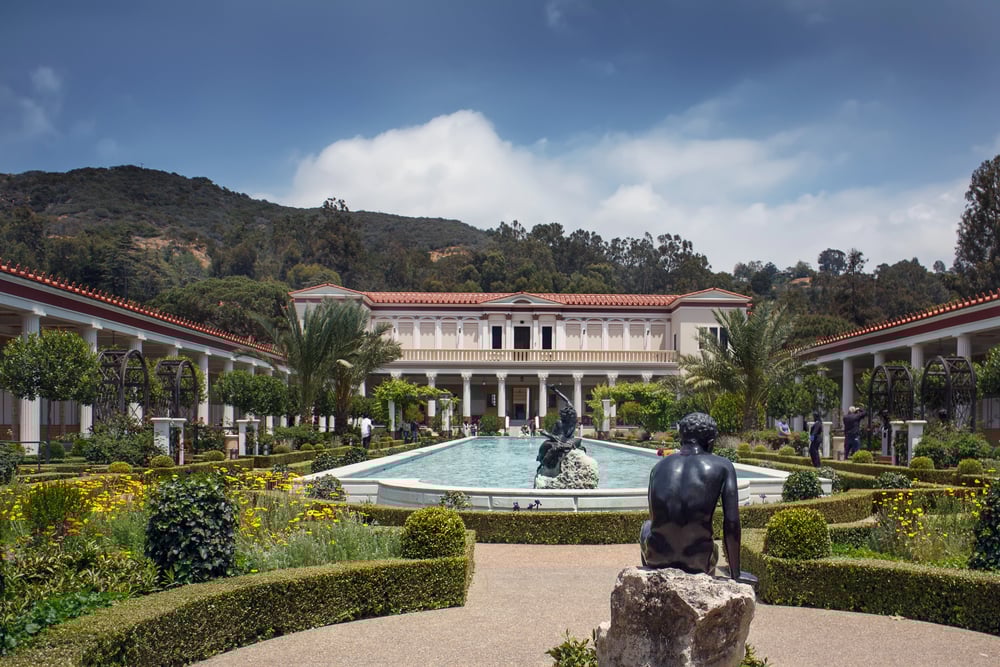
— Photo by RokaB
In Herculaneum, a private library was sealed in volcanic ash when Vesuvius erupted in 79 CE. Its scrolls, blackened and carbonised, were once copied the Roman way: reed pens dipped in soot-based ink, papyrus sheets glued into long rolls. Then came fire and ash, which oddly preserved what might otherwise have vanished. Charred, brittle, but still readable centuries later with modern technology.
Great Library of Constantinople
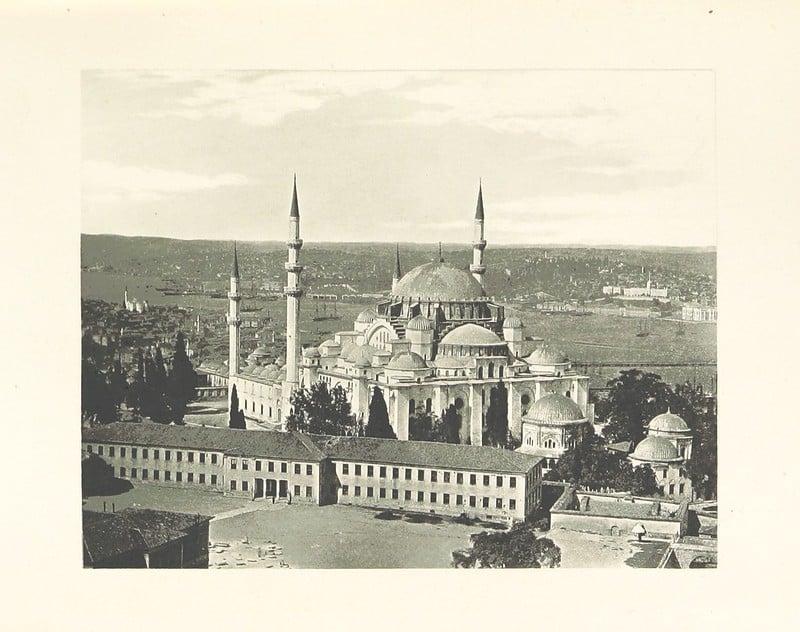
The imperial library of Constantinople housed both pagan and Christian works. Copying was often carried out by monks in strict scriptoria, where silence was broken only by whispered prayers or the scratch of quills. Manuscripts were sometimes illuminated with bright pigments and flecks of gold — text transformed into art. Beautiful, though painfully slow. And vulnerable to time.
Echoes of Ink and Clay

Ancient libraries remind us that knowledge was never secure. Papyrus decayed, palm leaves crumbled, and clay tablets cracked. Even so, copying kept ideas alive — imperfect, fragile, but alive. Each smudge of ink, every bent letter, every pressed wedge carried history forward. Survival depended not on machines but on patience, persistence, and human hands.
More from Go2Tutors!

- 16 Historical Figures Who Were Nothing Like You Think
- 12 Things Sold in the 80s That Are Now Illegal
- 15 VHS Tapes That Could Be Worth Thousands
- 17 Historical “What Ifs” That Would Have Changed Everything
- 18 TV Shows That Vanished Without a Finale
Like Go2Tutors’s content? Follow us on MSN.



