15 Easter Traditions Explained Across Cultures
Easter celebrations stretch far beyond chocolate eggs and bunny rabbits. Across the world, communities have developed their own distinctive ways of marking this sacred time, weaving together ancient customs with local flavors.
Some traditions might surprise you with their intensity, others with their simplicity, but each carries the weight of generations who found their own way to celebrate renewal and hope.
Easter egg rolling
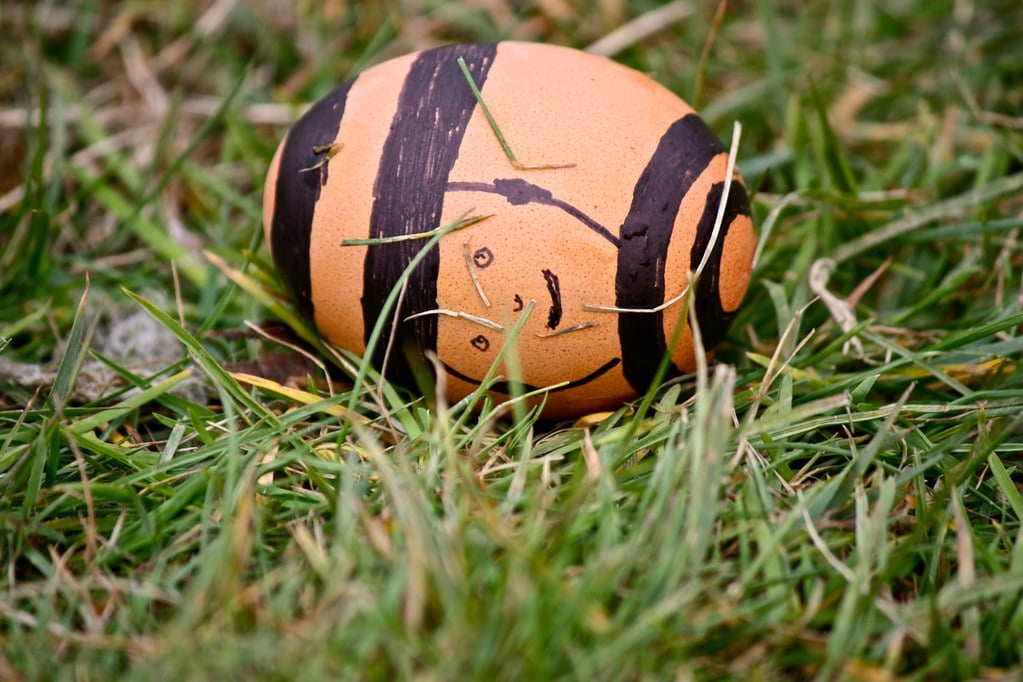
Rolling eggs down hills isn’t just child’s play. It’s a serious tradition that dates back centuries, with the most famous version happening on the White House lawn each year.
The egg represents the stone rolling away from Christ’s tomb. Different countries put their own spin on it.
Some use decorated hard-boiled eggs, others prefer wooden ones that last longer. The winner isn’t always who rolls fastest — sometimes it’s about whose egg survives intact.
Hot cross buns
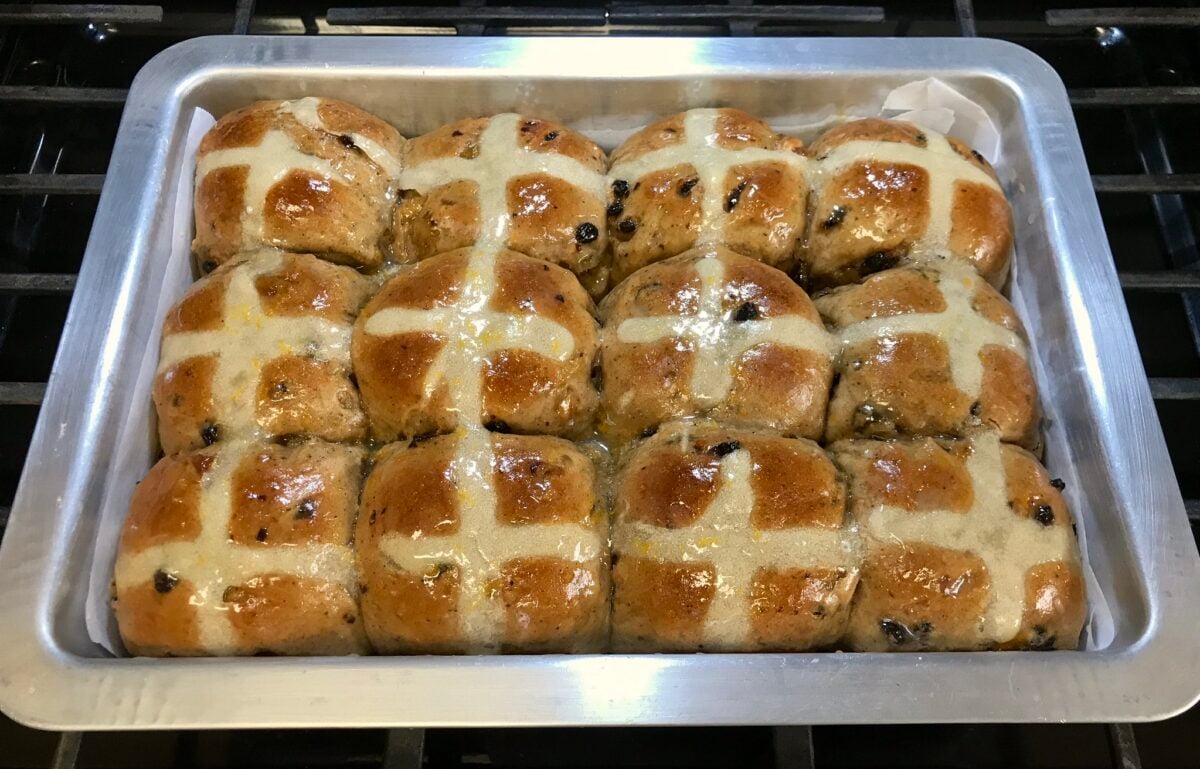
These spiced sweet buns marked with a cross have been around longer than you might expect. Medieval monks started the tradition, and the symbolism runs deep — the cross represents the crucifixion, the spices recall those used to embalm Christ’s body.
In England, bakers were once legally required to sell them only on specific days. Break that rule and face a fine.
Today they show up in bakeries weeks before Easter, but traditionalists insist they taste better when eaten on Good Friday itself.
Egg decorating in Eastern Europe
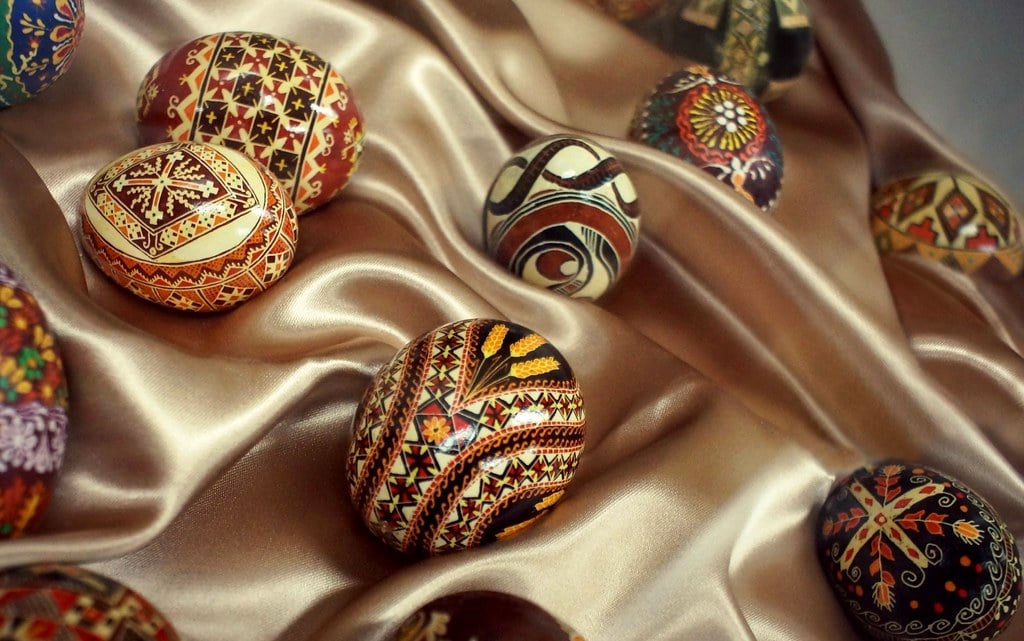
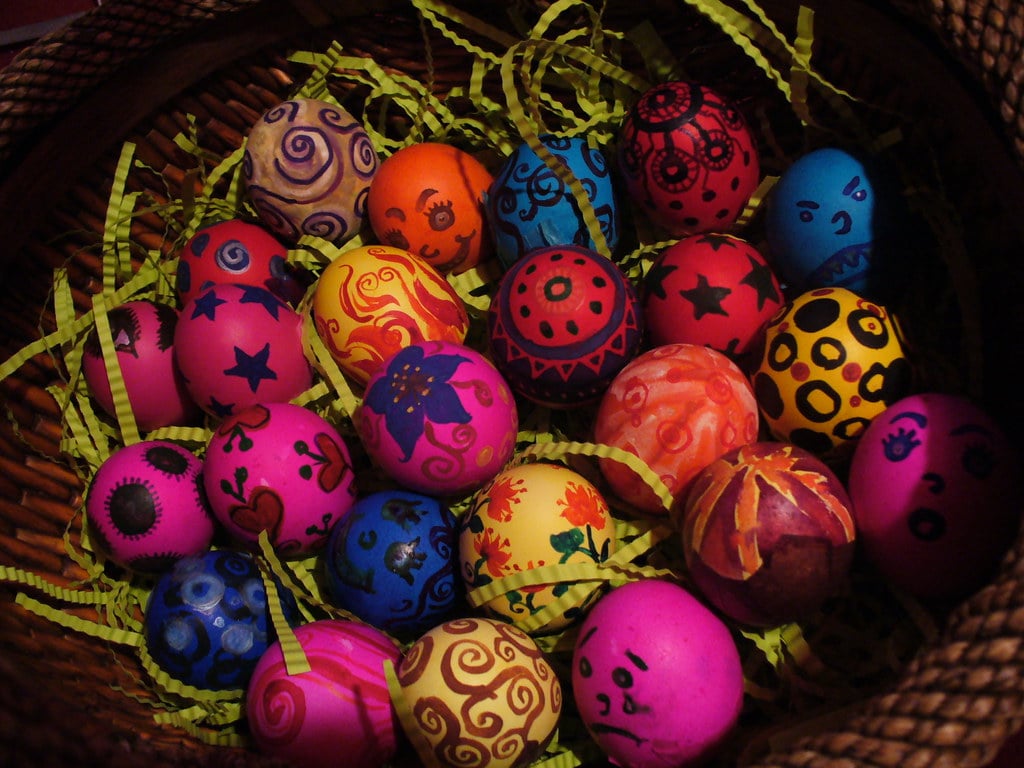
Ukrainian pysanky eggs turn decoration into an art form that requires genuine skill (and considerable patience, if you’re being honest about it). The process involves applying wax with a stylus, then dyeing the egg in progressively darker colors — each layer revealing intricate patterns when the wax gets removed.
The designs aren’t random either: wheat symbols represent prosperity, fish mean abundance, and geometric patterns ward off evil spirits. So much for simple Easter egg hunts.
Polish pisanki follow similar principles but with their own regional variations, and in some villages, the most elaborate eggs get saved year after year, passed down through families like heirlooms (which, considering the hours invested, makes perfect sense). And here’s the thing about these traditions — they’ve survived wars, political upheaval, and decades of suppression because people kept making them in secret.
Because sometimes preserving beauty becomes its own form of resistance.
Semana Santa processions
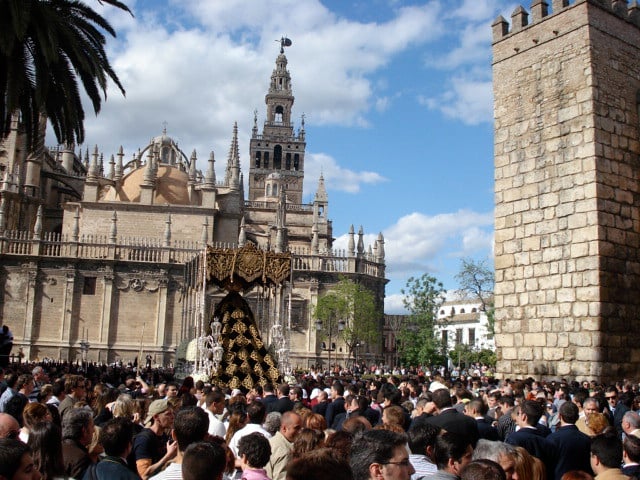
The streets of Seville during Holy Week transform into something between theater and devotion. Massive floats carrying religious statues wind through narrow cobblestone streets, carried by dozens of hooded penitents who can barely see where they’re going.
The processions can last twelve hours. This isn’t gentle ceremony. It’s physically demanding, emotionally intense, and completely absorbing for everyone involved.
Spectators throw flower petals, someone breaks into spontaneous flamenco singing, and the whole city becomes part of the performance.
Orthodox Easter midnight service
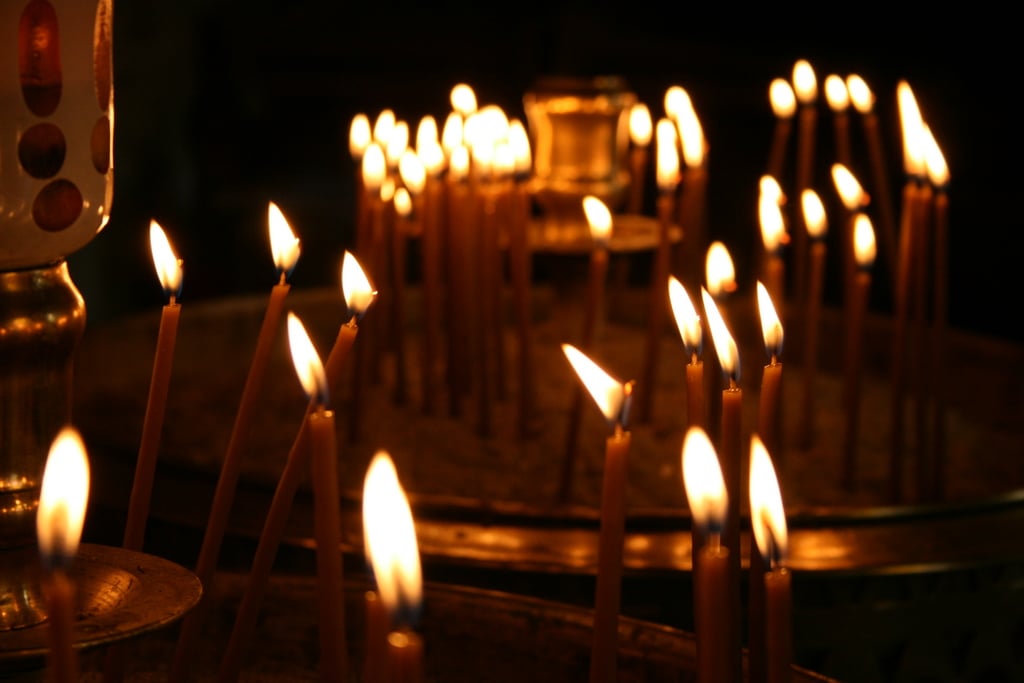
Orthodox communities approach Easter with a different calendar and a ceremony that builds toward midnight like a carefully orchestrated crescendo. The church starts in complete darkness — no candles, no light anywhere — representing the world before Christ’s resurrection.
Then, just as the clock strikes twelve, the priest emerges with a single flame and announces “Christ is risen.” That one small light gets passed from person to person until the entire congregation glows with candlelight, and everyone processes around the church three times under the stars (weather permitting, though dedicated communities do this regardless of rain or snow).
The contrast is what makes it powerful: complete darkness dissolving into shared light. And the timing isn’t accidental either — this moment of illumination happens when night feels deepest, when your body knows it’s well past bedtime but your attention stays completely focused on the flame being carefully passed from your neighbor’s candle to yours.
Easter Sunday bonnets
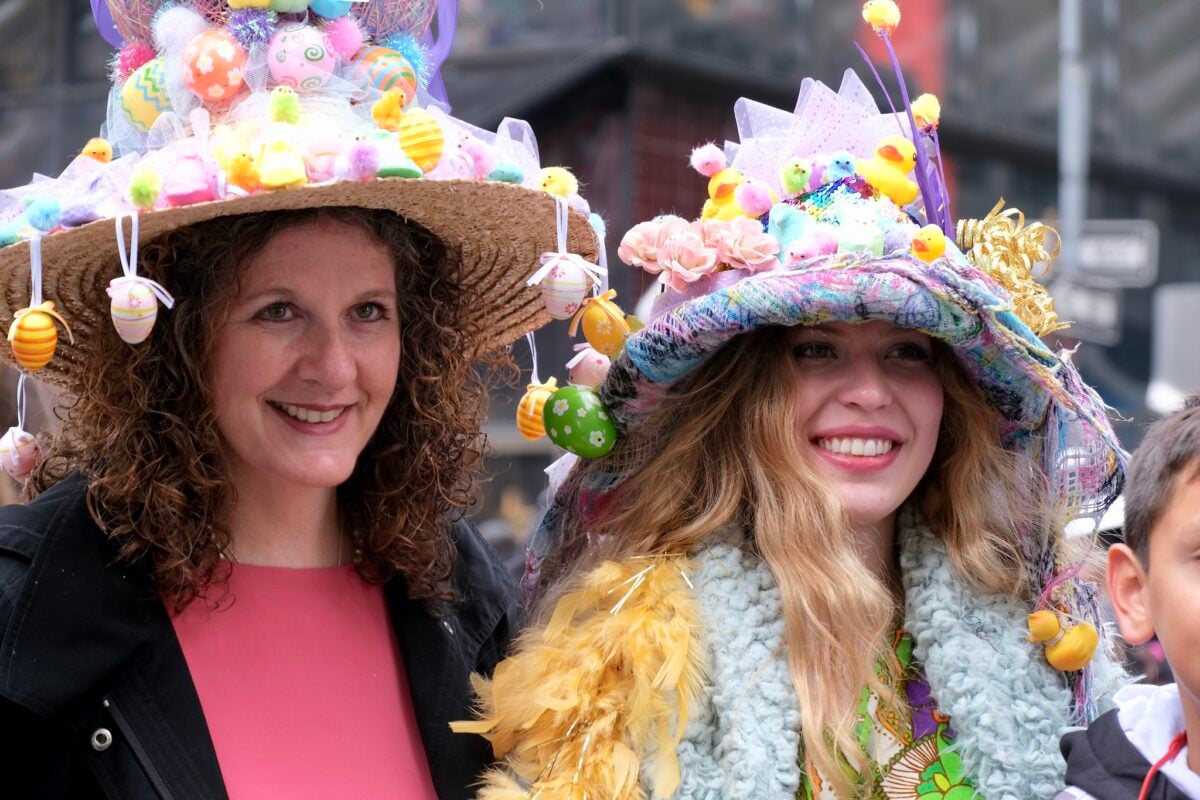
American Easter parades showcase elaborate hats that have nothing to do with religious observance and everything to do with welcoming spring. The tradition started practical — people wore new clothes to church on Easter as a symbol of renewal.
Fashion took over from there. New York’s Easter Parade on Fifth Avenue became the most famous, though it’s less parade and more organized showing-off.
People spend weeks crafting bonnets decorated with flowers, feathers, and increasingly creative materials.
Lamb-shaped foods
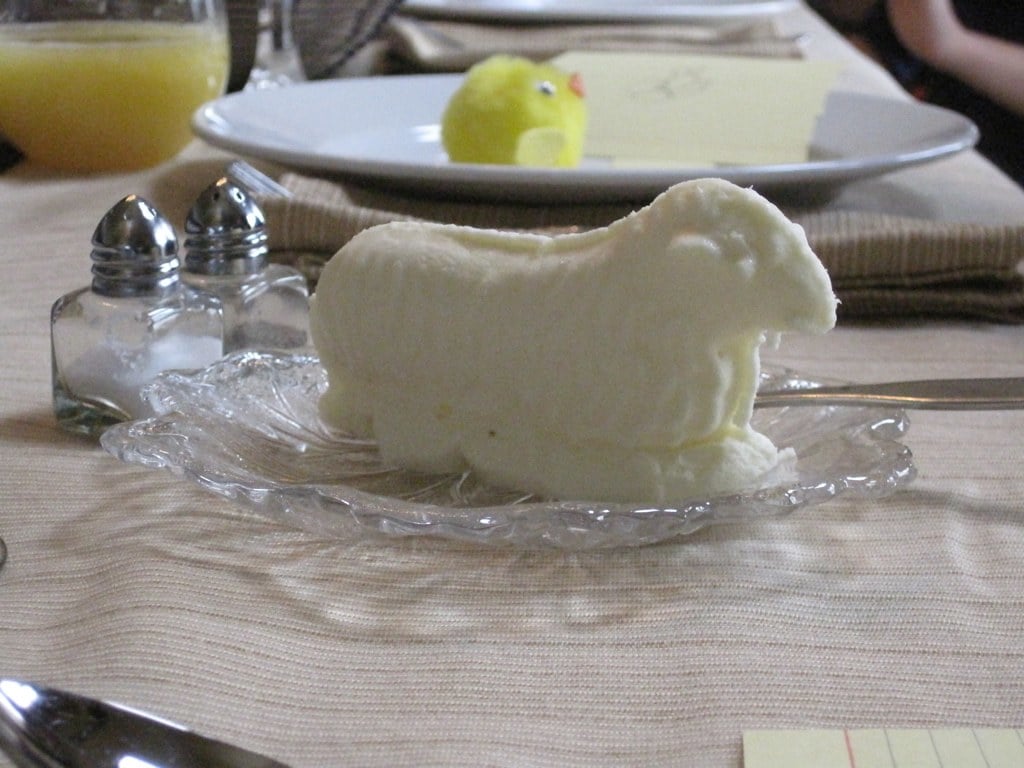
Butter lambs appear on Polish-American Easter tables with the regularity of sunrise, and they represent more than just festive decoration — they’re edible symbols of sacrifice and innocence that connect modern celebration to ancient ritual (though most people today focus more on the artistry of shaping butter than on theological implications). The tradition demands specific techniques: the butter must be the right temperature for molding, usually chilled overnight, then carefully carved with tools that look more suited to sculpture than cooking.
Some families guard their lamb-shaping methods like trade secrets, passing down wooden molds that have created identical butter lambs for generations. In Greece and other Mediterranean countries, the lamb tradition takes a more direct approach — whole lambs roasted on spits, turning slowly over open fires while extended families gather around tables that groan under the weight of other traditional foods.
But here’s what strikes you about both approaches, whether you’re carefully sculpting butter or tending a fire: they both require patience, attention, and genuine skill. These aren’t convenience foods or quick fixes — they’re deliberate acts of preparation that make the meal feel earned rather than simply consumed.
Blessing of the Easter baskets
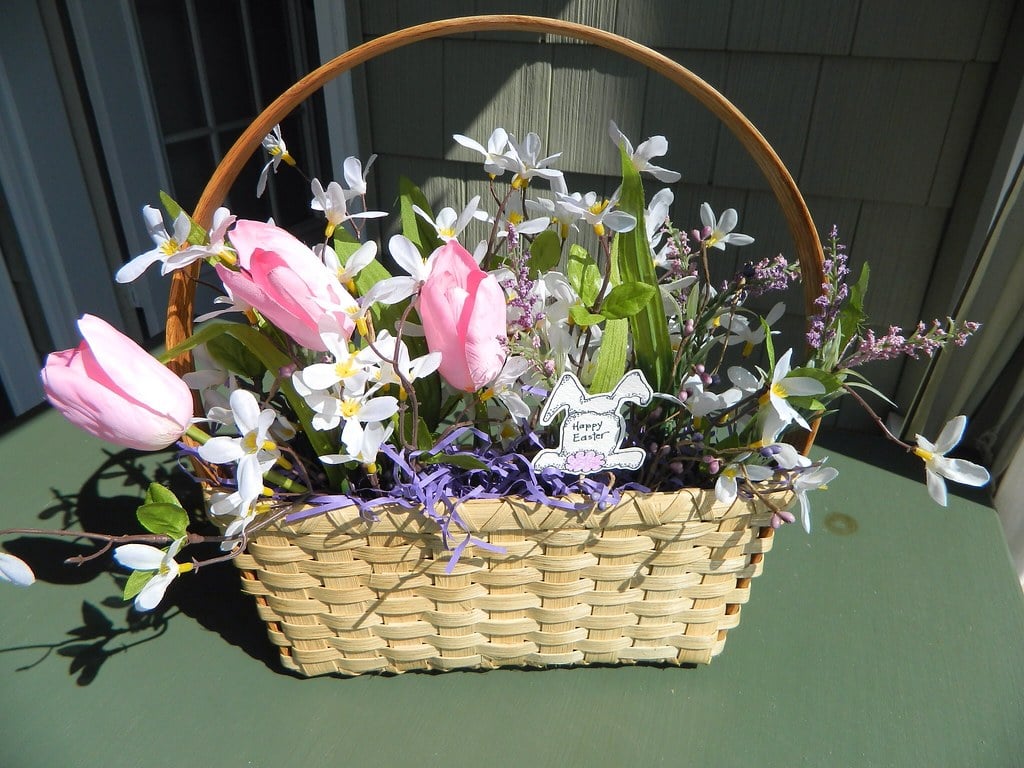
Polish and Ukrainian communities take food blessing seriously. Families pack elaborate baskets with symbolic foods — bread for the staff of life, eggs for new beginnings, salt for preservation, lamb for sacrifice — and bring them to church on Holy Saturday for the priest’s blessing.
Each item carries specific meaning, and the combinations vary by region and family tradition. The blessed food gets eaten first thing Easter morning, before any other meal.
It’s communion through carefully chosen symbols, shared within families that have been doing this exact ritual for generations.
Easter bonfires in Scandinavia
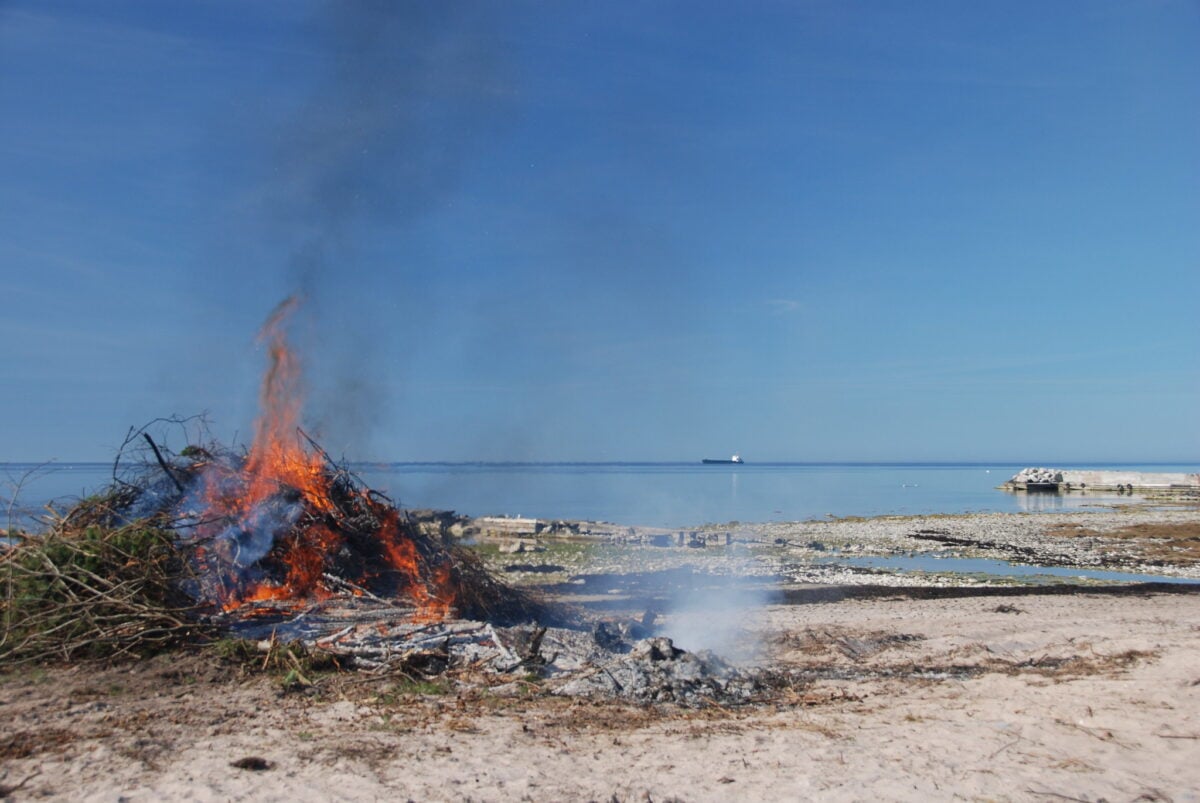
In western Sweden, Easter bonfires — known as påskbrasor — light up the landscape on Holy Saturday, a tradition dating back to the 19th century when Dutch merchants introduced the custom to Gothenburg. The fires were originally meant to ward off evil spirits and witches said to roam freely during the days of Christ’s crucifixion.
The tradition blends Christian observance with older folk beliefs, creating celebrations that feel as much pagan as they do religious. Communities gather around enormous fires as darkness falls, and in some areas the bonfires are accompanied by fireworks.
The practice connects to a broader Scandinavian pattern of using fire and light to mark seasonal transitions and drive away the lingering cold of winter.
Water throwing traditions
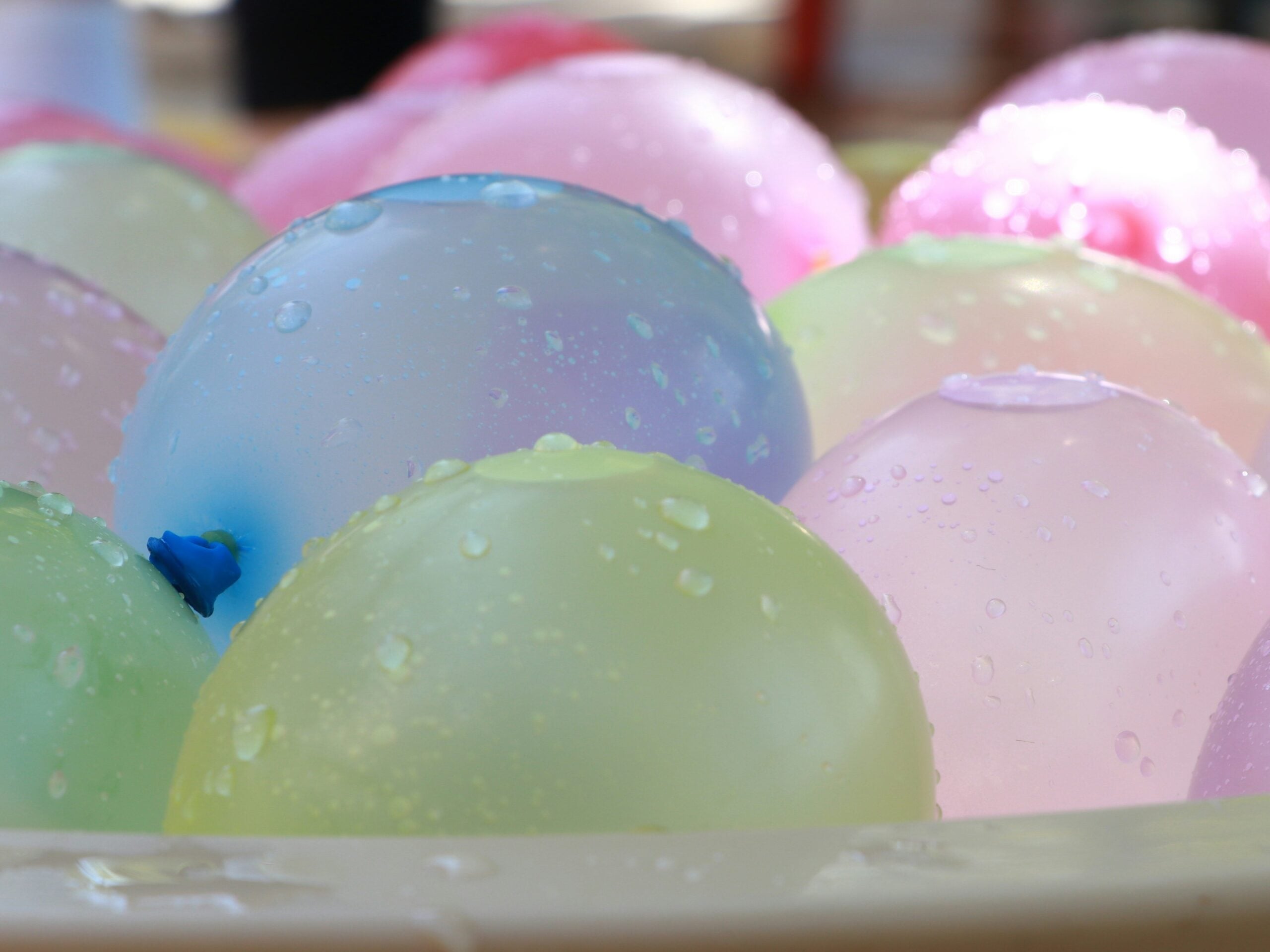
Easter Monday in Poland means śmigus-dyngus — the day when throwing water on people becomes not just acceptable but encouraged. Boys traditionally soak girls with buckets, water guns, and any available liquid, though modern celebrations tend toward more equality in the water distribution.
The custom supposedly brings good luck and health (a convenient justification for getting your neighbors completely soaked on a spring morning that might still be quite cold). Urban areas have mostly toned this down to gentle sprinkling, but rural communities can still witness serious water warfare that leaves everyone drenched and laughing.
Paschal candles in churches
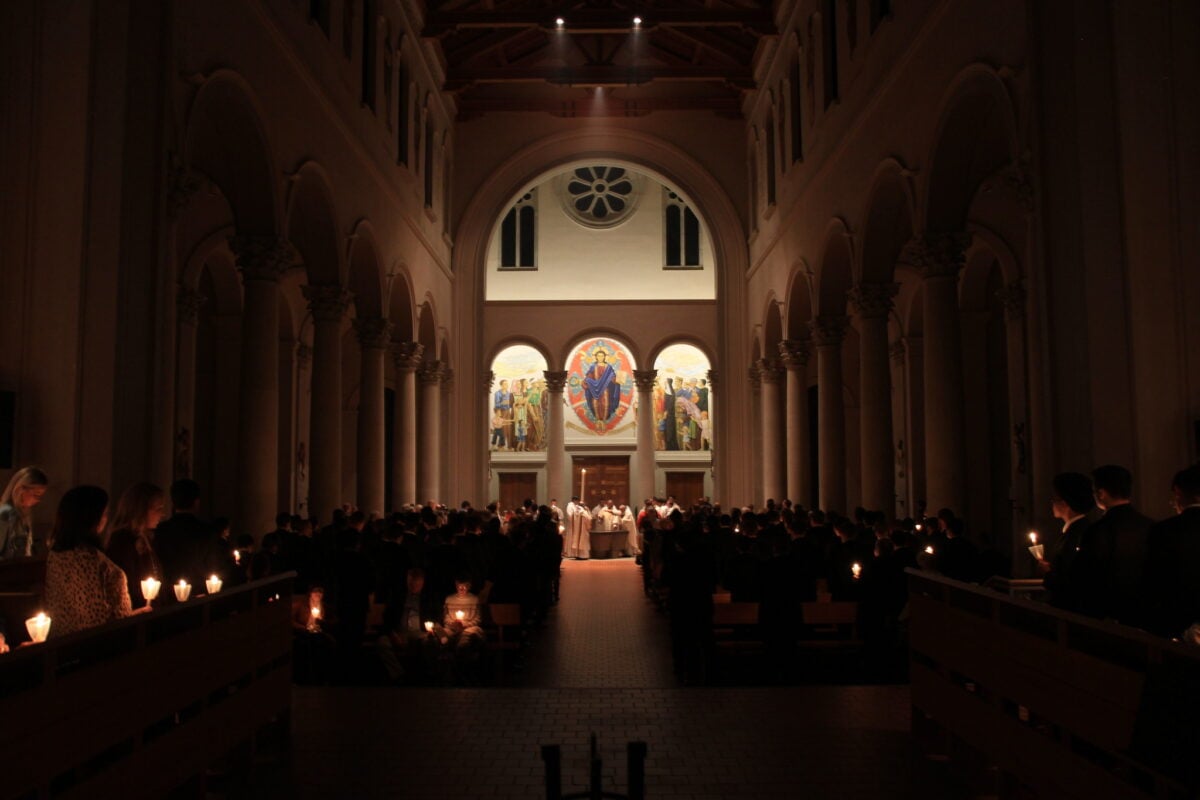
The Easter Vigil candle represents Christ as the light of the world, but its creation involves craftsmanship that most people never see. These aren’t simple white candles — they’re substantial pillars marked with the year’s date and decorated with symbols of alpha and omega, the beginning and the end.
Churches light the Paschal candle first at the Easter Vigil service, then use it to light all other candles throughout the Easter season. The flame gets carefully maintained, and the candle burns at every baptism and funeral until the following year’s Easter.
Easter bread traditions
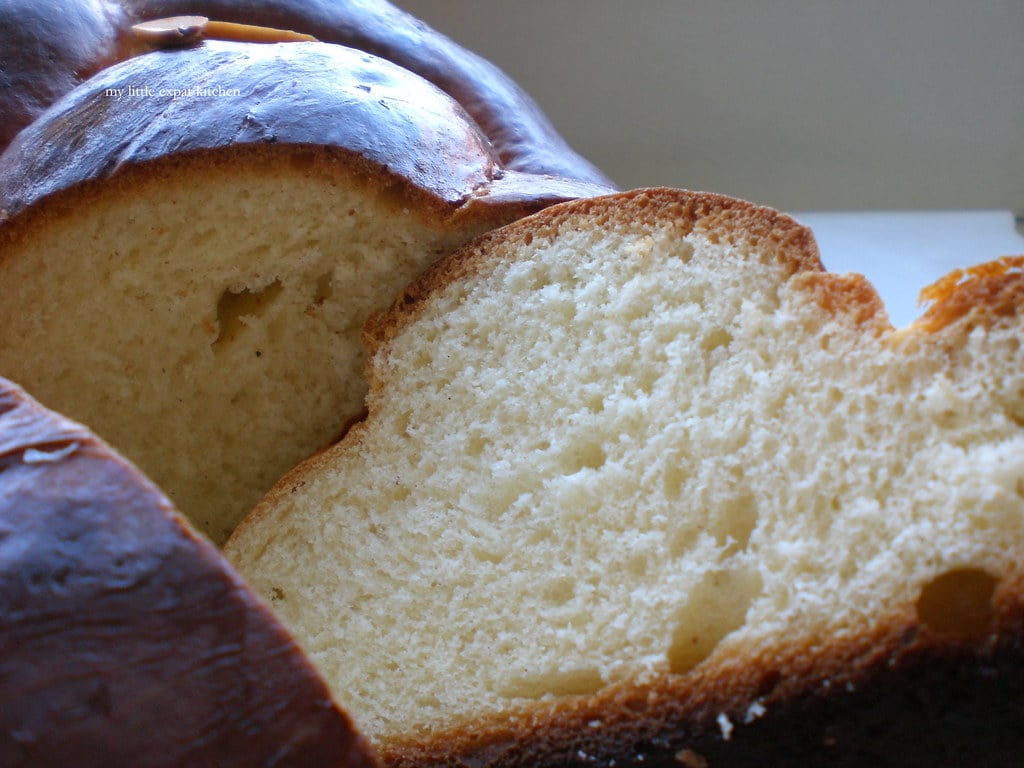
Each culture shapes Easter bread differently, but the underlying symbolism remains consistent: bread rising represents resurrection, braided shapes symbolize eternal life, and eggs baked into the dough celebrate new beginnings (though the practical challenge of getting raw eggs to stay in place while the dough rises and bakes requires techniques that bakers develop through years of trial and error, not to mention occasional spectacular failures when eggs shift during baking and create unexpectedly lopsided results). Greek tsoureki gets flavored with mastic and mahlab — ingredients that cost more than standard baking supplies but create a distinctive taste that signals celebration rather than everyday sustenance.
Russian kulich towers tall in cylindrical molds, often topped with white icing that drips down the sides like candle wax. And here’s what you notice when you attempt these breads yourself: they demand timing, patience, and genuine attention to detail that modern quick-bake methods can’t replicate.
The dough rises slowly, requires multiple kneadings, and won’t be rushed regardless of your schedule.
Flying bells in France
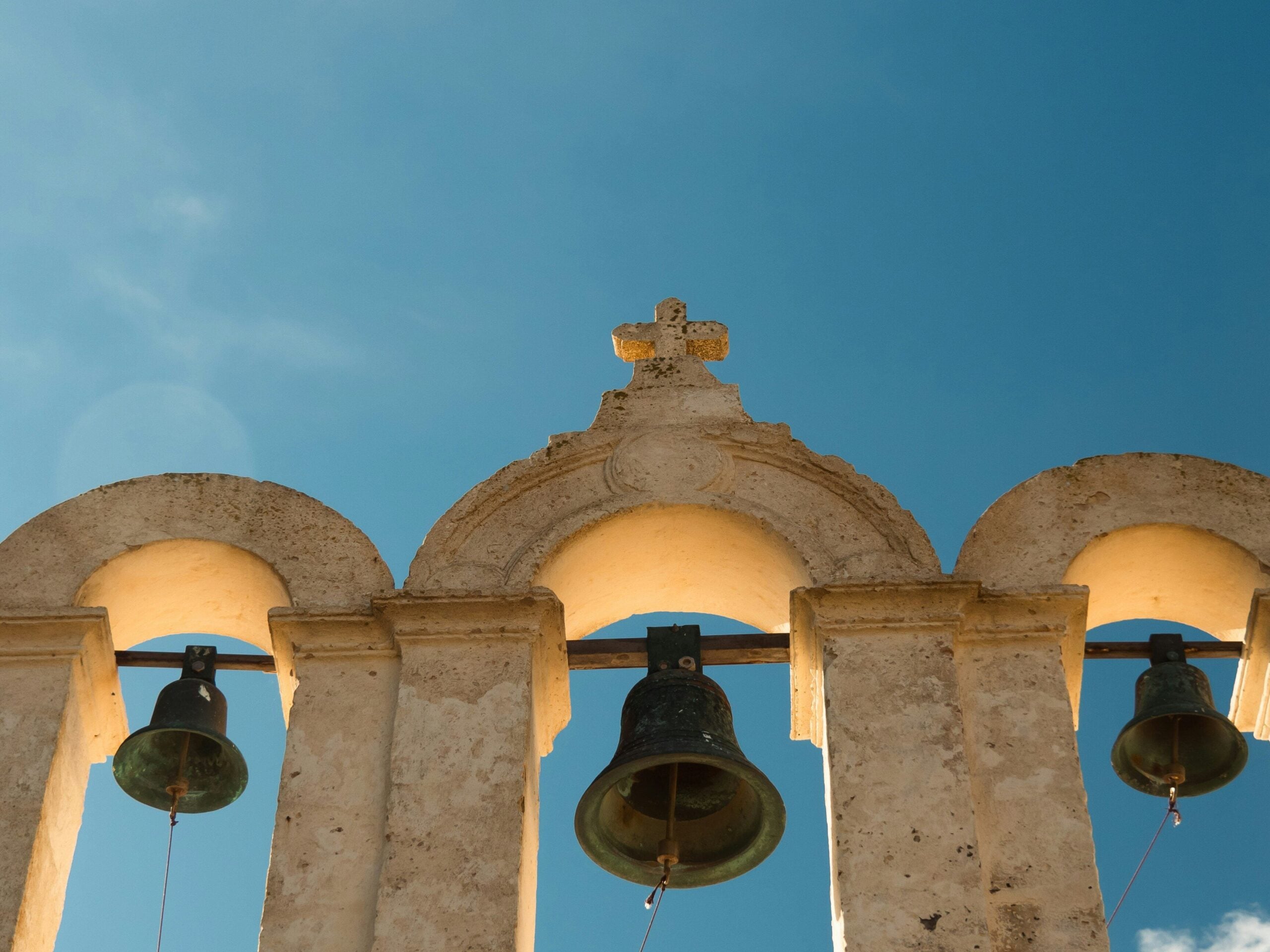
French children learn that church bells fly to Rome during Holy Week to get blessed, leaving behind a silence that feels almost physical in villages where bells normally mark every hour. The bells return on Easter morning, dropping chocolate eggs and treats in gardens as they ring joyfully to announce Christ’s resurrection.
This explanation for why bells don’t ring from Thursday through Saturday creates anticipation that builds through the quiet days. When the bells finally sound again on Easter morning, it’s genuinely dramatic — especially in areas where bells are part of daily soundscape.
Easter witch traditions in Sweden
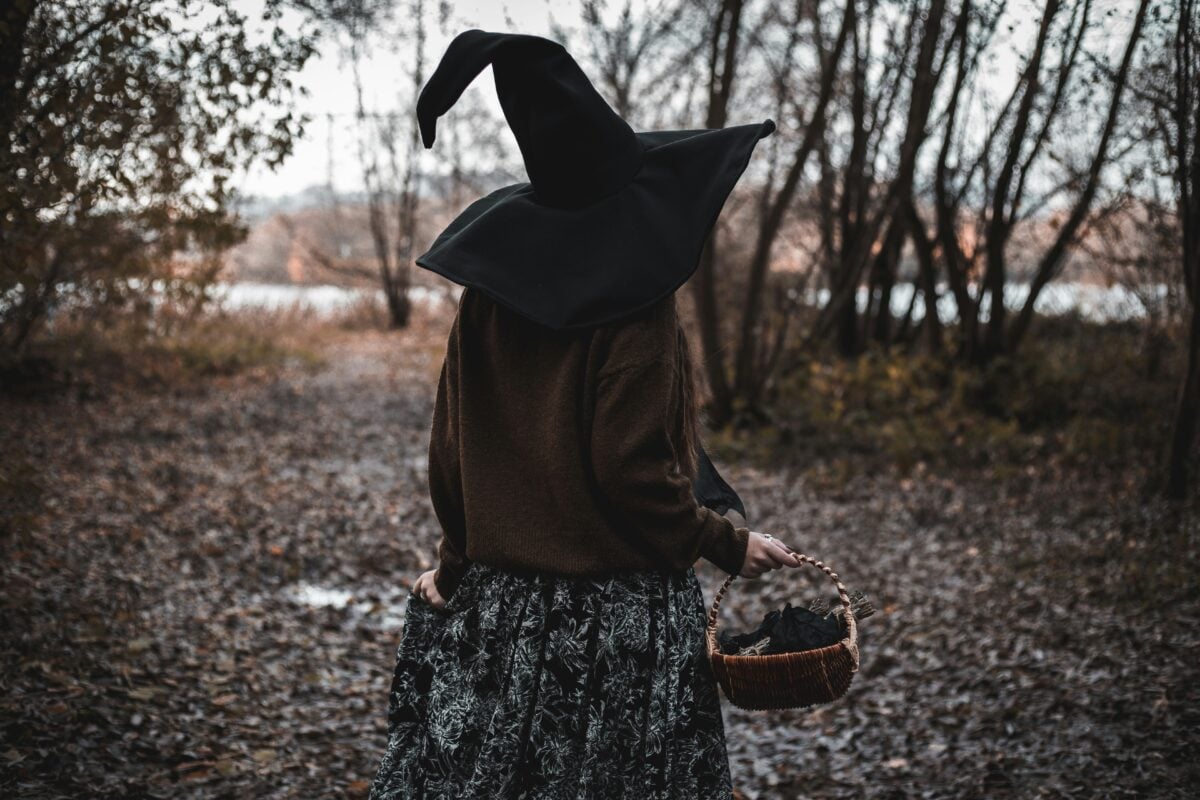
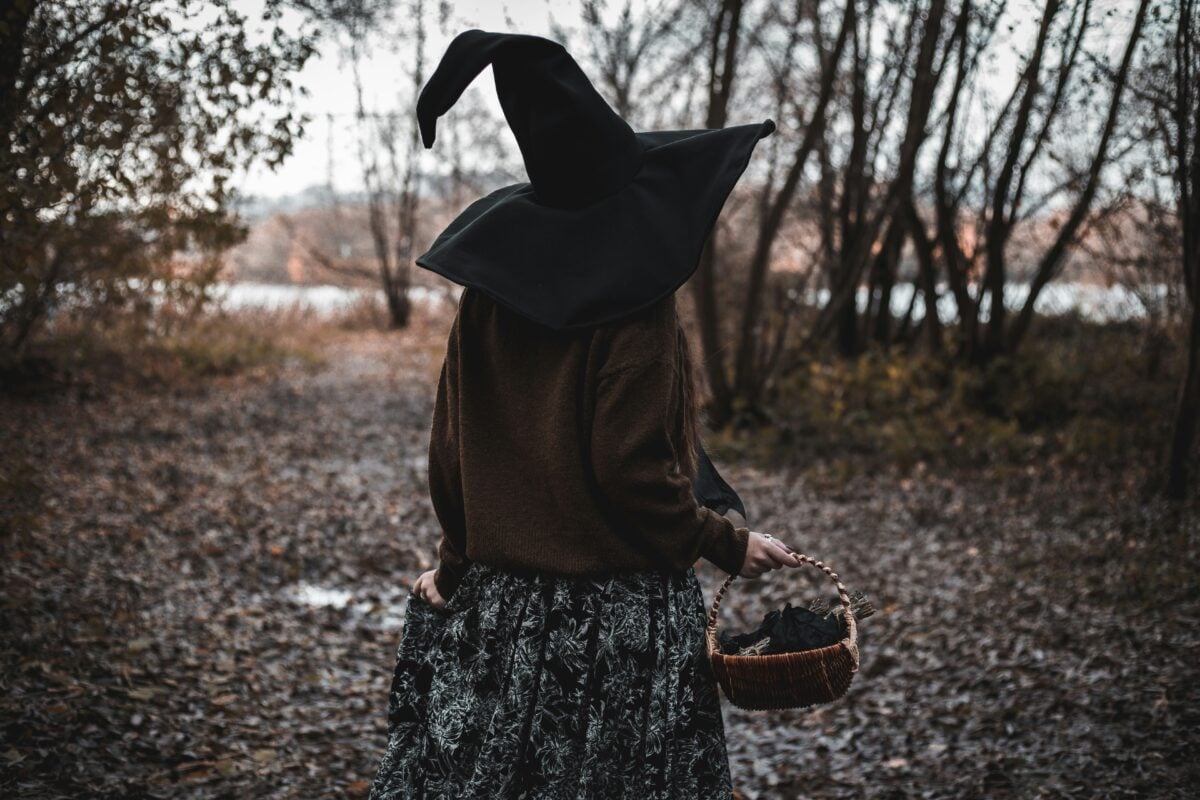
Swedish children dress as Easter witches on Holy Saturday, painting their faces and going door-to-door trading drawings and paintings for candy — essentially a springtime version of Halloween trick-or-treating. The witches supposedly fly to a mountain called Blåkulla to dance with the devil, returning home on Easter Sunday.
The tradition combines Christian Easter celebration with older folklore about witches and evil spirits being active during the transition from winter to spring. Modern celebrations focus more on the costume fun than the supernatural elements.
Easter Monday rolling eggs
Czech and Slovak communities take egg rolling beyond simple hill races into elaborate competitions with specific rules and regional variations. Wooden eggs work better than real ones for repeated rolling, though purists insist on using eggs that were blessed on Easter Sunday.
Some villages hold tournaments where different families compete using eggs decorated with their distinctive patterns. Winners get recognized not just for speed or distance, but for technique and the survival of their egg’s decorative design through multiple rounds of rolling.
When traditions cross oceans
The most fascinating Easter traditions happen when cultures blend, creating something entirely new while honoring old roots. Mexican-American families might combine cascarones — confetti-filled eggs meant for cracking over friends’ heads — with traditional egg hunts, creating celebrations that surprise children who expect only one or the other.
Polish-Americans adapt butter lamb traditions to grocery store ingredients, while Ukrainian communities in Canada develop pysanky techniques suited to local materials and weather patterns. These aren’t diluted versions of “authentic” celebrations.
They’re living traditions that adapt to new circumstances while maintaining their essential meaning. And that adaptation — the willingness to preserve what matters while changing what doesn’t — might be the most important Easter tradition of all.
More from Go2Tutors!

- The Romanov Crown Jewels and Their Tragic Fate
- 13 Historical Mysteries That Science Still Can’t Solve
- Famous Hoaxes That Fooled the World for Years
- 15 Child Stars with Tragic Adult Lives
- 16 Famous Jewelry Pieces in History
Like Go2Tutors’s content? Follow us on MSN.