Fascinating Facts About the World’s Oldest Hotels
Some buildings have been around so long that they seem almost impossible. While most hotels last a few decades before getting torn down or renovated beyond recognition, a handful have welcomed guests for centuries.
These places didn’t just survive wars, natural disasters, and economic collapses. They thrived through them, adapting to each new generation while keeping their original character intact.
The oldest hotels in the world tell stories that go way beyond comfortable beds and room service. They’ve housed emperors and revolutionaries, witnessed historical turning points, and somehow kept their doors open when everything around them changed.
Walking into one of these places feels different because the walls actually remember things most of us only read about in history books. Let’s look at some of these ancient establishments that refuse to close down.
Nishiyama Onsen Keiunkan In Japan

This Japanese hot spring hotel opened its doors in 705 AD, making it the oldest hotel in continuous operation anywhere on Earth. The same family has run it for 52 generations, which sounds almost unbelievable until you consider that passing down businesses through bloodlines was standard practice in feudal Japan.
Located at the foot of the Akaishi Mountains, the hotel sits near natural hot springs that drew people seeking healing waters long before modern medicine existed. The current building isn’t the original structure since fires and earthquakes forced reconstructions over the centuries, but the business never actually closed.
Guests today can still bathe in the same thermal waters that samurai warriors soaked in over a thousand years ago.
Hoshi Ryokan Also In Japan
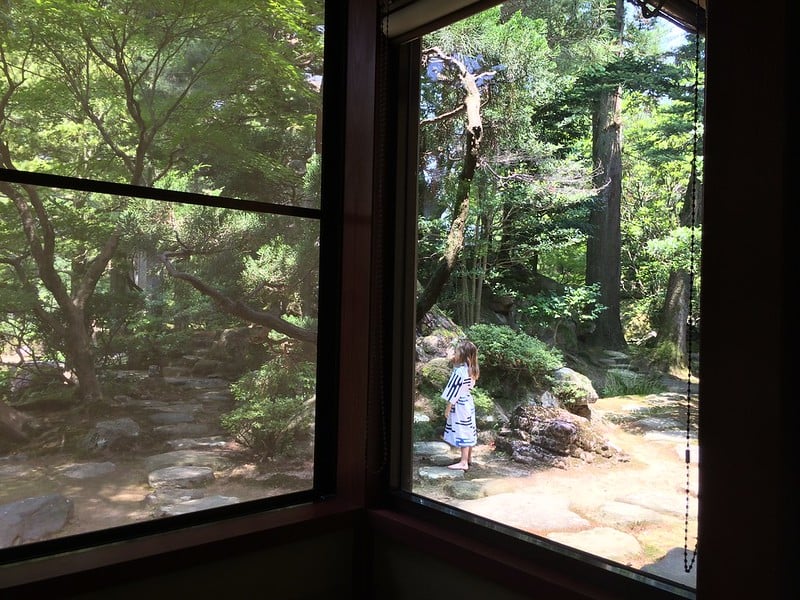
Opening in 718 AD, this hotel comes in as the second oldest continuously operating hotel worldwide. It stayed in the same family for 46 generations before financial troubles in 2011 forced the owners to sell to a larger hospitality company.
The hotel originally served travelers visiting a nearby Buddhist temple, offering them shelter and hot meals during their spiritual journeys. Its architecture follows traditional Japanese design with tatami mat floors, sliding paper doors, and carefully maintained gardens that look almost identical to historical paintings.
The hotel survived multiple wars including World War II, though American bombing raids destroyed much of the surrounding city.
Guestaceum Hotel St. Peter In Germany
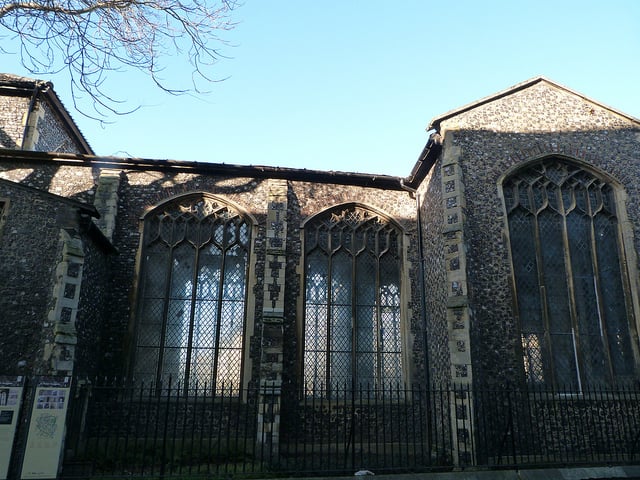
Built around 1000 AD on Germany’s Moselle River, this hotel started as a guesthouse for church officials and wealthy merchants traveling the wine trade routes. The stone building has walls so thick that modern heating systems struggle to warm the rooms during winter months.
Original medieval features like vaulted ceilings and narrow staircases remain intact, though the hotel added electricity and plumbing in the early 1900s. Wine cellars underneath the main building still store bottles from local vineyards, continuing a tradition that’s literally older than most European nations.
The hotel narrowly avoided destruction during both World Wars because occupying forces needed somewhere to sleep.
Zum Roten Bären In Germany
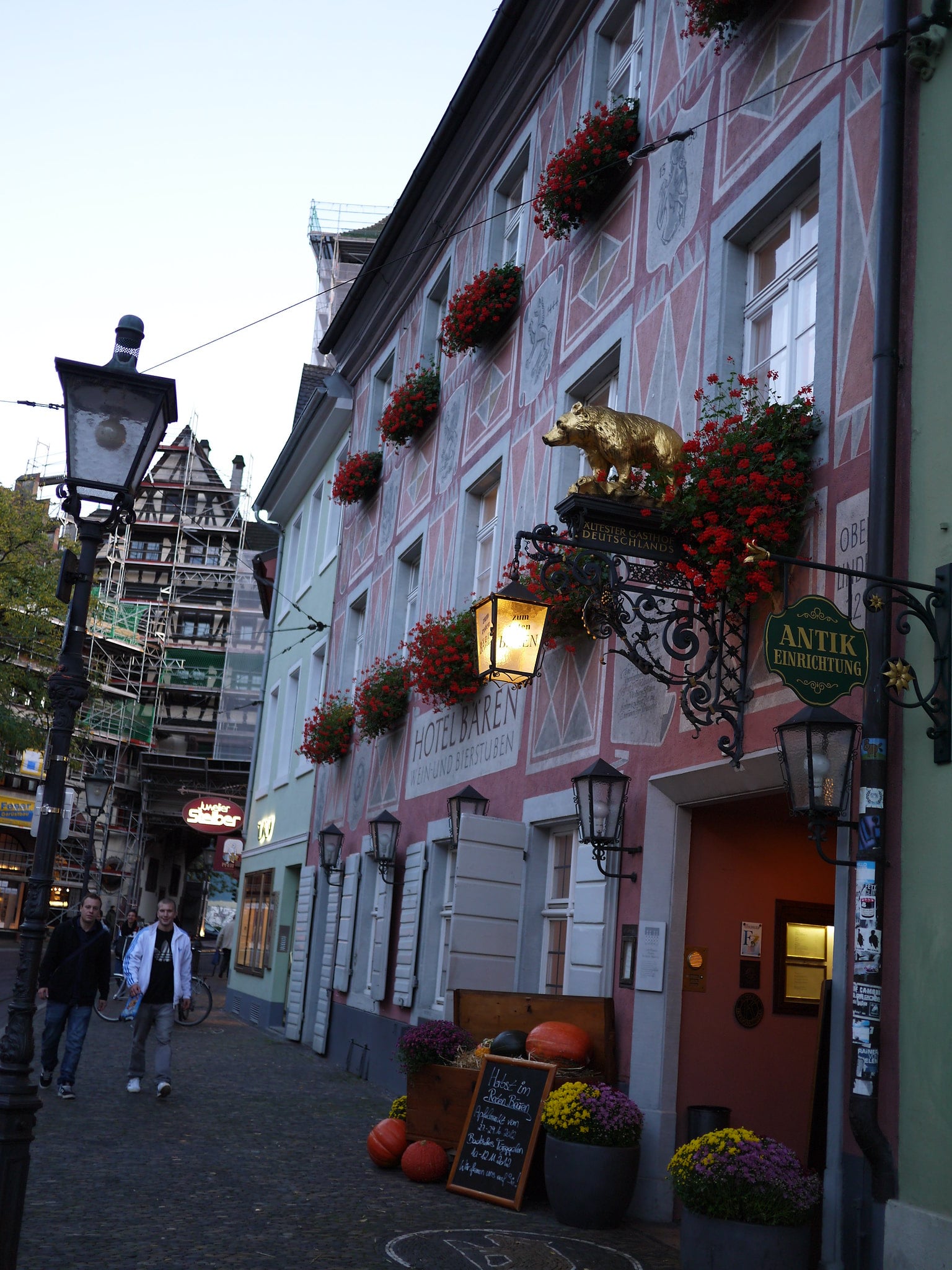
This hotel in Freiburg claims to be Germany’s oldest inn, with records showing it served food and lodging as early as 1120 AD. The name translates to ‘The Red Bear,’ though nobody knows for certain why that particular animal was chosen for the establishment’s identity.
Original wooden beams from the 12th century still support parts of the structure, darkened by centuries of smoke from fireplaces and candles. The hotel survived the bombing of Freiburg in 1944 when Allied forces destroyed about 80 percent of the old city center.
Today it operates as both a hotel and traditional German restaurant, serving dishes that would be recognizable to guests from 500 years ago.
The Old Bell Hotel In England

Dating back to 1135 AD, this English hotel started as a guesthouse for people visiting the nearby abbey in Malmesbury. Monks originally ran the establishment, offering hospitality to pilgrims and traders passing through the region.
The building shows clear medieval architecture with low doorways that force tall guests to duck, built for people who averaged several inches shorter than modern humans. During the English Civil War in the 1600s, soldiers from both sides stayed at the hotel at different points, sometimes carving their names into wooden furniture that still exists today.
The hotel added modern amenities gradually over the centuries but kept original features like stone fireplaces and hand-carved staircases.
Gasthof Zum Löwen In Switzerland
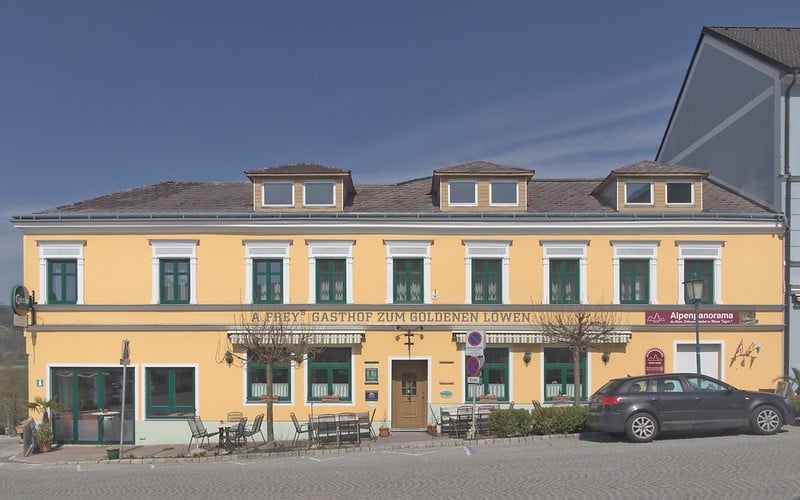
Records confirm this Swiss hotel has operated since 1344 AD, though some historians believe it might be even older. The building sits in the village of Messen, positioned along an ancient trade route connecting northern and southern Europe.
Travelers needed places to rest between long journeys through mountain passes, and this hotel provided shelter during an era when bandits and wild animals made traveling extremely dangerous. The structure underwent major renovations in the 1600s after a fire damaged large sections, but builders reused original stones and timbers wherever possible.
Modern guests can still sleep in rooms with ceilings low enough to touch while standing.
Albergo Pietrasanta In Italy
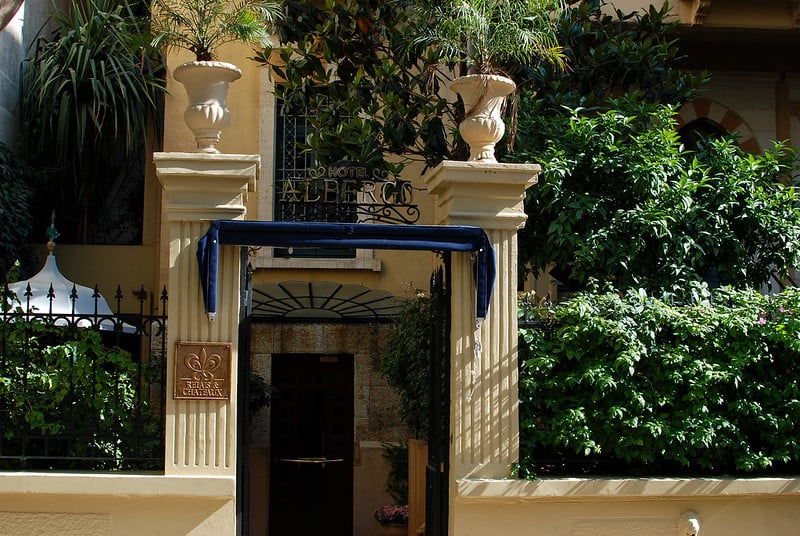
Operating since 1345 AD in the Tuscan town of Pietrasanta, this hotel originally served marble workers and sculptors who came to the region for its high-quality stone. Michelangelo himself might have stayed here during his visits to personally select marble blocks for his sculptures.
The hotel sits in a medieval building with Renaissance-era additions, creating an architectural mix that reflects different periods of Italian history. During World War II, German forces occupied the building and used it as a command post, leaving behind graffiti that the owners chose to preserve as historical evidence.
The hotel underwent careful restoration in the 1980s that maintained its historic character while adding necessary modern conveniences.
Interlaken Hotel In Switzerland
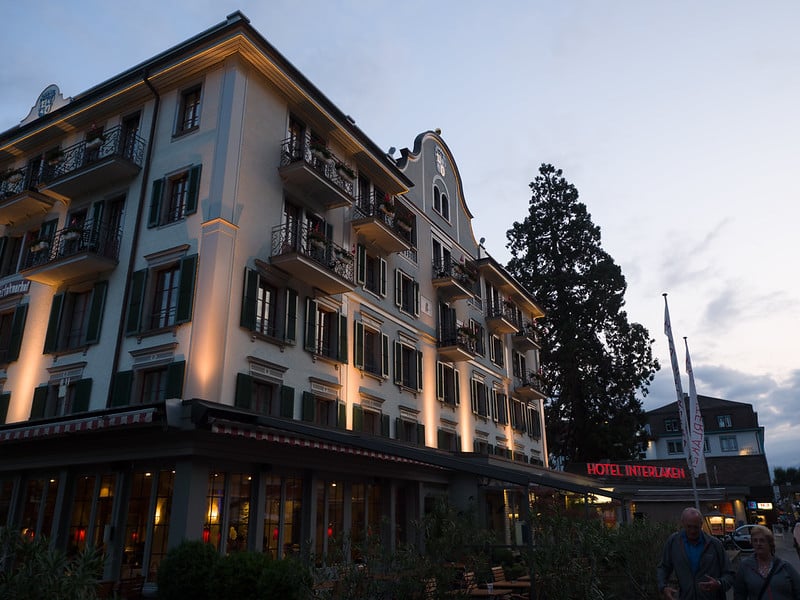
This Swiss establishment opened in 1323 AD between two alpine lakes, giving it the name ‘Interlaken’ which literally means ‘between lakes.’ The hotel catered to merchants and traders navigating difficult mountain routes, offering warm beds and hot food after dangerous journeys.
Original stone foundations still support the building, though the upper floors have been rebuilt several times following fires and structural damage. The hotel kept detailed guest records for centuries, creating an archive that historians use to study medieval travel patterns and trade networks.
Modern visitors can request rooms in the oldest section of the building where walls are several feet thick and windows remain small to conserve heat.
The Spread Eagle Hotel In England
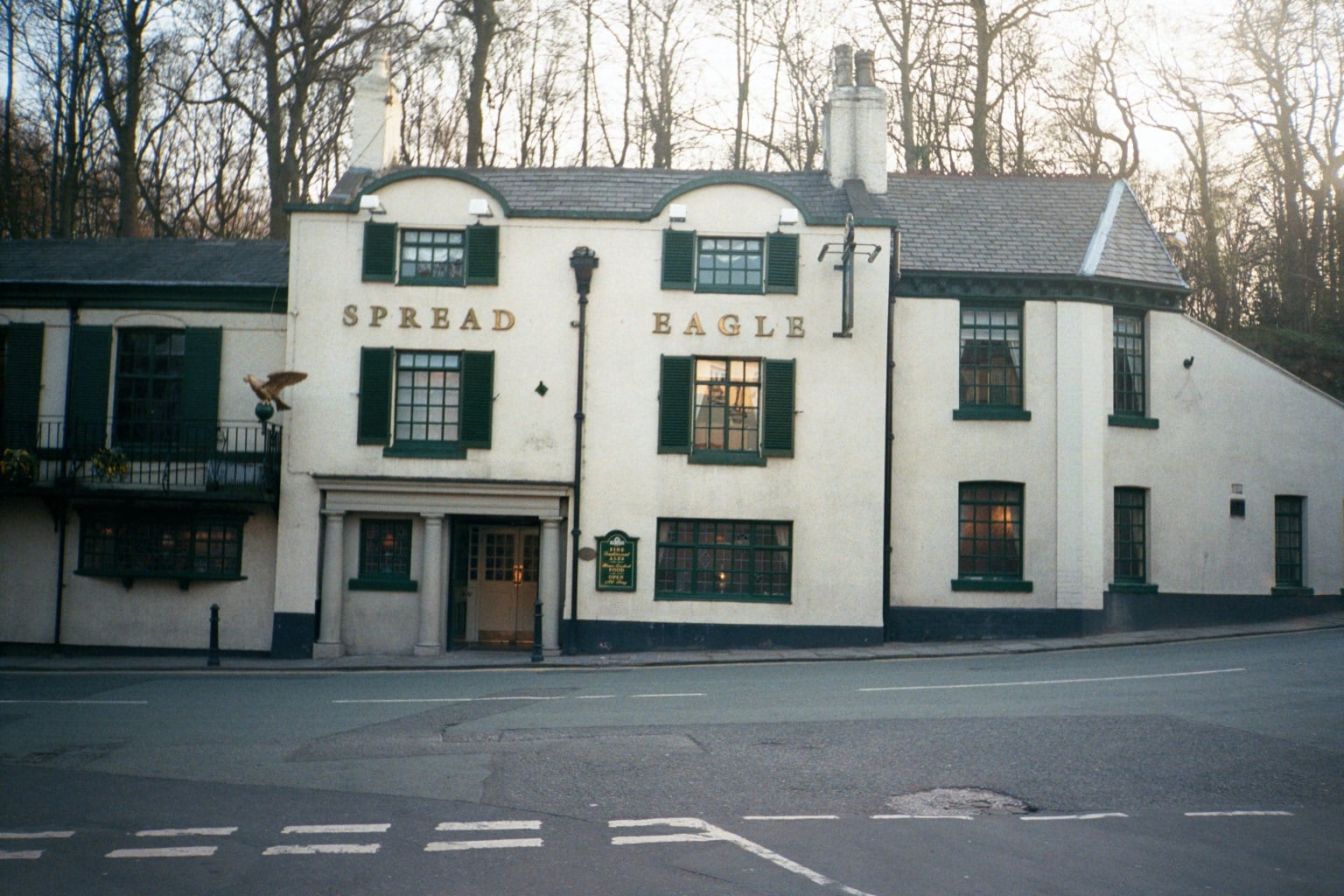
Built around 1430 AD in Midhurst, England, this hotel started as a coaching inn where horse-drawn carriages stopped to change horses and let passengers rest. The building features a large courtyard designed for coaches to pull in and unload travelers and luggage.
Original timber framing shows throughout the structure, with wooden beams carved by craftsmen who learned their trade through medieval guild systems. Ghost stories surround the hotel, with staff and guests reporting unexplained sounds and sightings in older sections of the building.
The hotel maintains period-appropriate furniture in some rooms, giving guests an experience closer to what travelers encountered five centuries ago.
Zum Goldenen Stern In Germany
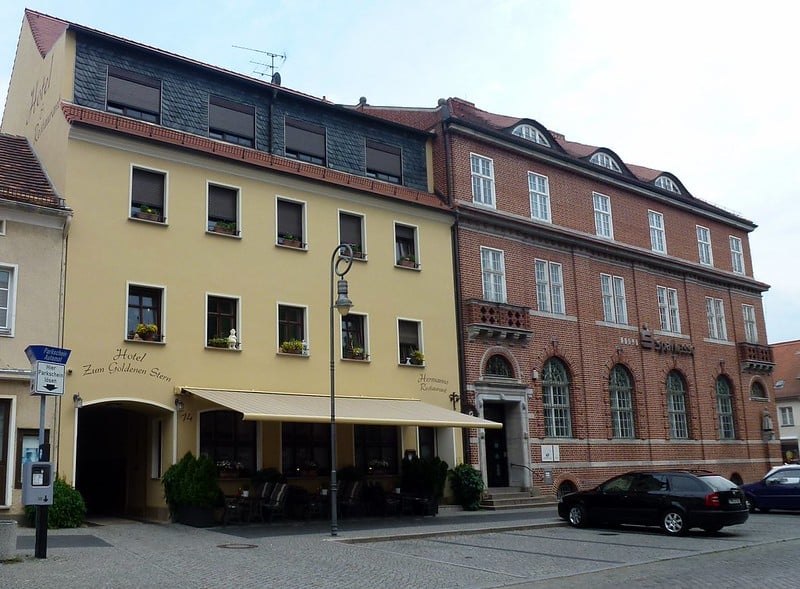
Records show this Bavarian hotel has welcomed guests since 1346 AD, making it one of the oldest continuously operating hotels in Germany. The building survived the Thirty Years’ War, which devastated much of central Europe between 1618 and 1648, killing roughly a third of the population in some regions.
Its location in a small town rather than a major city helped it avoid the worst destruction of various conflicts. The hotel added bathrooms to guest rooms only in the 1950s, before which guests shared communal facilities down the hall.
Traditional Bavarian architecture defines the structure with painted exteriors showing scenes from local folklore and history.
The Royal Hop Pole In England
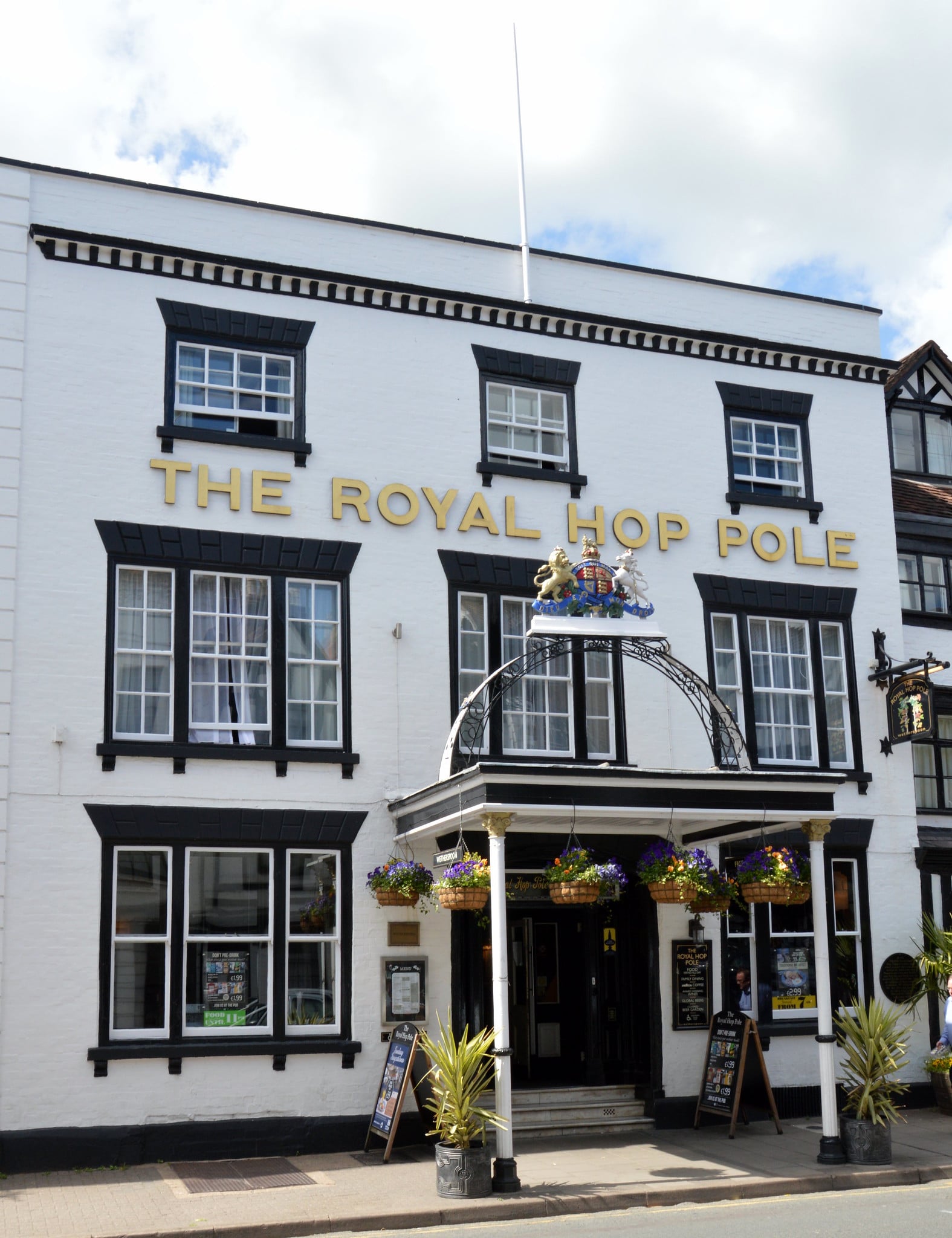
Dating to 1406 AD, this coaching inn in Tewkesbury served travelers moving between London and Wales. The building witnessed the Battle of Tewkesbury in 1471 during the Wars of the Roses, with wounded soldiers receiving treatment in its rooms.
Charles Dickens mentioned the hotel in his novel ‘The Pickwick Papers,’ giving it literary fame that attracted Victorian-era tourists. Original features include a massive fireplace in the main hall large enough to roast entire animals, which the hotel used to prepare meals for dozens of guests simultaneously.
The structure underwent restoration in the 1990s after decades of neglect nearly led to its demolition.
Hotel Pilgrim Haus In Germany
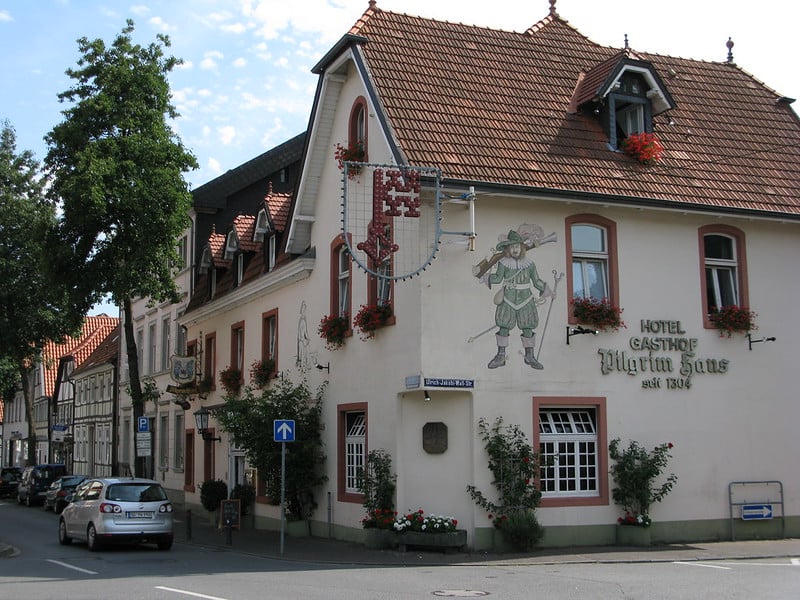
Built in 1304 AD in the town of Soest, this hotel originally provided lodging for religious pilgrims traveling to various holy sites across Europe. The building features Gothic architecture with pointed arches and detailed stone carvings that would have impressed medieval guests.
It survived the aerial bombing campaigns of World War II that destroyed much of the surrounding area, though nearby explosions cracked some of its ancient walls. The hotel maintained original tile roofing made by craftsmen using techniques no longer practiced in modern construction.
Guests today can eat breakfast in a dining hall where pilgrims broke bread over 700 years ago.
The George Hotel In England
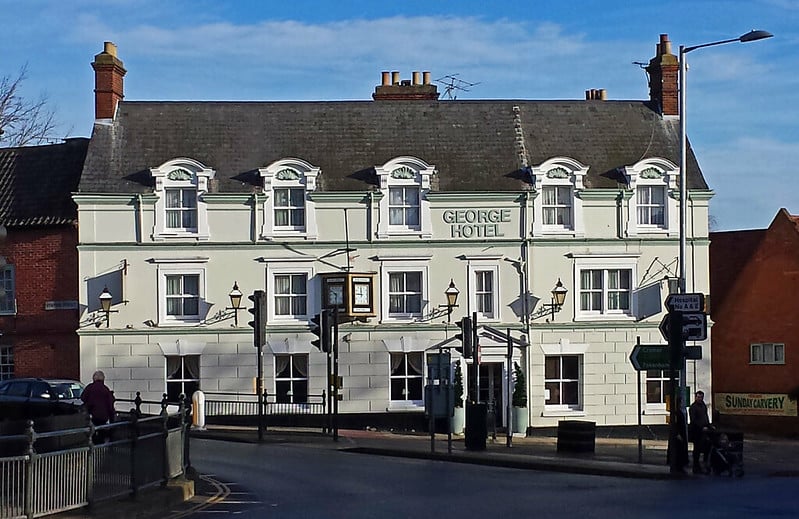
Operating since 1406 AD in the village of Norton St Philip, this hotel claims to be one of England’s oldest purpose-built inns. The structure used local stone quarried from nearby hills, giving it distinctive coloring that differs from other buildings in the region.
During a rebellion in 1685, the Duke of Monmouth used the hotel as his headquarters before his failed attempt to overthrow King James II. The building survived a major fire in the 1700s that destroyed its roof and upper floor, which were then rebuilt using the original architectural plans.
Paranormal investigators frequently visit the hotel claiming it harbors spirits from various historical periods.
Sextantio Albergo Diffuso In Italy
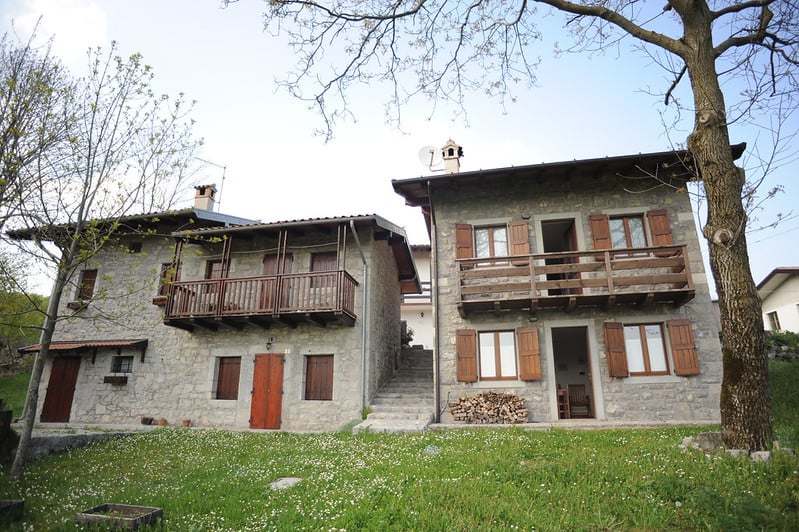
This unique hotel concept uses buildings from a medieval village abandoned after an earthquake, with structures dating back to the 1200s. Rather than creating one hotel building, the operation spreads across multiple ancient houses throughout the village, each carefully restored while maintaining historical integrity.
Guests sleep in rooms with stone walls and vaulted ceilings built by craftsmen who never imagined their work would still stand 800 years later. The hotel uses period-appropriate furniture and minimal modern intervention, avoiding electricity in some rooms to preserve an authentic medieval atmosphere.
This restoration project saved an entire village from collapsing into ruins and brought new life to structures that had sat empty for decades.
Altes Haus In Germany
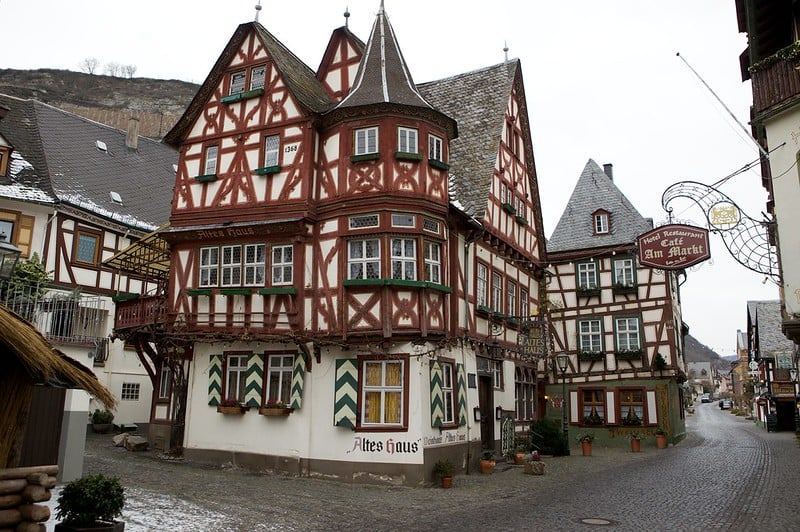
Built in 1368 AD in Bacharach along the Rhine River, this hotel started as a residence before converting to an inn serving wine traders navigating the river. The half-timbered structure shows classic German medieval architecture with each floor slightly overhanging the one below it.
Original construction techniques used wooden pegs instead of nails to join beams together, a method that proved remarkably durable over centuries. The building sits in a town that somehow avoided major damage during both World Wars despite heavy fighting in the surrounding region.
Modern guests can drink wine in a cellar where merchants stored barrels over 600 years ago.
The Olde Bell In England
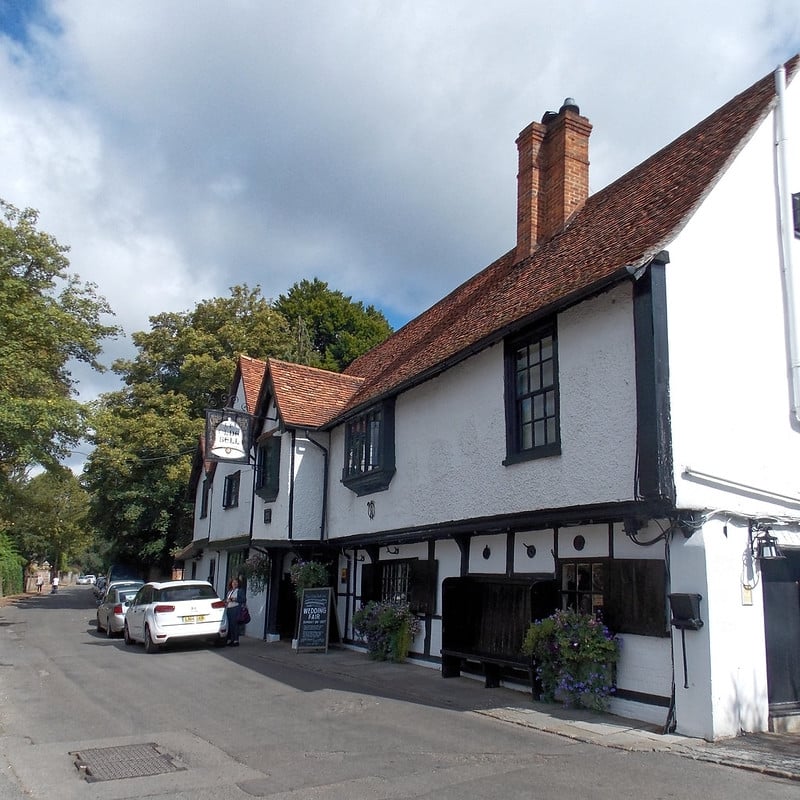
A long time ago, back in 1135, this place in Hurley began life as a shelter linked to a monastery. Run by monks, it gave food and rest to travelers and those with little, simply because they believed it was right.
When Henry VIII shut down religious houses during the 1530s, the property changed hands, shifting into private control but still welcoming guests like an inn. You can still see parts built in the old Norman way – look at the heavy stonework, notice how the arched doorways curve gently overhead.
By 2003, people rebuilt much of it, carefully keeping history alive while slipping in comforts unknown to anyone centuries before.
Locanda Sturion Italy
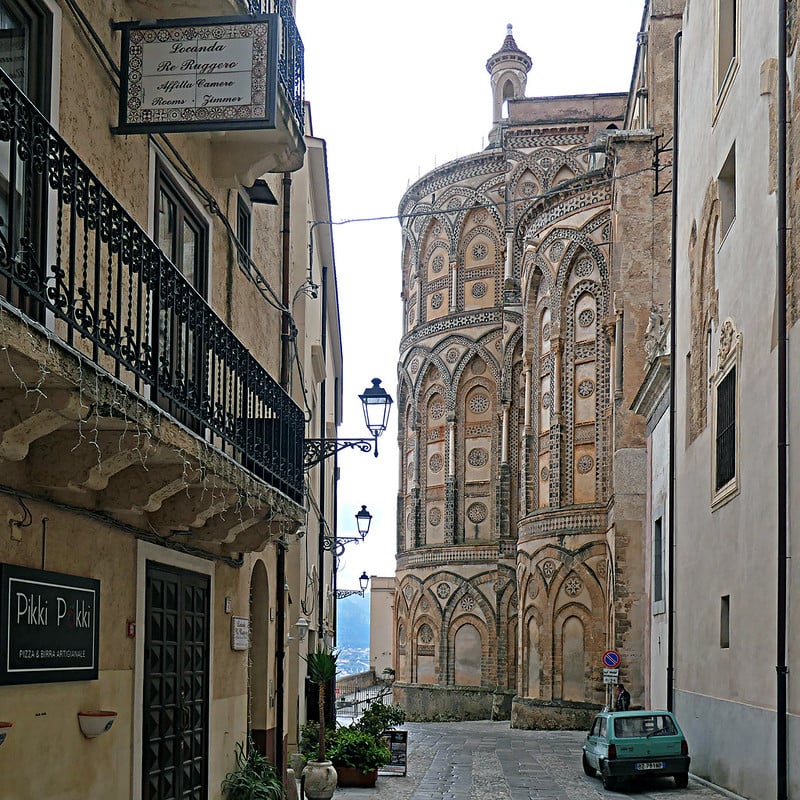
Since 1290 AD, this place has stood by Venice’s Grand Canal, first welcoming traders drawn to the bustling markets nearby. Because Venice linked Europe with the East, travelers arrived here from faraway regions, bringing many tongues rarely heard elsewhere.
Built in classic Venetian style, its detailed front faces stretch above the canal, crowned with railings where people once leaned out to watch gondolas glide past. Though floodwaters have poured through again and again, leaving lines on inside walls like silent diaries of each rise, it remains standing.
Guests throughout time include painters, kings, and composers – names kept carefully in old books downstairs. Ornamented stonework still frames windows just as it did when those visitors first looked out.
Where History Sleeps
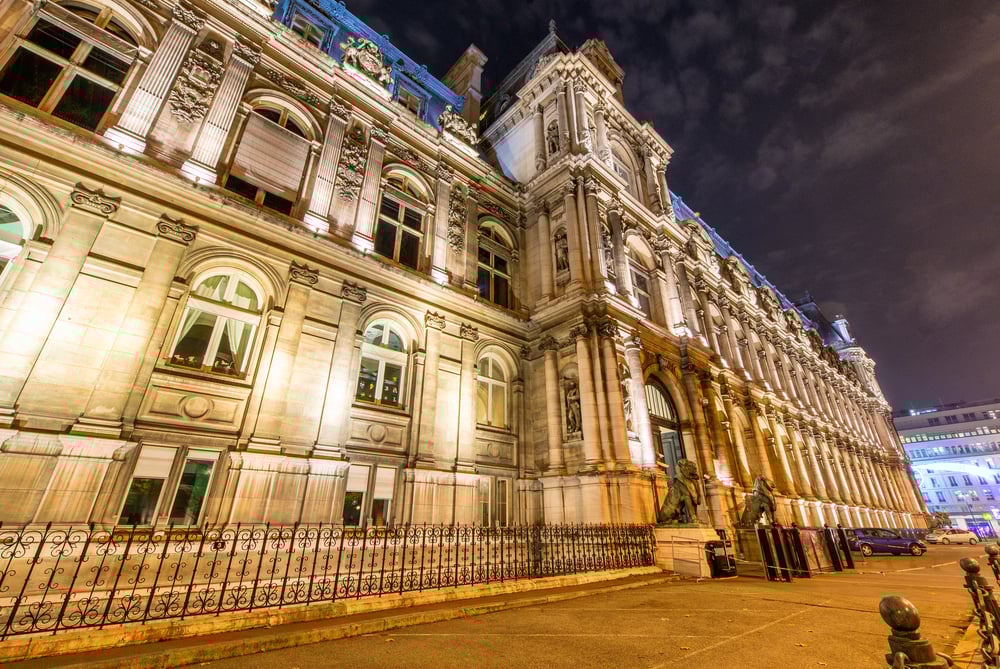
Old charm sticks around when done right. Through centuries, these places shifted quietly, keeping their heart while moving with time.
Guests today tap screens where traders once stacked silver under flickering flames. Walls evolved slightly, only as much as needed, never turning into something unrecognizable.
What remains feels familiar, even after ages pass. Inside these walls, time slows down just enough to feel the weight of what came before.
Not many spots left on earth let you stand so close to history’s pulse – this one does. While others vanished without a trace, here continuity held ground through quiet consistency.
Stepping in is like hearing whispers from generations who walked similar paths.
More from Go2Tutors!

- The Romanov Crown Jewels and Their Tragic Fate
- 13 Historical Mysteries That Science Still Can’t Solve
- Famous Hoaxes That Fooled the World for Years
- 15 Child Stars with Tragic Adult Lives
- 16 Famous Jewelry Pieces in History
Like Go2Tutors’s content? Follow us on MSN.