15 Rare Spices Collectors Hunt For
In the shadowy corners of spice markets from Istanbul to Mumbai, dealers whisper about ingredients so rare they’re traded like precious gems. These aren’t your everyday seasonings—some thrive only on remote mountain peaks, others need decades before they’re ready, and a few have been lost to wars and shifting borders. What follows is a journey into fifteen extraordinary spices that turn casual enthusiasts into lifelong treasure hunters.
Kampot Pepper

The price of Cambodia’s highly valued black pepper can be so high that saffron seems like a steal. Peppercorns have a slow-building, almost floral heat that comes from the volcanic soils of Kampot province. Only about 70 tons are produced annually, and the majority of it is consumed in upscale restaurants before reaching regular markets.
Long Pepper
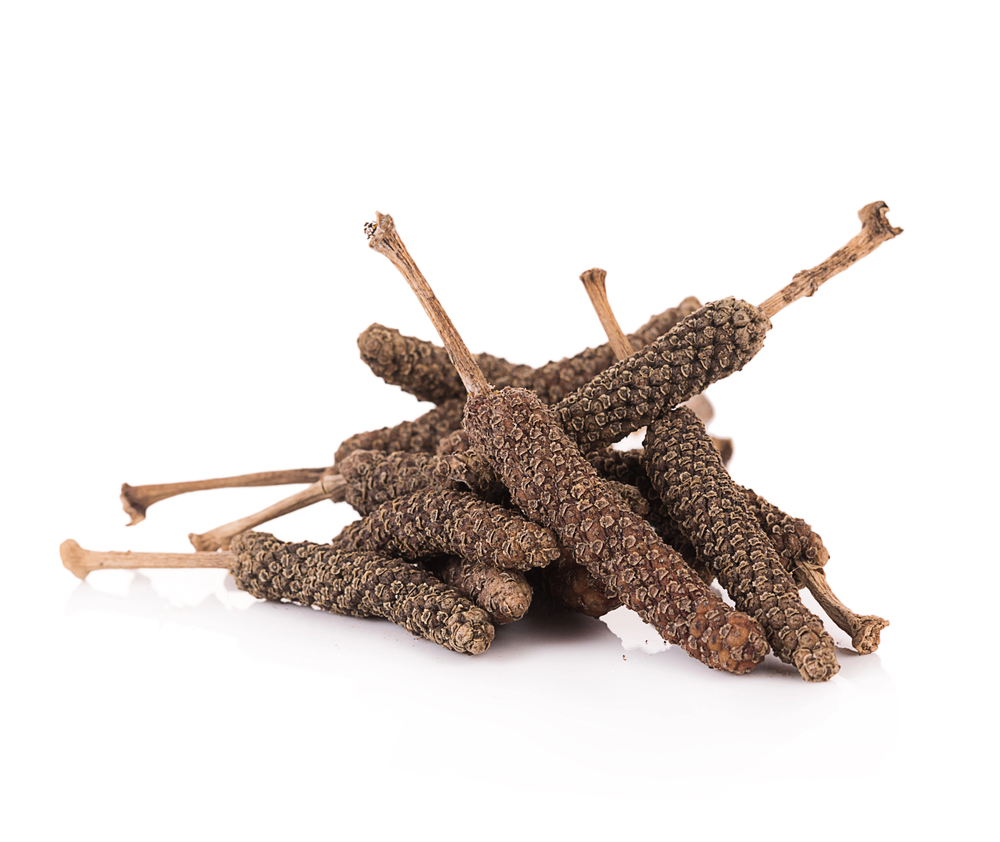
Europe relied on long peppers for their kick prior to Columbus’ introduction of chili peppers. It is earthy, complex, and has a heat that creeps rather than slams, much like the mysterious cousin of black pepper. Although it now mostly hides in the landscapes of India and Indonesia, medieval traders valued it more than gold. It’s still necessary to know the right people to find high-quality harvests.
Grains of Paradise
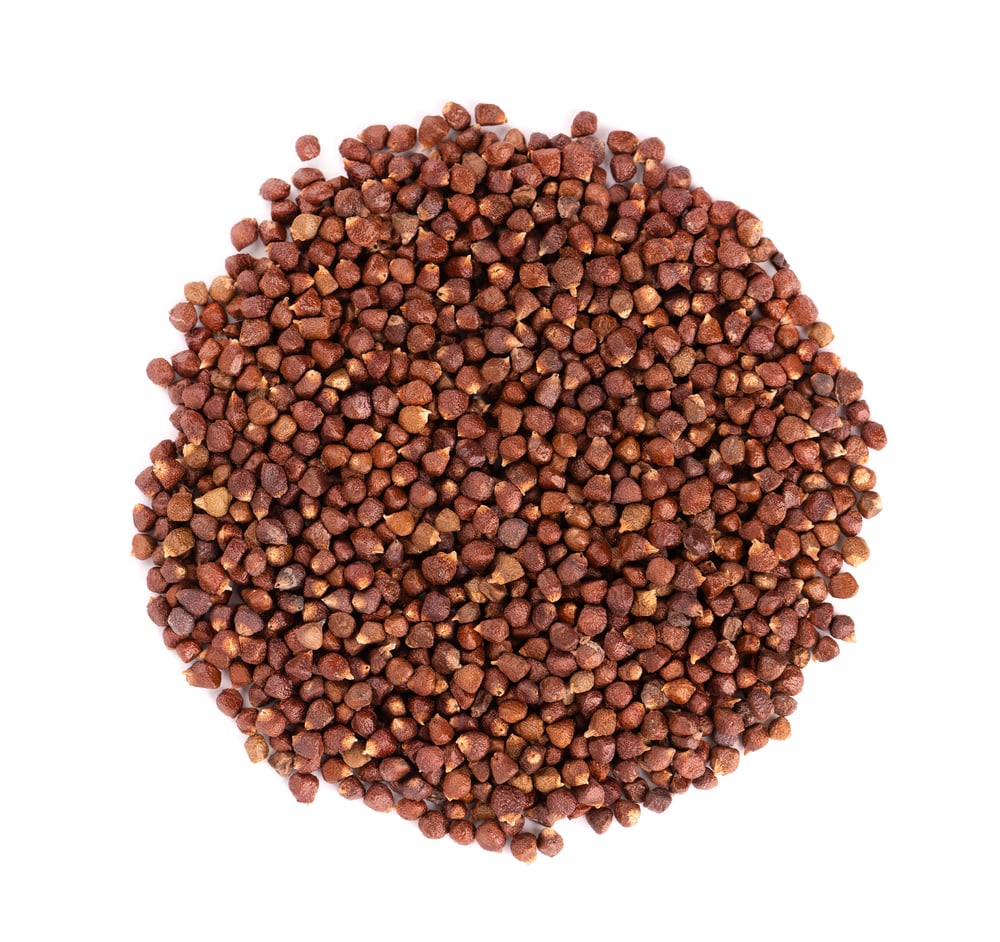
Known in West Africa as melegueta pepper, these seeds deliver a ginger-like bite layered with cardamom undertones that dance across the tongue. Yet sourcing them is unpredictable—some years see only a handful of viable batches. Still, spice collectors prefer this gamble over mourning the truly vanished seasonings of history.
Cubeb Pepper
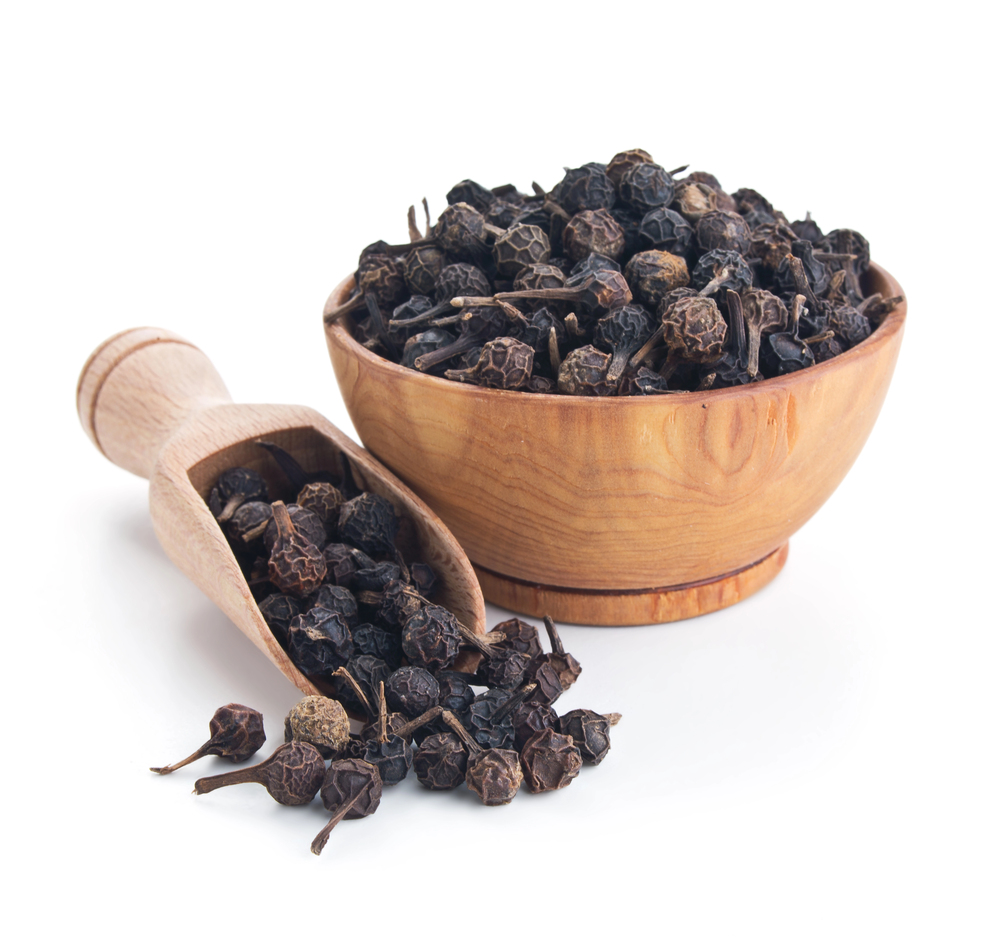
Indonesian cubebs arrive with quirky tails attached, earning the nickname “tailed pepper.” The taste is unusual—part black pepper, part allspice—with a surprising menthol-like finish. Centuries ago, European apothecaries prized it for medicine. Then it vanished from kitchens until rediscovered by modern spice hunters.
Voatsiperifery Wild Pepper
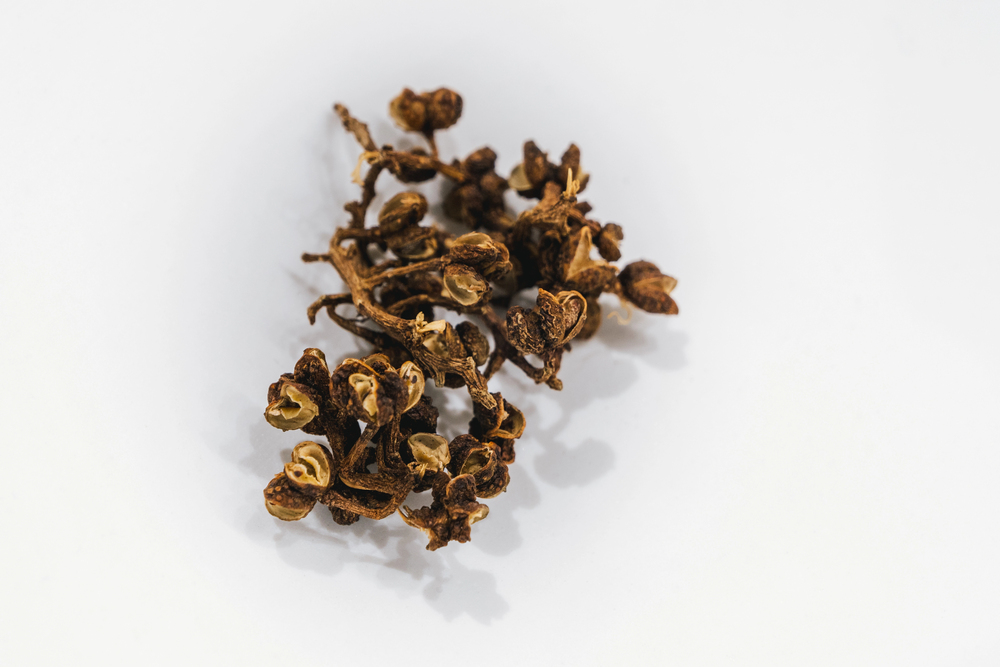
Deep in Madagascar’s rainforests, vines climb twenty-foot trees to produce this elusive wild pepper. Locals harvest it during a brief window when the berries ripen—miss it and the crop is lost. The flavor? Imagine pepper kissed with citrus and damp forest soil. Odd on paper, unforgettable in practice.
Black Lime
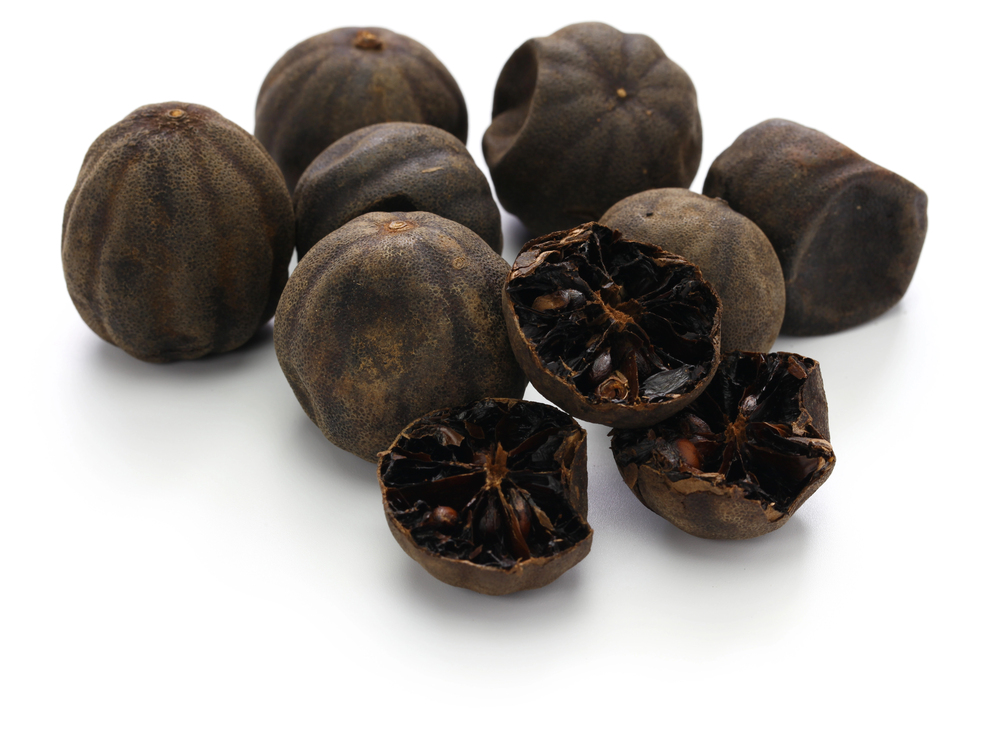
Persian kitchens rely on dried black limes for smoky, tangy depth. The process demands weeks of sun-drying in harsh desert climates. Freshly dried limes sound hollow when tapped—inside, the flesh becomes dark powder that transforms rice and stews into something otherworldly.
Sumac Berries
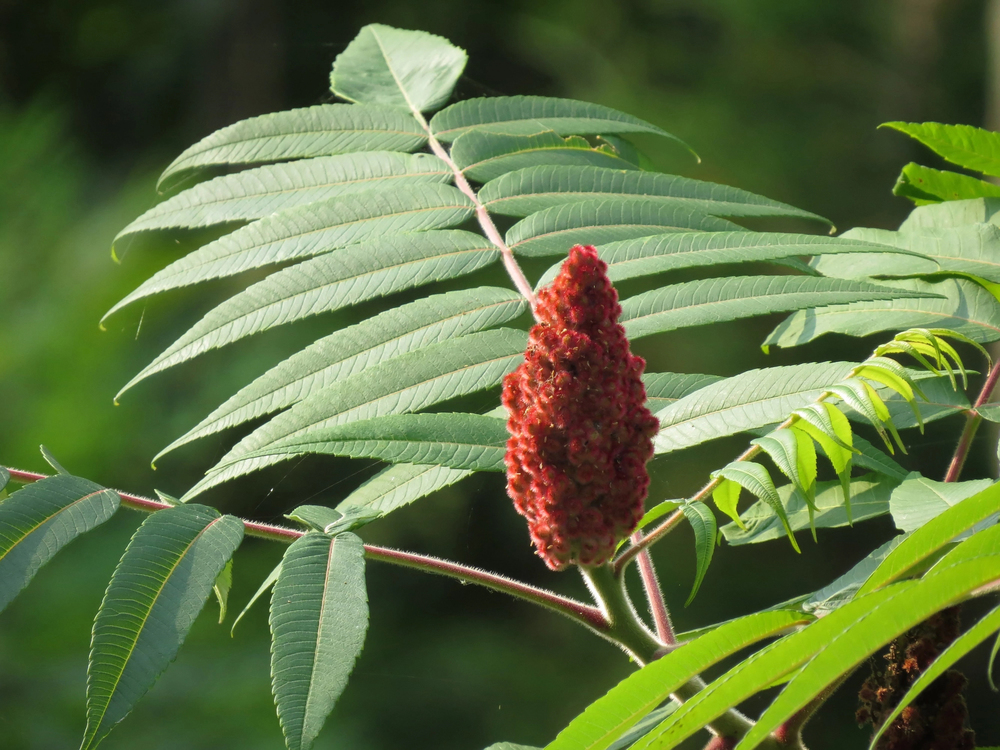
Middle Eastern sumac delivers ruby-red flavor reminiscent of lemon zest mixed with cranberries. Unlike the poisonous North American plant, this version is cherished in Lebanon and Turkey. Quality shows instantly: bright red color, berries that crush easily, and none of the brown, damp look that signals poor stock.
Mahlab
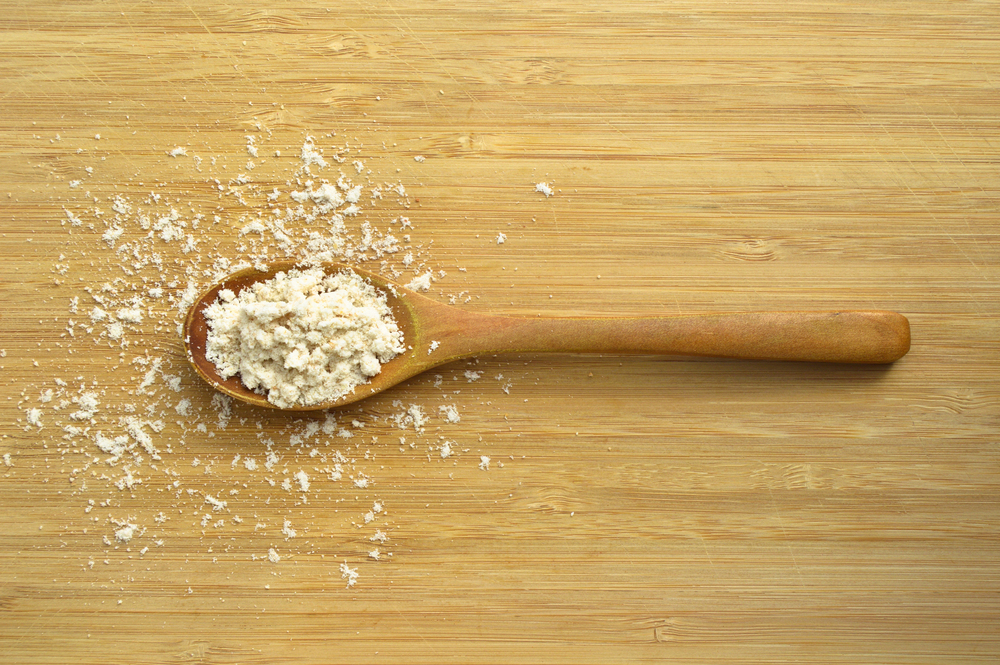
From inside sour cherry pits comes mahlab, a spice with flavors of almond and rose intertwined. Traditional bakers use it in Easter breads and holiday treats. Each kernel must be cracked gently by hand—machines are too brutal and destroy the delicate oils. From every cherry pit, maybe half a gram of spice survives.
Pink Peppercorns
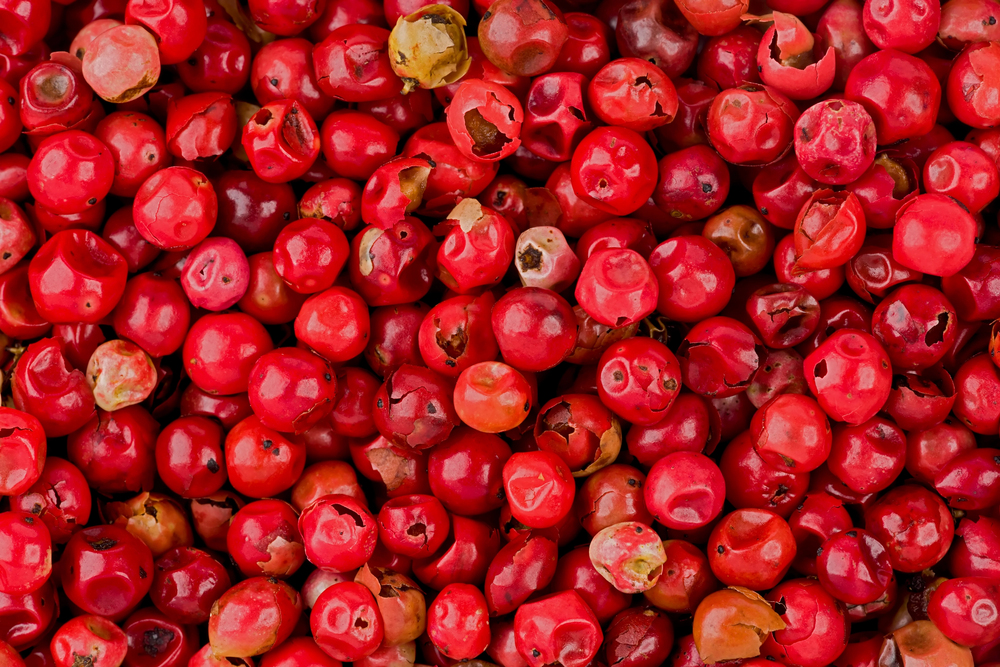
Technically not pepper at all, these dried berries from South American trees explode with sweet heat and a resin-like note. Love it or loathe it, there’s rarely indifference. French chefs in the 1980s adored them so much they caused a shortage. Today, harvests in Brazil and Peru still drive wild price swings.
Asafoetida
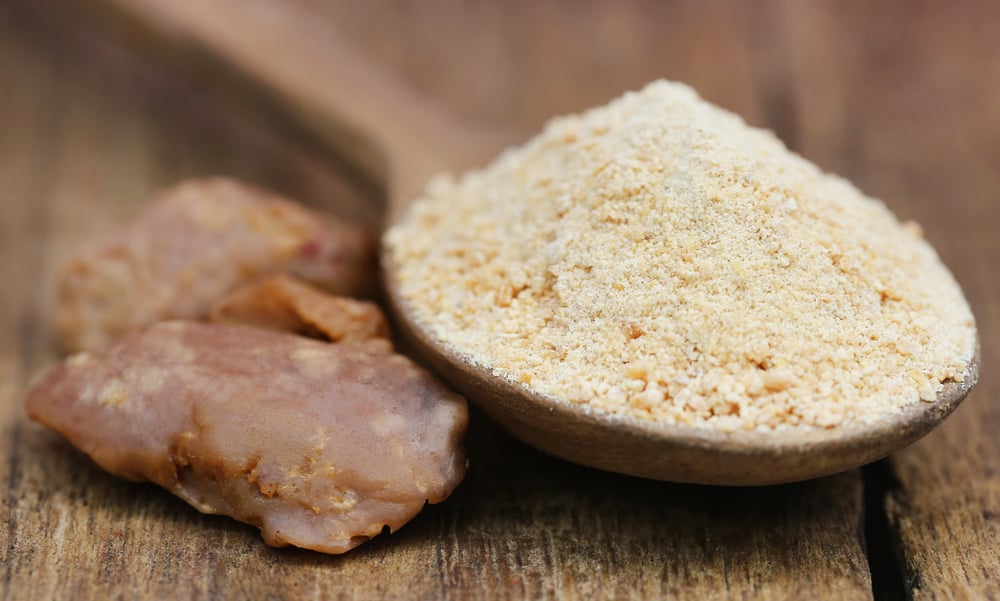
The aroma startles—sulfur and old cheese. Yet once fried briefly in hot oil, asafoetida releases deep umami notes that transform vegetarian dishes. The best comes as translucent resin chunks, later ground fresh. Supermarket powders? Mostly filler. The real experience is at least ten times stronger.
Nigella Seeds
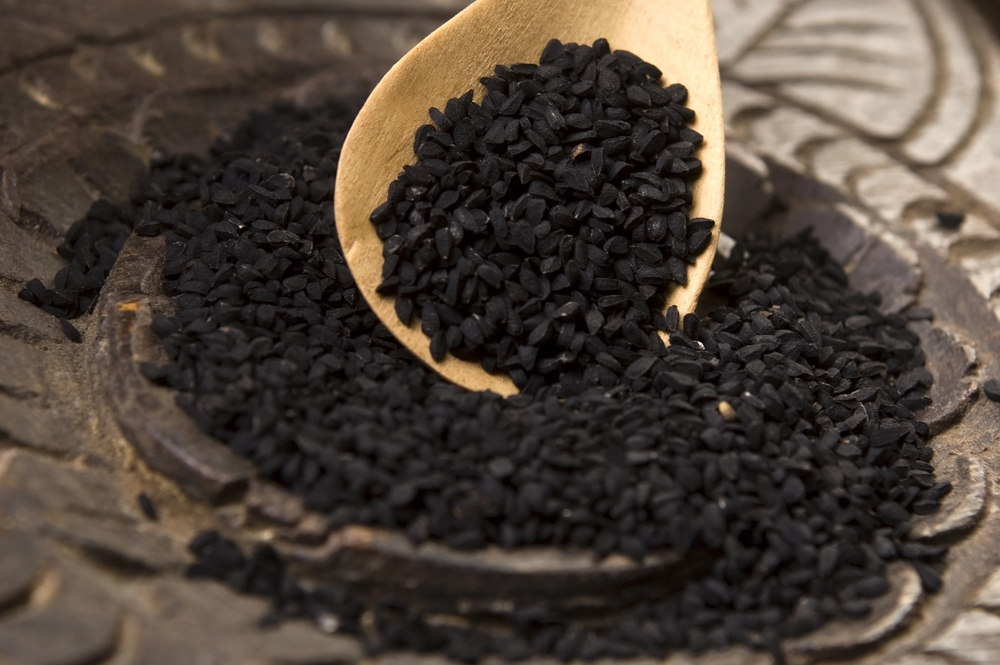
Tiny, jet-black seeds with flavor notes of oregano, onion, and pepper combined. Turkish bakers scatter them on bread, while Indian cooks blend them into spice mixes. But harvesting is tricky—wait too long and pods burst, spilling seeds to the wind. Harvest too early and their bite hasn’t developed. Timing is everything.
Mastic
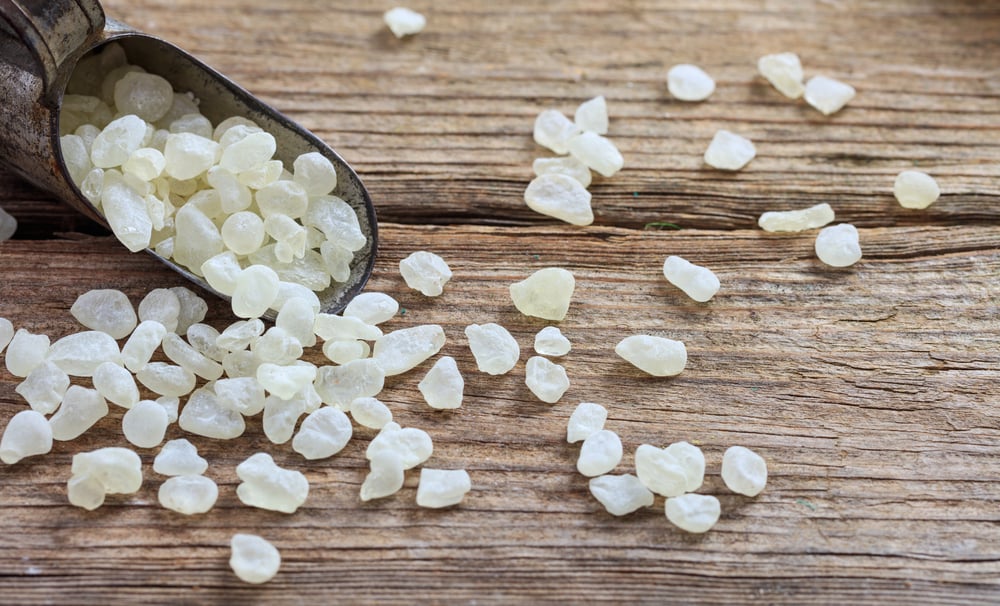
Only on the Greek island of Chios do mastic trees weep resin tears that harden into pine-scented crystals. Medieval Arab traders dubbed them “tears of Chios” and paid heavily for the luxury. Even now, the purest mastic costs more than silver per ounce.
Green Cardamom from Kerala
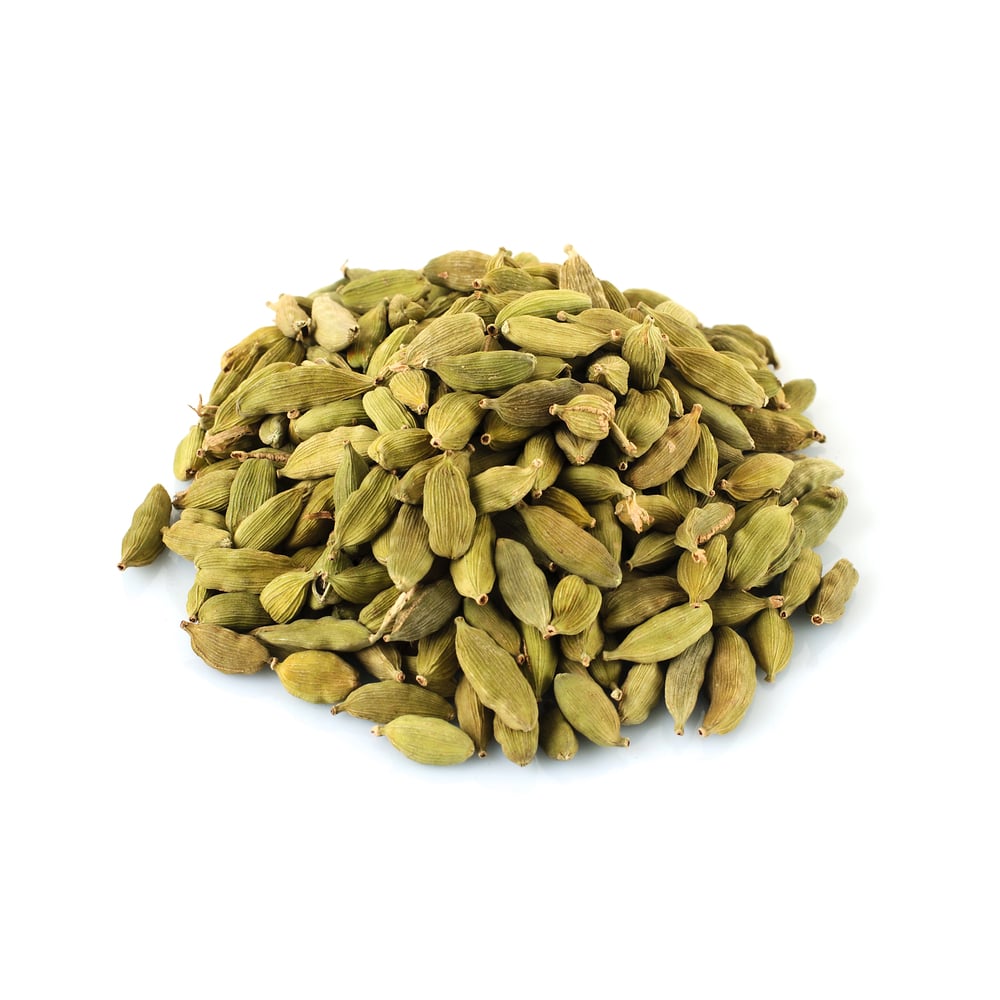
Yes, Guatemala grows cardamom, but Kerala’s mountain pods remain the gold standard. Their floral eucalyptus aroma lingers for minutes. Weather rules everything—too much monsoon rain and the oils wash away, too little and the pods never reach full flavor. Farmers bet against the skies every season.
Wild Fennel Pollen
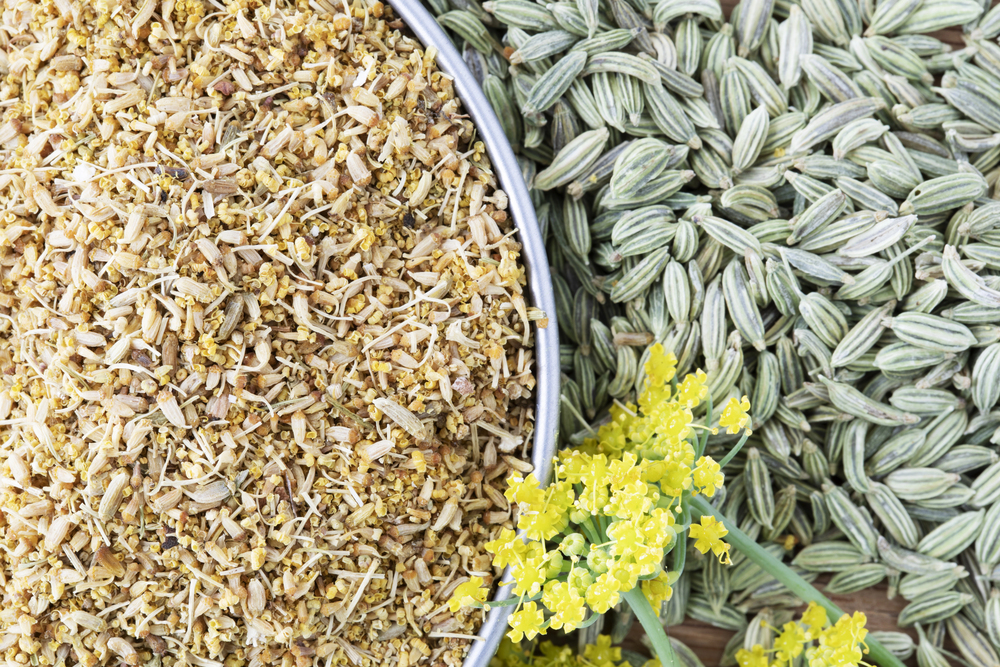
Harvested at dawn when pollen peaks, this golden dust is produced in Tuscan fields. It tastes sharp, concentrated, almost unreal, like fennel turned into nectar. However, spice hunters need thousands of flowers just to fill a jar because each flower only offers a pinch. The morning mist is infused with the aroma of licorice.
Sichuan Peppercorns
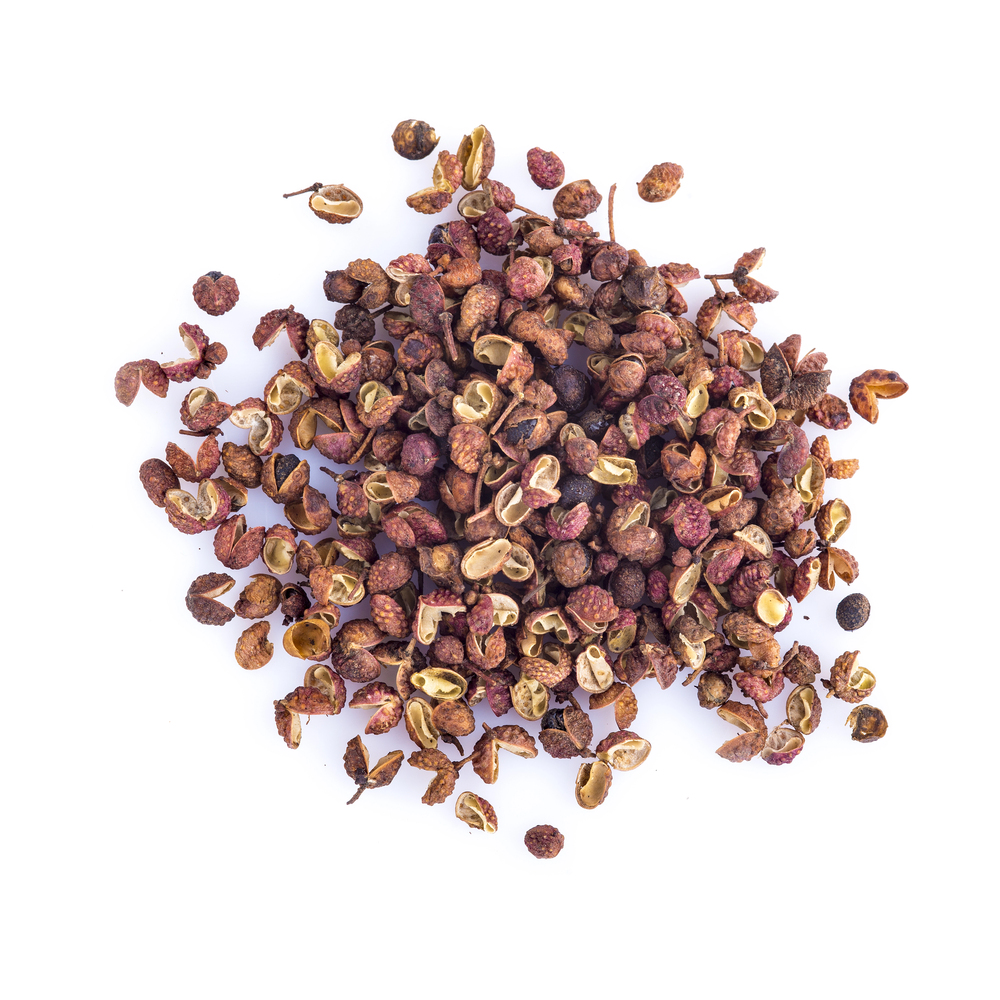
These berries, which produce the renowned “ma la” sensation—tingling numbness followed by lemony heat—are not peppers at all. The finest varieties, which are grown in particular Sichuan valleys, have a humming sensation in your mouth. With each bite, the warmth gradually increases as the vibrating stops.
The Hunt Never Ends
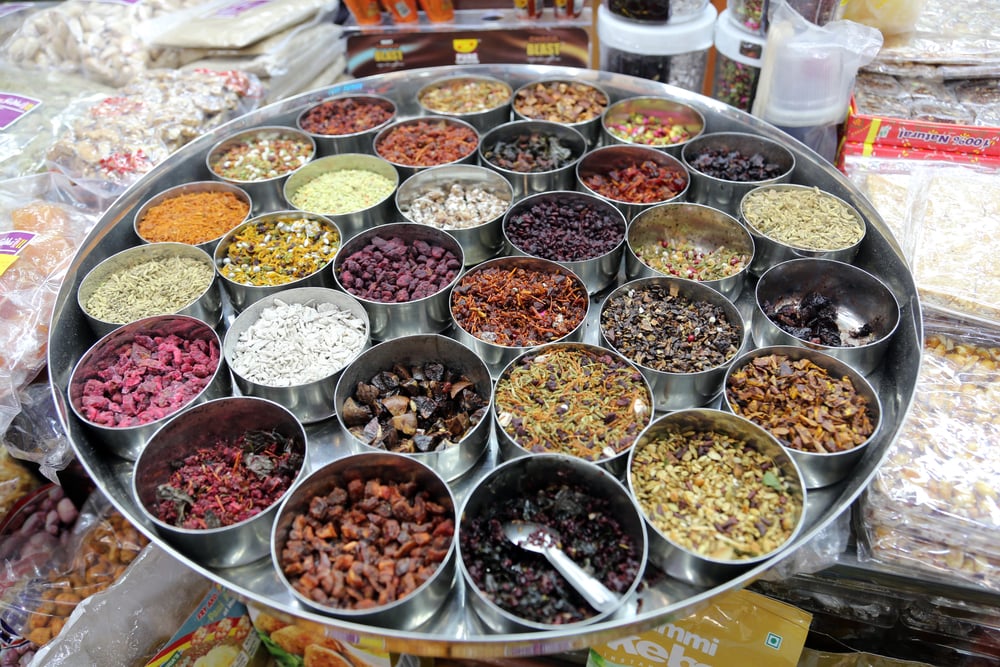
For serious spice collectors, the chase matters as much as the prize. Tracking wild peppers in Madagascar or negotiating with farmers across language barriers turns each jar into a story. The rarity isn’t just in the spice—it’s in the journey required to hold it in your hand.
More from Go2Tutors!

- The Romanov Crown Jewels and Their Tragic Fate
- 13 Historical Mysteries That Science Still Can’t Solve
- Famous Hoaxes That Fooled the World for Years
- 15 Child Stars with Tragic Adult Lives
- 16 Famous Jewelry Pieces in History
Like Go2Tutors’s content? Follow us on MSN.



