16 Features Facebook Removed That We Miss
Remember when Facebook felt like a digital hangout spot instead of an endless scroll of ads and algorithm confusion? The platform has gone through more changes than a teenager’s mood swings, and not all of them landed well.
Some features disappeared overnight, leaving users wondering what happened to the good old days. Let’s take a trip down memory lane and revisit the Facebook features that vanished but haven’t been forgotten.
Poke Wars
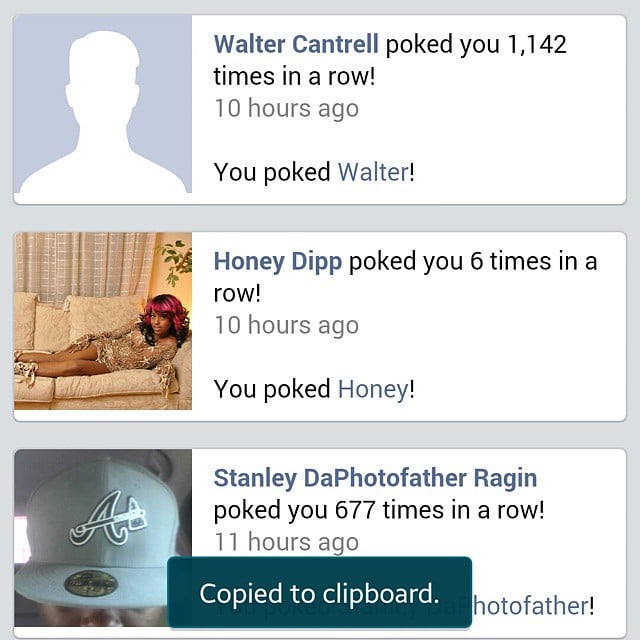
The poke button was Facebook’s most wonderfully pointless feature, and that’s exactly why people loved it. You could poke someone as a greeting, a flirt, or just to be annoying.
It sparked entire wars where friends would poke each other back and forth for days. The feature still technically exists somewhere in the depths of Facebook’s menu system, but it’s been buried so deep that most people have forgotten it’s there.
Seeing Posts In Order
Facebook used to show posts exactly as they happened, from newest to oldest. Your feed was a true timeline of what your friends shared throughout the day.
Then the algorithm took over, deciding what you should see based on mysterious calculations. Now you might see a post from three days ago right above something from ten minutes ago, and there’s no way to permanently switch back to the chronological view that made sense.
The Simple Status Question
Early Facebook asked a simple question at the top of your profile: ‘What’s on your mind?’ The status box was clean and straightforward, inviting you to share a quick thought.
Over time, Facebook cluttered this space with buttons for photos, feelings, locations, and a dozen other options. What used to take one click now requires navigating through multiple menus and choices.
Finding Friends Nearby

Facebook once had a feature that showed you which friends were physically near your location. It was perfect for spontaneous meetups when you realized a buddy was just around the corner.
Privacy concerns led to its removal, which made sense from a safety standpoint. Still, it was handy for those moments when you wanted to grab coffee with someone who happened to be in the same area.
Fan Pages Before Business Pages
Before Pages became corporate marketing machines, they were called Fan pages and felt more personal. Small businesses and local bands could connect with supporters without needing professional marketing strategies.
The shift to Business Pages brought analytics and advertising tools, but it also made everything feel more commercial. The organic, grassroots vibe of early Fan pages got lost in the transition.
Photo Albums That Mattered

Facebook used to be the go-to place for sharing photo albums from trips, parties, and life events. People would spend time organizing pictures into themed albums with descriptions.
Instagram and Stories have mostly replaced this feature, pushing photos into temporary posts that disappear or get buried. The dedicated photo album section exists but feels like a forgotten corner of the platform now.
The Wall
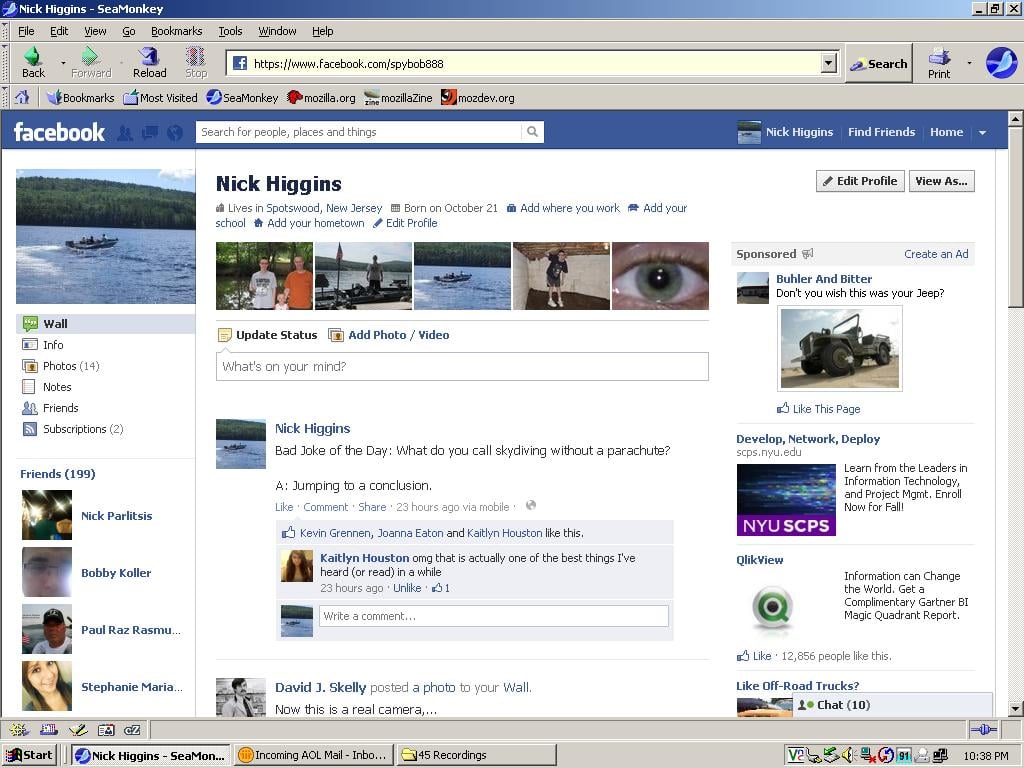
Before Timeline reorganized everything, your profile had a Wall where friends could post messages directly. It was like a public bulletin board where people left birthday wishes, inside jokes, and random comments.
The Wall made profiles feel more interactive and community-driven. Timeline replaced it with a cleaner look but removed that sense of friends casually dropping by to leave their mark.
Relationship Status Drama

Facebook used to send notifications when someone changed their relationship status, which created instant social updates. Going from ‘In a Relationship’ to ‘Single’ would alert all your friends, sometimes before you’d told anyone personally.
The feature caused enough real-world drama that Facebook eventually toned down these notifications. People still update their relationship status, but it doesn’t broadcast like it used to.
Notes That People Actually Read
Facebook Notes was a built-in blogging platform where people wrote longer posts about their thoughts and experiences. It had formatting options and felt more permanent than regular status updates.
People shared recipes, travel stories, and personal essays that friends would actually read and comment on. The feature was removed in 2020, pushing users toward regular posts or external blogging platforms.
Games That Didn’t Spam Everyone
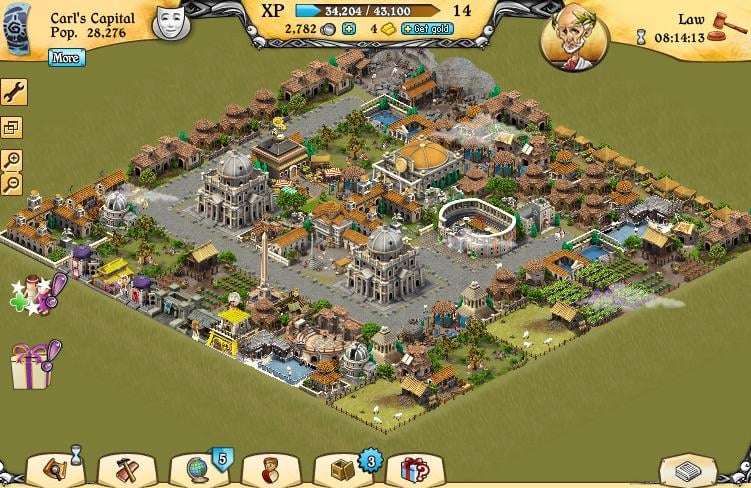
Facebook games like FarmVille and Mafia Wars were huge, but they came with a major problem. The games constantly sent notification requests to all your friends, cluttering everyone’s feed.
Facebook eventually cracked down on game spam, but in doing so, they also killed the social gaming scene on the platform. Those games were annoying, yet they also brought people together in unexpected ways.
Honest Feedback From Friends
In the early days, Facebook felt like a place where friends shared genuine opinions and had real discussions. Comments sections weren’t filled with strangers arguing about politics or bots dropping spam links.
The intimacy of smaller networks meant people actually knew the folks they were talking to. As Facebook grew to billions of users, that authentic friend-to-friend interaction became harder to find.
Events You Could Actually Track
Facebook Events used to be the primary way people organized and tracked gatherings. You could see upcoming events, RSVP easily, and get reminders without digging through menus.
The feature still exists but has been downgraded and moved around so many times that many users have given up on it. Party planning has largely moved to group chats and other apps.
Gifts You Could Send
Facebook once let you send virtual gifts to friends, which were little icons that appeared on their profile. Later, they introduced a feature for sending real gifts like flowers or gift cards.
Both features disappeared as Facebook shifted focus away from these direct friend-to-friend transactions. It was a small touch that made birthdays and special occasions feel more connected.
Limited Ads That Didn’t Take Over
Early Facebook had minimal advertising, maybe a small banner on the side of your screen. You could scroll through your feed and actually see content from friends and pages you followed.
Now ads appear every few posts, sometimes disguised to look like regular content. The balance has shifted so heavily toward advertising that the original social experience feels secondary.
Marketplace Without The Chaos

When Facebook Marketplace first launched, it was a cleaner alternative to Craigslist for local buying and selling. The integration with profiles added a layer of trust since you could see mutual friends.
Over time, the Marketplace became overrun with scams, duplicate listings, and commercial sellers treating it like their personal storefront. The original community-focused trading post vibe has been diluted.
Privacy Settings That Made Sense

Facebook’s privacy controls used to be relatively straightforward. You could choose who saw your posts and information without needing a law degree to understand the options.
Each update brought more complicated settings spread across different menus. Finding the right privacy toggle now requires patience and sometimes an internet search to figure out where Facebook moved it this time.
When Everything Felt Less Complicated
Facebook began as a straightforward tool for staying in touch with college classmates and eventually evolved into quite a different thing. The social network was at its best when it was basically a tool for connecting real friends.
But all the additional features, algorithm changes, and the shift in business priorities have made it a product that is hardly recognisable in terms of what people originally liked. That is probably the way things always turn out when a small startup gets transformed into a tech giant, but this shouldn’t stop us from missing the simpler version that was the reason for our first experience with it.
More from Go2Tutors!

- The Romanov Crown Jewels and Their Tragic Fate
- 13 Historical Mysteries That Science Still Can’t Solve
- Famous Hoaxes That Fooled the World for Years
- 15 Child Stars with Tragic Adult Lives
- 16 Famous Jewelry Pieces in History
Like Go2Tutors’s content? Follow us on MSN.