Fascinating History of Advent Calendars Few People Know
Most people think advent calendars are an ancient Christmas tradition that goes back centuries. The reality tells a completely different story.
These countdown devices only became popular in the last hundred years or so, and their journey from religious teaching tool to commercial product involved surprising twists, world wars, and one determined German publisher who changed everything.
Chalk Marks on Doors Started It All

The earliest advent countdown methods had nothing to do with paper or chocolate. German Protestant families in the 1800s marked doors or walls with chalk, adding one line each day from December 1st until Christmas.
When Christmas Eve arrived, the wall showed 24 marks—a simple visual reminder of the waiting period. Some families lit candles instead, burning one each day through the advent season.
Others hung religious pictures on the wall, adding a new image daily. These homemade traditions varied from household to household, with no standard format or commercial product involved.
A Mother’s Craft Project Changed Everything
Gerhard Lang grew up in the late 1800s watching his mother create a special countdown for him each December. She sewed 24 small treats onto cardboard, one for each day leading to Christmas.
Lang never forgot that childhood experience, and decades later, he turned his mother’s idea into a business. In 1908, Lang partnered with a Munich printing house to produce the first known printed advent calendar.
His design featured 24 small pictures that children could cut out and paste onto a larger board. No doors, no chocolates—just pictures and glue.
But it worked. Parents bought them, and Lang had created something that hadn’t existed commercially before.
Religious Resistance Nearly Killed the Concept

Not everyone welcomed Lang’s calendars. Some Protestant leaders saw them as too Catholic, while Catholic authorities thought they seemed too Protestant. The debate over whether counting down to Christmas was appropriate, and which Christian tradition owned the practice, created unexpected controversy.
Lang pushed forward anyway, improving his designs and adding small doors that opened to reveal pictures underneath. This innovation happened around 1920, transforming his product from a cut-and-paste activity into something more interactive and magical for children.
World War II Halted Production Completely
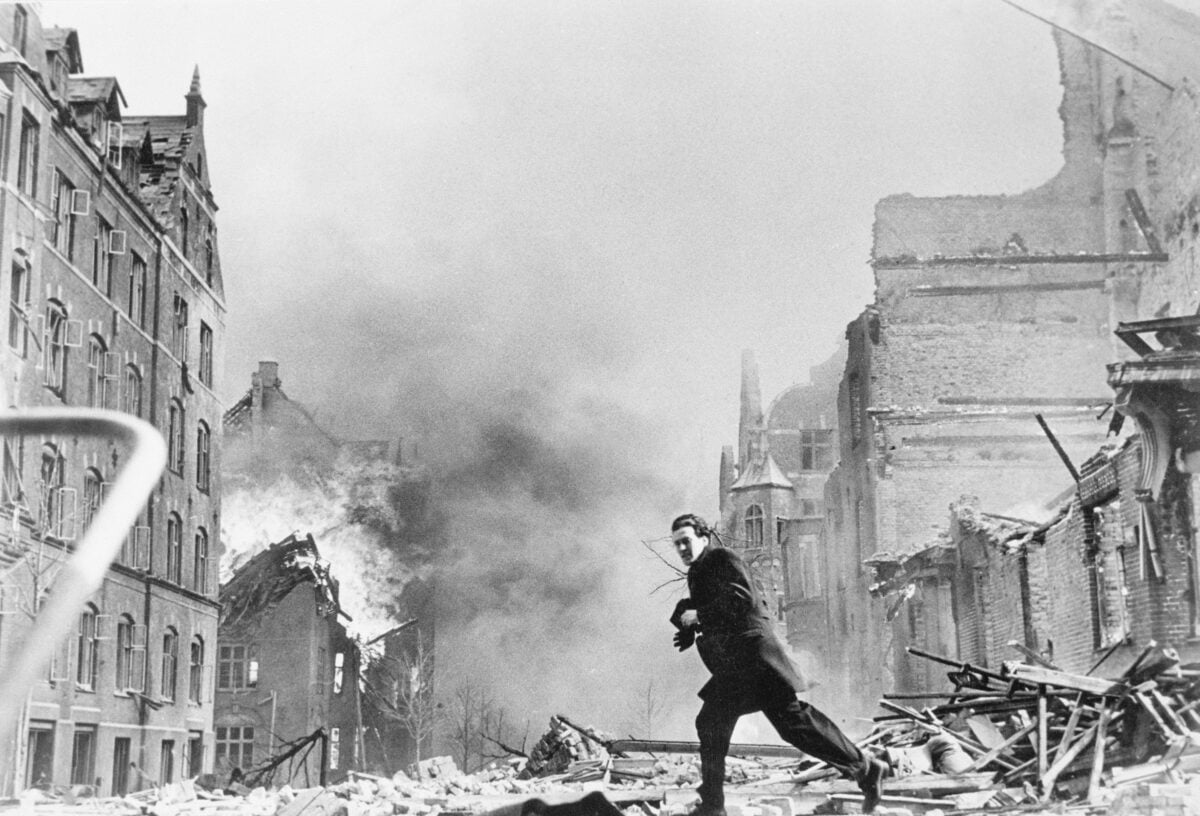
When World War II began, paper and printing resources got redirected to military purposes. Advent calendar production stopped entirely.
Lang’s business never recovered, and he died in 1946 without seeing his creation reach its eventual popularity. The war years created a generation of children who grew up without advent calendars.
When peace returned, the tradition had to be rebuilt almost from scratch. What emerged afterward looked different from Lang’s original vision, shaped by new manufacturing capabilities and changing cultural attitudes.
An American Occupied Germany Revived the Tradition
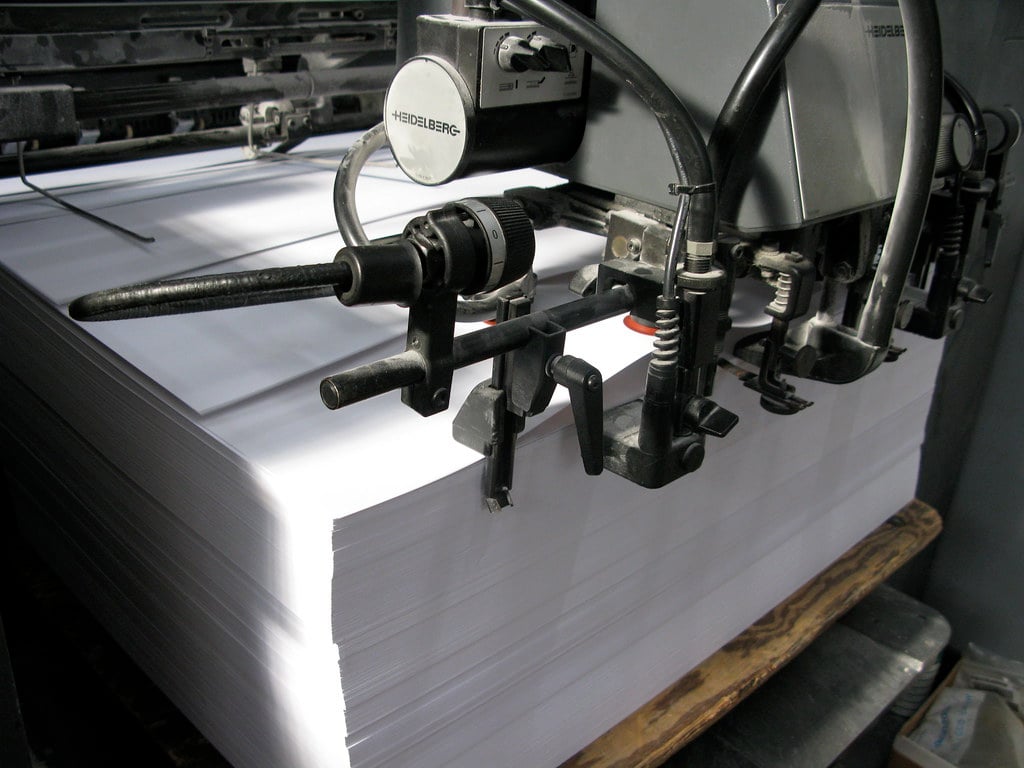
Richard Sellmer, a German publisher, started producing advent calendars again in 1946, just as the war ended. He worked from a small town called Stuttgart, printing calendars in his modest workshop.
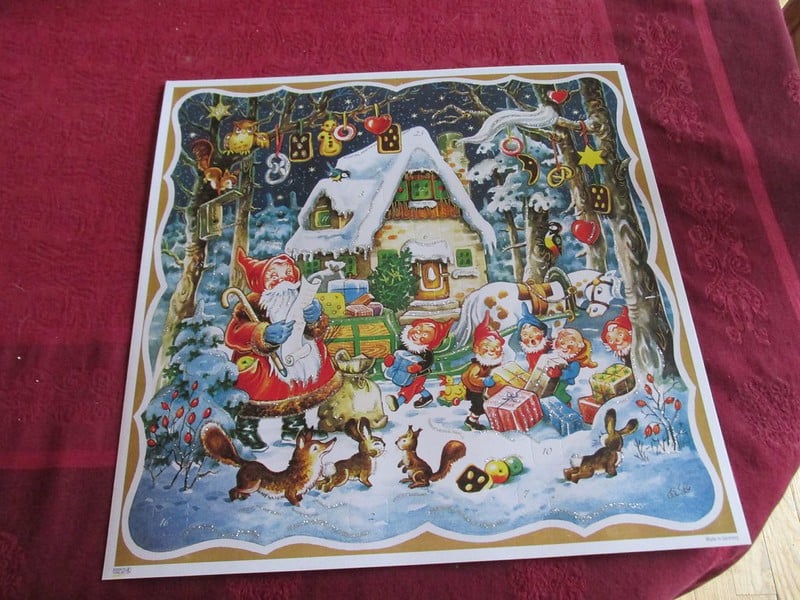
His early designs featured traditional Christmas scenes—angels, nativity images, winter landscapes. Sellmer’s breakthrough came when he started exporting to America.
The U.S. market embraced these German imports enthusiastically, viewing them as charming European traditions worth adopting. By the 1950s, Sellmer was shipping hundreds of thousands of calendars across the Atlantic annually.
President Eisenhower Created a Marketing Phenomenon
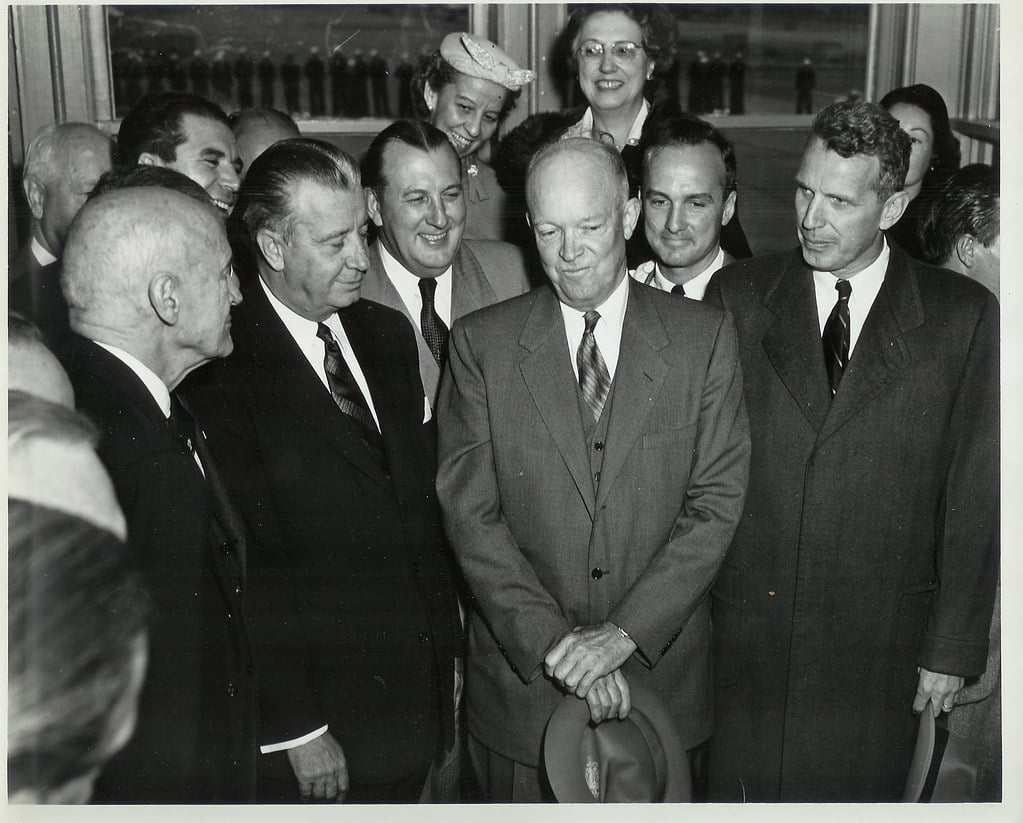
In 1953, President Dwight Eisenhower posed for a photograph with his grandchildren opening an advent calendar. The image appeared in newspapers across America, showing the leader of the free world participating in this German tradition with obvious joy.
That single photograph changed everything. Sales exploded. Advent calendars went from niche import items to mainstream American Christmas decorations almost overnight.
Eisenhower probably had no idea he was providing free advertising for Sellmer’s business, but that’s exactly what happened.
Chocolate Windows Appeared Surprisingly Late

Despite what you might assume, chocolate advent calendars didn’t appear until the 1950s, and they didn’t become common until decades later. The technical challenges of packaging chocolate behind paper doors without melting or breaking took time to solve.
Cadbury introduced a chocolate advent calendar in the UK in 1958, but it didn’t catch on immediately. The product disappeared and returned several times before finally establishing itself as the standard format most people recognize today.
Now you can barely find an advent calendar without chocolate, but for the first 50 years of their existence, they contained only pictures.
East Germany Developed Its Own Version
Behind the Iron Curtain, East Germany couldn’t import Sellmer’s calendars or other Western products. So they created their own versions that reflected socialist values instead of religious ones.
These calendars sometimes featured tractors, industrial scenes, or idealized workers rather than angels and nativity scenes. Collectors prize these East German calendars now because they document a specific historical moment when even something as simple as a countdown calendar got caught up in Cold War ideology.
The designs look jarring to modern eyes, but they represent genuine attempts to adapt a tradition to fit a different political reality.
The Twenty-Four Days Convention Wasn’t Universal
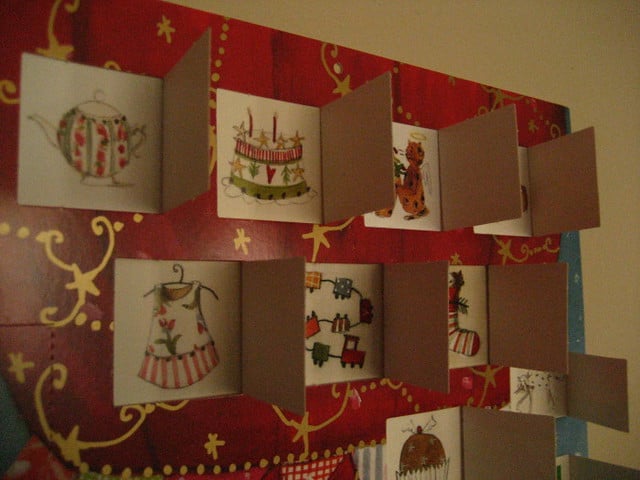
Lang’s original calendars ran from December 1st through Christmas Eve, establishing the 24-day format most people know. But some Christian traditions observe advent as beginning four Sundays before Christmas, which creates a different timeline.
This discrepancy meant some families started their calendars in late November while others began December 1st. The commercial advent calendar industry eventually settled on the 24-day format because it was simpler to manufacture and market.
Religious accuracy lost to convenience and standardization, though some specialty calendars still follow the traditional liturgical calendar.
Adult Advent Calendars Launched a Thousand Imitators

When luxury brands started producing advent calendars filled with perfume samples, makeup, wine, or cheese instead of chocolate, they tapped into a market nobody knew existed. Adults who dismissed children’s chocolate calendars as juvenile suddenly became enthusiastic participants when the treats behind the doors matched their interests.
This shift happened mostly in the 2010s, transforming advent calendars from children’s products into lifestyle accessories. Now you can find calendars containing everything from craft beer to luxury skincare to gourmet tea.
The countdown concept proved flexible enough to accommodate almost any product category.
Reusable Calendars Rejected the Disposable Model
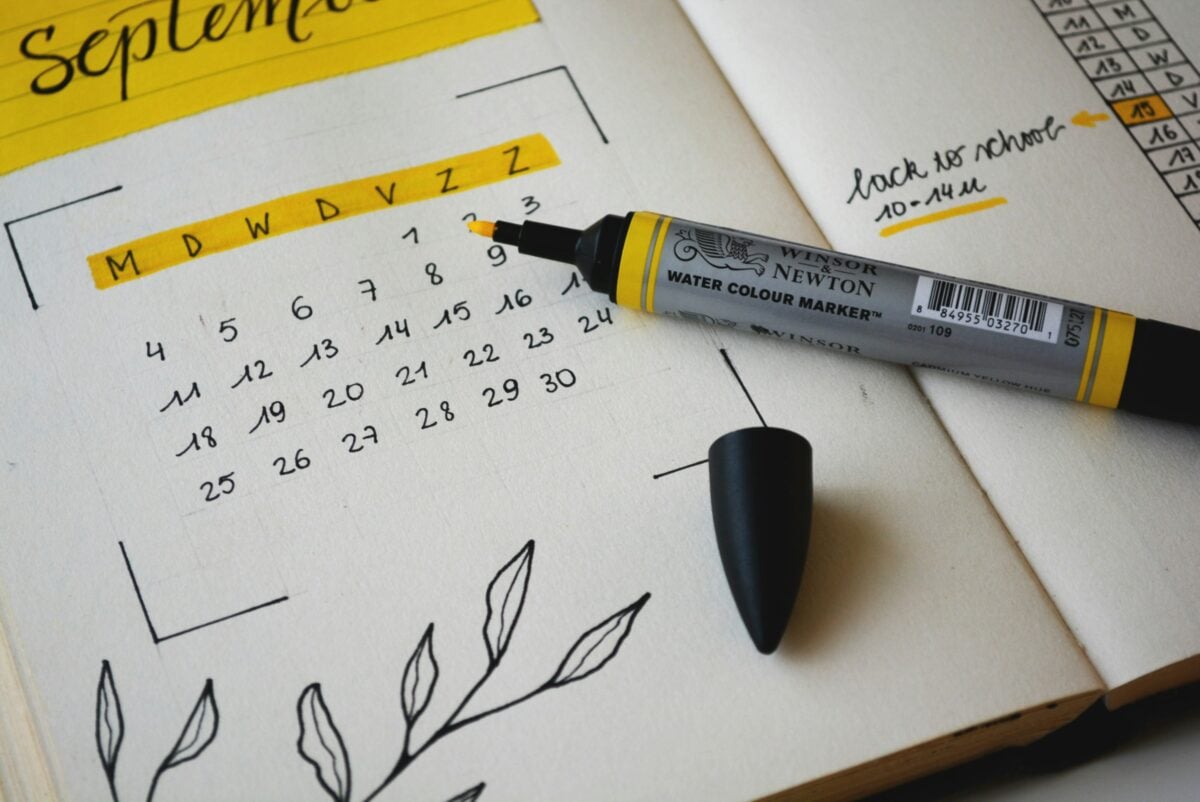
Some manufacturers noticed that throwing away calendars each January seemed wasteful, so they developed reusable versions with small drawers or pockets you could refill every year. These wooden or fabric calendars cost more upfront but theoretically last forever.
The reusable market never grew as large as the disposable one, though. Most families preferred the novelty of a new calendar design each year, and the lower price point of single-use versions made them accessible to more buyers.
The environmental argument for reusable calendars makes sense, but consumer behavior hasn’t followed that logic.
Digital Calendars Confused the Core Appeal

When smartphones became ubiquitous, several companies tried creating digital advent calendars—apps that revealed daily content, games, or videos. These never gained the same cultural traction as physical calendars.
Something about the physical act of opening a door or window matters to the advent calendar experience. The tactile element and the visible progression across the calendar’s surface can’t be replicated on a screen.
Digital versions felt like a solution to a problem that didn’t exist, missing the fundamental appeal of the original format.
The Four-Week Mistake That Became Standard

Most modern advent calendars run December 1-24, but advent as a religious season actually begins four Sundays before Christmas, which varies year to year. This disconnect between the commercial product and the religious observance it supposedly represents bothers liturgical purists.
The standardized December 1st start date won because it made manufacturing and retail distribution easier. Imagine trying to produce calendars with different start dates depending on when the fourth Sunday before Christmas falls in any given year.
The logistics would be nightmarish. So the commercial version simplified, and the religious connection weakened.
From Chalk to Commerce

What began as chalk marks on a door evolved into a multi-million dollar global industry. Gerhard Lang’s mother probably never imagined her simple craft project would inspire mass-produced products sold in every corner of the world.
Yet that’s exactly what happened. Advent calendars endure because they tap into something fundamental about anticipation and ritual.
The daily routine of opening one door, seeing what’s inside, and waiting until tomorrow for the next one creates structure during a chaotic season. They make time visible and turn abstract waiting into a concrete process you can track with your eyes and hands.
That’s worth more than chocolate or toys—it’s a way of marking time that children and adults both understand intuitively, without needing explanation or instruction.
More from Go2Tutors!

- The Romanov Crown Jewels and Their Tragic Fate
- 13 Historical Mysteries That Science Still Can’t Solve
- Famous Hoaxes That Fooled the World for Years
- 15 Child Stars with Tragic Adult Lives
- 16 Famous Jewelry Pieces in History
Like Go2Tutors’s content? Follow us on MSN.



