Scariest Types of Dinosaurs Ever
Most folks imagine dinosaurs as giant lizards sporting blade-like chompers and talons able to tear apart skeletons.
Yet certain old-time beasts were scarier than what flicks show.
Not only massive – they hunted smart, decked out with nature’s upgrades turning them into bosses of primeval eras.
Every one brought its own kind of dread: a couple dominated terrain using jaw power strong enough to crush rock, several sneaked around in groups waiting for prey, while a handful mixed bulk with quickness so it felt downright brutal for whatever got near.
Researchers dug up plenty of ancient bones, letting us rebuild terrifying creatures once dominant during the age of reptiles.
Take a peek at these prehistoric beasts who lived up to their deadly fame – and discover what makes them impressive even today, long after vanishing from Earth.
Tyrannosaurus rex

No lineup of scary prehistoric creatures kicks off right unless you bring up Tyrannosaurus rex.
This beast had every trait wired for total control.
Over 12 feet high at the hip, almost 40 from nose to tail tip – it moved like raw devastation on legs.
The head? Five-foot-long, jammed with chompers that splintered bones as if they were brittle sticks.
Science guesses its jaw clamped down with close to 12,000 pounds of punch – heavier than any other land-dweller ever recorded.
What really freaks you out is just how clever and fast this thing probably was.
Brain scans hint at a strong nose, clear vision, plus moves smooth enough to follow fleeing animals.
Powerful legs let it explode into motion, while the heavy tail helped swing around tight corners.
It didn’t matter if it waited in silence or stole meals – anything close to a T. rex stood no chance.
Just imagining that low growl rumbling through a sticky Mesozoic field could lock any beast in place.
Spinosaurus
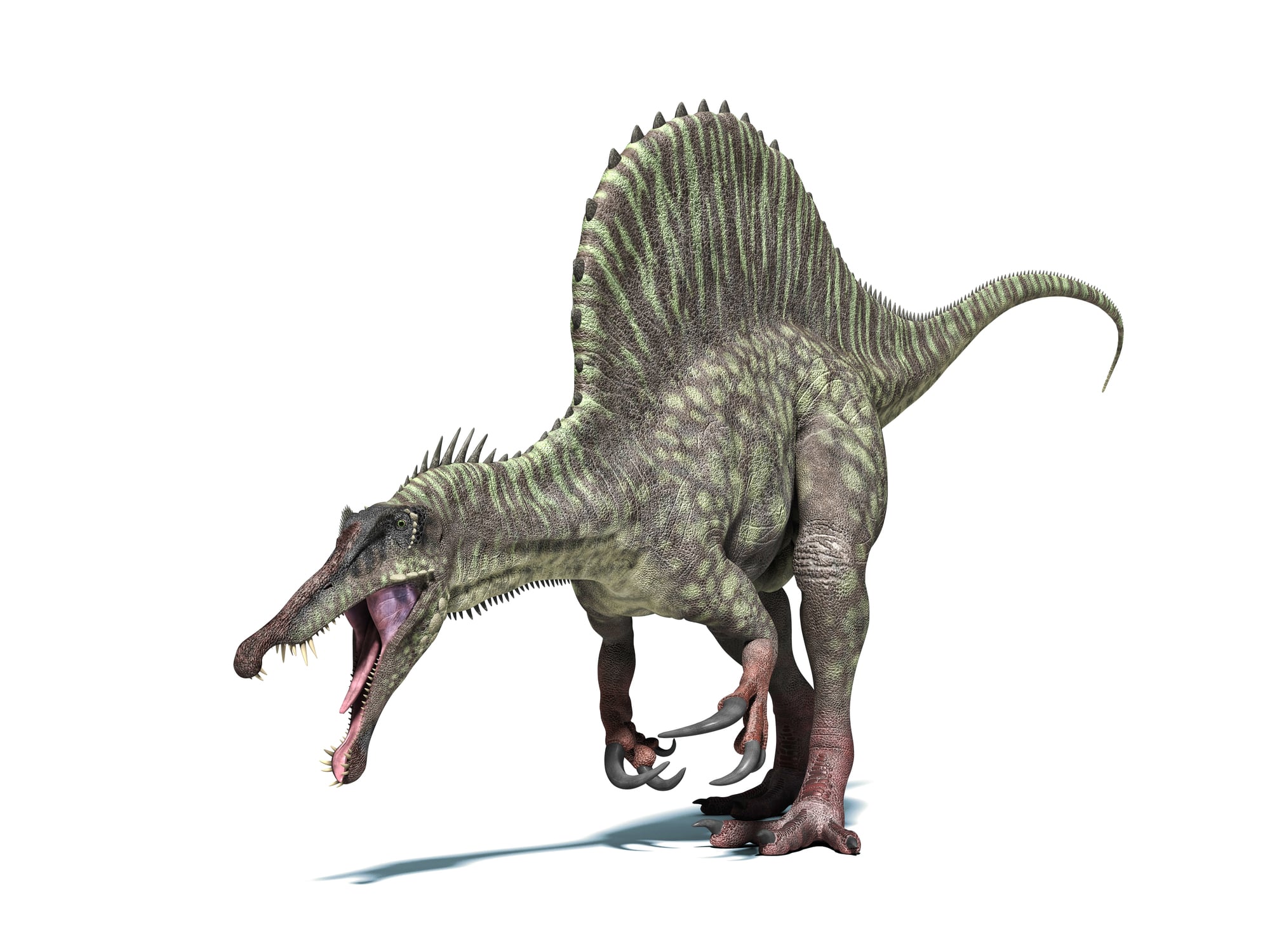
If T. rex reigned supreme on land, Spinosaurus dominated where water meets shore – stretching almost 50 feet, longer than most meat-eating dinosaurs found so far.
With a snout similar to a croc’s and cone-shaped teeth, it could snatch fish that slipped free from others’ grasp.
The slim jaws allowed quick, exact bites, whereas huge limbs tipped with hooked claws ripped apart whatever got too close.
What gave Spinosaurus such a creepy vibe was its strange fin-like ridge – a line of long spikes jutting out its spine, some taller than a person.
No one’s totally sure what that structure did; maybe showing off, controlling body heat, or helping balance while swimming.
Still, just seeing its shadow move would’ve scared most creatures close by.
Picture something half crocodile, half dragon, slipping without sound across muddy wetlands, then exploding upward fast enough to shock.
This dino transformed streams into traps where regular beasts dared not go.
Utahraptor

Back when dinosaurs ruled, Utahraptor was already out here proving who’s actually dangerous – way before any movie got involved.
Clocking in around 20 feet and built like a small car, it totally overshadowed those later raptor knockoffs you’ve seen on screen.
Each foot carried a curved blade-like talon, about nine inches of pure cut, perfect for tearing through flesh fast.
Then again, the sharp bits weren’t even the worst thing; evidence hints these beasts ran in groups, teaming up to ambush creatures bigger than them.
It moved quickly on powerful limbs, had clutching fingers, while its rigid tail helped steer through sharp turns.
Probably coated in feathers, it packed a smart mind plus raw strength far beyond any person’s frame.
Bones found in Utah suggest they might’ve hunted in groups, which ups how scary they really were.
Just one could overpower someone – picture what half a dozen teaming up would do.
Giganotosaurus

South America’s Giganotosaurus matched T. rex when it came to bulk and threat level; this giant carnivore measured over 40 feet from nose to tail, tipping scales at around 14 tons.
While T. rex powered through prey using raw bite force, the South American beast went another route – blazing fast attacks combined with deep slashes.
Instead of smashing bone, its jagged teeth worked like knives, slicing into muscle and hide, making it deadly enough to bring down colossal plant-eaters such as Argentinosaurus.
Paleontologists think Giganotosaurus moved quicker than T. rex, thanks to powerful, lengthy limbs built for chasing meals across wide spaces.
Size combined with speed turned it into a terrifying force on the move.
Imagine a massive beast charging over flat land, jaws wide, jagged teeth flashing in the light.
Sure, it doesn’t get as much attention as its cousin from North America, yet this dinosaur was just as deadly – proof the Late Dinosaur Era hosted multiple top predators.
Carnotaurus

With a stubby muzzle, thick frame, and tiny yet sharp brow horns, Carnotaurus resembled a beast from a dark doodle pad.
Unlike bulkier relatives across South America, this hunter was more agile, built for speed.
Long, bouncy legs point to sudden sprints after prey, whereas its jaw shape suggests fast, slicing snaps instead of heavy crunches.
It stood out because of its horn pairs, making it look oddly fierce.
A few scientists believe these helped in shoving enemies or showing power.
With close-set eyes pointing ahead, this creature probably saw distances well when chasing meals.
Picture a cross between a speedy cat and an angry ox – only armored in skin plates and packed with sharp chompers.
That’s Carnotaurus, never one to back down.
Therizinosaurus

Some scary dinosaurs didn’t eat meat at all.
Take Therizinosaurus – huge body, giant claws, yet it munched on plants.
Standing more than 30 feet high, this beast had limbs longer than an average person’s height.
Each hand carried three sickle-shaped talons, almost a yard long – the biggest ever seen on land or sea.
Probably pulled branches down with them, though they’d slash through threats without effort.
It looked like something out of a dream – no sense at all.
With a round belly, stretched-out neck, beak like a bird’s, yet huge claws that just didn’t fit together somehow.
Experts think it had feathers too, which only made it weirder to imagine.
Imagine this giant, feathery beast walking slowly through ancient trees, toes gripping with every step.
Predatory or not, whatever crossed its way probably kept clear of those sharp hooks.
Allosaurus

Back when T. rex hadn’t even shown up yet, Allosaurus ruled the Jurassic food chain.
Around 30 feet from nose to tail – bulky, heavy – it chased down massive plant-eaters like Stegosaurus along with Diplodocus.
Sure, its bite wasn’t as strong compared to newer meat-eating dinosaurs; however, its head plus neck worked together for a brutal method: slash-and-tear attacks over and over, kind of similar to an ancient shark.
Allosaurus had short arms ending in three pointed claws, useful for holding onto victims when striking.
A few clues hint that several of these dinosaurs could’ve teamed up, bringing down big targets through group effort.
Its eyes faced somewhat forward, offering limited 3D sight to better judge distance before lunging.
Back then, this predator owned the terrain by being both fierce and effective – earning its spot among the earliest top meat-eaters ever.
Deinonychus

Smaller than Utahraptor yet just as fearsome, Deinonychus relied on quickness, smarts, or sharp tactics when chasing prey.
Around 11 feet from nose to tail tip, weighing close to 160 pounds – similar to a big canine – it still packed the signature sickle-shaped claw common among its kin.
Bones found suggest it used strong hind limbs to leap, a nimble tail to stay steady, along with front limbs designed to grab tightly.
It became famous because of how well it worked together.
Fossils show it might have chased big animals by teaming up – using quick moves instead of brute force.
When researchers found Deinonychus back in the ’60s, their whole idea about dinosaurs shifted – it turned out these beasts were sharp and fast, not slow cold-blooded lumps.
Mix cleverness with raw hunting instinct, and you get one of the most intense predators ever preserved in stone.
Ankylosaurus
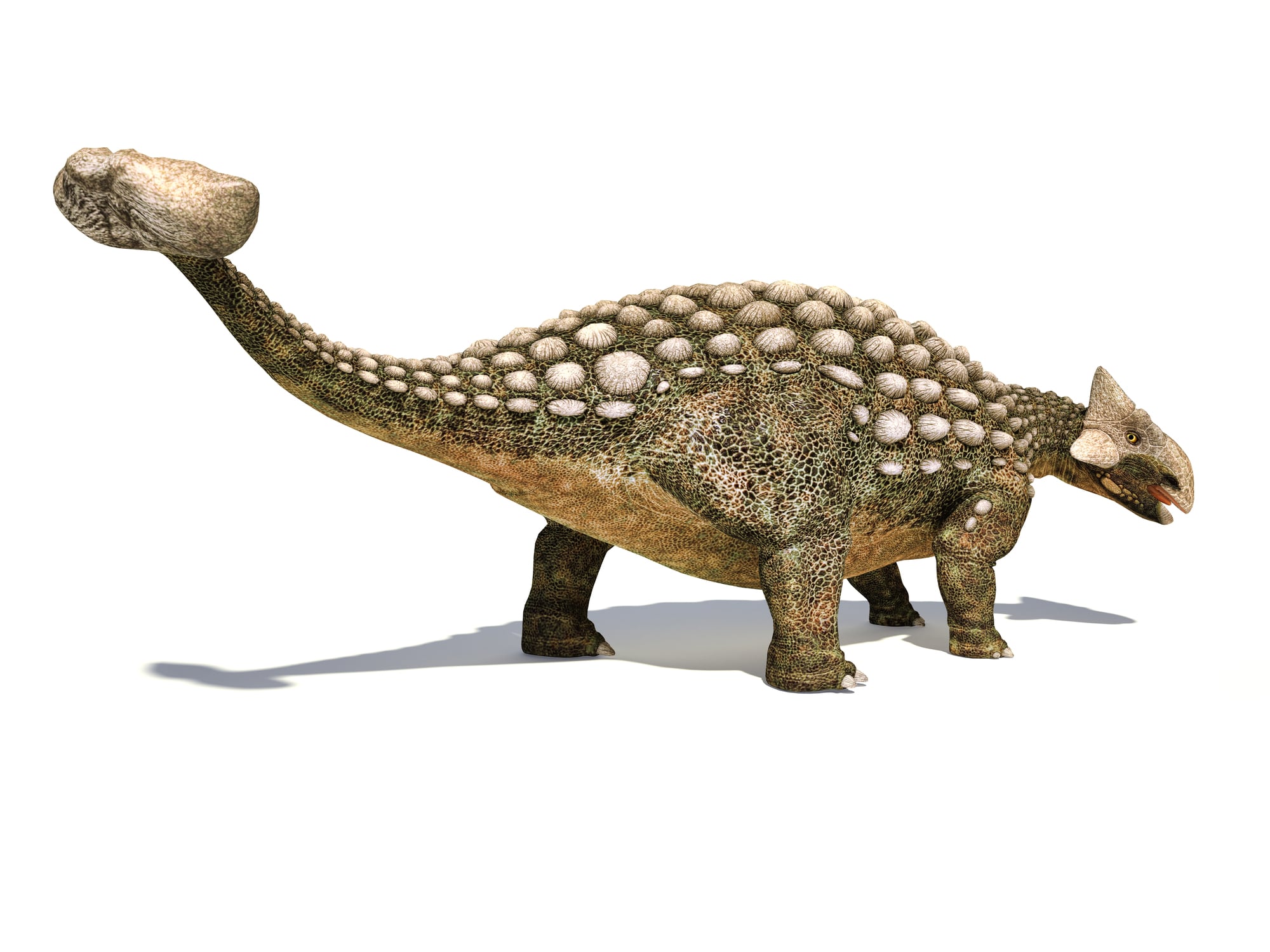
Though not a hunter, Ankylosaurus earns its spot by standing out as one tough defender from prehistoric times.
Roughly 25 feet end to end, this dino wore bony armor locked right into its hide – thick chunks and bumps covering its back like built-in shields.
What really made it special? A heavy knob at the tip of its tail – one solid chunk of bone strong enough to smash an attacker’s leg if anything tried getting too close.
Ankylosaurus crept close to the soil, almost like a tank on legs.
With armor this thick, predators struggled just to get a grip – yet alone land a solid bite – one good crack from that clubbed tail might break a T. rex’s leg.
No need for quick moves or slicing fangs; survival came down to stubborn toughness.
Back in the rough world of the Late Cretaceous, it showed something wild: fear doesn’t always come from who hunts best, but from who can’t be taken down.
Why They Still Capture Our Fear
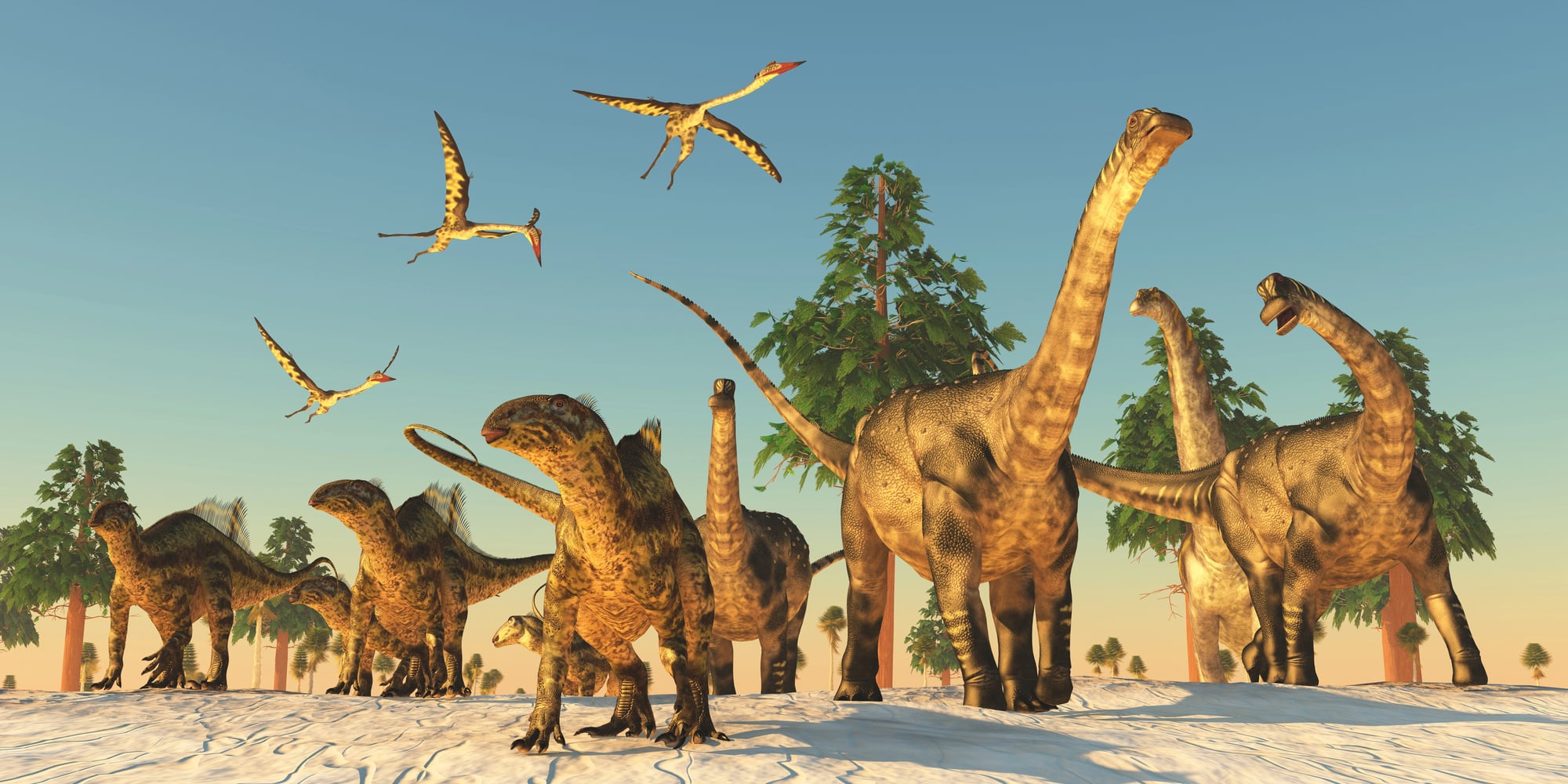
Long after they vanished, dinosaurs stirred a deep curiosity – wonder about beasts larger, quicker, stronger than any now breathing.
Not humans, but giants ruled then, molded by time into relentless forms built to last.
Fossil marks carved in old stone whisper of power struggles, competition, life clinging on – tales replayed in exhibits and films we watch today.
Now scientists are uncovering fresh clues about how they acted, looked, and thought – sparking deeper curiosity.
Not just because one like Utahraptor was crafty but due to Spinosaurus relying on sheer power; every kind shows another side of survival pushed to the edge.
They didn’t come from myths – they actually lived, breathed, proof of wild evolution and relentless strength.
That reality? It hits harder than any legend ever could.
More from Go2Tutors!

- The Romanov Crown Jewels and Their Tragic Fate
- 13 Historical Mysteries That Science Still Can’t Solve
- Famous Hoaxes That Fooled the World for Years
- 15 Child Stars with Tragic Adult Lives
- 16 Famous Jewelry Pieces in History
Like Go2Tutors’s content? Follow us on MSN.



