Foods Named After Famous People
You probably order a Caesar salad without thinking about Caesar. The name sits there on the menu, familiar and expected.
But behind that salad and dozens of other dishes you eat regularly are real people with real stories. Some were royalty.
Others were chefs. A few were just hungry and creative at the right moment.
These foods carry their names into restaurants and kitchens around the world. The stories behind them range from triumphant to accidental to completely made up.
Some are well documented. Others exist in that hazy space between legend and fact where nobody can quite agree on what actually happened.
Caesar Salad and the Fourth of July Rush
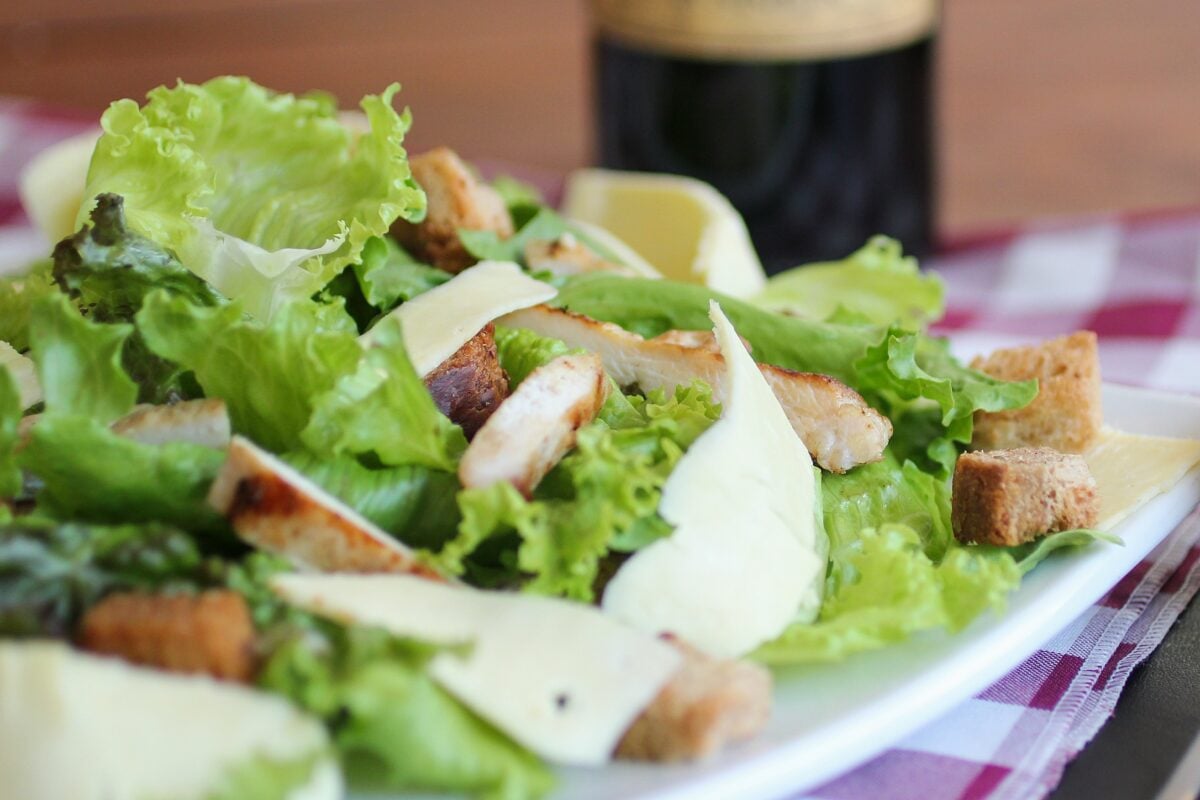
Caesar Cardini ran a restaurant in Tijuana, Mexico during Prohibition. Americans crossed the border to drink, and on July 4, 1924, so many showed up that Cardini’s kitchen ran low on supplies.
He grabbed what he had—romaine lettuce, garlic, olive oil, parmesan cheese, eggs, and some other basics—and tossed them together tableside to make it look intentional. The salad worked. Customers loved it.
The showmanship of preparing it in front of them probably helped. Most people assume it was named after Julius Caesar, but the Roman emperor had nothing to do with it.
Just a resourceful restaurant owner dealing with an unexpected crowd.
Beef Wellington and the Battle of Waterloo
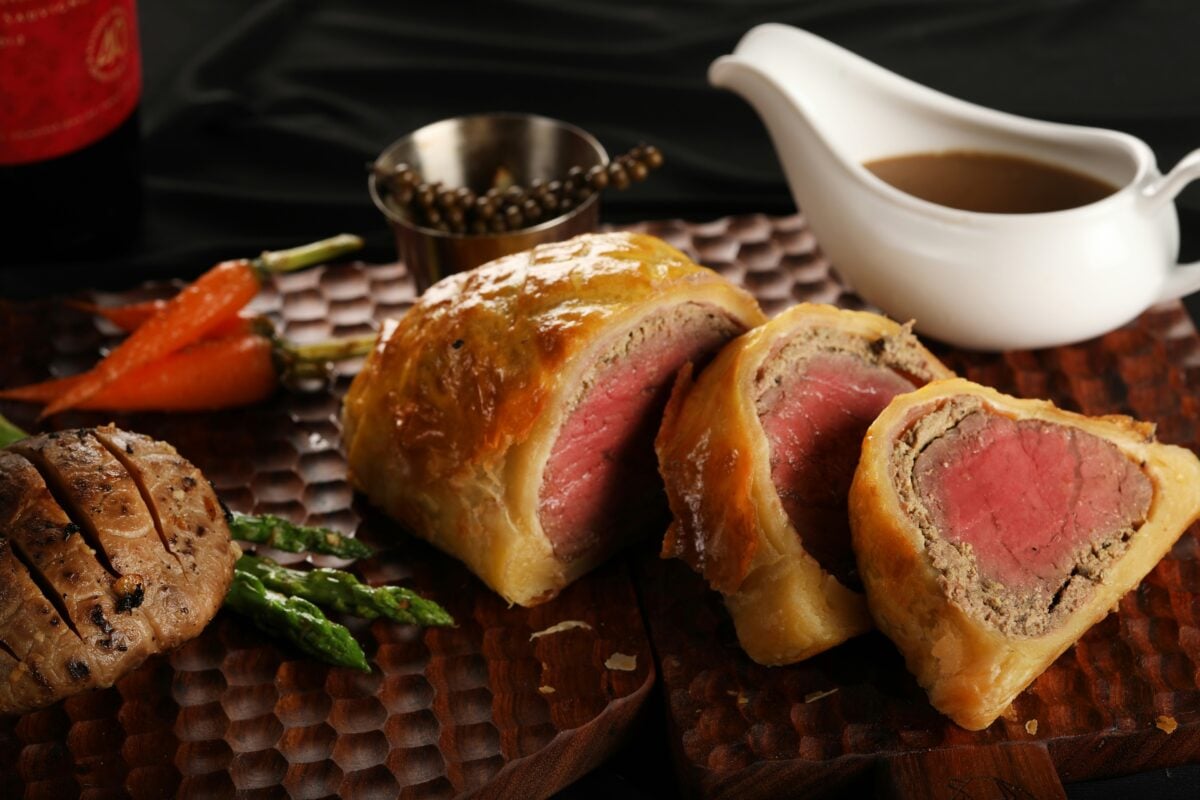
Arthur Wellesley became the Duke of Wellington after defeating Napoleon at Waterloo in 1815. The dish that bears his name—beef tenderloin wrapped in mushrooms and puff pastry—may have been created to honor him.
Or it may have just been renamed from the French filet de boeuf en croûte during the wars with France. Nobody knows for sure. Some historians think Wellington’s chef made it because the duke didn’t care what he ate and gave the kitchen free rein.
Others claim the finished dish resembles a Wellington boot. The first written reference doesn’t appear until 1903 in a Los Angeles newspaper. By then, Wellington had been dead for decades.
The uncertainty doesn’t matter much. The dish became famous in America after Julia Child featured it on her television show in 1965. Presidents Kennedy and Nixon both loved it.
These days, Gordon Ramsay has made it his signature.
Peach Melba and the Opera Singer
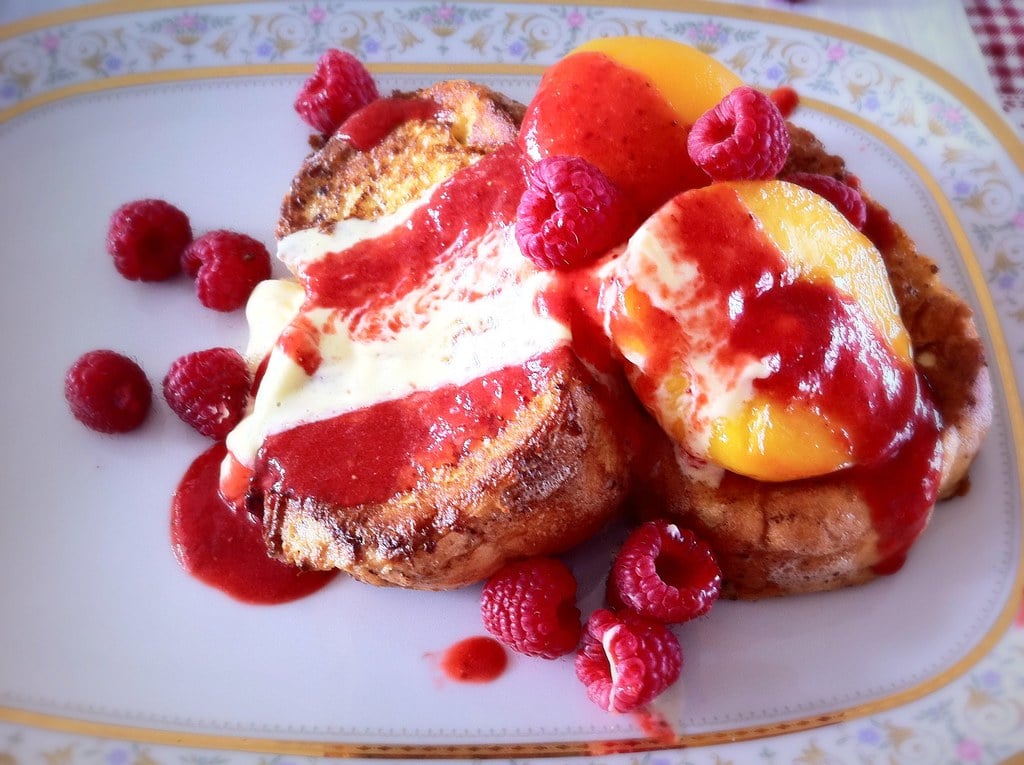
Nellie Melba was born Helen Porter Mitchell in Australia. She took her stage name from Melbourne and became one of the most famous opera singers of her era.
In 1892, she was performing Wagner’s Lohengrin at Covent Garden in London. The production featured a boat shaped like a swan.
Chef Auguste Escoffier attended the performance. The next evening, he presented Melba with a dessert of fresh peaches over vanilla ice cream in a silver dish perched on an ice sculpture of a swan.
He called it pêche au cygne—peach with a swan.
A few years later, when Escoffier opened the Ritz Carlton in London, he refined the recipe. He added sweetened raspberry purée and renamed it peach Melba.
Escoffier insisted the dish should remain simple—just peaches, ice cream, and raspberry sauce. Any variation, he said, ruined the delicate balance.
Eggs Benedict and the Hangover Cure
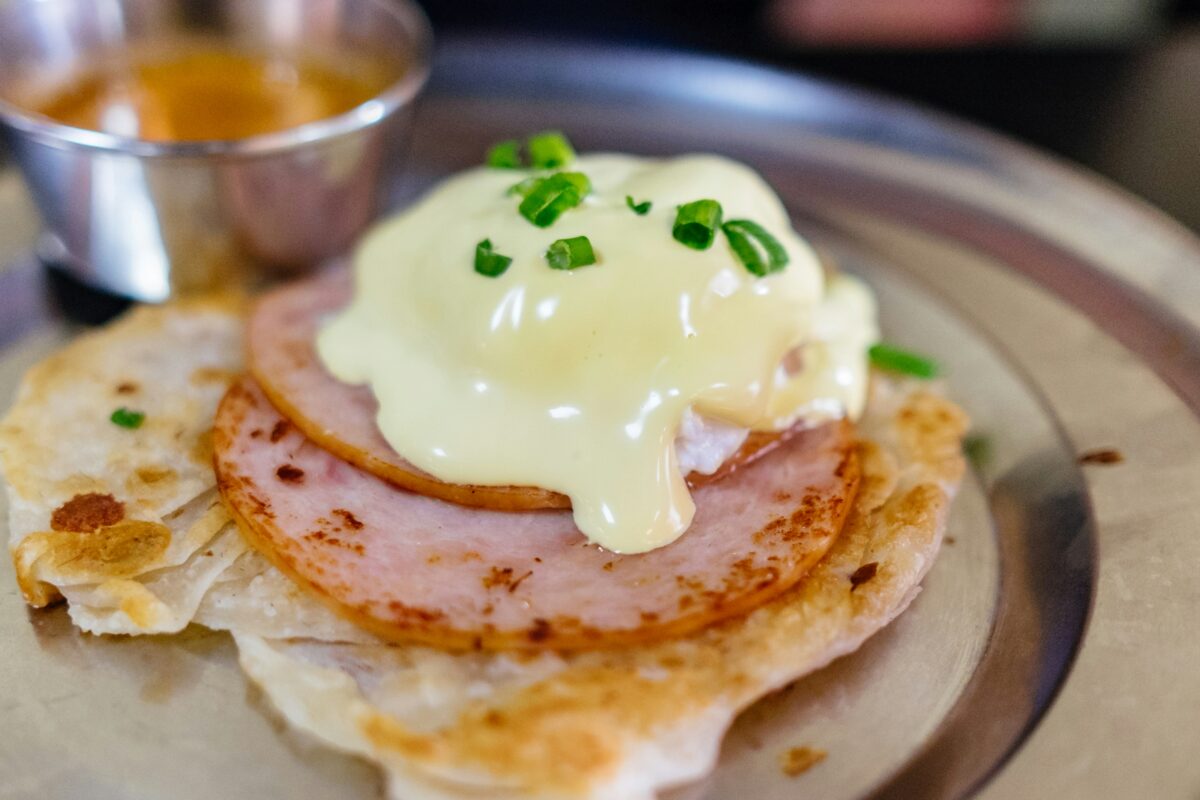
Two versions of this story exist. Both involve New York. Both involve someone named Benedict. Neither can be proven definitively.
In one version, Lemuel Benedict walked into the Waldorf Hotel in 1894 suffering from a hangover. He ordered toast, bacon, poached eggs, and hollandaise sauce.
The hotel’s maitre d’, Oscar, adapted the dish for the menu by substituting English muffins and ham. The other version credits chef Charles Ranhofer at Delmonico’s.
He supposedly created the dish in 1893 for either Mr. or Mrs. LeGrand Benedict, who were New York stockbrokers and socialites. The dish became a brunch staple either way.
Pope Benedict XVI later got his own Germanic version with rye bread and sausage.
Cobb Salad and the Midnight Snack
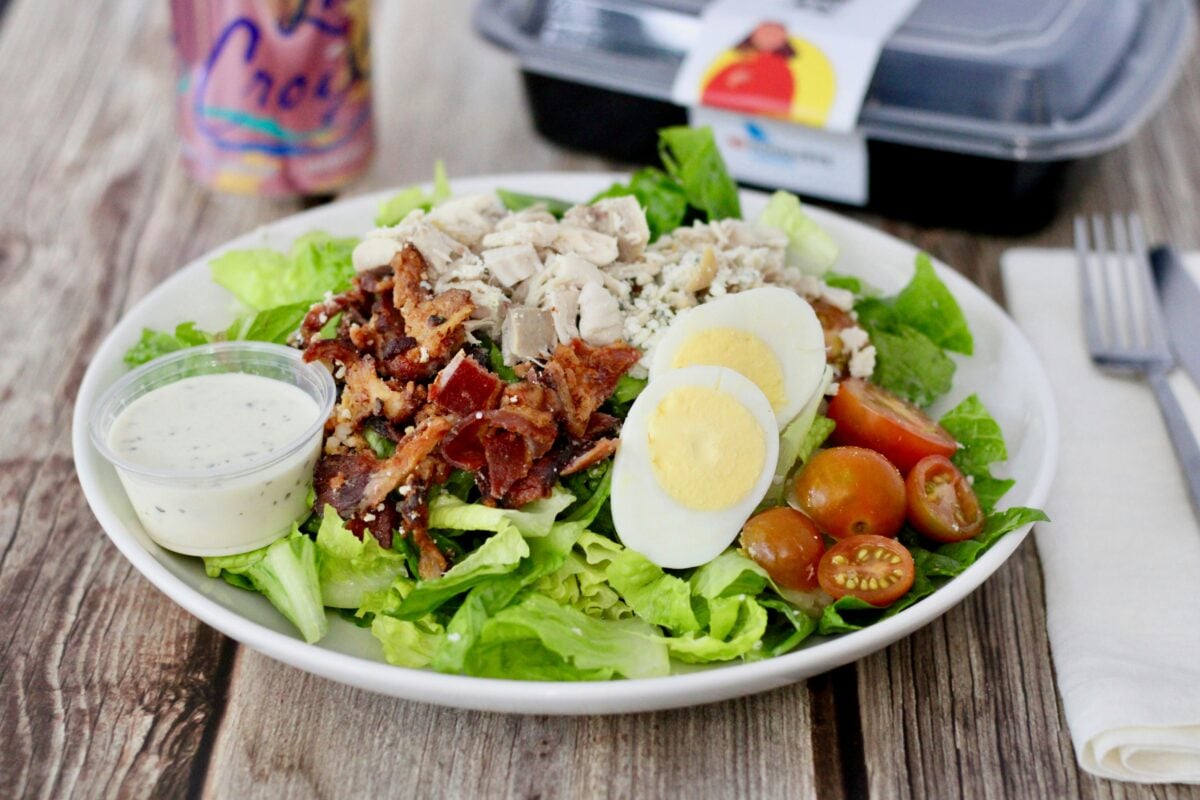
Bob Cobb owned the Hollywood Brown Derby restaurant. Late one night in the mid-1930s, he was hungry and started pulling items from the refrigerator.
Lettuce, hard-boiled eggs, tomatoes, chives, cheese, avocado. The kitchen was cooking bacon, so he grabbed some of that too. He tossed everything together and ate it.
The combination worked well enough that he added it to the menu. Customers ordered it.
The salad spread to other restaurants. Nobody planned it.
Cobb just wanted a snack. Some people confuse it with baseball player Ty Cobb, but the two aren’t connected.
The restaurant owner and the athlete just happened to share a last name.
Margherita Pizza and the Italian Flag
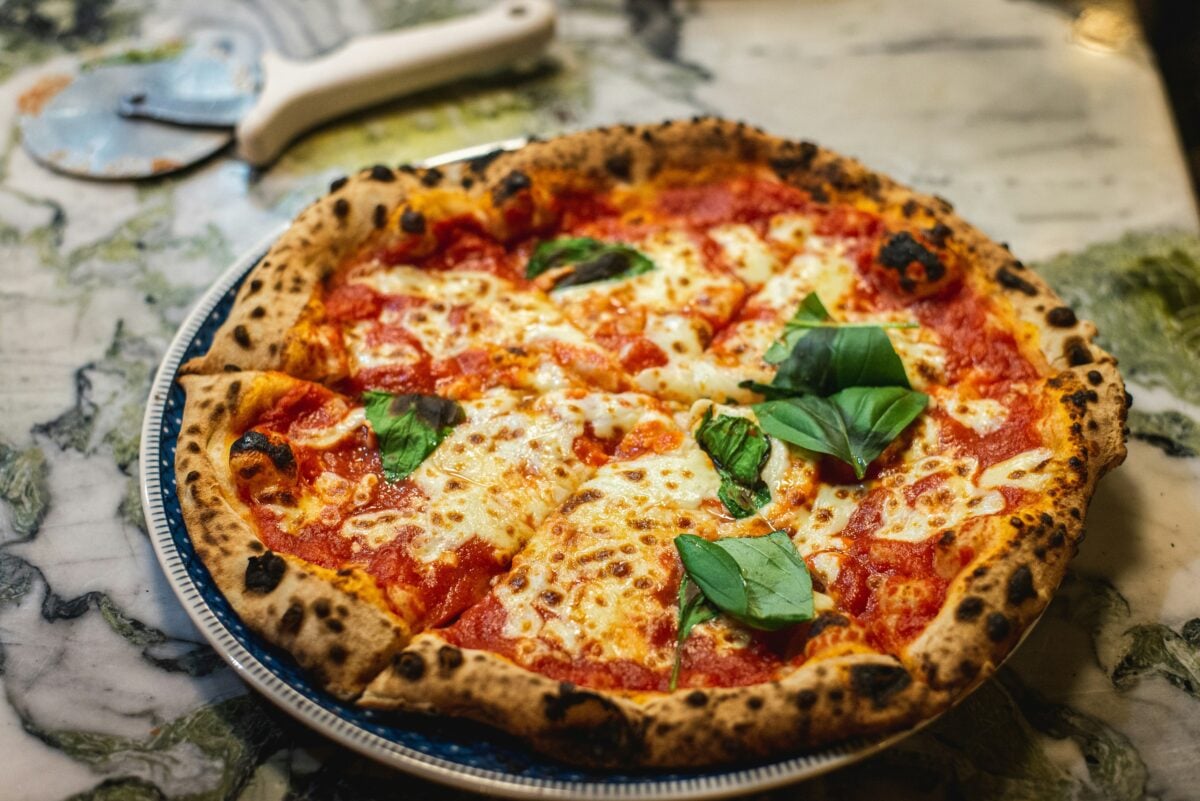
Queen Margherita of Savoy visited Naples in 1889 with her husband, King Umberto. Chef Raffaele Esposito prepared three pizzas for the royal couple at his restaurant.
The queen preferred the one made with tomato, basil, and mozzarella. The combination happened to match the colors of the Italian flag—red, green, and white.
Esposito named it after her. The story is neat and patriotic. Some historians question whether it happened exactly this way, but the pizza itself is real enough and still popular.
Graham Crackers and Moral Reform
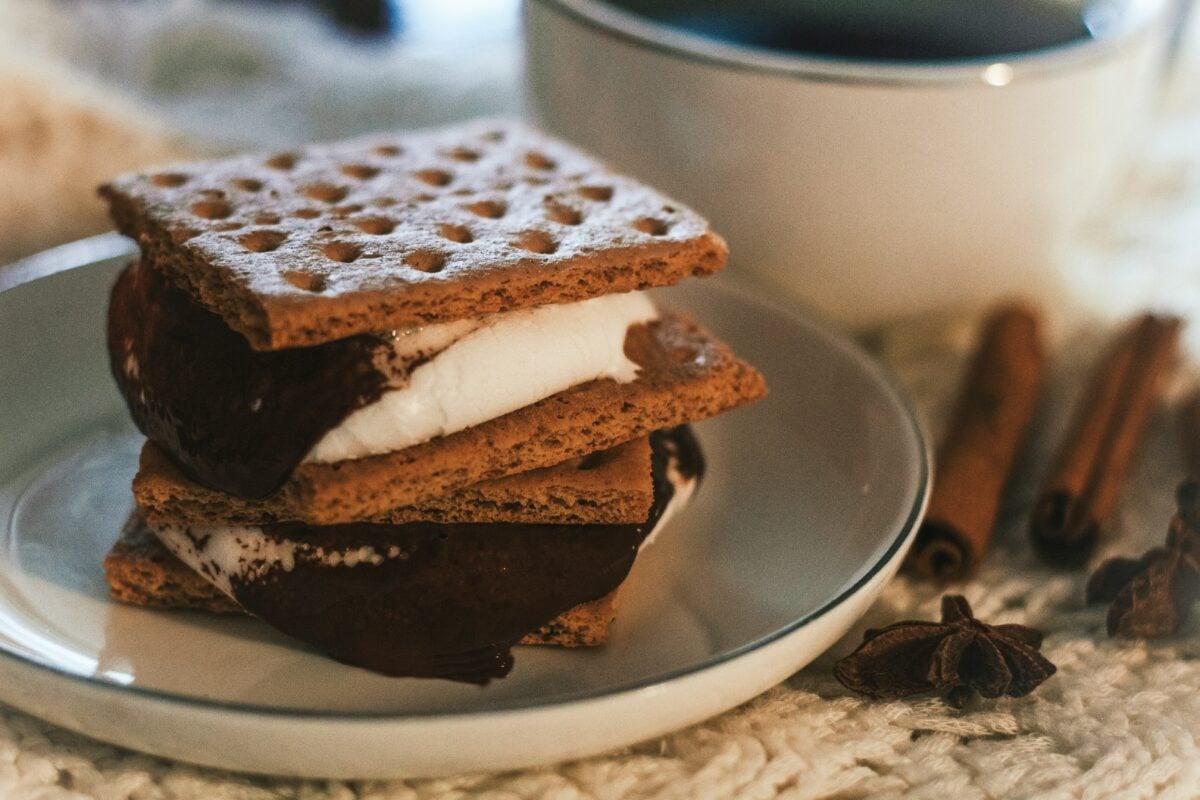
Sylvester Graham was a Presbyterian minister in the 1800s who believed that diet could keep people healthy and morally pure. He advocated for vegetarianism and created a cracker made with coarsely ground wheat flour and minimal seasoning.
The cracker was part of his broader campaign against what he saw as overstimulation of the senses. He thought bland food would help people avoid temptation and live according to God’s intended plan.
His diet was considered radical at the time. The crackers survived long after his moral crusade faded.
Today they’re mainly known as a component of s’mores. Graham probably wouldn’t approve of that particular use.
Salisbury Steak and the Meat-Centered Diet
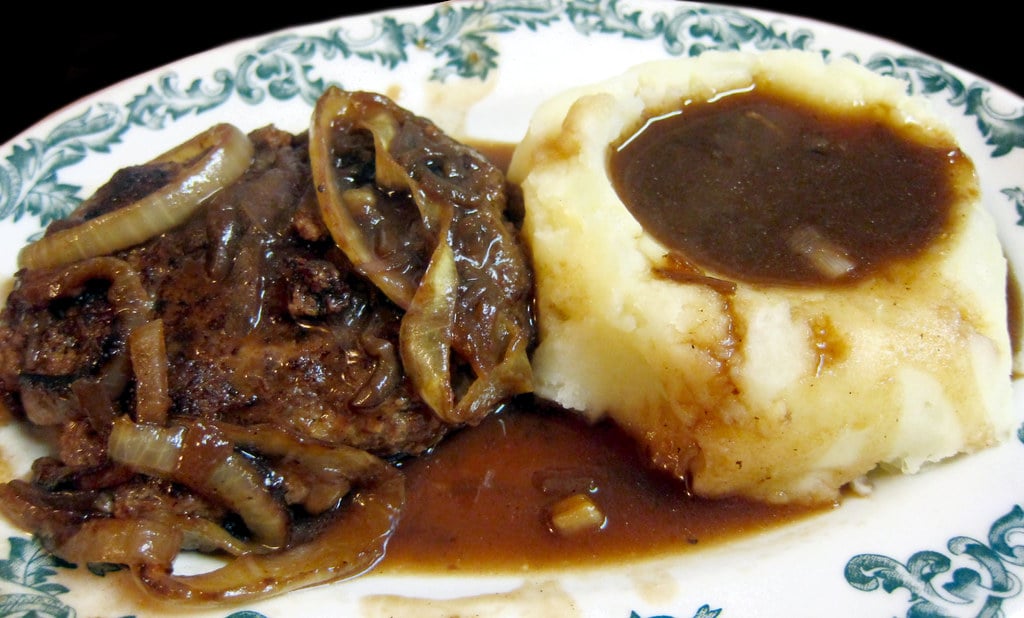
Dr. James Salisbury was a physician who believed vegetables produced toxins in the digestive system. He thought meat was the answer to heart disease, tumors, mental illness, and tuberculosis.
In 1888, he created a chopped beef dish that he recommended eating three times a day with hot water. He called it the muscle pulp of lean beef.
Others started calling it Salisbury steak. The dish became popular during World War I and eventually turned into a frozen dinner staple.
Salisbury’s theories about vegetables causing disease didn’t hold up, but the steak named after him stuck around.
Fettuccine Alfredo and the Pregnant Wife
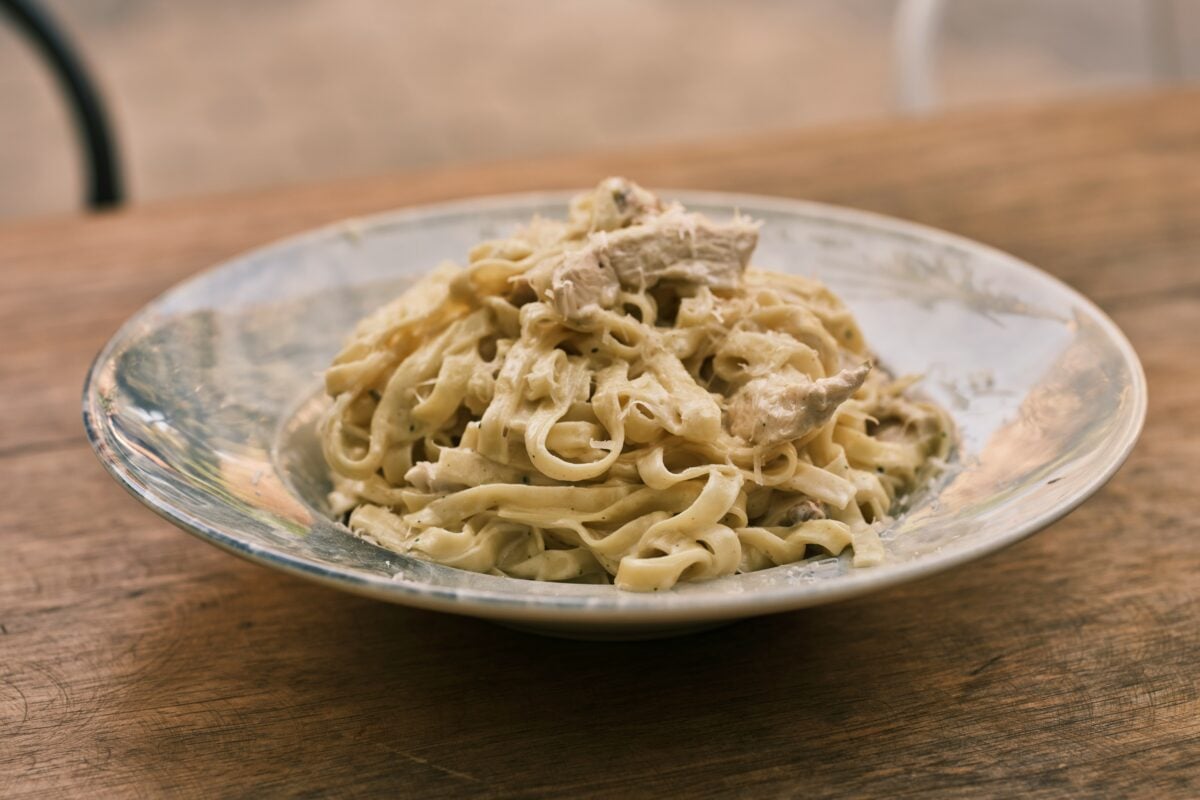
Alfredo di Lelio created this dish at his Roman restaurant between 1914 and 1920. His wife was pregnant and had lost her appetite.
He made her fresh pasta with butter and parmesan cheese to help her eat. The dish worked for his wife and eventually for his customers.
American actors Mary Pickford and Douglas Fairbanks ate at his restaurant in 1927 and raved about it when they returned to Hollywood. The dish spread through America, though usually with cream added to the original butter and cheese recipe.
Escoffier would have disapproved of the alterations, just as he did with peach Melba variations. The authentic version uses only butter—no cream sauce.
Granny Smith Apples and the Compost Pile
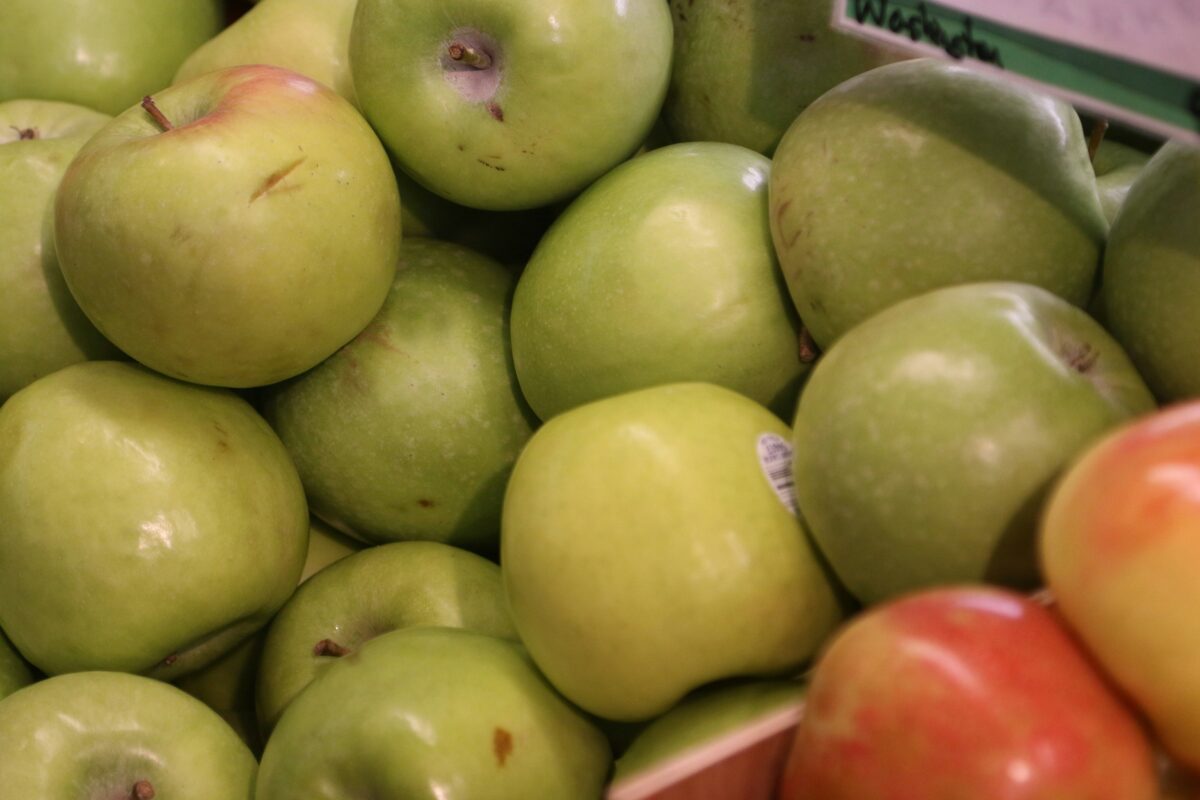
Maria Ann Smith lived in Australia in the 1860s. She was cooking with French crab apples one day and threw the scraps into a compost pile near a creek behind her house.
A tree sprouted from the pile through natural cross-pollination. The apples that grew weren’t French crab apples.
They were green, sour, and completely new. Smith cultivated the tree, and the apples slowly became popular. After her death, locals started calling them Granny Smith apples.
The variety spread worldwide. Smith never planned to create a new apple.
She just tossed kitchen scraps in the right place at the right time.
Boysenberries and the Abandoned Vines
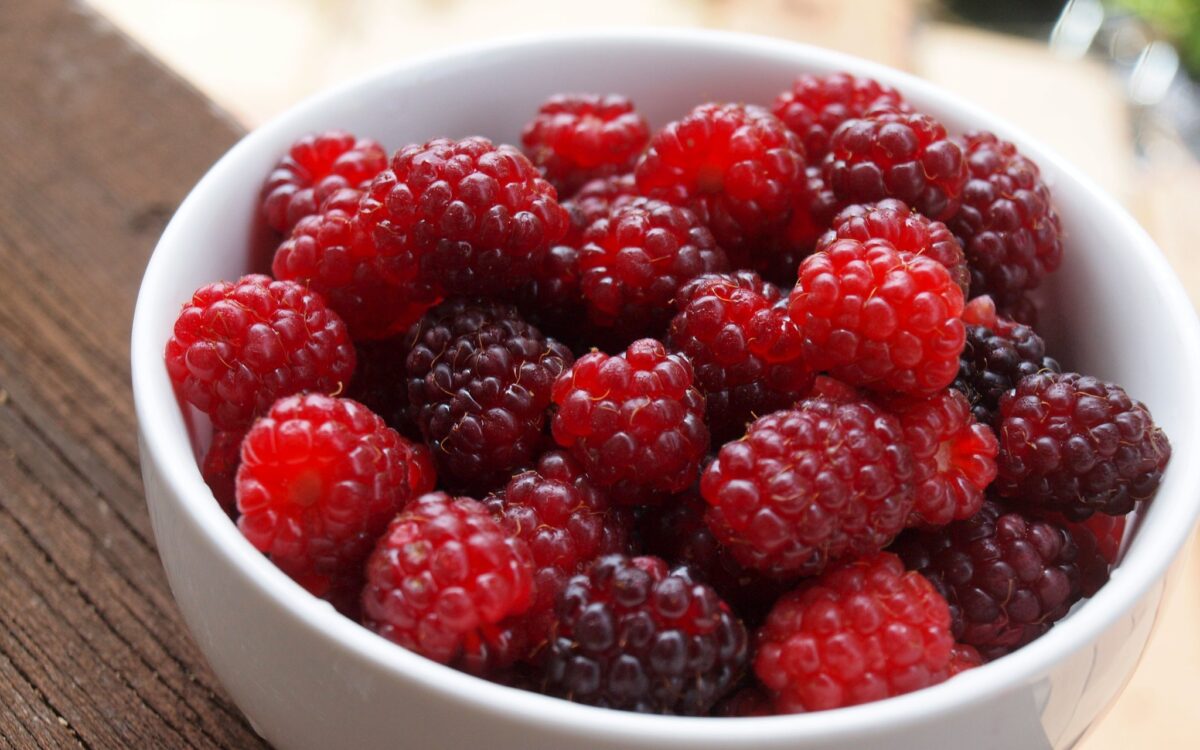
Rudolf Boysen was a botanist who crossed loganberries, raspberries, and blackberries in the 1920s. Then he apparently lost interest or ran into difficulties.
The hybrid vines sat abandoned on his property. Walter Knott of Knott’s Berry Farm heard about the forgotten berries.
He tracked them down, rescued the vines, and started growing them commercially in the 1930s. He named them after Boysen, even though Boysen himself hadn’t done much with them.
The berries became a signature product at Knott’s Berry Farm. Boysen got the naming credit for starting something he never finished.
Napoleon and His Pastries
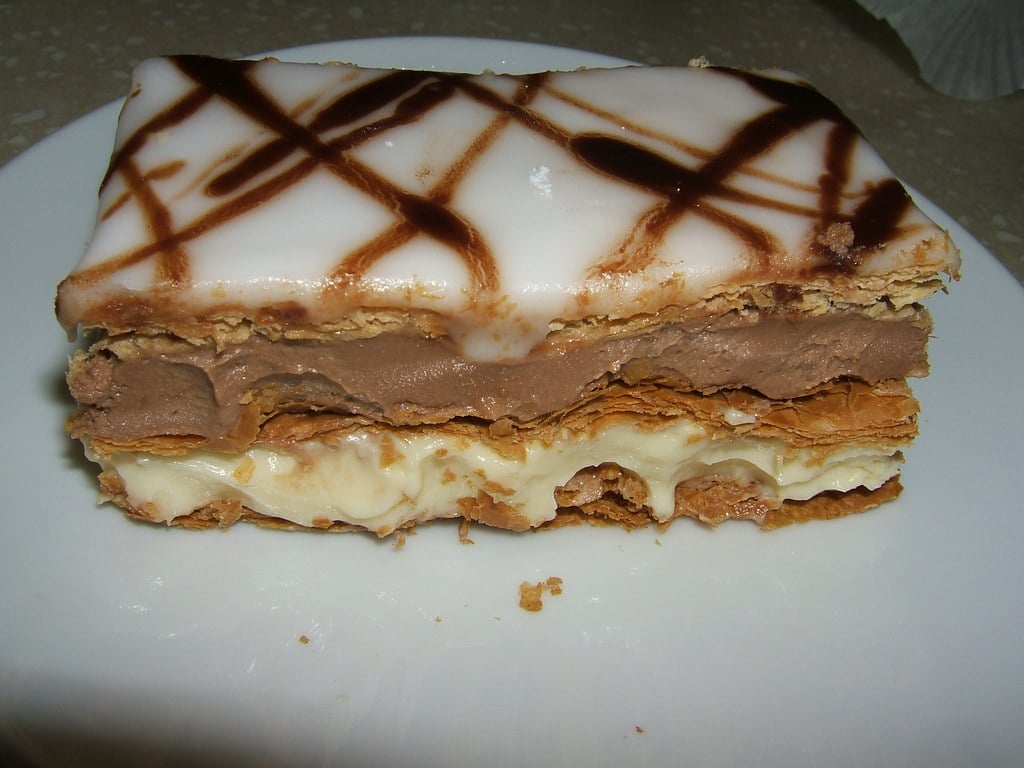
Napoleon Bonaparte has multiple foods linked to his name. Some make sense.
Others seem doubtful. The Napoleon pastry—layers of puff pastry with cream—may or may not have anything to do with him.
One theory says it was created to celebrate his victories. Another says the name is a corruption of “Napolitain,” meaning from Naples.
A third suggests the layers resemble the military commander’s hat. Bonaparte’s Ribs were an English sweet from the early 1800s.
Chicken Marengo was supposedly cobbled together after one of his battles. Whether Napoleon actually ate any of these foods is unclear.
His name carried enough weight that chefs used it anyway.
What Names Really Mean

Some of these foods were carefully crafted tributes. Others were accidents that happened at work.
A few were probably renamed from existing dishes to capitalize on someone’s fame or victory. The stories get told and retold until the facts blur.
Details change depending on who’s doing the telling. What remains consistent is that people like attaching names to food.
It makes the dish more memorable. It creates a sense of history and importance.
Still Eating History
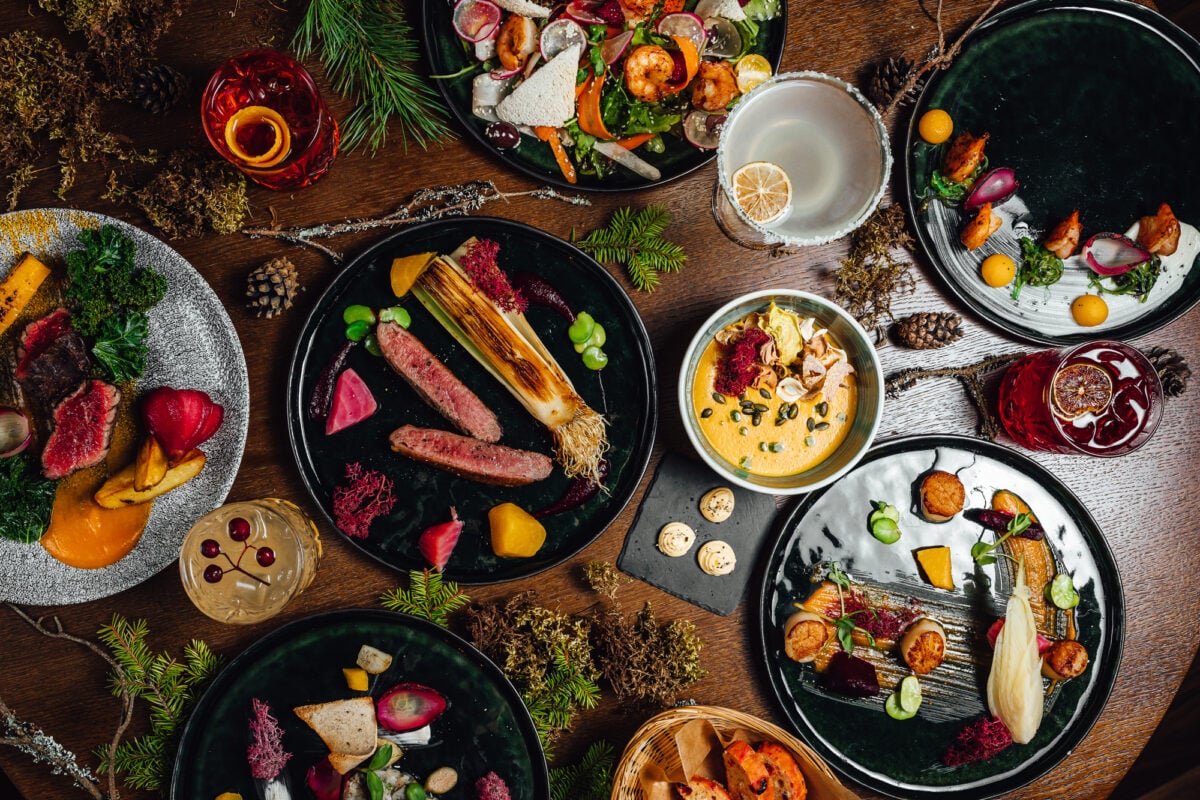
You can walk into a restaurant today and order most of these dishes. The people they’re named after are long dead, but their names persist on menus.
Caesar Cardini’s moment of improvisation lives on in every salad. Nellie Melba’s operatic career is mostly forgotten, but her dessert isn’t.
Food has a way of outlasting the people who created it. The recipes change over time.
Ingredients get swapped. Techniques evolve.
But the names stick around, carrying little pieces of history into kitchens and dining rooms everywhere.
More from Go2Tutors!

- The Romanov Crown Jewels and Their Tragic Fate
- 13 Historical Mysteries That Science Still Can’t Solve
- Famous Hoaxes That Fooled the World for Years
- 15 Child Stars with Tragic Adult Lives
- 16 Famous Jewelry Pieces in History
Like Go2Tutors’s content? Follow us on MSN.