Iconic Movie Cars Every Fan Recognizes
A film ends, most props vanish from memory. Cars? They stick around.
Pick one that fits, it turns into more than metal – becomes a character on its own. Even when plot details grow fuzzy, the curve of a fender, the roar under the hood, or just how it looks against a skyline brings everything back in a flash.
Film vehicles sometimes slip free of their scenes, turning into symbols on four wheels instead of just background props.
DeLorean DMC-12 From Back To The Future

The DeLorean’s rise to fame had little to do with its original reputation. On its own, the car was unusual but niche.
On screen, it became unforgettable. Its stainless-steel body and gullwing doors already looked futuristic, and the film leaned fully into that quality rather than downplaying it.
That said, what truly sealed its place was narrative purpose. This car was not a decoration; it was the engine of the story itself.
Every jump through time revolved around it. The DeLorean became a symbol of possibility, risk, and invention, turning an obscure vehicle into one of the most recognisable shapes in film history.
Batmobile From Batman

The Batmobile has appeared in many forms, but the 1989 version permanently reset expectations. Long, low, and dramatic, it looked less like a modified car and more like a machine built for a singular purpose.
Its exaggerated proportions made it feel powerful even when standing still. Even so, its success came from restraint as much as spectacle.
The design avoided excess ornamentation, relying on silhouette and presence instead. This Batmobile didn’t just transport a character; it communicated authority and mystery.
From that point on, every redesign has been measured against it, a sign of how deeply it embedded itself in popular memory.
Ford Mustang GT 390 From Bullitt
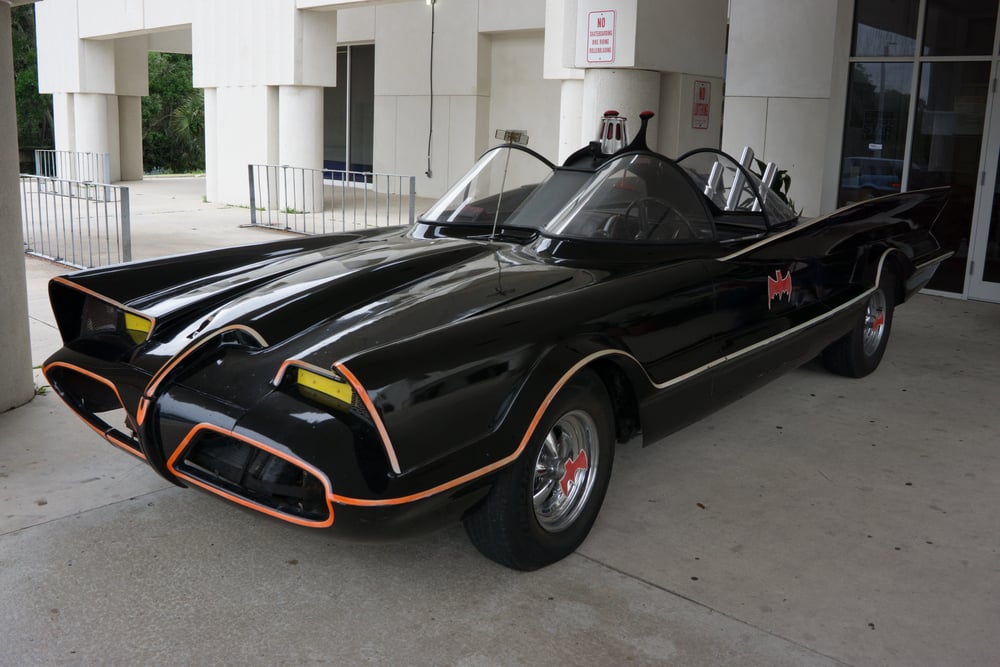
This Mustang became iconic without relying on futuristic gadgets or dramatic modifications. Its power came from realism.
The film presented the car as it was, raw and purposeful, and trusted the driving to carry the tension. The result was a chase sequence that felt grounded and visceral.
Still, what audiences remember most is authenticity. The Mustang looked fast because it was fast.
It handled like a real vehicle under pressure, not a polished fantasy. That honesty gave the car a credibility that outlived the film, turning it into a benchmark for how cars could anchor action without stealing focus from the story.
Aston Martin DB5 From Goldfinger

The Aston Martin DB5 redefined what a movie car could represent. It blended elegance with hidden capability, presenting refinement and danger as two sides of the same coin.
The car felt aspirational without being flashy, a perfect extension of its driver’s composed confidence. That said, its influence went far beyond a single appearance.
The DB5 established a template for cinematic luxury vehicles, where design and function work in quiet harmony. Even decades later, its presence signals sophistication instantly.
Few cars manage to look timeless on screen, but the DB5 remains effortlessly relevant.
Ecto-1 From Ghostbusters

The Ecto-1 succeeded by embracing the opposite of sleek perfection. Loud, boxy, and deliberately overstuffed with equipment, it looked like a working vehicle pushed to its limits.
That visual chaos fit the tone of the film perfectly, grounding the supernatural in something practical and familiar. On the other hand, its recognisability comes from personality.
Sirens, logos, and roof-mounted gear turned it into a rolling character rather than a background object. The Ecto-1 felt like part of the team, reinforcing the idea that a memorable movie car doesn’t need elegance, only identity.
Dodge Charger From The Fast And The Furious

The Charger in this film carried emotional weight as much as horsepower. It represented history, pride, and unfinished business, making it more than just a performance vehicle.
The film framed it as something earned, not casually driven, which added tension every time it appeared. Even so, its visual impact mattered.
The aggressive stance and unmistakable engine sound created instant recognition. This Charger helped define an entire franchise’s relationship with cars, where vehicles function as expressions of loyalty and legacy.
Its influence still echoes through action cinema today.
Mini Cooper From The Italian Job
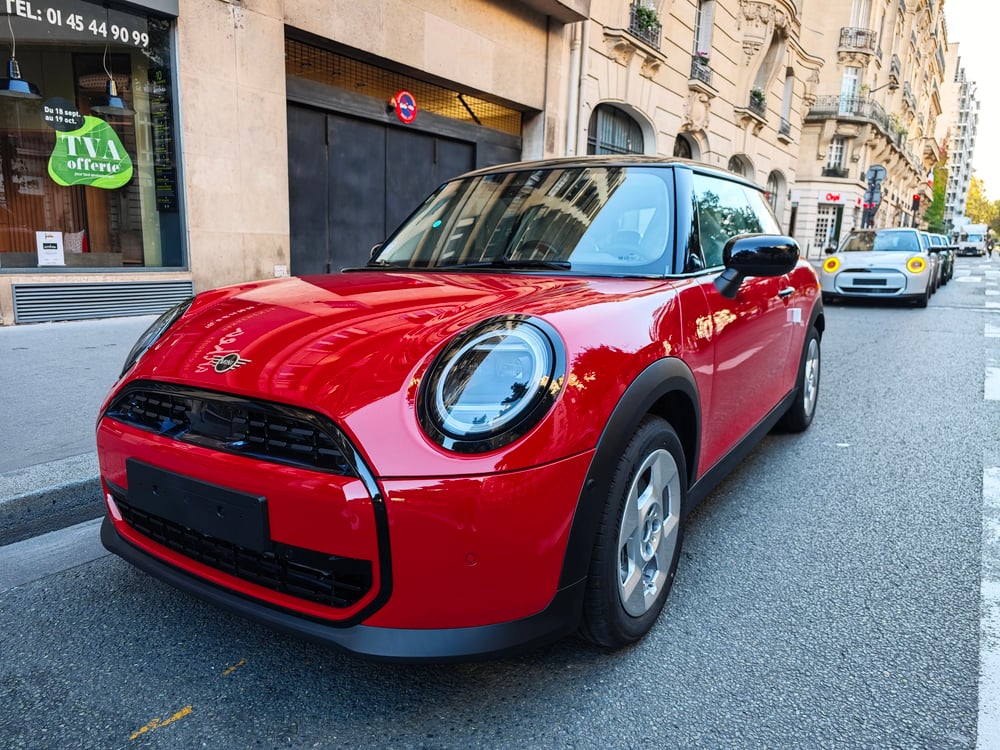
The Mini Cooper proved that size has little to do with screen presence. Compact, agile, and visually distinct, it turned narrow streets into an advantage rather than a limitation.
The film leaned into its proportions, crafting sequences that felt playful yet precise. That said, the Mini’s charm lies in contrast.
Watching small cars outmanoeuvre larger ones created a sense of cleverness rather than brute force. This reframed what audiences expected from chase scenes.
The Mini Cooper emerged as a reminder that memorability often comes from smart use, not sheer scale.
Mad Max Interceptor From Mad Max
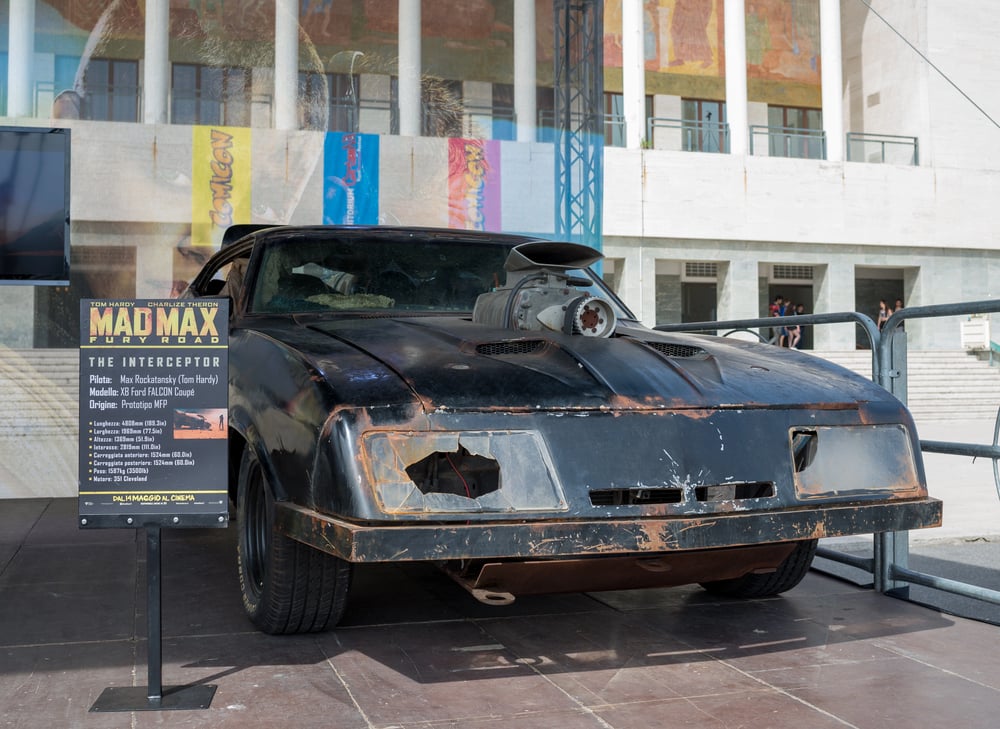
The Interceptor felt dangerous before it even moved. Stripped down and aggressive, it reflected a world already sliding into chaos.
Unlike polished movie vehicles, this car looked lived in, scarred by the environment it belonged to. Still, its power came from symbolism.
The Interceptor represented control in a lawless landscape, making its eventual fate emotionally charged. It wasn’t just a car lost in action; it marked the loss of order itself.
That narrative weight turned it into one of cinema’s most enduring automotive icons.
Herbie From The Love Bug

Not your typical silver screen machine, Herbie defied expectations. With a personality full of warmth and flickers of mood, the little Volkswagen Beetle acted more like a person than an object.
Round edges helped it feel familiar, almost gentle. That look – simple, unassuming – made its role as a thinking, feeling presence somehow make sense.
Still, Herbie worked because it stayed the same. Its vibe never wavered from one scene to the next, so people grew attached.
Slowly, it didn’t feel like an object anymore – more like someone on screen. Turns out, being likable and having quirks can stick in your mind far longer than fast engines or big stunts.
Why These Cars Still Drive Memory
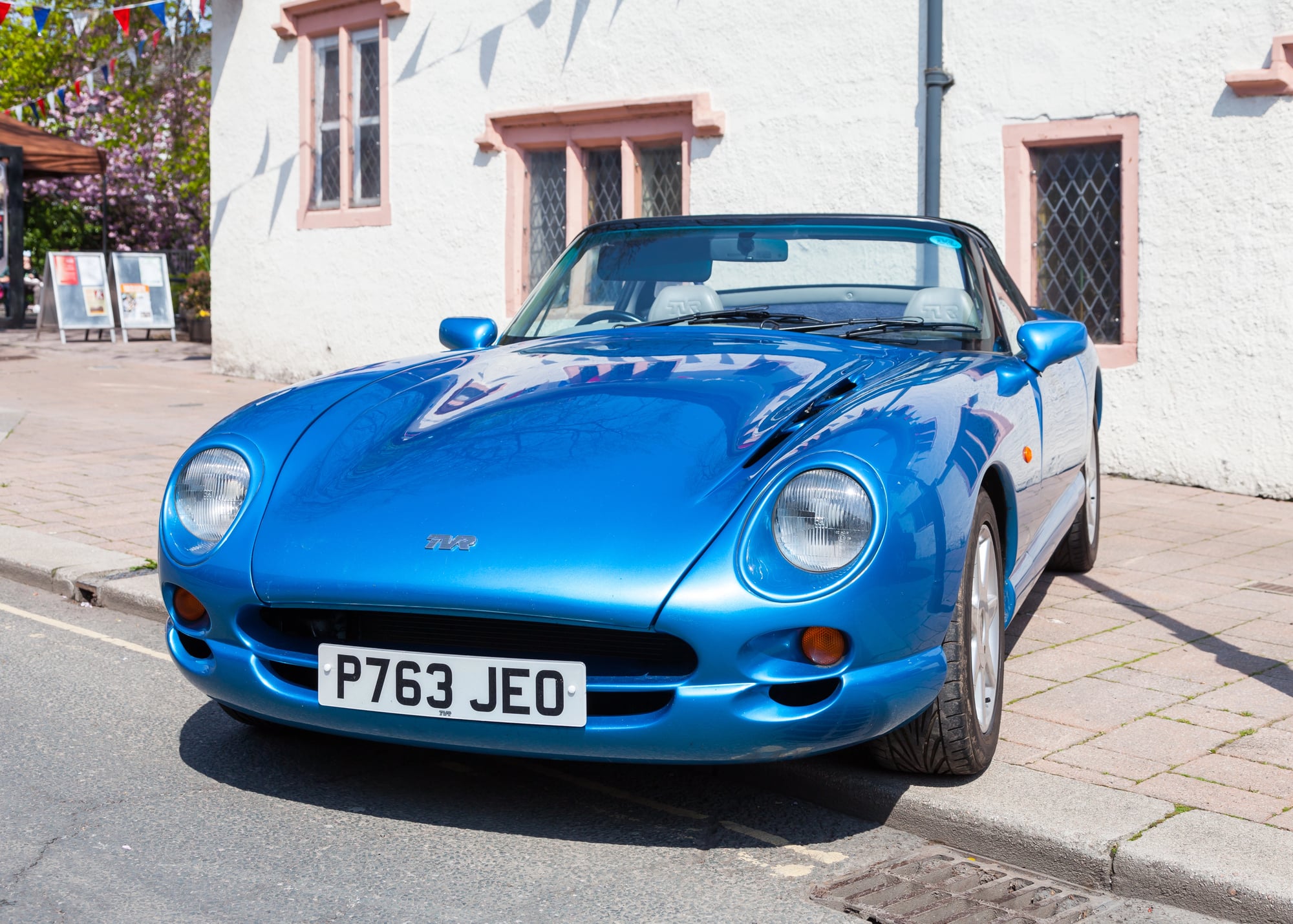
Movie cars stick around not just for how they move, but what they carry emotionally. One by one, these vehicles echo the mood or heart of their scenes, tying themselves tightly to the plot unfolding.
Without them, something feels missing when we recall those moments years later. Their shape, color, even sound becomes a silent signal of feeling remembered.
Still, even as movie making shifts, one truth holds. Where visuals meet plot meet rhythm, a machine turns into something else entirely.
Not just built to move down roads – instead, shaped to carry stories forward through time.
More from Go2Tutors!

- The Romanov Crown Jewels and Their Tragic Fate
- 13 Historical Mysteries That Science Still Can’t Solve
- Famous Hoaxes That Fooled the World for Years
- 15 Child Stars with Tragic Adult Lives
- 16 Famous Jewelry Pieces in History
Like Go2Tutors’s content? Follow us on MSN.