Fashion That Transformed Social Expression
Clothing’s always been more than hiding skin. Over time, outfits quietly reveal identity, values, even hopes.
Certain styles didn’t only tweak lengths or test materials – instead, they reshaped self-expression while shaking up norms.
The Flapper Dress Rewrote Women’s Freedom
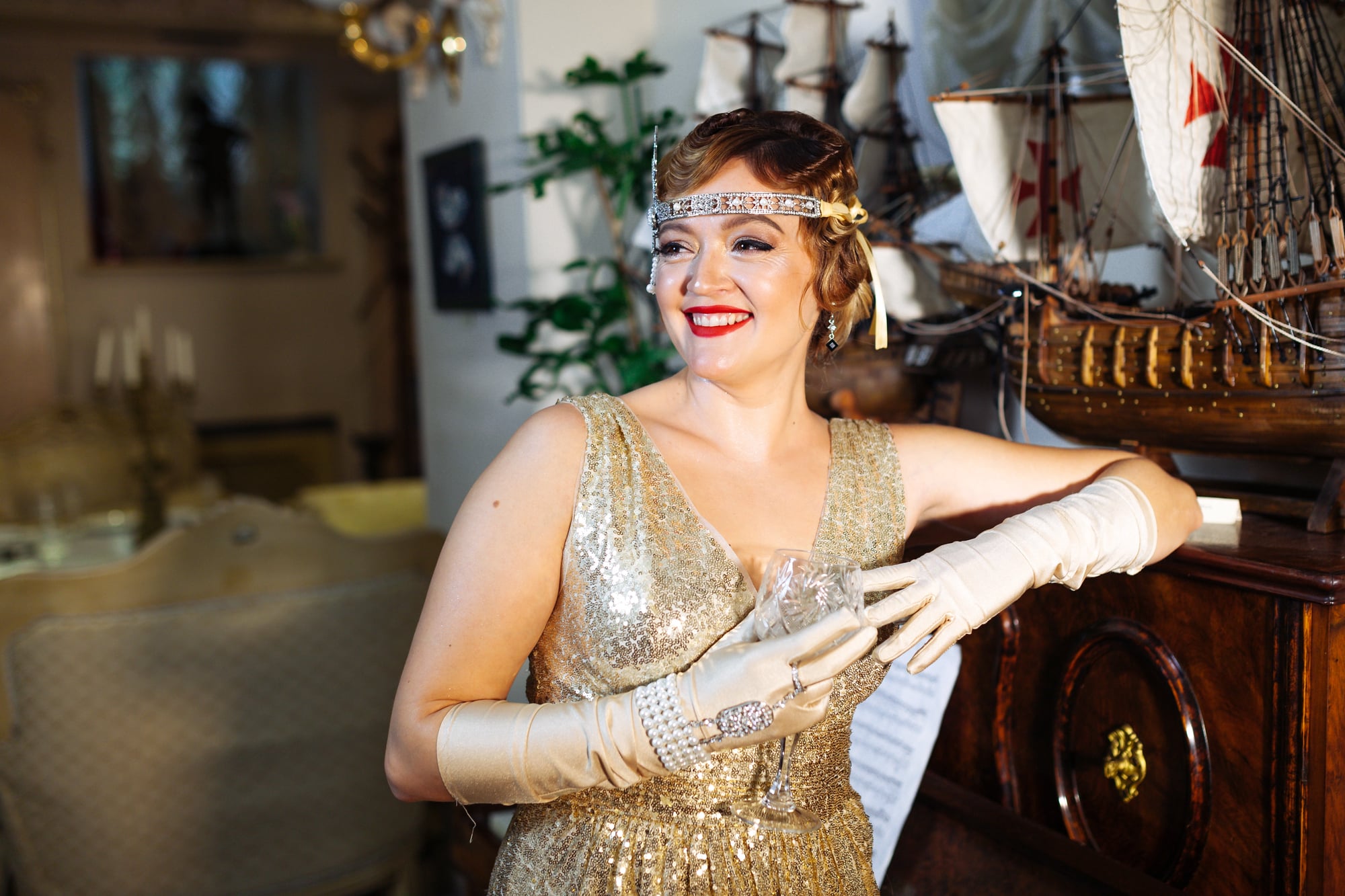
The 1920s flapper dress did something radical for its time. It shortened skirts to knee length, dropped waists, and replaced rigid corsets with lighter foundation garments like girdles and bandeaux.
Women could suddenly move, dance, and breathe with far greater freedom. This wasn’t just about comfort.
The dress became a visual declaration that women were claiming new freedoms—voting, working, and living on their own terms. When a woman put on a flapper dress, she was making a statement about her independence that everyone understood.
Jeans Broke Down Class Barriers
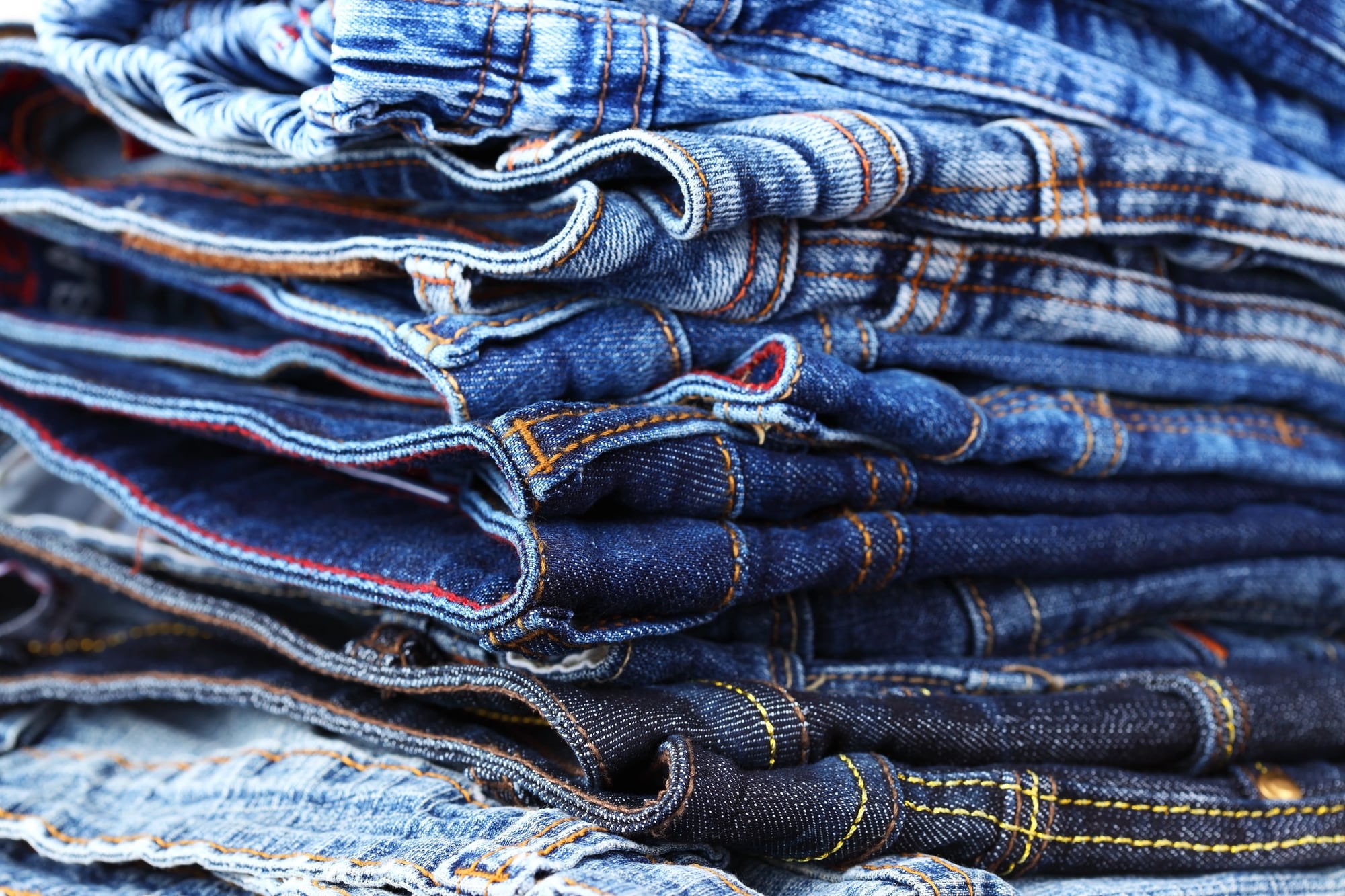
Workwear became a counterculture symbol. Denim jeans started as practical clothing for miners and laborers in the 1870s.
By the 1950s, postwar youth culture embraced them as rebellion. James Dean made them cool in movies, but broader social changes drove their adoption—teenagers had more independence and buying power than previous generations.
The hippies made them political. What made jeans so powerful was their ability to erase visible class distinctions.
A factory worker and a college student could wear the same jeans. This democratization of fashion challenged the idea that clothing should signal your social status.
The Zoot Suit Became Defiance
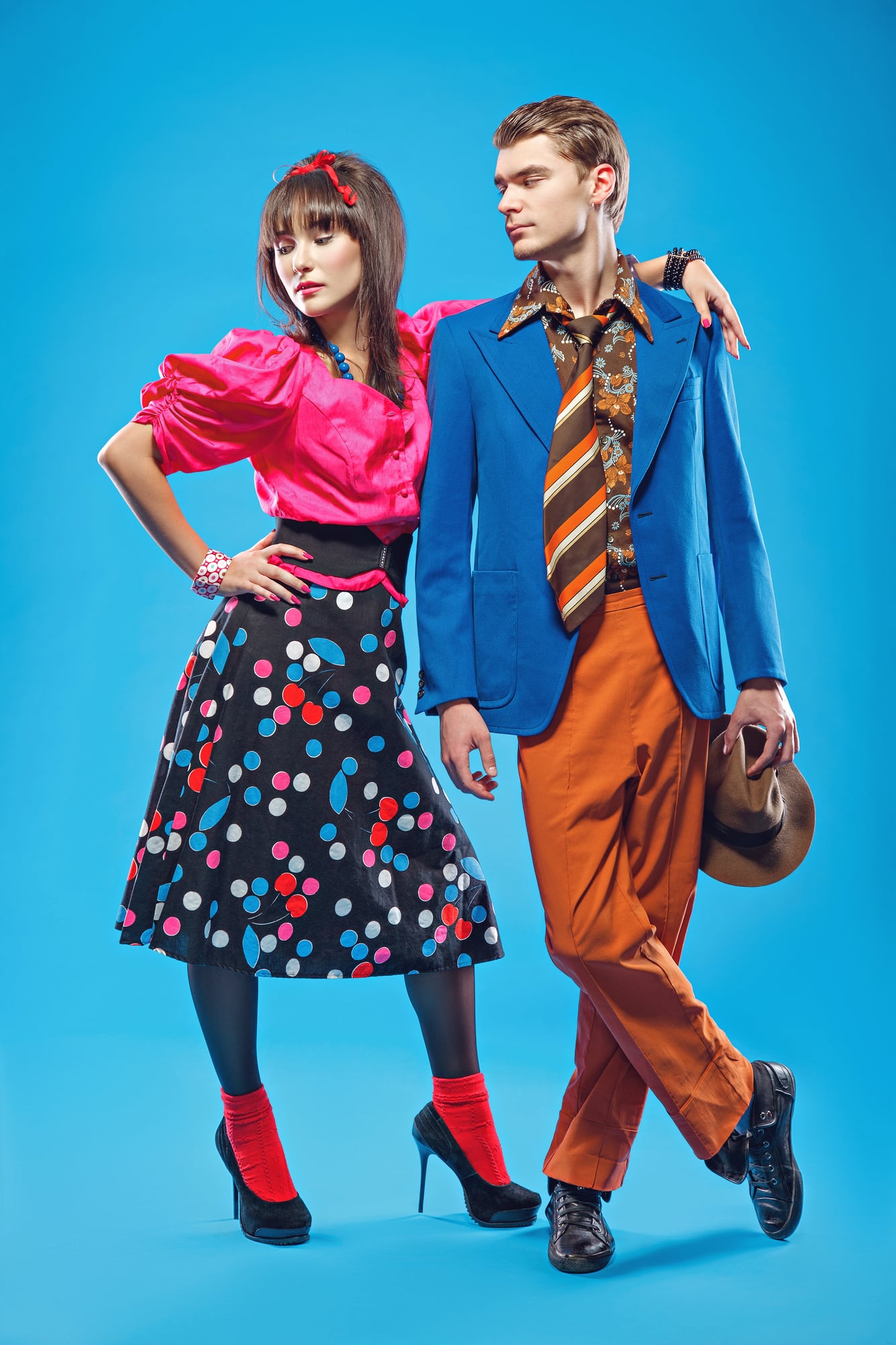
The zoot suit emerged in the late 1930s among young Mexican American and African American men—oversized jackets with wide lapels and high-waisted, baggy trousers. When World War II fabric rationing began, these suits took on explosive political meaning.
Wearing clothing that used excessive fabric during mandated wartime restraint became an act of resistance against discrimination and a celebration of cultural identity. The Zoot Suit Riots of 1943 showed just how threatening this form of self-expression was to the established order.
Punk Fashion Weaponized Appearance

Ripped clothing held together with chains. Hair spiked into mohawks and dyed unnatural colors.
Safety pins as jewelry and decoration. Punk fashion in the 1970s wasn’t trying to be beautiful.
It was trying to shock, to offend, to reject everything mainstream culture valued. The most extreme looks—like safety pins through cheeks—were typically reserved for performances and photo shoots rather than daily life, but they captured the movement’s aggressive rejection of norms.
Designers like Vivienne Westwood turned anti-establishment rage into wearable art. The look said: your rules don’t apply to me.
Your standards of beauty are meaningless. Punk gave young people a visual language for their anger and alienation.
The Afro Claimed Natural Beauty

Natural Black hairstyles existed for centuries in the Caribbean and Africa, but the Afro took on specific political meaning in 1960s and 70s America. For decades, Black Americans faced pressure to straighten their hair to conform to white beauty standards.
The natural Afro rejected that pressure completely. Angela Davis, the Black Panthers, and countless others wore their hair in large, natural Afros as a political statement.
It was about reclaiming African heritage and asserting that Black beauty didn’t need to apologize or assimilate. The Afro became one of the most recognizable symbols of the Black Power movement in the United States.
Drag Challenged Gender Boundaries
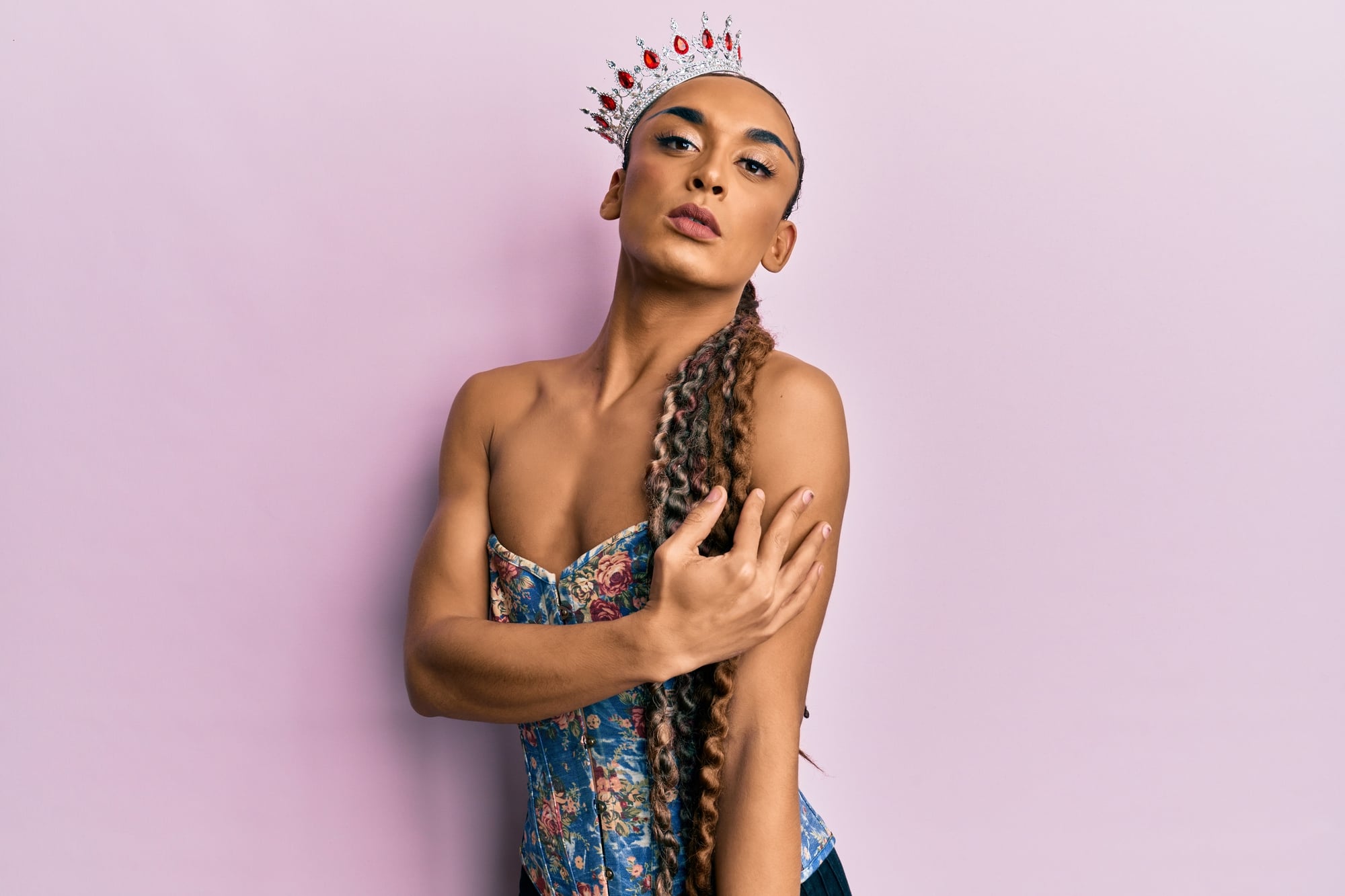
Drag has roots in theater and opera going back centuries, but modern drag’s mainstream influence accelerated dramatically in the 1990s. Ballroom culture created elaborate systems of performance and competition.
RuPaul brought drag to television audiences who had never seen it before. By exaggerating and playing with gender presentation, drag questioned the very concept of fixed gender roles.
Elements that thrived in drag and ballroom culture—bold makeup, gender-fluid clothing, theatrical self-presentation—gradually moved into everyday fashion. Fashion designers incorporated drag aesthetics into their collections.
Suddenly, more people felt permission to play with gender expression in their own wardrobes.
Hip-Hop Fashion Claimed Luxury

When hip-hop artists started wearing high-end designer brands in the 1980s and 90s, they weren’t just showing off wealth. They were making a statement about who deserved access to luxury.
Black artists from poor neighborhoods wearing Gucci, Versace, and Louis Vuitton challenged the gatekeeping of high fashion. Designers like Dapper Dan remixed luxury logos into custom pieces, forcing major fashion houses to eventually embrace hip-hop culture.
Then artists went further and created their own brands—FUBU, Sean John, Rocawear. Hip-hop fashion said: you don’t get to decide who belongs in luxury spaces anymore.
The Miniskirt Redefined Modesty

The miniskirt emerged in the mid-1960s through designers like Mary Quant in the UK and André Courrèges in France, both independently creating shockingly short hemlines—sometimes just barely covering underwear. Conservative critics called it immoral.
But young women embraced it enthusiastically. The miniskirt represented a generation rejecting their parents’ values around female modesty and propriety.
It was part of the broader counterculture movement that questioned traditional authority. Women wore miniskirts because they wanted to, not because men or society approved.
That choice itself was the point.
Sneaker Culture Elevated Street Style

Athletic shoes were for sports. Then everything changed in the mid-1980s.
Run-DMC released “My Adidas” in 1986, celebrating sneakers as cultural identity. Nike launched the Air Jordan line in 1985 with Michael Jordan, creating unprecedented demand and collector culture.
Sneakers became cultural currency, giving young people—especially in urban communities—a way to express status, taste, and identity through footwear. Limited releases created scarcity.
Collaborations between artists and brands made sneakers into collectible art. Today, sneakers sit in museums and sell for thousands of dollars.
Street style went from being dismissed to setting trends for the entire fashion industry.
Androgynous Fashion Blurred the Lines

Androgynous fashion has a long history—18th-century dandies, Victorian cross-dressing performers—but the 20th century brought it into popular consciousness. David Bowie in a dress.
Grace Jones in sharp suits. Annie Lennox with a flat-top haircut.
These artists renewed and popularized the challenge to the rule that men must dress masculine and women must dress feminine. This wasn’t about confusion.
It was about expanding options. By the time designers like Rad Hourani launched gender-neutral fashion lines in the 2000s, the groundwork had been laid by centuries of people refusing to be boxed in by gendered clothing rules.
The Hoodie Became Controversial
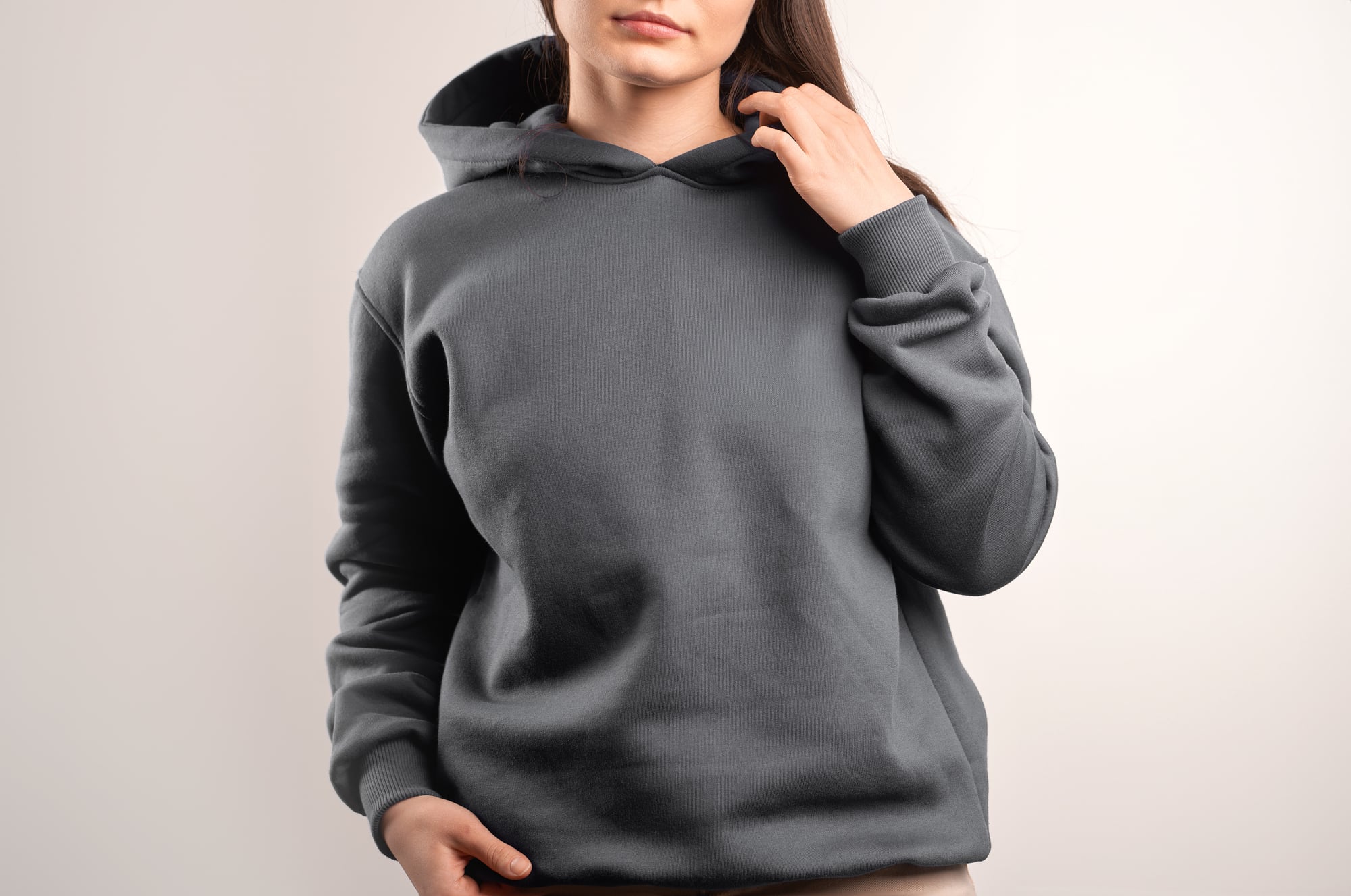
A simple hooded sweatshirt shouldn’t be political. The hoodie already carried subculture associations—skaters wore them, breakdancers made them part of hip-hop style.
But it became a flashpoint in discussions about race, class, and profiling. After Trayvon Martin’s death in 2012, the hoodie transformed into an amplified symbol of protest.
Athletes, celebrities, and everyday people wore hoodies to challenge stereotypes about who looks “suspicious” or “dangerous.” The Million Hoodie March brought thousands to the streets.
A piece of casual clothing became a statement about whose lives matter and who gets to move through the world without fear.
Modest Fashion Entered Mainstream
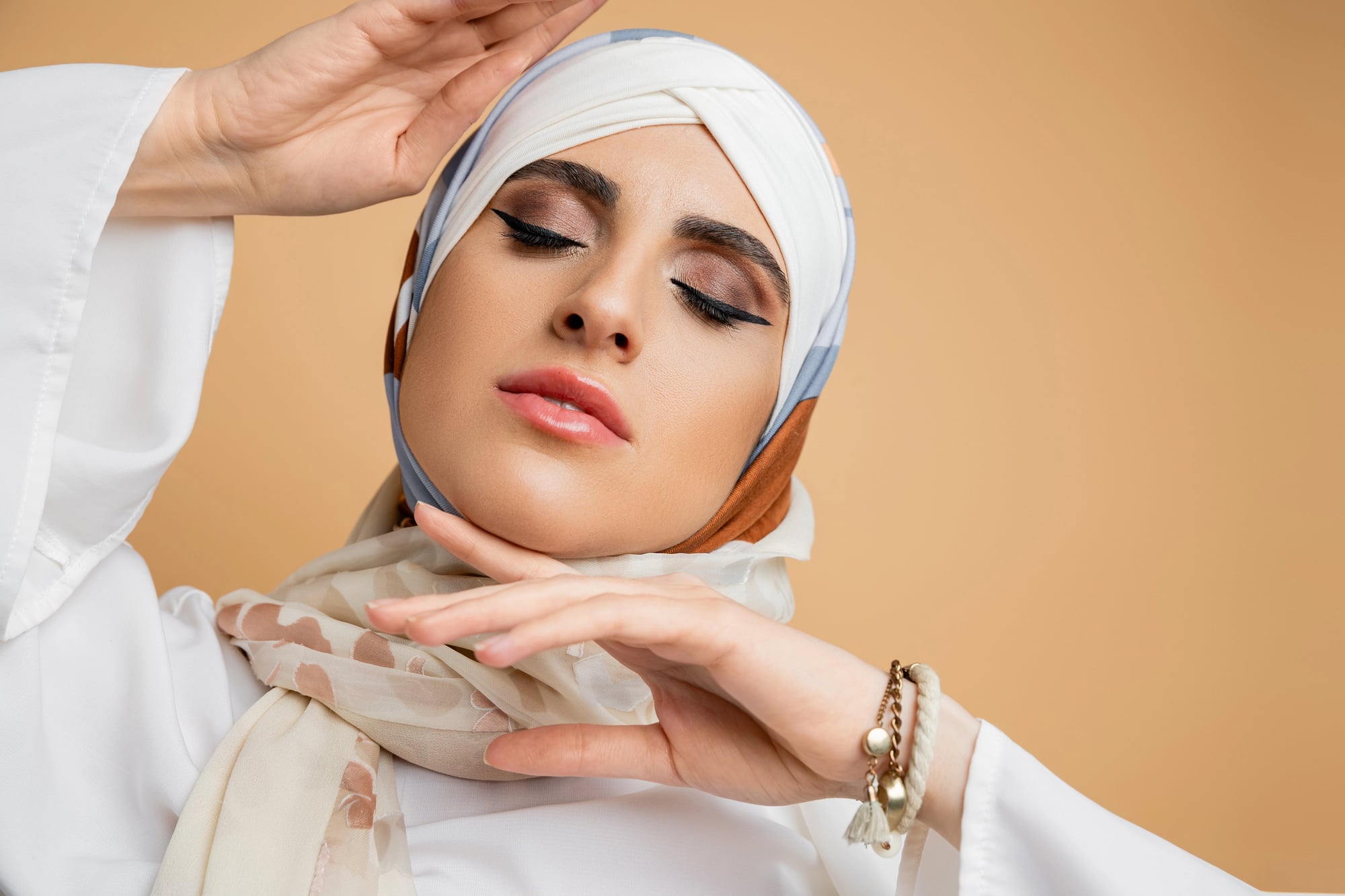
Global Muslim fashion industries existed for decades before Western mainstream markets paid attention. Muslim women wearing hijabs faced discrimination and pressure to assimilate.
Then in the 2010s, Western designers and department stores started creating fashionable modest clothing lines. Brands featured hijabi models.
Major retailers carried modest fashion. This visibility did something important—it normalized religious expression as compatible with modern style.
Women no longer had to choose between their faith and feeling fashionable. Modest fashion’s mainstream rise showed that the fashion industry’s narrow definition of what looks good was finally expanding.
Gender-Neutral Clothing Lines Opened Doors
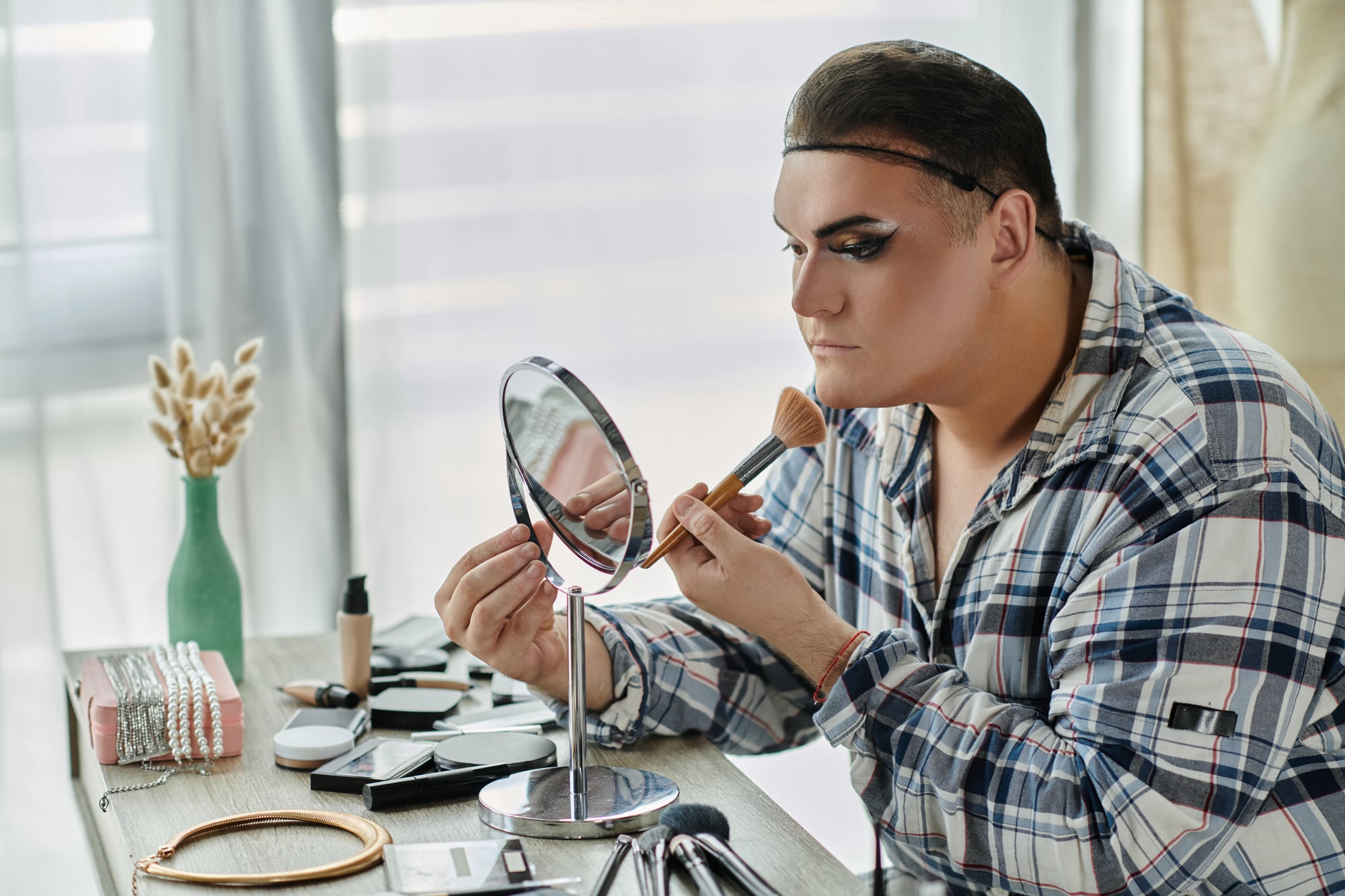
Designers like Rad Hourani established genderless fashion in the 2000s, creating collections that challenged why clothing needs gender labels at all. When major fast-fashion retailers like Zara and H&M launched gender-neutral sections years later, they brought these ideas to mass markets.
This goes beyond androgynous styling. It’s about fundamentally questioning why clothing needs gender labels at all.
For non-binary people and anyone who doesn’t fit traditional gender categories, these options provide practical choices that affirm their identity. The fashion industry is slowly catching up to social reality matters.
Tattoos Moved from Taboo to Mainstream

Visible tattoos once meant you were a sailor, a criminal, or an outcast. By the 1990s, certain industries—music, art, sports—began normalizing them.
But the real transformation came as tattooed professionals showed up to corporate jobs with full sleeve tattoos in the 2000s and beyond. This shift happened because people refused to hide their body art.
Each tattooed person in a “respectable” space challenged assumptions about professionalism and worthiness. Fashion magazines featured tattooed models.
Designers incorporated tattoo aesthetics into prints and patterns. The body itself became a canvas for permanent self-expression, and society eventually had to accept it.
Wearing What Matters
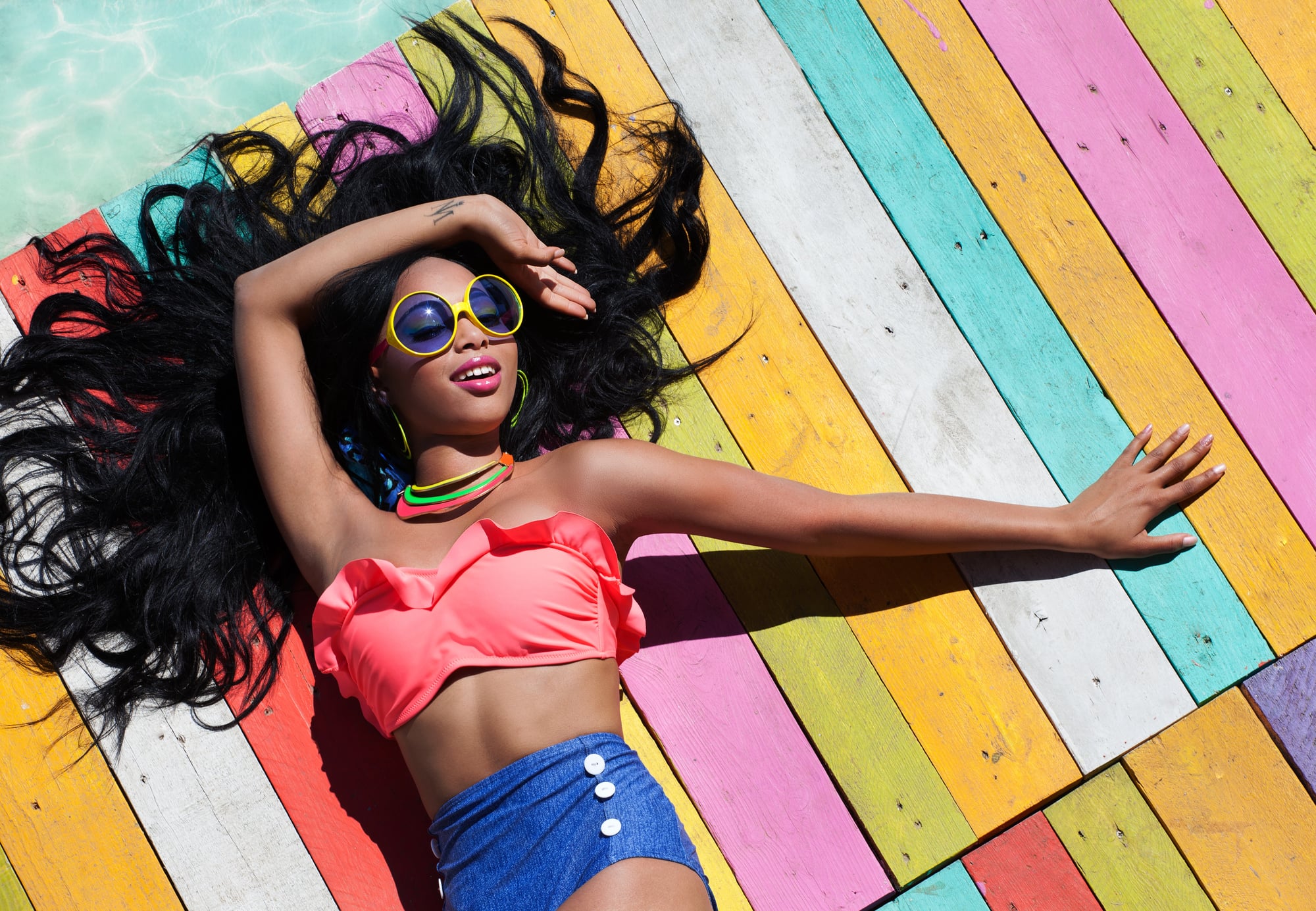
Fashion grabs attention because it’s out there, on display. Beliefs stay hidden unless you choose to show them – clothes do that job loud and clear.
Times when fashion shifted how we express ourselves? It wasn’t only about new looks. It was folks turning their skin into signs for thoughts that rattled the norm.
Every example below began with a person saying silent approval isn’t worth more than standing visible. Bravery in fashion – choosing styles that broke rules – slowly changed what people saw as normal.
What we’ll put on later keeps doing the same thing, showing – and helping form – the shifts happening around us today.
More from Go2Tutors!

- The Romanov Crown Jewels and Their Tragic Fate
- 13 Historical Mysteries That Science Still Can’t Solve
- Famous Hoaxes That Fooled the World for Years
- 15 Child Stars with Tragic Adult Lives
- 16 Famous Jewelry Pieces in History
Like Go2Tutors’s content? Follow us on MSN.