Fast Food Spots With Unique Architecture
Most fast food restaurants look the same. Same colors, same shapes, same forgettable boxes designed to get you in and out quickly.
But scattered across the world, some locations broke the mold entirely. These buildings make you stop and stare before you even think about ordering.
They turned the mundane act of grabbing a burger into something worth photographing.
The Basket Building – Former Longaberger Headquarters

This building in Newark, Ohio, looks exactly like a giant picnic basket because that’s what it was designed to be. The Longaberger Company, famous for handmade baskets, built their headquarters to resemble their signature product.
The handles alone weigh 150 tons. While not technically a fast food restaurant, the building housed a small café that served quick meals to employees and visitors.
The structure stands seven stories tall and contains 180,000 square feet of office space. Every detail mirrors an actual Longaberger basket, scaled up to absurd proportions.
The company went bankrupt, and the building sat empty for years. Local groups tried to find new uses for it, but maintaining a basket-shaped office building presents unique challenges.
The heating bills alone were astronomical. Still, it remains one of the most photographed buildings in Ohio, a testament to corporate ambition and architectural boldness.
McDonald’s in Sedona, Arizona
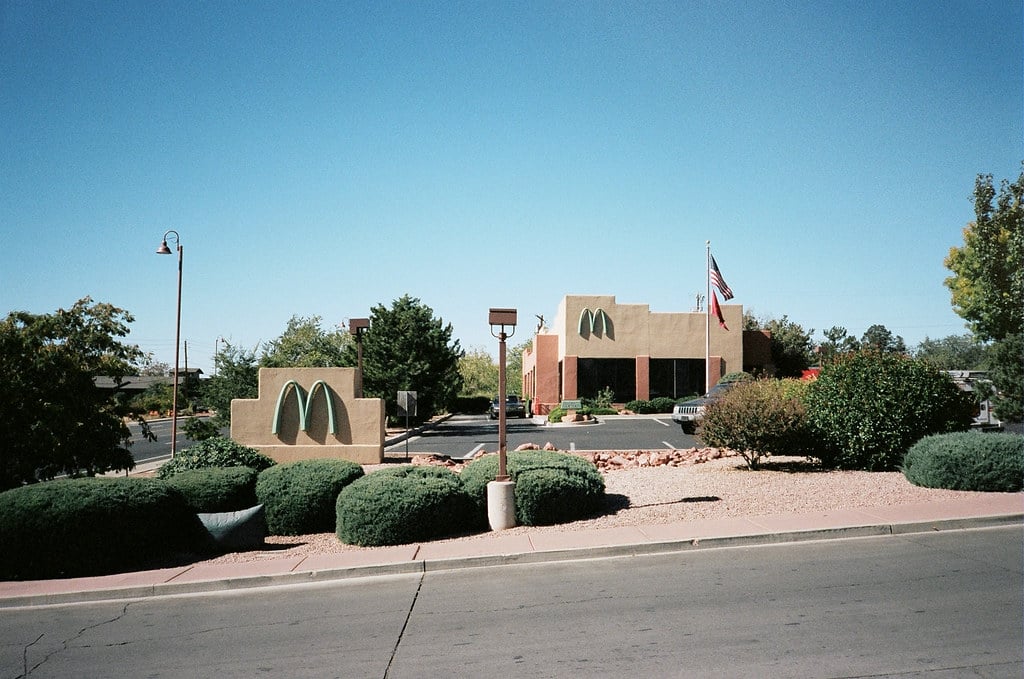
The golden arches in Sedona aren’t golden at all. They’re turquoise.
The city’s strict aesthetic regulations forced McDonald’s to change its signature branding to blend with the surrounding red rock landscape. The building uses earth tones and natural materials throughout.
Sedona takes its visual identity seriously. Every business must conform to design standards that preserve the area’s natural beauty.
When McDonald’s wanted to open a location, they had to completely reimagine their standard corporate design. The result looks more like a southwestern gallery than a fast food chain.
Inside, you’ll still get the same menu, but the exterior respects the desert environment. The turquoise arches have become something of a tourist attraction themselves.
People stop to take photos before going inside to order. It’s probably the most tasteful McDonald’s ever built.
The UFO McDonald’s in Roswell

Roswell, New Mexico, embraces its alien mythology completely, and the local McDonald’s plays along. The building features a massive UFO-shaped structure that appears to have crashed into the restaurant.
Neon lights illuminate the spacecraft at night, making it visible from blocks away. The PlayPlace inside continues the theme with spaceship designs and alien decorations.
Even the Happy Meal toys occasionally get special alien-themed variants at this location. The whole experience feels like eating inside a science fiction movie set.
Roswell knows exactly what tourists want, and this McDonald’s delivers it perfectly. The town has turned alleged extraterrestrial contact into a full-fledged industry, and the fast food architecture matches that commitment.
You can grab a Big Mac while sitting beneath a glowing flying saucer.
The Airplane Restaurant in Colorado Springs

A retired Boeing KC-97 tanker sits alongside a Colorado Springs highway, converted into a full restaurant. You enter through the fuselage and dine inside what used to be a military aircraft.
The cockpit remains intact, and you can see all the original controls and instruments. The owners kept as many authentic details as possible while making the space functional for dining.
The wings extend on both sides, and additional seating was built into structures connected to the main aircraft body. At night, lights illuminate the entire plane, making it impossible to miss from the road.
The menu isn’t standard fast food, but the service moves quickly and the atmosphere is entirely unique. Sitting inside a genuine military aircraft while eating a burger creates a surreal dining experience.
Kids love exploring the cockpit between bites.
Leaning Tower of Pisa Pizza Hut
Several Pizza Hut locations around the world have incorporated local landmarks into their design, but none more dramatically than the one in Italy that features a replica of the Leaning Tower of Pisa. The tower leans at the same angle as the original, creating an unsettling optical illusion.
Pizza Hut has always been more willing than other chains to adapt their buildings to local culture. In countries where pizza originated, this sensitivity becomes even more important.
The leaning tower replica shows respect for Italian heritage while still serving American-style pizza. The structural engineering required to make a building intentionally lean safely is surprisingly complex.
Everything has to be calculated precisely to ensure the tower doesn’t actually fall over. Visitors often do the classic tourist pose, pretending to hold up the tower, before going inside to eat.
Chongqing’s Cave McDonald’s
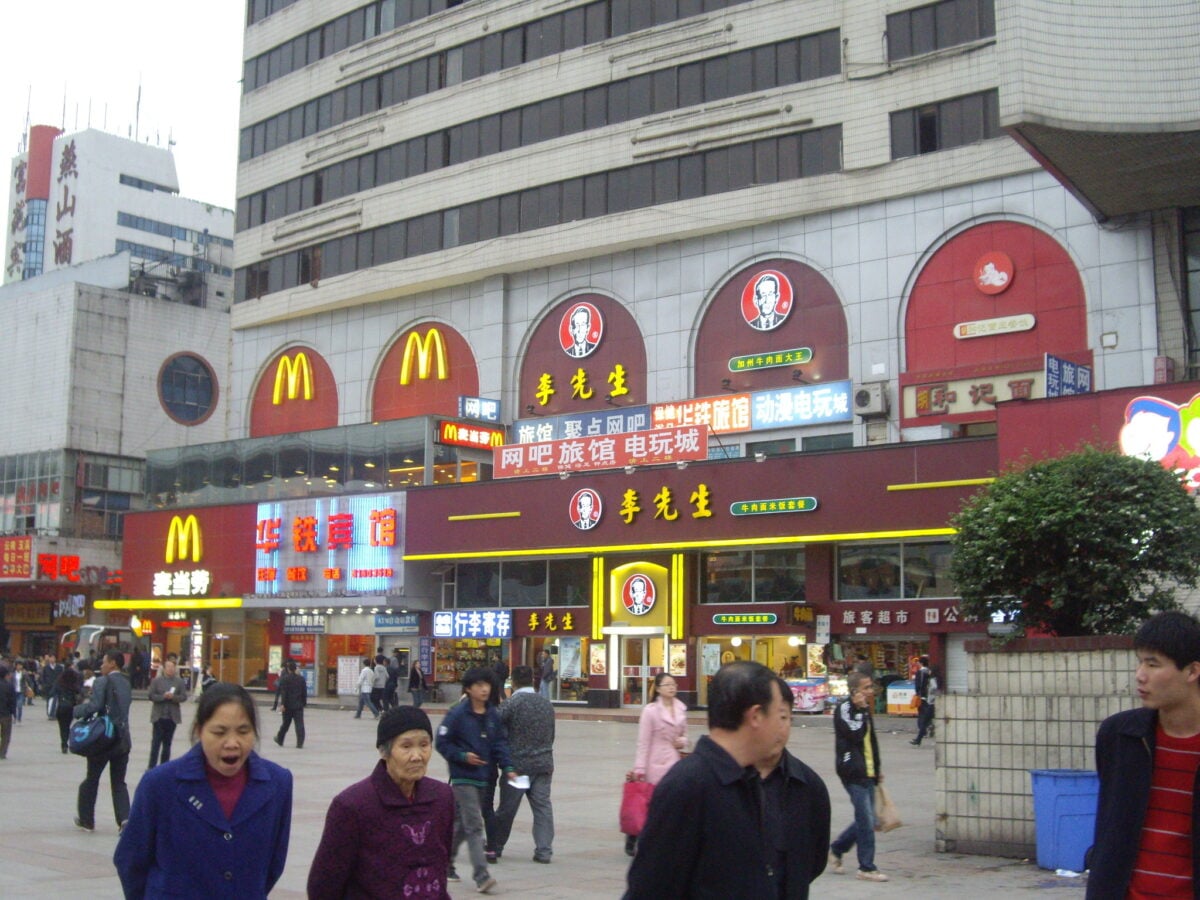
Built directly into a hillside in Chongqing, China, this McDonald’s uses the natural rock formation as part of its structure. The entrance looks like you’re walking into a mountain, and once inside, exposed stone walls create an almost medieval atmosphere.
China’s rapid urbanization created opportunities for unusual architecture as cities expanded into previously undeveloped terrain. Rather than level the hillside, the designers incorporated it into the building itself.
The result is a McDonald’s that looks nothing like any other location on Earth. The cave theme extends throughout the interior, though modern amenities like air conditioning and wifi keep it comfortable.
The juxtaposition of ancient geological formations and modern fast food feels strange but oddly compelling. You order your fries surrounded by rock that formed millions of years ago.
The Coffee Pot in Bedford, Pennsylvania

This roadside structure has served various food establishments over the decades, but it’s always been shaped like a giant coffee pot. Built in the 1920s, it stands as one of America’s earliest examples of novelty architecture designed to attract highway travelers.
The building is only about nine feet tall, with just enough room for a small counter and cooking area. Originally, it sold coffee and snacks to people driving along the Lincoln Highway.
Over the years, different owners tried different concepts, but the coffee pot shape remained constant. These days, it operates sporadically, sometimes as an ice cream stand or gift shop.
The structure itself is the real attraction. Preservation groups have worked to maintain it as a historic landmark. It represents an era when roadside businesses competed for attention through pure architectural weirdness.
Denny’s Neon Museum Location

The Denny’s attached to the Neon Museum in Las Vegas incorporates vintage neon signs from closed businesses throughout its design. The restaurant becomes part of the museum experience, with spectacular light displays both inside and outside the building.
Las Vegas has always embraced visual excess, and this location takes that tradition seriously. Historic signs from old casinos and businesses have been restored and integrated into the restaurant’s structure.
Dining here means eating surrounded by pieces of Las Vegas history. The neon creates an otherworldly atmosphere, especially after dark.
Every surface reflects colored light, and the entire building glows like something from a retro-futuristic film. It’s still serving standard Denny’s menu items, but the environment transforms the experience completely.
The Dog Bark Park Inn

While primarily a bed and breakfast, the Dog Bark Park Inn in Idaho also serves breakfast, making it technically qualify as a food establishment with unforgettable architecture. The building is shaped like a giant beagle, standing 30 feet tall.
You enter through a door on the dog’s side. The owners, both chainsaw artists, built the structure themselves as both a home and a tourist attraction.
The dog’s body contains a small bedroom and sitting area, while the head functions as a loft space. Outside, another smaller dog sculpture serves as a gift shop.
The whole property celebrates dog-themed art in every possible form. Wooden carvings surround the building, and the interior decoration continues the canine theme.
Guests eat breakfast inside a giant dog while looking at dog artwork and shopping for dog souvenirs. The commitment to the concept is absolute.
Mammy’s Cupboard in Mississippi

This building shaped like a woman in a hoop skirt has stood along Highway 61 since 1940. You enter through the skirt to reach the small restaurant inside. The structure has generated controversy over the years due to its racial imagery, but it remains a recognizable landmark.
The building originally featured more explicitly racist design elements that have since been modified. Current owners painted the figure to be less offensive while maintaining the basic structure.
The debate over whether such buildings should be preserved or demolished continues. Inside, the tiny space serves sandwiches and desserts.
The circular floor plan follows the shape of the hoop skirt, creating an unusual dining arrangement. Whatever you think of the building’s history and imagery, the architecture itself is undeniably unique.
Bob’s Big Boy in Burbank

The oldest remaining Bob’s Big Boy in its original location features Googie architecture at its finest. Built in 1949, the building showcases dramatic angles, large windows, and a massive rooftop sign.
The design epitomizes postwar American optimism and car culture. Googie architecture defined the aesthetic of mid-century roadside restaurants.
The style used bold geometric shapes and upward-sweeping rooflines to catch the attention of passing drivers. This Bob’s Big Boy location has been designated a California Point of Historical Interest.
The interior maintains its original layout with red vinyl booths and a long counter. Classic cars fill the parking lot on weekend evenings when car enthusiasts gather for impromptu shows.
The building serves as both a functioning restaurant and a time capsule of 1940s design philosophy.
The Longhorn Cafe

Located in Amado, Arizona, this small café is decorated entirely with cattle skulls and horns. Thousands of them cover every surface, inside and out.
The building itself is fairly standard, but the decorative commitment transforms it into something bizarre and memorable. The collection started small and grew over decades as travelers donated skulls and horns from their own ranches.
Now, you can barely see the original walls beneath the layers of bone. Some skulls are painted, some are plain, and some have been carved or decorated by artists.
The café serves standard southwestern fare, but nobody comes here just for the food. The skull display has become legendary among road trippers.
You eat your meal surrounded by the remains of hundreds of cattle, their horns creating a maze of branching patterns overhead.
A Different Kind of Dining
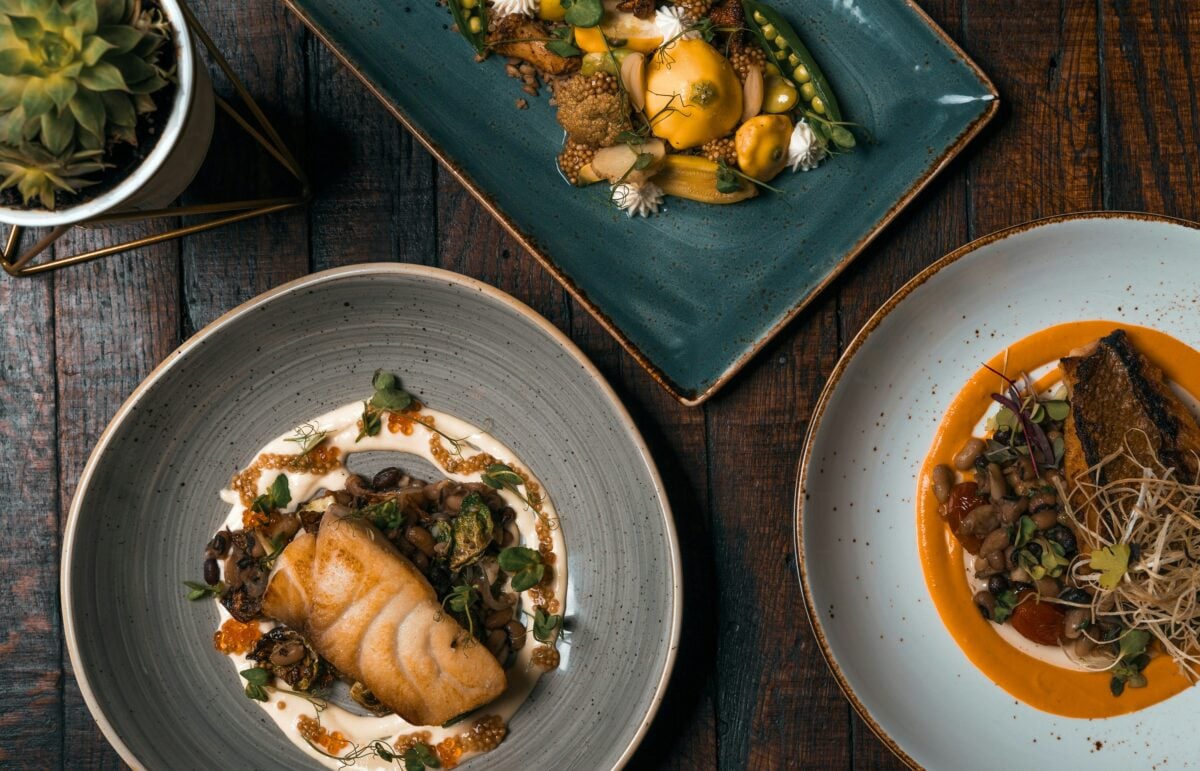
These places show that burgers don’t need boring walls. Every spot tried things big bosses likely said no to.
Cash went into odd shapes – useless, really – except they made folks grin or wonder what it was supposed to be. Some turned into spots folks visit just to snap pictures.
Meanwhile, a few support nearby neighborhoods, staying low-key symbols of bold design ideas. Yet each one shows how everyday buildings might aim higher than mere practicality.
These spots still running prove oddball buildings can pay off. Folks don’t forget chowing down in a café shaped like a teapot or tucked into a slope.
Turning lunch into something talkable – shows the shell can shine as bright as the food within.
More from Go2Tutors!

- 16 Historical Figures Who Were Nothing Like You Think
- 12 Things Sold in the 80s That Are Now Illegal
- 15 VHS Tapes That Could Be Worth Thousands
- 17 Historical “What Ifs” That Would Have Changed Everything
- 18 TV Shows That Vanished Without a Finale
Like Go2Tutors’s content? Follow us on MSN.