19 Completely Ordinary Objects That Sparked Global Scandals
The most extraordinary controversies often begin with the most ordinary things. Objects we encounter in our daily lives—items so common we barely notice them—have occasionally found themselves at the center of international incidents, political upheaval, and cultural firestorms that no one could have predicted.
These seemingly innocent items demonstrate how context can transform the mundane into the momentous. Here is a list of 19 everyday objects that somehow managed to spark global scandals that captivated the world’s attention.
A Dress (2015)

A simple striped dress posted on social media created a global debate that divided the internet into warring factions. Some viewers saw it as blue and black, others as white and gold, launching heated arguments about color perception.
The viral phenomenon reached over 10 million tweets within a week and was covered by major news outlets worldwide. Scientists eventually explained it as a matter of how human brains process color and light.
A Red Button (2017)

When Hawaii’s Emergency Management Agency accidentally sent a false missile alert to every cell phone in the state, the cause was surprisingly simple: an employee clicked the wrong option in a dropdown menu. This ordinary button press sent nearly 1.5 million people into panic for 38 terrifying minutes.
The incident exposed dangerous flaws in emergency alert systems and triggered investigations across multiple government agencies.
A Plastic Straw (2015)
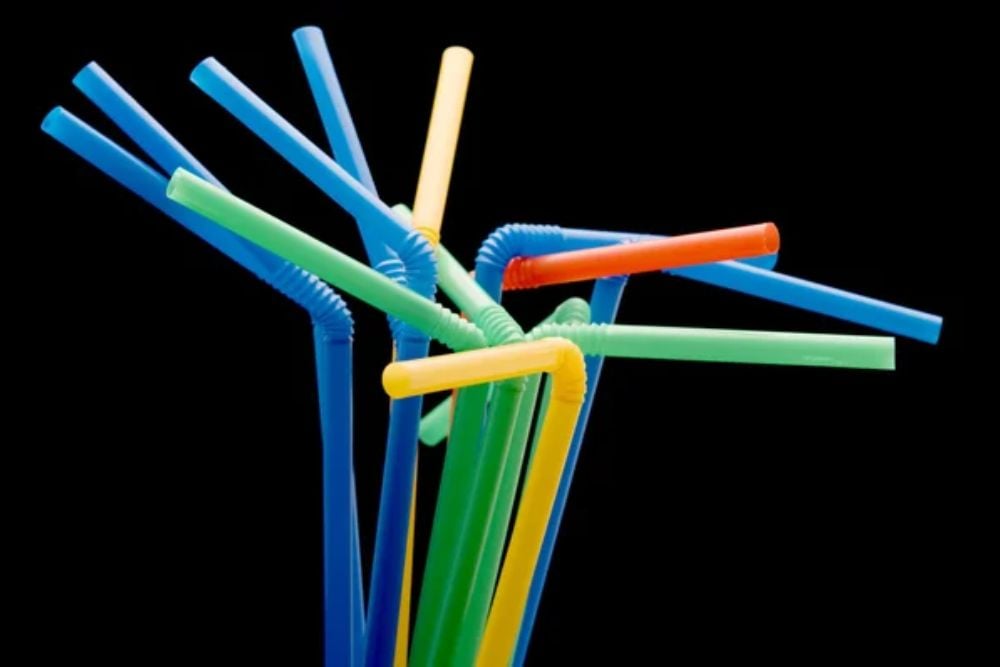
A single plastic straw in a sea turtle’s nostril, captured on video by marine biologists, launched a global environmental movement. The disturbing footage of the turtle’s painful extraction procedure went viral, accumulating millions of views and transforming plastic straws from unnoticed convenience to a symbol of environmental harm.
Major corporations and entire cities subsequently banned plastic straws in response to the public outcry.
A Teapot (2008)
An ordinary porcelain teapot became the center of international tension when the Starbucks inside Beijing’s Forbidden City sparked outrage among Chinese cultural preservationists. Critics viewed the American coffee chain’s presence as cultural imperialism within China’s sacred historical site.
The controversy grew so intense that the shop was eventually forced to close, becoming a symbolic flashpoint in debates about globalization versus cultural sovereignty.
A Vuvuzela (2010)
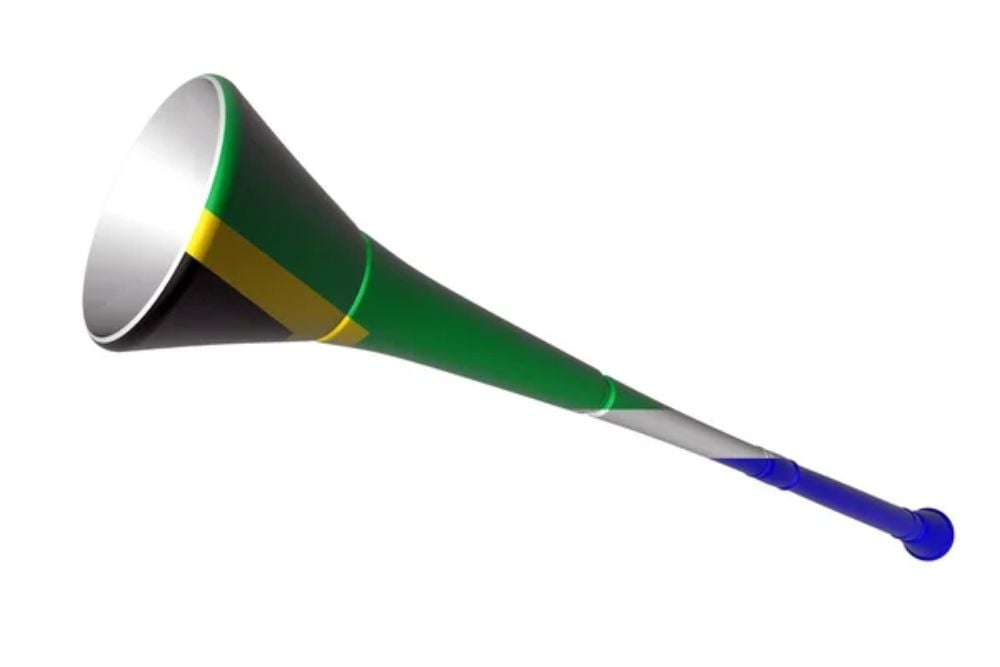
The plastic horn commonly used by South African soccer fans became infamous during the 2010 World Cup. The continuous drone of thousands of vuvuzelas created a broadcast nightmare, with television networks receiving unprecedented complaints about the 127-decibel buzzing that drowned out commentators and game sounds.
FIFA considered banning them mid-tournament, turning these cheap plastic instruments into a contentious symbol of cultural expression versus global standardization.
A Red Coffee Cup (2015)

Starbucks’ minimalist red holiday cup design sparked outrage among some religious groups who claimed the company was waging a ‘war on Christmas’ by removing explicit holiday imagery. The controversy spread across social media and cable news, eventually drawing comments from presidential candidates.
The plain red cup transformed overnight from a beverage container to a cultural battlefield in America’s ongoing debates about religious expression in commercial spaces.
A Flag Pin (2008)

A small American flag lapel pin became a major campaign issue when presidential candidate Barack Obama initially chose not to wear one. Critics questioned his patriotism while supporters defended personal choice in expressing national pride.
The controversy grew so intense that Obama eventually relented and began wearing the pin, demonstrating how a tiny piece of metal could become a powerful political symbol during heightened nationalist sentiment.
A Paperclip (1940s)
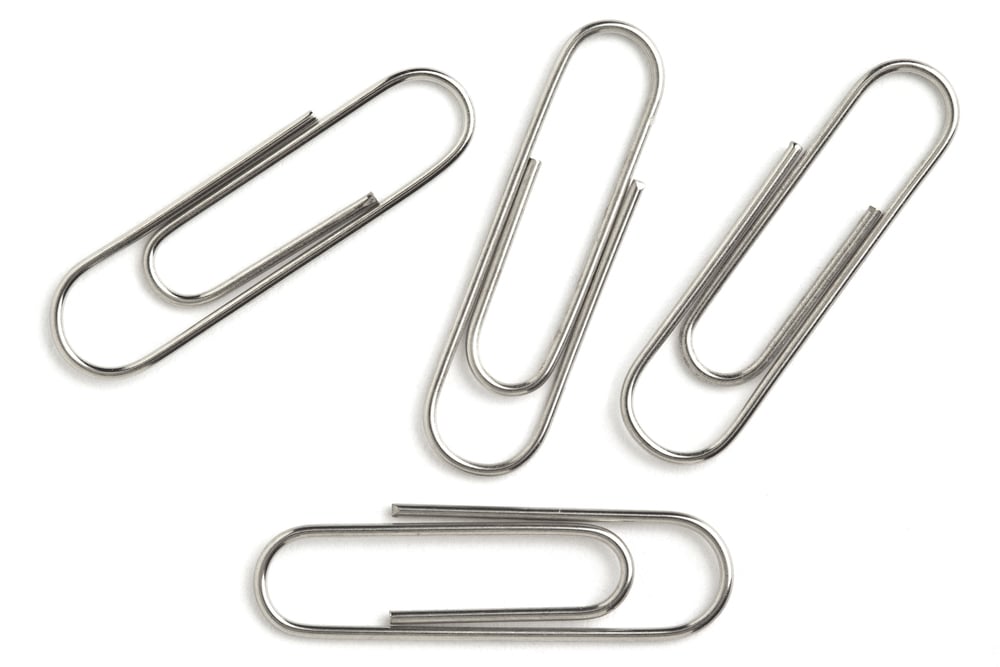
In Nazi-occupied Norway, the humble paperclip became a powerful symbol of resistance. Norwegians wore paperclips on their lapels as a silent protest against fascism, representing solidarity and binding together against occupation.
The seemingly innocent office supply allowed citizens to signal opposition while evading immediate detection by authorities. This small metal loop represents how ordinary objects can become extraordinary vehicles for resistance during political oppression.
A Chicken Sandwich (2012)
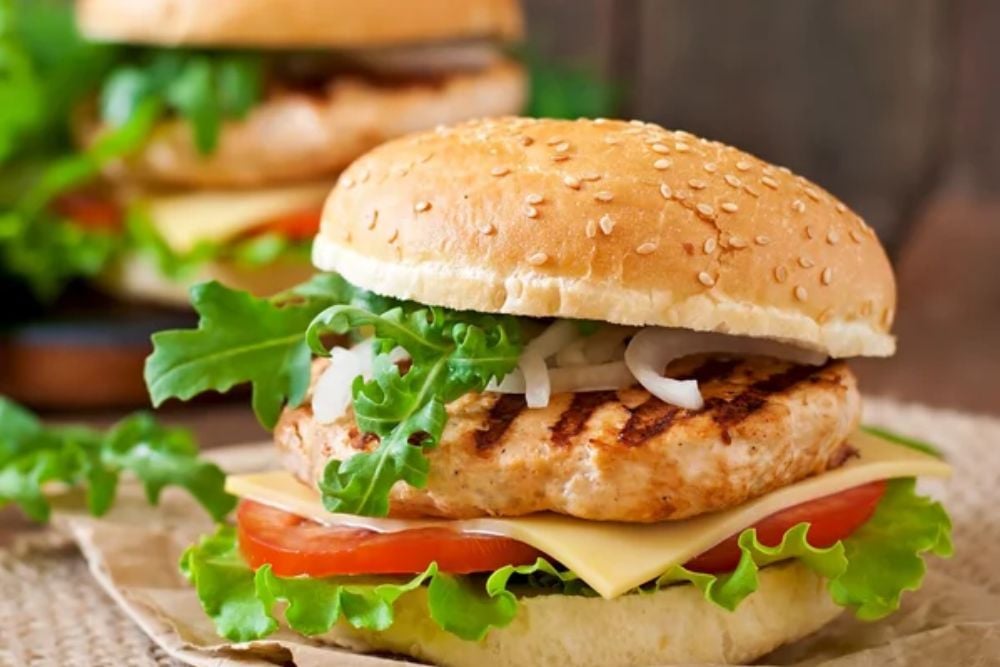
Chick-fil-A’s chicken sandwich became the centerpiece of a culture war when the company’s CEO made comments opposing same-sex marriage. The fast food item transformed overnight into a political statement, with supporters staging ‘appreciation days’ while opponents organized boycotts and kiss-ins at restaurant locations.
Sales actually increased during the controversy, demonstrating how consumer choices increasingly function as political expression in polarized societies.
A Wardrobe Slip (2004)
During the Super Bowl halftime show, Janet Jackson’s exposed nipple for 9/16ths of a second created a regulatory firestorm called ‘Nipplegate.’ The FCC received over 540,000 complaints and fined CBS $550,000.
The incident transformed broadcast standards, introduced broadcast delays for live events, and even accelerated the development of YouTube, as its co-founder cited difficulty finding the clip online as inspiration for the video-sharing platform.
A Hairdryer (2016)

Samsung’s Galaxy Note 7 smartphones began exploding due to faulty batteries, but the scandal went truly global when a woman used her hairdryer to demonstrate a government safety recommendation. Her viral video showed her blow-drying her phone into a fireproof bag, highlighting the absurdity of the official advice.
The common household appliance transformed the technical recall into a cultural moment that cost Samsung billions and became fodder for late-night comedy.
A Bottle of Water (2018)

At a Cabinet meeting, President Trump conspicuously moved a Fiji water bottle from the table to the floor, prompting Poland Spring to place a bottle in a similar position during a meeting with their Polish counterpart. This diplomatic water bottle incident spawned countless memes and international media coverage.
The ordinary hydration vessel temporarily became a symbol of geopolitical tensions and presidential behavior analysis.
A Toy Train (2007)
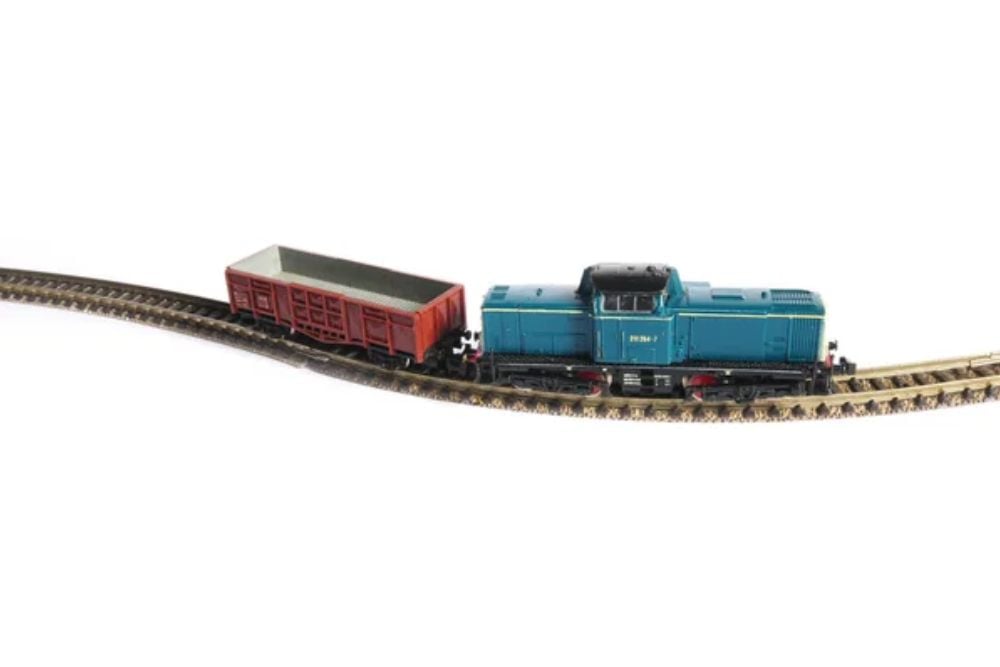
Millions of toy trains manufactured in China were recalled after tests revealed lead paint, triggering international panic about product safety. Parents worldwide rushed to remove these ordinary playthings from their homes as the scandal expanded to include other contaminated toys.
The humble wooden train sets prompted new legislation regarding product safety, restructured global manufacturing oversight, and temporarily damaged trade relations between China and importing nations.
A Blue Dress (1998)

Monica Lewinsky’s blue Gap dress with a DNA stain became central evidence in President Clinton’s impeachment proceedings. This ordinary garment, preserved unwashed in a closet, provided irrefutable proof of their relationship after Clinton’s famous denial.
The dress transformed from an everyday clothing item to a pivotal historical artifact that nearly toppled a presidency and forever changed how Americans discuss political scandals.
A Pineapple (2017)

A student placed a pineapple on an empty table at an art exhibition as a prank, only to return and find it enclosed in a glass case as viewers contemplated its meaning. The incident went viral internationally, sparking debates about modern art, emperor’s-new-clothes pretension, and institutional authority.
This tropical fruit accidentally exposed the subjective nature of artistic value and became a global symbol of artistic authenticity questions.
A Teddy Bear (2007)

An English teacher in Sudan allowed her class to name a teddy bear ‘Muhammad,’ resulting in her arrest for insulting religion. The stuffed toy sparked diplomatic tensions between Sudan and the UK, with protesters demanding harsh punishment while international pressure mounted for her release.
The teacher was eventually pardoned after serving eight days in jail, demonstrating how a child’s plaything could trigger global religious and cultural sensitivities.
A Red Baseball Cap (2016)
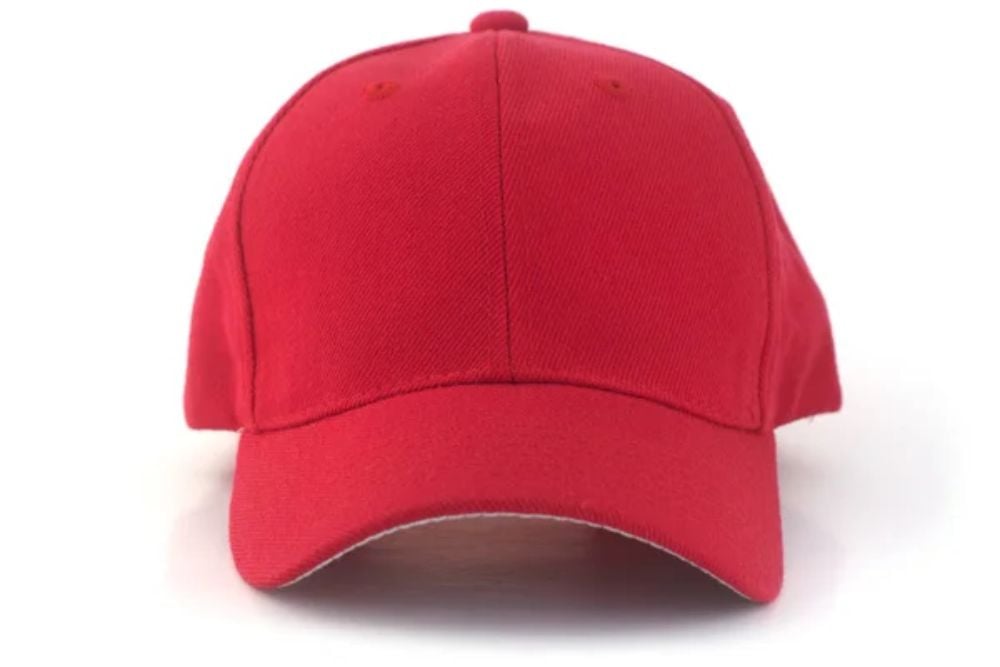
The ‘Make America Great Again’ cap transformed from ordinary headwear to polarizing political symbol during the 2016 presidential campaign. The simple red hat became so culturally charged that wearing it in certain contexts provoked confrontations.
This everyday accessory evolved into immediate visual shorthand for complex political alignments, demonstrating how ordinary objects can become extraordinary when imbued with ideological significance.
A Pencil Drawing (2005)
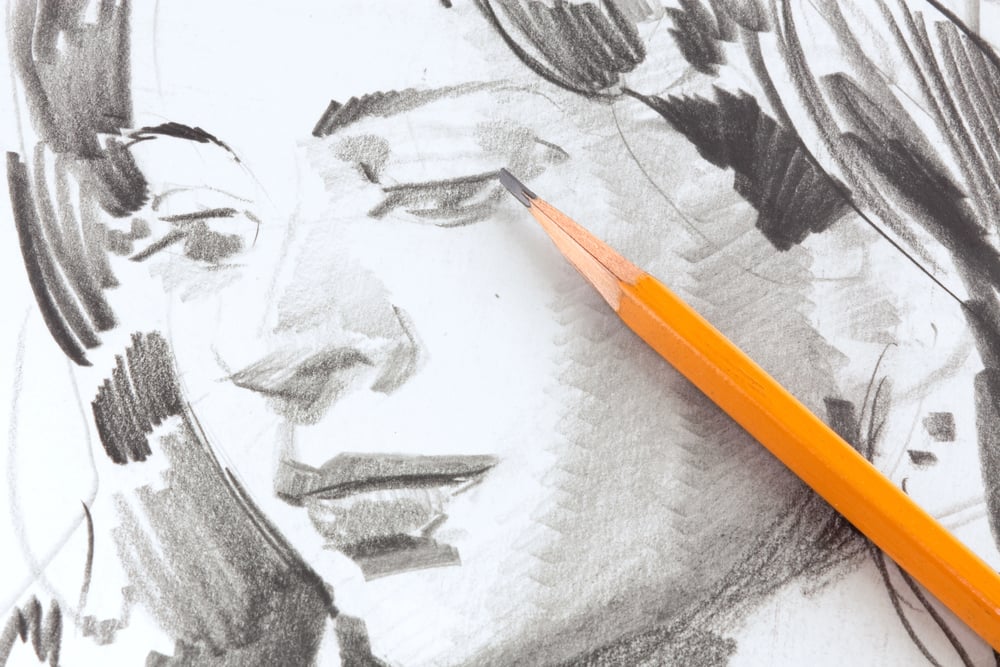
Twelve editorial cartoons depicting the prophet Muhammad in the Danish newspaper Jyllands-Posten sparked global protests across the Muslim world. These simple pencil drawings on paper led to boycotts of Danish products, burned embassies, and over 200 deaths worldwide.
The ordinary newspaper illustrations exposed deep cultural divisions regarding religious representation and free speech that continue to reverberate through international relations and media policy.
A Plastic Bag (2015)
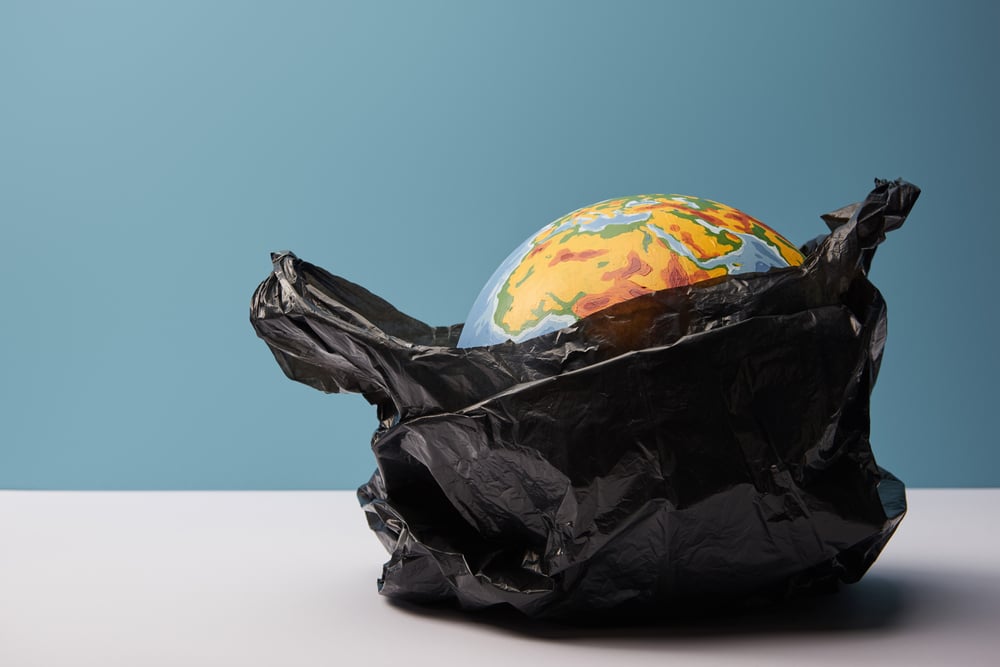
A flimsy plastic bag drifting through the air became an unlikely star when American Beauty featured it in a pivotal scene described as ‘the most beautiful thing I’ve ever filmed.’ Years later, the scene was parodied endlessly as pretentious, and the filmmaker’s reputation collapsed amid scandal.
The ordinary piece of trash became a peculiar cultural touchstone, representing both artistic pretension and how dramatically public perception can shift.
The Power of Ordinary Things

The transformation of these mundane objects into flashpoints for controversy reveals something profound about human society. When ordinary items become extraordinary catalysts, they expose underlying tensions that were present all along. These objects didn’t create the conflicts they’re associated with—they simply provided the visible spark that ignited existing social, political, and cultural powder kegs.
In an increasingly connected world, even the most unremarkable items can instantly become powerful symbols when placed in the right context at the right moment. As these stories demonstrate, we should perhaps pay closer attention to the ordinary objects surrounding us—any one of them might contain the potential to change the course of history or at least dominate tomorrow’s news cycle.
More from Go2Tutors!

- The Romanov Crown Jewels and Their Tragic Fate
- 13 Historical Mysteries That Science Still Can’t Solve
- Famous Hoaxes That Fooled the World for Years
- 15 Child Stars with Tragic Adult Lives
- 16 Famous Jewelry Pieces in History
Like Go2Tutors’s content? Follow us on MSN.



