Films Released With Zero (or Minimal) Dialogue
Chat runs most movies. People speak, fight, spill secrets, make things clear.
Words on page decide the action. Yet a few directors drop all that – almost completely.
Stories come from pictures, noise, motion, faces. These movies demand extra attention.
Stay focused or you’ll miss key moments during dialogue-heavy scenes. Pay close to expressions, catch small movements, while also spotting repeated images.
Without speech, your connection to the action shifts entirely.
The Artist Brought Back Silent Cinema
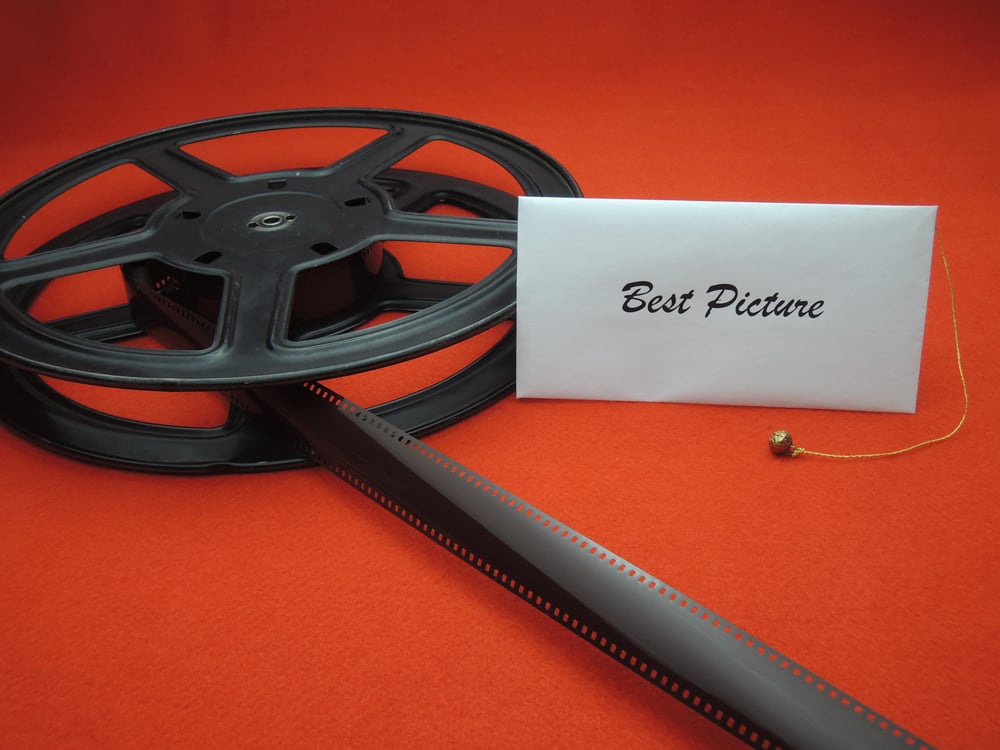
The Artist won Best Picture in 2012 despite having almost no spoken dialogue. Set in 1927 Hollywood, the film itself plays like a movie from that era—black and white, silent, with intertitle cards for the rare moments when words matter.
The story follows a silent film star whose career collapses when talkies arrive. The irony works because the film demonstrates that silent storytelling still has power.
You understand everything—the romance, the professional rivalry, the desperation, the hope—without needing characters to voice it.
Director Michel Hazanavicius used techniques from actual silent films. Exaggerated expressions.
Physical comedy. A musical score that carries emotional weight.
Modern audiences proved they could still follow these conventions nearly a century after they fell out of fashion.
All Is Lost Strands You Alone
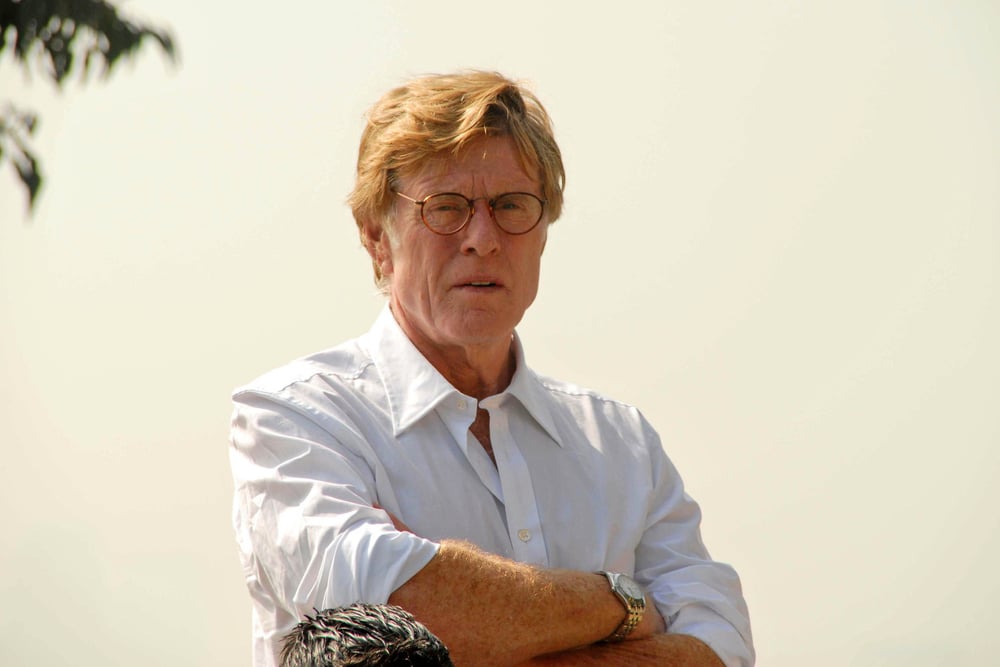
Robert Redford spends almost the entire runtime of All Is Lost alone on a boat in the Indian Ocean. He speaks only 51 words total.
Everything else comes through action and reaction.
The film opens with his yacht damaged. Water pours in.
He patches it. More problems arise.
He solves them or tries to. The camera watches him work, calculate, adapt.
You learn who he is through what he does under pressure, not through monologue or backstory.
Director J.C. Chandor said he wanted to see if a film could hold attention without dialogue. Redford’s performance carries it.
His face shows everything—frustration, determination, exhaustion, brief moments of dark humor. The absence of words makes you read him more closely.
A Quiet Place Makes Silence Survival
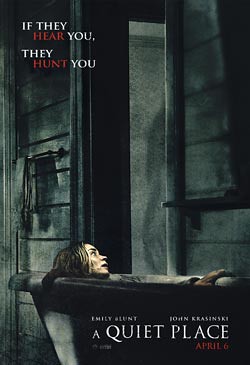
A Quiet Place isn’t completely silent, but it comes close. The characters live in a world where creatures hunt by sound.
Speaking above a whisper means death. They communicate through sign language and careful movement.
The constraint creates constant tension. Every footstep, every breath becomes potentially fatal.
You watch them navigate their farmhouse with extreme caution, stepping on painted floorboards that don’t creak, eating meals in absolute silence.
Director John Krasinski used the near-silence to amplify every sound. When something does make noise, it hits harder because you’ve spent minutes in near-quiet.
The film proves that restricting dialogue doesn’t limit storytelling when the restriction itself drives the plot.
WALL-E Spends Half Its Runtime Wordless
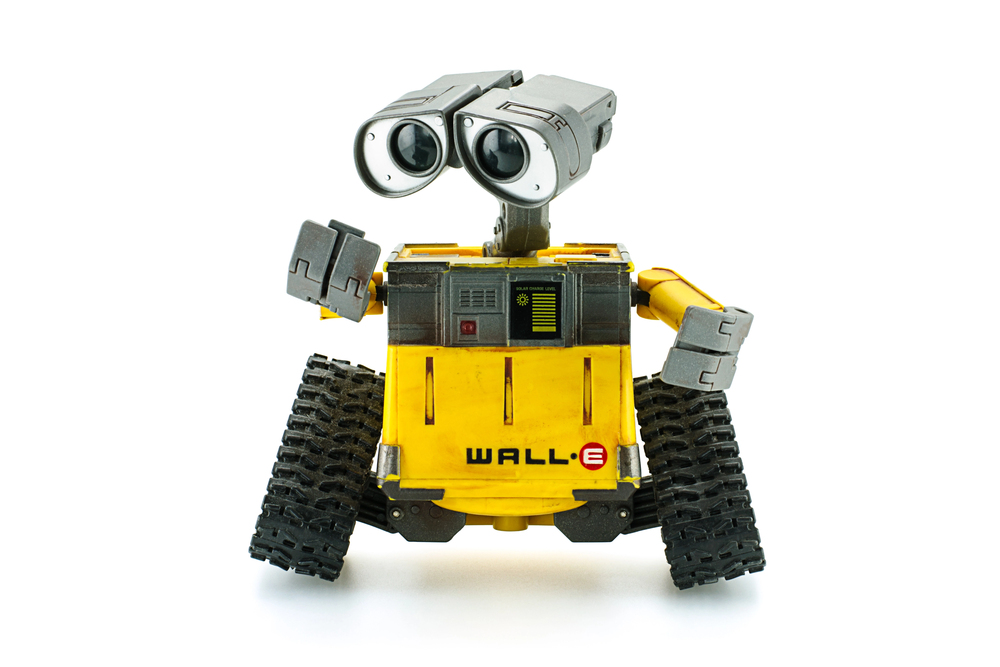
The first 40 minutes of WALL-E contain almost no dialogue. A small robot compacts trash on an abandoned Earth.
He watches an old musical. He collects interesting objects.
Another robot arrives. They interact without speaking.
Pixar built an entire emotional arc without words. You understand WALL-E’s loneliness, his curiosity, his developing attachment to EVE.
The animation communicates through movement and expression what dialogue would normally handle.
Once humans appear later in the film, dialogue increases. But that opening section demonstrates how much storytelling happens through behavior and visual detail when filmmakers trust audiences to read images.
Valhalla Rising Favors Brutality Over Talk

Nicolas Winding Refn’s Valhalla Rising contains minimal dialogue and long stretches of complete silence. A mute Norse warrior escapes captivity and joins Christian crusaders traveling to the Holy Land.
They end up somewhere else entirely.
The film prioritizes atmosphere and violence over explanation. Characters move through fog-shrouded landscapes.
Sudden bursts of brutal action punctuate long quiet periods. The protagonist never speaks, so you never get his perspective voiced.
Refn trusts visuals to carry meaning. The color red dominates certain scenes.
Faces appear in close-up, showing paranoia or desperation. The lack of dialogue makes the film feel like watching through a veil—you observe but don’t fully understand, which matches the characters’ own confusion.
Quest for Fire Shows Language Developing
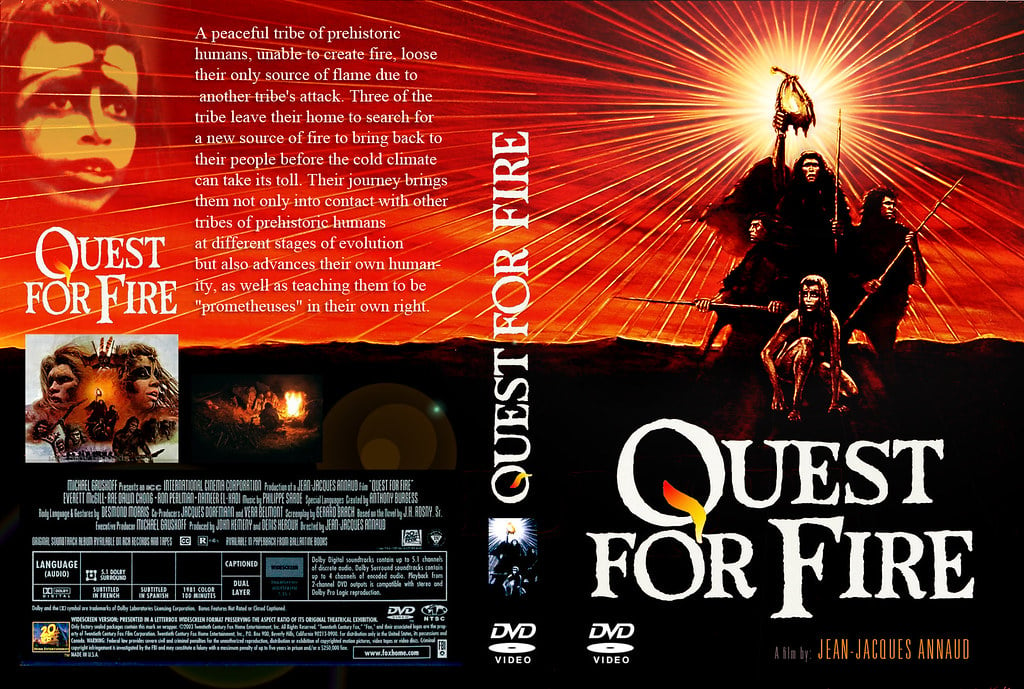
Quest for Fire takes place 80,000 years ago, when humans had limited language. The characters speak in grunts and gestures with occasional primitive words.
Linguist Anthony Burgess created a basic proto-language for the film, but most communication happens nonverbally.
The plot follows a tribe searching for fire after theirs goes out. They encounter other groups with different levels of development.
You watch them learn from each other, copy behaviors, react to new concepts.
The minimal language reinforces the setting. These people don’t have vocabulary for abstract ideas.
They communicate immediate needs and dangers through tone and gesture. The film shows how much humans could coordinate and survive before complex speech developed.
The Tribe Uses Only Sign Language

The Tribe contains zero spoken dialogue and no subtitles. Every character is deaf and communicates through Ukrainian sign language.
The camera simply watches them sign without translating.
Director Myroslav Slaboshpytskiy drops you into a Ukrainian boarding school where criminal activity runs beneath official routine. You don’t understand sign language, but you grasp what’s happening through context, expression, and action.
The approach puts hearing audiences in an unfamiliar position. Usually you understand dialogue automatically.
Here you work to read meaning from gesture and situation, which mirrors how deaf characters navigate hearing-dominated spaces.
Triplets of Belleville Sings Instead of Speaks
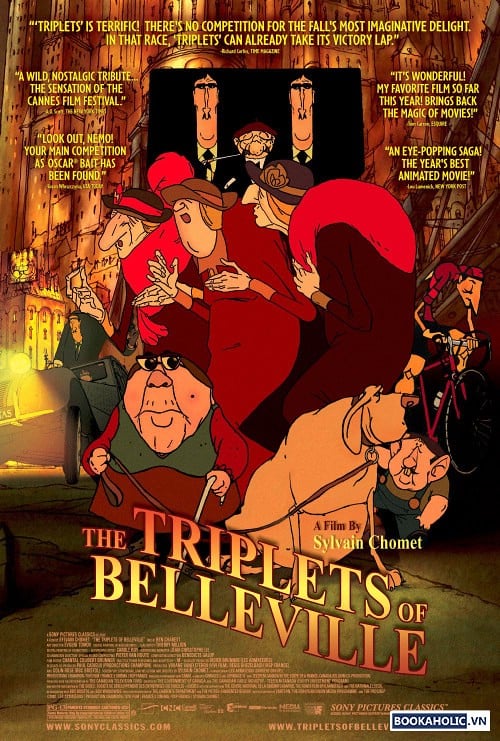
The Triplets of Belleville contains almost no dialogue—maybe 200 words across 80 minutes. The animated film tells its story through exaggerated visuals, music, and sound effects instead.
An elderly woman trains her grandson for cycling competitions. He gets kidnapped.
She pursues him to the city of Belleville, where she teams up with three aging music hall performers. The plot moves forward through action and reaction, not conversation.
Director Sylvain Chomet filled the film with visual invention. Characters have extremely exaggerated features and movements.
Sounds matter more than words—a bicycle wheel squeaking, music played on household objects, the rhythm of a train. The visual style carries all the personality that dialogue normally provides.
Le Dernier Combat Shows Post-Apocalyptic Silence
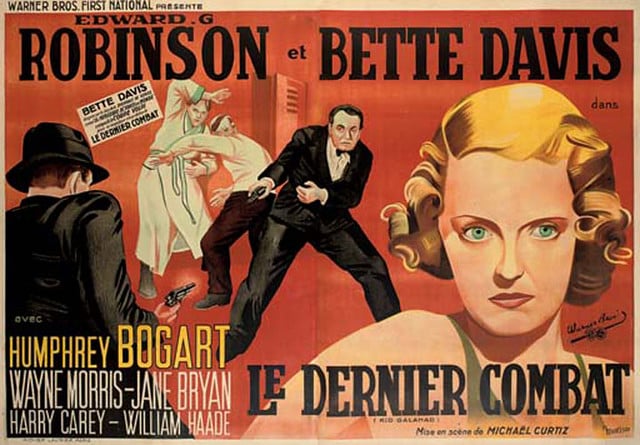
Luc Besson’s first feature film contains no dialogue at all. Le Dernier Combat takes place after an unspecified catastrophe that apparently eliminated human speech.
Characters grunt and gesture but don’t talk.
A man searches for supplies and shelter in a destroyed city. He encounters others doing the same.
They fight over resources, form temporary alliances, betray each other. Everything plays out through action.
Shot in black and white on a tiny budget, the film relies on stark imagery and sound design. Wind howls constantly.
Rubble fills the frame. The lack of dialogue emphasizes isolation—these people can’t even communicate their situation to each other beyond immediate physical needs.
Tár Withholds Dialogue Strategically

While Tár contains plenty of dialogue overall, director Todd Field uses extended wordless sequences to show what its protagonist won’t say. Cate Blanchett’s character conducts orchestras, and those conducting sequences run for minutes without spoken words.
The conducting scenes reveal her skill and control in ways dialogue couldn’t. You watch her communicate complex musical ideas through gestures alone.
The musicians respond to her movements, not her voice. Those sections show a different side of her character than the verbally dominated scenes.
The contrast between her command during silent conducting and her verbal maneuvering elsewhere adds dimension. She controls situations differently depending on whether she’s using words or not.
The Red Turtle Draws Emotion From Images

The Red Turtle, a collaboration between Studio Ghibli and Dutch animator Michaël Dudok de Wit, contains no dialogue. A man washes up on a deserted island.
He tries to escape on rafts, but a giant red turtle destroys them.
The story moves into magical realism. The turtle transforms.
A family develops. Decades pass.
Everything happens through animated images and musical score.
The animation style is simple compared to most Ghibli films—fewer details, more open space. That simplicity keeps focus on essential actions and expressions.
You read emotion from posture and movement rather than facial detail. The lack of dialogue makes the film feel like a fable told in pictures.
Koyaanisqatsi Matches Image to Music

Koyaanisqatsi doesn’t tell a story or use spoken words. Instead, Godfrey Reggio put together clips – some sped up, others slowed down – showing urban life, landscapes, and machines.
These visuals run alongside music by Philip Glass, built on repeating patterns.
The movie skips a regular plot. Instead, it groups visuals in sequences.
Clouds sweep over dry lands. Machines churn out the same items one after another.
People flow through city areas at high speed. Cuts between scenes build a beat.
The name comes from a Hopi term that stands for life being off-kilter. Pictures hint at this idea – wilderness on one side, factories on the other; living shapes against rigid ones.
Still, with no talking or voiceover, people make up their own links between scenes and meanings.
When Sound Replaces Words

Films missing speech aren’t quiet. Instead of talking, they use sound to tell the story – like creaking floors or heavy breaths.
Background hum, rustling clothes, a distant siren – they stand out more when there’s no chat filling the air. Even music shifts from background to front seat.
The audio in these films acts differently compared to regular ones. Rather than just backing up speech, it shapes the mood straight away.
A squeaky door could hint at threat. Tunes may show a person’s inner state.
Background noises form the setting – no need for words.
This method asks a lot from audio creators – not just supporting scenes, but shaping them hand-in-hand with visuals. If pulled off right, sight and sound blend so tightly that speech seems unnecessary.
More from Go2Tutors!

- The Romanov Crown Jewels and Their Tragic Fate
- 13 Historical Mysteries That Science Still Can’t Solve
- Famous Hoaxes That Fooled the World for Years
- 15 Child Stars with Tragic Adult Lives
- 16 Famous Jewelry Pieces in History
Like Go2Tutors’s content? Follow us on MSN.