Foods That Change Flavor When Cooked
Fire changes how things taste. Sharp flavors often soften when touched by heat.
Bitter turns warm, almost like roasted seeds. When ingredients meet warmth, they form something never there at first.
A quiet shift happens while the pot heats up. Now cooking makes more sense once you see what happens inside the food.
Heat stops being only about safety or tenderness – it becomes something that shapes taste deeply. Flavors emerge that simply cannot form without careful control.
The kitchen turns into a place where change is directed with purpose.
Onions

Something happens when you slice raw onions – the air changes. Sharp fumes rise because tiny pockets inside break open, letting out sulfur-based irritants.
Yet once warmth touches them, transformation begins slowly. Their harsh edge fades without warning.
Suddenly, sweetness appeared where none seemed possible. Fifteen minutes pass before the edges begin to soften.
Heat pulls moisture out, leaving behind a sticky glaze on the pan. That sharp bite fades somewhere around minute thirty.
By the time they slump into golden ribbons, their flavor has shifted entirely. What started crisp and harsh now spreads like warm honey across your tongue.
Fire turned up fast, leaves edges blackened, a bite stays firm, taste turns deep with smoke, just shy of soft. How it’s cooked decides what form the onion takes when set down to eat.
Garlic

Raw garlic hits hard. It has a fiery, almost abrasive quality that lingers on the tongue and breath.
Cooking tames that intensity in stages. Lightly sautéed garlic keeps some punch but loses the harshness.
Roasted garlic becomes creamy and almost sweet, spreadable on bread like butter. Black garlic, aged at controlled warm temperatures for weeks through the Maillard reaction, develops flavors reminiscent of balsamic vinegar and molasses.
Burned garlic turns bitter and acrid. The window between perfectly golden and ruined is narrow, sometimes just thirty seconds.
Tomatoes
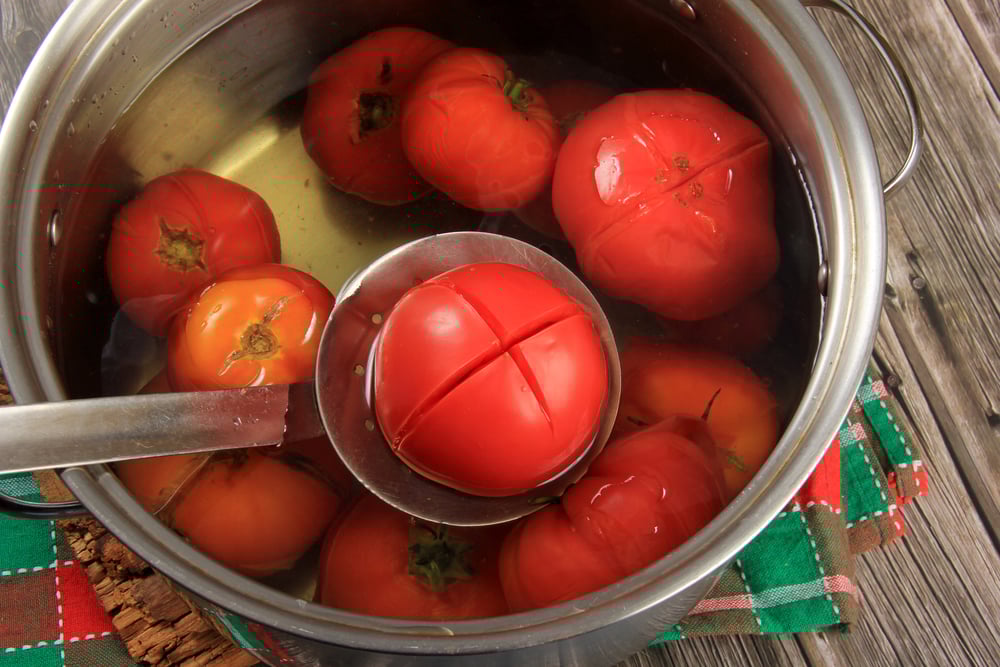
Fresh tomatoes taste bright and acidic with a specific summery quality. Cooking concentrates everything.
The water evaporates, and what remains is deeper, richer, more savory. This is why tomato sauce tastes different from tomato salad.
The slow simmer brings out umami compounds that raw tomatoes only hint at. Sun-dried tomatoes push this further, their flavor intense and chewy.
Roasting tomatoes at high heat caramelizes their sugars and chars their skins. You get sweetness alongside a slight smokiness that raw tomatoes can’t provide.
Cabbage

Raw cabbage is crunchy and mildly peppery. It works in slaws and salads where texture matters.
But heat reveals different personalities. Sautéed cabbage softens and sweetens slightly.
Braised cabbage, cooked low and slow with some liquid, becomes silky and almost buttery. The peppery notes fade into something gentler.
Fermented cabbage, as in sauerkraut or kimchi, takes another path entirely—sour and tangy with funk that develops over days or weeks without any heat at all.
Mushrooms

Raw mushrooms have a spongy texture and mild, slightly earthy taste. Most people find them unremarkable in their natural state.
Heat changes everything. Sautéed mushrooms concentrate in flavor as their water content releases and evaporates.
They become meaty and savory, with deep umami notes. The Maillard reaction—the same chemical process that browns bread and sears steak—creates new flavor compounds on their surfaces.
Different mushrooms respond differently. Shiitakes develop a smoky quality.
Creminis become intensely earthy. Chanterelles turn almost fruity when cooked with butter.
Carrots
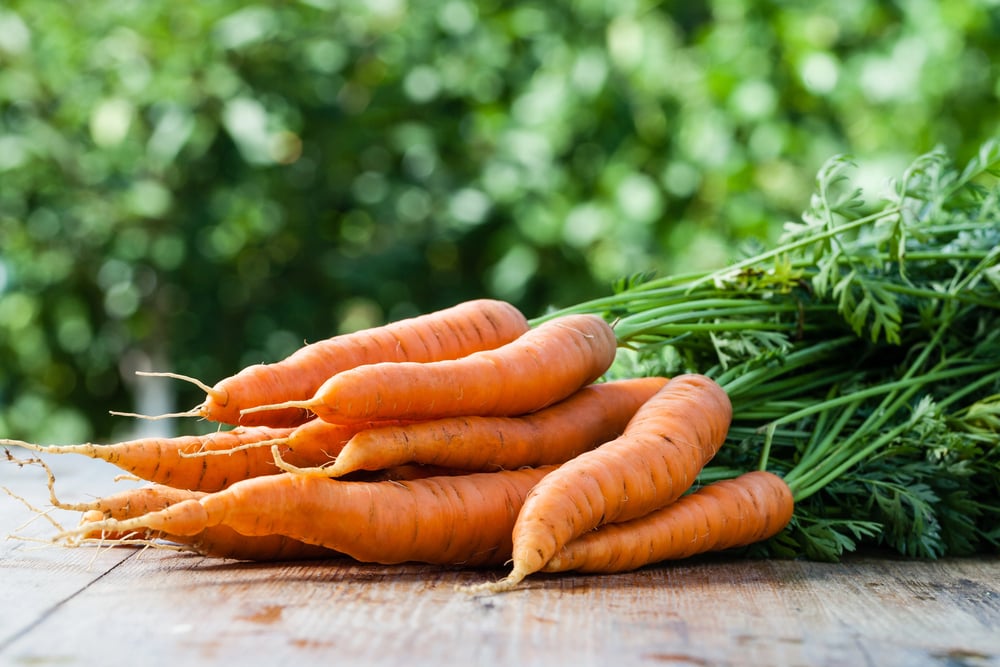
Raw carrots are sweet and crunchy with a fresh, almost grassy undertone. Cooking amplifies their sugar content and softens their cell walls, making those sugars more accessible to your taste buds.
Roasted carrots caramelize at their edges, developing notes that approach butterscotch. Steamed carrots taste milder, their sweetness less concentrated.
Pureed carrots become silky and almost dessert-like. The difference between a raw carrot stick and a glazed roasted carrot is dramatic enough that some picky eaters who reject one will devour the other.
Spinach

Raw spinach tastes mildly vegetal and slightly metallic. The leaves have an oxalic acid edge that some people find unpleasant.
A few minutes of heat changes the profile completely. Wilted spinach loses most of that metallic quality.
Sautéed with garlic and oil, it becomes mellow and savory. The volume shrinks dramatically—what looked like a mountain of raw leaves cooks down to almost nothing.
Creamed spinach represents the furthest departure from raw. The dairy softens every sharp edge, creating something rich and comforting that bears little resemblance to a fresh spinach salad.
Peppers

Bell peppers eaten raw have a crisp, somewhat bitter quality with vegetal notes. Cooking transforms them into something sweeter and more complex.
Roasted peppers develop smoky, almost jammy flavors. The skin blisters and chars, adding depth.
The flesh turns soft and yielding. Spanish romesco sauce and Italian peperonata depend on this transformation.
Sautéed peppers retain more texture but still sweeten considerably. The bitterness fades, replaced by mellow sweetness that complements nearly everything.
Kale
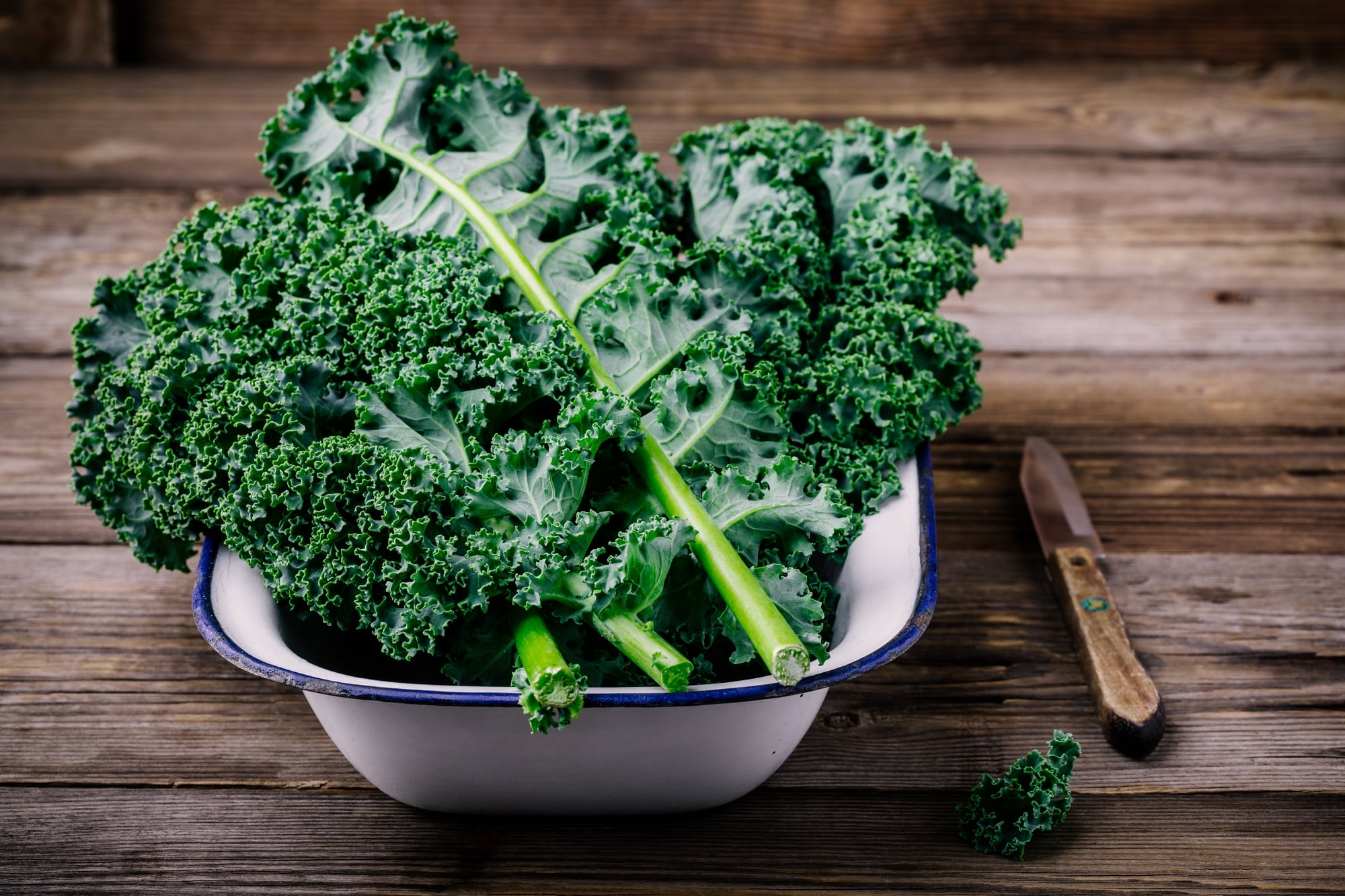
Raw kale is tough and bitter, with a mineral quality that can overwhelm. Massaging raw kale with oil and salt breaks down some of its cell structure and tempers the bitterness, but heat does more.
Sautéed kale softens and mellows. The bitterness fades to something almost sweet.
Braised kale, cooked long with stock or other liquids, becomes silky and deeply savory. Kale chips occupy a unique space—dried and crisped at low temperatures, they become addictively crunchy with concentrated, slightly sweet flavor.
Fennel
Raw fennel has a pronounced anise or licorice flavor that divides opinion sharply. Some people love it.
Others find it overwhelming. Heat moderates this intensity considerably.
Roasted fennel turns sweet and caramelized, the anise notes retreating to a subtle background presence. Braised fennel becomes meltingly soft with only whispers of its raw character remaining.
The transformation is significant enough that fennel-skeptics sometimes enjoy it cooked while still rejecting it raw. The same vegetable presents two distinct experiences.
Eggplant

Raw eggplant is spongy, bitter, and generally unappetizing. Few people eat it this way.
Heat is essential. Roasted or grilled eggplant becomes creamy inside with slightly charred, smoky exteriors.
The bitterness converts to something savory and almost meaty. Baba ganoush depends on this transformation, the smoky flesh blending with tahini and lemon.
Fried eggplant absorbs oil and becomes rich and indulgent. The texture goes from spongy to silken.
Each cooking method reveals different qualities hidden in the raw fruit.
Cauliflower
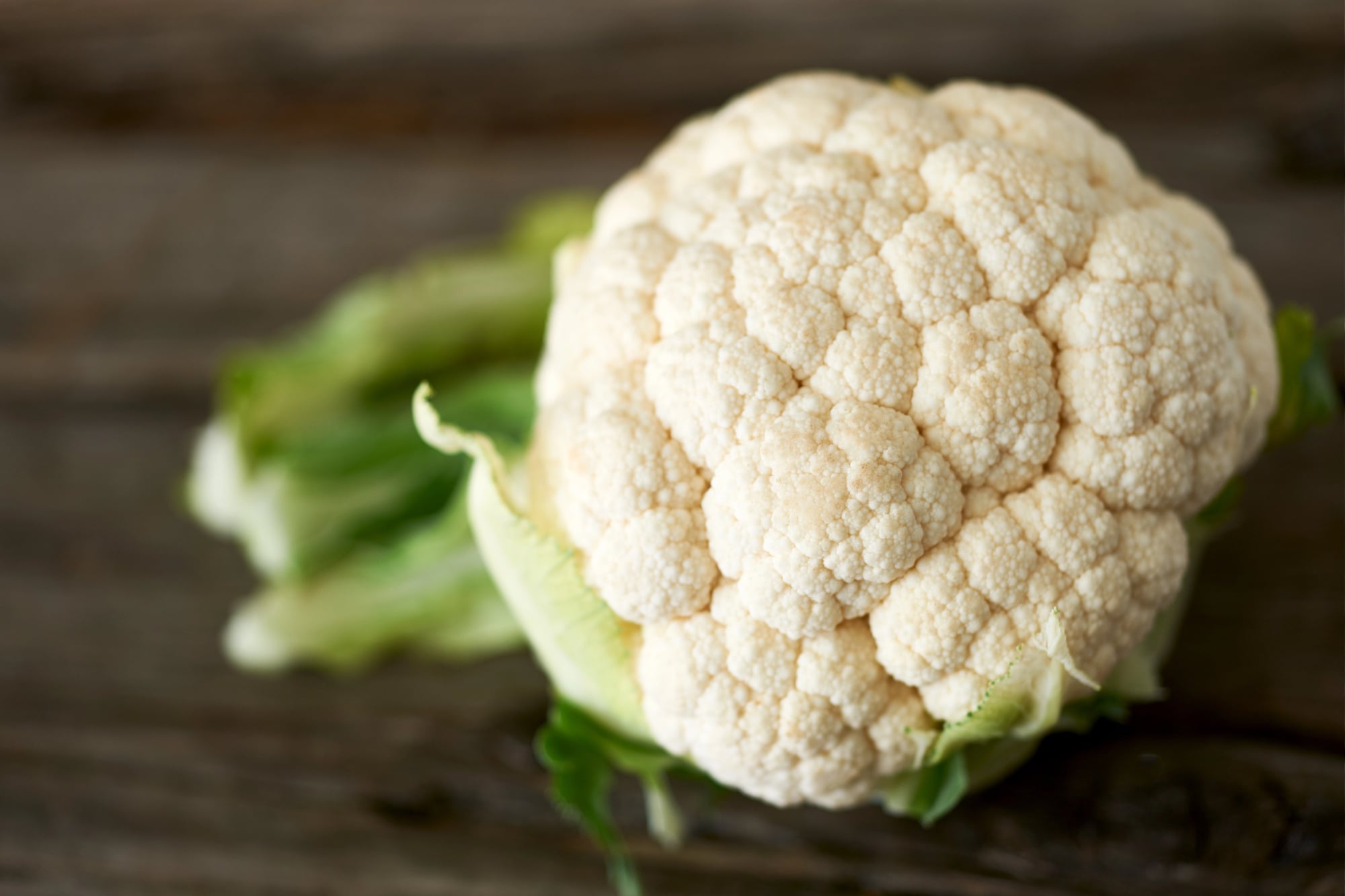
Raw cauliflower is crunchy and mildly sulfurous with a somewhat bland character. It works as a vehicle for dips but rarely stars on its own.
Roasting changes the story. High-heat roasting caramelizes cauliflower’s sugars and creates golden-brown edges with nutty, almost sweet flavors.
The sulfur notes fade. What was bland becomes compelling.
Puréed cauliflower cooked in cream becomes a silky, potato-like side dish. The transformation is complete enough that people sometimes struggle to identify what they’re eating.
Beets
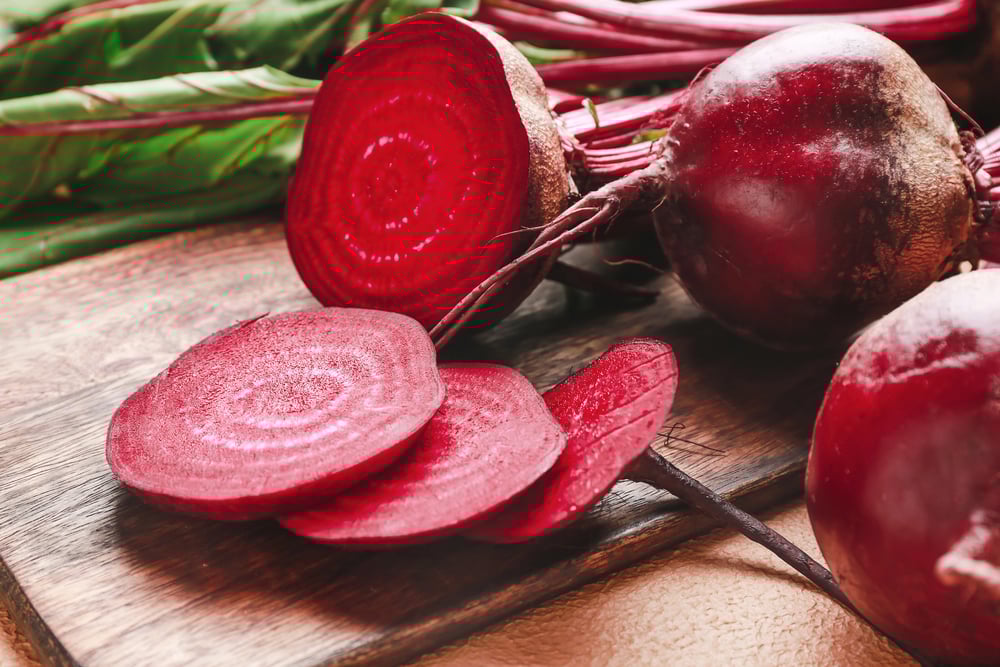
Bite into a raw beet, get that firm crunch under your teeth. Earthiness hits first, followed by a hint of sweetness.
A few folks say it tastes like soil, straight from the ground. Heat changes everything – makes it tender, rounds out the sharp edges.
Once cooked, the roughness fades, leaving something smoother behind. Moisture loss during roasting makes beets much sweeter, pulling out their hidden sugar.
Still earthy, yet somehow smoother, quieter in flavor. When boiled, they’re milder – tender without browning, halfway in taste and texture.
Starting off sharp, pickled beets bring a zing that balances their natural sugar. Vinegar slices right through, giving a kick to few root vegetables.
This mix of sour and sweet stands apart from anything plain beets offer.
Where Chemistry Meets Craft
Heat transforms meals in ways deeper than just warmth. Something shifts when dishes meet fire – structures unravel quietly.
Proteins lose their shape, folding into something new. Sugars darken slowly, building flavor drop by drop.
Chemistry takes hold without warning, breaking old forms apart. Different tastes appear – not from additions, but quiet change inside.
What happens to food when cooked changes everything about your choices. Pick raw garlic if you want sharpness, though roasting brings out its soft sweetness.
Carrots stay firm and snappy one way, yet turn almost sugary once browned at the tips. Each item shifts shape, texture, meaning – just by how heat touches it.
What makes cooking truly satisfying? It isn’t about sticking to a list of steps.
Change happens when you step into the kitchen – heat shifts everything, bringing tastes to life that weren’t there before. That moment begins the second flame touches the pan.
More from Go2Tutors!

- The Romanov Crown Jewels and Their Tragic Fate
- 13 Historical Mysteries That Science Still Can’t Solve
- Famous Hoaxes That Fooled the World for Years
- 15 Child Stars with Tragic Adult Lives
- 16 Famous Jewelry Pieces in History
Like Go2Tutors’s content? Follow us on MSN.