14 Plane Crashes Caused by Single Button Mistakes
Modern aircraft are marvels of engineering, packed with sophisticated computers and redundant safety systems designed to prevent disasters. These machines can practically fly themselves, with automated systems handling everything from navigation to engine management. Yet for all their technological brilliance, these same aircraft remain vulnerable to one of the most basic human errors: pushing the wrong button at the wrong time.
The consequences of these simple mistakes can be catastrophic, turning routine flights into tragedies within seconds. Here is a list of 14 plane crashes caused by single button mistakes.
Air France Flight 447

In 2009, this Airbus A330 crashed into the Atlantic Ocean after pilots became confused by conflicting instrument readings and inadvertently stalled the aircraft. The co-pilot continuously pulled back on the controls, causing the plane to climb and lose airspeed, while believing he was descending.
The crew’s misunderstanding of the aircraft’s automated systems and their improper control inputs led to the loss of all 228 people aboard.
Turkish Airlines Flight 1951
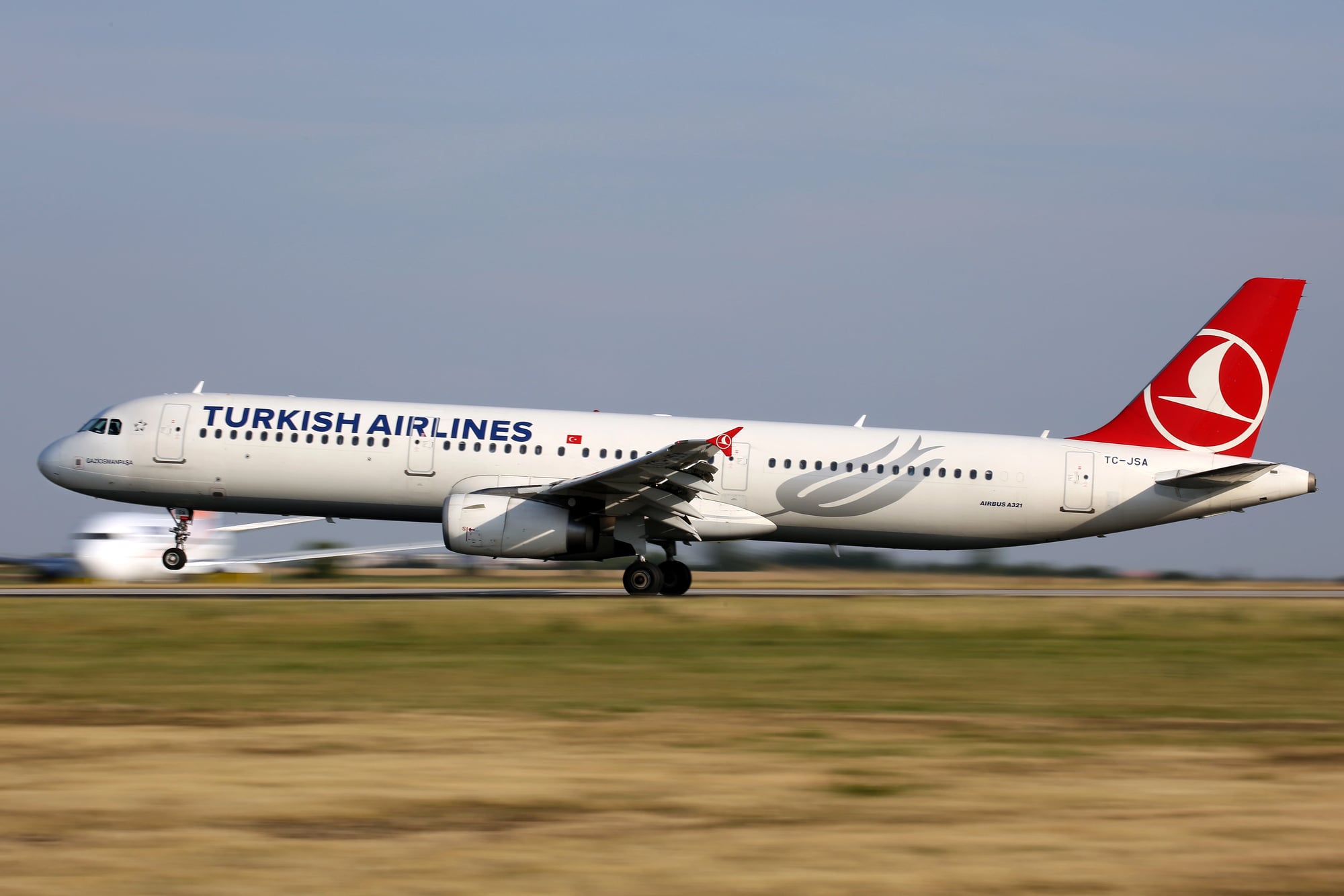
This Boeing 737 crashed during approach to Amsterdam’s Schiphol Airport in 2009 when the autothrottle system malfunctioned due to a faulty radio altimeter. The pilots failed to recognize that the automated thrust system had reduced power to idle, allowing the aircraft to slow dangerously.
Their delayed response to manually increase thrust came too late, resulting in a stall and crash that killed nine passengers.
Like Go2Tutors’s content? Follow us on MSN.
Asiana Airlines Flight 214

The 2013 crash of this Boeing 777 at San Francisco International Airport resulted from pilot confusion about the aircraft’s autothrottle system. The crew thought the automated system would maintain their approach speed, but it was actually in a mode that required manual thrust control.
When they realized the aircraft was too slow and too low, their correction attempt came too late to prevent the crash landing.
China Airlines Flight 140
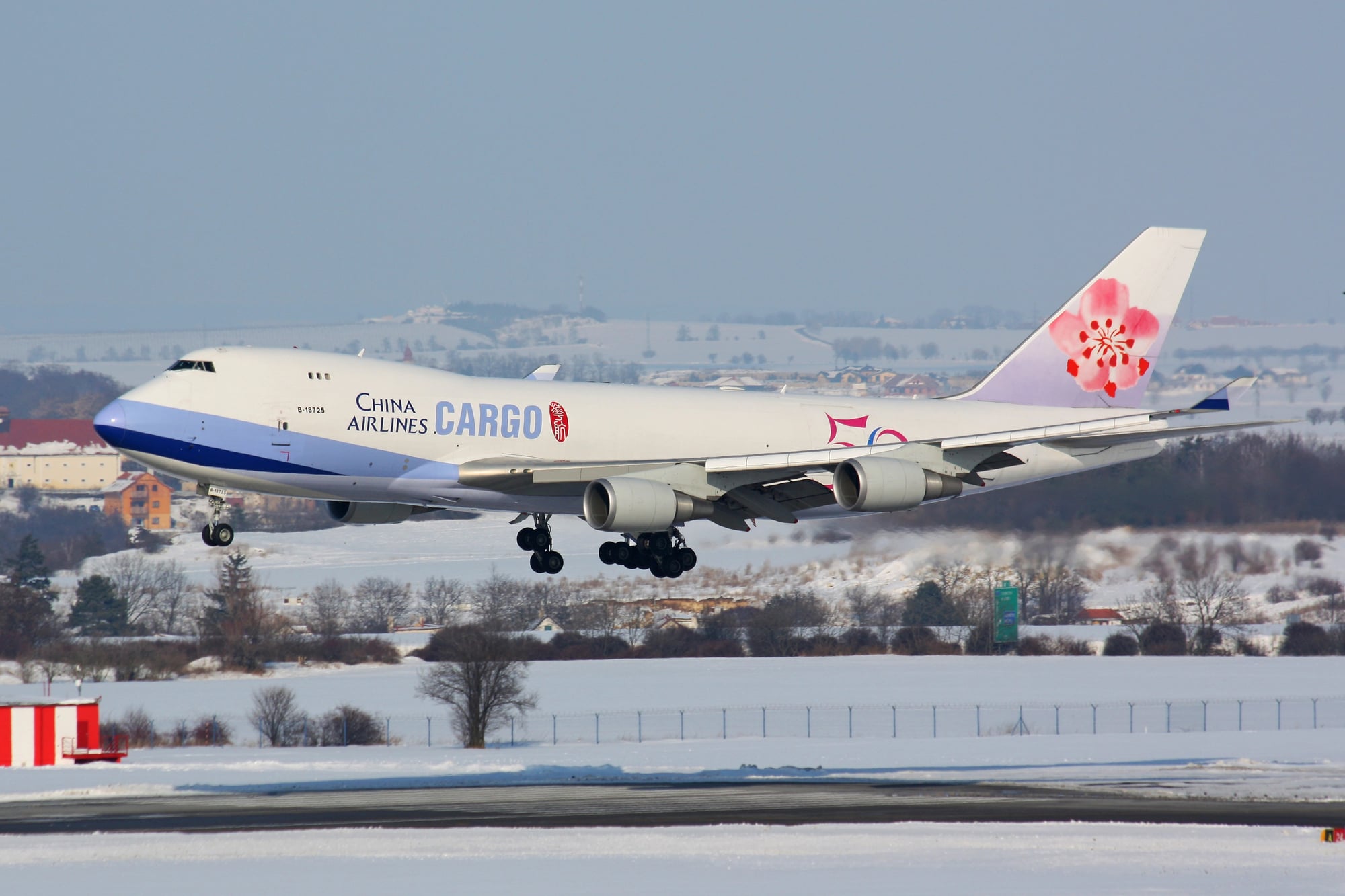
In 1994, this Airbus A300 crashed during approach to Nagoya Airport when the captain inadvertently activated the go-around mode while the co-pilot was manually flying the approach. The automated system began raising the nose while the co-pilot pushed forward on the controls, creating a dangerous flight condition.
The conflicting inputs eventually led to a stall and crash that killed 264 people.
Air Inter Flight 148

This Airbus A320 crashed into a mountain in 1992 during approach to Strasbourg Airport due to pilot confusion with the flight management system. The crew accidentally selected vertical speed mode instead of flight path angle mode, causing the aircraft to descend much more rapidly than intended.
The pilots didn’t realize their error until it was too late to avoid the terrain.
Like Go2Tutors’s content? Follow us on MSN.
American Airlines Flight 965

In 1995, this Boeing 757 crashed into a mountain near Cali, Colombia, after the crew made a critical navigation error with the flight management computer. The pilots accidentally selected the wrong waypoint identifier, sending the aircraft off course toward mountainous terrain.
Their confusion with the automated navigation system prevented them from recognizing the danger until impact was unavoidable.
Flash Airlines Flight 604

This Boeing 737 crashed into the Red Sea in 2004 shortly after takeoff from Sharm el-Sheikh due to pilot spatial disorientation. The captain inadvertently rolled the aircraft into a steep bank angle and became confused by the attitude indicator, making control inputs that worsened the situation.
The crew’s inability to interpret their instruments correctly led to the loss of all 148 people aboard.
Helios Airways Flight 522

In 2005, this Boeing 737 crashed near Athens after the crew failed to recognize that the cabin pressurization system was not functioning properly. The pilots misinterpreted warning signals and didn’t realize the cabin pressure was dangerously low, leading to crew incapacitation from hypoxia.
The aircraft flew on autopilot for hours before running out of fuel and crashing.
Like Go2Tutors’s content? Follow us on MSN.
Northwest Airlines Flight 255

This McDonnell Douglas MD-82 crashed during takeoff from Detroit in 1987 when the crew failed to properly configure the aircraft for departure. The pilots had forgotten to extend the flaps and slats, but the warning system that should have alerted them to this configuration error was not functioning.
The aircraft stalled immediately after takeoff due to the improper configuration.
Birgenair Flight 301

This Boeing 757 crashed into the ocean in 1996 after takeoff from Puerto Plata due to blocked pitot tubes that provided false airspeed readings. The crew became confused by conflicting speed indications and made inappropriate control inputs that led to a stall.
Their inability to properly interpret the unreliable airspeed information resulted in the loss of all 189 people aboard.
Aeroperú Flight 603

In 1996, this Boeing 757 crashed into the Pacific Ocean after the crew lost control following multiple instrument failures caused by blocked static ports. The pilots struggled with unreliable altitude and airspeed indications throughout the flight but were unable to maintain control.
Their confusion about the aircraft’s actual flight parameters led to the crash that killed all 70 people aboard.
Like Go2Tutors’s content? Follow us on MSN.
Kenya Airways Flight 507

This Boeing 737 crashed shortly after takeoff from Douala in 2007 when the crew lost control during a night departure in poor weather conditions. The pilots became spatially disoriented and inadvertently rolled the aircraft into an unusual attitude that they couldn’t recover from.
Their inappropriate control responses to the disorientation led to the loss of all 114 people aboard.
West Caribbean Airways Flight 708
This McDonnell Douglas MD-82 crashed in Venezuela in 2005 after the crew allowed the aircraft to climb too high and enter an aerodynamic stall. The pilots had climbed to an altitude where the engines couldn’t produce sufficient thrust and became confused when the aircraft began to stall.
Their incorrect recovery technique worsened the situation and led to an unrecoverable deep stall.
Adam Air Flight 574
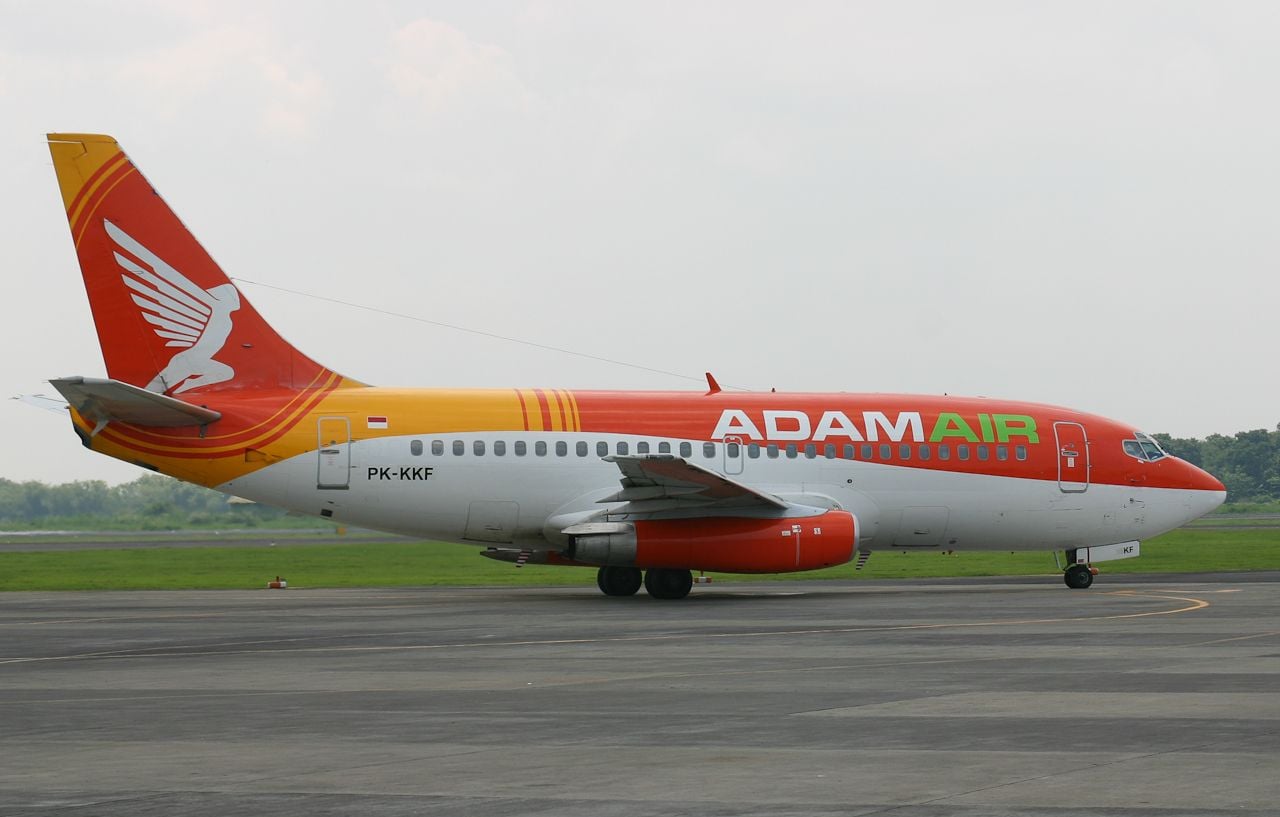
In 2007, this Boeing 737 disappeared over Indonesia after the crew became confused by a malfunctioning inertial navigation system. The pilots inadvertently disconnected the autopilot while trying to troubleshoot the navigation problem and subsequently lost control of the aircraft.
The crew’s inability to maintain control while dealing with the system malfunction resulted in the loss of all 102 people aboard.
The Human Factor

These 15 tragedies demonstrate that even the most advanced aircraft remain vulnerable to simple human errors and momentary lapses in judgment. Each case represents a split-second decision or missed warning that cascaded into catastrophe, often involving highly trained professionals who simply pushed the wrong button or misunderstood what their instruments were telling them.
Modern aviation has learned from these disasters, implementing better training programs, improved interface designs, and enhanced safety procedures that help prevent similar mistakes. The aviation industry continues to evolve, recognizing that technology alone cannot eliminate human error—it must work in harmony with human capabilities and limitations to keep air travel as safe as possible.
More from Go2Tutors!

- 18 Unexpectedly Valuable Collectibles You Might Have Lying Around
- 20 Little-Known Historical Battles That Had Huge Consequences
- 20 Historical Artifacts That Scientists Can’t Explain
- 15 Inventions That Were Immediately Banned After Being Created
- 20 Actors Who Were Almost Cast in Iconic Roles
Like Go2Tutors’s content? Follow us on MSN.