Forgotten Battles With Lasting Cultural Impact
History remembers the big names. Waterloo, Gettysburg, and Stalingrad live on in textbooks and movies.
But plenty of other battles changed the world just as much, even though most people have never heard of them. These clashes shaped borders, sparked revolutions, and created the cultures we live in today.
Let’s look at some of these overlooked fights that deserve more attention.
Talas River
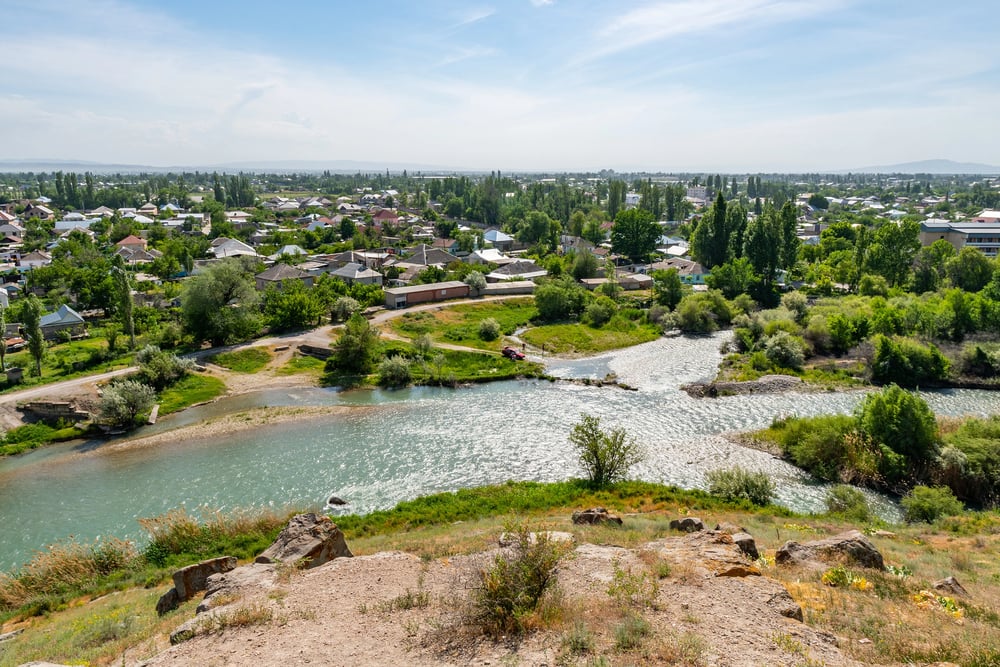
Arab and Chinese armies met in 751 CE in what is now Kazakhstan, and the world hasn’t been the same since. The Abbasid Caliphate defeated Tang Dynasty forces in a fight that most history classes skip entirely.
This battle stopped Chinese expansion into Central Asia and opened the door for Islam to spread across the region. The Arabs also captured Chinese papermakers during this fight, which led to paper production spreading throughout the Islamic world and eventually reaching Europe.
Without this battle, books might have stayed expensive and rare for centuries longer.
Lechfeld

King Otto I of Germany crushed a Magyar army near Augsburg in 955, and this victory basically created modern Europe’s eastern boundaries. The Magyars had been raiding Western Europe for decades, terrifying everyone from Italy to France.
After Otto won, the Magyar leaders decided to settle down in Hungary and convert to Christianity instead of continuing their raids. This battle transformed nomadic warriors into a European kingdom that still exists today.
The fight also made Otto powerful enough to become Holy Roman Emperor, which shaped European politics for the next 800 years.
Yarmouk
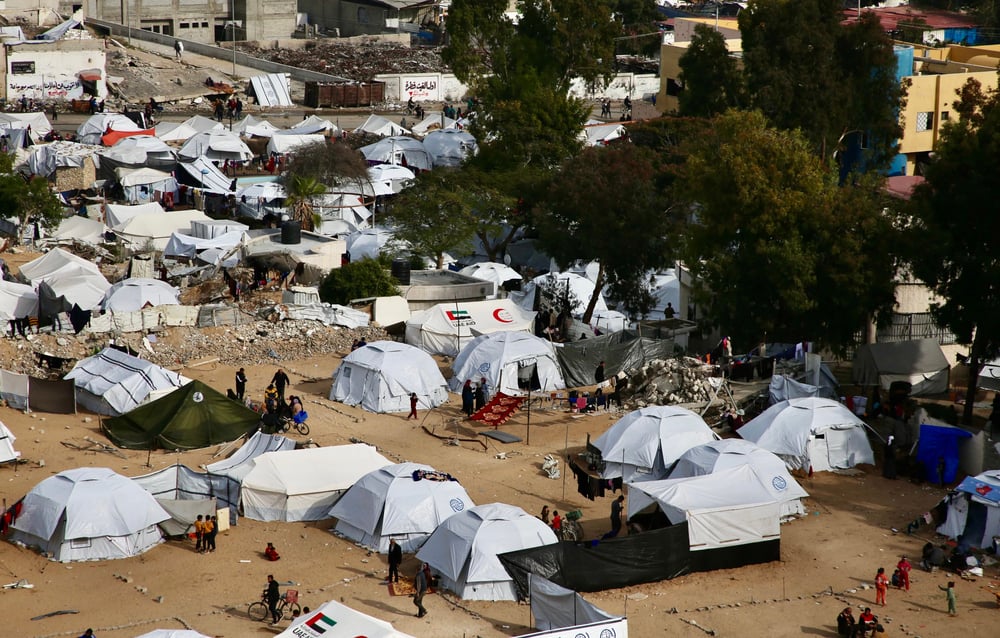
Byzantine forces fought Arab armies in 636 along the Yarmouk River in what is now Syria and Jordan. The Arabs won decisively, and this opened up the entire Middle East to Islamic rule.
Syria, Palestine, and eventually Egypt fell to the Arabs after this battle. The Byzantine Empire lost some of its richest provinces and never fully recovered.
Greek and Roman culture had dominated this region for a thousand years, but Yarmouk changed that forever. Today’s Middle Eastern borders and cultures trace back to what happened in those few days of fighting.
Cajamarca

Francisco Pizarro met Incan Emperor Atahualpa in 1532 with only 168 Spanish soldiers facing thousands of Inca warriors. Pizarro’s men captured Atahualpa through a bold ambush, and the Incan Empire collapsed shortly after.
This wasn’t really a traditional battle, more like a trap, but it changed two continents. Spain gained massive wealth from Peru’s gold and silver, which funded European wars and exploration for generations.
Meanwhile, millions of indigenous people in South America lost their independence and culture. One afternoon in a Peruvian plaza redirected the entire course of the Americas.
Kalka River

Mongol scouts defeated a coalition of Russian princes in 1223, and nobody in Europe took it seriously at the time. The Russians thought this was just a border skirmish with some unknown nomads.
They were wrong. This battle was actually the Mongols testing European defenses before their full invasion.
Fifteen years later, the Mongols returned and conquered most of Eastern Europe. Russian culture developed under Mongol influence for the next 240 years, which made Russia different from Western Europe in ways that still matter today.
Ain Jalut
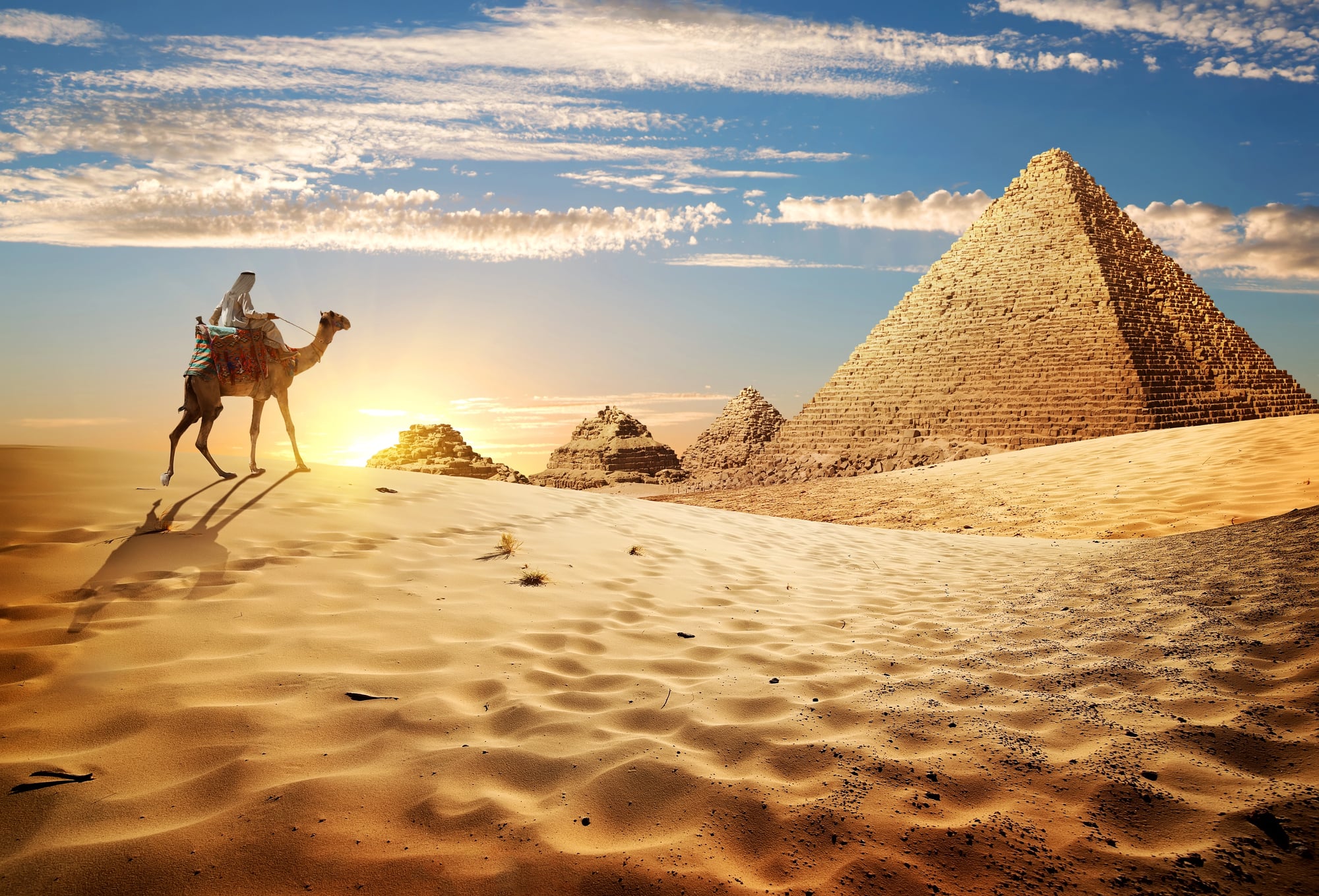
Mamluk forces from Egypt stopped the Mongol advance in 1260 at a spring in the Jezreel Valley. The Mongols had seemed unstoppable, conquering everything from China to Poland.
This was their first major defeat, and it saved the Islamic world from complete conquest. Cairo became a major cultural center because it survived while Baghdad had been destroyed.
The Mamluks proved that the Mongols could be beaten, which gave hope to everyone else they threatened. Western Europe might have faced Mongol invasion if this battle had gone differently.
Manzikert

Byzantine Emperor Romanos IV lost to Seljuk Turks in 1071 in eastern Turkey, and the Byzantine Empire never really recovered. The Turks started settling in Anatolia after this victory, which began the transformation of that region from Greek Christian to Turkish Muslim.
This process took centuries, but Manzikert started it. The Byzantine Empire lost its main recruiting ground for soldiers and much of its farmland.
The empire struggled on for another 380 years, but it was essentially dying from this wound.
Saratoga
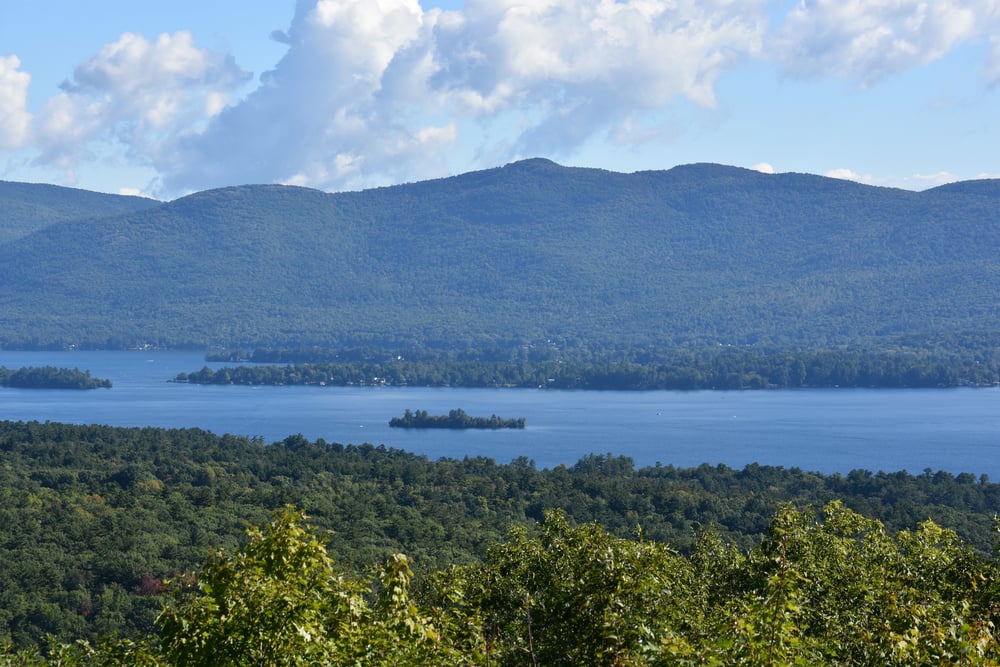
American forces surrounded British General Burgoyne in upstate New York in 1777, and this convinced France to join the Revolutionary War. Everyone remembers Valley Forge and Yorktown, but Saratoga made American independence possible.
The French wouldn’t risk war with Britain unless they thought the Americans could actually win. This battle in the forests of New York proved it.
French money, ships, and soldiers then helped America defeat the British. Without Saratoga, the United States might not exist.
Plassey

The British East India Company defeated the Nawab of Bengal in 1757 with an army that was mostly bribed traitors. Only about 3,000 soldiers participated, and the actual fighting lasted just a few hours.
This tiny battle gave Britain control of Bengal, which was one of the richest regions in the world at that time. Company profits soared, and Britain used this wealth to fund its Industrial Revolution and later conquests.
India stayed under British rule until 1947 because of what happened at Plassey. One afternoon of betrayal and skirmishing led to 190 years of colonialism.
Tours

Charles Martel stopped an Islamic army in 732 in central France, and European history took a different path. The Umayyad Caliphate had conquered Spain and was pushing into France when Martel’s forces defeated them.
Some historians argue this battle saved Christian Europe, while others say the Islamic forces were just raiding and never intended permanent conquest. Either way, Islamic expansion into Western Europe stopped here.
France and Germany developed as Christian kingdoms instead of becoming part of the Islamic world.
Adrianople

Gothic warriors defeated Roman Emperor Valens in 378 near modern Bulgaria, killing the emperor and destroying his army. This showed that Germanic tribes could beat Roman legions in open battle, which hadn’t seemed possible before.
The Western Roman Empire collapsed within a hundred years, partly because Adrianople revealed Roman military weakness. Germanic kingdoms replaced Roman provinces across Western Europe.
The Gothic victory at Adrianople helped end ancient civilization and begin the medieval period.
Sekigahara
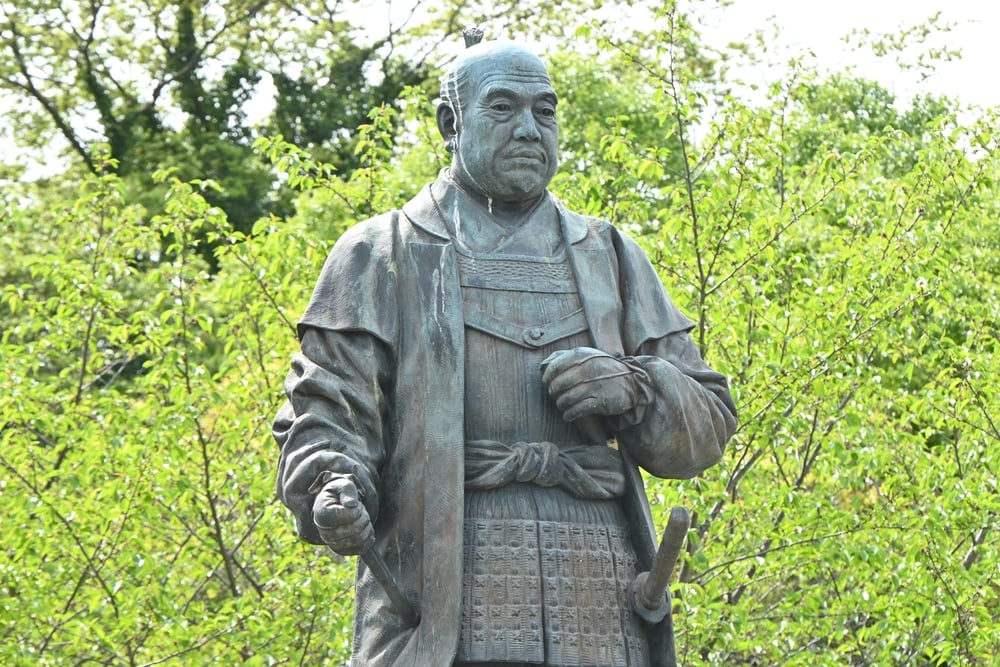
Tokugawa Ieyasu defeated his rivals in 1600 in central Japan, and this battle unified the country under his rule. Japan had been torn apart by civil war for over a century.
After Sekigahara, the Tokugawa shogunate brought peace that lasted 250 years. Japan closed itself off from the outside world during this time and developed a unique culture that blended samurai traditions with urban arts.
Modern Japanese culture, from kabuki theater to sushi restaurants, developed during the peace that Sekigahara made possible.
White Mountain

Catholic troops smashed Protestant fighters in 1620 close to Prague – this shifted faith patterns across Central Europe for good. That clash kicked off the Thirty Years’ War, wiping out countless people while tearing Germany apart.
Because they got beaten, the Czechs were left without self-rule for three centuries. Power under the Habsburg family tightened control over the region, shaping political moves in Europe right up into WWI.
Czech speech and traditions almost vanished when German power grew. That one day near Prague in 1620 shaped faiths across lands for ages after.
Hattin

Saladin crushed the Crusaders by the Sea of Galilee in 1187 – soon after, Jerusalem fell into Muslim hands within just three months. Most lands held by Crusader states vanished overnight; they never bounced back completely.
That defeat marked the end of real Christian efforts to hold onto the Holy Land for good. He gained fame across Islamic regions as well as in Europe over time.
Tensions born from those medieval clashes still shape power struggles in today’s Middle East.
Midway

In June 1942, U.S. forces took down four Japanese aircraft carriers – after that, Japan couldn’t bounce back. While many recall Pearl Harbor or D-Day, it was Midway that truly shifted momentum in the Pacific conflict.
For half a year, Japan had swept through victories; yet once Midway ended, they spent the remainder of the war holding ground instead of gaining it. With this win, America seized command across the ocean, shaping its strong presence in Asia post-1945.
Because of Midway’s outcome, Japan later emerged as a peaceful nation and economic player, guided by U.S. support.
Lepanto

A Christian navy smashed Ottoman warships near Greece in 1571, halting their sea growth across the Mediterranean. That clash marked the final big fight using mostly oared vessels.
Until then, the Ottomans looked unbeatable at sea and on land. Following Lepanto, they shifted focus – pushing into continents rather than chasing control of the open waters.
Western Europe held steady against the Ottoman Empire, neither side gaining much ground. Spain stayed Christian – same with Italy – and that happened because the Ottomans got beaten at sea near Lepanto.
Tsushima Strait

Japan’s navy crushed Russia’s Baltic Fleet in 1905 – after the Russians had crossed most of the globe by sea. For the first time ever, an Asian nation beat a European force with up-to-date weapons.
That loss triggered unrest back in Russia while proving Europe could be like anyone else. From then on, Japan rose fast, pushing hard to carve out territory across Asia.
This win gave hope to freedom fighters throughout Asia and Africa. Thanks to Japan’s success, cracks began showing in European control – turns out colonizers weren’t unbeatable after all.
Right here, right at this spot

Those clashes never made headlines like Normandy or Stalingrad, yet we still feel them now. Boundaries sit where they do thanks to those old fights – same goes for which tongues people speak and faiths that took root.
Your textbooks? The pages came from trees saved by outcomes no one recalls.
Maps show nations formed through conflicts most ignore. Culture grew from sparks few mention.
Big names don’t own history. Quiet turning points often changed everything far more than the loud ones.
More from Go2Tutors!

- The Romanov Crown Jewels and Their Tragic Fate
- 13 Historical Mysteries That Science Still Can’t Solve
- Famous Hoaxes That Fooled the World for Years
- 15 Child Stars with Tragic Adult Lives
- 16 Famous Jewelry Pieces in History
Like Go2Tutors’s content? Follow us on MSN.



