14 Weirdest Side Hustles from the Middle Ages
Walking through any modern city, you’ll spot them everywhere — the ride-share drivers, food delivery cyclists, and weekend market vendors all hustling for extra income. The gig economy feels distinctly modern, but people have always found creative ways to make a living on the side.
Medieval Europe was no different, except instead of driving for apps, people found themselves in some truly bizarre occupations that would make today’s weirdest jobs seem perfectly normal.
Sin-Eater
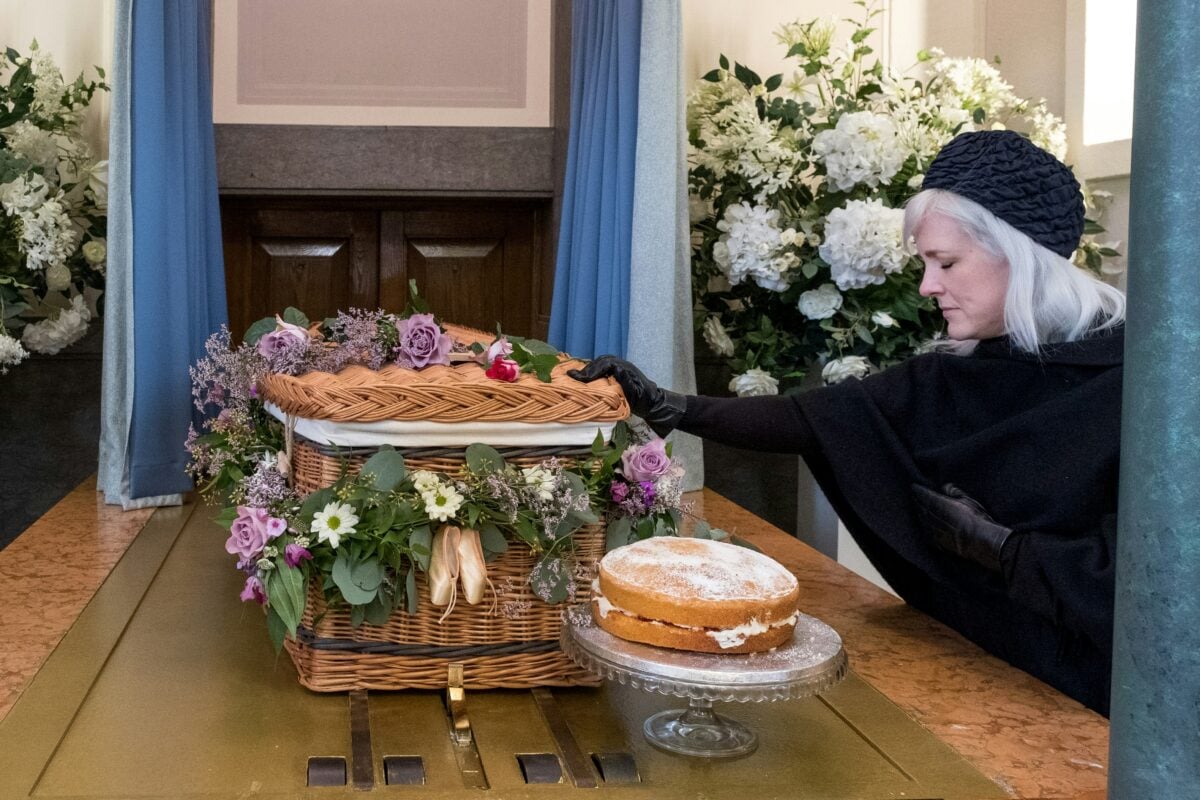
Here’s where medieval pragmatism met superstition in the strangest possible way. When someone died, families would hire a sin-eater to literally consume the deceased person’s wrongdoings.
The ritual involved placing bread and ale on the corpse, then having the sin-eater consume it all while reciting prayers. The belief was that this transferred the dead person’s sins to the sin-eater (who presumably had already accepted damnation for a living wage).
So the deceased could enter heaven clean, and their family could sleep better knowing grandpa wasn’t suffering eternal torment. And yet — because someone always has to pay the price in these arrangements — the sin-eater walked around carrying everyone else’s moral baggage, which probably explained why they lived as social outcasts and drank heavily.
Rat Catcher
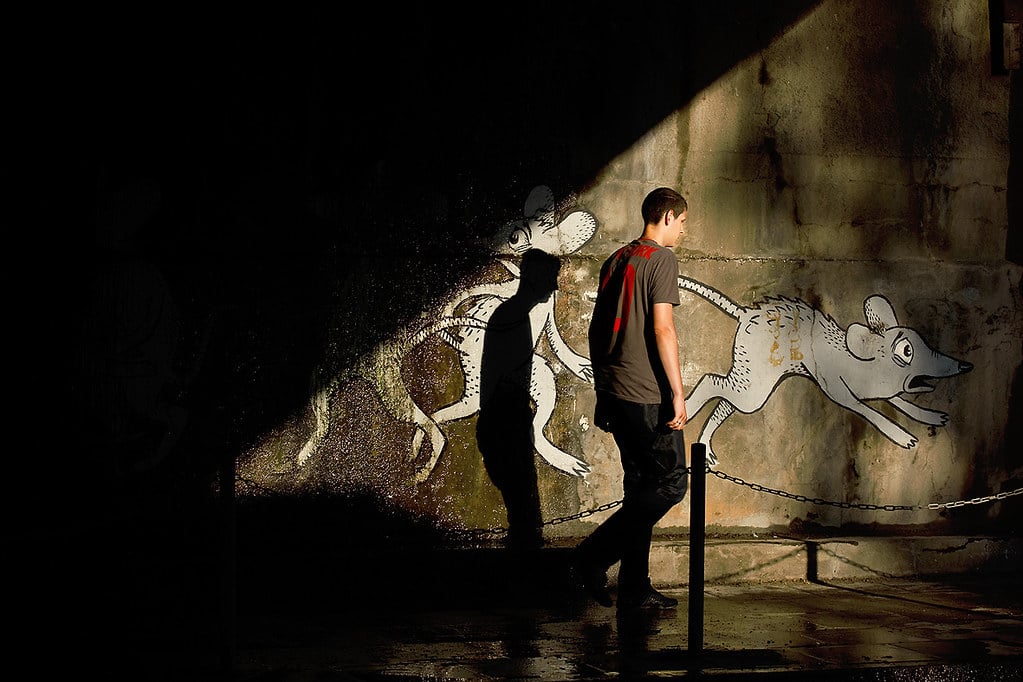
Medieval towns were overrun with rats, and rat catchers were the original pest control specialists. But here’s the thing about medieval rat catching — it wasn’t just about killing vermin.
These entrepreneurs had to be part exterminator, part showman, and part recycling expert. The good ones could clear a building in days.
The great ones turned it into theater, wearing colorful clothes and making grand proclamations about their methods. Some claimed to charm rats with music, others used elaborate trap systems that doubled as public entertainment.
They sold rat pelts for fur, rat oil for lamp fuel, and rat meat to the desperate. Nothing went to waste.
Leech Collector

Before pharmaceutical companies, people harvested their own medicine from swamps. Leech collectors waded into stagnant water and let the bloodsuckers attach to their legs.
Once the leeches had fed, collectors would scrape them off and sell them to physicians for bloodletting treatments. The pay was decent.
The occupational hazards were obvious.
Spit-Boy
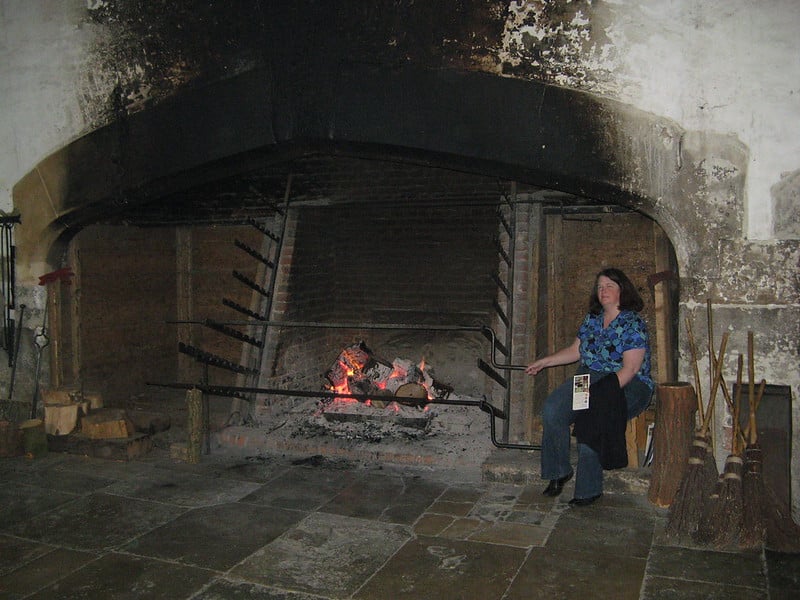
Think of the most thankless kitchen job imaginable, then make it worse. Spit-boys sat beside massive fireplaces turning heavy metal rods loaded with roasting meat.
For hours. In sweltering heat.
Getting paid almost nothing. The job demanded the attention span of a surgeon and the heat tolerance of a blacksmith, but paid like unskilled labor.
Most spit-boys were children who got promoted to real kitchen work if they didn’t collapse from heat exhaustion first. Some households replaced them with dogs running on wheels, which tells you everything about how this gig was perceived.
Fuller

Fulling cloth involved stomping on wet wool for hours to make it dense and waterproof. But medieval fullers didn’t just use water — they used urine because the ammonia helped set the fibers.
Professional fullers would collect buckets of human waste from public latrines and private homes, then spend their days knee-deep in the mixture, dancing on fabric until it reached the right consistency. The work was like being a human washing machine, except the detergent was bodily waste and the factory was wherever you could dig a pit.
And yet, fullers were essential craftsmen who commanded decent wages (presumably because nobody else wanted the job). The finished products were genuinely superior — waterproof, durable, and worth the revolting production process, though one imagines the smell lingered no matter how much you washed the final cloth.
Gong Farmer

Someone had to clean the public toilets. Gong farmers emptied latrines and collected human waste for disposal outside city walls.
They worked exclusively at night to avoid offending public sensibilities and were required by law to live outside town boundaries. The social isolation was brutal.
The work was worse. But gong farmers earned more money than many skilled craftsmen.
Pardoner

Pardoners sold forgiveness. Literally.
They claimed to represent the church and carried official-looking documents that supposedly reduced time in purgatory. For a fee, they’d absolve sins, bless marriages, or guarantee salvation.
Most were complete frauds with fake credentials and made-up relics. But they understood medieval anxiety about the afterlife better than anyone and charged accordingly.
Food Taster

Paranoid nobles hired food tasters to eat everything first and wait for signs of poisoning. The job description was simple: consume small portions of every dish and survive long enough to give the all-clear signal.
Smart tasters learned to recognize common poisons by smell and taste. Lucky ones worked for employers with boring enemies who preferred straightforward assassination methods over exotic toxins that took hours to show symptoms.
Unlucky ones discovered new ways to die that hadn’t been invented yet, which was saying something in an era when creative murder was practically an art form. The pay reflected the risk, but most food tasters lived with the daily knowledge that each meal might be their last.
Even so, the position attracted applicants — usually people desperate enough to gamble with death for steady wages and unlimited free food.
Anchorite

Some people got paid to pray professionally. Anchorites were religious hermits who lived in small cells attached to churches, spending their days in constant prayer and meditation while surviving on donations from the faithful.
The cell usually had one window facing the church interior (to observe services) and another facing the street (to receive visitors and food). Once someone entered, they rarely left.
The commitment was essentially voluntary imprisonment for life, but with job security and spiritual purpose that attracted people who found regular medieval life too chaotic or meaningless. Local communities supported anchorites because having a professional pray-er nearby felt like spiritual insurance.
The arrangement worked for everyone: the anchorite got food, shelter, and meaning, while townspeople got someone to intercede with God on their behalf.
Dog Whipper

Churches hired dog whippers to keep stray animals out of services. Medieval dogs wandered freely and had no concept of religious etiquette.
They’d wander into churches during sermons, bark during prayers, and generally disrupt the proceedings. Dog whippers carried special whips and positioned themselves strategically around the sanctuary.
When dogs appeared, they’d chase them out with quick efficiency. The job required good reflexes and the ability to remove animals without disturbing worshippers more than the dogs already had.
Herb Strewer

Important people hired herb strewers to walk ahead of them throwing aromatic plants on the ground. This served practical and ceremonial purposes — the herbs created pleasant scents to mask urban odors and demonstrated the person’s wealth and status.
Different herbs meant different things. Rosemary for remembrance, mint for hospitality, lavender for cleanliness.
A skilled herb strewer knew the symbolic language of plants and could communicate messages through their selections.
Water Leader

Before indoor plumbing, someone had to deliver fresh water to homes and businesses. Water leaders carried buckets and barrels through city streets, selling clean drinking water by the gallon.
The job meant knowing which wells and springs produced the best water, understanding seasonal changes in quality, and building relationships with regular customers. Water leaders competed on quality, reliability, and price — not unlike modern delivery services, except the product was heavier and spoiled faster.
Petty Chapman

Petty chapmen were traveling salesmen who carried small goods between towns and villages. They sold everything: buttons, thread, ribbons, small tools, medicines, cosmetics, and whatever else fit in a pack.
The lifestyle meant constant walking, sleeping outdoors, and dealing with bandits, bad weather, and suspicious locals. But successful petty chapmen knew which items sold best in which locations and could earn decent money serving customers who couldn’t reach larger markets.
Alchemist’s Assistant

Wealthy alchemists hired assistants to help with experiments aimed at turning base metals into gold or creating elixirs of immortality. The work involved tending fires, mixing chemicals, recording results, and occasionally serving as test subjects.
Most experiments failed spectacularly. Many involved toxic substances that hadn’t been properly identified yet.
But the pay was good, the work was intellectually stimulating, and there was always the remote possibility of accidentally discovering something revolutionary — which, as it happened, some of them did.
When Desperation Meets Opportunity

Medieval side hustles reveal something important about human adaptability — when survival depends on creativity, people will find ways to monetize almost anything. The weirdest jobs existed because they solved real problems, even when the solutions seem absurd by modern standards.
These weren’t people playing around with entrepreneurship for fun; they were finding ways to eat, pay rent, and support families in an economy that offered limited opportunities for advancement.
More from Go2Tutors!

- The Romanov Crown Jewels and Their Tragic Fate
- 13 Historical Mysteries That Science Still Can’t Solve
- Famous Hoaxes That Fooled the World for Years
- 15 Child Stars with Tragic Adult Lives
- 16 Famous Jewelry Pieces in History
Like Go2Tutors’s content? Follow us on MSN.