Forgotten Cartoon Characters From The Golden Age
The golden age of animation gave us Mickey Mouse, Bugs Bunny, and Popeye — characters who remain household names decades later. But for every iconic star who made it into modern consciousness, dozens of equally charming characters slipped quietly into obscurity.
These forgotten figures once commanded their own theatrical shorts, inspired merchandise, and delighted audiences worldwide before television changed everything and studios consolidated around their biggest hits.
Some disappeared because their humor felt too tied to their era. Others vanished when their creators left studios or when corporate priorities shifted. A few simply got crowded out by more marketable personalities.
What remains fascinating is how these characters, despite being largely forgotten today, often pushed creative boundaries and experimented with animation techniques that influenced the medium for years to come.
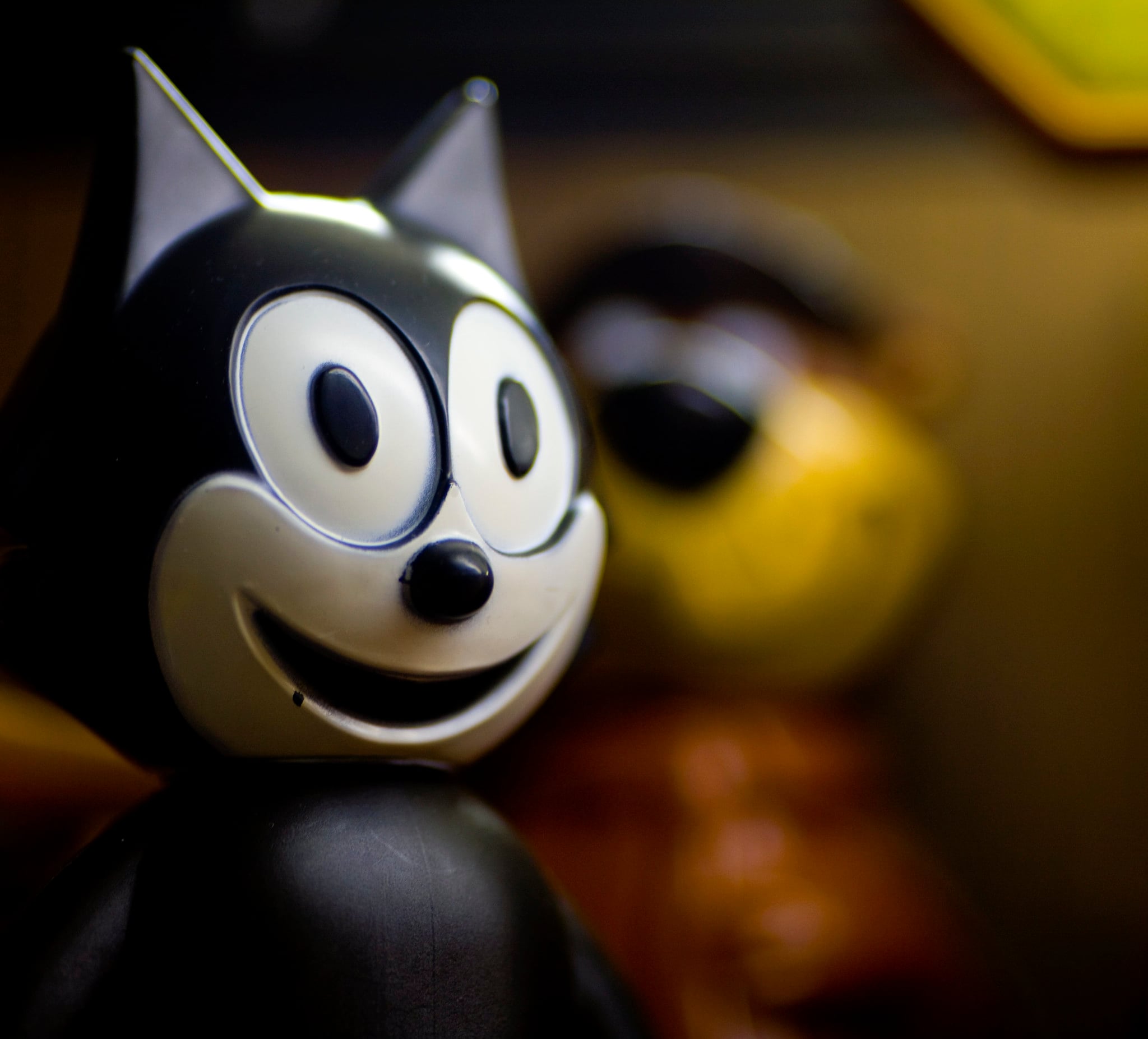
Felix The Cat
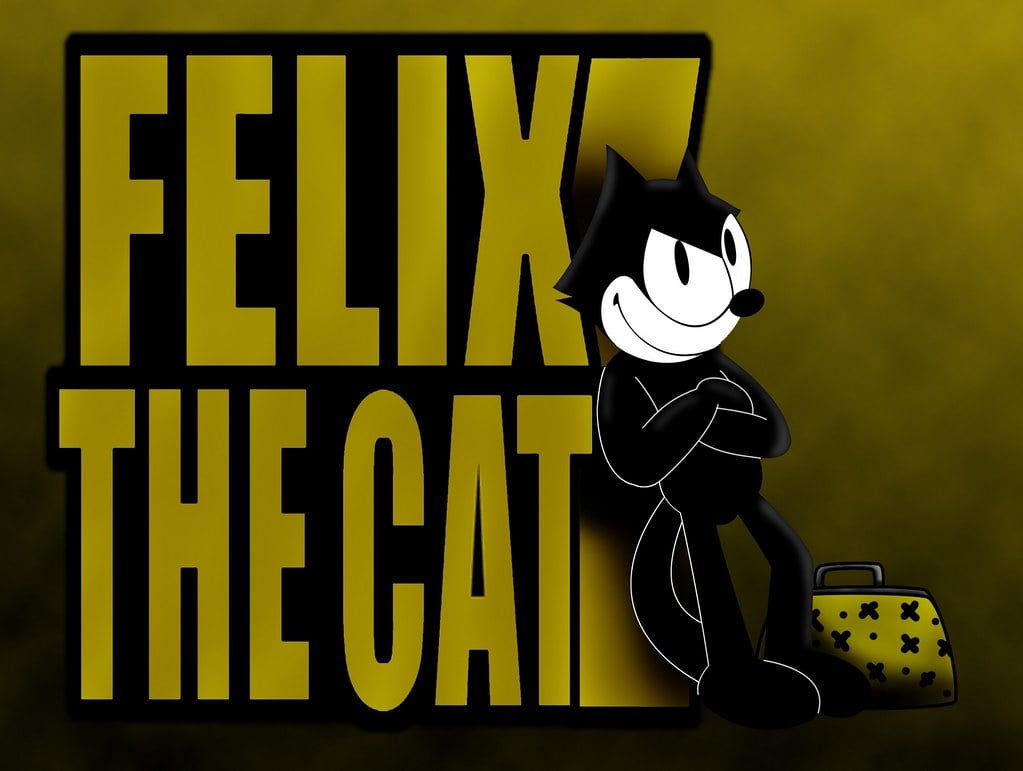
Felix dominated silent animation before Mickey Mouse existed. Black body, white eyes, that permanent grin — he solved problems by literally thinking up solutions that appeared as question marks above his head.
The character couldn’t make the jump to sound successfully. His pantomime style felt outdated once cartoons started talking.
Oswald The Lucky Rabbit
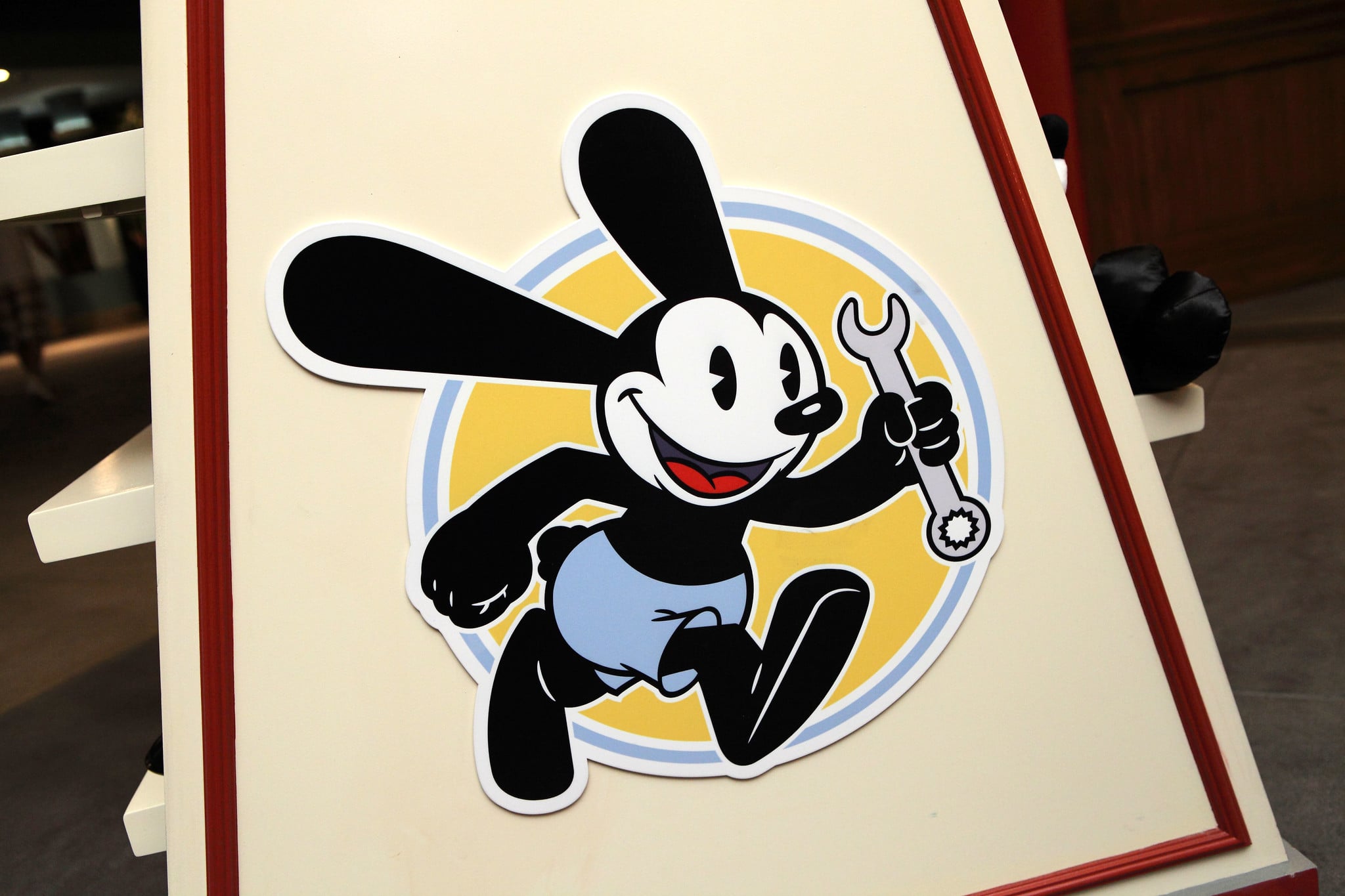
Walt Disney created Oswald before Mickey Mouse, but Universal Studios owned the rights. Disney lost his first major character in a contract dispute that taught him to retain ownership forever after.
Oswald had longer ears and a more mischievous personality than Mickey. The rabbit pulled off elaborate sight gags and displayed a cocky confidence that his mouse successor initially lacked.
Betty Boop
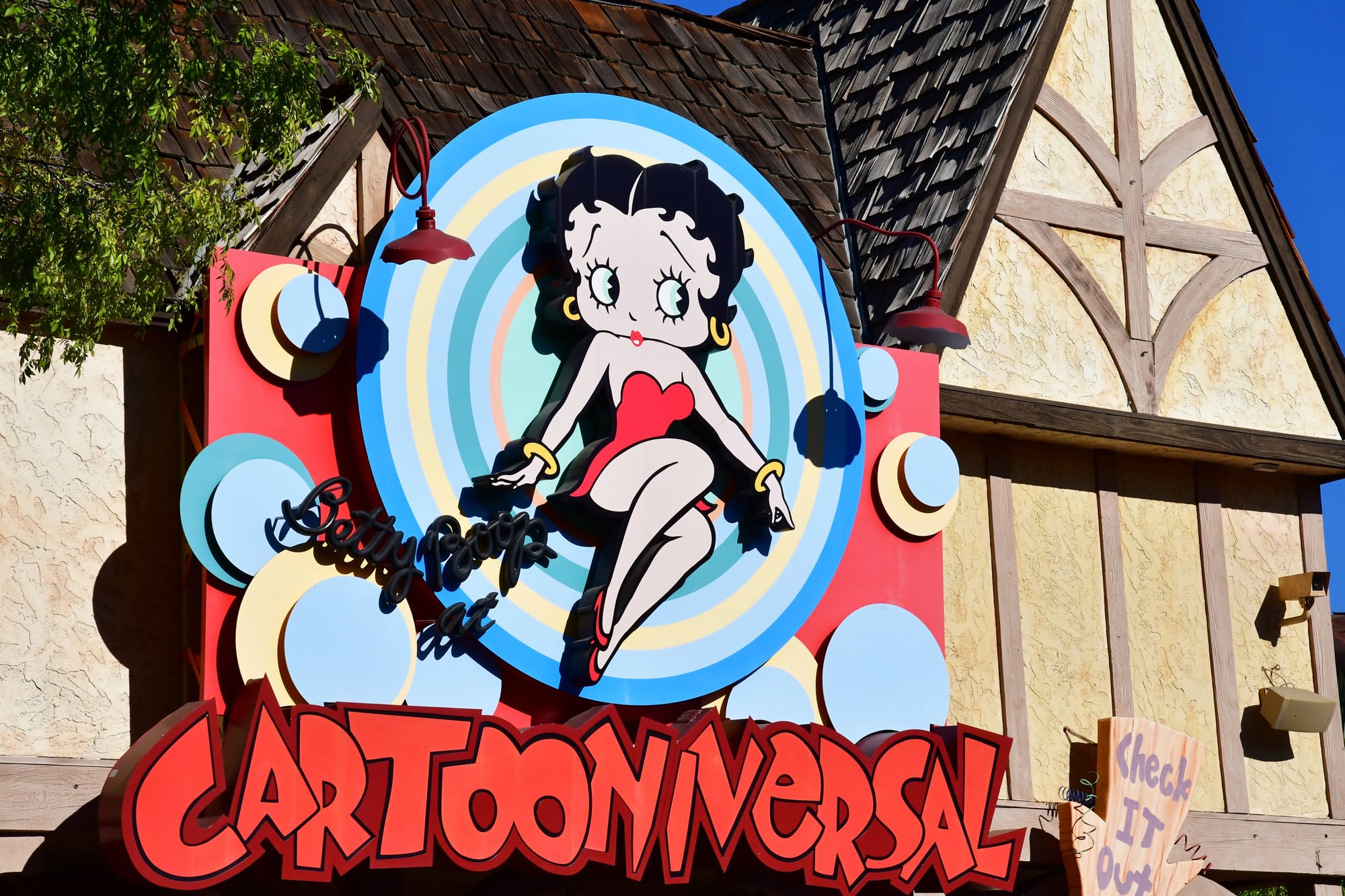
Betty Boop embodied the flapper era with her curly hair, short dress, and “boop-oop-a-doop” catchphrase, though the cultural shift toward more conservative values (particularly the enforcement of the Motion Picture Production Code) gradually transformed her from a sultry jazz-age icon into a more demure character — which drained away most of what made her compelling in the first place.
The censorship requirements meant her dress got longer, her personality became less flirtatious, and the suggestive humor that defined her early cartoons disappeared entirely. So the character who once represented liberation and rebellion found herself sanitized into something bland and forgettable.
And yet the early Betty Boop shorts remain remarkable for their surreal imagery and sophisticated animation: backgrounds that morphed and twisted, dream sequences that anticipated later experimental animation, and a visual inventiveness that pushed the medium forward even as the character herself was being pushed toward irrelevance.
Betty’s cartoons featured some of the most creative animation of the 1930s, with backgrounds that seemed alive and sequences that bent reality in ways that wouldn’t look out of place in art house cinema.
Bosko
Warner Bros created Bosko as their answer to Mickey Mouse. The character appeared in early Looney Tunes shorts but lacked the distinctive personality that made other characters memorable.
Bosko’s design was problematic even by 1930s standards. When his creators left Warner Bros for MGM, the studio retired him quickly. The character represents an uncomfortable chapter in animation history that most prefer to forget.
Krazy Kat
George Herriman’s newspaper comic strip became animated shorts, but the translation never quite worked — there’s something about Krazy Kat that lives entirely in the rhythm of printed panels and speech bubbles, something that resists the temporal flow of animation.
The comic strip dealt with philosophical themes through the relationship between Krazy Kat, Ignatz Mouse, and Officer Pupp, creating a triangle of unrequited love, casual cruelty, and protective authority that repeated endlessly without resolution. The desert landscape shifted and changed from panel to panel, suggesting that reality itself was fluid, subject to the emotional weather of its inhabitants.
The animated versions couldn’t capture that sense of infinite repetition or the way Herriman’s artwork made the desert feel both empty and alive. Motion pictures demanded forward momentum, but Krazy Kat’s power came from standing still.
Flip The Frog
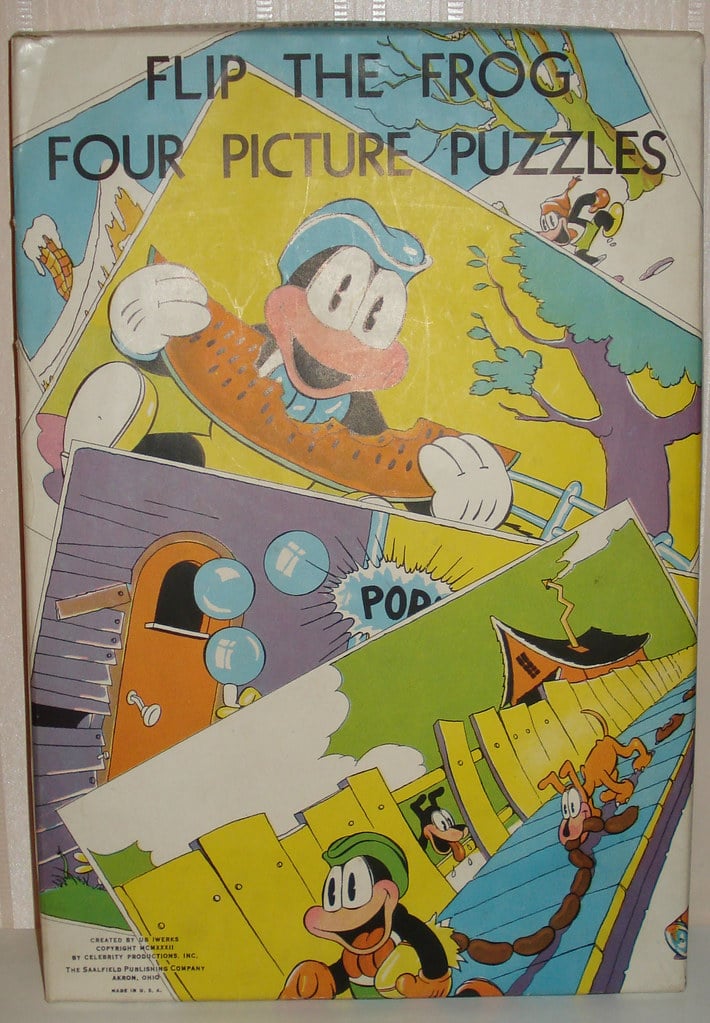
Ub Iwerks created Flip after leaving Disney, hoping to establish his own studio with a signature character. The frog had a simple design and appeared in dozens of shorts throughout the early 1930s.
The character never developed a strong personality beyond basic cartoon mischief. Iwerks was a brilliant animator but struggled with character development. Flip felt generic compared to the competition.
Little Lulu
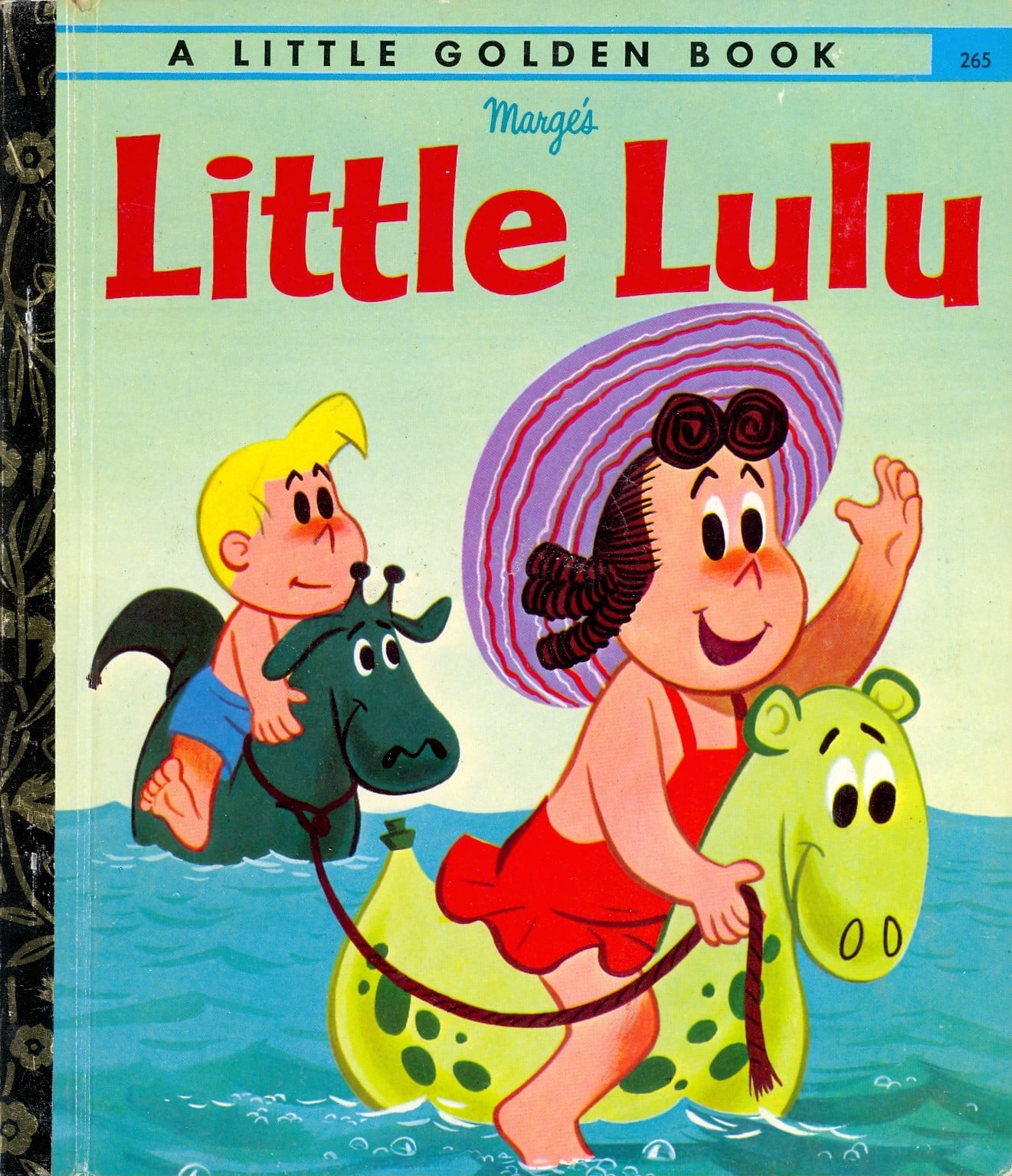
Marjorie Henderson Buell’s Little Lulu started as a syndicated comic strip before Paramount adapted her for animated shorts, though the transition revealed something interesting about how different media handle childhood — the static cartoon could capture Lulu’s mischievous expression in a single, perfect moment, but animation had to sustain that energy across several minutes.
The animated Lulu became more active but somehow less essential, as if motion diluted her concentrated troublemaker spirit rather than expanding it. And the stories felt stretched when extended into full narrative arcs, like trying to make a haiku into an epic poem.
The Paramount cartoons ran for years but never achieved the cultural penetration that similar characters managed, perhaps because Lulu worked better as a single image than as a moving character.
Scrappy
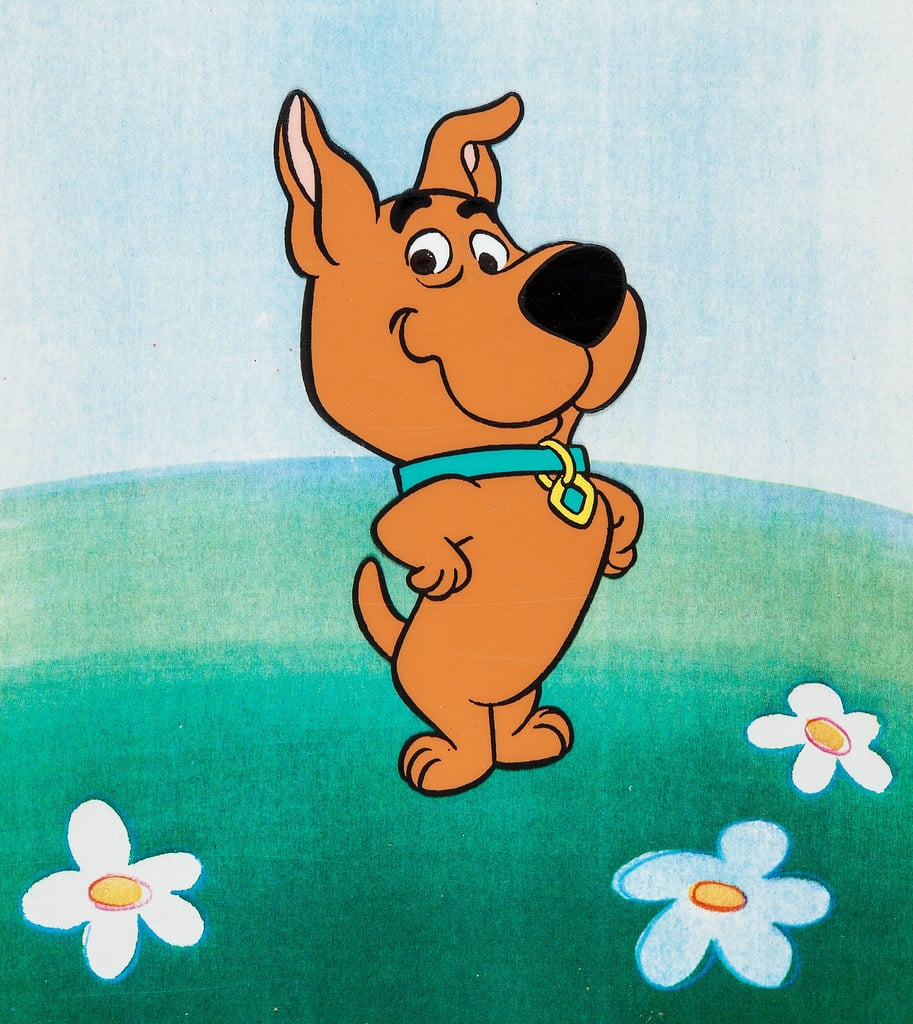
Scrappy was Columbia Pictures’ attempt at creating their own Mickey Mouse — a plucky little character who could carry theatrical shorts and compete with Disney’s output. The puppy appeared confident and optimistic, tackling problems with determination that occasionally bordered on stubbornness.
The character suffered from being too derivative. Everything about Scrappy felt calculated to reproduce the success of other studios rather than finding something genuinely original. Audiences could sense the difference.
Willie Whopper
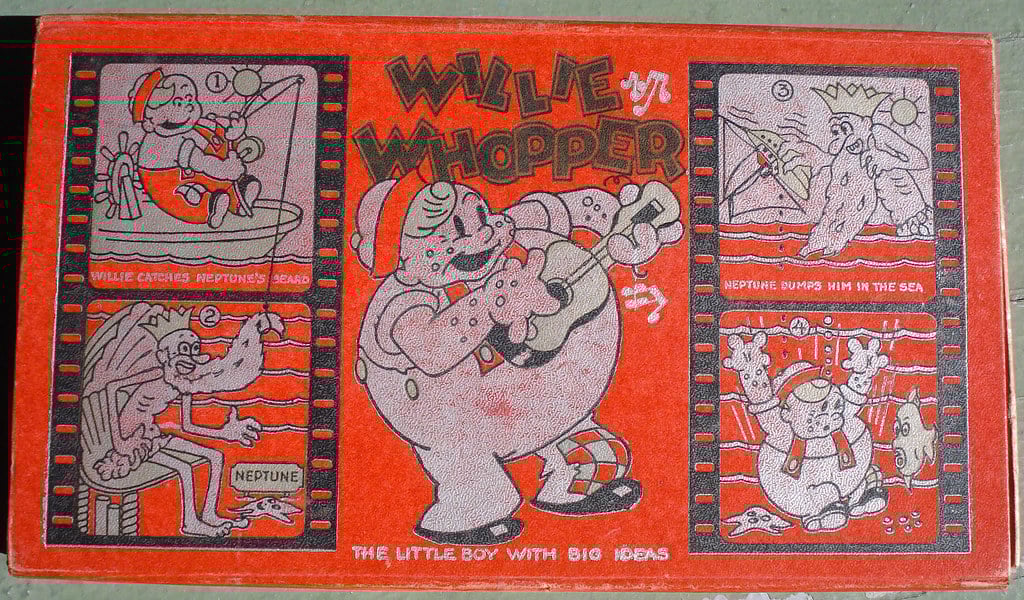
Ub Iwerks created Willie Whopper after Flip the Frog failed to catch on, though this character suffered from a different problem entirely — the premise was actually quite clever (a boy who told tall tales that came to life through animation), but the execution never found the right balance between Willie’s mundane reality and his fantastic fabrications.
The tall tales were visually impressive, featuring elaborate sequences where Willie became a cowboy or an explorer or a pilot, but they felt disconnected from the character telling them. Willie himself remained oddly passive within his own fantasies, which undercut the concept of him as a storyteller who controlled these elaborate fictions.
The series lasted only two years before Iwerks moved on, but the concept of reality blending with imagination would influence later animation.
Gandy Goose
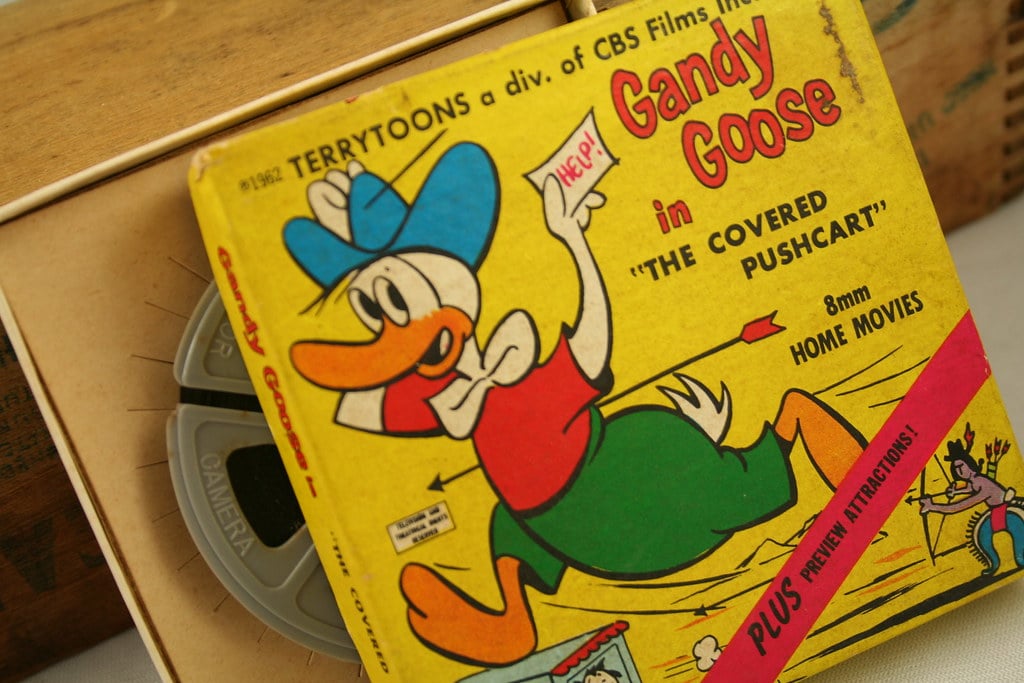
Terry-Toons created Gandy Goose as a theatrical short star, pairing him with various sidekicks in slapstick-heavy adventures. The character had a distinctive voice and a cowardly personality that contrasted with braver cartoon heroes.
Gandy never developed beyond his basic traits. The cartoons felt formulaic, and the character lacked the innovation that kept other series fresh. Terry-Toons focused more on quantity than quality.
Mighty Mouse
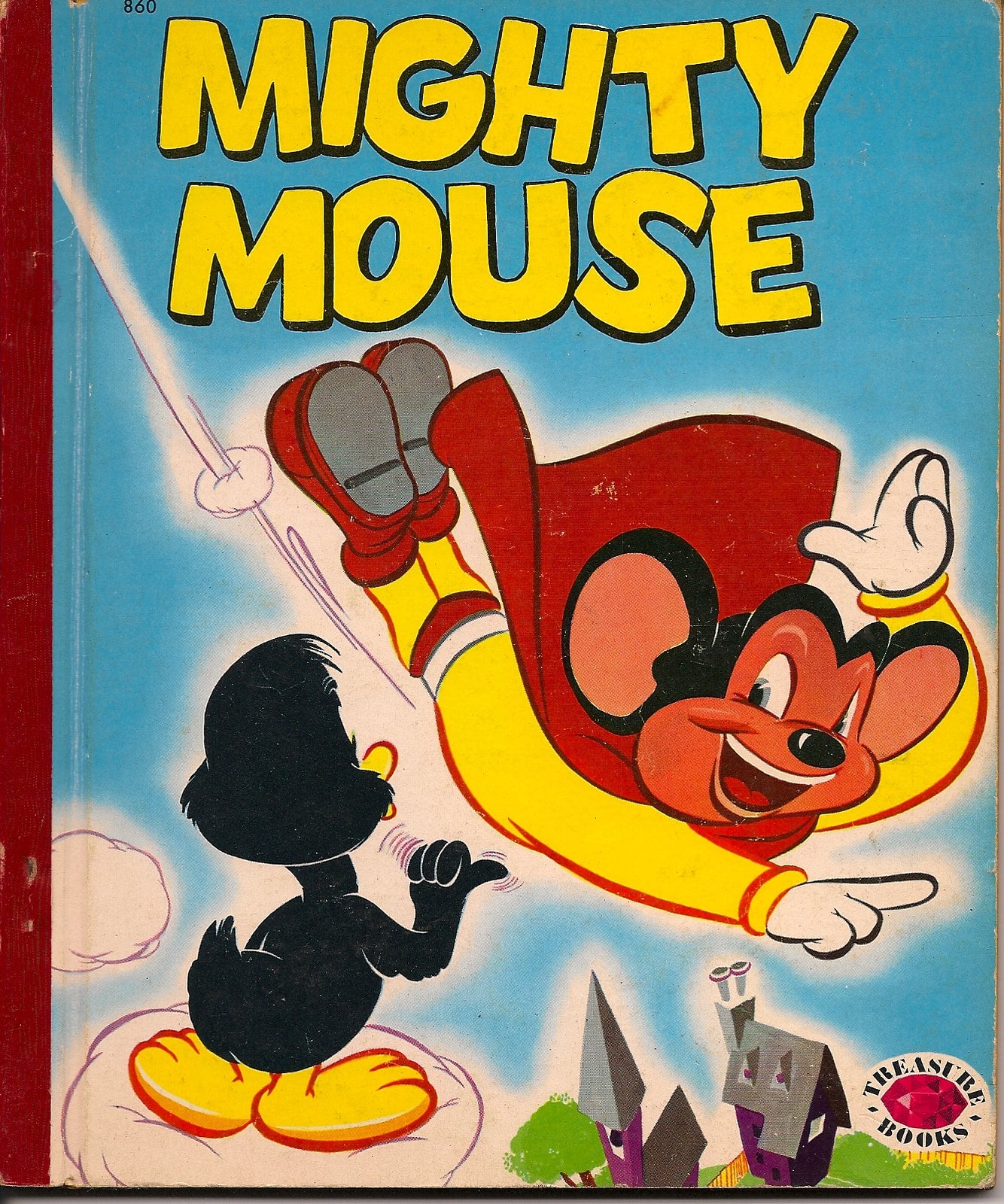
Mighty Mouse actually achieved considerable success during his original run, but younger generations know him primarily through later revivals rather than the original Terry-Toons shorts. The character parodied Superman while maintaining his own heroic identity.
The original cartoons were surprisingly sophisticated, featuring elaborate operatic sequences and detailed animation. Later versions simplified the character and lost much of the musical complexity that made the early shorts distinctive.
Little Audrey
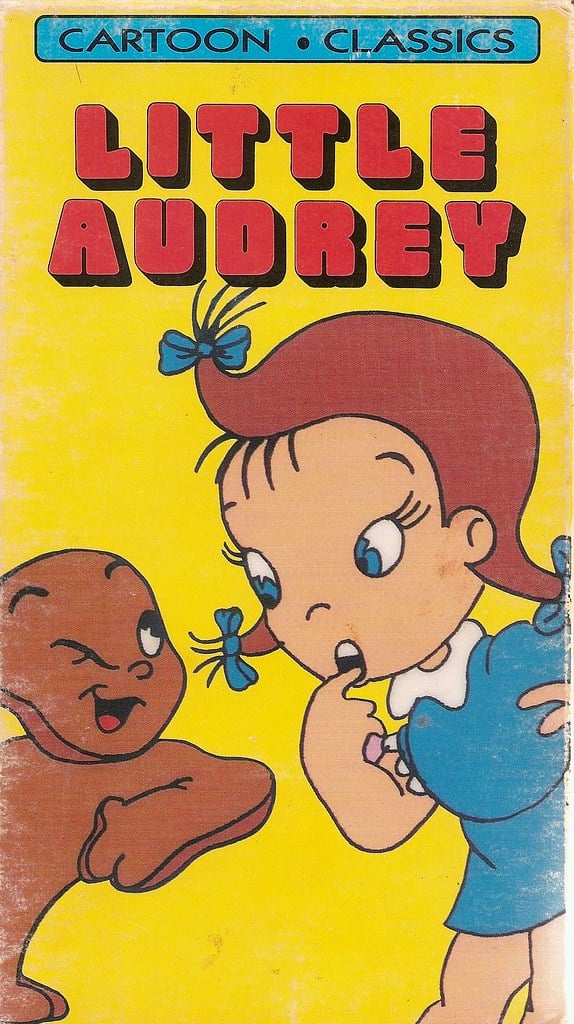
Paramount created Little Audrey when they lost the rights to Little Lulu. The character was essentially identical — a mischievous little girl who got into trouble through curiosity and cleverness.
The substitution was too obvious. Audrey felt like a placeholder rather than a genuine character, and audiences never embraced her the way they had with Lulu. The legal maneuvering that created her was more interesting than anything she did onscreen.
Casper The Friendly Ghost
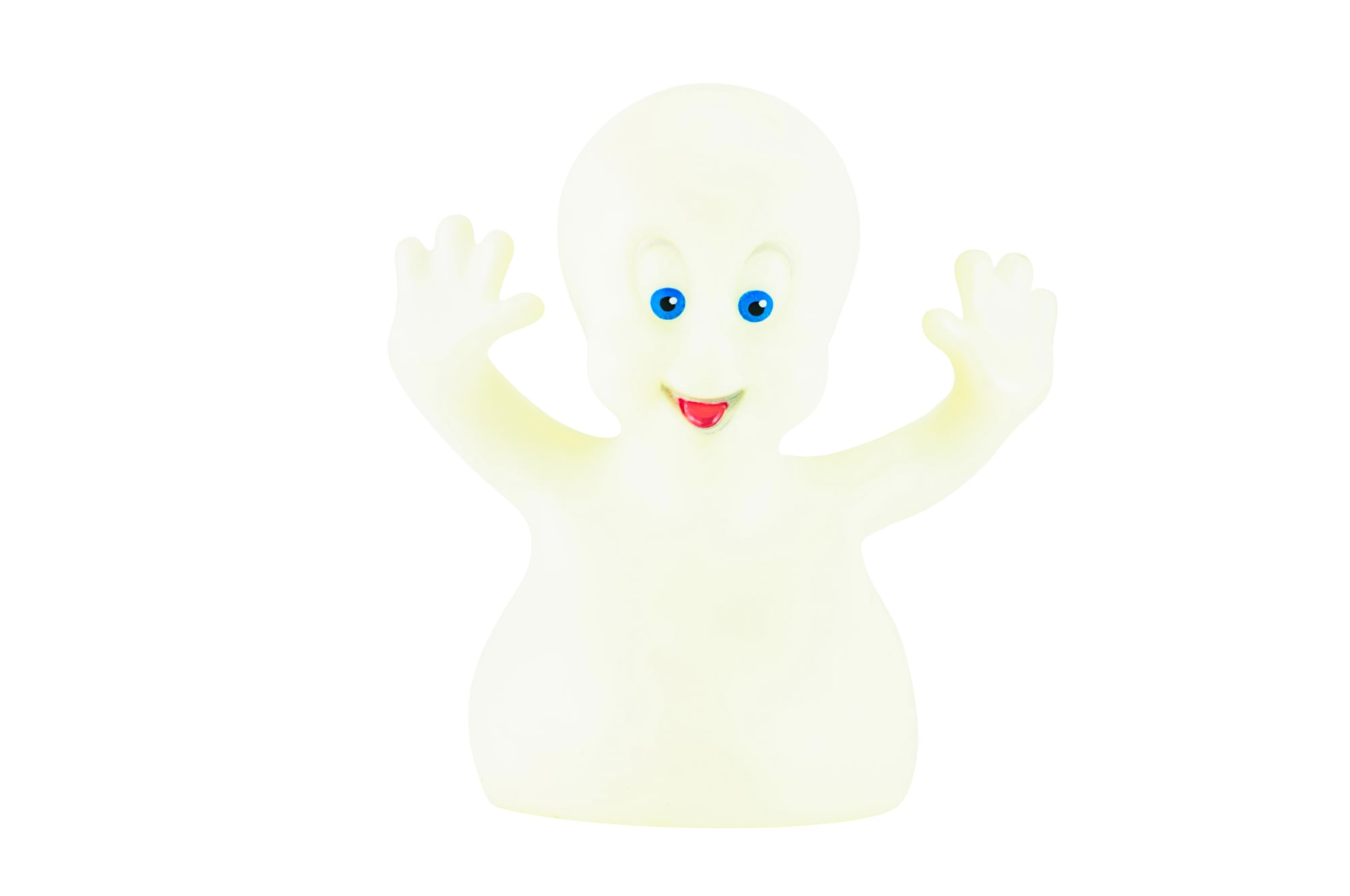
Casper belongs on this list despite his later fame because the original Paramount theatrical shorts bear little resemblance to the character most people remember from television and movies. The early Casper was genuinely melancholy — a ghost child searching for friendship in a world that feared him.
The theatrical shorts dealt with themes of loneliness and acceptance that later versions abandoned for simpler comedy. The original Casper was more complex and emotionally resonant than his reputation suggests.
Andy Panda
Walter Lantz created Andy Panda as a potential star for his studio, and the character appeared in numerous theatrical shorts beginning in 1939. Andy was well-behaved and earnest, representing childhood innocence in a medium dominated by mischievous characters.
The problem was that nice characters are boring to watch. Andy rarely drove the action in his own cartoons, instead reacting to situations created by other characters. His most famous cartoon introduced Woody Woodpecker, who immediately overshadowed him.
When The Curtain Falls
These characters didn’t disappear because they were poorly made or unimaginative. Many featured innovative animation, clever writing, and distinctive personalities that entertained audiences for years.
They vanished because the entertainment industry changed — television demanded different kinds of characters, corporate consolidation favored established properties, and cultural shifts made some humor feel outdated.
What remains remarkable is how much creativity and experimentation existed during animation’s early decades, when studios were still discovering what the medium could do and audiences were hungry for any kind of moving cartoon entertainment.
More from Go2Tutors!

- The Romanov Crown Jewels and Their Tragic Fate
- 13 Historical Mysteries That Science Still Can’t Solve
- Famous Hoaxes That Fooled the World for Years
- 15 Child Stars with Tragic Adult Lives
- 16 Famous Jewelry Pieces in History
Like Go2Tutors’s content? Follow us on MSN.



