Forgotten foods once beloved worldwide
Food trends come and go, but some dishes vanish so completely that younger generations can’t even imagine them gracing dinner tables. What was once considered the height of culinary sophistication can become a punchline decades later.
From elaborate gelatin molds that required hours of preparation to tropical fruit salads that symbolized status and wealth, our ancestors ate some truly wild stuff that somehow made perfect sense at the time.
These forgotten foods tell stories about changing tastes, technological advances, and shifting cultural values. Here is a list of 14 once-beloved foods that have largely disappeared from modern tables.
Savory Gelatin Molds

The 1940s through 1960s were the golden age of aspic, when home cooks suspended everything from tuna to lamb chops in flavored gelatin. These jiggly creations were considered the height of sophistication, showing that a housewife had both the time to prepare elaborate molds and a refrigerator to set them in.
Jell-O even released savory flavors like celery, seasoned tomato, mixed vegetable, and Italian salad to meet demand. The molds featured meticulous arrangements of vegetables, hard-boiled eggs, and proteins encased in wobbling gelatin that would make modern diners recoil.
By the 1970s, tastes shifted toward fresh and less processed foods, and these once-impressive centerpieces became relics of a bygone era.
Ambrosia Salad
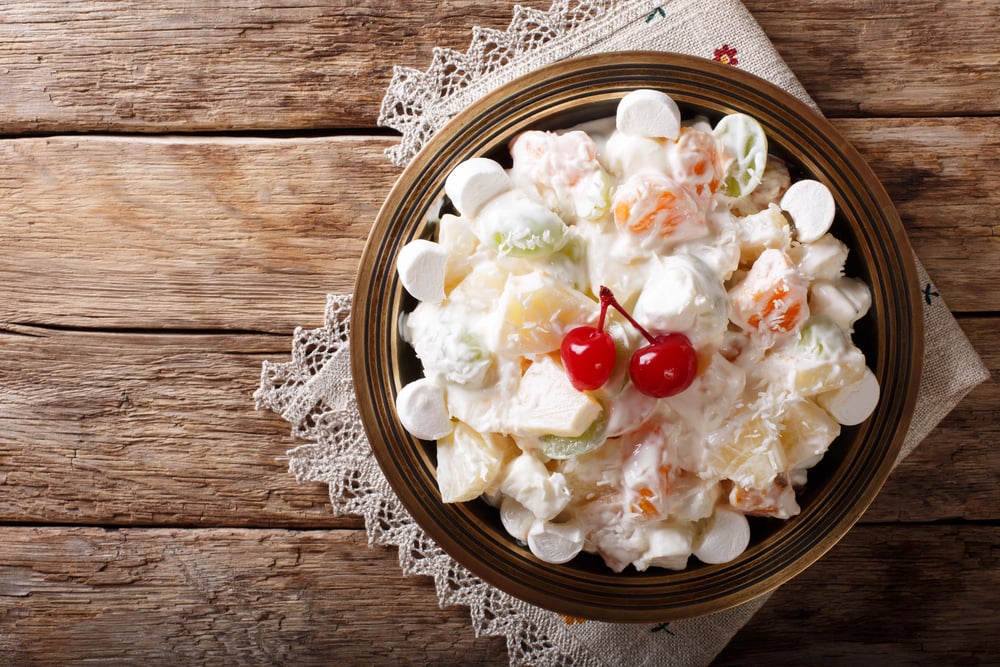
Named after the food of Greek gods, ambrosia salad was a fixture at Southern holiday gatherings from the 1860s through the 1980s. The original 1867 recipe in Maria Massey Barringer’s Dixie Cookery contained just grated coconut, sugar, and pulped oranges, but it evolved into a towering concoction of canned pineapple, mandarin oranges, mini marshmallows, shredded coconut, and whipped cream or sour cream.
The dish became popular in the late 19th century because railroad expansion and canning technology made tropical ingredients like coconut and pineapple accessible across America for the first time. By the mid-20th century, the convenience of canned fruit and Cool Whip made it a potluck staple.
As Americans became more health-conscious and wary of high-fructose corn syrup in the 1970s and 1980s, this sugar-laden “salad” faded into nostalgia territory.
Like Go2Tutors’s content? Follow us on MSN.
Medlar Fruit
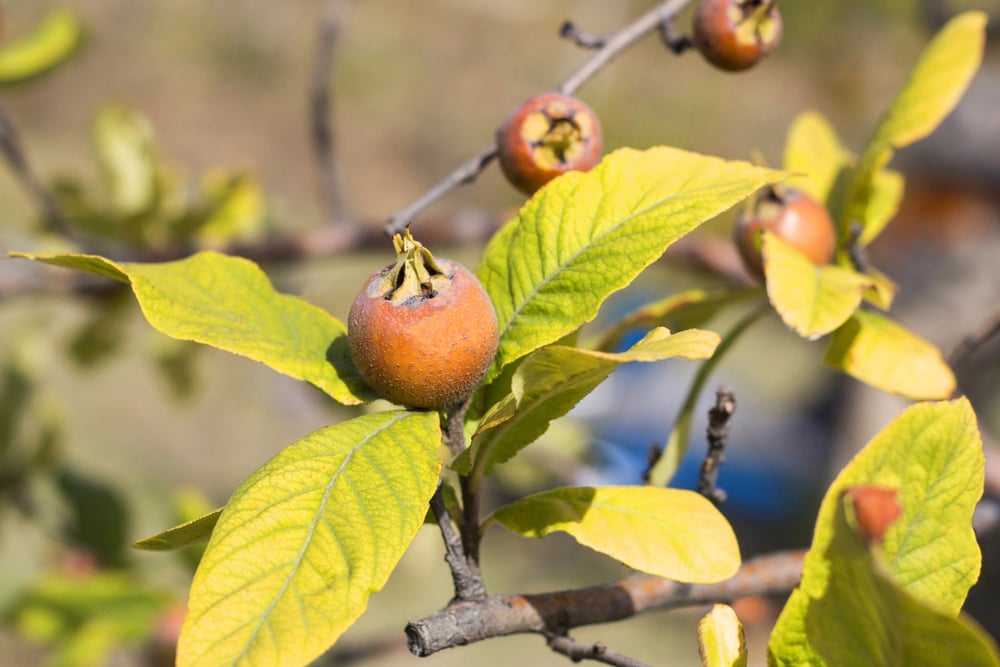
The medlar dominated European desserts for centuries before becoming largely forgotten outside specialty orchards. This small, round fruit about the size of a crab apple was beloved from Roman times through the Medieval period, mentioned in works by Shakespeare and Chaucer.
The catch was that medlars had to be eaten when overripe to the point of near-rotting, a process called “bletting” that softened the flesh and made it sweet. The French even called it “cul de chien” (dog’s backside) due to its unfortunate appearance.
Despite looking unappetizing, medlars were made into jellies and preserves and provided winter fruit when refrigeration didn’t exist. While limited cultivation continues in England, Germany, and the Netherlands, modern tastes and the availability of prettier, fresher fruits pushed this ancient favorite into obscurity for most consumers.
Turtle Soup
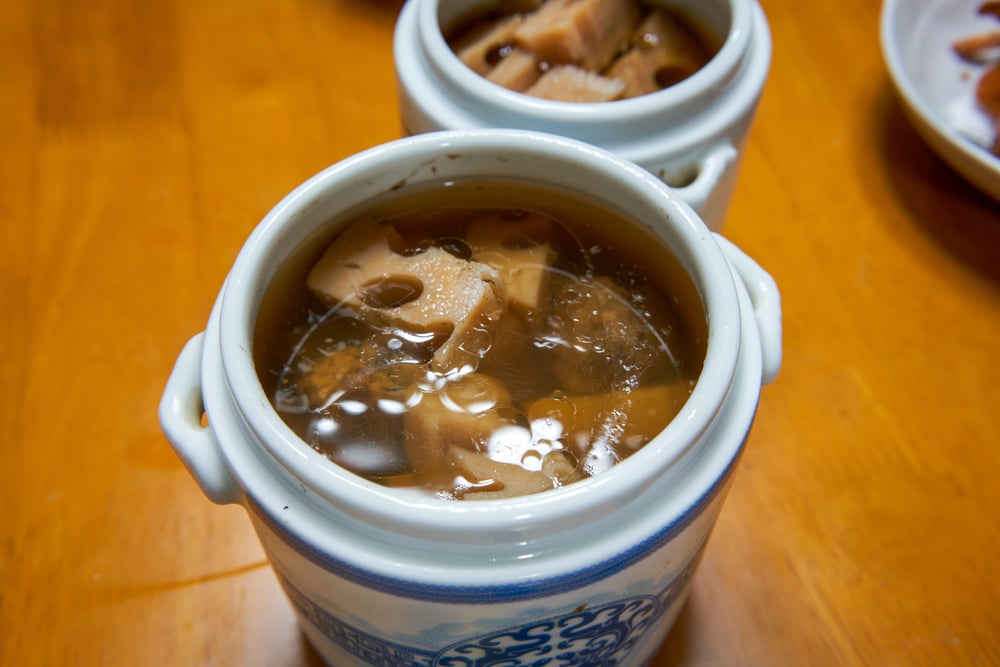
Turtle soup was a beloved delicacy across Europe and America for centuries, with luxury versions using green sea turtle and everyday mock turtle soup made from calf’s head. The dish involved cooking the meat in various broths until it became gelatinous when cooled.
Turtles were once commonplace and easier to catch, making them an accessible protein source. The soup appeared on restaurant menus well into the mid-20th century before concerns about declining turtle populations and changing attitudes toward reptile consumption caused its mainstream popularity to plummet.
While the dish persists in New Orleans Creole cuisine and some East Asian culinary traditions, the traditional turtle soup that once graced fine dining establishments across Europe and North America has largely disappeared.
Pigeon and Squab
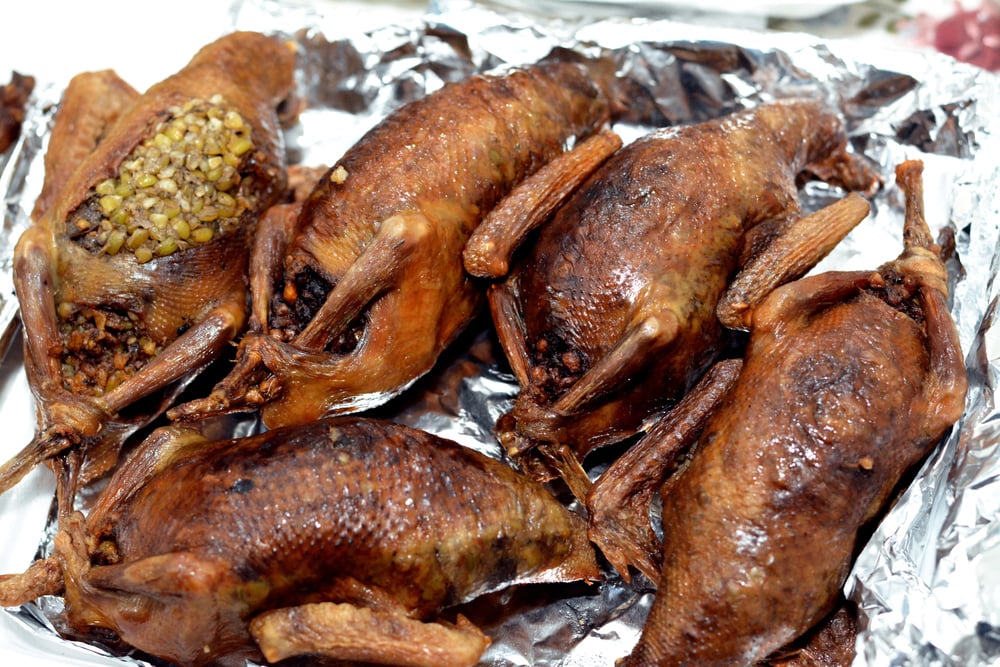
Pigeons were an abundant and affordable meat enjoyed worldwide from ancient times through the 19th century. In urban areas, these birds were plentiful and provided cheap protein for the poor.
Even well into the 1800s, pigeons remained popular across Europe and America. The passenger pigeon was consumed so extensively through mass commercial hunting and deforestation across the United States that the species went extinct in 1914.
Pigeon pie gained popularity across French, English, and Moroccan cuisine during the Middle Ages and was even a traditional American dish in the early 19th century. While squab remains a delicacy in French and Chinese cuisine, pigeon meat declined sharply in Western cuisine as other poultry became more accessible and pigeons gained a reputation as urban pests.
Like Go2Tutors’s content? Follow us on MSN.
Liver and Onions
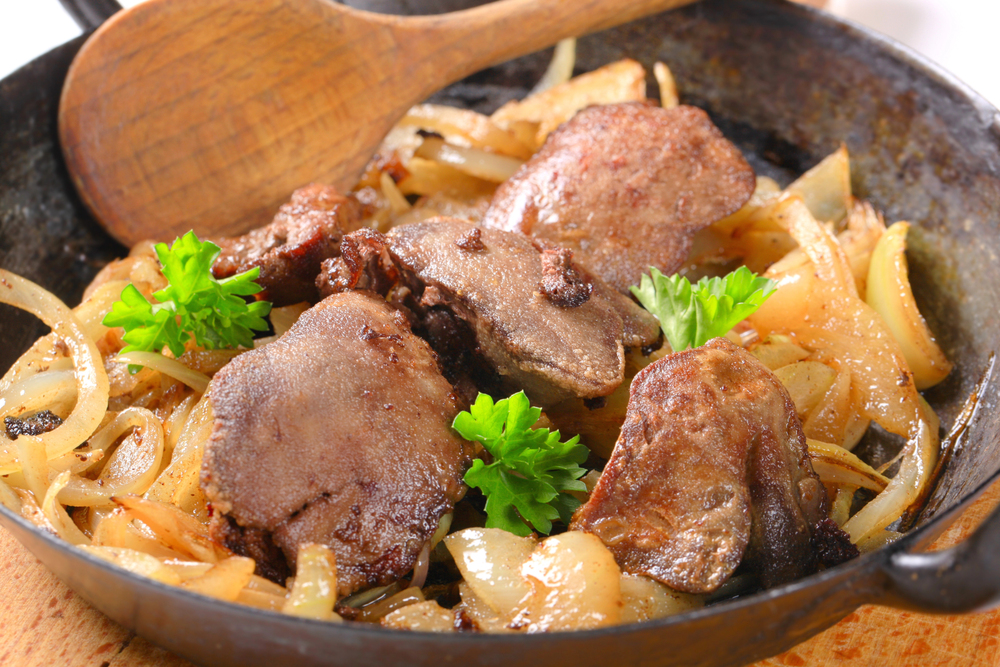
Calves’ liver with onions was a staple throughout the Depression era and postwar period (1930s through 1960s), appearing on diner menus across North America. The dish provided iron-rich nutrition and was relatively inexpensive to prepare.
When cooked properly with careful attention to avoid overcooking or poor trimming, liver and onions could be surprisingly palatable. The strong flavor and unusual texture divided diners, and as modern North American eaters became more squeamish about organ meats and offal, restaurants quietly dropped the dish from their menus.
While liver and onions remain popular in parts of the UK, Eastern Europe, and Latin America, suggesting it in North America today elicits groans from most people.
Perfection Salad
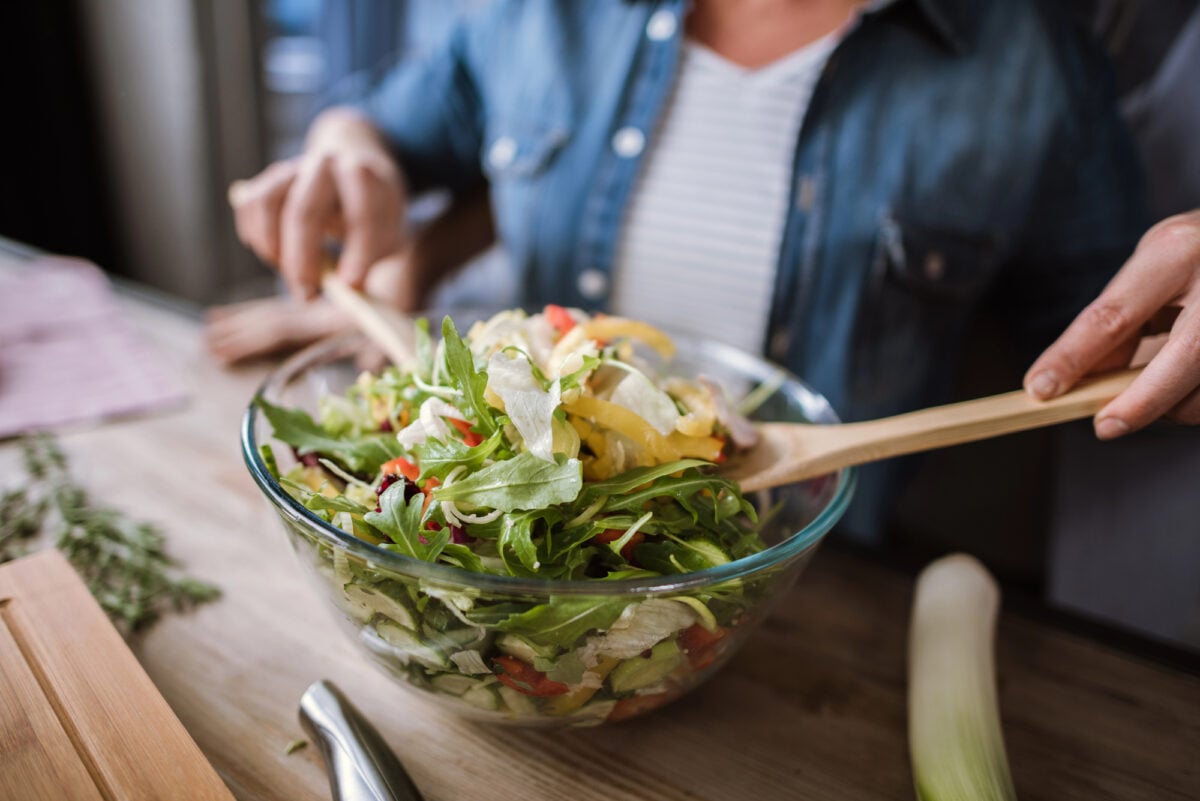
This gelatin-based creation by Mrs. John E. Cook of New Castle, Pennsylvania won third prize in a 1904 Better Homes and Gardens recipe contest and popularized the concept of salad suspended in aspic across America. The original recipe called for chopped cabbage, celery, and red peppers in a plain gelatin mold.
During the Great Depression and World War II, Perfection Salad became even more popular as an economical way to preserve leftovers and stretch ingredients into impressive-looking dishes. The 1930 release of lime-flavored Jell-O heightened the appeal of these savory concoctions.
What was once seen as thrifty and creative eventually became viewed as strange and unappetizing when fresh salads became the norm.
Sardine Sandwiches
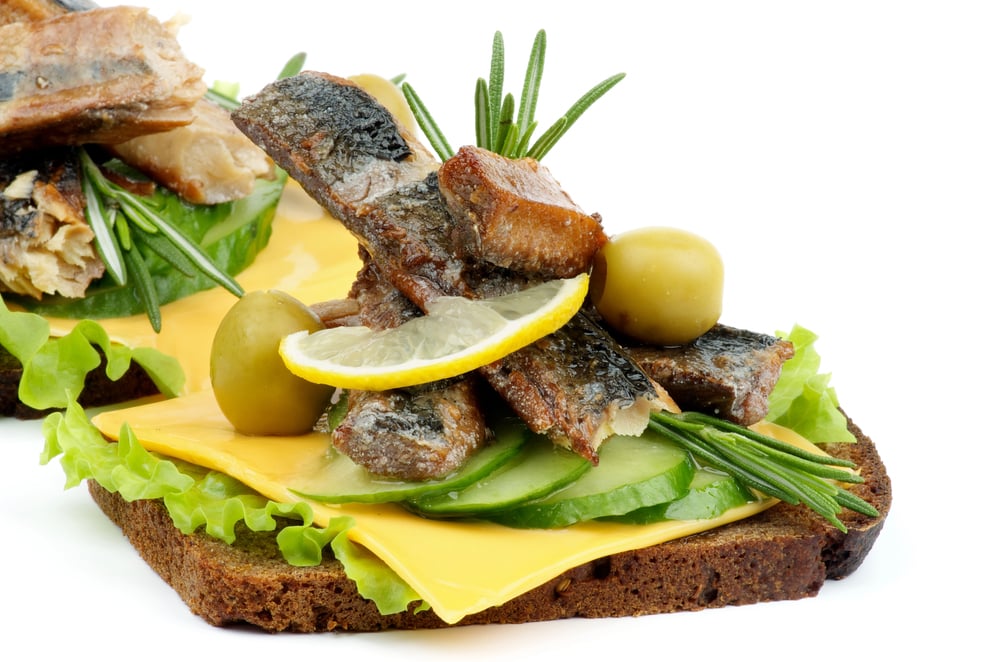
Canned sardines and sardine sandwiches were ubiquitous parts of the American culinary landscape throughout the early and mid-20th century. These shelf-stable little cans were cheap, nutritious, and flavorful, requiring no special handling since the fish came pre-cooked.
Diners across the country kept sardines on hand for quick meals. The convenience and protein content made them perfect for busy workers and families.
As taste preferences shifted and marketing focused on other seafood options, sardines lost their mainstream appeal in North America despite being one of the most sustainable fish species available. While sardines remain popular in Mediterranean and Scandinavian diets, modern American eaters often find the strong flavor and oily texture off-putting.
Like Go2Tutors’s content? Follow us on MSN.
Beef Wellington
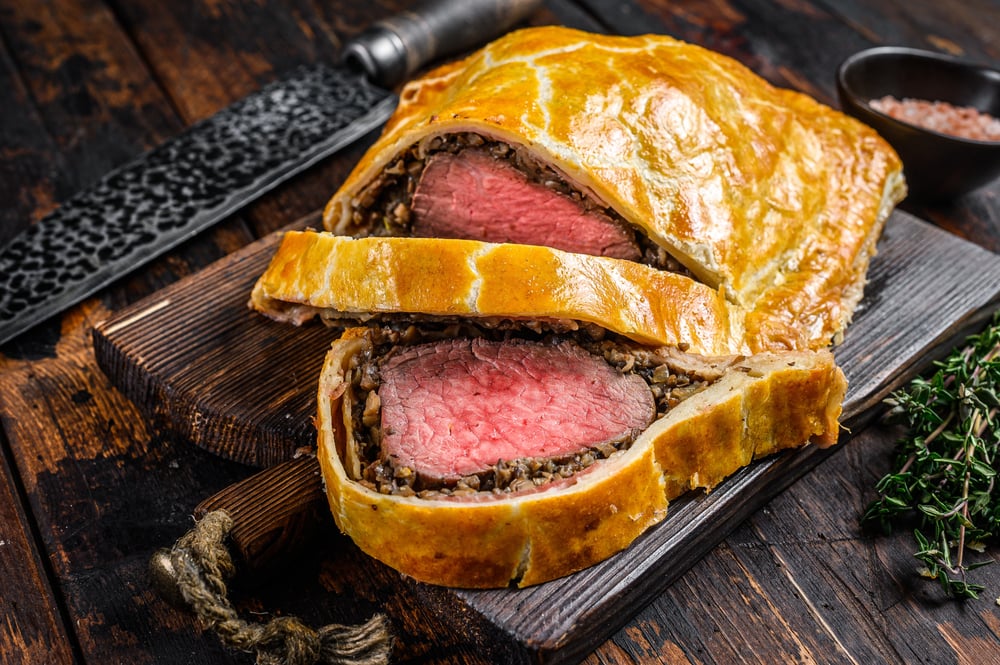
This symbol of culinary sophistication rose to prominence in the post-World War II era, though its origins trace back to early 19th-century British cuisine, possibly influenced by French filet de bœuf en croûte. The dish features beef tenderloin coated with pâté and mushrooms, then wrapped in puff pastry and baked to perfection.
During the mid-20th century, serving Beef Wellington demonstrated both cooking prowess and the ability to afford quality ingredients. The labor-intensive preparation made it less appealing as modern kitchens embraced faster cooking methods and simpler meals.
While it hasn’t vanished, Beef Wellington shifted from regular dinner party fare to fine-dining restaurant menus and special holiday occasions, making it unfamiliar to many home cooks today.
Tapioca Pudding
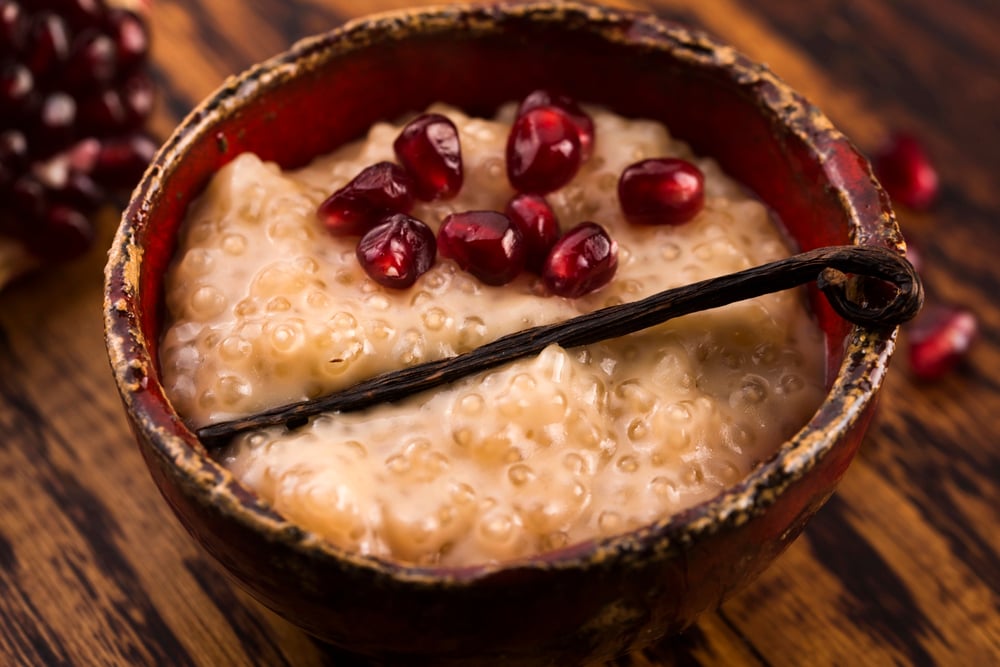
Old-school tapioca pudding was a staple dessert in American diners and homes throughout the 1930s to 1960s. Made from cassava root native to South America, the starch was formed into distinctive pearls that created the pudding’s unique texture.
The “fish eyes” appearance of the pearls swimming in creamy pudding became a source of jokes and divided diners into lovers and haters. Despite originating in South America and remaining popular in Asian and Latin American cuisines, American tapioca pudding fell from favor in the 1970s and 1980s.
Interestingly, tapioca made a comeback in a completely different form as the bouncy pearls in boba tea, proving that texture preferences change with presentation.
Pease Bread
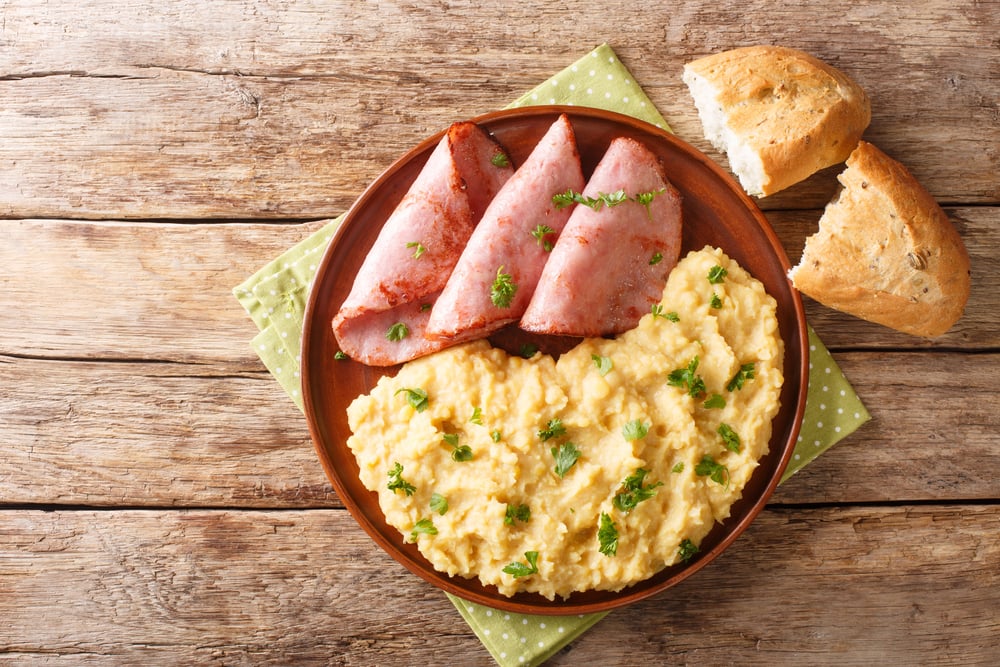
Ground pea flour was a lesser-known substitute for wheat flour during medieval times and periods of grain shortage. While pease porridge (split-pea stew) was the more common use of dried peas, some households baked dense loaves using pea flour when wheat was scarce or expensive.
Often flavored with herbs and sometimes enhanced with bacon fat, these hearty breads provided crucial protein in pre-modern diets when meat was expensive or unavailable. As wheat became more accessible and affordable throughout Europe, pea flour bread disappeared from bakeries and home kitchens.
Modern bread made from refined wheat flour became the standard, leaving this shortage-era food forgotten except in historical texts.
Like Go2Tutors’s content? Follow us on MSN.
Parliament Cake
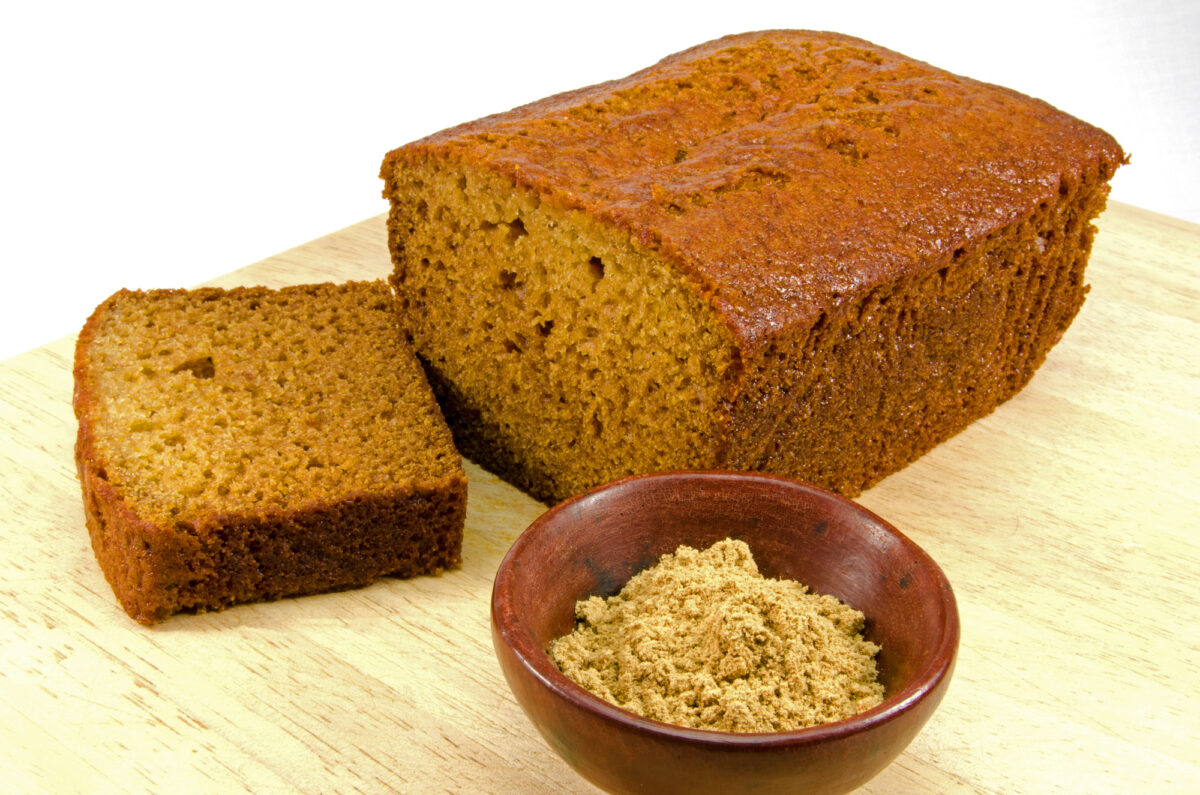
This spiced ginger cake or loaf was associated with 18th and 19th-century Edinburgh households and broader Scottish baking traditions. Made with treacle, ginger, cinnamon, and often topped with candied peel, these cakes were typically baked in large sheets and cut into squares.
The spiced, dense cake was both affordable and long-lasting, making it perfect for everyday consumption rather than special occasions. Despite being a regional treat for generations, Parliament Cake vanished almost completely by the early 20th century as tastes shifted toward lighter, more refined baked goods.
The reasons for its disappearance remain unclear, but changing preferences and the availability of other sweets likely played a role.
Carrageen Pudding
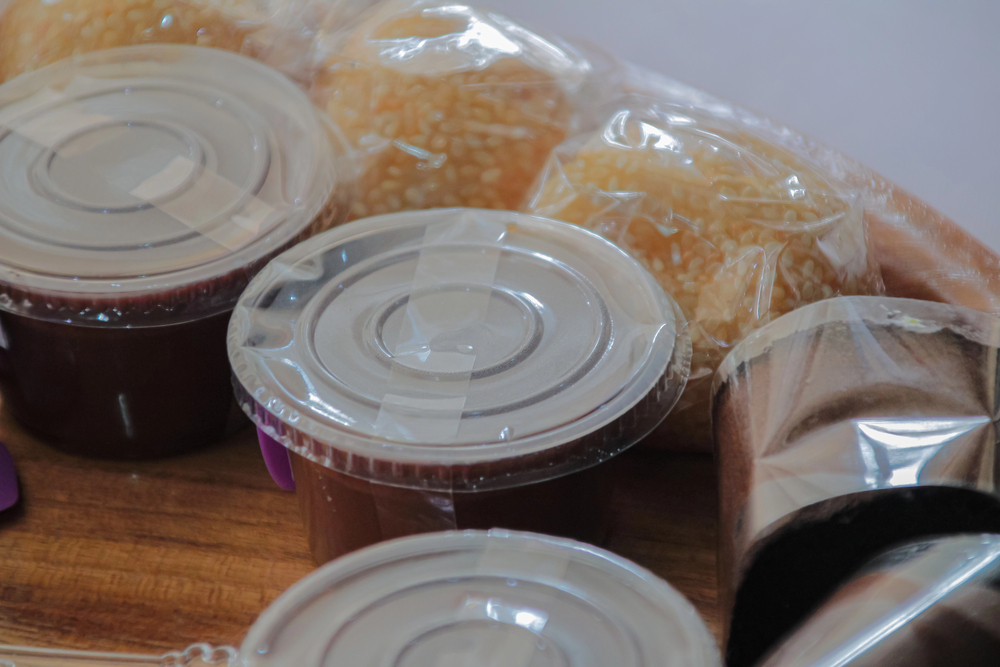
This set dessert made from Irish moss seaweed (Chondrus crispus), also known regionally as Dorset Moss, was popular along British and Irish coastal communities from the 19th century into the 1950s. The gelatinous seaweed was gathered locally and used to create puddings similar to blancmange.
Traditionally flavored with sugar, lemon, and brandy, the pudding provided an economical dessert option for coastal families. The slightly medicinal flavor and unusual texture made it an acquired taste.
As commercial gelatin became widely available and more appealing dessert options emerged, people stopped gathering seaweed for puddings. While still known in Ireland, carrageen pudding has largely vanished from English tables.Chian Wine

In ancient Greece, Chian wine held an exalted status and captivated the palates of connoisseurs across the region. Originating from the island of Chios, this revered beverage was hailed as the epitome of wine excellence and described by ancient authors like Athenaeus and Pliny.
Known as “black wine” for its deep red color, it attracted the most discerning enthusiasts and appeared at important gatherings and celebrations. As wine production spread and evolved over millennia, and as the island of Chios changed politically and economically, this once-legendary wine faded from prominence.
Interestingly, modern Greek vintners on Chios have revived small-scale production experimentally in the 21st century, though it remains far from its ancient glory.
Like Go2Tutors’s content? Follow us on MSN.
Tastes That Time Forgot
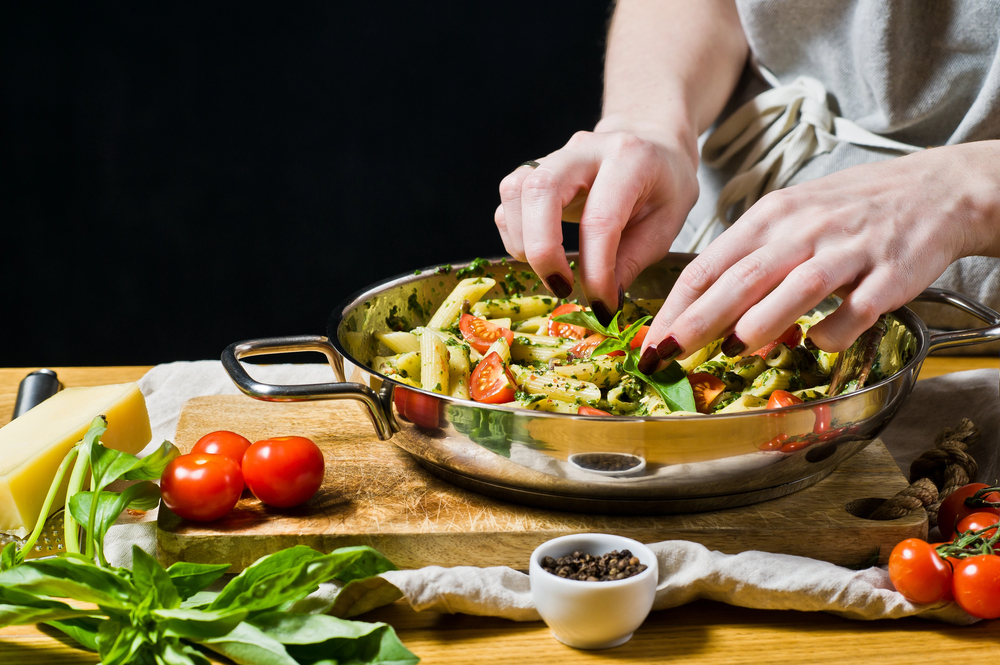
These largely forgotten foods remind us that what seems essential to one generation becomes laughable to the next. Convenience, health consciousness, changing aesthetics, and evolving tastes all play roles in what stays on our tables and what disappears.
Gelatin molds once showed off a family’s wealth and a cook’s skill, while liver and onions provided affordable nutrition before becoming unthinkable in many Western countries. Some of these foods deserve their obscurity, while others might be worth rediscovering for their unique flavors or sustainable qualities.
Either way, they prove that food culture never stands still, and today’s trendy superfood could easily become tomorrow’s curiosity.
More from Go2Tutors!

- 16 Historical Figures Who Were Nothing Like You Think
- 12 Things Sold in the 80s That Are Now Illegal
- 15 VHS Tapes That Could Be Worth Thousands
- 17 Historical “What Ifs” That Would Have Changed Everything
- 18 TV Shows That Vanished Without a Finale
Like Go2Tutors’s content? Follow us on MSN.