Forgotten Toy Lines That Collectors Now Chase
The 1980s and 1990s were wild times for toy companies. Every manufacturer wanted to capture lightning in a bottle like Transformers or G.I. Joe did.
Most of these ambitious toy lines crashed and burned within a year or two, victims of bad timing, poor marketing, or just plain bad luck. Fast forward a few decades, and something funny happened.
Those same failed toys that once clogged clearance bins now command serious money on the secondary market. Collectors who grew up during that era have disposable income and a serious case of nostalgia, turning yesterday’s failures into today’s treasures.
Here is a list of 15 forgotten toy lines that collectors are actively hunting down today.
M.U.S.C.L.E.
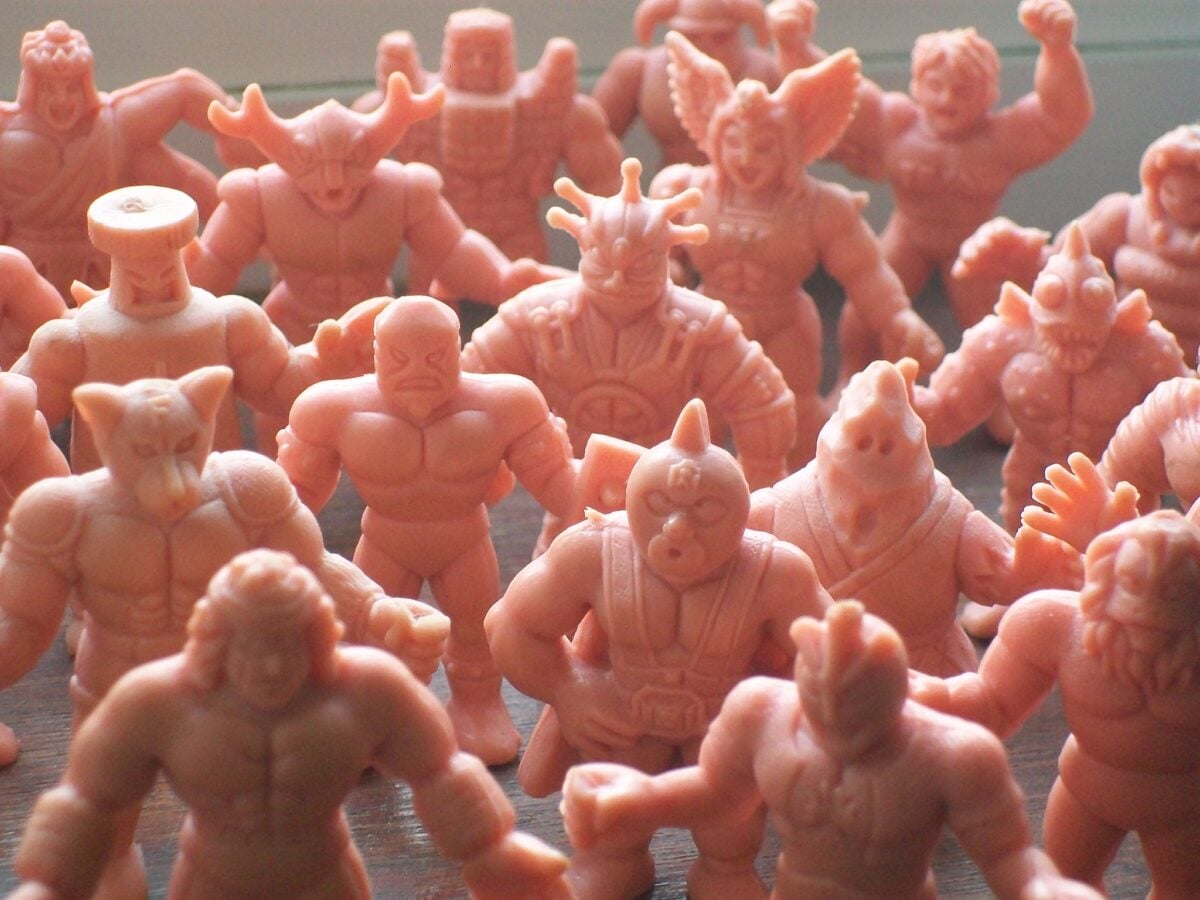
These tiny rubber figures in signature pink came packed in garbage cans and other sets, inspiring a generation to collect and trade them. M.U.S.C.L.E. stood out for being simple, monochromatic, non-articulated figures that kids could buy in various pack sizes.
The line adapted characters from a Japanese wrestling manga, though most American kids had no idea about the source material. They just loved the weird, muscular designs and the fact that hundreds of different figures existed to collect.
Today, complete collections fetch impressive prices, with certain rare color variants commanding premium dollars from dedicated collectors.
Monster in My Pocket
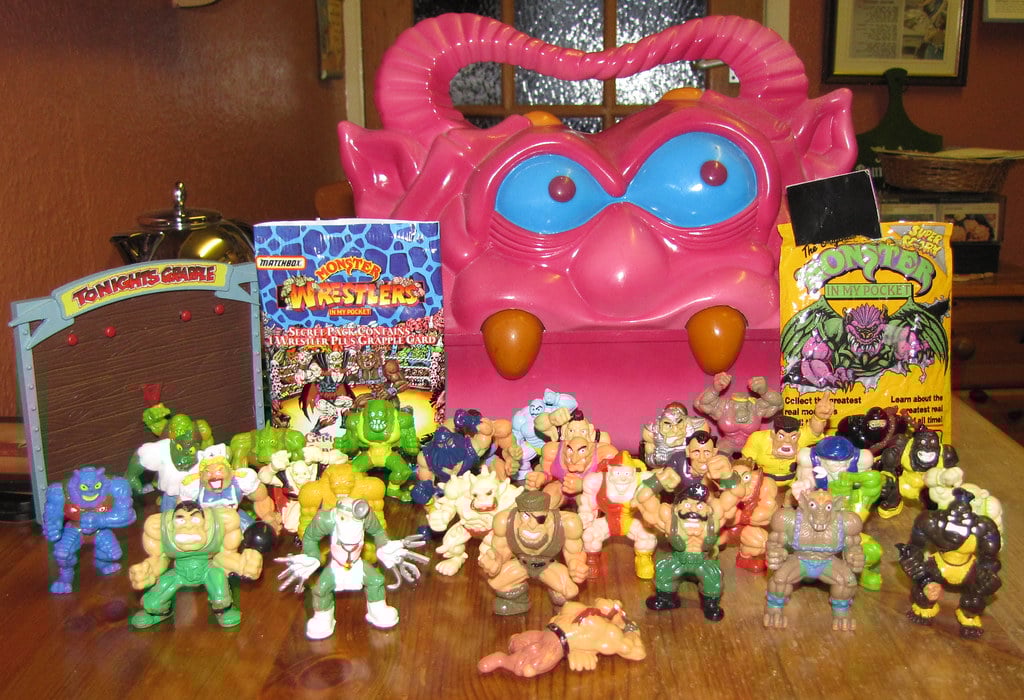
Matchbox launched this miniature rubber figure line in 1990. It featured monsters and mythical creatures with point values representing their relative power.
The original series included 48 figures in colors like red, yellow, green, and purple. Series 2 faced limited distribution, and certain figures like Ganesha were recalled due to protests, making them harder to find.
Series 3 proved especially rare since most figures only appeared as cereal premiums or restaurant giveaways rather than store shelves. The scarcity of later series and promotional variants drives serious collector interest today.
Dino-Riders
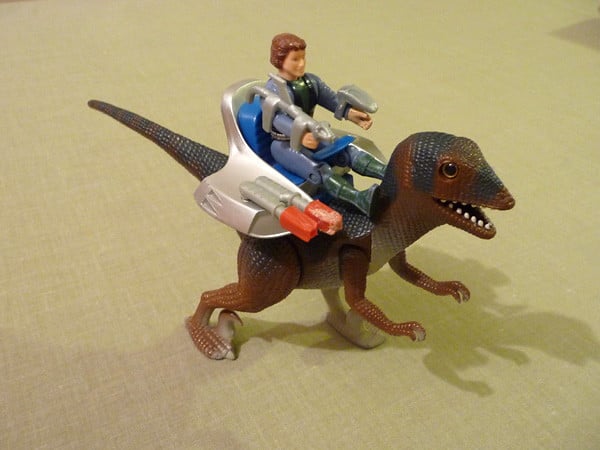
Tyco combined futuristic warriors with armored dinosaurs in this creative toy line that ran from 1988 to 1990. The concept put heroes called Valorians, who befriended their dinosaur mounts, against villainous Rulons who enslaved theirs.
Complete working examples often sell for high prices. Larger toys and rare copies can easily reach hundreds to thousands of dollars.
A mint-in-box Brontosaurus with three action figures sold for $3,000 on eBay. The combination of detailed dinosaur sculpts, cool accessories, and sci-fi elements created something unique.
Collectors appreciate it more now than kids did back then.
Air Raiders

This Hasbro line featured vehicles with actual air-powered features. Kids could repeatedly activate them to fire missiles or race the vehicles.
The backstory involved a planet where an ecological disaster made breathable air scarce. Battles erupted over this precious resource.
Without support from cartoons or movies, the line struggled at retail. Many sealed pieces ended up with slashed original prices.
Hard-to-find figures like the Man-O-War and mail-away exclusives now command over $500 among collectors. The ingenious air-powered mechanics make these toys especially appealing to adult collectors who can appreciate the engineering.
BraveStarr
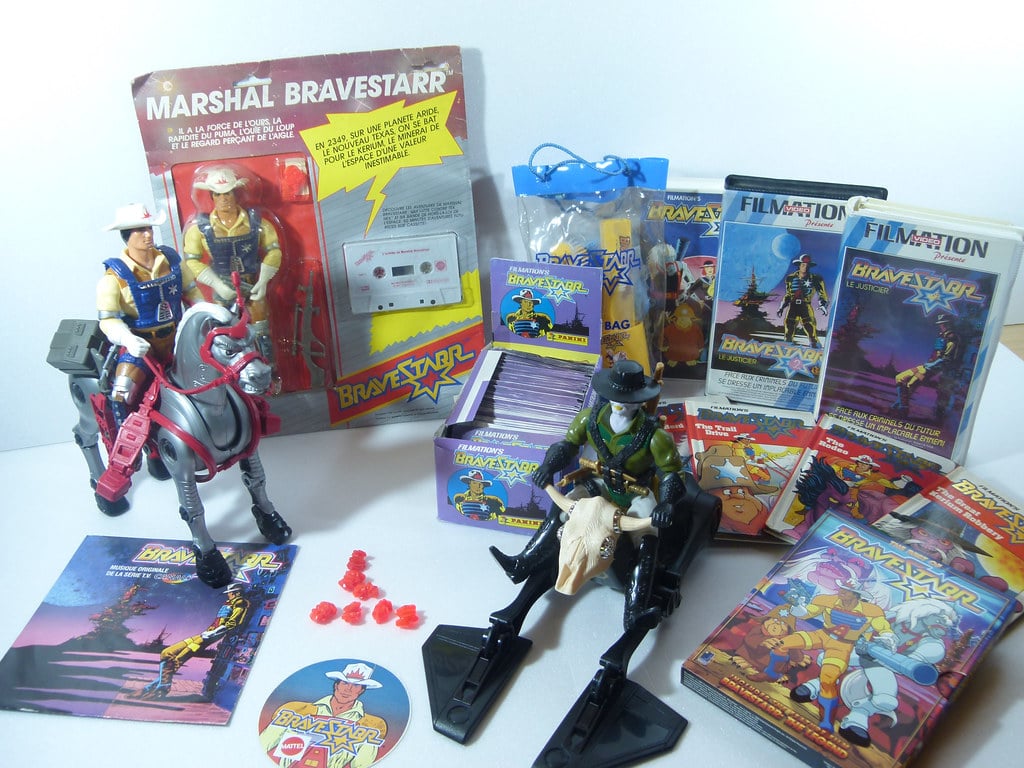
Filmation created this space western hybrid featuring a marshal with spirit animal powers. The setting was the planet New Texas.
The figures stood nearly 8 inches tall and had unique action features. Each came packaged with Kerium nuggets from the show’s mining setting.
Despite having both a cartoon and quality toys, including floating stagecoaches and town playsets, BraveStarr never achieved mainstream success.
The blend of western and science fiction themes appeals to collectors. The larger figure scale and unconventional genre mixing make it especially desirable.
Battle Beasts

Created by Takara in Japan and distributed by Hasbro starting in 1986, these figures were animal warriors. They featured heat-sensitive rub signs on their chests.
When rubbed, the signs revealed fire, water, or wood attributes. This created a rock-paper-scissors style battle system.
The gimmick sounds basic when described, but it made collecting addictive. Figures came in various colors, and completing a full set was challenging.
Original Battle Beasts in good condition with clear rub signs fetch solid prices. Nostalgic collectors drive much of the current market.
Visionaries
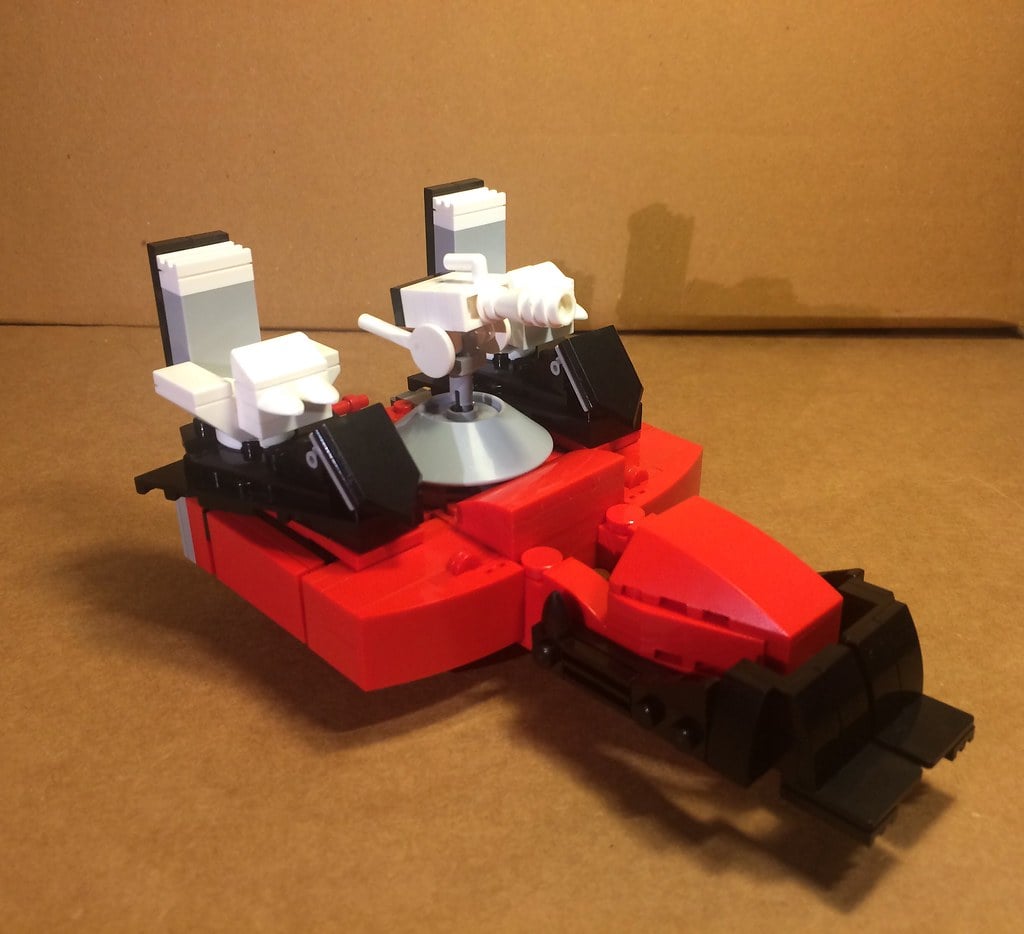
This 1987 Hasbro line featured knights on a planet where technology no longer worked. People had to rely on magic instead.
The toys included holographic chest plates and staffs representing magical powers. The visual effects made each figure stand out.
The Marvel comic lasted only a few issues, and the cartoon ran 13 episodes before cancellation. Despite that, Visionaries developed a cult following.
The holographic technology was impressive for the era. Mint examples with intact holograms now command premium prices.
SilverHawks
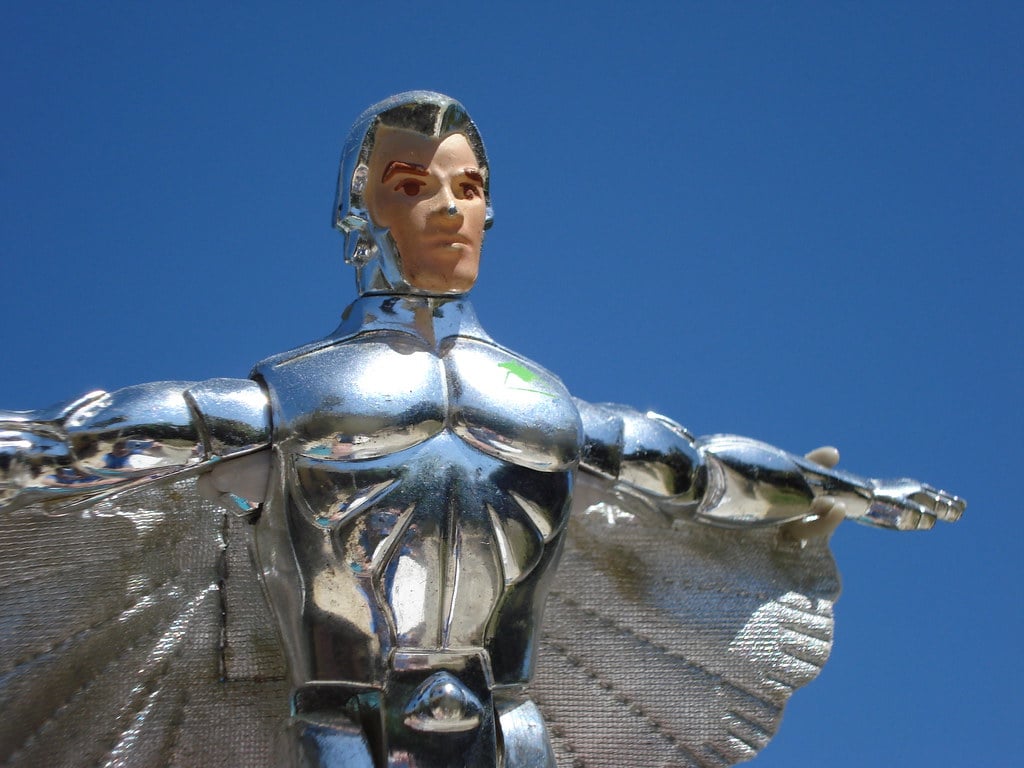
Created by the same team behind Thundercats, this line featured armored heroes who could fly through space. They battled the villainous Mon*Star.
The figures stood out for metallic armor designed to shine. Quicksilver had silver plating, while Copper Kidd featured a golden finish.
The Miraj flying craft impressed fans by being large enough to house other figures. Its size made it a centerpiece of the play experience.
While SilverHawks never matched Thundercats’ popularity, the shiny metallic finish and space adventures made it distinctive. Collectors particularly prize the larger vehicles and playsets.
Boglins

Tim Clarke, who worked on Jim Henson productions, created these grotesque hand puppets. Mattel released them in 1987.
The toys featured bulging eyes, wrinkled skin, and monster-like designs. Kids could control them with their hands inside.
After declining in popularity during the early 1990s, original toys now sell for high prices on the secondary market. A 2020 revival introduced new figures to both collectors and fresh fans.
The tactile puppet design and gross-out aesthetic perfectly captured late 1980s sensibilities. This made them nostalgic favorites today.
Food Fighters

This line played out like every 1980s toy franchise. Kitchen Commandos fought Refrigerator Rejects for control of your refrigerator.
Mattel created these humanoid food characters in 1988. They featured hamburgers, hot dogs, and pizza with arms, legs, and faces.
The concept was absolutely ridiculous. That’s exactly why it resonates with collectors now.
There’s something charmingly absurd about action figures based on aggressive food items. Complete sets with all their tiny weapons and accessories have become harder to find as the years pass.
Army Ants
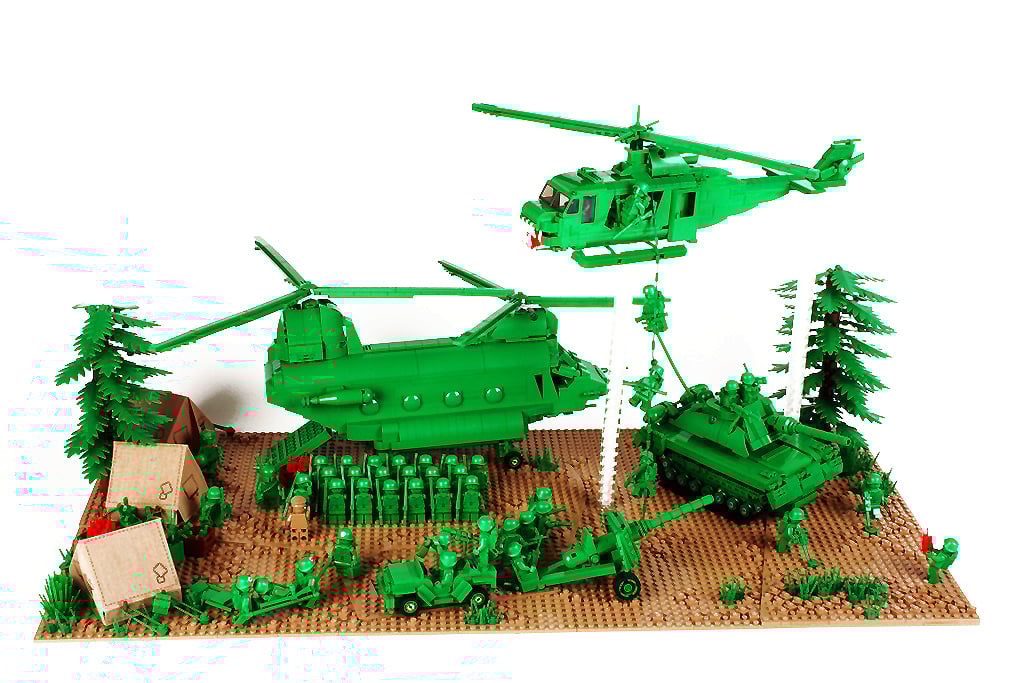
Hasbro modernized the green plastic army men concept in 1987. They released an intricate collectible line featuring two ant armies battling for backyard resources.
Each of the 40 total figures included hard-to-find removable accessories unique to each character. They also featured a removable soft abdomen.
Obtaining a complete collection proves quite challenging. The unique molds and tiny removable parts make it difficult.
The figures were strange and didn’t catch on with kids. Rubber figure collectors now actively hunt them down.
Finding examples with all their original tiny accessories intact requires serious patience.
Ring Raiders
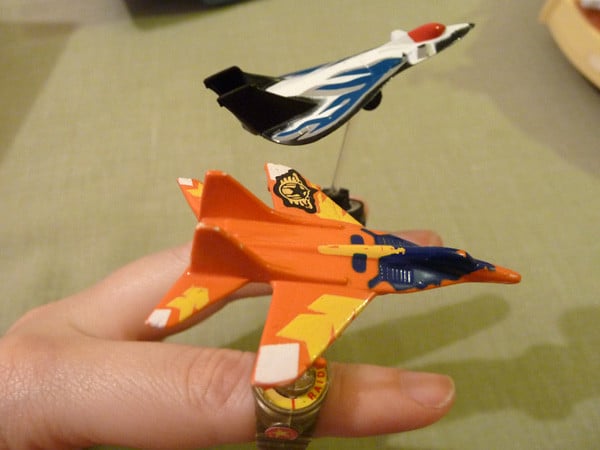
Matchbox created the first toy line exclusively dedicated to aircraft in 1988. The line featured miniature planes that came with special rings.
The story featured international air forces flying through time from their base, the Air Carrier Justice. They battled the deadly Skull Squadron.
Each set came packaged with bonus collector’s comic books. These encouraged collecting all the packages.
Despite the unique aviation focus and time-travel storyline, Ring Raiders never achieved mainstream success. The tiny planes and distinctive rings appeal to collectors.
Collectors appreciate the unusual concept and the quality of the miniature aircraft.
Sectaurs
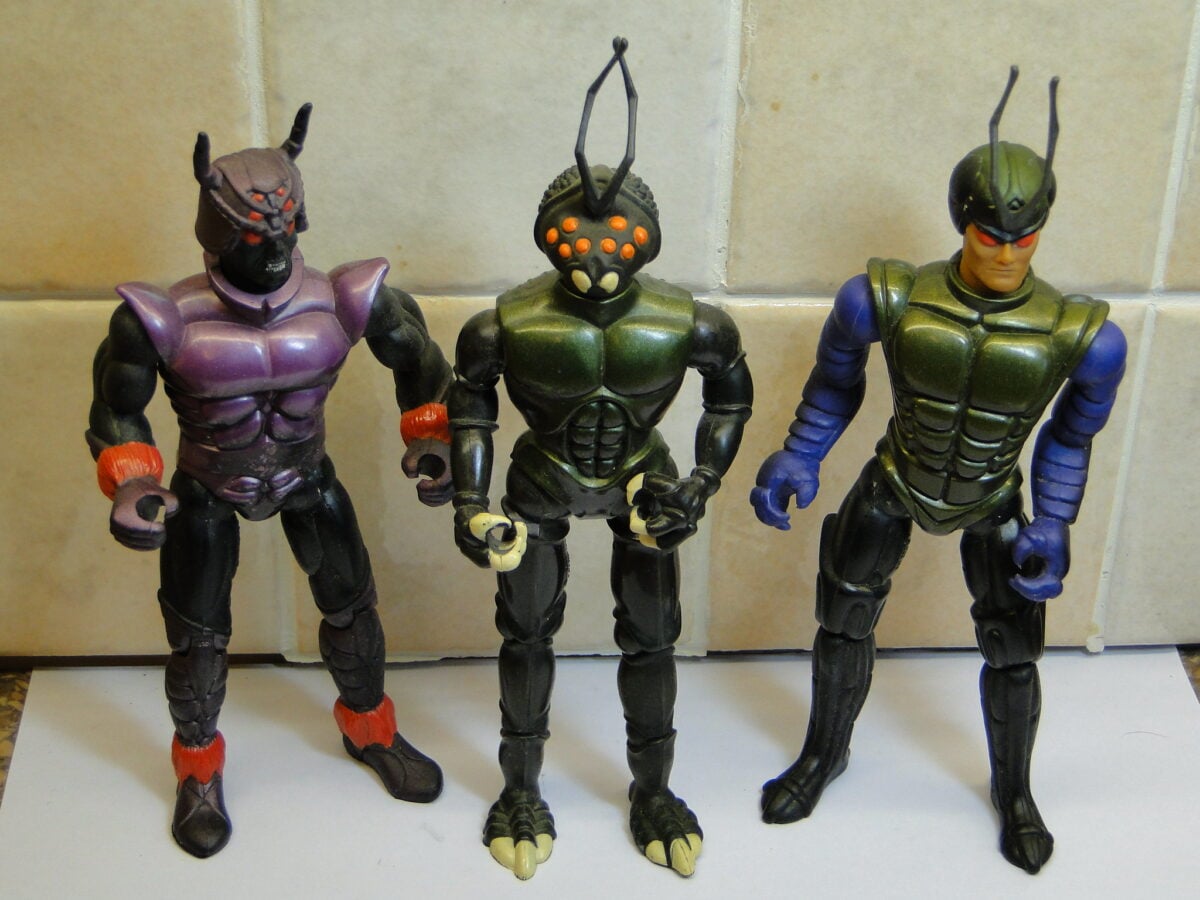
This line featured the planet Symbion, where insects grew to enormous sizes after an experiment. Warriors were telepathically bonded to their insect companions through binary-bonding.
Coleco offered just one series with eight action figures and one playset. The line was discontinued shortly after release.
The insect-human hybrid designs were genuinely creative. The puppeteered insect companions were impressively large.
Limited production and the short run make complete Sectaurs collections difficult to assemble. The ambitious puppet technology and bizarre character designs earned the line a devoted cult following.
Super Naturals
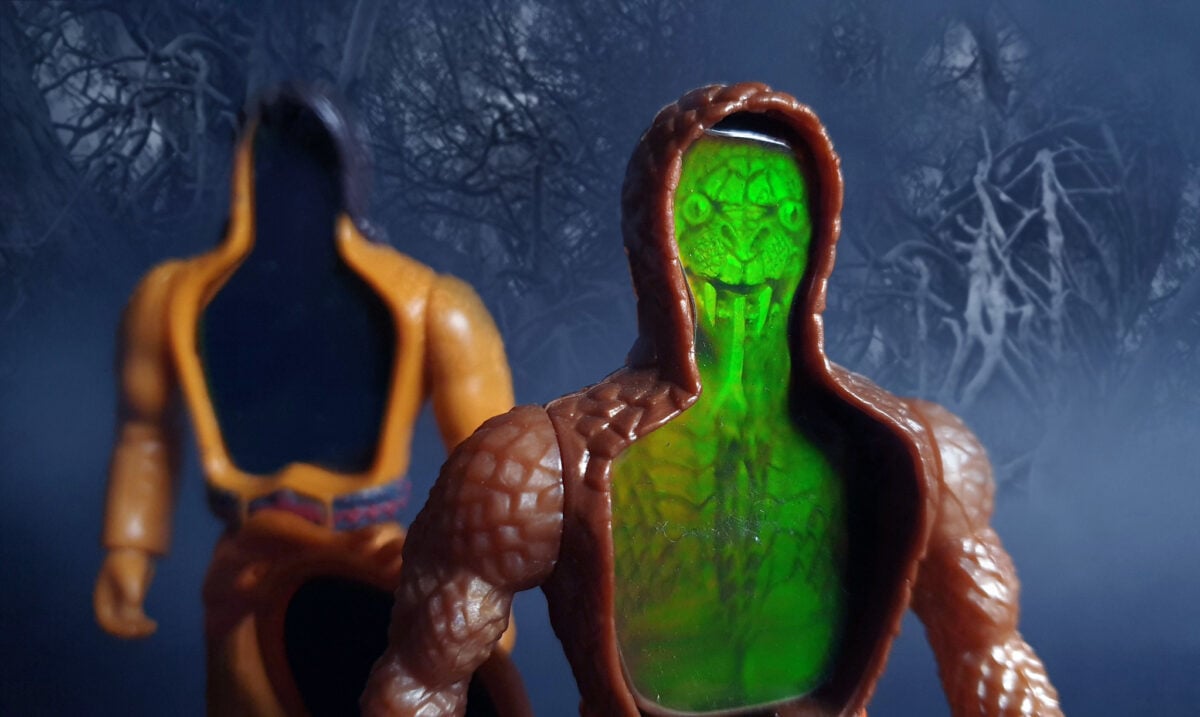
This daring line featured ghost and demon warriors with flattened chests containing holographic faces. The faces changed based on viewing angle, creating a striking visual effect.
After centuries of being sealed in a tomb following a huge battle, these ghost warriors emerged to continue their conflict. The storyline added depth to the toy line’s supernatural theme.
Figures could have head and shoulder attachments added. These attachments also featured holographic faces, enhancing the interactive play experience.
The holographic technology was the main selling point. The images remain striking today and contribute to the line’s collector appeal.
The supernatural theme and seriously haunting hologram imagery create appeal among collectors. Many remember being simultaneously fascinated and creeped out by these figures as kids.
Centurions
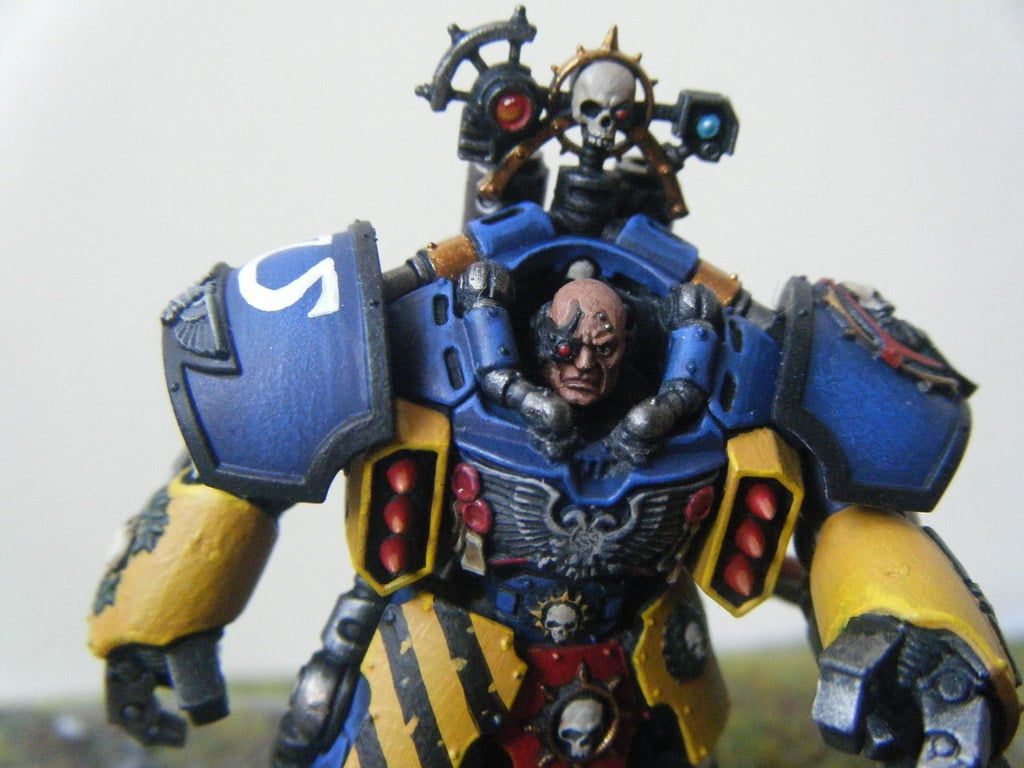
These action figures featured disappointing base figures. On their own, they weren’t particularly impressive.
They came alive through an extensive system of attachable parts. Kids could construct custom figures by swapping body armor, wings, weaponry, and helmets around.
The modular weapon system concept was genuinely innovative. It allowed for thousands of possible combinations.
Though the base figures weren’t impressive on their own, the full system with all accessories created something unique.
Collectors now seek complete sets with all the various armor and weapon packs. These complete sets have become increasingly scarce.
The Nostalgia Economy

The toy lines that flopped in the 1980s and 1990s often shared similar problems. They launched without adequate marketing support, failed to secure popular cartoon tie-ins, or simply got crowded out by dominant brands.
The decade saw Transformers, G.I. Joe, Thundercats, Masters of the Universe, and Teenage Mutant Ninja Turtles dominate. These brands became so popular they overshadowed everything else.
Today’s collectors aren’t necessarily looking for the most successful toys from their childhood. They’re hunting down the weird ones they remember from friends’ houses or clearance bins.
These are the obscure lines that made brief impressions before vanishing. That scarcity, combined with nostalgia and adult collecting budgets, transforms yesterday’s failures into tomorrow’s valuable finds.
More from Go2Tutors!

- The Romanov Crown Jewels and Their Tragic Fate
- 17 Halloween Costumes Once Considered Taboo
- Famous Hoaxes That Fooled the World for Years
- 15 Child Stars with Tragic Adult Lives
- 16 Famous Jewelry Pieces in History
Like Go2Tutors’s content? Follow us on MSN.