13 Stunning Royal Crowns Kept in Global Museums
Royal crowns have always held a peculiar fascination for people who will never wear one. Perhaps it’s because they represent something most of us can only imagine — the weight of absolute authority, the glint of centuries-old power, the craftsmanship that went into creating symbols of divine right.
These magnificent artifacts now rest behind glass in museums around the world, stripped of their political power but retaining every ounce of their ability to captivate. From the Tower of London to far-flung palaces turned into public spaces, these crowns tell stories of conquest, ceremony, and the endless human desire to make power visible.
St. Edward’s Crown
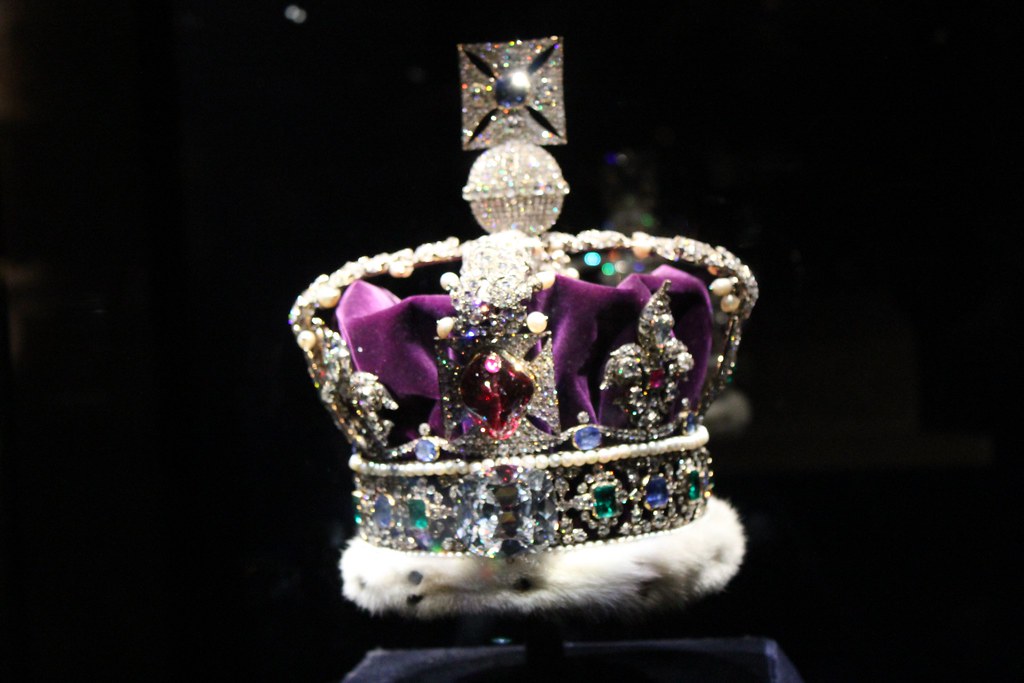
This is the crown that matters most in British royal tradition. Used only for coronations, it weighs nearly five pounds and sits in the Tower of London between ceremonies.
The solid gold frame holds semi-precious stones, nothing flashy by modern standards, but that’s the point — it’s about tradition, not ostentation.
The Imperial State Crown
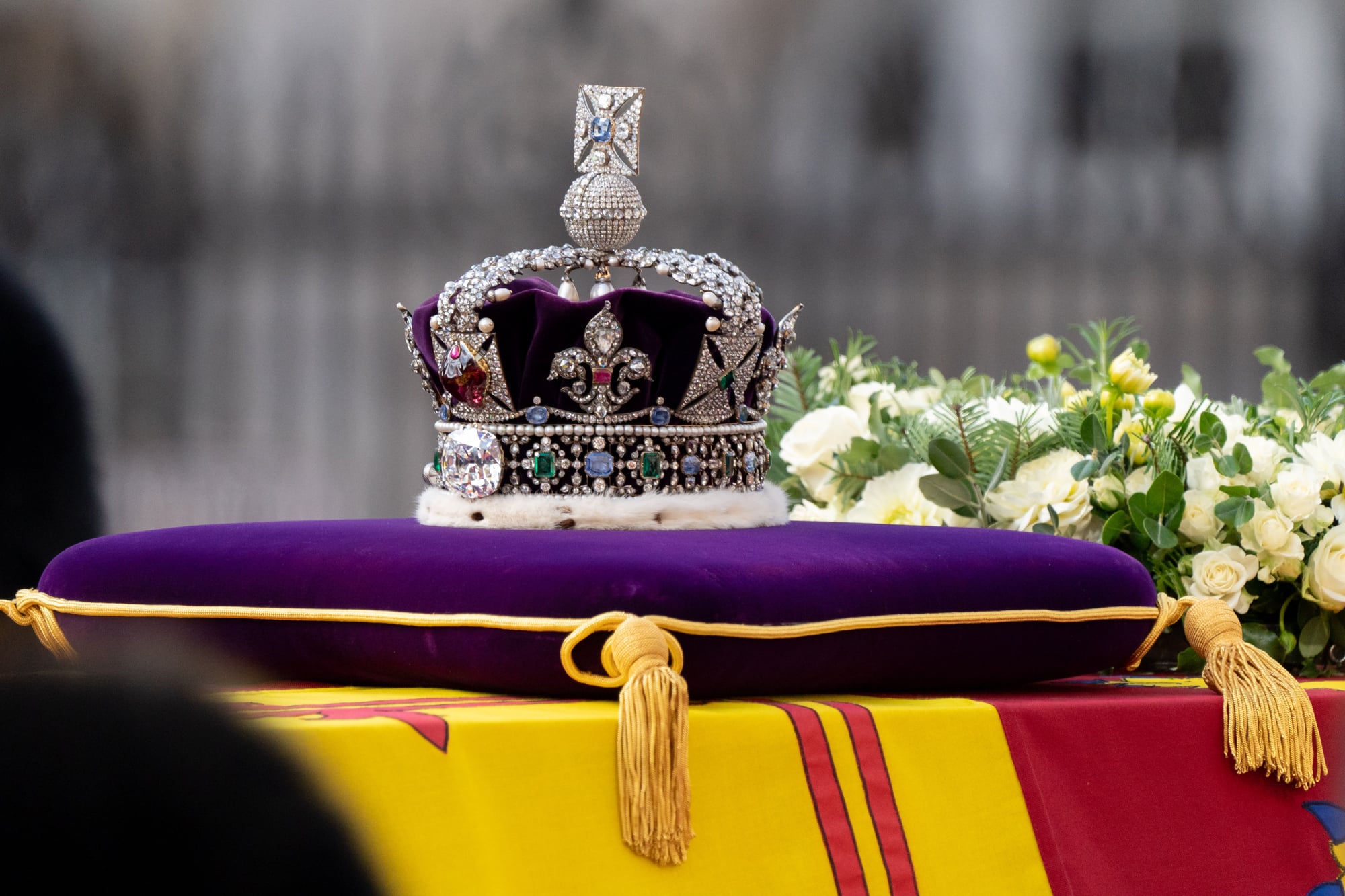
The crown actually gets worn after coronations and for state occasions. Nearly 3,000 diamonds, plus the Black Prince’s Ruby and St. Edward’s Sapphire.
It’s lighter than St. Edward’s Crown because someone has to actually walk around in it, though “lighter” is relative when you’re talking about two pounds of gold and gems sitting on your head.
Crown of Charlemagne
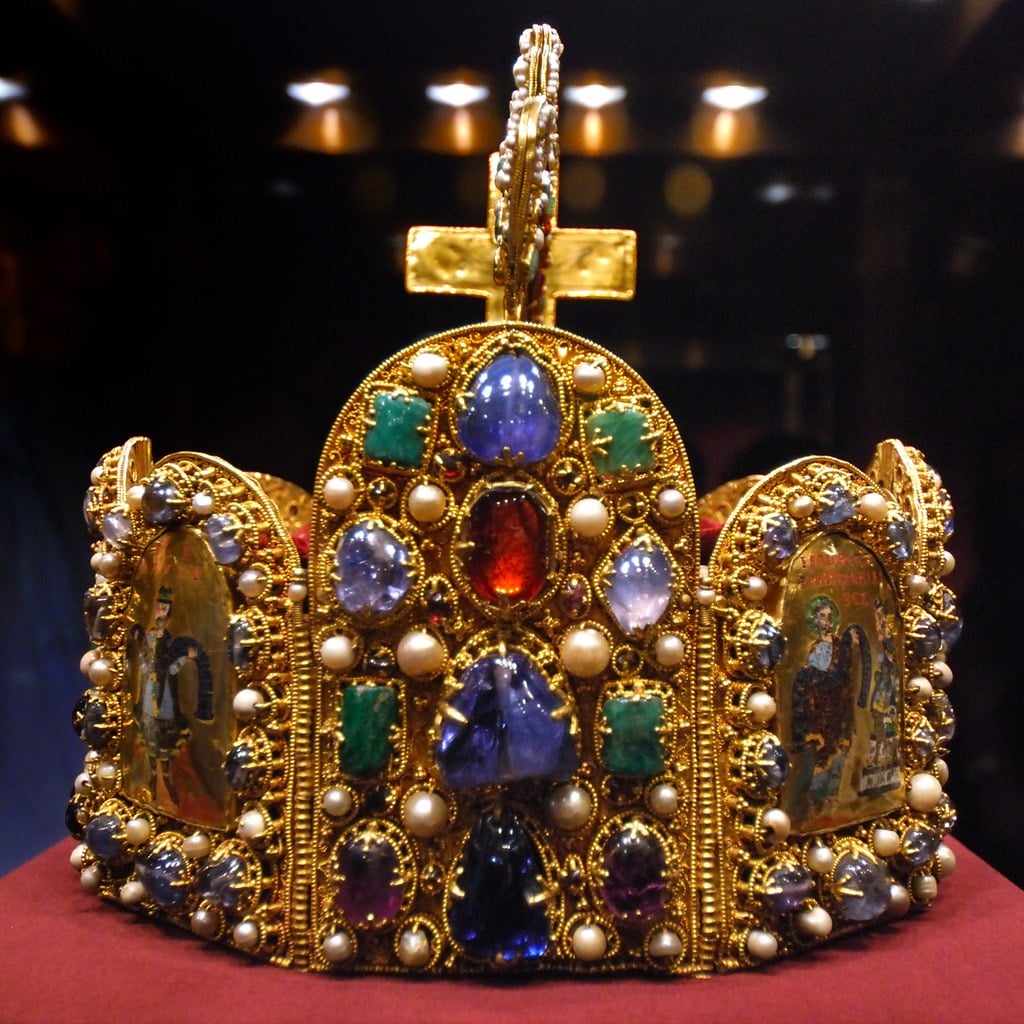
This crown, which may or may not have belonged to Charlemagne himself, ended up in Vienna’s Imperial Treasury after centuries of being passed around between various German and Austrian rulers. The eight gold plates rise and fall in a rhythm that seems less like geometric precision and more like breathing.
Each plate tells a biblical story in enamel and precious stones, but the overall effect isn’t rigid or formal — it’s oddly flowing, almost musical in the way the elements connect to each other.
The Iron Crown of Lombardy
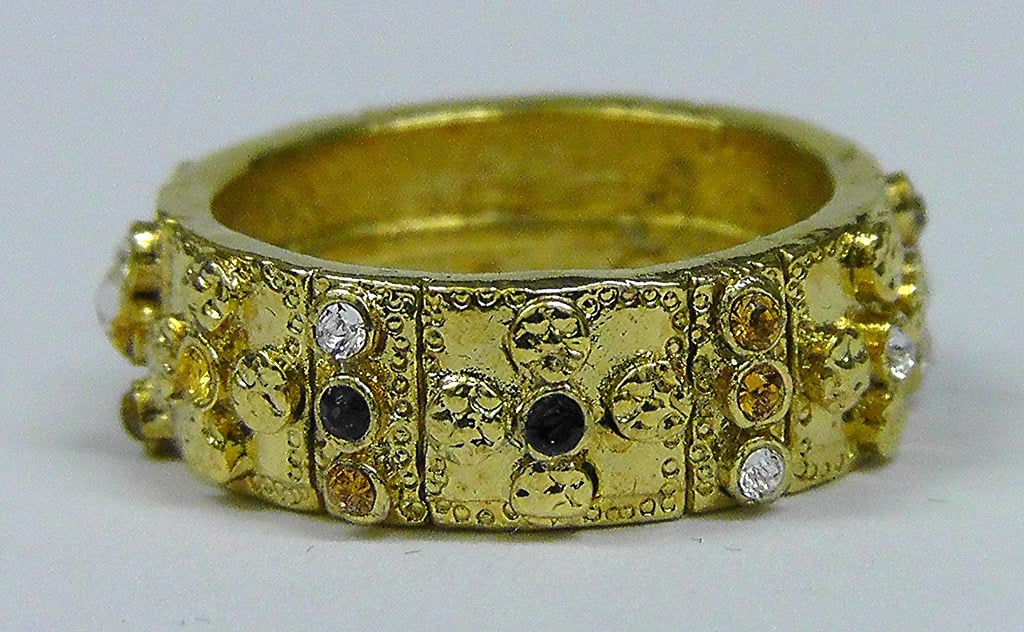
Medieval Italian politics produced the strangest crown of all. The gold band contains what’s supposedly a nail from Christ’s crucifixion, which explains why everyone from Charlemagne to Napoleon wanted it on their head.
The symbolism was worth more than the actual materials, though the materials weren’t exactly cheap either.
Crown of the Andes
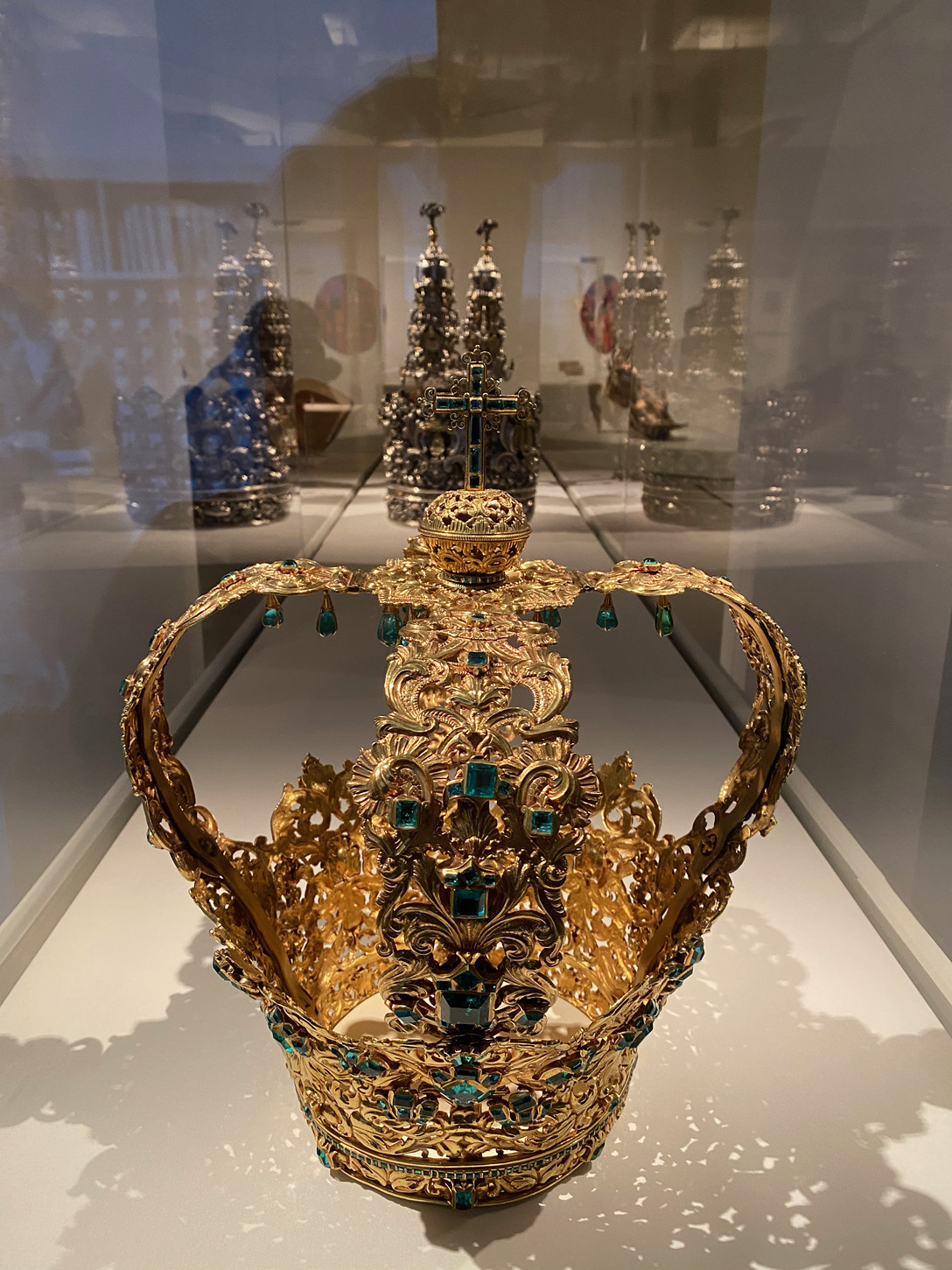
Colombia’s most famous crown never actually crowned anyone. Created in the 1590s to honor the Virgin Mary, it contains over 400 emeralds and represents the kind of religious devotion that could afford to put a fortune on a statue’s head.
It spent decades traveling between private collections before ending up in museums, which seems appropriate for something that was always more about display than governance.
St. Stephen’s Crown
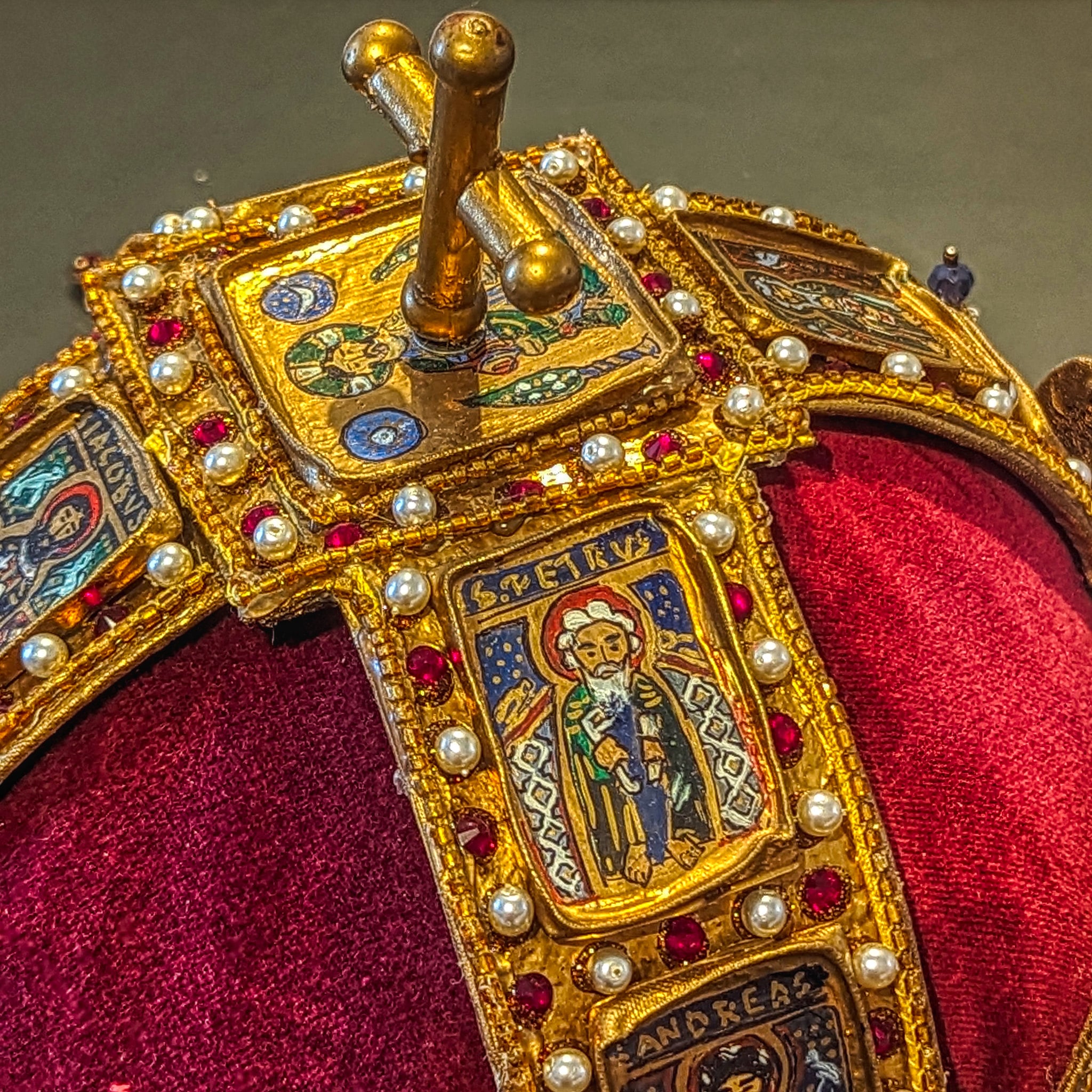
Hungary’s crown defies every rule about what crowns should look like. The two-part structure leans at an angle that would make any other piece of royal headwear look broken.
The stories about why it’s crooked range from damage during transport to intentional design, but the effect remains the same — you can spot this crown from across a room, which was probably the point.
Crown of Christian IV
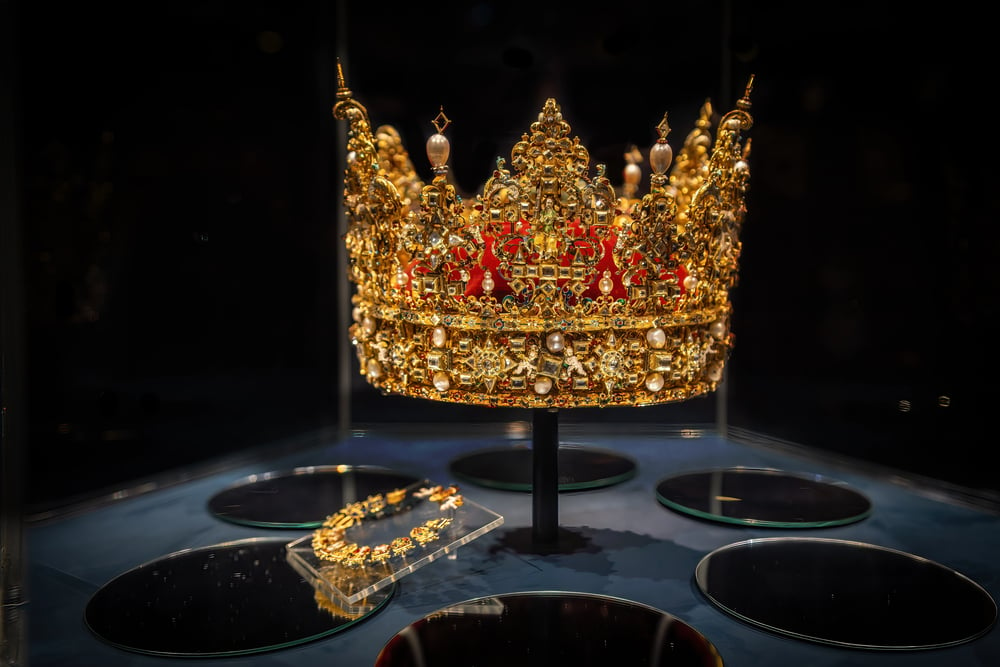
Denmark’s royal crown collection includes this understated piece that somehow manages to look both modest and obviously expensive. The pearls and table-cut diamonds create patterns that feel more like textile work than traditional jewelry design.
This makes sense for a Scandinavian approach to royal display — impressive without being ostentatious.
Imperial Crown of Russia
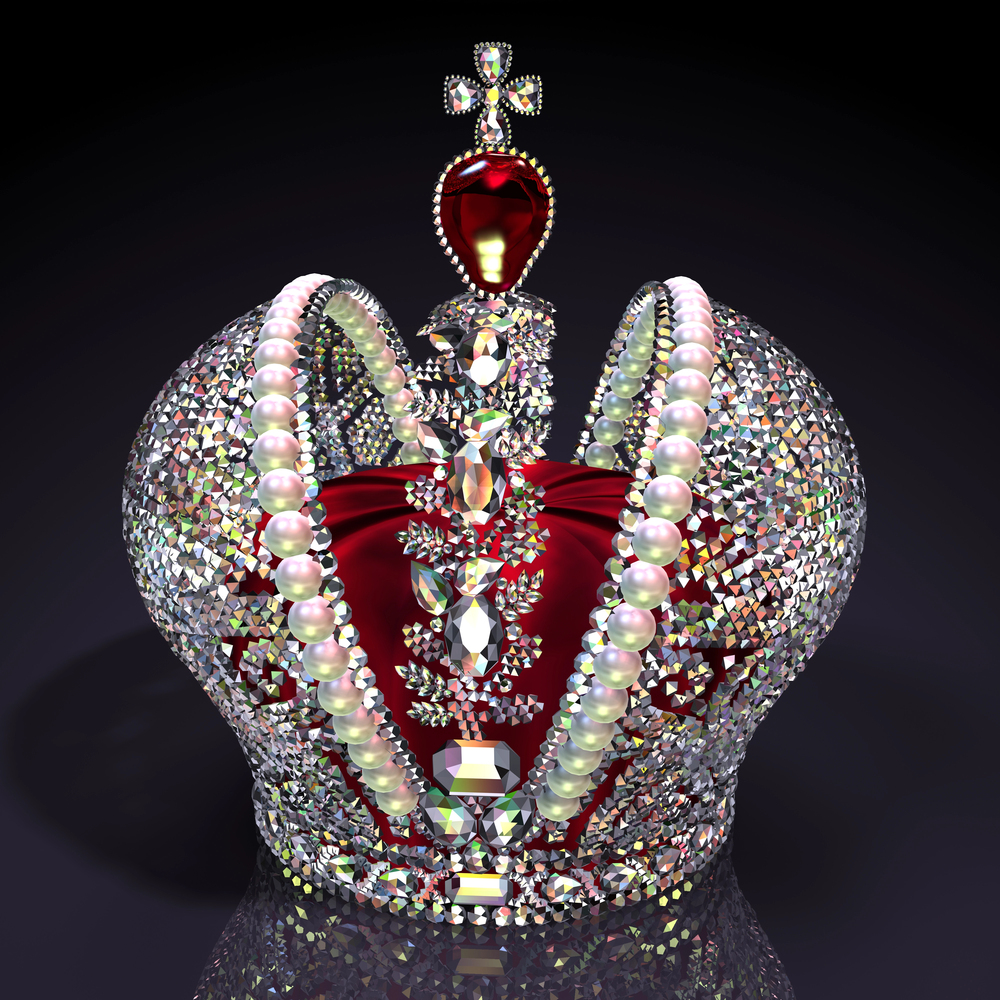
Catherine the Great’s crown weighs over four pounds and contains nearly 5,000 diamonds plus a 400-carat red spinel. The Kremlin Armoury’s Diamond Fund in Moscow displays it as part of a collection that represents the height of Russian imperial ambition.
The crown’s design incorporates Orthodox Christian symbolism with European royal traditions, creating something that looks distinctly Russian while still communicating with other royal courts in a visual language they’d understand.
The Crown of Emperor Haile Selassie
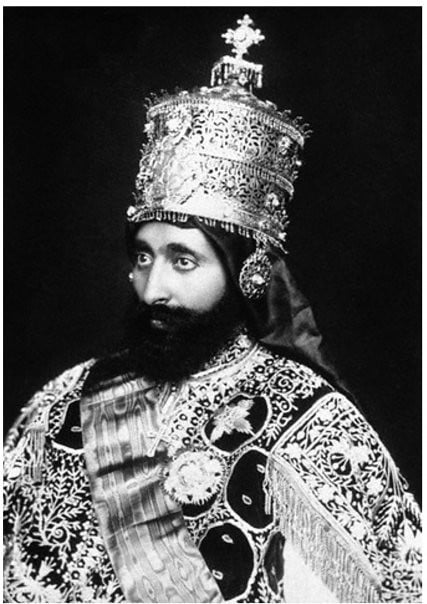
Ethiopian royal regalia represents one of the world’s oldest continuous monarchies, and this crown reflects that deep history. Gold work techniques that go back centuries combine with lion imagery that connects the crown directly to Ethiopian imperial symbolism.
The craftsmanship shows influences from both African and Middle Eastern traditions, creating something that looks unlike any other royal crown while still functioning as an immediately recognizable symbol of power.
Crown of the Virgin of the Immaculate Conception
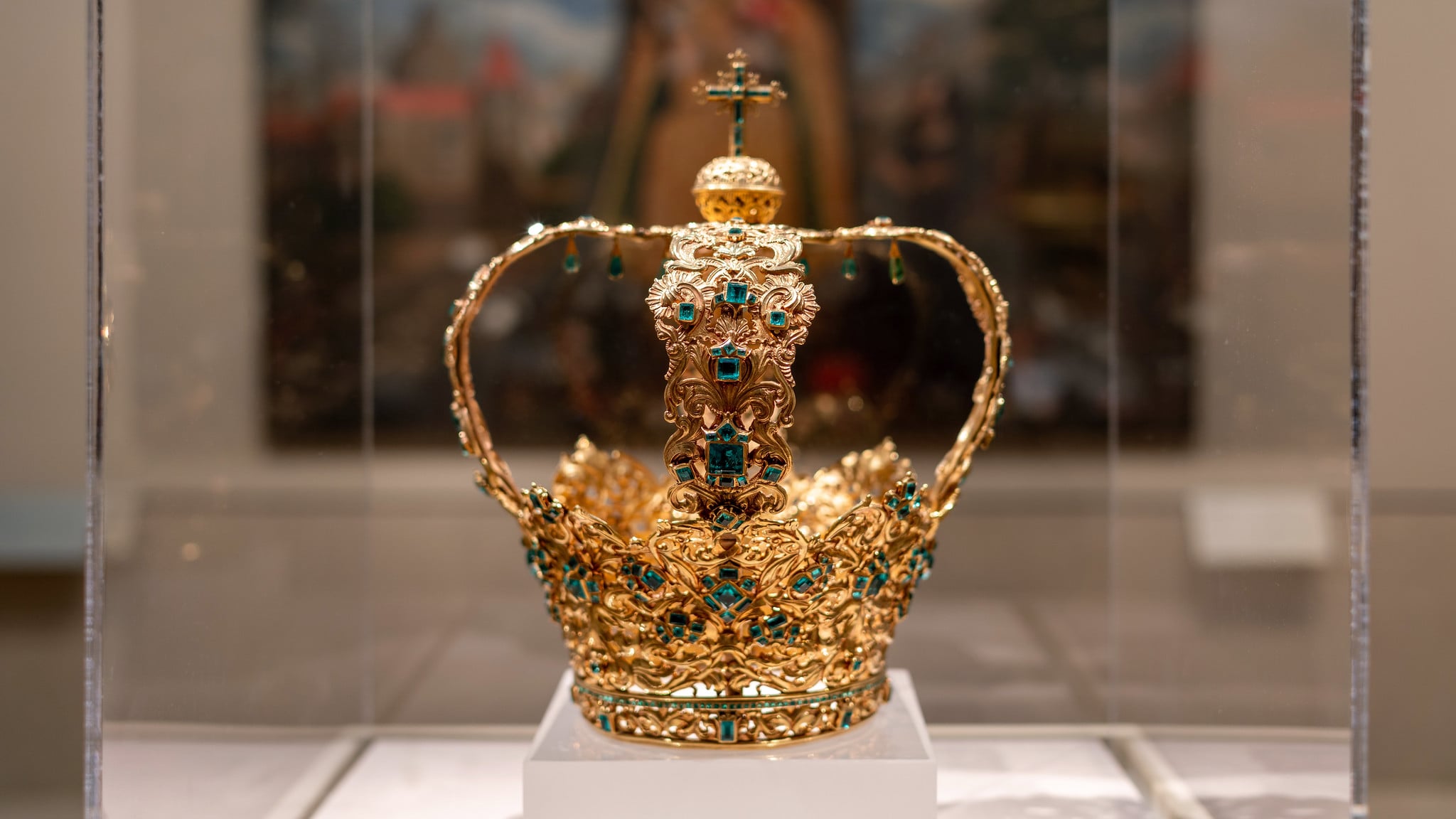
Spain’s royal treasury includes this devotional crown created for religious rather than political purposes. The piece demonstrates how royal craftsmanship skills were applied to spiritual objects.
The result bridges the gap between royal and religious authority in a way that made perfect sense in Habsburg Spain, where those distinctions were never particularly clear anyway.
The Kiani Crown
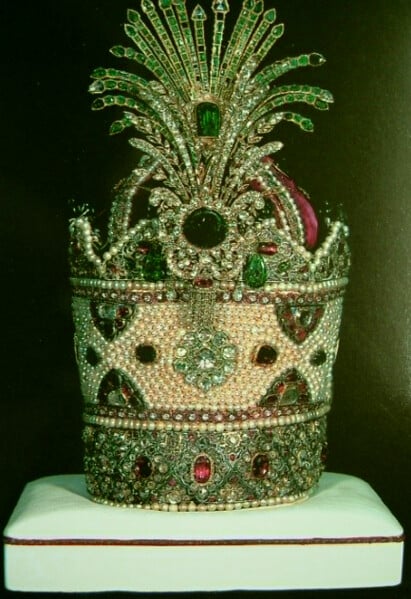
Iran’s crown jewels represent one of the world’s largest collections of precious stones applied to royal regalia. This particular crown contains hundreds of diamonds, emeralds, sapphires, and pearls arranged in patterns that reflect Persian artistic traditions adapted to the requirements of imperial display.
The overall effect suggests wealth on a scale that most European royal courts couldn’t match, which was undoubtedly part of the point.
Crown of the Kingdom of Iraq

Created in the 20th century for the Hashemite monarchy, this crown represents one of the last attempts to establish traditional royal authority in the Middle East. The design incorporates both Islamic and modern European elements, creating something that looks simultaneously ancient and contemporary.
The crown’s brief history — the monarchy lasted less than 40 years — makes it an artifact of political aspirations that never quite stabilized into lasting tradition.
Napoleon’s Laurel Crown
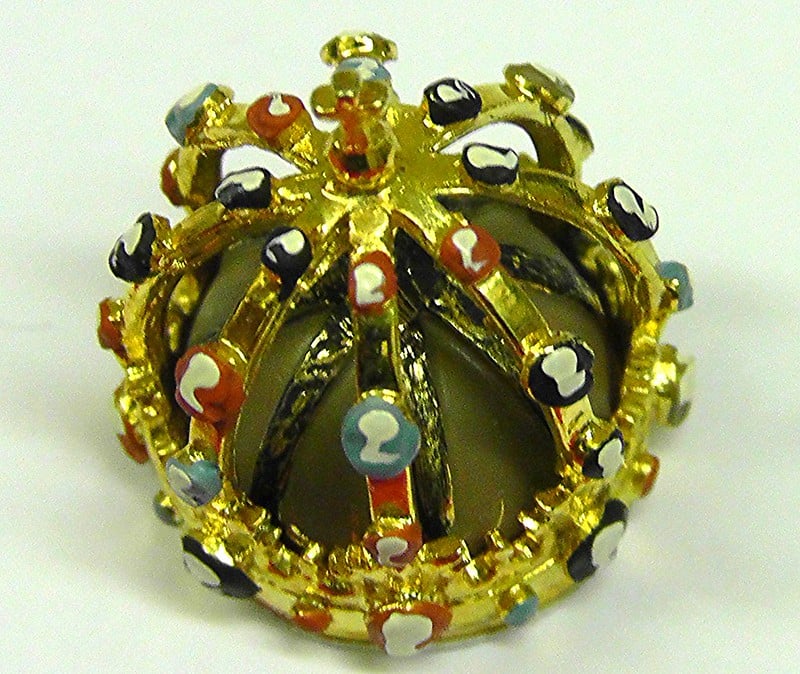
Rather than traditional royal headwear, Napoleon chose a golden laurel wreath that referenced Roman imperial traditions while avoiding the Christian symbolism of European crown design. The choice was calculated to suggest that his authority came from military achievement rather than inherited divine right.
The simplicity of the design makes it more striking than more elaborate crowns — it’s immediately recognizable and needed no explanation for anyone familiar with classical references.
The Weight of History
These crowns rest in their climate-controlled cases like retired actors who once commanded center stage. Behind the security glass, they’ve become something different from what they were meant to be — no longer tools of governance, but witnesses to the human need to make authority visible and permanent.
Each one represents someone’s idea of what power should look like, crafted by artisans who understood that symbols sometimes matter more than the reality they represent. The museums that house them have become the final arbiters of their significance, transforming political artifacts into cultural treasures that belong to everyone and no one at all.
More from Go2Tutors!

- The Romanov Crown Jewels and Their Tragic Fate
- 13 Historical Mysteries That Science Still Can’t Solve
- Famous Hoaxes That Fooled the World for Years
- 15 Child Stars with Tragic Adult Lives
- 16 Famous Jewelry Pieces in History
Like Go2Tutors’s content? Follow us on MSN.