Flowers with the Scent of Chocolate
Walking through a garden and catching a whiff of chocolate when you expected roses or jasmine stops you in your tracks. The combination seems unlikely—flowers and cocoa don’t typically share space in your mind.
But nature has its surprises, and some blooms smell exactly like the treat you’d find wrapped in foil. These plants exist, and they’re not as rare as you’d think.
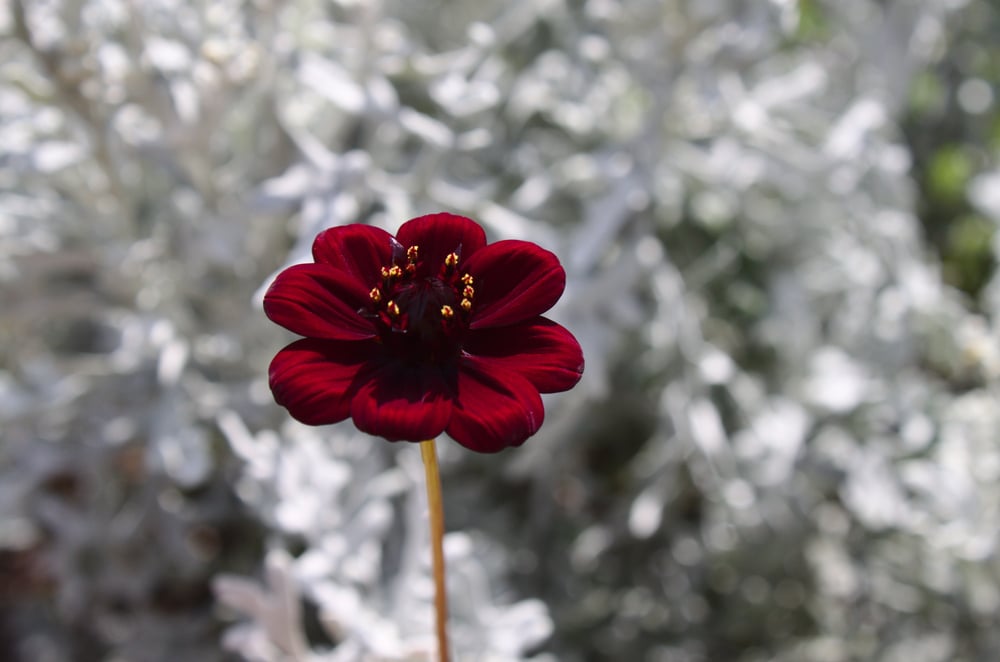
Chocolate Cosmos: The Most Convincing Impersonator

The chocolate cosmos smells exactly like dark chocolate. Not a hint of cocoa, not chocolate-adjacent—it genuinely smells like you just opened a bar of quality dark chocolate.
The deep burgundy petals add to the illusion, making the whole experience feel slightly surreal. Native to Mexico, this plant nearly went extinct in the wild but survives through cultivation.
The flowers bloom from summer through fall, and the scent intensifies on warm days when the sun hits the petals directly.
Why Some Flowers Smell Like Chocolate

Plants produce scent compounds to attract pollinators, and sometimes those compounds happen to match what we recognize as chocolate. The chemical makeup overlaps enough that your nose can’t tell the difference.
Vanillin shows up in both chocolate and certain flowers. Other compounds like pyrazines create nutty, roasted notes that your brain associates with cocoa.
The flowers aren’t trying to smell like chocolate—they’re just using whatever works to get attention from insects. You happen to find it delicious.
Sharry Baby Orchid: Chocolate Meets Vanilla
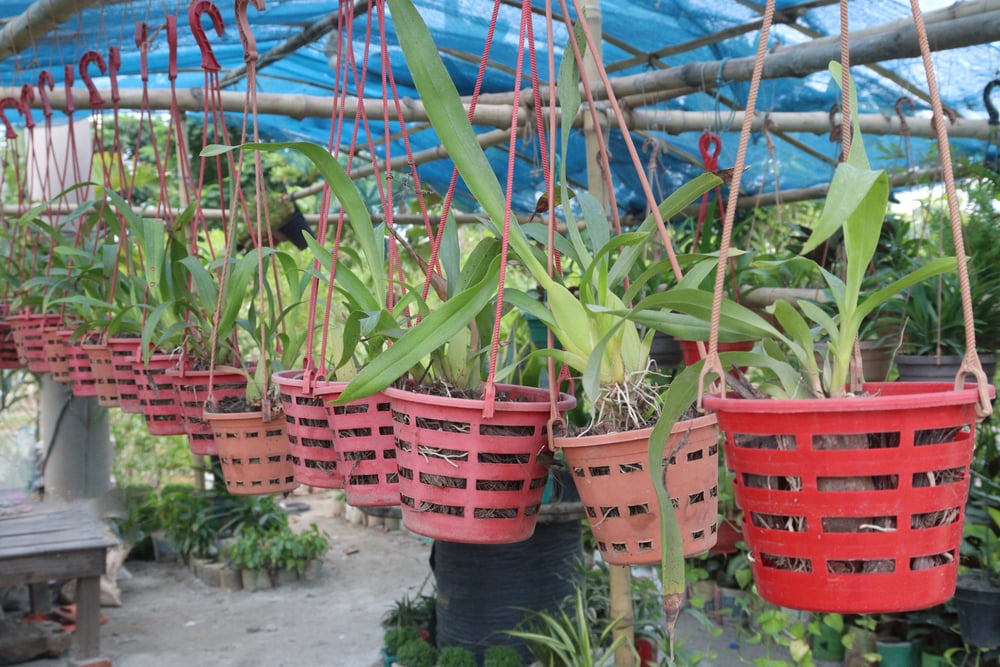
This orchid variety smells like chocolate chip cookies fresh from the oven. The scent combines chocolate with vanilla and a touch of cinnamon, creating something that belongs in a bakery rather than a greenhouse.
The blooms arrive in clusters, each flower adding to the overall fragrance. Orchid growers love this one because it blooms reliably and fills an entire room with scent.
The flowers themselves are burgundy and white, spotted and striped in patterns that seem almost deliberate.
Chocolate Mint: The Herb That Confuses Your Senses
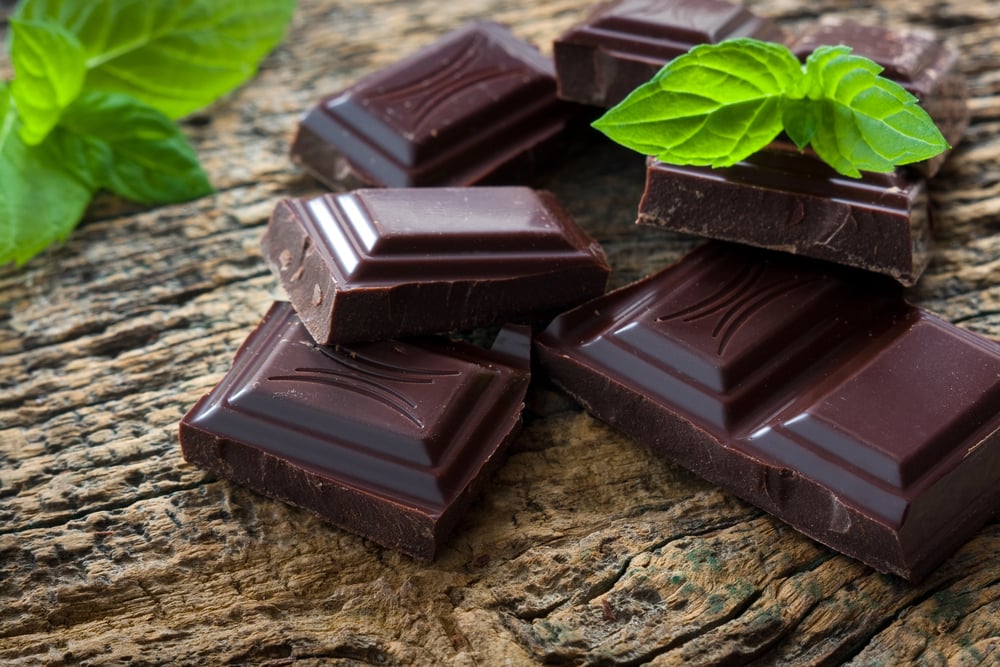
Technically an herb rather than a flowering plant, chocolate mint produces small purple flowers that don’t smell like much. But the leaves—crush one between your fingers and you get chocolate plus peppermint.
The combination works better than it should. You can use the leaves in tea, desserts, or just keep the plant around for the scent.
It spreads aggressively if you let it, taking over garden beds and popping up in unexpected places. Most people grow it in containers to keep it manageable.
Chocolate Vine: The Climber with Cocoa Notes
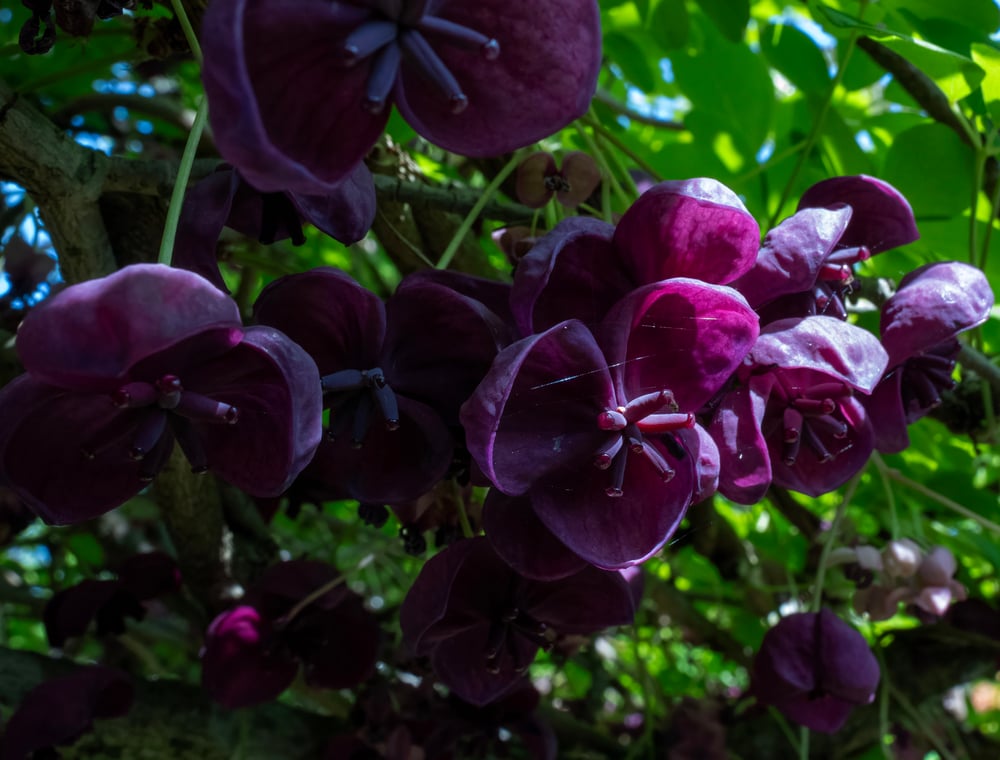
Akebia quinata grows as a climbing vine, covering fences and trellises with purple-brown flowers that smell like chocolate and spice. The scent is subtle—you need to get close to catch it.
The vine itself grows fast, sometimes too fast, becoming invasive in areas where it finds ideal conditions. The flowers appear in spring, followed by unusual purple fruit that’s edible but not particularly tasty.
Gardeners plant it more for the visual effect and occasional whiff of cocoa than for any harvest.
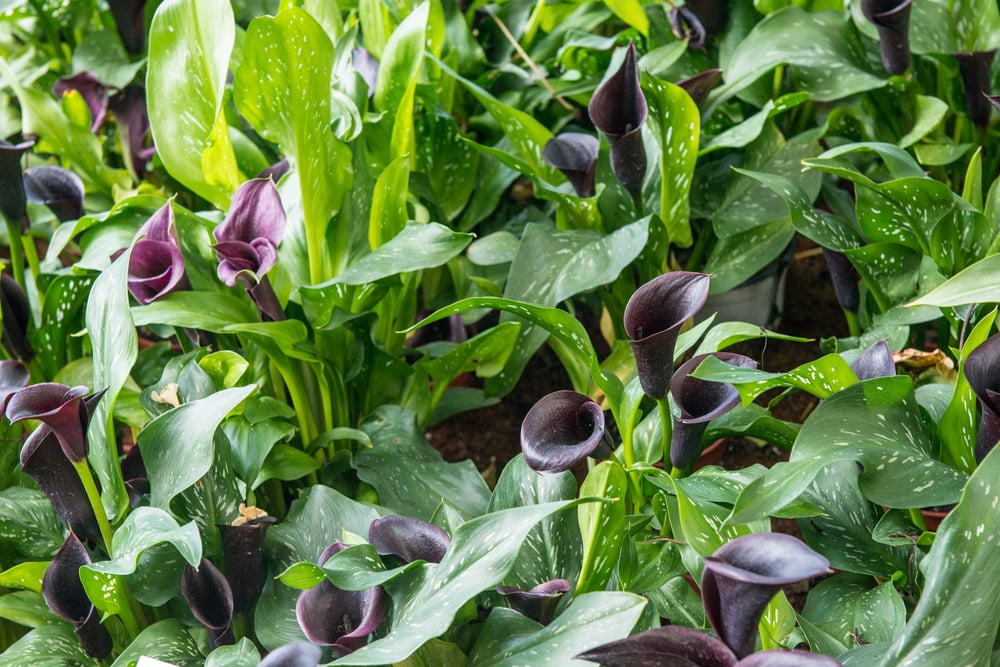
Black Calla Lily: Dark Beauty with Subtle Cocoa
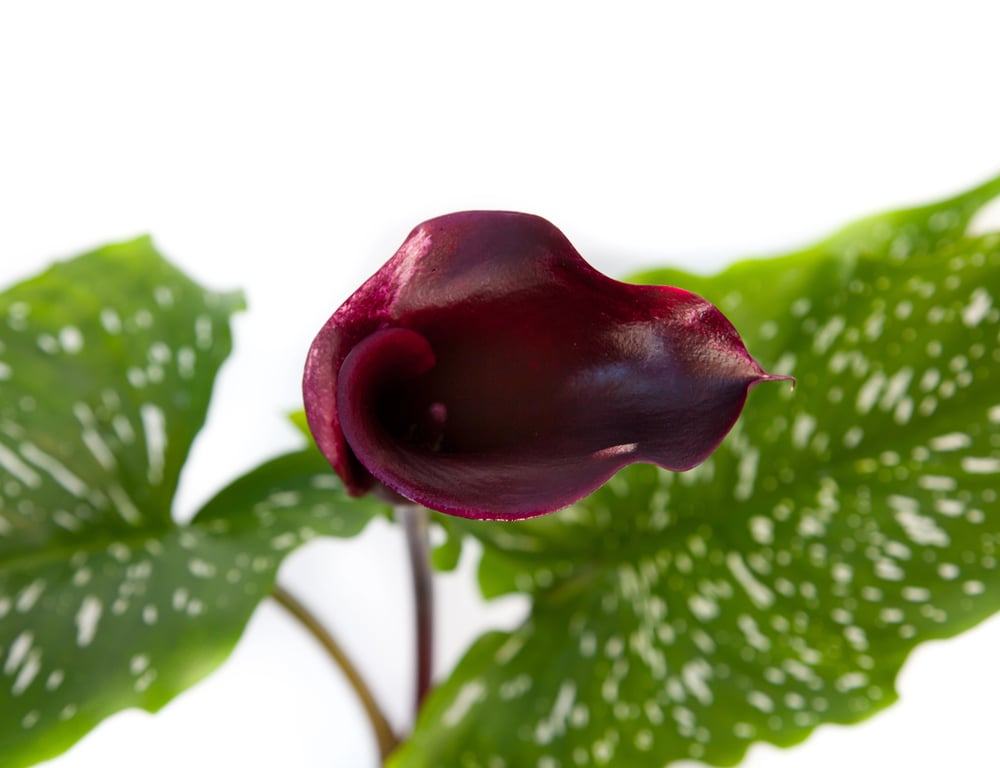
The black calla lily isn’t truly black—it’s deep purple, so dark it looks black in certain light. Some varieties carry a faint chocolate scent, though it’s not as strong as the chocolate cosmos.
You might catch it if you lean in close on a warm afternoon. The dramatic color makes these flowers popular for weddings and arrangements where people want something different from the usual pastels.
The scent, when present, adds an extra layer to an already striking flower.
Growing Chocolate-Scented Flowers
Most chocolate-scented plants need similar conditions—well-draining soil, regular water, and decent sunlight. The chocolate cosmos is the trickiest because it doesn’t handle frost well and often gets treated as an annual in colder climates.
You can dig up the tubers and store them over winter, but many gardeners just buy new plants each spring. Orchids like Sharry Baby need humidity and filtered light, doing better indoors in most climates.
Chocolate mint grows almost too easily, requiring more effort to control than to cultivate.
The Science Behind Chocolate Scent in Flowers

Research into flower fragrances has identified specific volatile organic compounds that create chocolate-like scents. These molecules evaporate easily, carrying the scent through the air.
Different combinations produce different chocolate notes—some flowers smell like milk chocolate, others like dark chocolate or cocoa powder. The temperature affects how much scent the flower releases.
Hot days mean more volatilization and stronger fragrance. Cool mornings produce subtler scents that intensify as the day warms up.
Chocolate Daisy: The Wild Option
Berlandiera lyrata grows wild in parts of the southwestern United States and Mexico. The yellow daisy-like flowers smell like chocolate in the morning but lose most of the scent by afternoon.
Something about the cooler morning air and dew brings out the cocoa notes. By midday, the scent fades to almost nothing.
The plant handles heat and drought well, making it suitable for xeriscaping and low-water gardens. Native plant enthusiasts appreciate it for being both fragrant and ecologically appropriate.
Pairing Chocolate-Scented Flowers with Other Plants
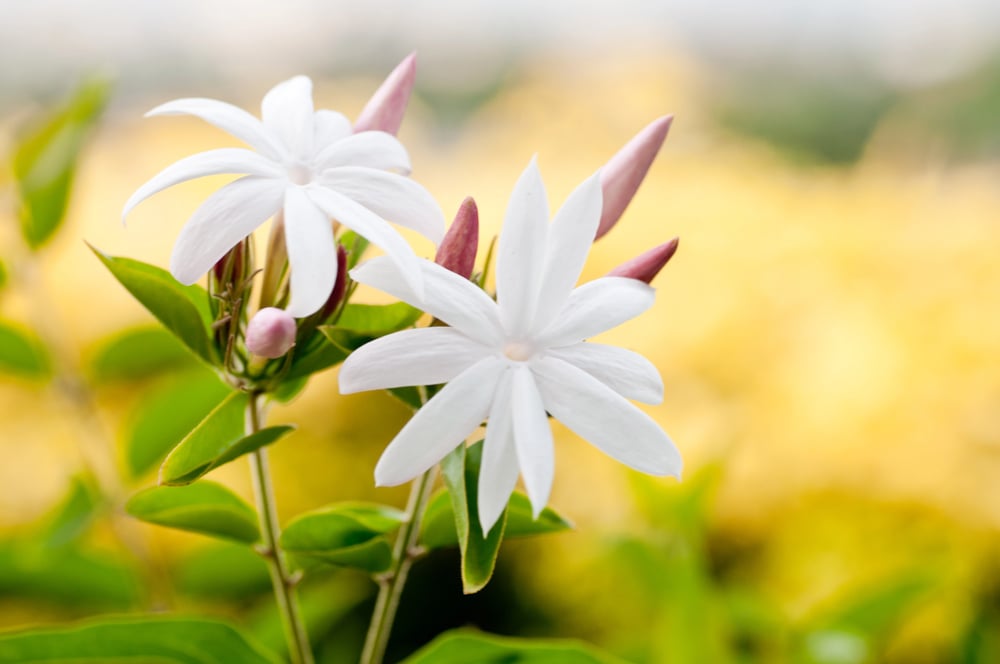
Planting chocolate-scented flowers near vanilla-scented ones creates interesting combinations. White jasmine or heliotrope work well.
You can also go for contrast—placing chocolate cosmos next to bright citrus-scented marigolds creates a surprising mix. Some gardeners plant chocolate mint near chocolate cosmos to layer different types of chocolate scent.
The mint provides green, herbal notes while the cosmos offers pure cocoa. The combination feels designed even though it’s just two plants doing what they naturally do.
When the Scent Is Strongest

Most chocolate-scented flowers smell best in mid-morning after the dew dries but before the heat peaks. The chocolate cosmos tends to smell strongest on warm, dry days with full sun.
Orchids like Sharry Baby release more scent in the evening and early morning. The chocolate vine puts out most of its fragrance in late afternoon.
If you’re planting these specifically for the scent, location matters. Put them where you’ll pass by during their peak fragrance hours—along a walkway, near a patio, or outside a frequently used door.
Historical Uses of Chocolate-Scented Plants
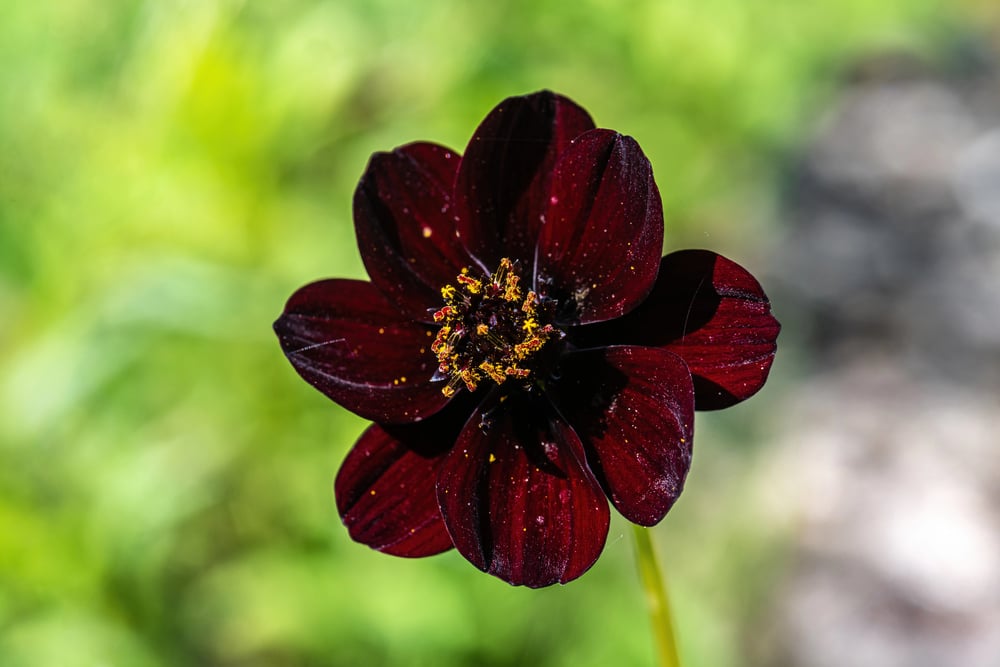
The Aztecs knew about the chocolate cosmos and used it in ceremonies and as an ornamental plant. They already had access to actual chocolate from cacao beans, so the flower served a decorative rather than culinary purpose.
Other cultures discovered chocolate-scented plants independently and assigned various uses—some medicinal, some purely aesthetic. Before synthetic fragrances, people relied on flowers to make spaces smell pleasant.
A chocolate-scented flower offered something different from the typical rose or lavender.
Challenges in Cultivation
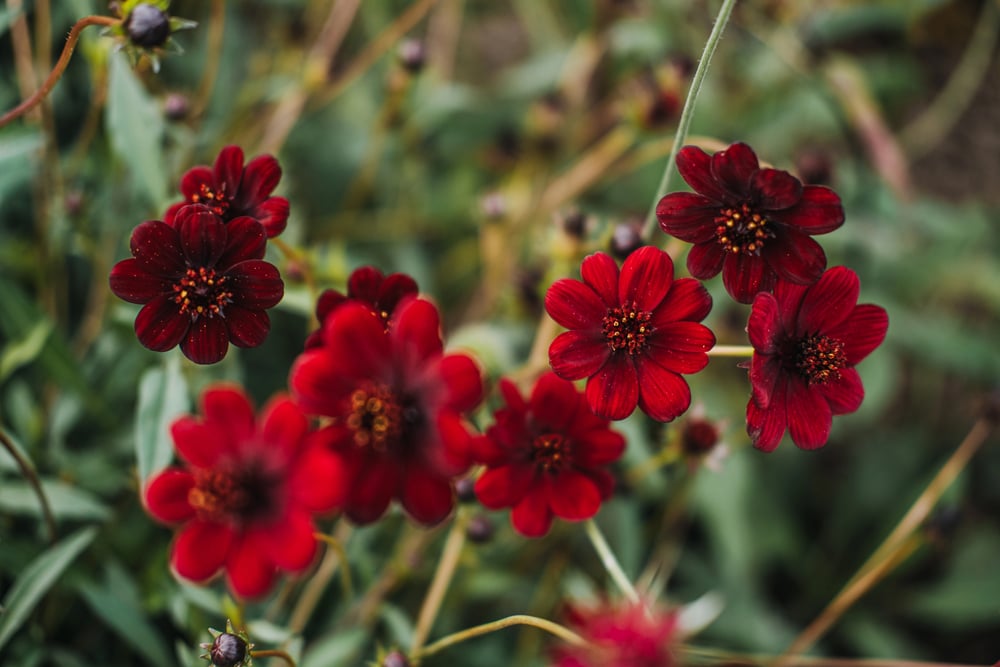
The chocolate cosmos presents the biggest challenge because it’s technically extinct in the wild and all cultivated plants descend from a single clone. This genetic uniformity makes the species vulnerable to disease.
Growers have worked to create seed-producing varieties, but most chocolate cosmos still propagate through division or cuttings. The Sharry Baby orchid needs consistent care—neglect the humidity and it won’t bloom.
The chocolate vine can become invasive, requiring constant pruning to keep it from overwhelming other plants.
Why You Don’t See These Everywhere

Not every flower smells like chocolate – most do not. These plants show up only now and then at local plant shops.
Unlike marigolds or daisies, they ask for extra attention. Some want soil types or light levels hard to find outdoors.
One kind, the chocolate cosmos, vanishes when cold weather hits. It must be put back into the ground each spring in many areas.
Even a simpler orchid, such as Sharry Baby, feels out of reach to new growers. Few try them at first.
Out in the open, that chocolate mint just takes over. Because of things like this, folks tend to treat scented blooms as oddities, not regular yard fixtures.
Finding Them for Your Own Garden

Spring brings chocolate-scented plants into specialty nurseries and online shops. You’ll spot them popping up when growers gear up for planting time.
Orchid lovers in local clubs sometimes pass along pieces of their Sharry Baby plants. At farmers markets, chocolate cosmos draws crowds fast – its scent seals the deal.
People grab it before you know it. Herb places carry chocolate mint too, maybe just called mint on the tag.
Regular garden stores might have it hiding among others. Smell one, and chances are you start looking for another right away.
The Experience of Discovery

The first time you smell chocolate coming from a flower changes how you think about gardens. It breaks the expectation that flowers smell floral and nothing else.
That moment of confusion—why does this smell like dessert—followed by recognition makes you lean in closer, check the label, and probably take a photo. It’s the kind of surprise that sticks with you and makes you pay more attention to what other unexpected scents might be waiting in the plant world.
Chocolate flowers remind you that nature doesn’t follow the categories we create for it.
More from Go2Tutors!

- The Romanov Crown Jewels and Their Tragic Fate
- 13 Historical Mysteries That Science Still Can’t Solve
- Famous Hoaxes That Fooled the World for Years
- 15 Child Stars with Tragic Adult Lives
- 16 Famous Jewelry Pieces in History
Like Go2Tutors’s content? Follow us on MSN.