Gadgets Teens Carried In The ’90s
A 1990s backpack had its own soundtrack: the rattle of loose AA batteries, a beep from somewhere near the bottom, the click of a plastic lid snapping shut. Every device did one job, and each one demanded its own pocket.
None of it synced, and almost none of it lasted a full weekend on a charge. Teenagers carried it all anyway.
Motorola Bravo Pagers and the Language of Numbers
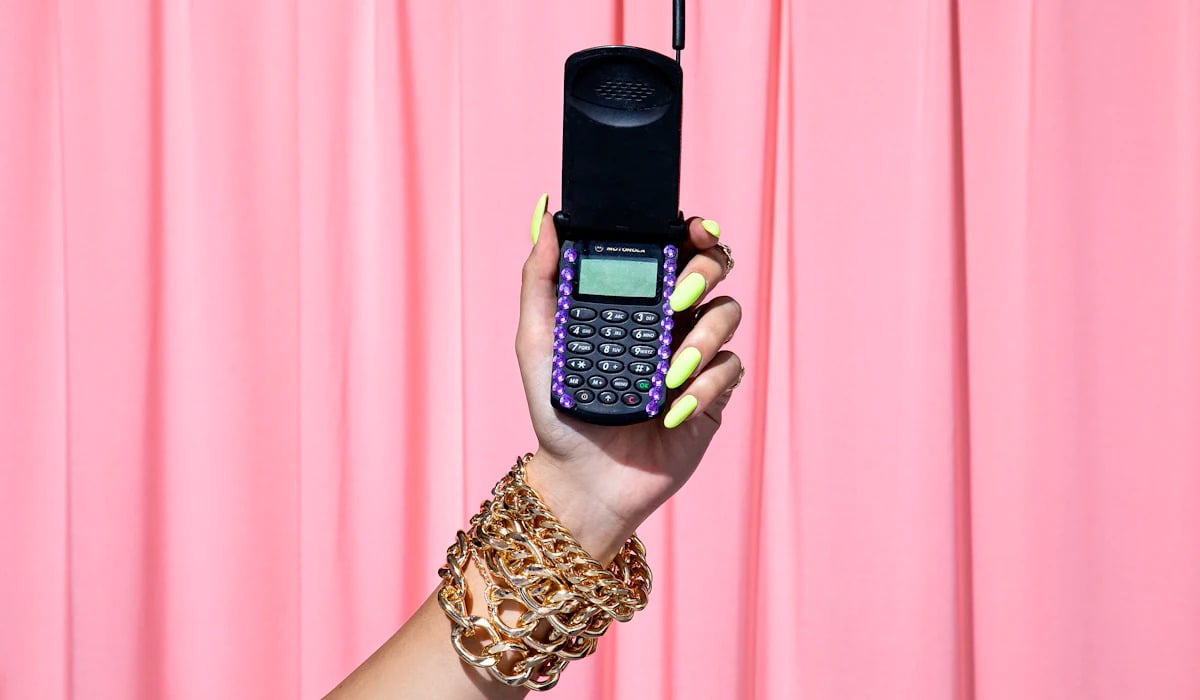
Motorola introduced the Bravo numeric pager in 1986, and by the mid-1990s it hung from teenage belt loops in translucent plastic cases. The screen showed digits and nothing else, so teens built a vocabulary out of them.
Typing 143 delivered a three-word declaration of affection, counted by the letters in each word, while 911 meant call back immediately. Entering 07734 spelled hello when the reader flipped the pager upside down.
Many school districts banned the devices outright, which did little except teach students where the vibrate switch was. A working Bravo typically sells for about 15 to 40 dollars in 2026, more with its belt clip intact.
Sony Discman and the Fight Against Skipping
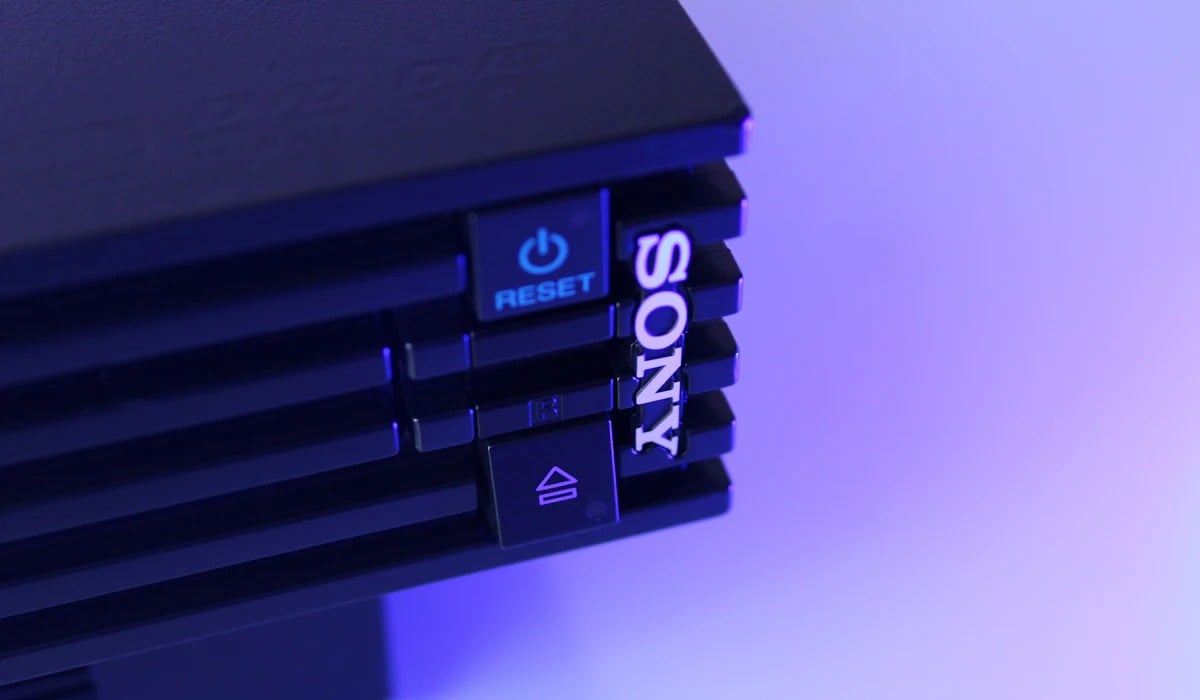
Sony launched its first portable CD player, the D-50, in 1984, but the Discman belonged to the 1990s. Early models skipped at the slightest bump, which turned walking to school into an exercise in holding one hand perfectly level.
Sony’s answer was Electronic Shock Protection, a memory buffer that read a few seconds ahead of the music and covered for the laser when it lost its place. Later players stretched that buffer to 10 seconds and then 40.
In the car, a cassette-shaped adapter with a trailing wire fed the Discman into the tape deck. The wire always tangled around the gear shift.
Yellow Sports Walkman
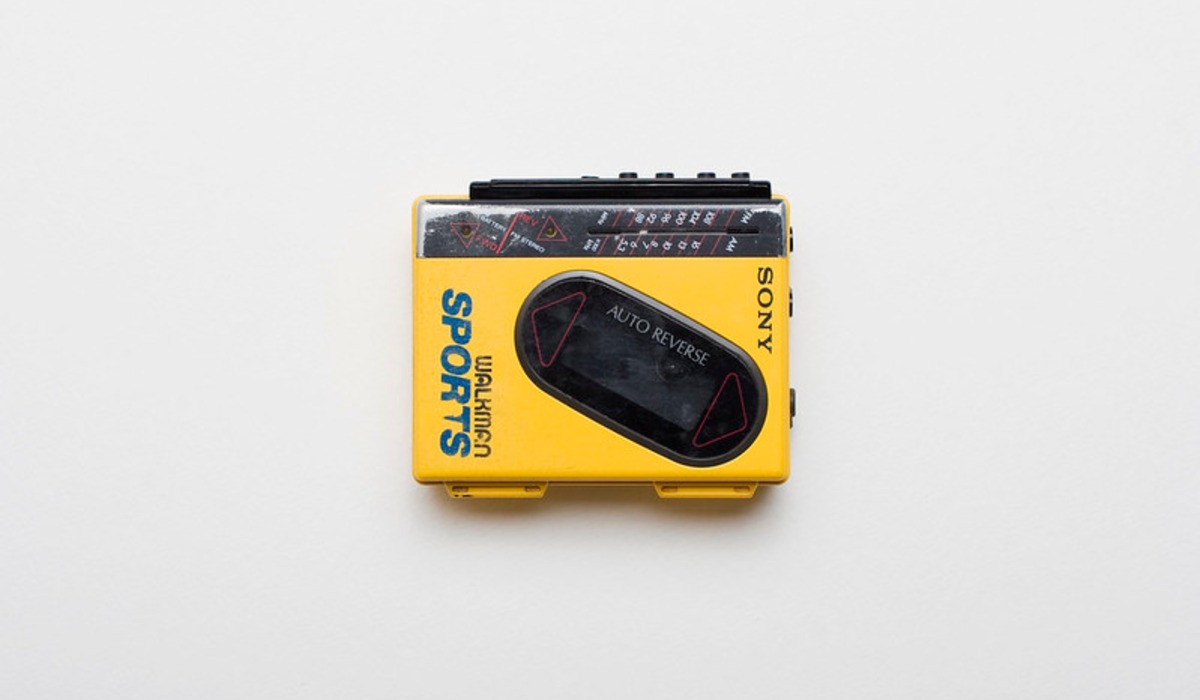
By the 1990s the Walkman was more than a decade old, and Sony’s bright yellow Sports models had become the version teenagers wanted. Rubber gaskets sealed the cassette door, oversized buttons worked through wet fingers, and a heavy latch clamped everything shut against sand and rain.
The original Walkman, the TPS-L2, had arrived in 1979 with two headphone jacks for sharing. Sports models dropped the sharing and added an AM and FM tuner on many versions.
Collectors in 2026 often pay about 60 to 200 dollars for one, though a perished drive belt or cracked gasket cuts that figure sharply.
MiniDisc Players for the Mixtape Perfectionist
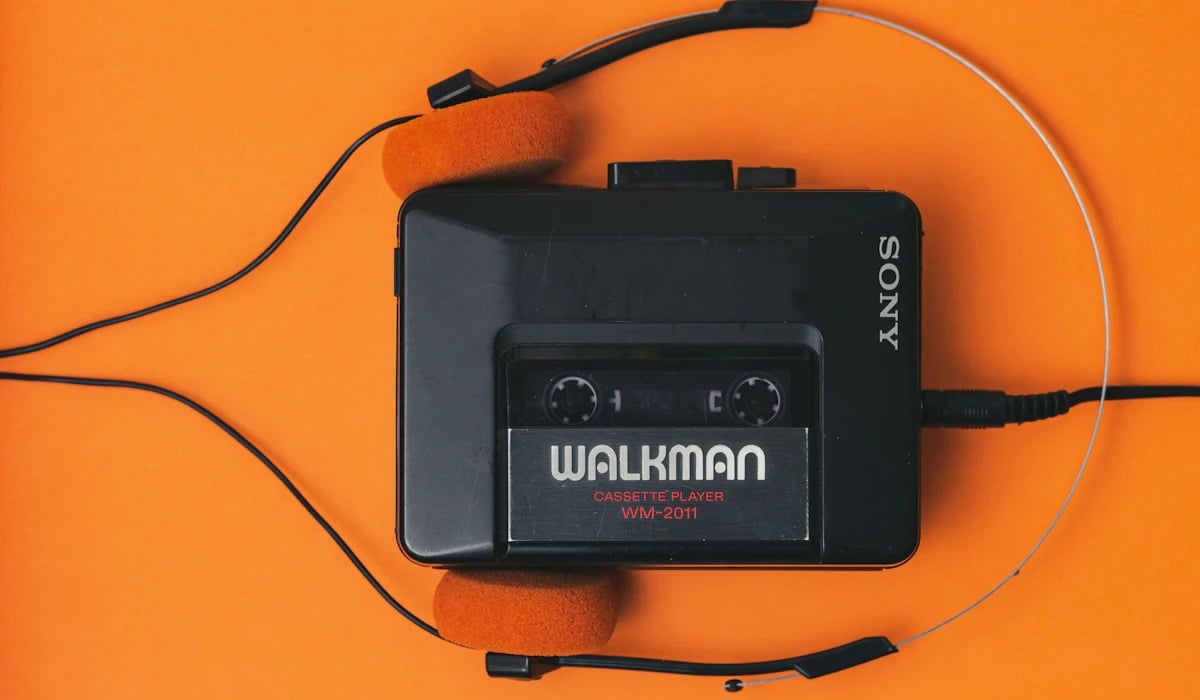
Sony introduced the MiniDisc in 1992 as a recordable digital replacement for the cassette. Each disc sat inside a small square cartridge with a sliding metal shutter, held roughly 74 minutes of audio, and could be erased and rerecorded again and again.
Tracks could be renamed, reordered and split on the player itself, which made the format a dream for anyone who agonized over a mix. American teens mostly ignored it in favor of CDs, while the format found a far bigger following in Japan and Britain.
Owning one in an American high school marked its carrier as either an audiophile or an exchange student.
Game Boy and Its Pea-Green Screen
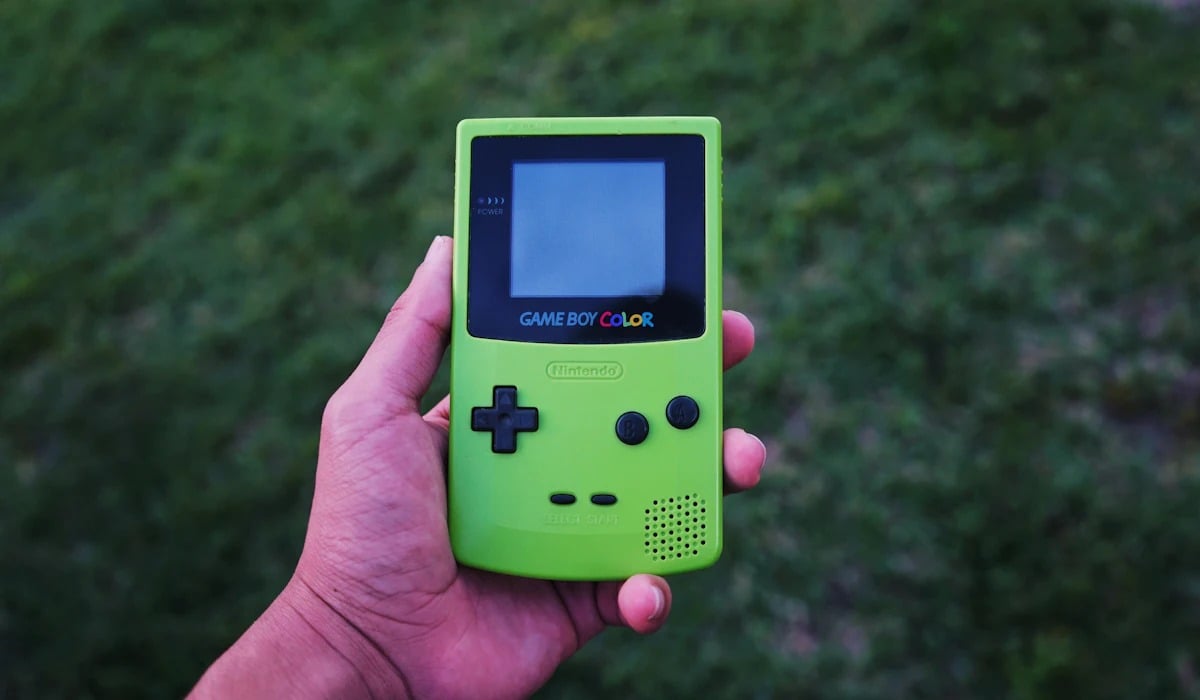
Nintendo released the Game Boy in 1989, and it spent the entire following decade in backpacks and back seats. Designer Gunpei Yokoi chose a cheap monochrome screen with a greenish tint over color, a decision that let four AA batteries last for many hours while rival handhelds drained theirs in an afternoon.
Tetris came packed in the box in North America. The slimmer Game Boy Pocket followed in 1996 and the Game Boy Color in 1998, just in time for a certain pair of monster-collecting cartridges.
Loose original units typically sell for about 50 to 100 dollars today, with screen lines and battery corrosion the usual deal breakers.
Sega Game Gear, the Battery Eater
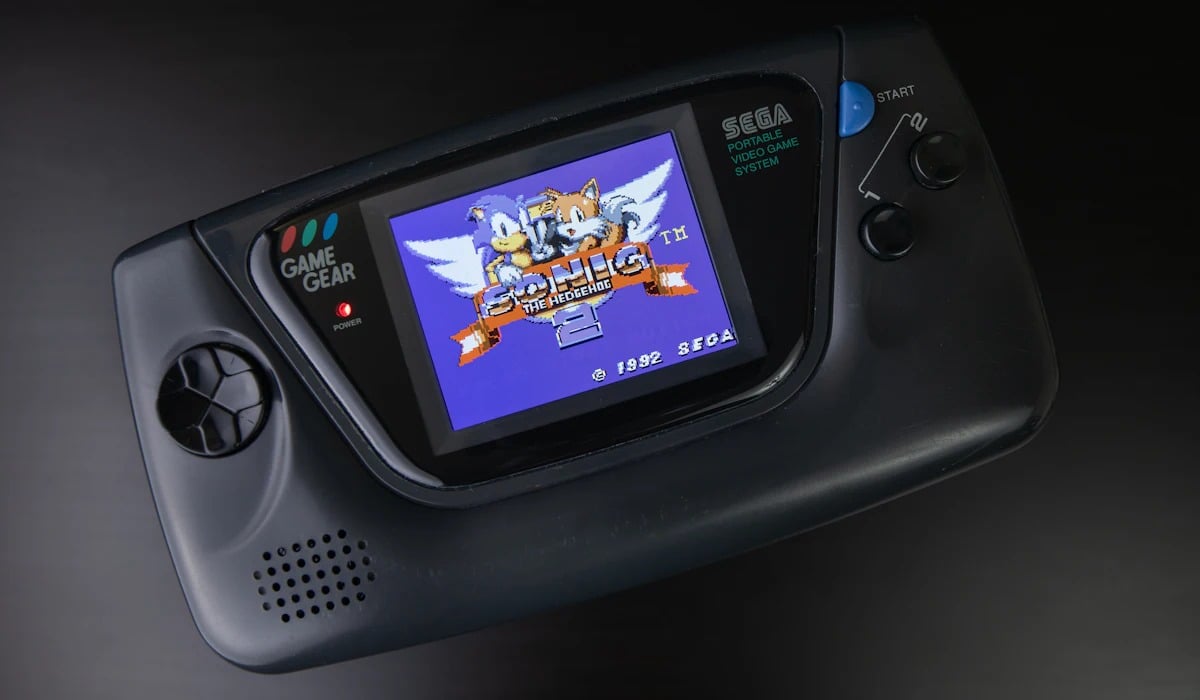
Sega brought the Game Gear to North America in 1991 with a backlit color screen and an ad campaign that mocked Nintendo’s monochrome display. The screen looked wonderful.
It also drained six AA batteries in roughly three to five hours, which made the handheld an expensive habit for anyone on an allowance. Sega sold a TV tuner that plugged into the cartridge slot and turned the system into a tiny portable television.
Most Game Gears surviving in 2026 need their capacitors replaced before they will show a picture, so a tested, refurbished unit often sells for about 80 to 150 dollars while untested ones go for far less.
Tiger Handheld LCD Games
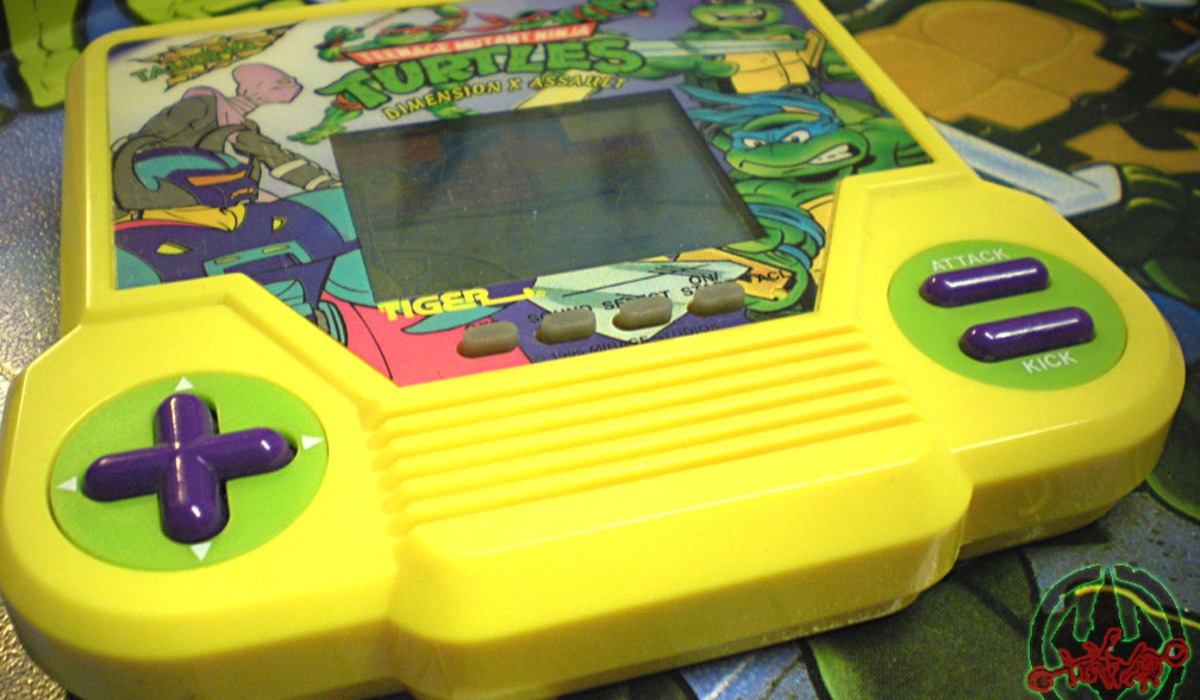
Tiger Electronics of Vernon Hills, Illinois, filled drugstore pegs and toy aisles with single-game handhelds that cost about as much as one Game Boy cartridge. Each unit had a fixed LCD laid over a printed color background, so characters did not move so much as blink from one preset position to the next.
Tiger licensed nearly everything, from movie franchises to arcade fighters to hit console games, and squeezed each into the same few buttons and the same piercing beeps. The games were limited and oddly hard to put down.
For many families they were the affordable handheld, and they survived car trips that would have killed anything pricier.
Tamagotchi, the Pet That Went to Class
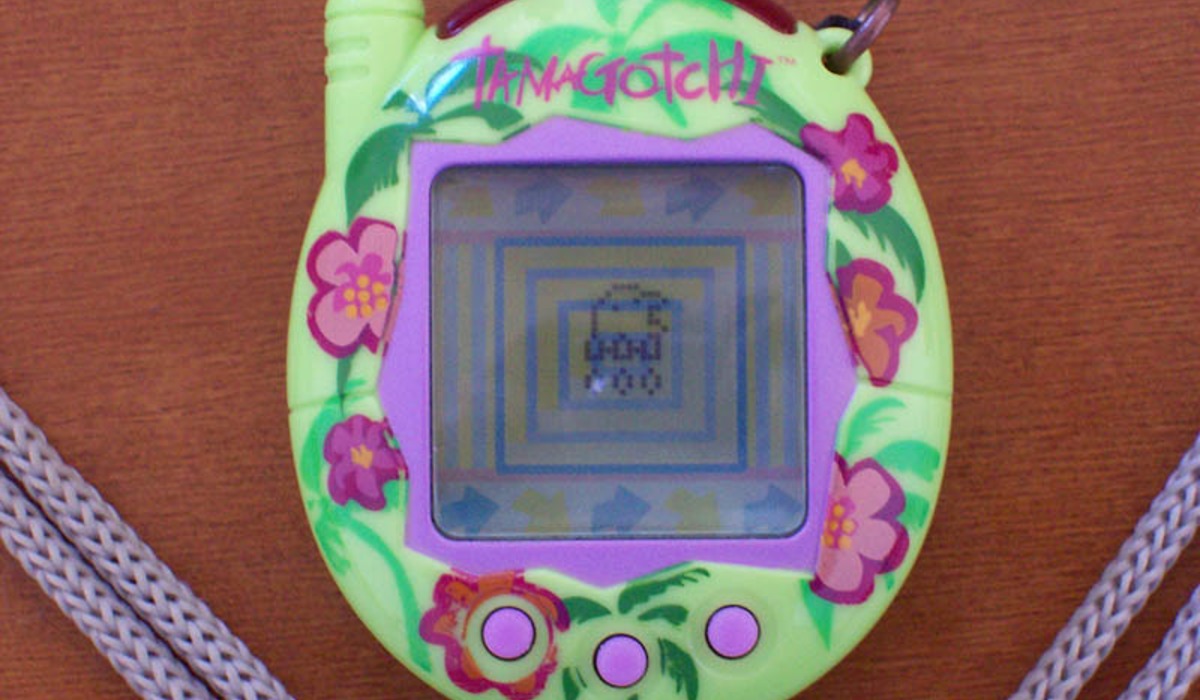
Bandai released the Tamagotchi in Japan in late 1996 and in American stores in 1997. The egg-shaped keychain held a pixelated creature that needed feeding, cleaning and discipline through three small buttons, and it could die within a day if neglected.
That put students in a bind, because the pet kept beeping through algebra. Schools across the country banned them, and some parents found themselves babysitting an egg during work hours.
Aki Maita of Bandai is widely credited with the concept. Unopened first-wave American units often sell for about 80 to 250 dollars in 2026, depending heavily on shell color and whether the card backing is creased.
Giga Pets From Tiger
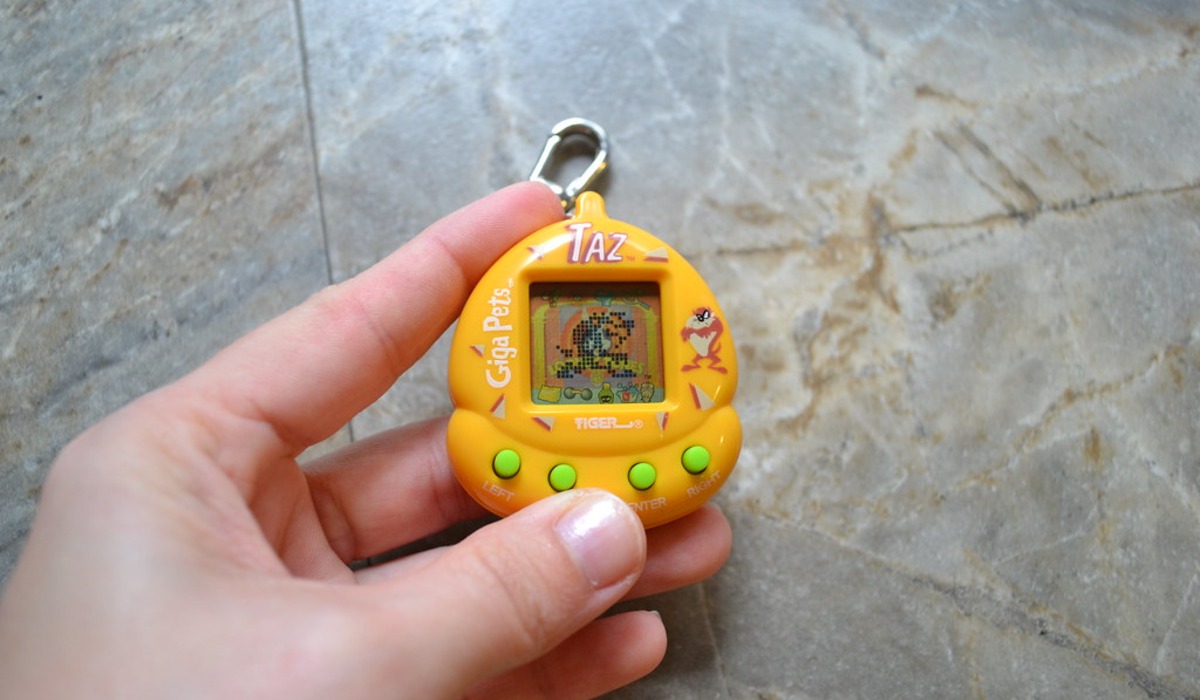
Tiger Electronics answered the Tamagotchi within months, launching Giga Pets in 1997. Where Bandai offered a vague alien blob, Tiger sold recognizable animals with names such as Digital Doggie, Compu Kitty and Micro Chimp, each in its own chunky shell with a key ring.
Later releases added licensed characters and a scoring system that rated the owner’s care. Because Tiger already had shelf space in nearly every discount store in America, Giga Pets were often easier to find than the Japanese original during the 1997 holiday rush.
Plenty of teens claimed the pets were for a younger sibling. The claim rarely held up.
Pocket Pikachu, a Pedometer in Disguise

Nintendo’s Pocket Pikachu reached American stores in late 1998, looking like one more virtual pet in a bright yellow shell. It was really a pedometer.
Every step the wearer took was counted, and steps converted into a currency called watts that could be handed to Pikachu as gifts. Generous owners were rewarded with new animations, while a neglected Pikachu grew angry and eventually refused to acknowledge its owner.
The device clipped to a belt or waistband, which meant a determined owner could cheat by shaking it in one hand. Complete boxed examples typically bring about 40 to 120 dollars now, less if the screen has faded.
Nokia 5110 and the Snake Habit
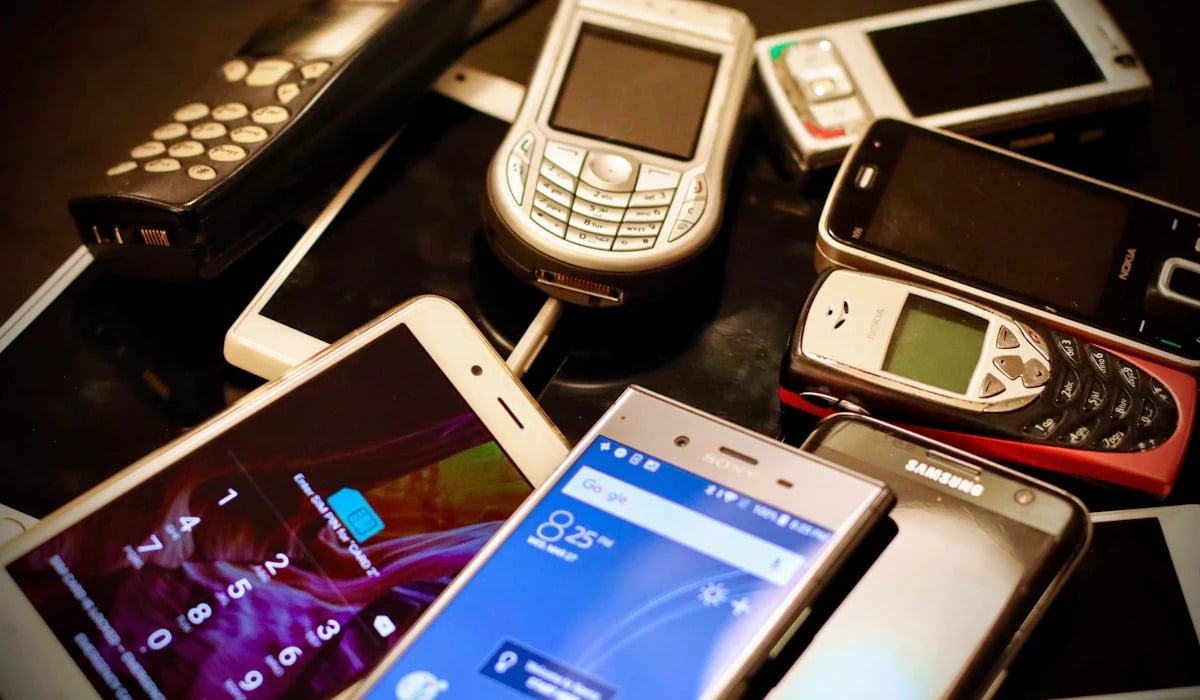
Nokia introduced the 5110 in 1998, and it became one of the first mobile phones that ordinary families bought for their teenagers. The Xpress-on faceplate popped off and swapped for another color in seconds, an early sign that a phone could be a fashion choice.
Its real hook was Snake, a game Nokia’s Taneli Armanto had written for the business-minded 6110. A line of pixels chased dots around a tiny monochrome screen and grew longer until it crashed into itself.
Calls were billed by the minute. Snake was free, and it probably consumed more of the battery than talking ever did.
Mini Maglite, the Flashlight That Became a Candle
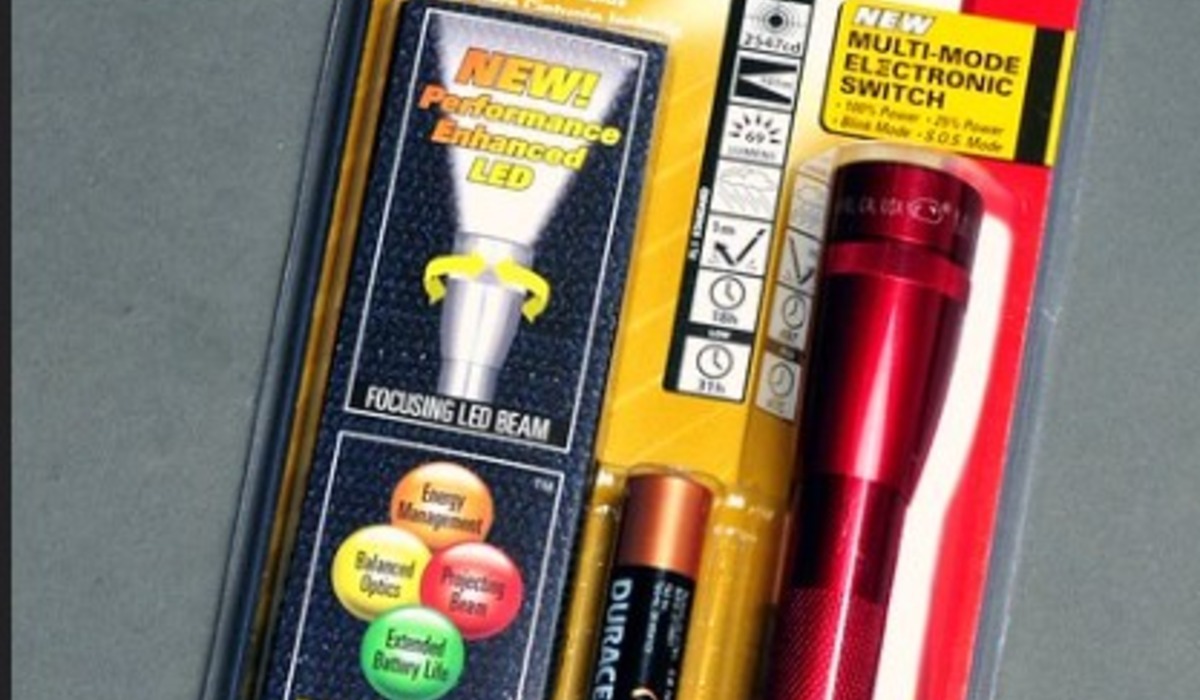
Mag Instrument of Ontario, California, introduced the AA Mini Maglite in 1984, and by the 1990s the slim aluminum flashlight rode in glove boxes, tackle boxes and teenage backpacks alike. Founder Tony Maglica built the company on machined metal bodies at a time when most flashlights were stamped tin or brittle plastic.
Twisting the head switched the light on and narrowed the beam from a wide flood to a tight spot. Unscrewed completely, the head became a base, and the bare bulb stood upright like a candle.
A spare bulb hid inside the tail cap. Few owners knew it was there until the first one burned out.
Casio G-Shock and Baby-G
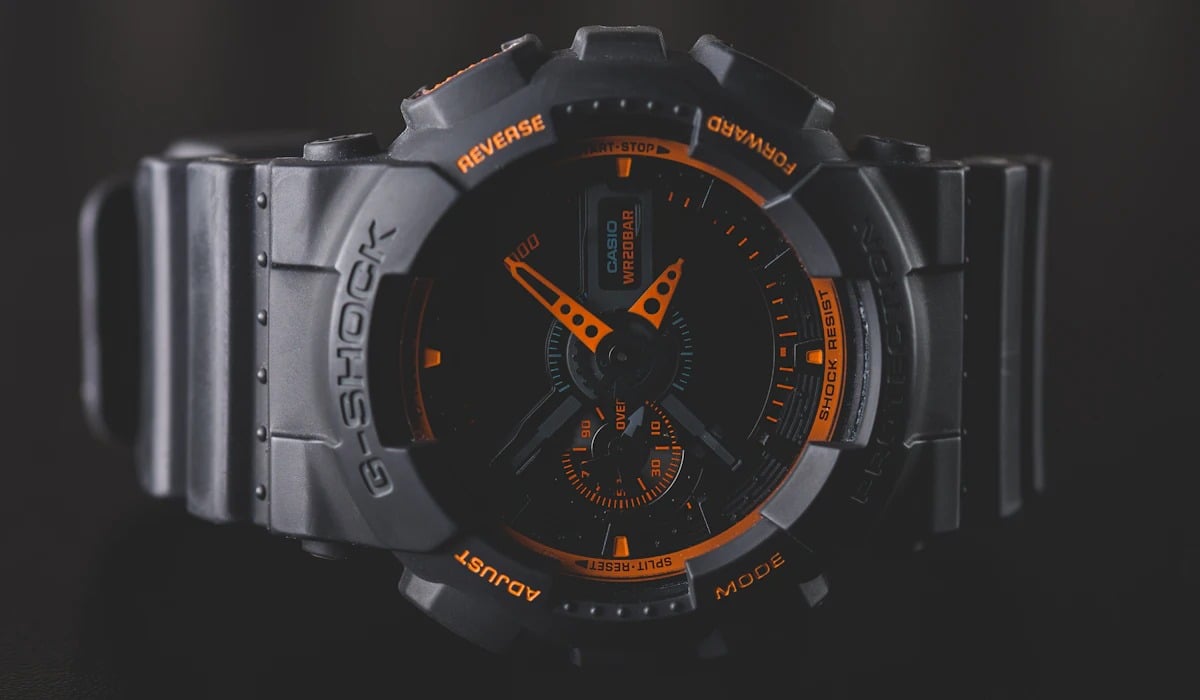
Casio engineer Kikuo Ibe developed the G-Shock after breaking a watch his father had given him, and the first model, the DW-5000C, went on sale in 1983. His target was a watch that could survive a 10-meter drop, resist 10 bar of water pressure and run 10 years on a battery.
In the 1990s the chunky resin cases crossed from construction sites into skate shops and hip-hop videos. Casio followed in 1994 with the smaller Baby-G, sold in translucent and candy-colored cases.
Skaters wore them because they survived pavement. Everyone else wore them because skaters did.
Timex Indiglo Night-Light Watches
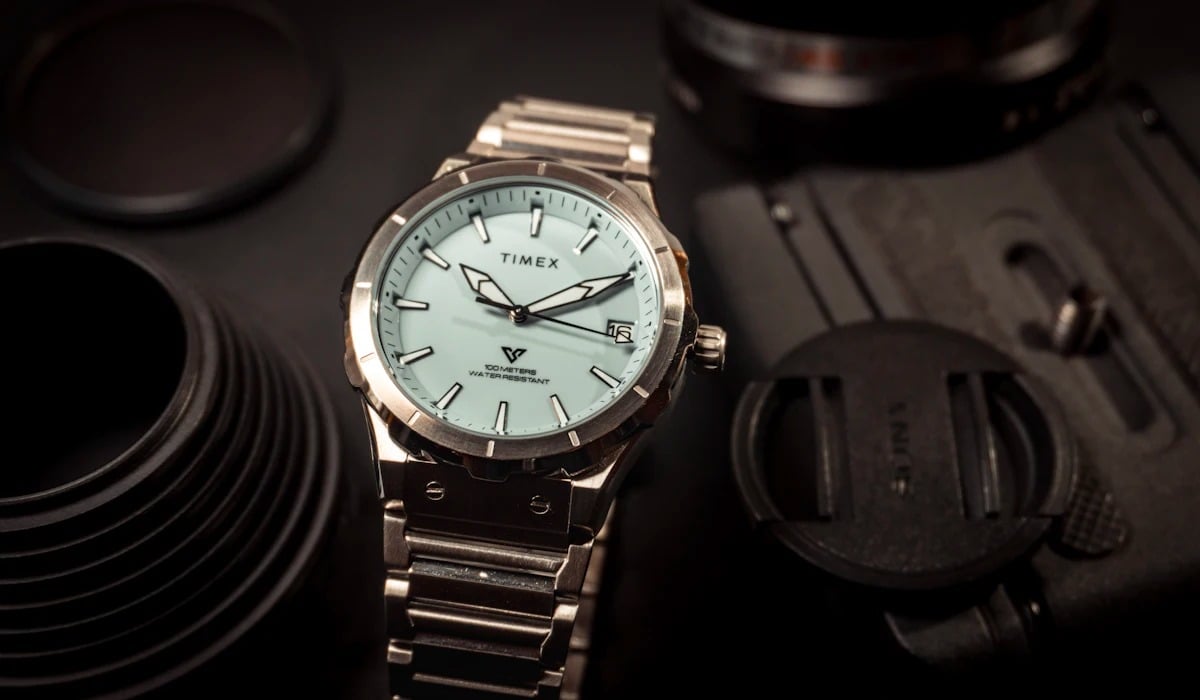
Timex introduced Indiglo in 1992, first on its Ironman line, and the press of a button lit the entire dial in an even blue-green glow. Older watch lights were a tiny bulb at one edge that lit half the face.
Indiglo used an electroluminescent panel behind the dial, so every digit was readable under a blanket or in the back row of a movie theater. In 1993 news reports described an office worker using his Indiglo to guide a group down a dark stairwell during the World Trade Center bombing, and sales climbed.
Teens mostly used the glow to check how long until the bell.
TI-83 Graphing Calculator
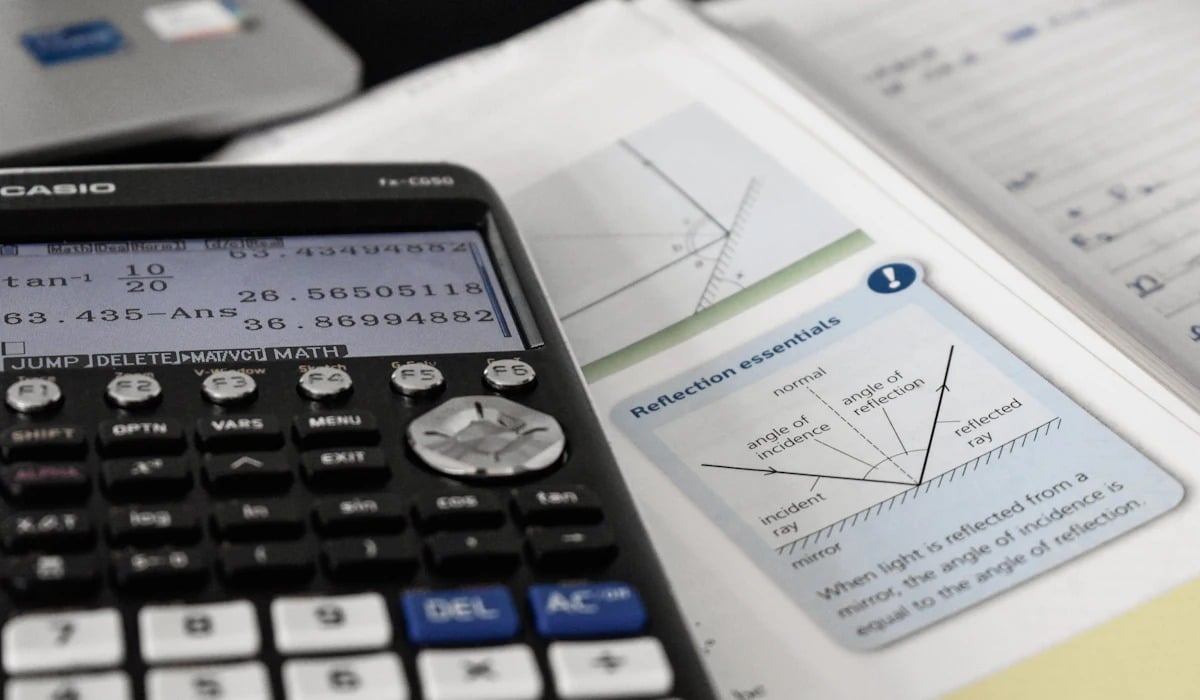
Texas Instruments released the TI-83 in 1996, and math teachers across the country promptly put it on the required supply list. Priced well above an ordinary scientific calculator, it was the most expensive thing many students owned.
It ran on four AAA batteries and a Zilog Z80 processor, the same chip family that had powered home computers nearly two decades earlier. Students quickly discovered that the built-in programming language could produce games, which spread from calculator to calculator through a link cable during study hall.
A teacher glancing across the room saw a class deep in concentration over quadratic equations. Half of them were playing a falling-block puzzle.
Swatch and the Thousand-Beat Day
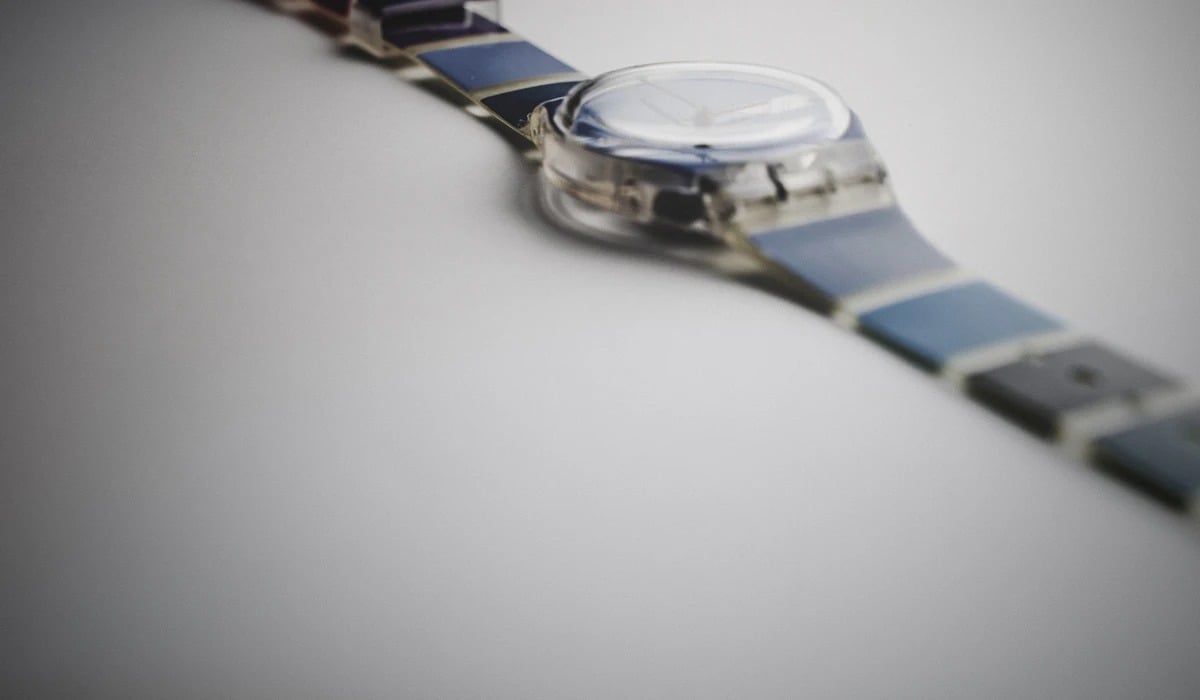
Swatch arrived in 1983 as a cheap plastic Swiss quartz watch built from far fewer parts than a traditional movement. By the 1990s the company released new designs so often that collecting them became a hobby, and teens matched the bands to outfits.
In 1998 Swatch announced Internet Time, a scheme that divided the day into 1,000 units called beats and ignored time zones altogether. Some watches displayed the beat count alongside regular time.
Nobody arranged to meet at 750 beats, and the idea faded quietly. Early artist-designed models can sell for several hundred dollars in 2026, provided the plastic strap has not turned brittle and split.
Yak Bak Voice Recorders
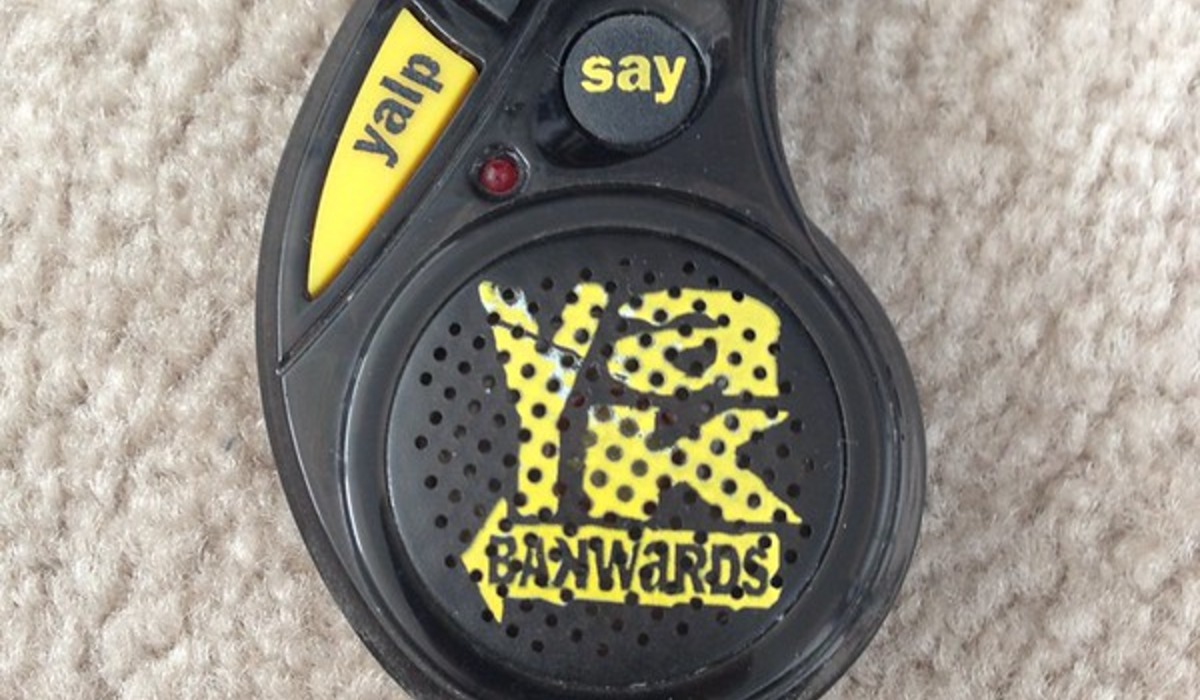
Yes Entertainment released the Yak Bak in the mid-1990s as a palm-sized recorder with two buttons, one to capture a few seconds of sound and one to replay it. The company’s founder, Donald Kingsborough, had earlier helped bring the talking bear Teddy Ruxpin to market.
Later versions added pitch controls and built-in sound effects, so a recorded phrase could come back as a chipmunk squeal or a slow groan. Its main use was repeating a friend’s most embarrassing sentence until the friend gave up.
Teachers confiscated them in bulk, and a desk drawer of seized Yak Baks was a common sight by June.
Talkboy, a Movie Prop Made Real
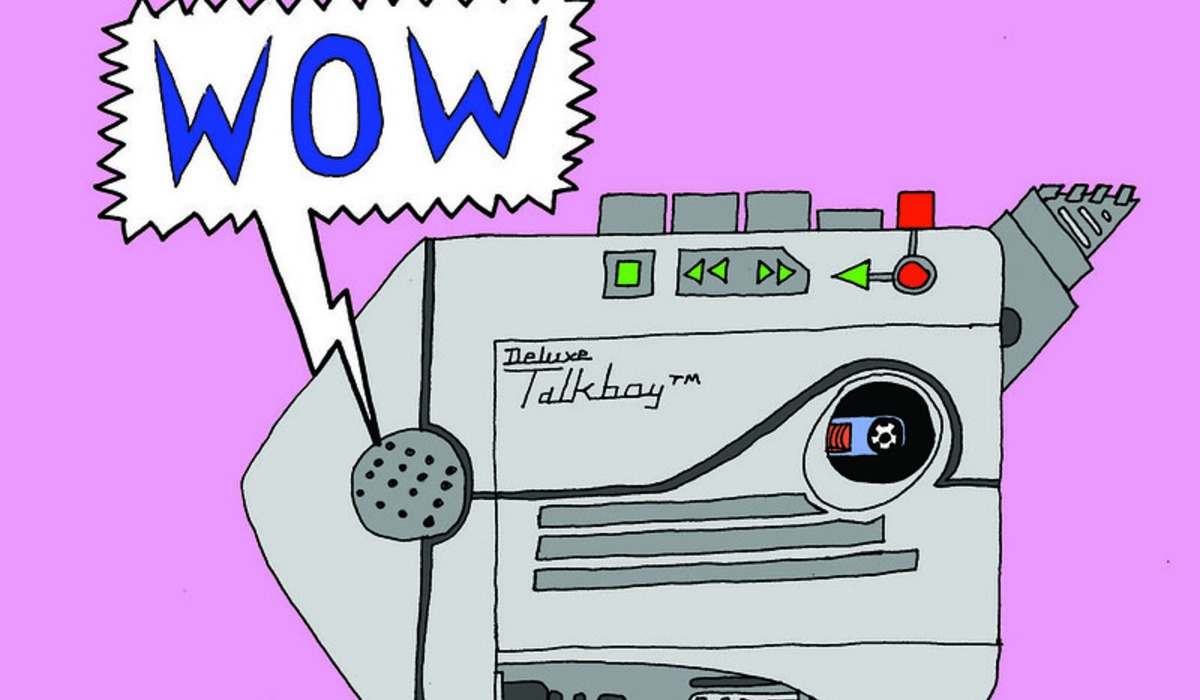
When Kevin McCallister used a handheld cassette recorder to book a hotel room in a grown man’s voice in Home Alone 2 in 1992, the device on screen was a prop built for the film. Tiger Electronics, which made the prop, sold a simpler version that Christmas.
The Deluxe Talkboy that followed in 1993 included the feature kids wanted most, a speed switch that slowed a recorded voice until it sounded like an adult. Stores ran short that holiday season.
The gray recorder had a grip handle and a retracting microphone, and it took standard cassettes. Boxed examples often sell for about 60 to 150 dollars now, with worn belts and brittle battery doors lowering the price.
Disposable Cameras at Every Dance

Fujifilm introduced a single-use film camera in Japan in 1986, Kodak followed with the Fling in 1987, and by the 1990s the cardboard-wrapped cameras sat beside every drugstore register. Most held 27 exposures and a flash that needed a few seconds to charge with a rising whine.
Nobody saw a picture until the entire camera went to the photo counter, sometimes for one-hour processing and sometimes for a week. Teens bought them for school trips, proms and the last day of class.
Half the roll usually came back as thumbs, red eyes and the inside of a backpack. The other half ended up taped inside lockers.
Polaroid i-Zone Sticker Cameras
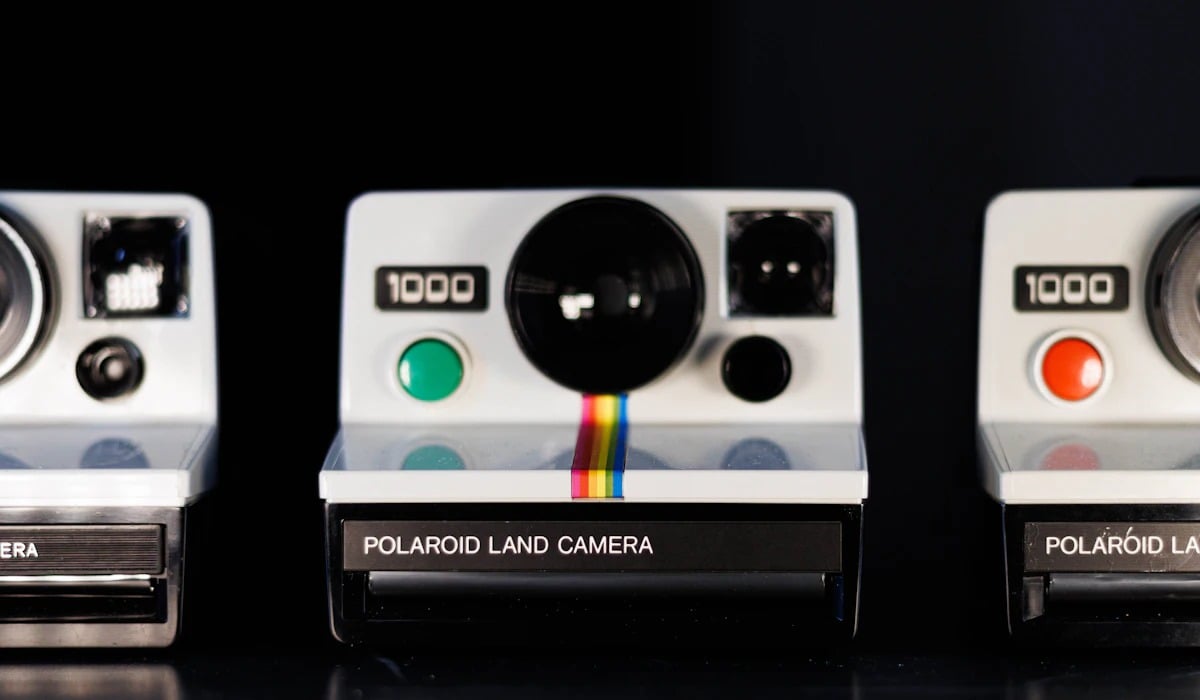
Polaroid launched the i-Zone in 1999, a slim instant camera that produced photos about the size of a postage stamp. Each picture emerged on a paper strip the user pulled from the side of the camera, and a sticker-backed film option let the tiny image go straight onto a notebook, a locker door or a friend’s forehead.
The camera was priced low enough to be an impulse buy, and for a stretch around 1999 and 2000 it ranked among the best-selling cameras anywhere. Film was the catch, since every strip cost money.
Polaroid stopped making it in 2006, and surviving packs have long since expired.
Game Boy Camera
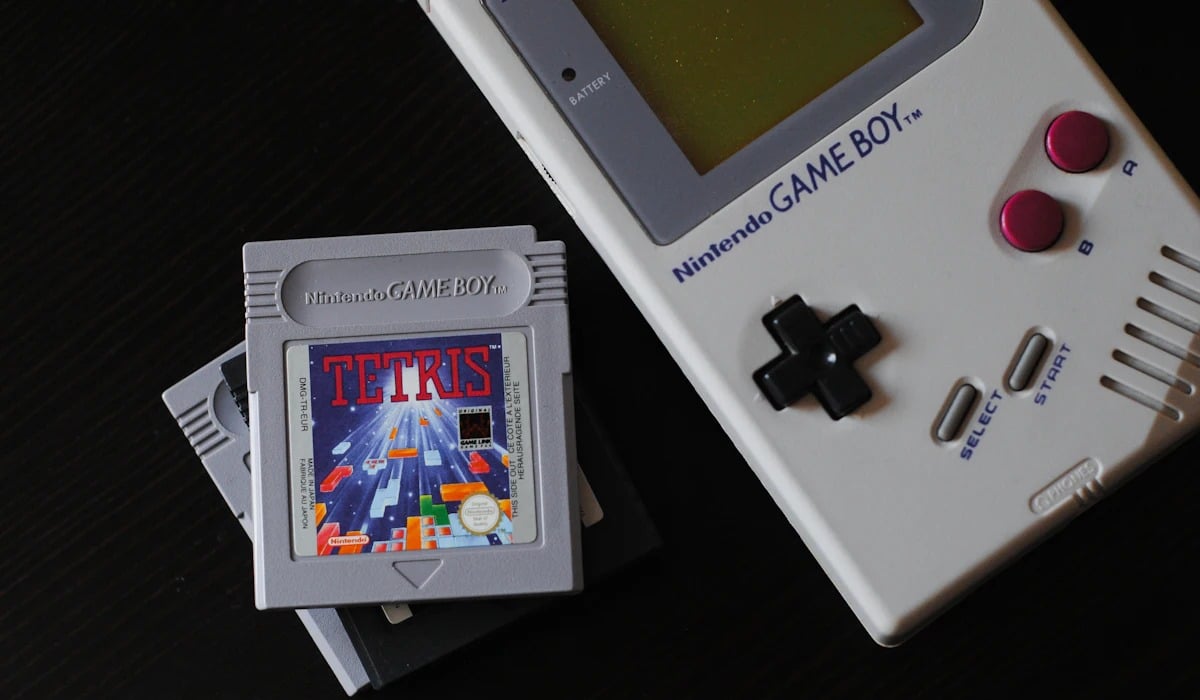
Nintendo released the Game Boy Camera in 1998 as a cartridge with a swiveling lens perched on top. It shot grainy images of 128 by 112 pixels in four shades of gray, and it stored 30 of them.
For many teenagers it was the first digital camera they ever held. A companion accessory, the Game Boy Printer, fed the images onto narrow thermal paper with an adhesive back.
The software hid strange touches, including faces that could be pasted onto characters in built-in minigames. Cartridges typically sell for about 30 to 70 dollars in 2026, and far more with a working printer and unused paper rolls.
Motorola Talkabout Two-Way Radios
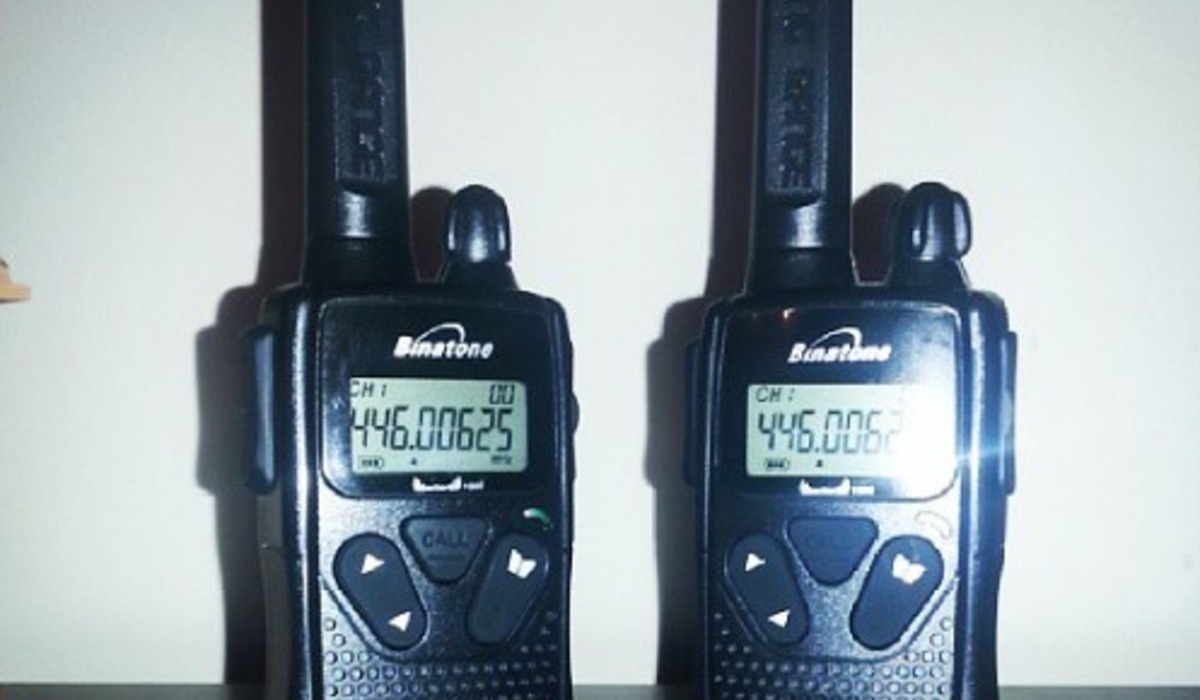
In 1996 the Federal Communications Commission created the Family Radio Service, a set of 14 channels that anyone could use without a license. Motorola’s Talkabout radios arrived soon after in bright, rounded cases that looked nothing like a trucker’s CB.
They sold in pairs, promised a range of up to two miles in open country, and cost nothing per minute. Teens used them at malls, ski slopes and theme parks, and across the few backyards between neighboring houses.
Channels were shared with every stranger in range. Half the fun was stumbling onto another family’s conversation about where they had parked.
Keychain Laser Pointers
Red laser pointers were pricey presentation tools in the early 1990s. By about 1997 cheap diode versions hung on keychains at flea markets, mall kiosks and gas station counters for a few dollars each.
Many came with screw-on tips that reshaped the dot into a star, a smiley face or an arrow. Teenagers aimed them at movie screens, chalkboards and the backs of teachers’ heads.
The Food and Drug Administration issued a warning about eye injuries from the devices in late 1997, and schools and several cities moved quickly to restrict them. The family cat remained the pointer’s most devoted audience.
Diamond Rio PMP300
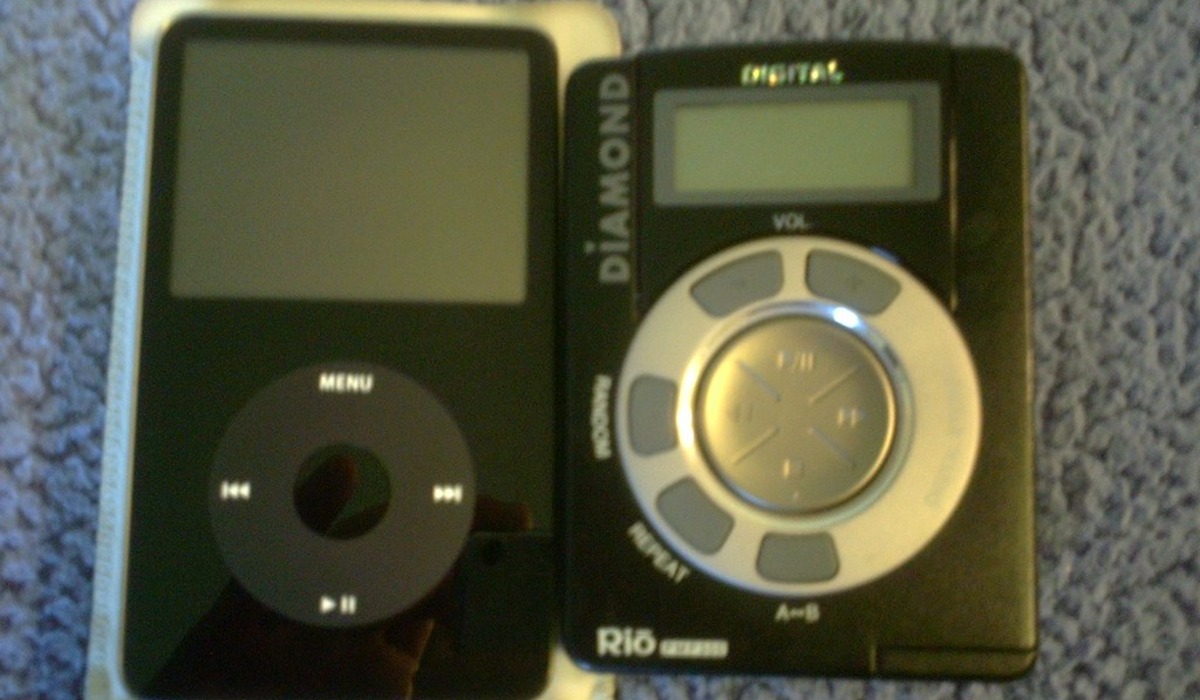
Diamond Multimedia released the Rio PMP300 in late 1998 at about 200 dollars, and it was among the earliest portable MP3 players sold in American stores. It held 32 megabytes, enough for about half an hour of music at typical quality, and ran for hours on a single AA battery.
Loading music meant connecting it to a computer’s parallel port and waiting. The recording industry sued to block its sale and lost in court, a ruling that cleared the path for every player that followed.
Very few teens owned one in 1999. Those who did spent lunch explaining why it had no moving parts and never skipped.
Tiger game.com, Ahead of Its Hardware
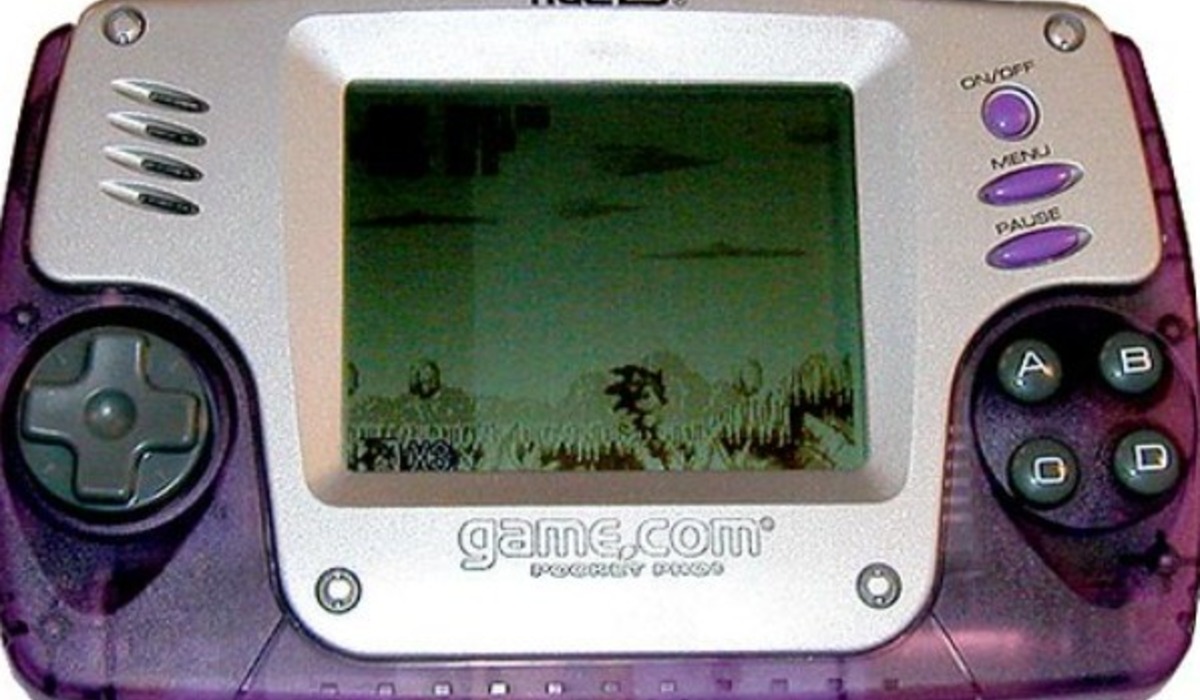
Tiger Electronics released the game.com in 1997 as a challenger to the Game Boy, and on paper it was remarkably ambitious. The handheld had a touchscreen with a stylus, a built-in calendar and phone book, and two cartridge slots.
With an optional modem and an internet cartridge it could fetch text-only email and web pages, years before most phones could. The screen was the problem, a blurry monochrome panel that smeared any fast movement.
Tiger discontinued the system in 2000. Boxed consoles often sell for about 60 to 150 dollars in 2026, and collectors pay more when the stylus is still clipped in its slot.
Batteries, Belt Clips and One Job Each
Every gadget in a 1990s backpack did a single thing. One played music, one told time, one took 27 photographs, and one displayed a callback number.
Carrying them all meant managing a small private economy of AA cells, blank tapes, film and quarters for the pay phone.
That friction shaped how teenagers used the technology. A photo cost money, a song took up physical space, and a message had to fit in seven digits, so each one carried some weight.
The phone that eventually absorbed nearly all of these devices made everything easier and nothing scarce. Scarcity turned out to be part of the fun.
MORE FROM GO2TUTORS!

- The Romanov Crown Jewels and Their Tragic Fate
- 13 Historical Mysteries That Science Still Can’t Solve
- Famous Hoaxes That Fooled the World for Years
- 15 Child Stars with Tragic Adult Lives
- 16 Famous Jewelry Pieces in History
Like Go2Tutors’s content? Follow us on MSN.