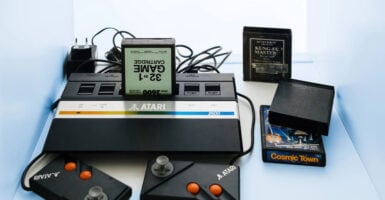
Gadgets That Defined the Y2K Era
The turn of the millennium brought more than just calendar anxiety and fears about computers crashing worldwide. It ushered in a wave of tech gadgets that changed how people communicated, listened to music, and spent their free time.
These devices felt futuristic at the time, even though they seem clunky and outdated now. Here are the gadgets that everyone wanted to get their hands on during the Y2K era.
Nokia 3310

The Nokia 3310 became the most indestructible phone ever made, surviving drops from stairs, getting run over by cars, and even taking a swim in the toilet. This brick-shaped device had a monochrome screen and could only send text messages, but it lasted for days without needing a charge.
The built-in game Snake kept people entertained for hours, and customizable ringtones made everyone feel like they had a unique phone. You could also swap out the colorful face plates to match your outfit or mood.
Palm Pilot
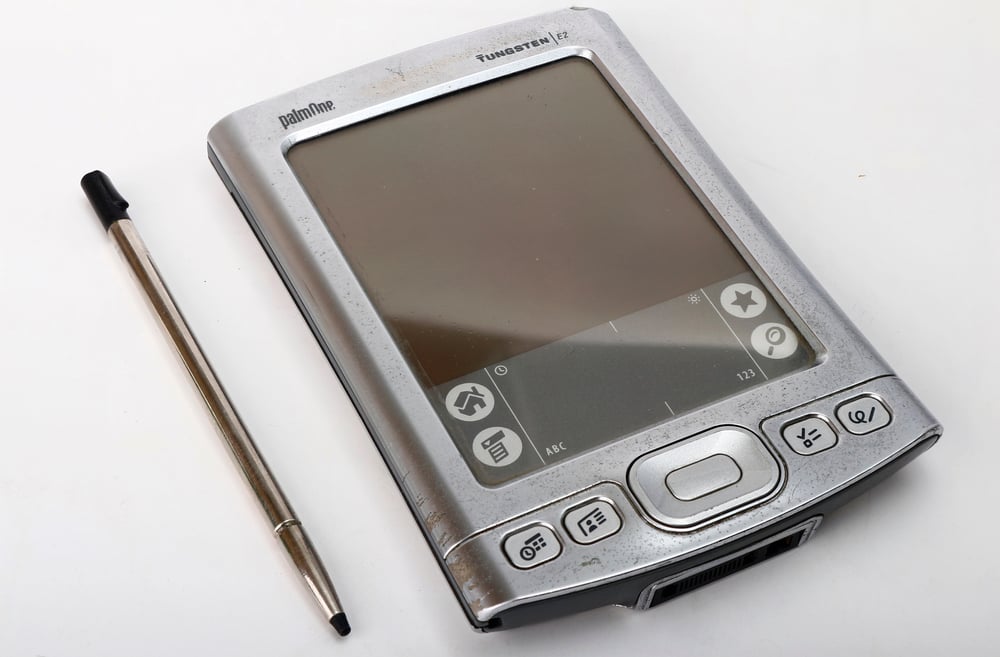
The Palm Pilot put a tiny computer in people’s pockets years before smartphones existed. Users had to write on the touch screen using a special stylus and a unique alphabet called Graffiti that the device could recognize.
It stored contacts, calendars, and notes, making it the ultimate organizer for busy professionals who wanted to ditch their paper planners. Syncing it with a computer required a special cradle and felt like connecting to the future.
DVD players

DVD players replaced VHS tapes and changed movie nights forever by offering better picture quality and no need to rewind. The disc format meant no more fuzzy tracking lines or tapes getting eaten by the machine.
People could finally skip to different scenes instantly and watch bonus features that weren’t possible with videotapes. Early models cost over $500, but prices dropped quickly as more companies started making them.
Digital cameras

Digital cameras freed people from film rolls and gave them the ability to see their photos immediately on a tiny screen. The first consumer models only held about 30 photos and had terrible resolution by today’s standards, but they felt revolutionary at the time.
No more waiting days to get film developed or wasting money on blurry shots that turned out bad. Memory cards could be erased and reused, which seemed like an unlimited supply of photo opportunities.
TiVo
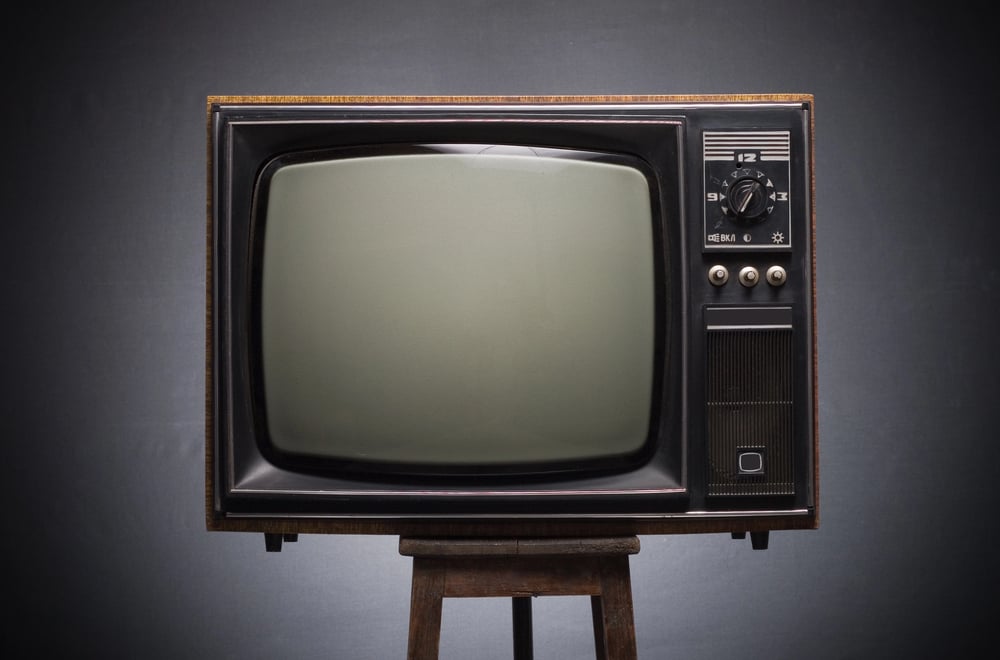
TiVo let people record TV shows without dealing with confusing VCR programming and blank tapes scattered everywhere. The device could pause live television, which felt like stopping time itself during important moments or bathroom breaks.
It learned viewing habits and automatically recorded shows it thought users would enjoy. The ability to skip commercials made advertisers nervous and changed how people watched television forever.
iPod
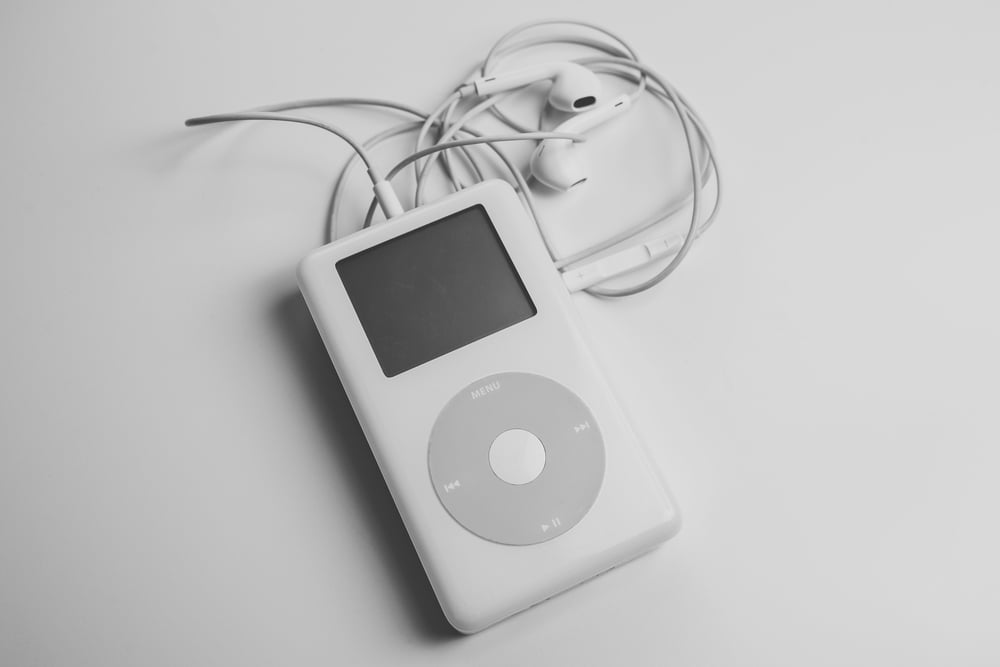
Apple’s iPod put 1,000 songs in a pocket-sized device with a scroll wheel that became instantly iconic. Before this, people carried CD players that skipped when they walked too fast or changed discs constantly.
The white earbuds became a status symbol that told everyone you owned the coolest music player available. Syncing music from iTunes was easier than burning CDs or downloading files from sketchy websites.
Game Boy Advance
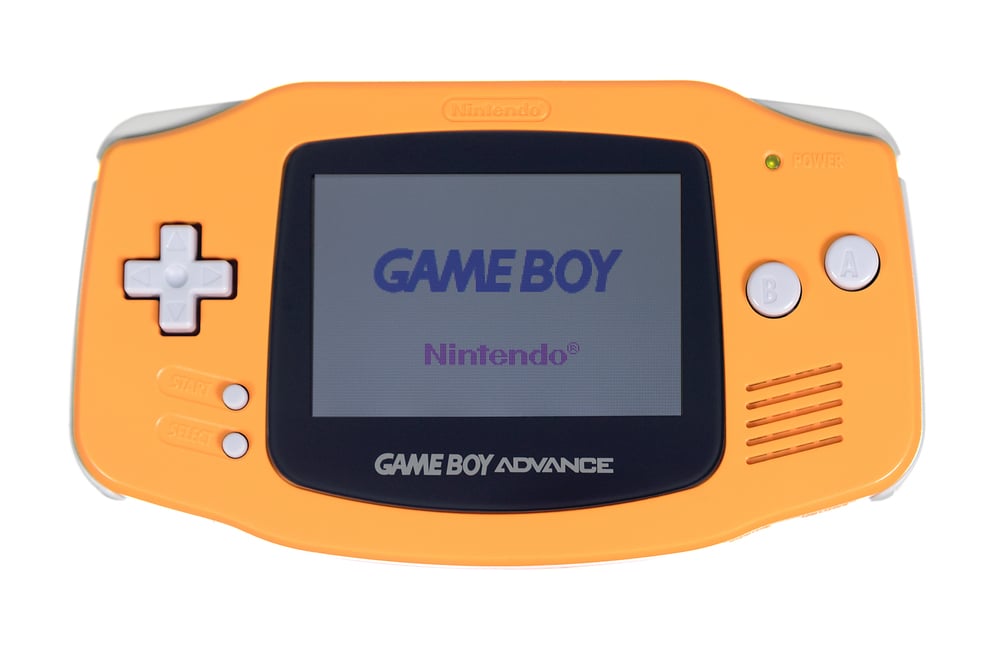
The Game Boy Advance brought color graphics and better games to handheld gaming after years of the original green-screen Game Boy. The horizontal design made it look more like a portable console than a toy, and the launch lineup included upgraded versions of classic Nintendo games.
Kids could link their devices together with cables to trade Pokemon or compete in multiplayer races. The lack of a backlight meant playing under covers at night required a clip-on book light.
Motorola Razr

The Motorola Razr made flip phones cool again with its impossibly thin design and metal construction that felt premium. Opening and closing the phone to answer or end calls became a satisfying action that touchscreens could never replicate.
The external screen showed caller ID and let users control music without flipping open the device. Celebrities and business executives carried them, making the Razr a must-have status symbol.
PlayStation 2
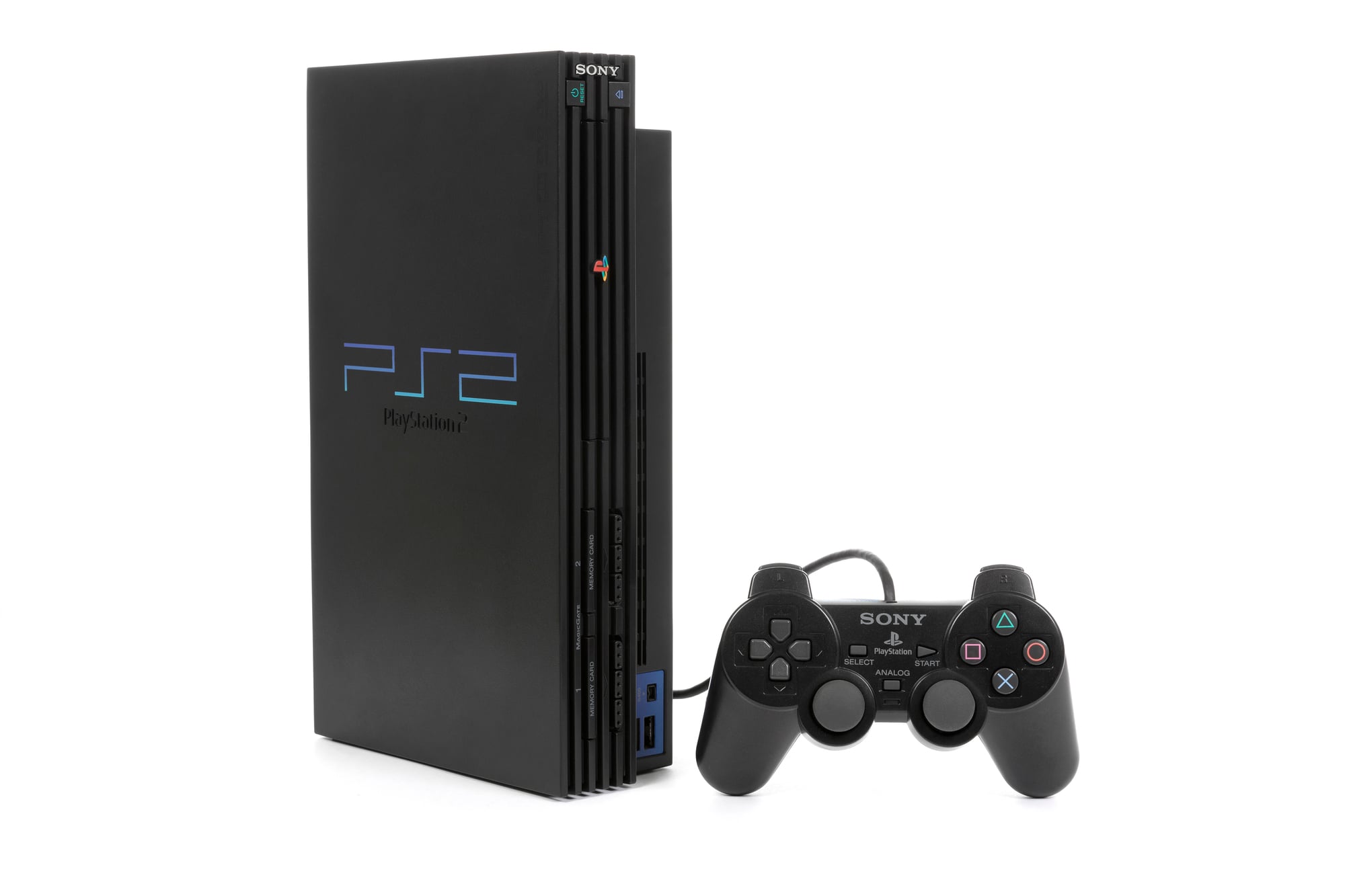
The PlayStation 2 dominated gaming consoles and doubled as an affordable DVD player when standalone players still cost a fortune. It played original PlayStation games, giving people access to a massive library of titles right from the start.
The slim black design looked grown-up enough to sit in a living room entertainment center. Online gaming capabilities arrived later and introduced console players to multiplayer matches against strangers across the country.
Blackberry devices

Blackberry phones brought email to mobile devices with physical keyboards that let people type fast messages with their thumbs. The addictive clicking sounds of the keys and the constant checking for new messages earned users the nickname ‘Crackberry’ addicts.
Business professionals loved being able to respond to emails immediately instead of waiting to get back to their desks. The little red light that blinked when new messages arrived became impossible to ignore.
USB flash drives

USB flash drives replaced floppy disks and made sharing files between computers incredibly simple. These tiny devices held hundreds of times more data than floppy disks and fit on a keychain.
No more carrying stacks of disks or worrying about them getting corrupted from a magnet in a bag. The plug-and-play feature meant no special software or setup was needed.
Flip video cameras

Flip video cameras made recording videos as easy as pointing and shooting without dealing with complicated settings or tapes. The built-in USB connector flipped out from the body, making it simple to upload videos directly to a computer.
Battery life lasted for hours, and the pocket-sized design meant people could bring them anywhere. These devices appeared right before smartphones added decent video cameras and quickly became obsolete.
Roomba
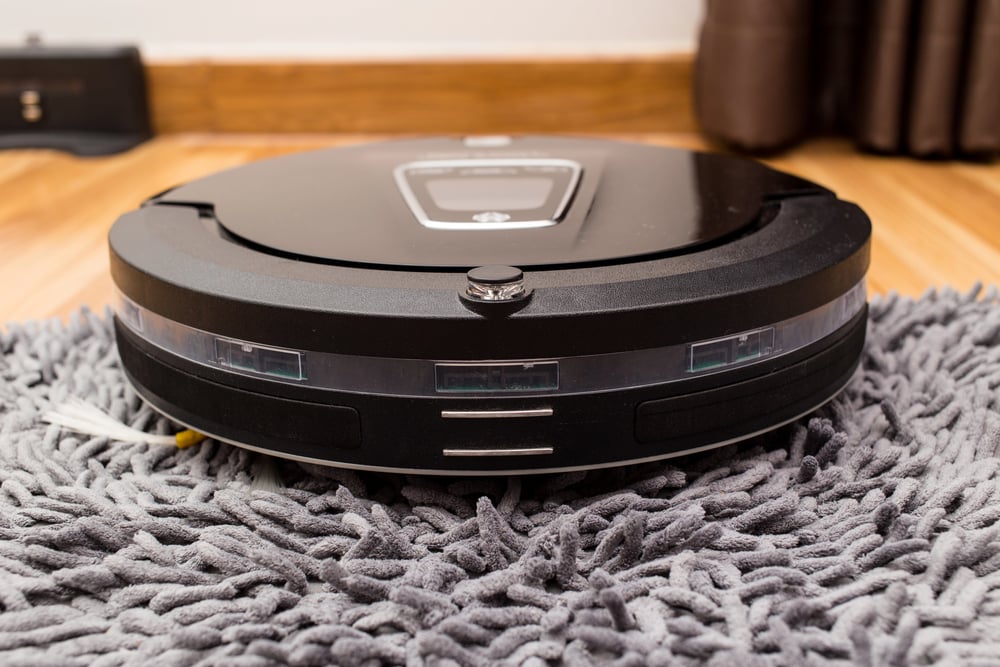
The Roomba robotic vacuum cleaner promised to clean floors while people did other things or left the house entirely. Early models bumped into furniture randomly and sometimes got stuck under couches, but they still felt like living in the future.
Watching the round robot navigate a room became surprisingly entertaining, and pets either loved chasing it or ran away in fear. The idea of a robot doing chores seemed like something from a science fiction movie.
Xbox
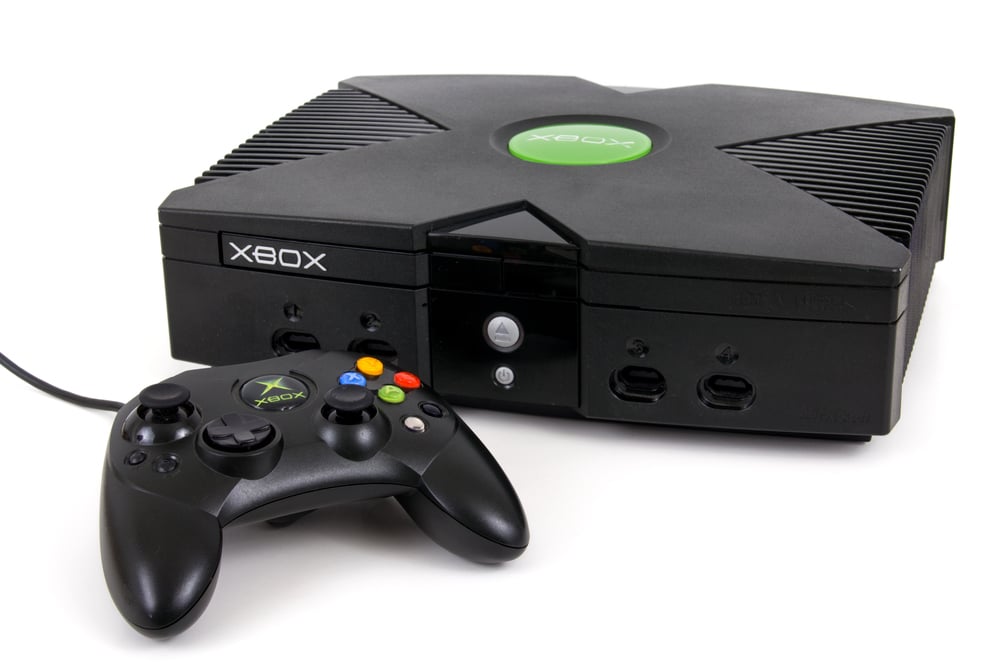
Microsoft’s Xbox entered the console gaming market and brought better graphics and online gaming to living rooms everywhere. The console was huge and heavy compared to competitors, but the controller fit comfortably in adult hands.
Halo became the must-play game that convinced people to buy the system. Xbox Live introduced voice chat and matchmaking that changed how people played games with friends.
Sidekick phones

The T-Mobile Sidekick featured a screen that swiveled up to reveal a full keyboard underneath in a design that felt like a secret agent gadget. The device came loaded with instant messaging, email, and a camera, making it perfect for teenagers who lived online.
Celebrities like Paris Hilton carried colorful Sidekicks and made them a fashion accessory as much as a communication tool. The trackball next to the keyboard controlled everything and got dirty quickly from constant use.
MP3 players before iPod
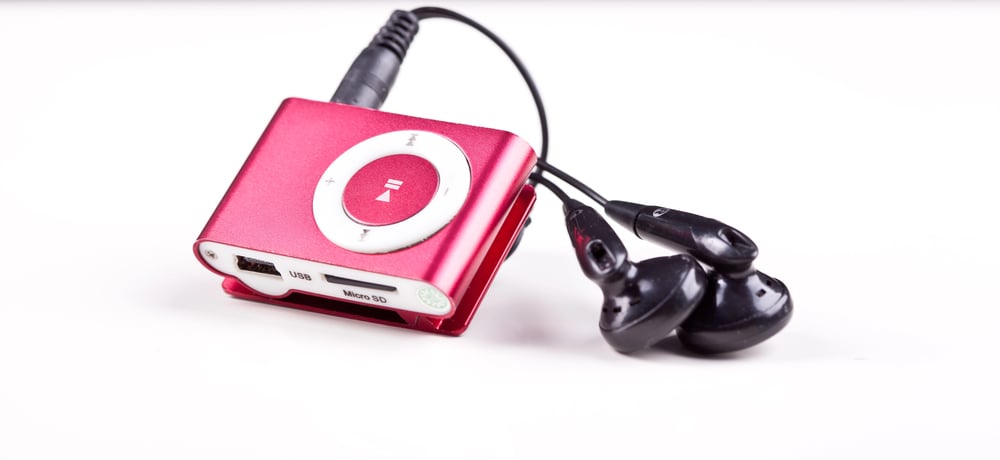
Before Apple launched the iPod, gadgets storing music popped up through outfits like Creative Labs. Clumsy shapes marked many early models – software needed to shift tracks felt anything but intuitive.
Instead of built-in power cells, certain units ran on disposable AAs. Navigating menus to locate one tune could leave users annoyed mid-task. Still, demand showed itself clearly despite flaws in those first attempts.
Nintendo GameCube

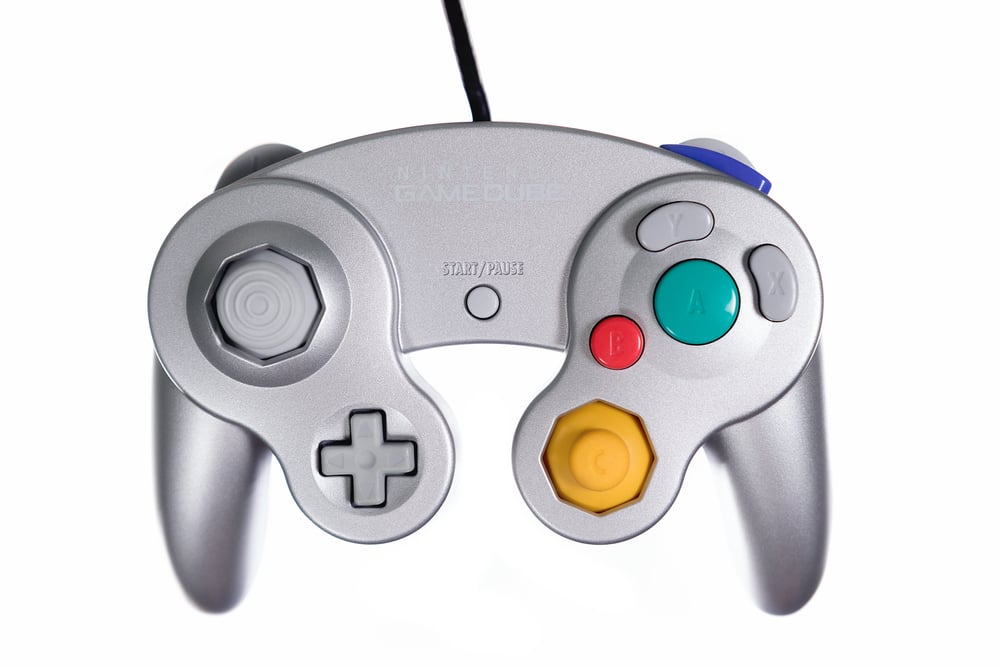
Out of nowhere came a little machine, shaped almost like a lunchbox. Bright purple plastic gave it a playful look, hard to take seriously at first glance.
Yet inside that compact shell ran games many still call masterpieces today. Instead of standard DVDs, it relied on mini discs built only for this system – smaller capacity, true.
Still, those discs spun quicker, resisted damage better. Tucked behind was a simple grip, handy when heading over to someone else’s place.
Multiplayer nights became easier without fumbling cables or heavy boxes. While rivals chased dark, lifelike visuals, Nintendo leaned into joy, bold colors, imagination.
Fun wasn’t an afterthought – it led the way.
When buttons ruled the world
Back then, gadgets had shapes and purposes all their own – each one built to handle just one job, yet somehow it felt like magic. Instead of apps doing ten things poorly, machines focused on doing one thing right.
Hinges creaked open to reveal keypads. Tiny screens lit up with pixelated joy after waiting thirty seconds to load.
Swapping tapes, plugging cables, pressing plastic levers – all made tech something you touched, not just tapped. Today’s speed erases those moments, replacing ritual with instant results.
Devices once arrived like visitors from the future; unwrapping them meant real anticipation. Now functions vanish into software updates nobody notices.
What remains is memory: chunky designs, loud ringtones, patience. Distance reveals what progress hides – the weight of change isn’t always lighter.
More from Go2Tutors!

- The Romanov Crown Jewels and Their Tragic Fate
- 13 Historical Mysteries That Science Still Can’t Solve
- Famous Hoaxes That Fooled the World for Years
- 15 Child Stars with Tragic Adult Lives
- 16 Famous Jewelry Pieces in History
Like Go2Tutors’s content? Follow us on MSN.