15 Historical Events Almost Stopped by Weather
Mother Nature has a knack for showing up uninvited at history’s most crucial moments. Just when armies march toward destiny or explorers set sail for new worlds, a storm rolls in or temperatures plummet, threatening to derail events that would shape civilization.
These weather interruptions remind us that even the most carefully planned human endeavors remain at the mercy of forces beyond our control. Throughout history, unexpected weather patterns have forced generals to change battle plans, delayed expeditions that discovered new continents, and nearly prevented political moments that defined nations.
Sometimes these meteorological interventions changed outcomes entirely, while other times they merely added dramatic tension to events that proceeded anyway. Here is a list of 15 historical events that weather almost stopped in their tracks.
D-Day Invasion
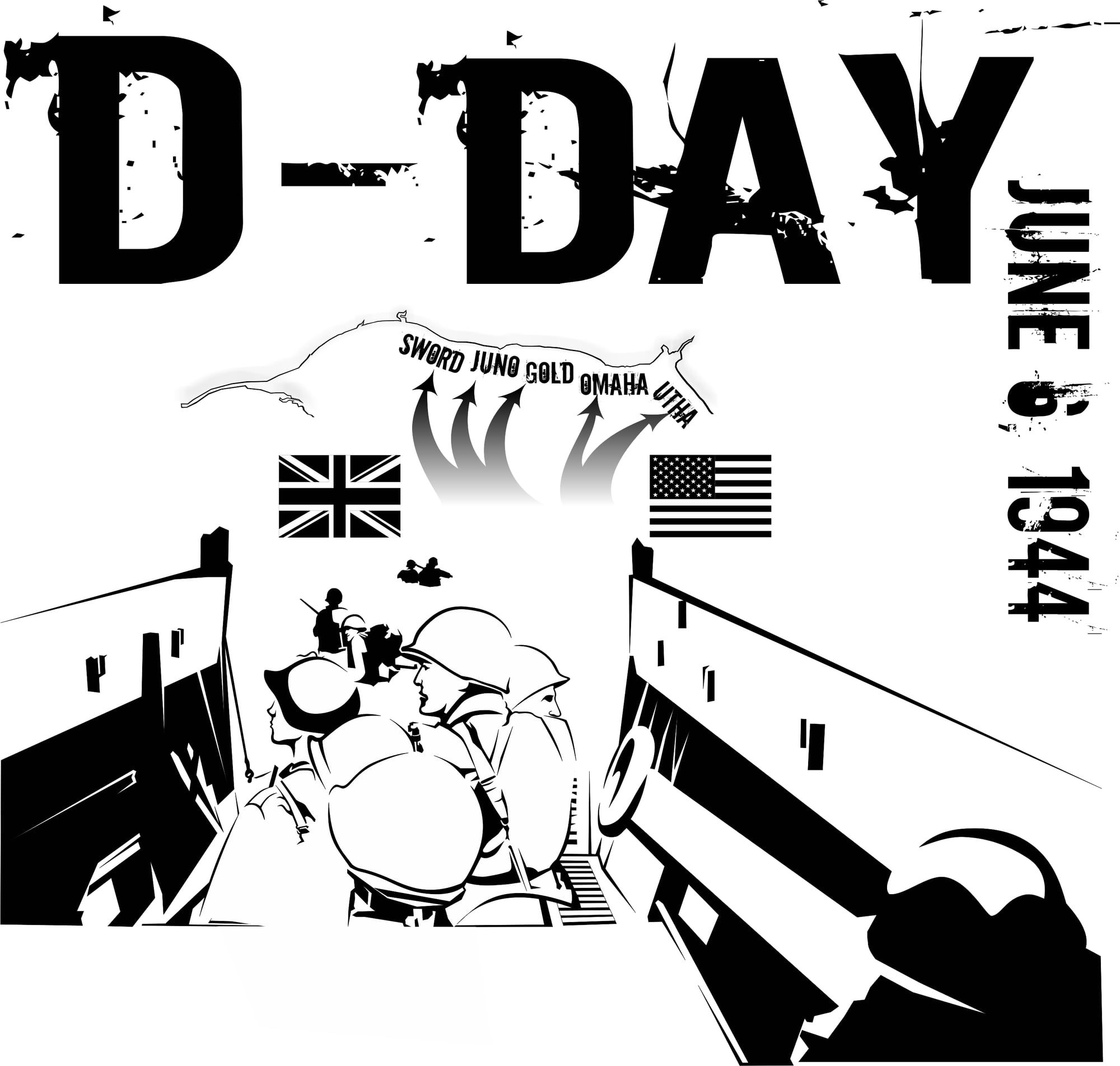
The Allied invasion of Normandy hung in the balance for days due to terrible weather conditions in the English Channel. General Eisenhower postponed the operation from June 5 to June 6, 1944, hoping for a brief break in the storms that had been battering the region.
The Spanish Armada
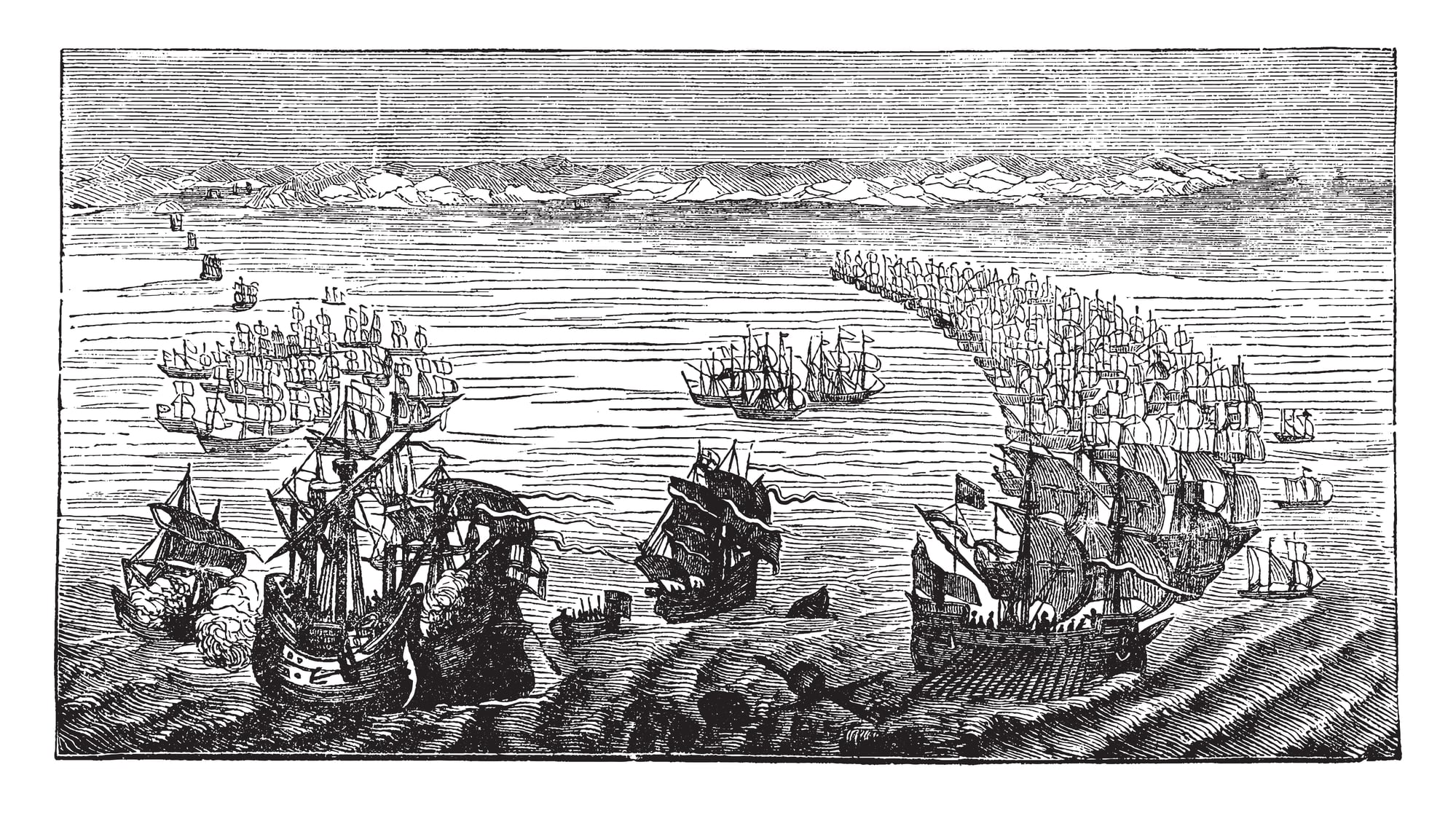
King Philip II’s mighty fleet met disaster partly due to fierce storms in the English Channel and North Sea during the summer of 1588. After facing English attacks, the scattered ships encountered more brutal weather while attempting to return home, with storms wrecking dozens of vessels along rocky coasts.
Washington’s Crossing of the Delaware

George Washington’s surprise attack on Trenton almost didn’t happen due to a fierce winter storm on Christmas night 1776. Ice, snow, and freezing rain made crossing the Delaware River extremely dangerous, though the terrible weather ensured complete surprise against the Hessian soldiers.
Battle of Waterloo
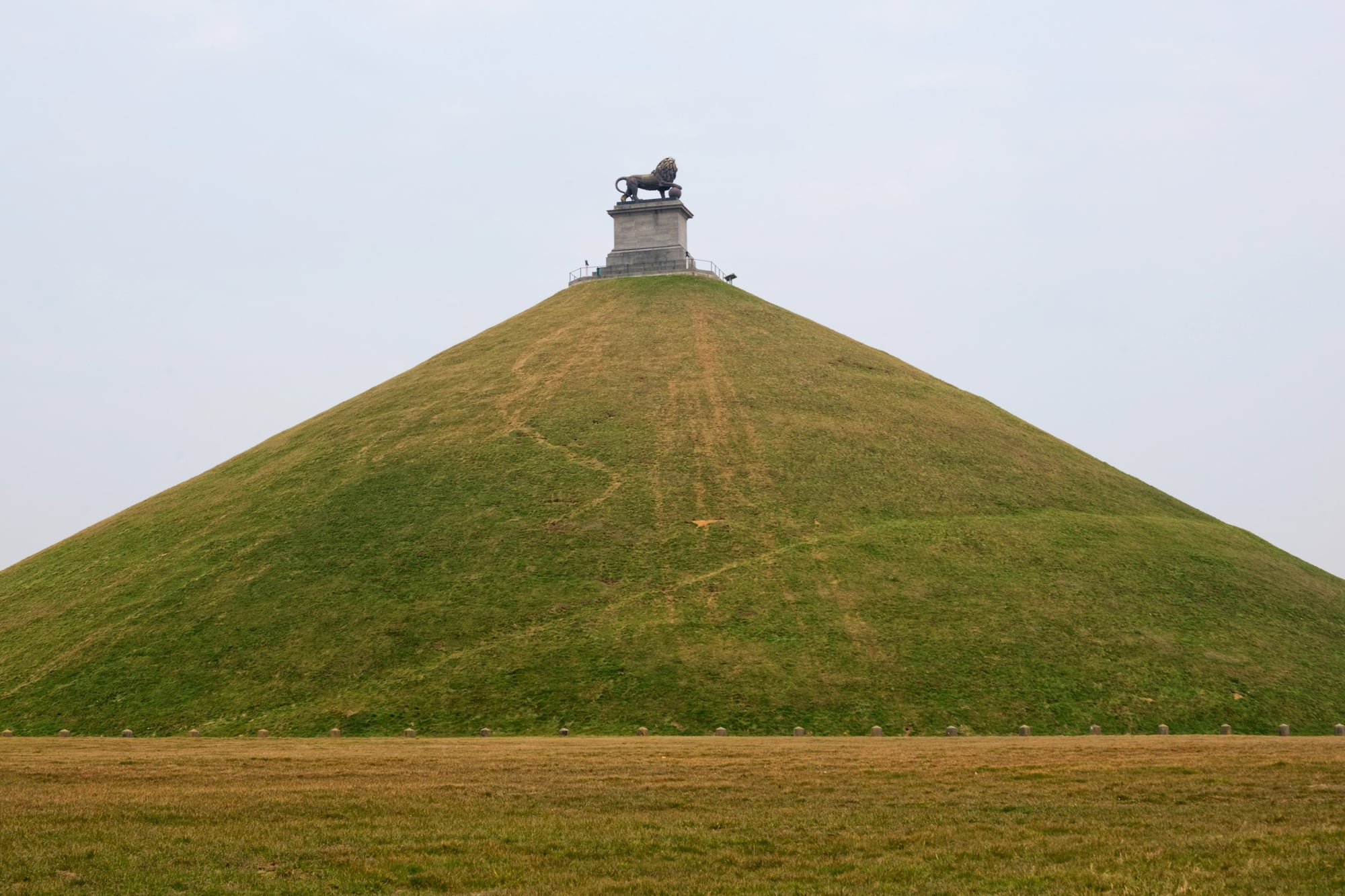
Heavy rains the night before the Battle of Waterloo on June 18, 1815, forced Napoleon to delay his attack until the muddy ground dried enough for cavalry and artillery to maneuver. This delay gave Prussian reinforcements crucial time to reach the battlefield and support Wellington’s forces.
Columbus’s First Voyage

Christopher Columbus nearly turned back during his first Atlantic crossing due to weeks of contrary winds and rough seas that terrified his crew. Severe storms and periods of dead calm left them stranded with dwindling supplies while crew members repeatedly demanded they return to Spain.
The Mayflower’s Landing
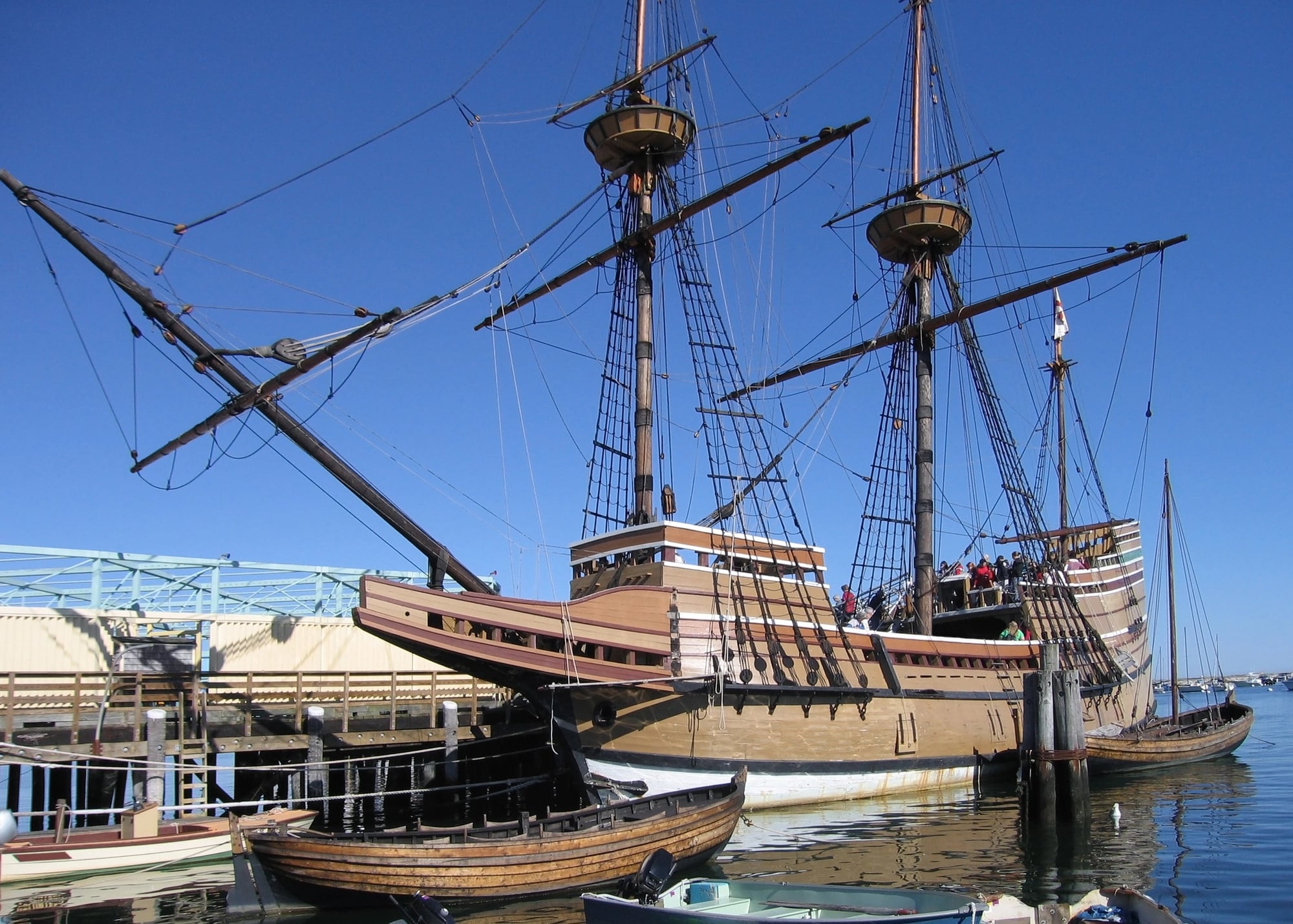
The Pilgrims intended to land in Virginia, but harsh winter storms and treacherous currents forced the Mayflower much farther north to Cape Cod. Attempts to sail south were repeatedly thwarted by dangerous weather, resulting in the unplanned landing at Plymouth Rock in November 1620.
Hitler’s Invasion of Russia

Operation Barbarossa was delayed by unusually heavy spring rains that turned Russian roads into impassable mud. The postponement from May to June 1941 cost the German army crucial weeks before the brutal Russian winter arrived early and trapped them in a prolonged campaign.
The Battle of Agincourt
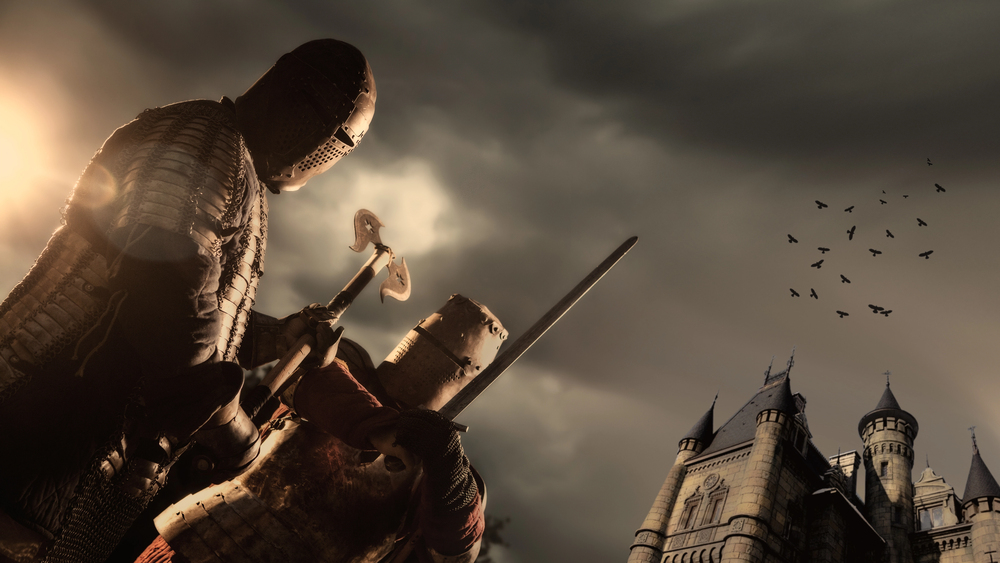
King Henry V’s famous victory over the French in 1415 was shaped by heavy rains that turned the battlefield into a muddy quagmire. The soggy conditions severely hampered heavily armored French knights while English longbowmen remained mobile and effective.
Ernest Shackleton’s Antarctic Expedition
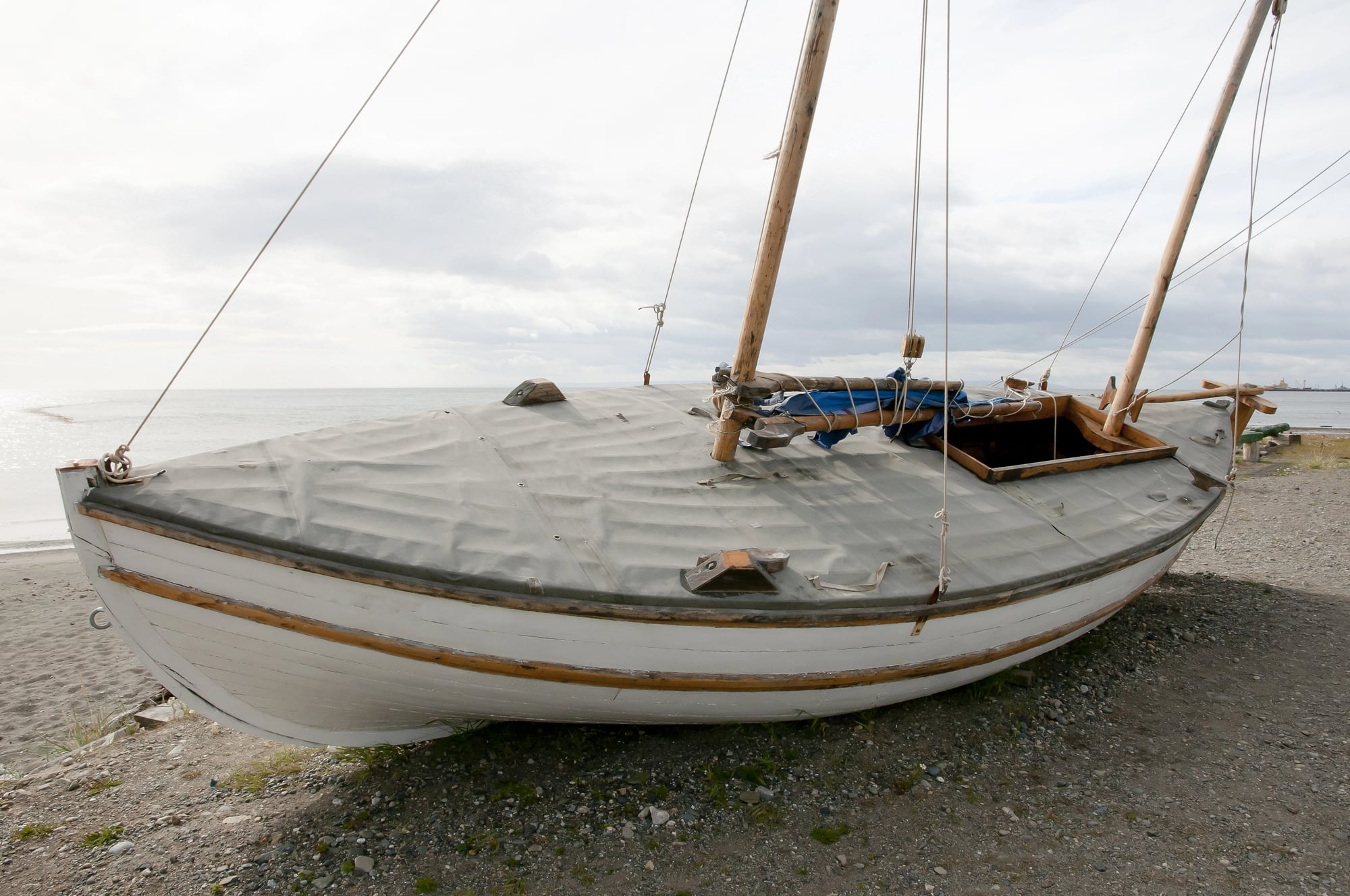
The Endurance expedition became trapped when an unusually severe Antarctic winter froze the Weddell Sea earlier than expected. Shackleton’s ship was crushed by ice floes, stranding the crew for nearly two years in one of exploration’s most extreme survival stories.
The Great Fire of London
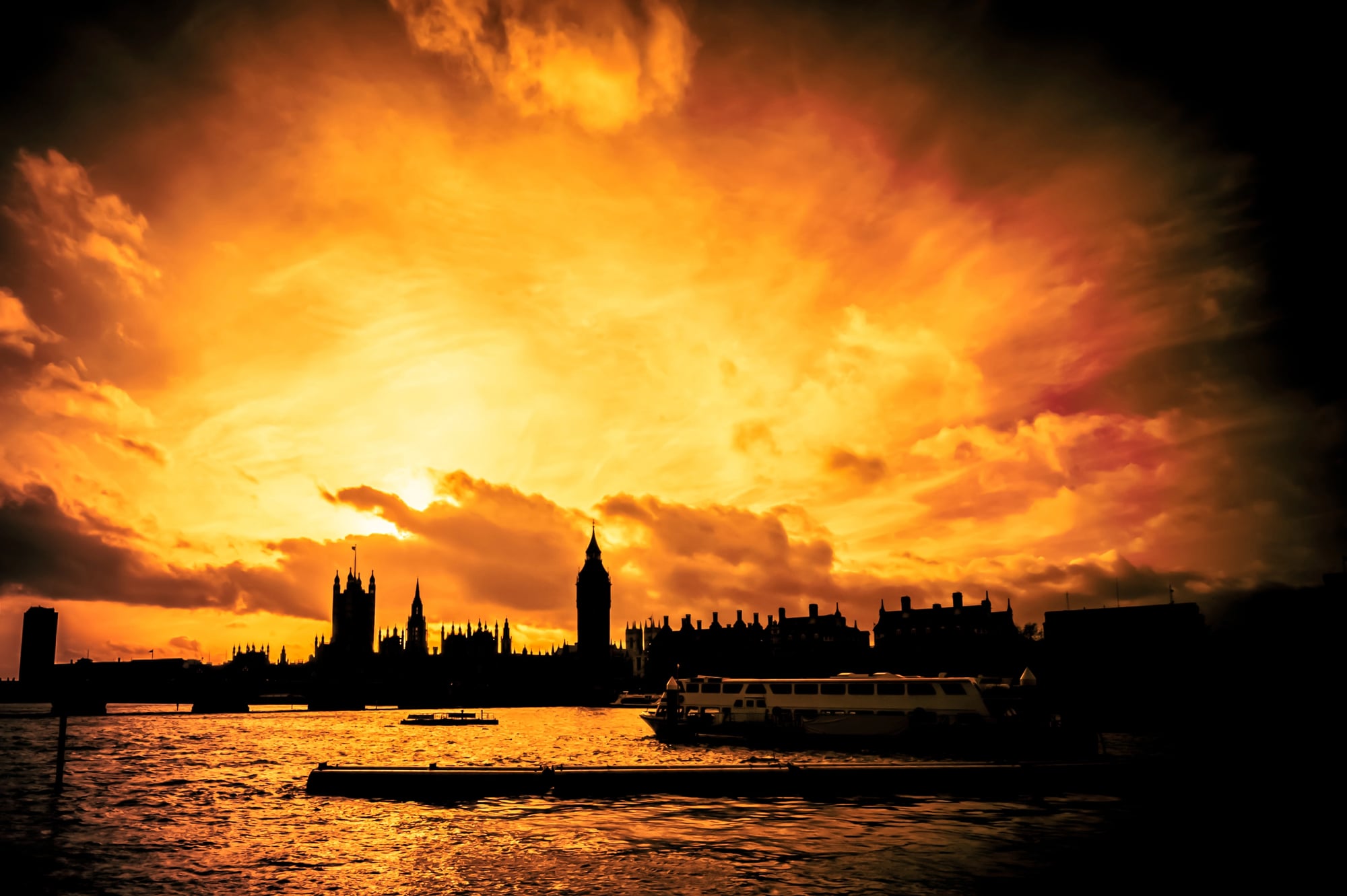
The Great Fire of London in 1666 spread rapidly due to an unusually dry summer followed by strong easterly winds that fanned the flames. Only when the wind finally died down after four days could firefighters bring the massive blaze under control.
Magellan’s Pacific Crossing
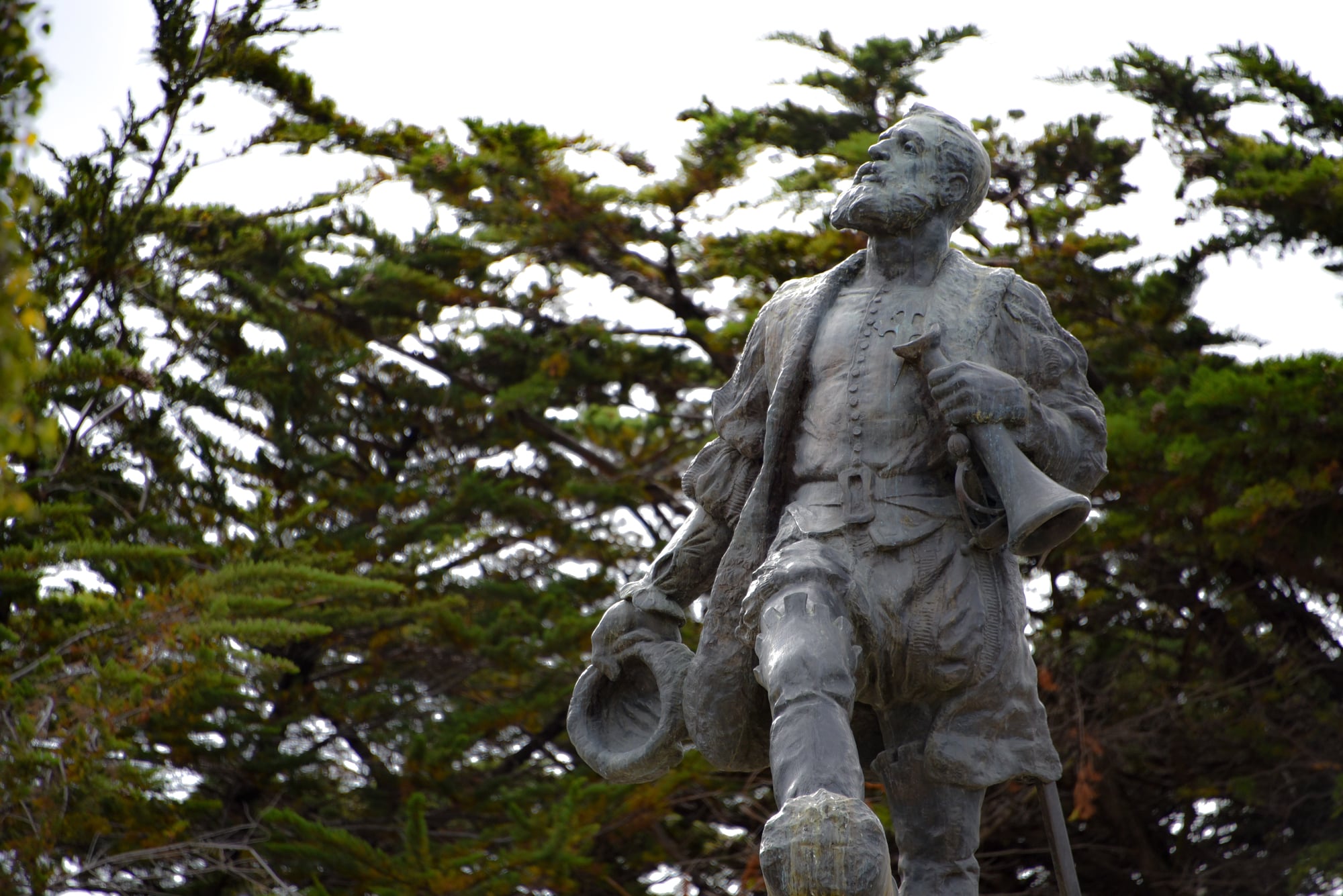
Ferdinand Magellan’s expedition faced starvation when unexpected calm weather stranded them in the Pacific Ocean for weeks without wind. The prolonged calm consumed their food supplies during an unexpectedly long voyage across what Magellan ironically named the ‘peaceful’ ocean.
The Battle of Hastings

William the Conqueror’s invasion of England in 1066 was delayed for weeks by contrary winds that prevented his fleet from crossing the English Channel. When favorable winds finally allowed the crossing, Harold was distracted by a separate invasion in the north.
Lewis and Clark Expedition
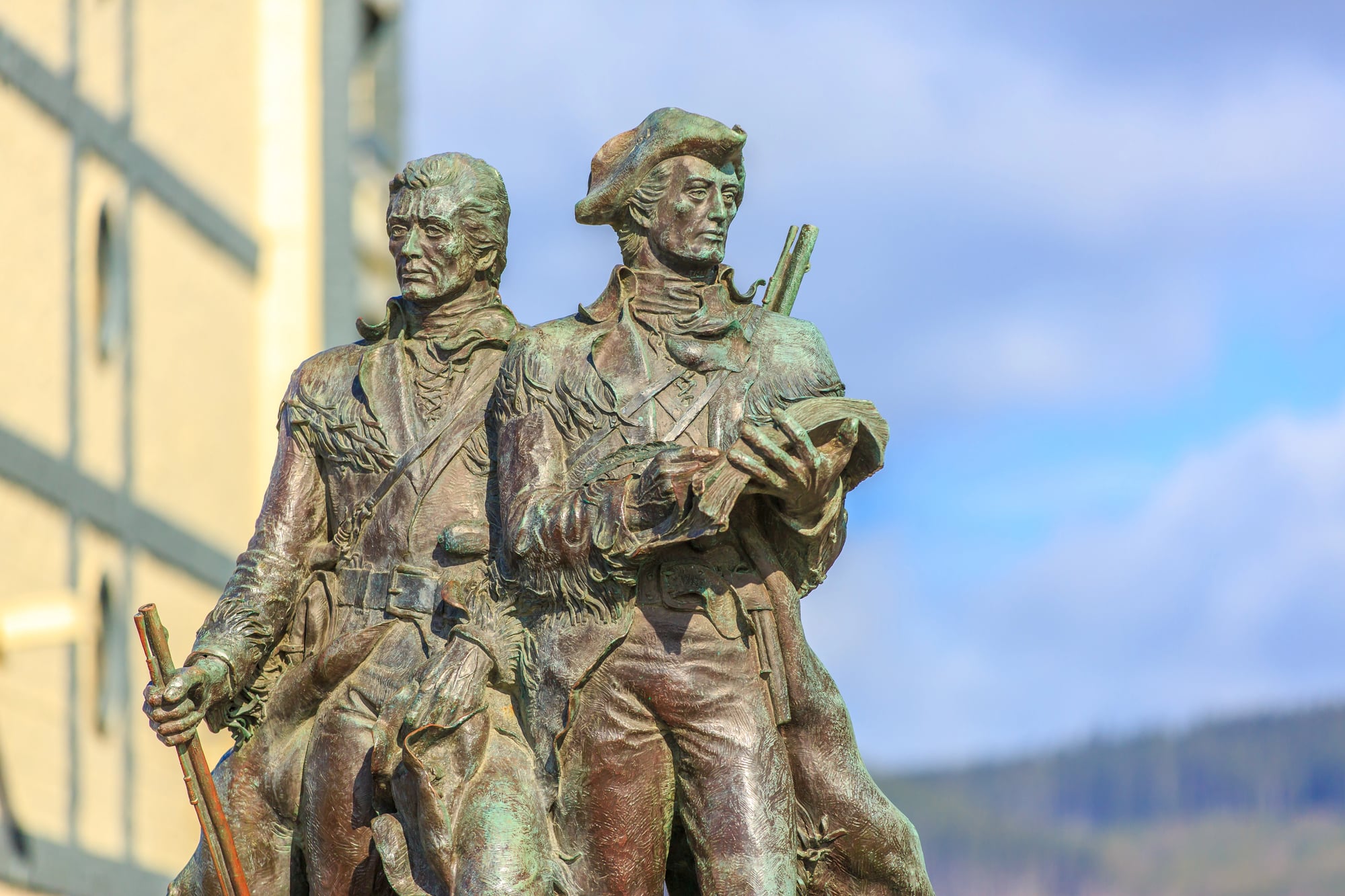
The Corps of Discovery faced a potentially expedition-ending crisis when early winter trapped them in the Rocky Mountains with inadequate supplies. Heavy snows blocked mountain passes until Shoshone guides showed them alternate routes through the mountains.
The Dust Bowl Migration
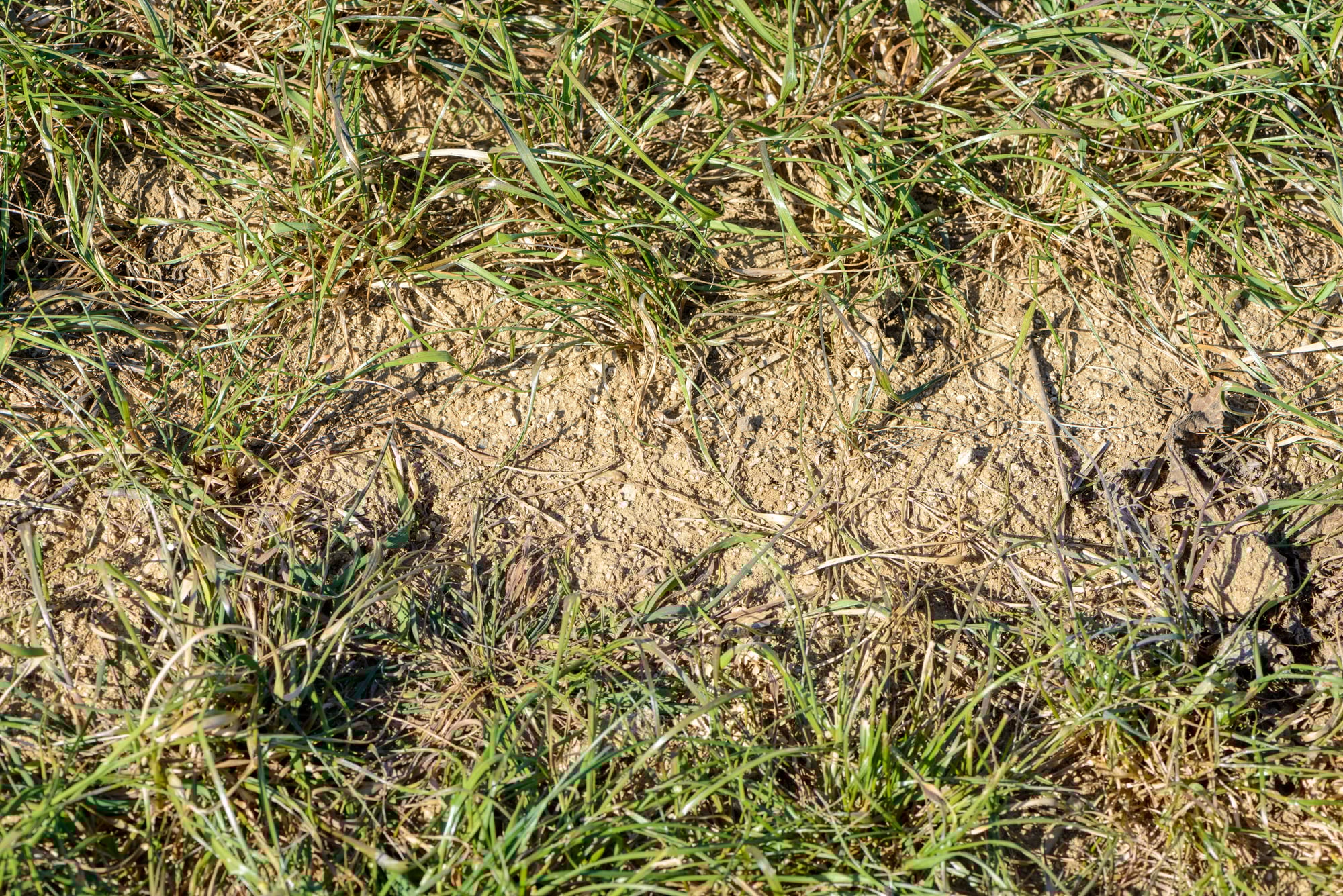
The severe drought and dust storms of the 1930s triggered one of the largest internal migrations in American history. Massive dust storms made farming impossible across the Great Plains, forcing hundreds of thousands of families to abandon their homes and head west.
When Nature Writes History
These weather-altered events remind us that human ambition, no matter how grand or well-planned, remains subject to forces beyond our control. Storms, droughts, and unexpected temperature swings have redirected the course of empires, changed the outcomes of wars, and sent explorers to entirely different destinations than they intended.
While we often focus on the decisions of great leaders and the courage of ordinary people, the weather lurking in the background has quietly influenced more historical outcomes than most of us realize. The next time a storm disrupts your plans, remember that you’re in good company—weather has been inconveniencing humans at the worst possible moments for thousands of years.
More from Go2Tutors!

- The Romanov Crown Jewels and Their Tragic Fate
- 13 Historical Mysteries That Science Still Can’t Solve
- Famous Hoaxes That Fooled the World for Years
- 15 Child Stars with Tragic Adult Lives
- 16 Famous Jewelry Pieces in History
Like Go2Tutors’s content? Follow us on MSN.