15 Lost Cities That Were Found Again
Throughout history, entire civilizations have vanished from human memory, swallowed by jungles, buried under sand, or simply forgotten as empires rose and fell. These weren’t just small settlements—many were thriving metropolises with thousands of inhabitants, grand architecture, and sophisticated cultures. For centuries, they existed only in myths, ancient texts, or local legends that most scholars dismissed as fantasy.
Here are 15 lost cities that archaeologists eventually dragged back into the light, proving that sometimes the most incredible stories turn out to be true.
Troy
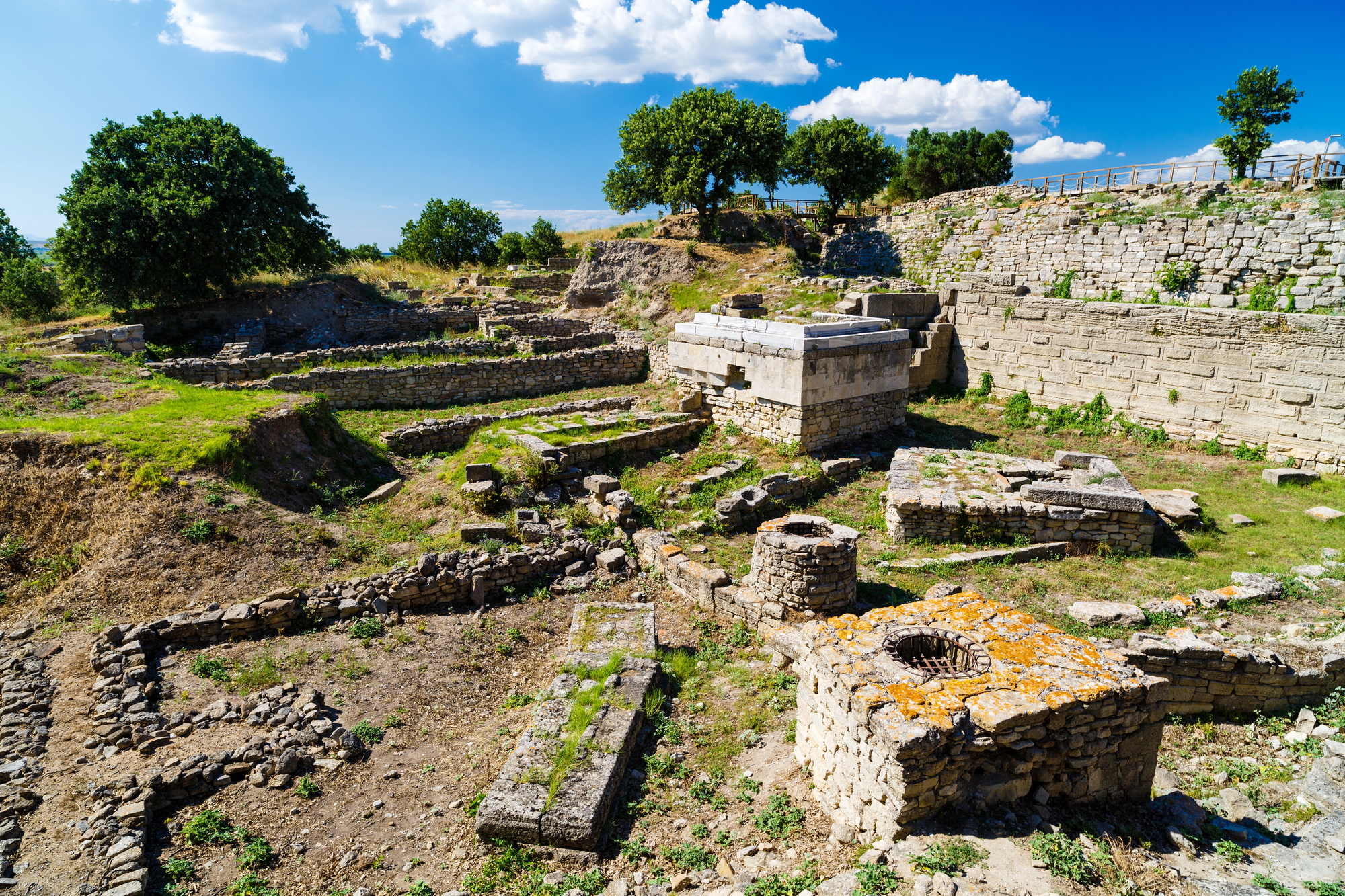
For nearly 3,000 years, most people thought Troy was just a figment of Homer’s imagination from the Iliad. The legendary city where the Trojan War supposedly took place seemed too mythical to be real.
German businessman Heinrich Schliemann had other ideas and started digging in northwestern Turkey in 1870. He found not just one ancient city, but nine different layers of settlements built on top of each other over thousands of years.
While scholars still debate which layer might be Homer’s Troy, Schliemann proved that a real city existed where the epic poem said it should be.
Pompeii
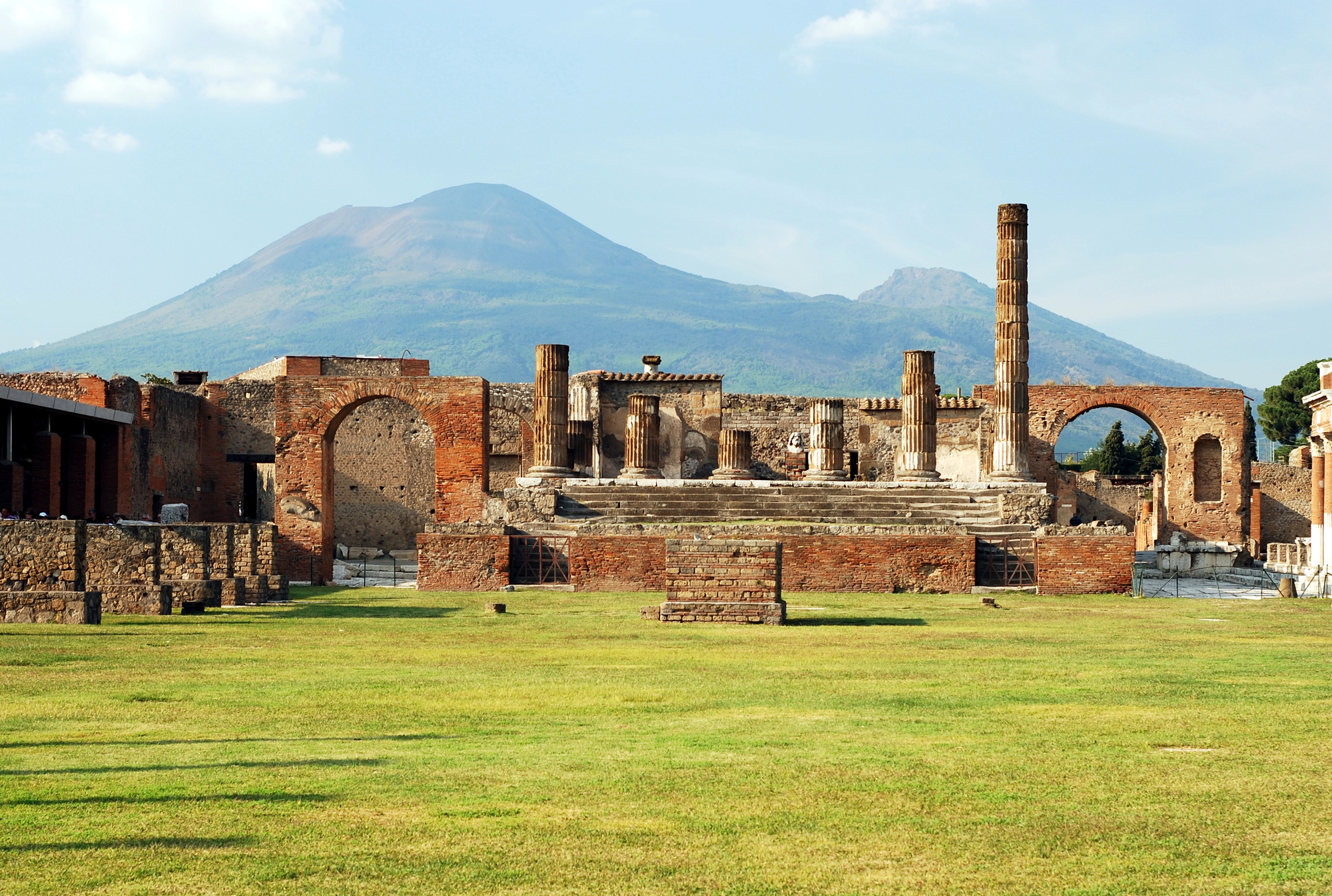
Mount Vesuvius buried Pompeii under volcanic ash in 79 AD, preserving it like a snapshot frozen in time. The city stayed hidden for over 1,500 years until workers digging a new course for a river stumbled across ancient walls in 1599.
Systematic excavation didn’t begin until 1748, revealing an incredibly well-preserved Roman city complete with buildings, artwork, and even the final moments of its citizens captured in ash. Pompeii became one of archaeology’s greatest treasures, showing us exactly how Romans lived, worked, and died in the first century.
Like Go2Tutors’s content? Follow us on MSN.
Machu Picchu
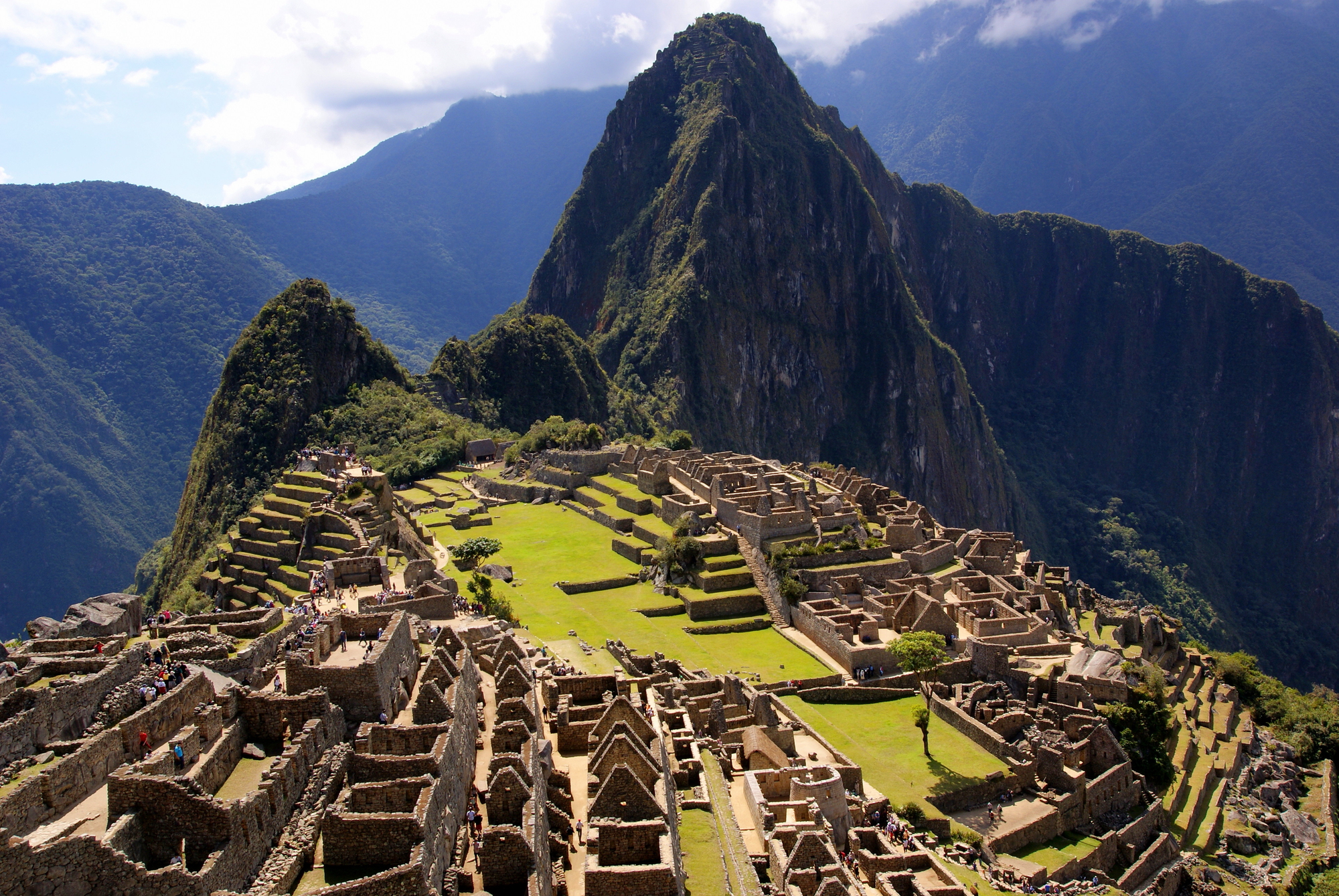
This spectacular Inca citadel perched high in the Andes Mountains was never actually lost to local people—they always knew it was there. American historian Hiram Bingham brought it to international attention in 1911 when he was searching for Vilcabamba, the legendary last stronghold of the Inca resistance.
Instead, he found this remarkably preserved city that had been abandoned around 1572 during the Spanish conquest. The site’s remote location and the fact that Spanish conquistadors never found it helped preserve Machu Picchu’s stunning architecture and mysterious purpose.
Angkor

The massive temple complex of Angkor in Cambodia was built by the Khmer Empire between the 9th and 15th centuries, but it was gradually abandoned and swallowed by the jungle. French explorer Henri Mouhot didn’t discover it in 1860—local people never forgot about it—but he did bring it to Western attention with his detailed descriptions and drawings.
The site includes the famous Angkor Wat temple, along with dozens of other structures spread across more than 150 square miles. Recent technology has revealed that Angkor was once the world’s largest pre-industrial settlement, supporting over a million people.
Petra
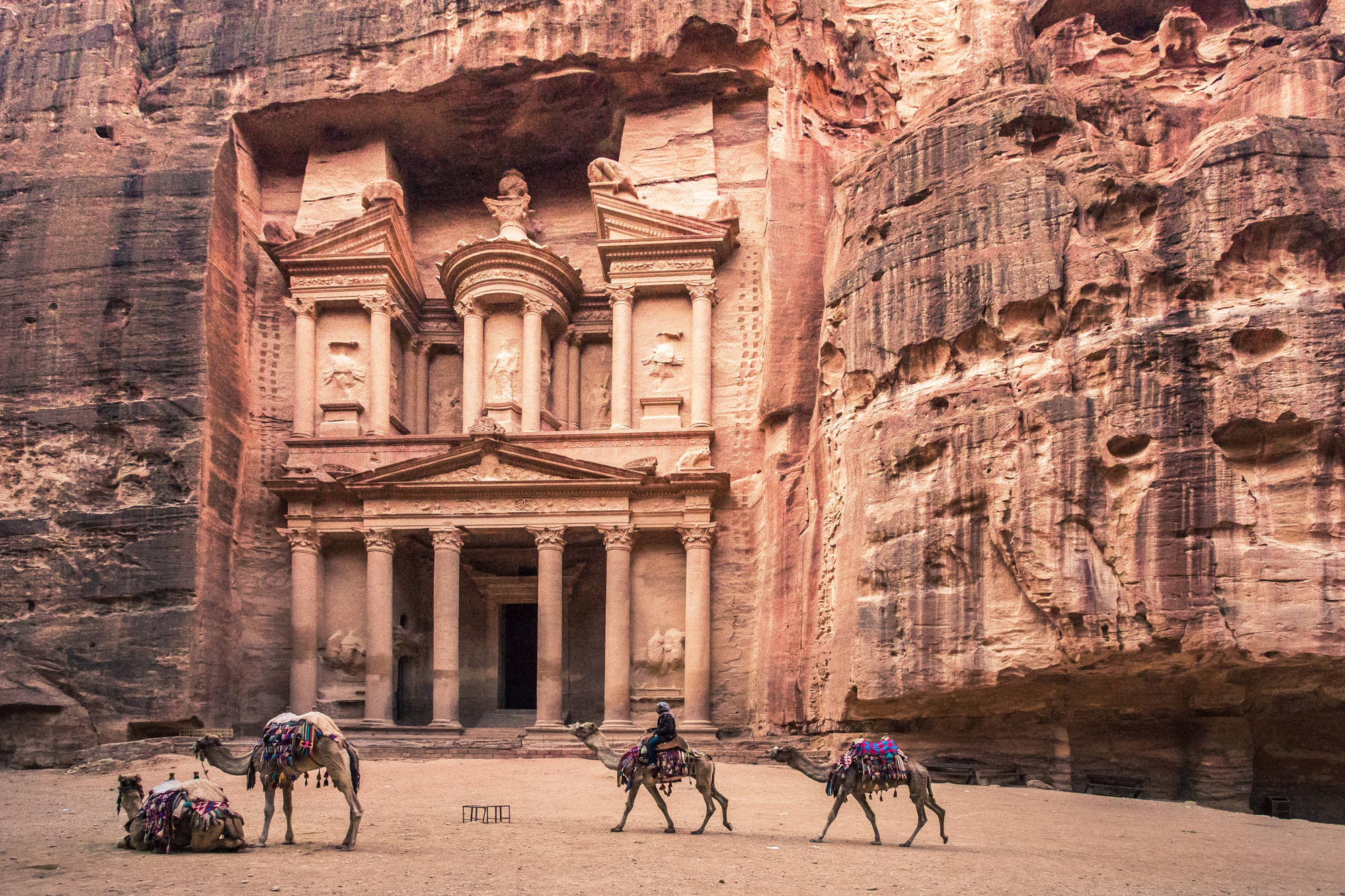
This stunning city carved directly into red sandstone cliffs in Jordan was the capital of the Nabataean Kingdom from around 300 BC. After the Romans took control and trade routes shifted, Petra gradually declined and was eventually abandoned around the 7th century AD.
Swiss explorer Johann Ludwig Burckhardt rediscovered it for the Western world in 1812, disguised as a Muslim pilgrim to avoid suspicion from local tribes. The city’s most famous structure, the Treasury, was carved from a single piece of rock and still takes visitors’ breath away today.
Like Go2Tutors’s content? Follow us on MSN.
Mesa Verde
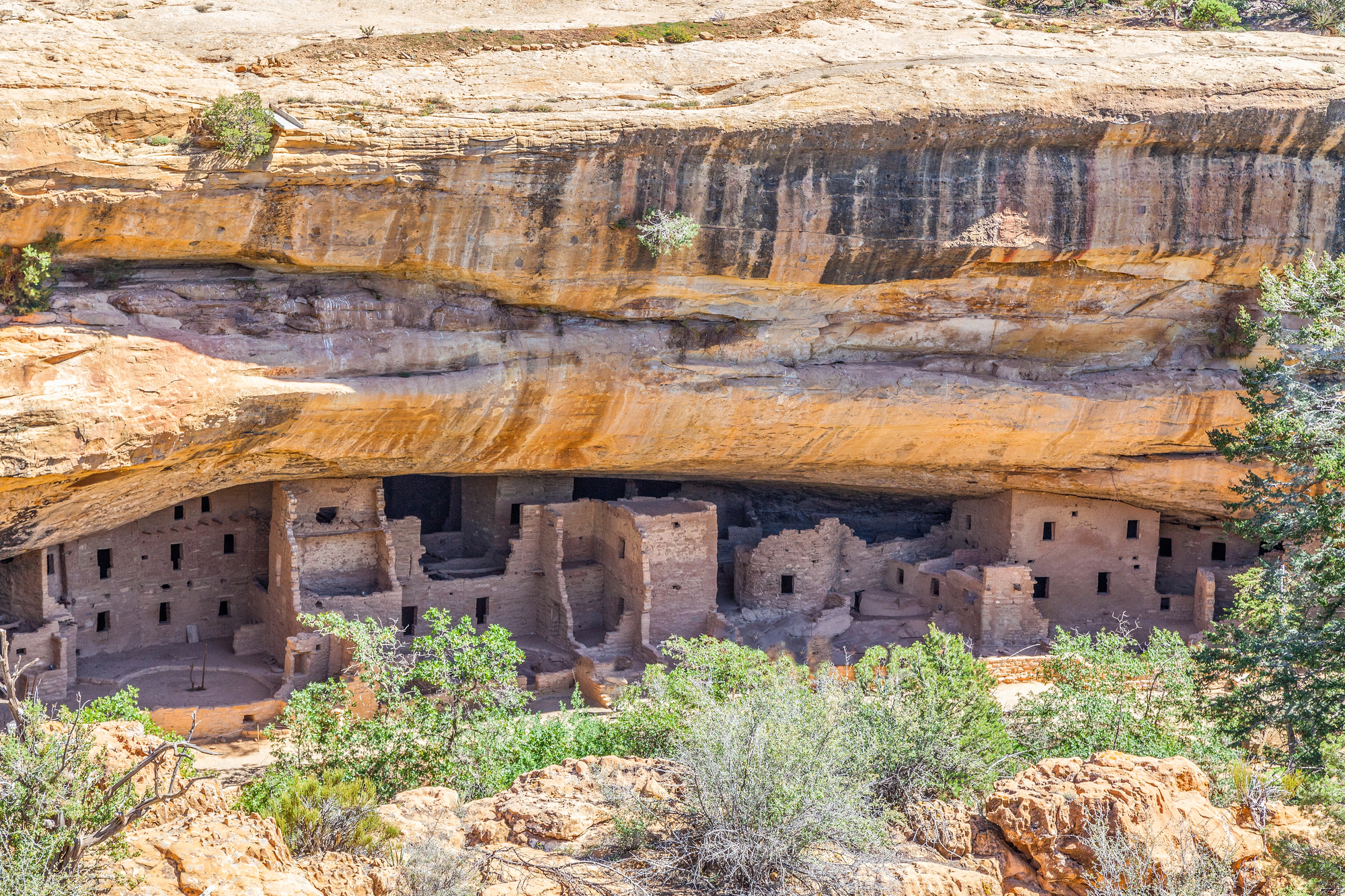
Native American cliff dwellings in southwestern Colorado were built by the Ancestral Puebloans between 600 and 1300 AD, then mysteriously abandoned. Local Ute people knew about these ruins, but they didn’t become widely known until ranchers Richard Wetherill and Charlie Mason were searching for stray cattle in 1888.
They stumbled across the spectacular Cliff Palace, a complex of over 150 rooms built into a natural cave in the cliff face. The site preserves some of the best examples of ancient architecture in North America, showing the sophisticated engineering skills of its builders.
Great Zimbabwe
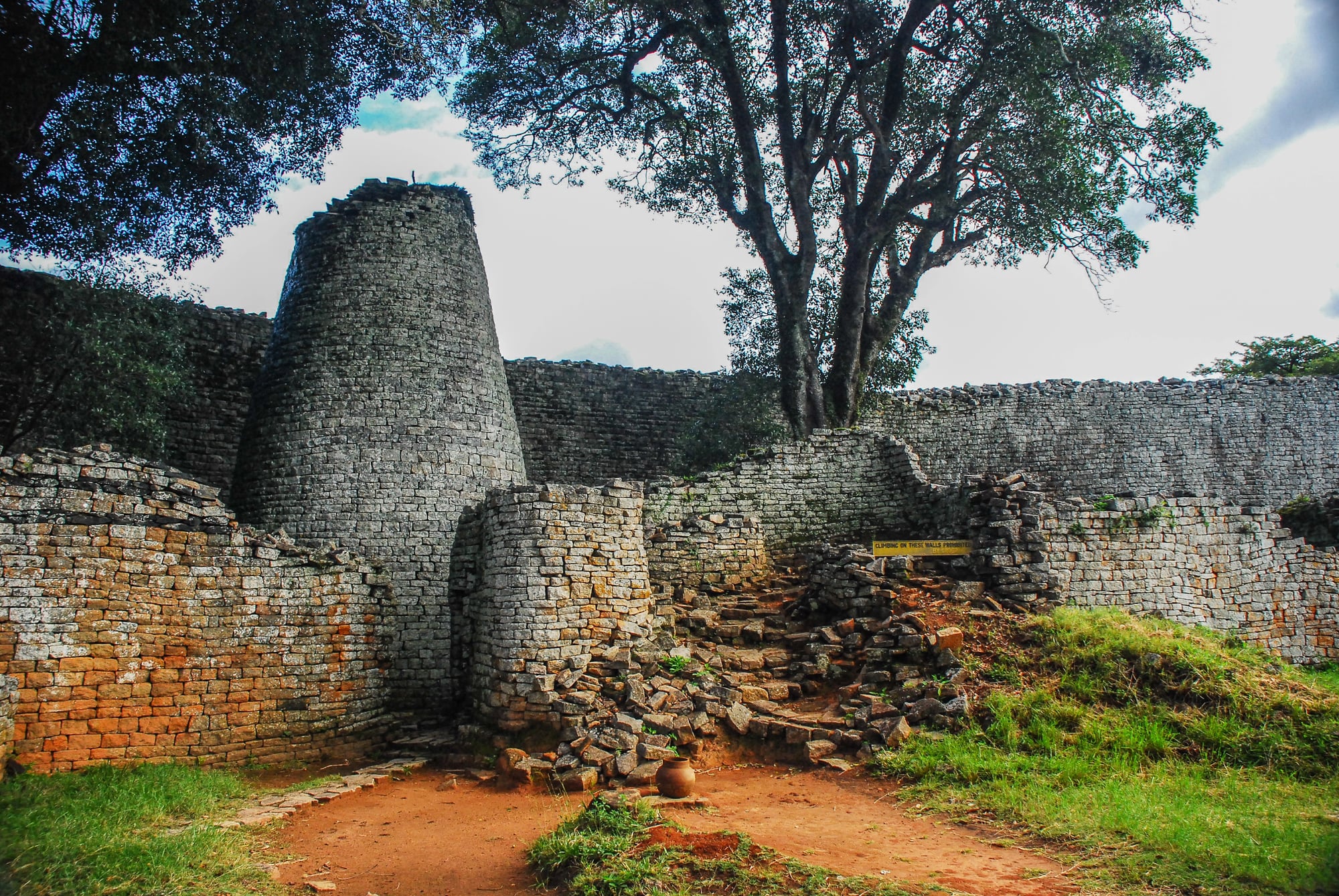
This massive stone city in southern Africa was built between the 11th and 15th centuries, featuring impressive walls constructed without mortar. European colonizers couldn’t believe that Africans had built such sophisticated structures, so they attributed it to ancient Phoenicians or other non-African civilizations.
German explorer Karl Mauch brought it to European attention in 1871, but it took decades of archaeological work to prove that local Shona people had indeed created this remarkable city. The site gave its name to the modern country of Zimbabwe and stands as testament to Africa’s rich architectural heritage.
Cahokia
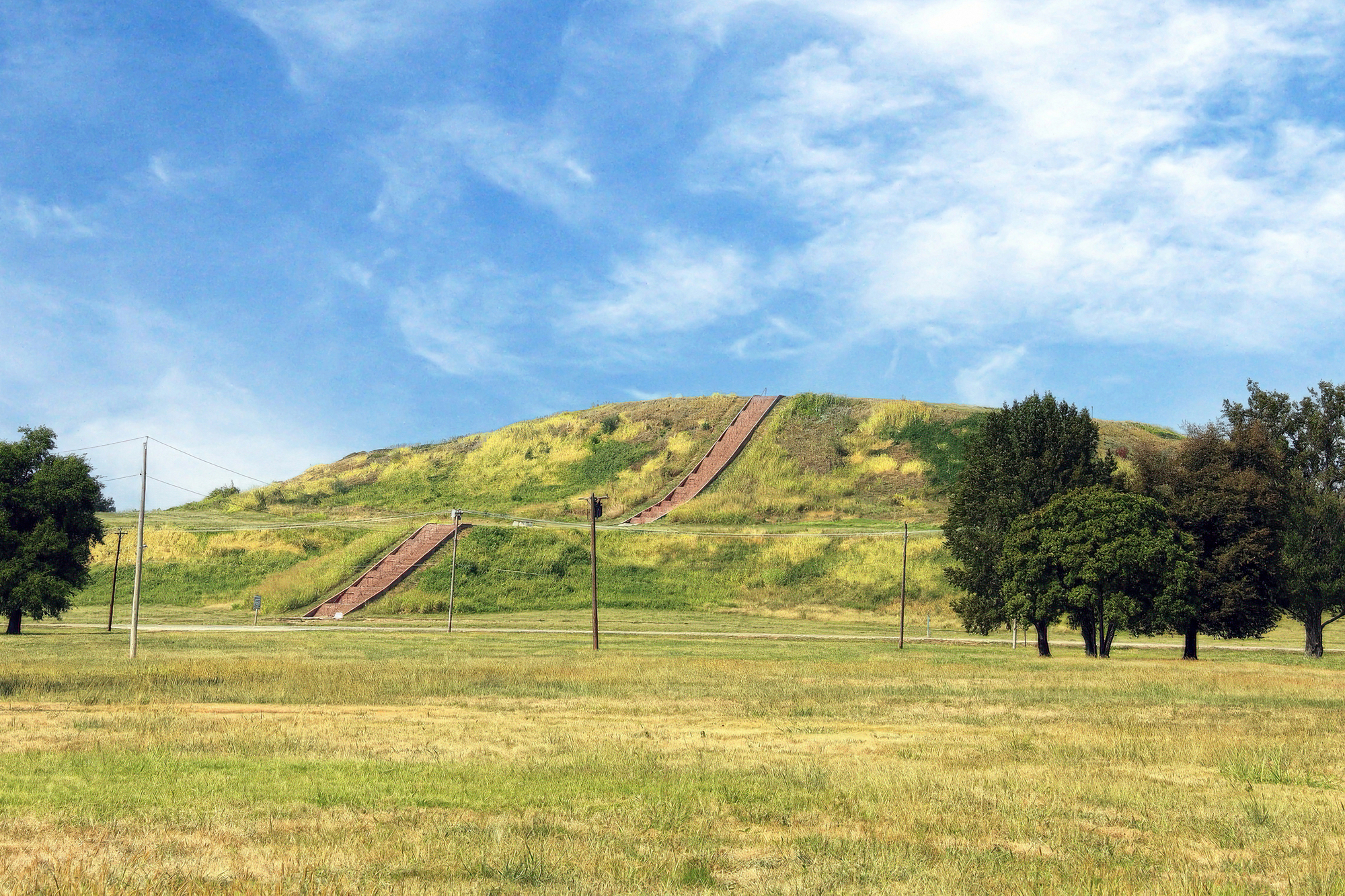
Near present-day St. Louis, Missouri, stood the largest prehistoric settlement north of Mexico, with a population that may have reached 20,000 people around 1100 AD. The city featured massive earthen mounds, including Monks Mound, which is still the largest prehistoric earthwork in the Americas.
This 9,000-year-old settlement in Turkey is one of the world’s oldest cities, dating back to around 7500 BC. The site was completely unknown until British archaeologist James Mellaart discovered it in 1958.
French explorers in the 1600s found only empty mounds and attributed them to some unknown ancient race. Archaeological work beginning in the 1960s revealed that this was a sophisticated Native American city that rivaled medieval London in size and complexity.
Like Go2Tutors’s content? Follow us on MSN.
Çatalhöyük
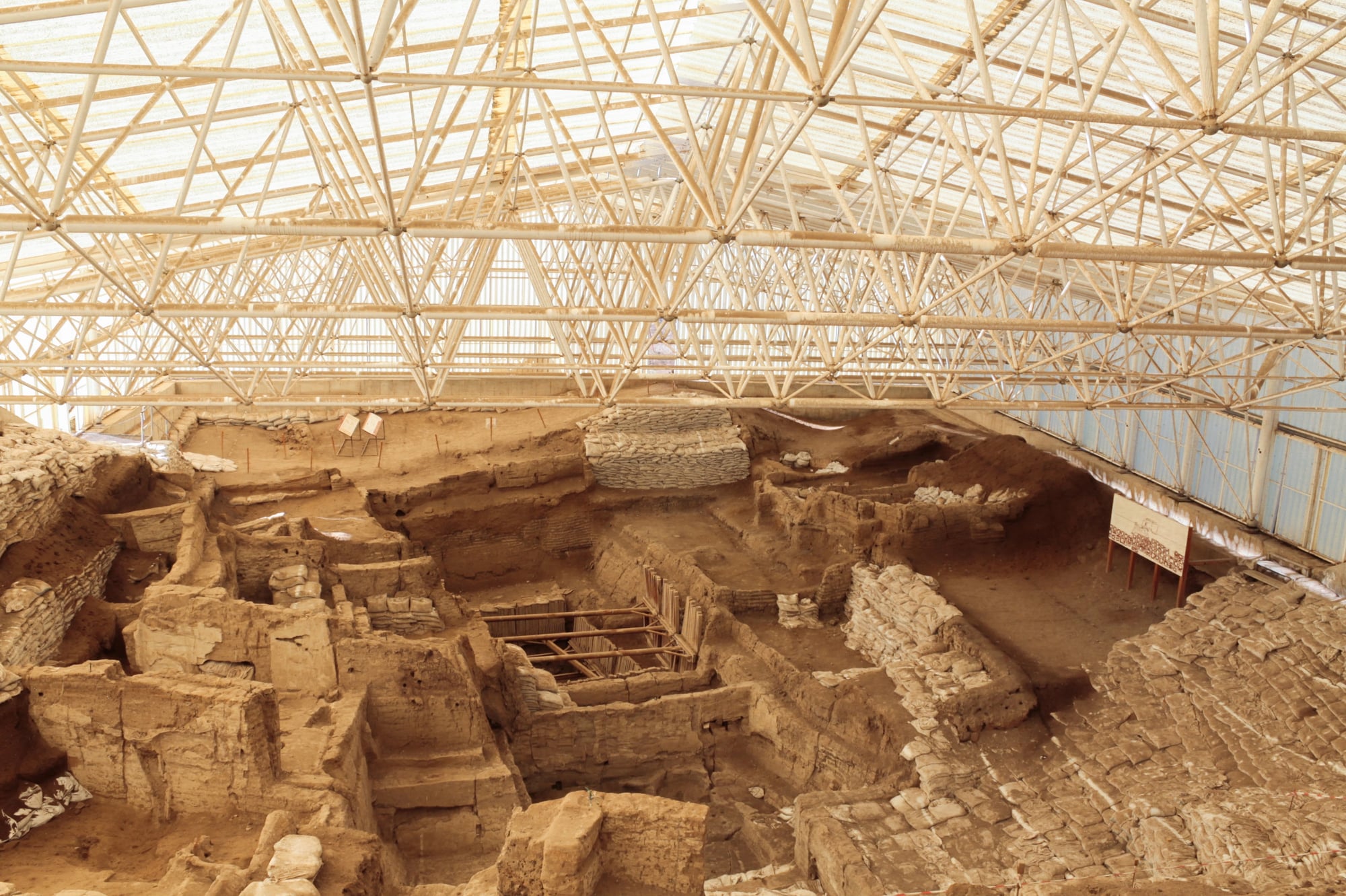
What makes Çatalhöyük unique is its urban planning—houses were built right next to each other with no streets, and people entered their homes through the roof. The city provides incredible insights into early agricultural societies and features some of the world’s oldest known wall paintings and sculptures.
Akrotiri
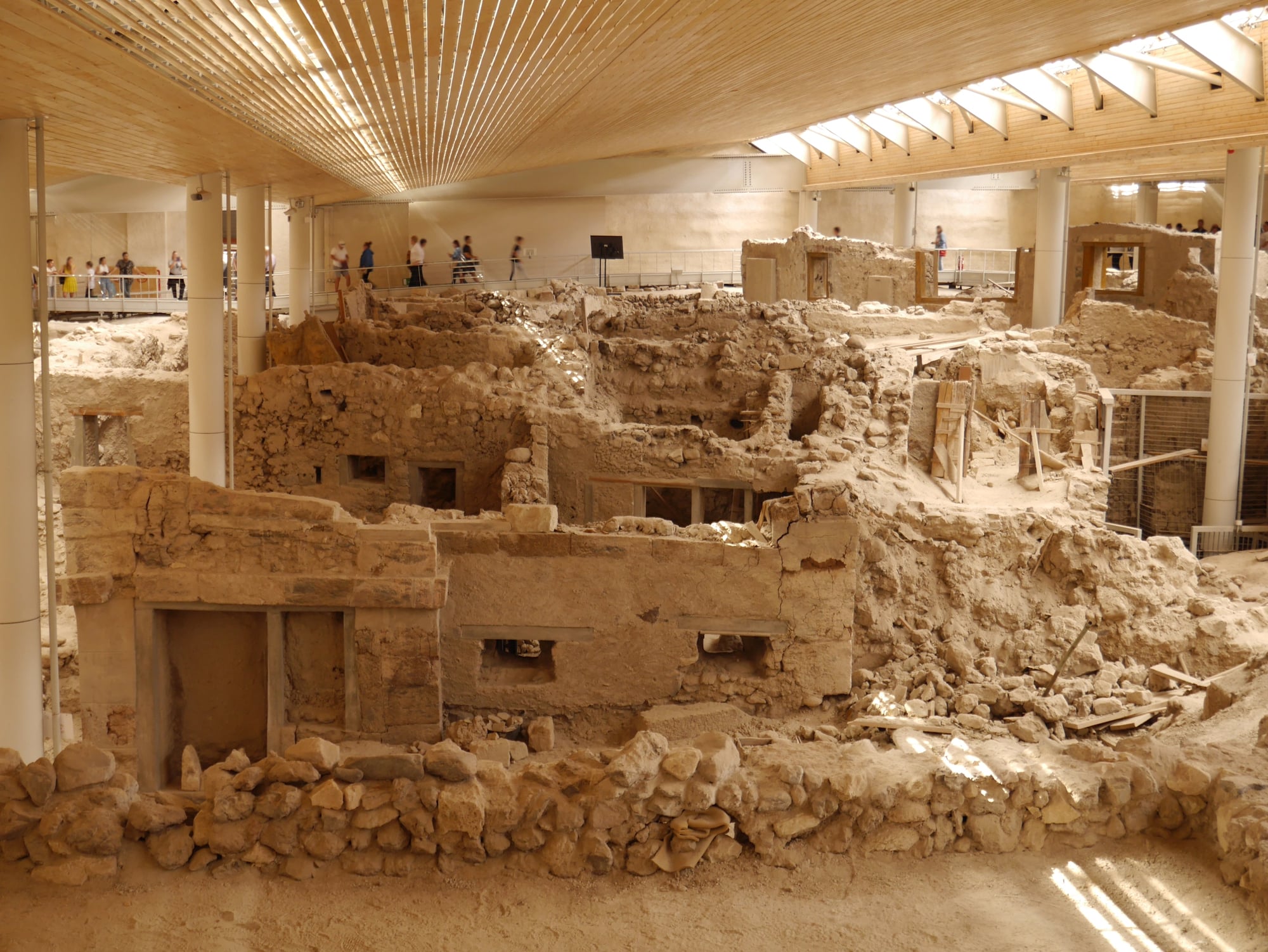
This Bronze Age city on the Greek island of Santorini was buried under volcanic ash around 1600 BC, similar to what happened to Pompeii much later. The volcanic eruption preserved the city so well that archaeologists have found multi-story buildings, advanced plumbing systems, and colorful frescoes still intact.
Greek archaeologist Spyridon Marinatos began excavating the site in 1967, revealing a sophisticated Minoan civilization that had been completely forgotten. Some scholars think Akrotiri might have inspired Plato’s stories about the lost continent of Atlantis.
Tikal
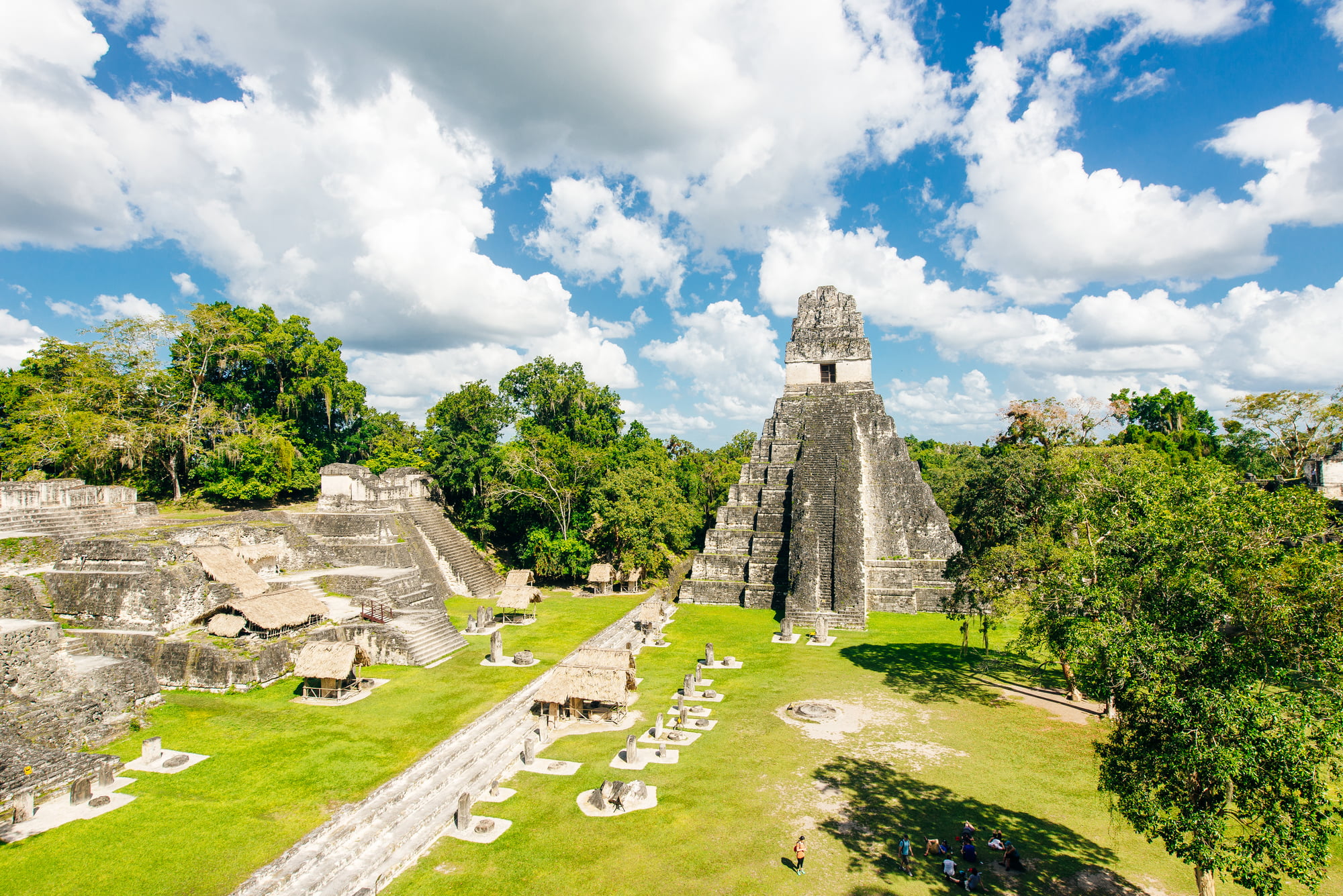
Deep in the rainforests of Guatemala, this massive Maya city was one of the largest urban centers in the pre-Columbian Americas. The city flourished from about 600 BC to 900 AD, then was gradually abandoned and swallowed by the jungle.
Guatemalan government expedition officially rediscovered it in 1848, though local people had always known about the ruins. The site features towering pyramids that rise above the forest canopy, including Temple of the Grand Jaguar, which stands over 150 feet tall.
Like Go2Tutors’s content? Follow us on MSN.
Mohenjo-daro
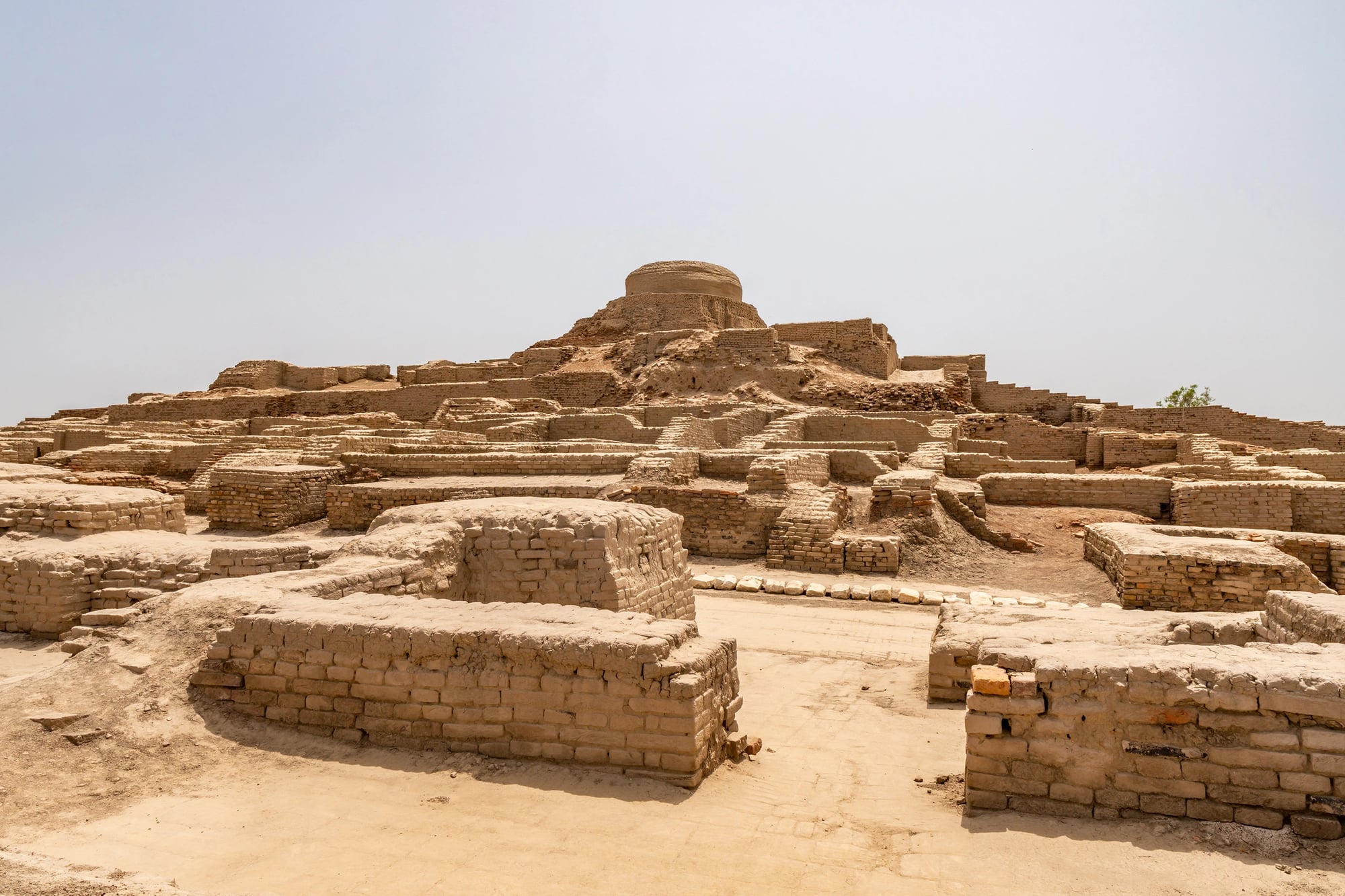
This 4,500-year-old city in Pakistan was part of the Indus Valley Civilization, one of the world’s earliest urban civilizations. The site was completely unknown until 1922, when British archaeologist John Marshall began excavations there.
What amazed researchers was the city’s advanced urban planning—it had a sophisticated drainage system, public baths, and streets laid out in a grid pattern. Mohenjo-daro shows that urban civilization developed independently in the Indus Valley at roughly the same time as in Mesopotamia and Egypt.
Leptis Magna
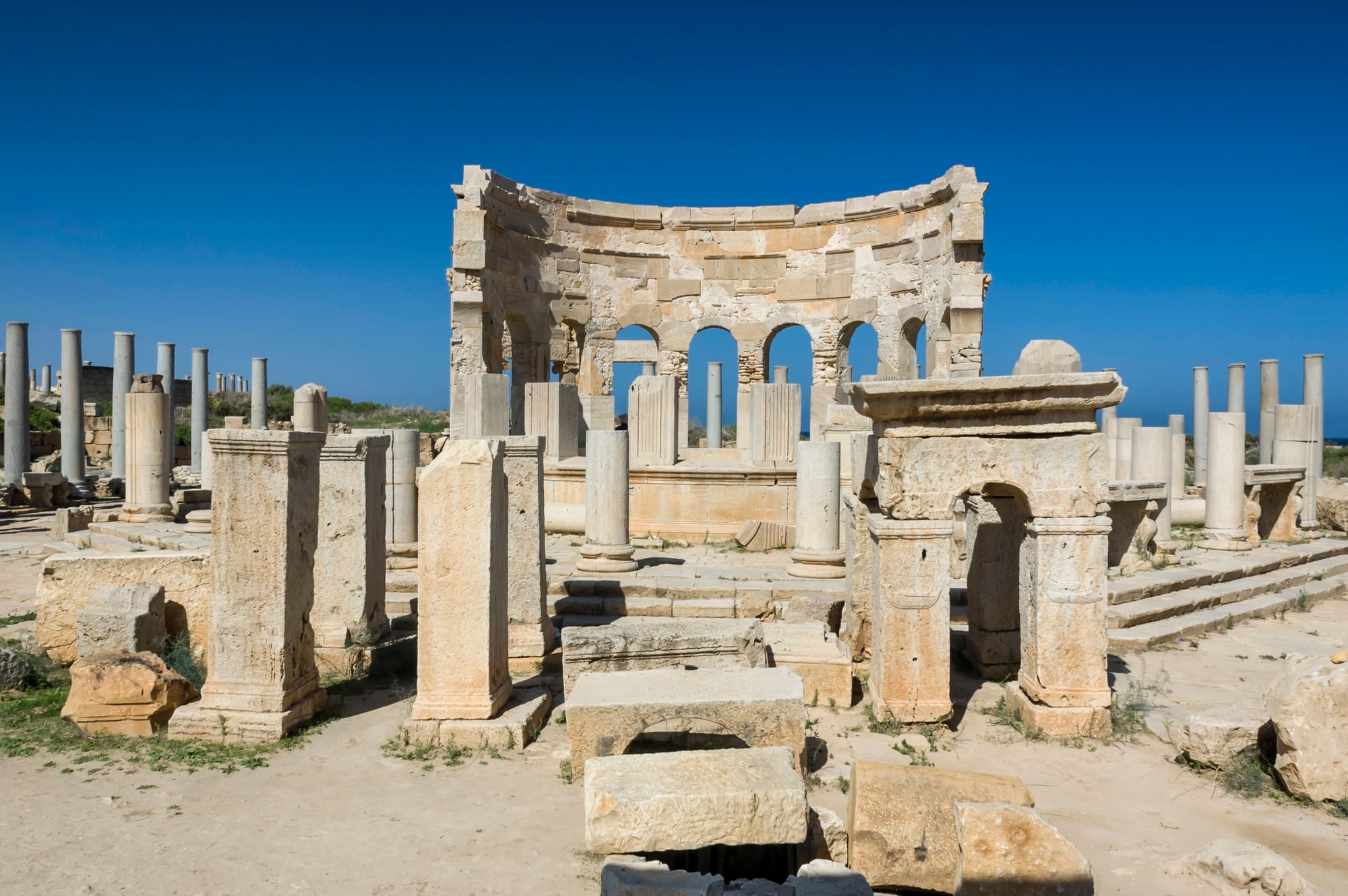
This Roman city in Libya was once one of the most beautiful cities in the Roman Empire, featuring stunning architecture and grand public buildings. After the Arab conquest in the 7th century, the city was gradually abandoned and buried by sand dunes.
Italian archaeologists began serious excavation work in the 1920s, uncovering remarkably well-preserved Roman structures. The dry desert climate helped preserve intricate mosaics, marble columns, and even wooden beams that would have rotted away in most other environments.
Ani
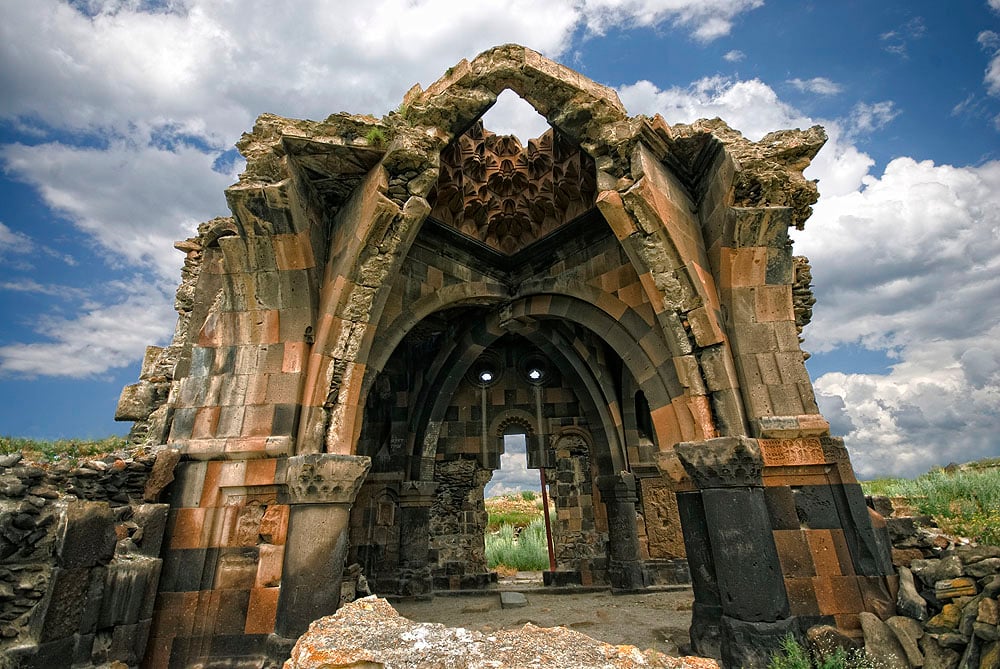
Known as the ‘City of 1,001 Churches,’ Ani was the capital of medieval Armenia and one of the world’s largest cities in the 11th century, with a population of around 200,000 people. The city was gradually abandoned after earthquakes, invasions, and changing trade routes led to its decline.
French archaeologist Nicholas Marr brought it back to scholarly attention in the 1890s with systematic excavations. Today, the ruins sit in a restricted military zone on the Turkish-Armenian border, making it one of the most inaccessible archaeological sites in the world.
Like Go2Tutors’s content? Follow us on MSN.
Heracleion
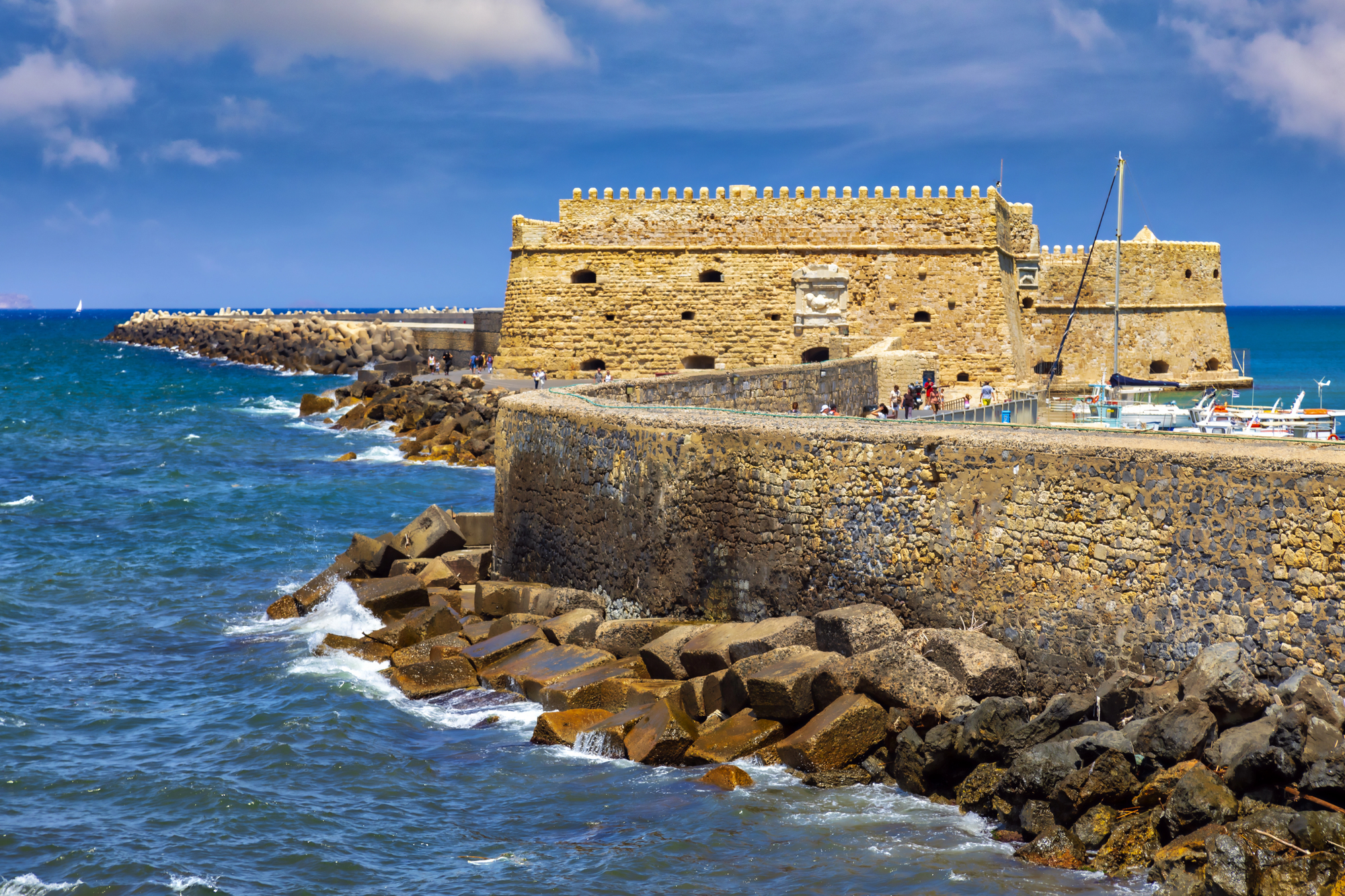
This ancient Egyptian city spent over 1,000 years completely underwater in the Mediterranean Sea near Alexandria. The city was a major port during Pharaonic times but sank into the sea around the 8th century AD due to earthquakes and rising sea levels.
French marine archaeologist Franck Goddio discovered it in 2000 using advanced underwater survey equipment. The submerged city has yielded incredible treasures, including giant statues, gold coins, and even ancient ships preserved in the sea floor.
When the Past Refuses to Stay Buried
These rediscovered cities remind us that human civilization is far more ancient and sophisticated than we often realize. Each site has rewritten our understanding of history, showing that complex urban societies existed thousands of years earlier than scholars once believed.
What’s remarkable is how many of these places were hiding in plain sight—local people often knew about the ruins, but it took outside archaeologists to recognize their true significance. As technology advances and we explore more remote corners of the world, there’s no telling what other lost cities are still waiting to be found again.
More from Go2Tutors!

- 18 Unexpectedly Valuable Collectibles You Might Have Lying Around
- 20 Little-Known Historical Battles That Had Huge Consequences
- 20 Historical Artifacts That Scientists Can’t Explain
- 15 Inventions That Were Immediately Banned After Being Created
- 20 Actors Who Were Almost Cast in Iconic Roles
Like Go2Tutors’s content? Follow us on MSN.