Garage Sale Items from the ’80s That Collectors Will Pay Top Dollar For
Remember the thrill of Saturday morning garage sales? Walking through neighborhoods, coffee in hand, hoping to stumble across something special hiding between stacks of old magazines and forgotten kitchen gadgets. These days, those same dusty treasures from three decades ago could be worth more than you ever imagined.
The items people casually donated or sold for pocket change in the ’80s have become the holy grail for collectors willing to pay serious money.
Cabbage Patch Kids

The hysteria was real. Parents literally fought in toy store aisles over these soft-bodied dolls with their distinctive faces and birth certificates.
What seemed like a fleeting craze turned into something much bigger. Original Cabbage Patch Kids from 1983-1984 (especially those made by Coleco) can fetch anywhere from $500 to $2,000 today.
The ones still in their original boxes? Those numbers climb even higher. Collectors obsess over specific features—hair color, eye color, even the signature on the birth certificate matters.
Nintendo Entertainment System
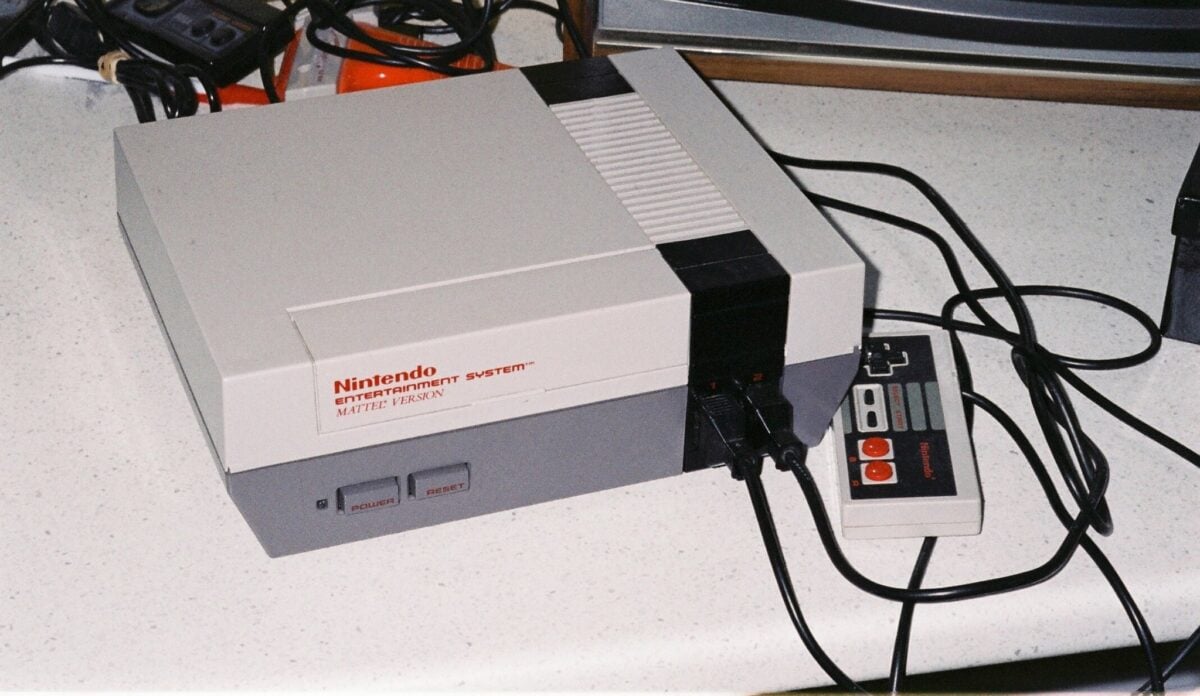
Nintendo saved video gaming from total collapse in America, and collectors remember that debt. The original gray NES console, complete with controllers and the Super Mario Bros.
Duck Hunt cartridge sells for $200-400 in working condition. But here’s where it gets interesting: certain game cartridges from that era are worth more than the console itself.
Stadium Events, a track and field game that was quickly pulled from shelves, sold for over $40,000 at auction. Even common games like The Legend of Zelda or Metroid can bring in $50-100 each if they’re in good shape.
Transformers Action Figures
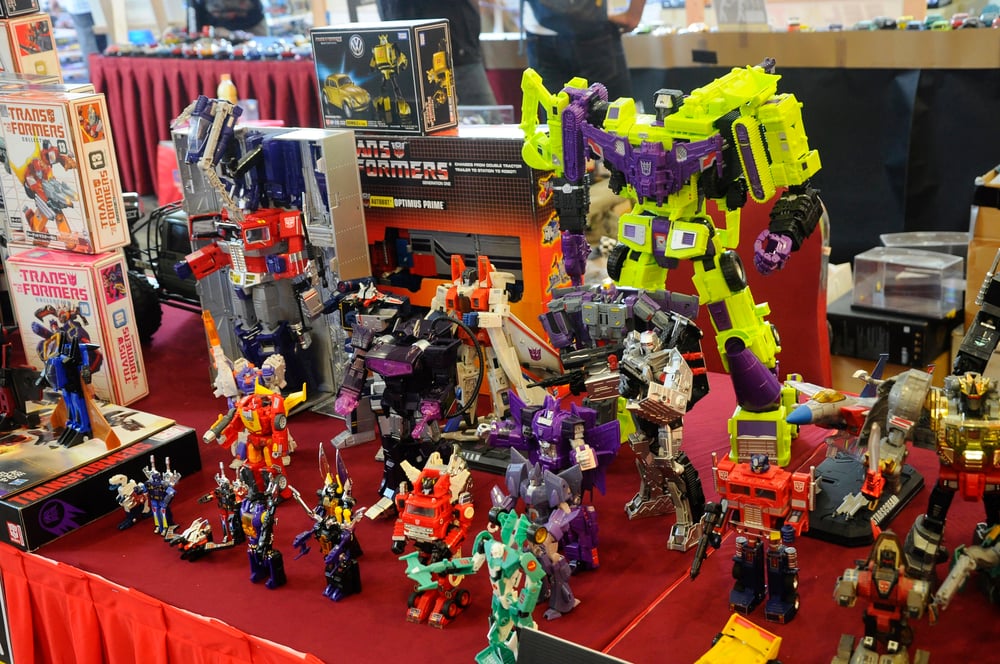
There’s something almost poetic about how these toys embodied the entire decade—bright colors, bold shapes, and the endless promise that anything could become something else with enough patience and the right twist of the wrist. The original Transformers weren’t just toys; they were puzzles that rewarded persistence, and maybe that’s why they’ve aged so gracefully in the collective memory.
The complexity of their transformation sequences meant that most kids lost pieces or broke joints within months of ownership. Finding one that still transforms smoothly, with all its tiny parts intact, feels like discovering a small miracle.
The packaging told stories about alien worlds and ancient wars, but the real magic happened in your hands—the satisfying click when everything aligned perfectly, the moment when a truck became a robot and the world made a different kind of sense. Optimus Prime figures from 1984 regularly sell for $300-600, depending on condition.
Megatron, despite (or perhaps because of) being banned from many stores due to his realistic gun appearance, commands even higher prices.
Original Star Wars Figures
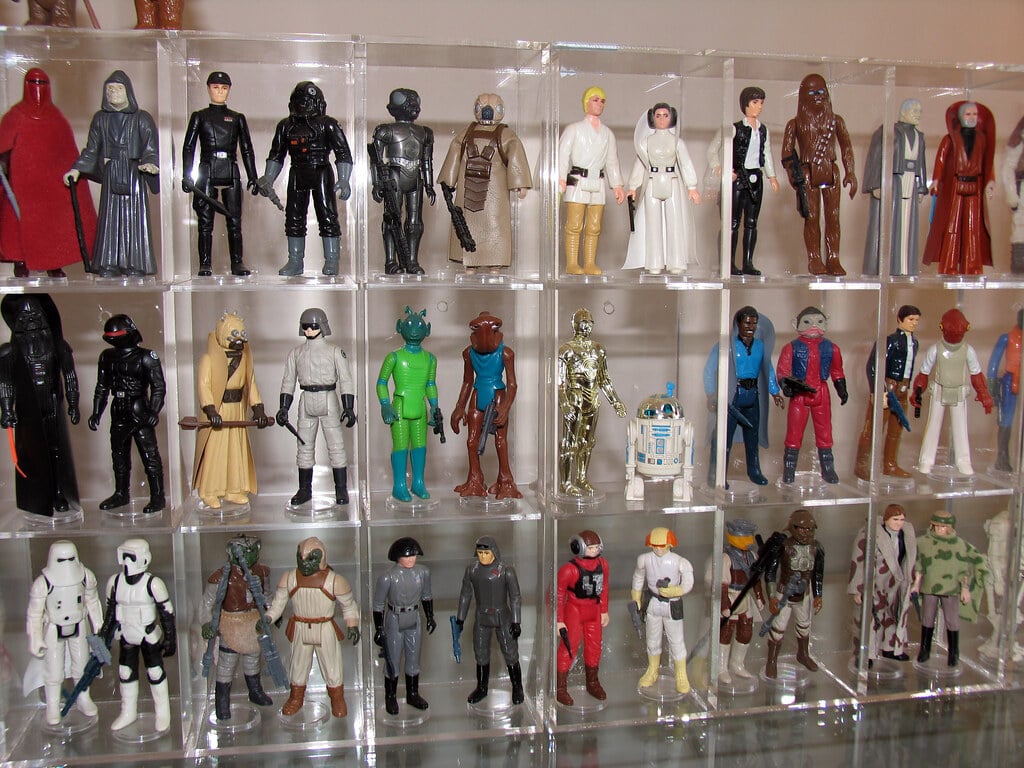
Kenner’s 3.75-inch Star Wars figures were everywhere in the early ’80s. Return of the Jedi merchandise flooded stores, and parents bought them by the dozen.
Most ended up buried in sandboxes or chewed by dogs. The survivors are worth real money now.
A mint-condition Luke Skywalker in Jedi outfit can sell for $200. Rarer figures like Yak Face or the Power of the Force series can reach $1,000 or more.
The cardboard packaging matters enormously—a figure that’s been removed from its card loses most of its value instantly.
Rubik’s Cube
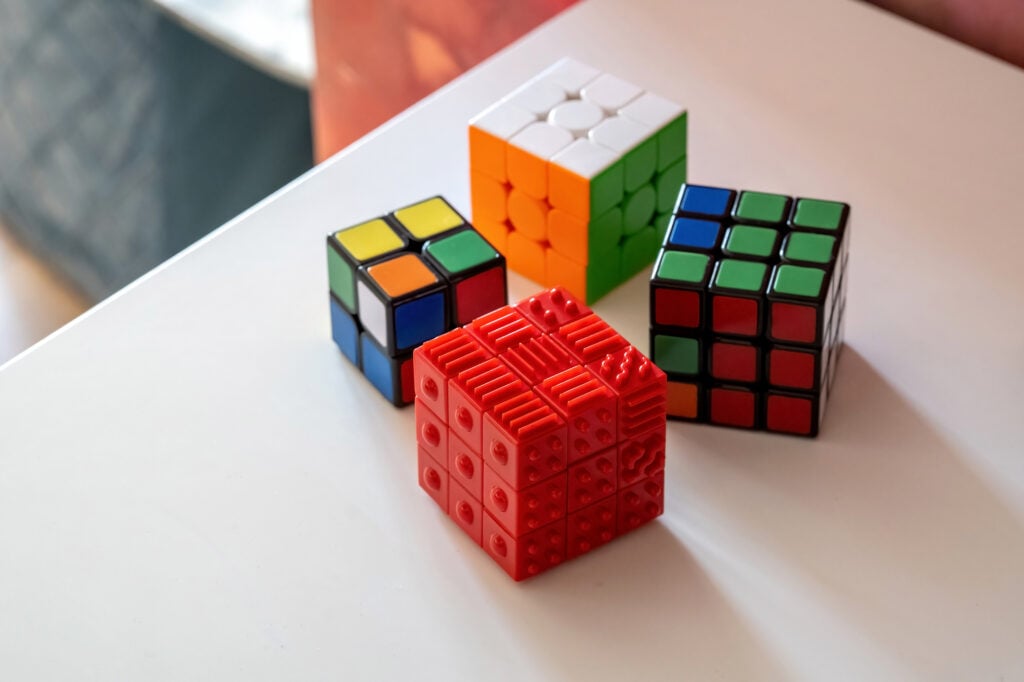
Everyone had one. Almost nobody solved it.
Most people gave up after peeling off the stickers and rearranging them, which explains why finding an original cube with intact stickers has become something of a treasure hunt. Original Ideal Toy Corporation Rubik’s Cubes from 1980-1982 aren’t just nostalgic—they’re mechanically different from modern versions, with a looser, more organic feel that speedcubers actually prefer for certain solving techniques.
The early packaging, with its bold graphics and Erno Rubik’s photograph, tells the story of a puzzle that accidentally became a cultural phenomenon. You can almost feel the frustration and determination that millions of people poured into these small, colorful squares.
Collectors pay $100-300 for cubes in original packaging, and even loose cubes with good stickers can bring $50-75.
My Little Pony

The original ponies had brushable manes and cutie marks that actually meant something. Hasbro created an entire mythology around these pastel horses, and kids absorbed every detail.
First-edition ponies from 1982-1984 are the most valuable, particularly those with rare color combinations or special symbols. Blushing Posey, one of the original six ponies, sells for $300-500 in good condition.
The truly rare variants—like ponies with manufacturing errors or unusual color schemes—can reach $1,000 or more.
Atari 2600 Cartridges
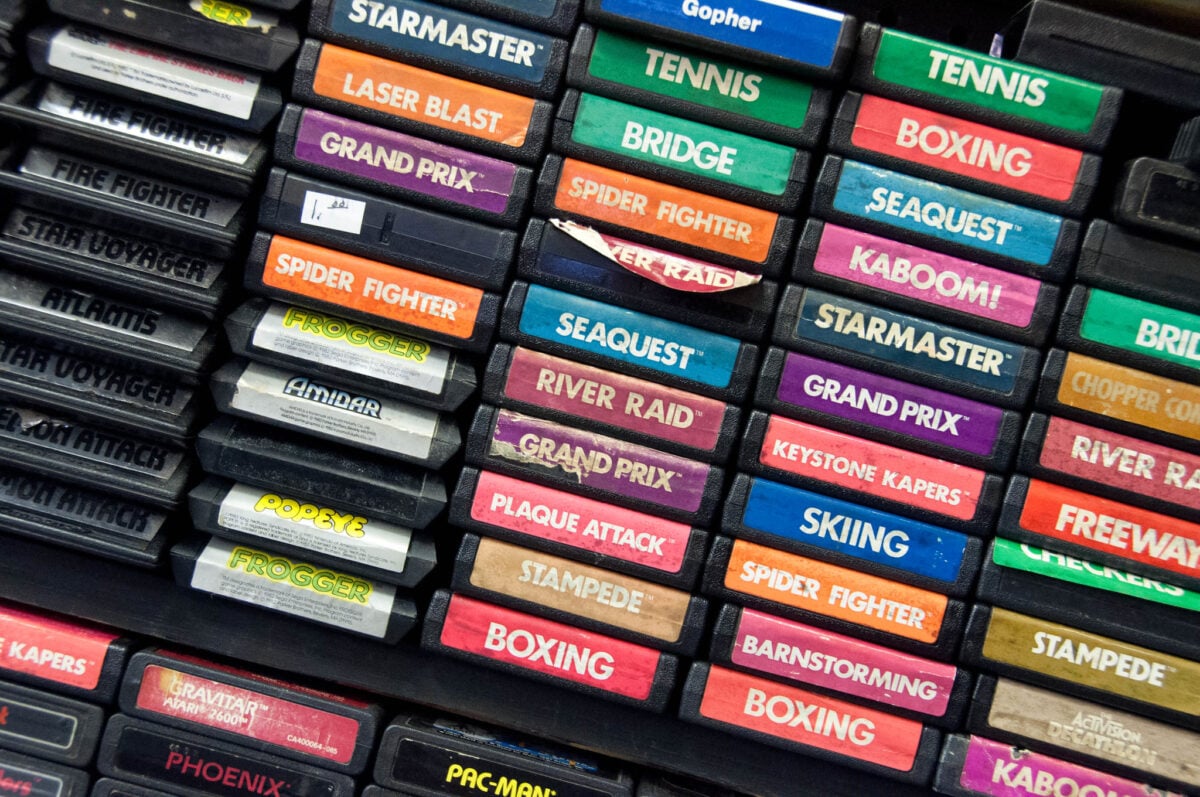
Atari dominated home gaming before Nintendo arrived, and certain cartridges have become legendary among collectors. The system was simple enough that small companies could develop games, leading to some truly bizarre releases.
The infamous E.T. the game, despite being considered one of the worst ever made, sells for $50-100 due to its notoriety. More successful games like Adventure or Combat are worth $30-75 each.
But the real prizes are the ultra-rare releases like Red Sea Crossing or Air Raid, which can sell for thousands.
He-Man Action Figures
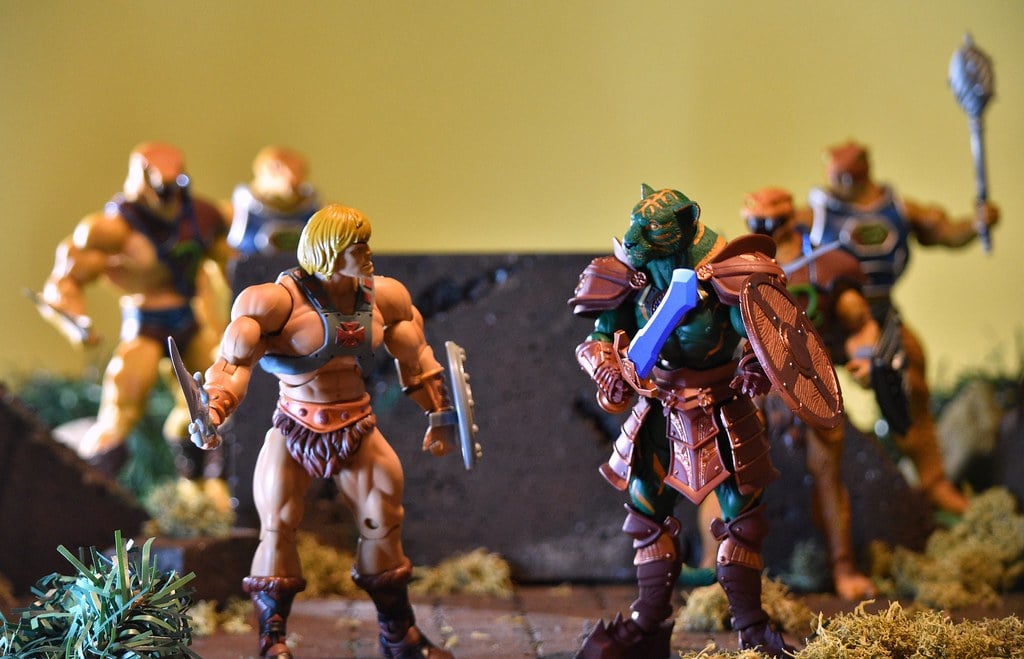
By the power of Grayskull, these figures were built to last—thick plastic, sturdy joints, and weapons that didn’t snap when you dropped them down the stairs. Mattel understood that kids were rough with toys, and they engineered accordingly.
The cartoon was essentially a 22-minute commercial, but it worked because the toys delivered on the fantasy. Castle Grayskull, the iconic playset, was the crown jewel of any collection.
The skull-faced fortress with its working drawbridge and trap door provided endless scenarios for epic battles. Finding one complete with all its accessories and decals intact is like discovering buried treasure.
The original figures had a weight and substance that modern toys often lack—when He-Man raised his sword, you believed he had the power. Original He-Man figures sell for $75-200 each, with Beast Man and Skeletor commanding premium prices.
Castle Grayskull playsets in good condition bring $400-800.
Strawberry Shortcake Dolls
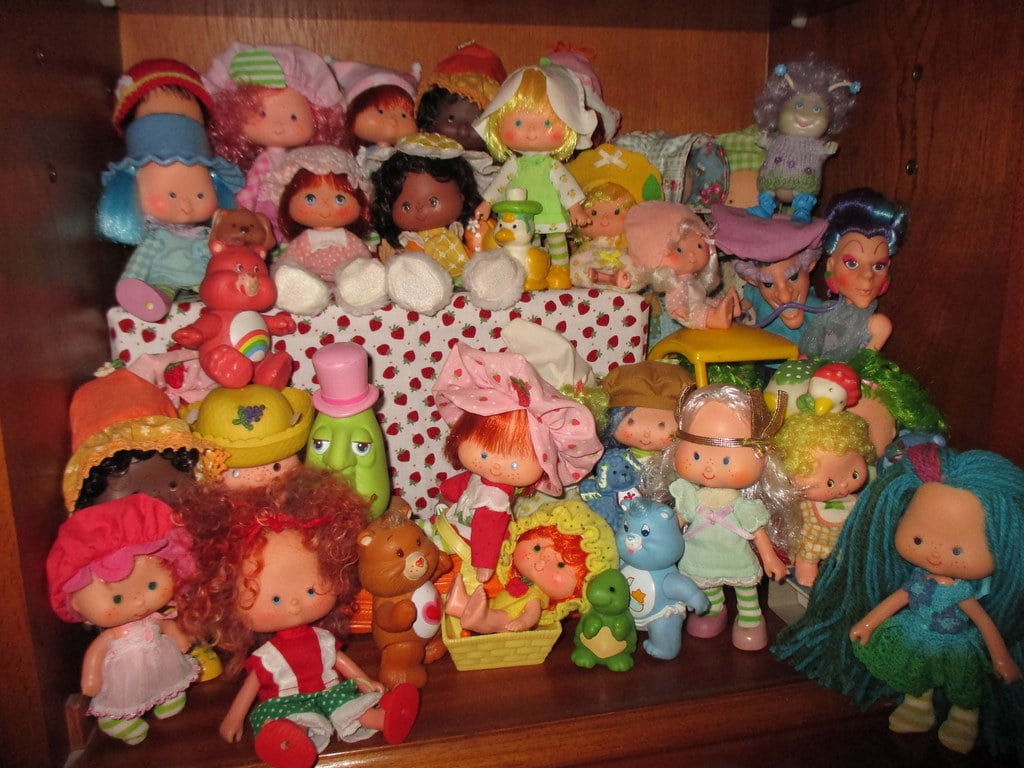
These scented dolls captured something essential about childhood—the idea that sweetness could be a superpower, that problems could be solved with friendship and maybe a really good recipe. The original American Greetings dolls had a handmade quality that mass production rarely achieves, with embroidered details and fabric that actually held the fruity scents for years.
Each character had her own personality and scent, creating a small universe where everything smelled like dessert and conflicts were resolved by teatime. The packaging alone tells the story—soft pastels, hand-drawn illustrations, and promises of adventures in Berry Land.
These weren’t just dolls; they were invitations to a world where being gentle and kind was enough. Original 1980s Strawberry Shortcake dolls sell for $100-400, depending on the character and condition.
The rare variants, like Lime Chiffon or Apricot, can reach $600-800.
G.I. Joe Action Figures
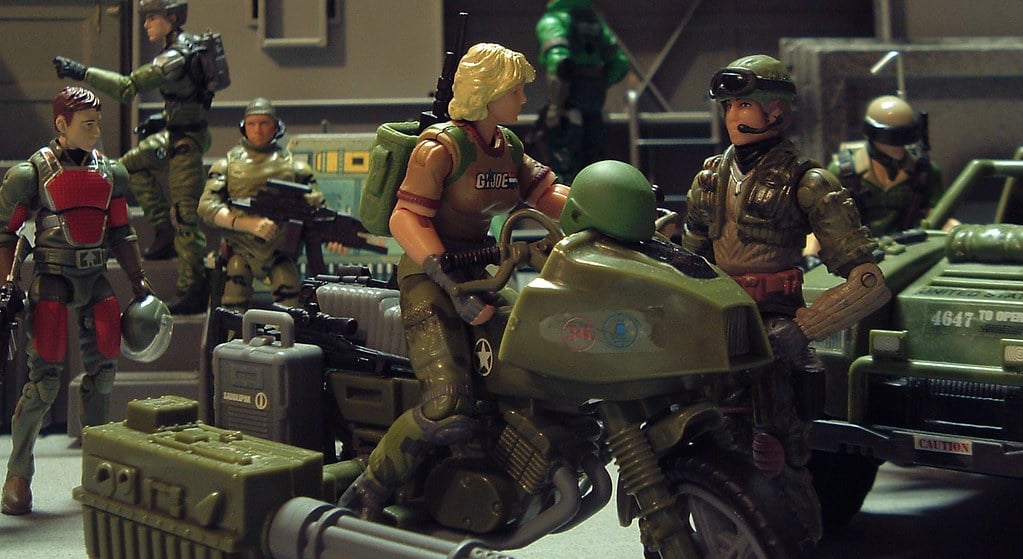
The relaunched G.I. Joe Line transformed the brand from generic military action into a specific mythology with named characters, detailed backstories, and an ongoing war between good and evil that played out across playgrounds nationwide.
Each figure came with specialized equipment and file cards that read like military dossiers. Kids memorized these details, creating elaborate hierarchies and relationships that extended far beyond what the cartoons could contain.
The vehicles were equally detailed—jets, tanks, and headquarters that could be combined and reconfigured for maximum tactical advantage. Snake Eyes, the mysterious silent commando, remains the most sought-after figure, selling for $150-400 in good condition.
Rare figures like the Cobra Commander with chrome helmet can reach $500-700.
Care Bears
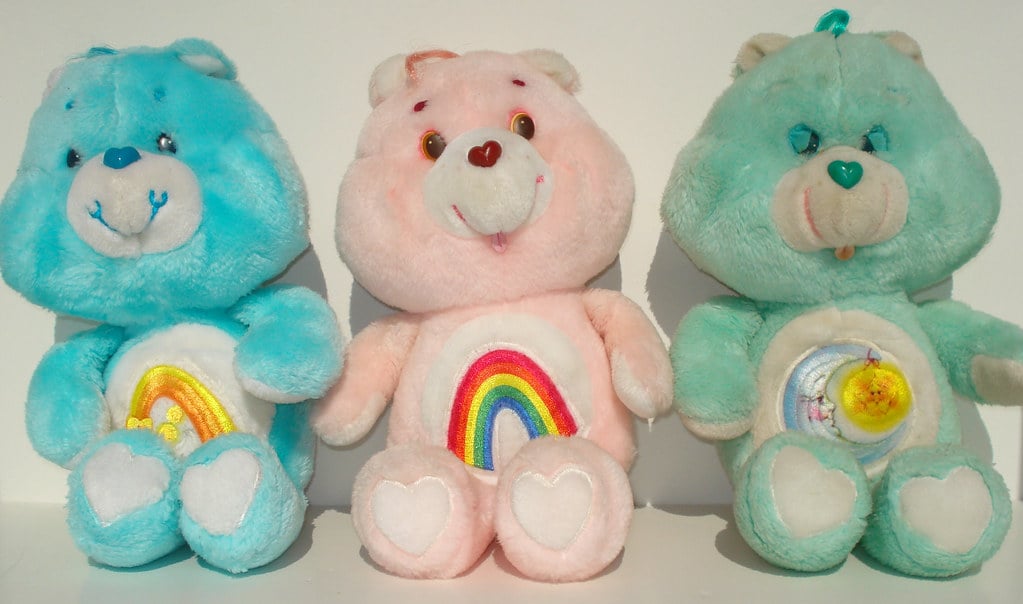
The therapeutic philosophy was baked right into the concept—bears whose emotions lived on their stomachs, broadcasting feelings to anyone who needed them. This wasn’t subtle messaging; it was emotional literacy disguised as plush toys, and it worked because the execution was so sincere.
Original Kenner Care Bears from 1983 had a distinctive feel—softer fur, more detailed belly badges, and expressions that seemed genuinely caring rather than manufactured. The colors were deeper and more saturated than later versions, and the proportions were slightly different, giving them a more authentic teddy bear silhouette.
Finding them with their original tags and tush tags intact has become increasingly difficult. Original Care Bears in excellent condition sell for $75-250 each, with rare bears like Grams Bear or Baby Hugs reaching $400-500.
Pac-Man Merchandise
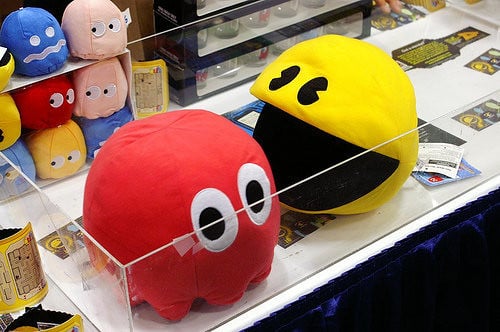
The yellow circle with an appetite became more than a video game character—he was a cultural ambassador for the entire medium, proving that games could create icons as recognizable as any cartoon or movie star. Pac-Man merchandise flooded the market in the early ’80s, from lunch boxes to board games to plush toys.
The licensing was aggressive and often bizarre, leading to products that had little connection to the actual game beyond the distinctive shape and color scheme. This scattershot approach created a fascinating archaeological record of early video game marketing.
Original Pac-Man arcade cabinets sell for $3,000-5,000, but even smaller items have value. Lunch boxes bring $100-200, and the Coleco tabletop game sells for $150-300.
Masters of the Universe Vehicles
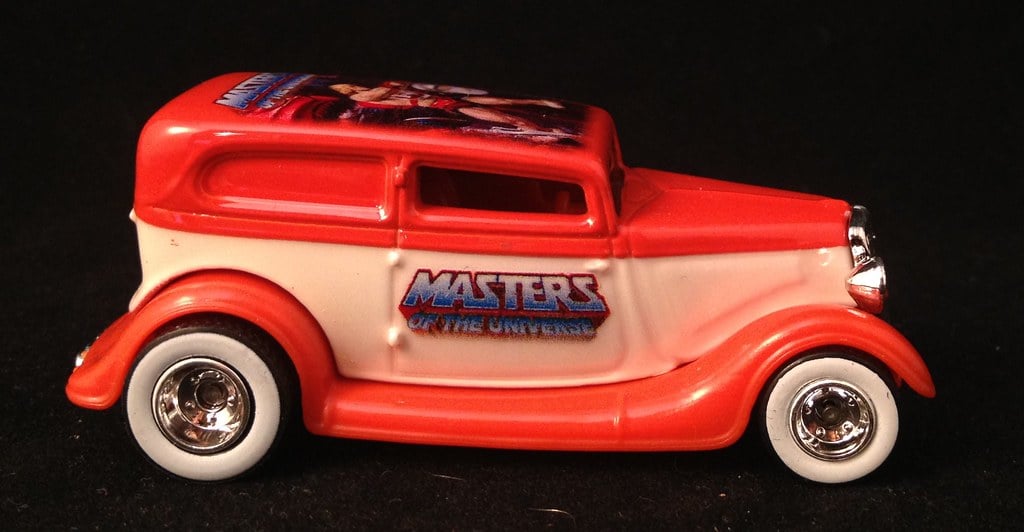
The vehicles weren’t just transportation—they were mobile fortresses designed for a world where every trip might end in battle. Battle Cat, He-Man’s giant green tiger, wasn’t technically a vehicle, but he served the same purpose: getting heroes and villains from point A to point B while looking absolutely fierce.
Wind Raider, Attack Trak, and Roton had distinctive designs that matched the barbaric-futuristic aesthetic of the entire line. These weren’t sleek sports cars or realistic military vehicles; they were fantasy machines that looked like they’d been cobbled together by brilliant savages with access to advanced technology.
The weathering and battle damage were built into the design, suggesting these machines had seen real combat. Complete vehicles with all accessories can sell for $200-600, with the rare Talon Fighter reaching $800-1,000.
Finding Hidden Treasure
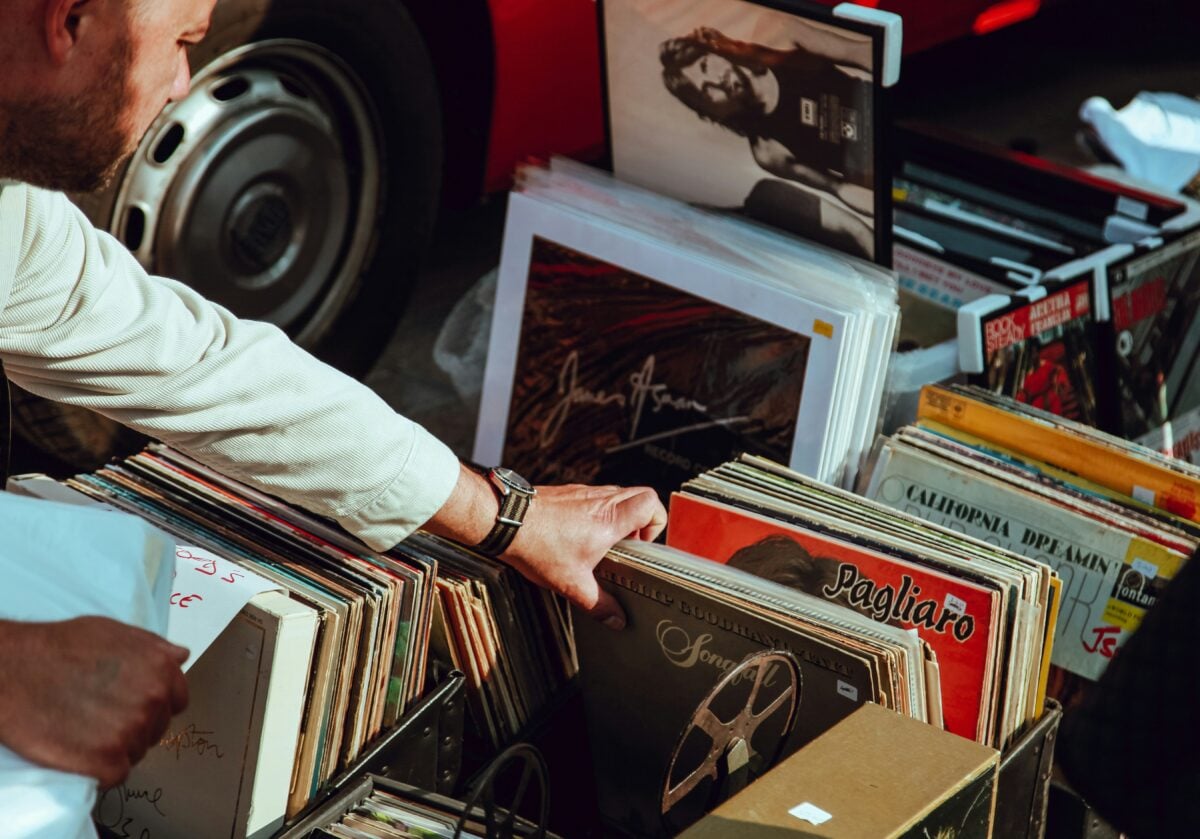
The real art isn’t knowing what to look for—it’s recognizing the signs that someone doesn’t know what they have. The grandmother is selling her grandson’s old toys for fifty cents apiece.
The estate sale where everything is priced to move quickly. The garage sale starts at 7 AM because the sellers are moving next week.
Condition matters enormously in this market, but so does completeness. A figure without its accessories is worth a fraction of a complete set.
Original packaging multiplies value exponentially, but even the cardboard inserts and instruction sheets matter to serious collectors. The difference between “very good” and “near mint” can be hundreds of dollars, and collectors have trained their eyes for the subtle signs of wear that casual sellers miss entirely.
More from Go2Tutors!

- The Romanov Crown Jewels and Their Tragic Fate
- 13 Historical Mysteries That Science Still Can’t Solve
- Famous Hoaxes That Fooled the World for Years
- 15 Child Stars with Tragic Adult Lives
- 16 Famous Jewelry Pieces in History
Like Go2Tutors’s content? Follow us on MSN.