Countries That Deliberately Erased Entire Chapters of Their Own History From Textbooks
Every country tells itself a story about who it is, and the textbook is where that story gets rehearsed on the youngest, most impressionable audience available. You probably remember flipping through a history book in school and noticing how tidy everything seemed, how wars had clear villains and nations had clear virtues.
That tidiness isn’t an accident. Somewhere between the archive and the classroom, decisions get made about what a country wants its children to carry forward, and what it would rather bury where nobody has to look at it twice.
Japan and the Pacific War
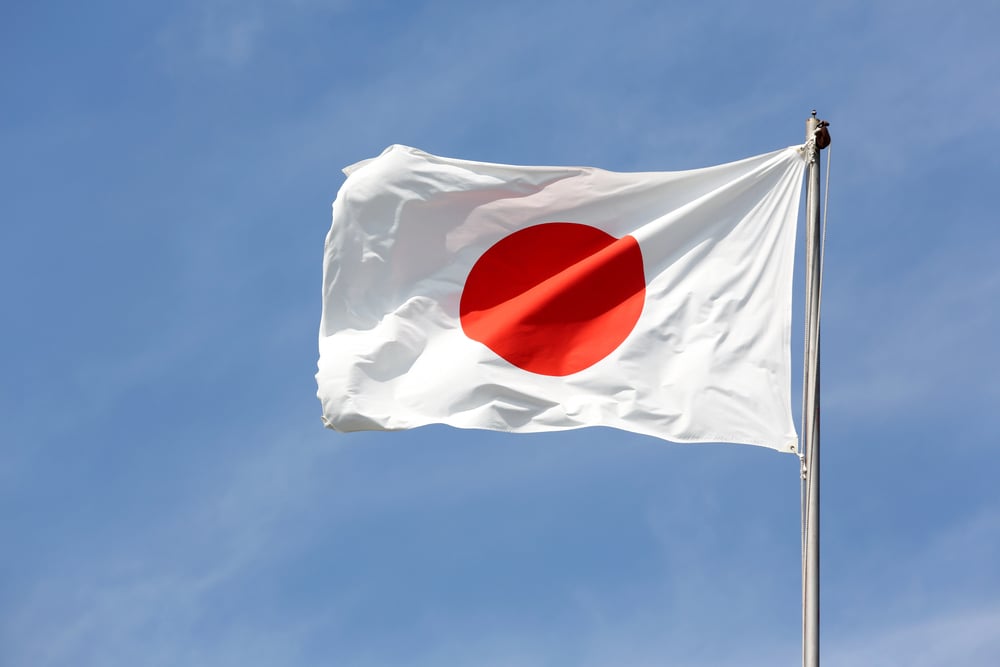
Japan’s Ministry of Education has spent decades approving textbooks that soften the Nanjing Massacre into vague “incidents.” The comfort women system barely gets a mention in many editions, and Unit 731’s experiments on prisoners disappear almost entirely from the page.
China and South Korea file formal protests nearly every time a new edition rolls out, and Tokyo shrugs.
Turkey and the Armenian Genocide
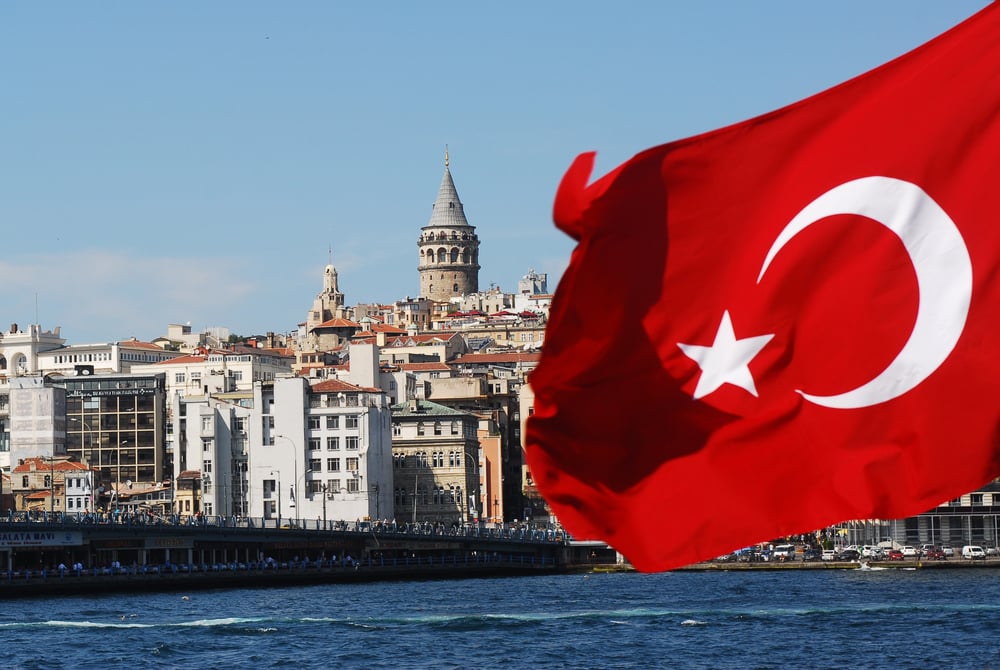
Turkish state education still refuses to call it a genocide, not officially, not in the textbooks handed to teenagers every fall, and the word itself has long been treated like contraband in classrooms from Istanbul to Van. The events of 1915, when hundreds of thousands of Armenians died in deportations and massacres, get folded into a story about wartime chaos and mutual suffering, as if history were a shrug.
So the textbooks talk about relocation, about security concerns, about anything but what most historians outside Turkey call it plainly: genocide. And a law criminalizing insults to “Turkishness” made honest classroom discussion of 1915 a legal risk for any teacher tempted to say more.
The Soviet Union and Stalin’s Terror
Soviet textbooks treated the Great Terror the way a family treats an uncle nobody mentions at dinner: present in every photograph, absent from every conversation. Millions vanished into the Gulag system in the late 1930s alone, and the official curriculum reduced them to a footnote about “excesses” during an otherwise glorious industrial rise.
Stalin’s portrait stayed on the wall long after the bodies were buried, and the children reciting his achievements had no idea what the applause was covering. Even after glasnost cracked the door open in the late 1980s, plenty of that old silence crept back into Russian classrooms once the political winds shifted again.
The United States and the Lost Cause

The Lost Cause myth is the most successful history rewrite this country has ever pulled off, and it happened in plain sight. For most of the twentieth century, Southern textbooks described slavery as a benign institution and the Civil War as a noble fight over “states’ rights,” which is a polite way of saying the actual reason got edited out.
Groups like the United Daughters of the Confederacy didn’t just fund statues, they wrote and reviewed classroom material, making sure Reconstruction got portrayed as a tragic mistake rather than a brief shot at racial equality. Some of that language lingered in state-approved texts well into the 1970s, which, to be fair, is not ancient history.
Spain and the Franco Era
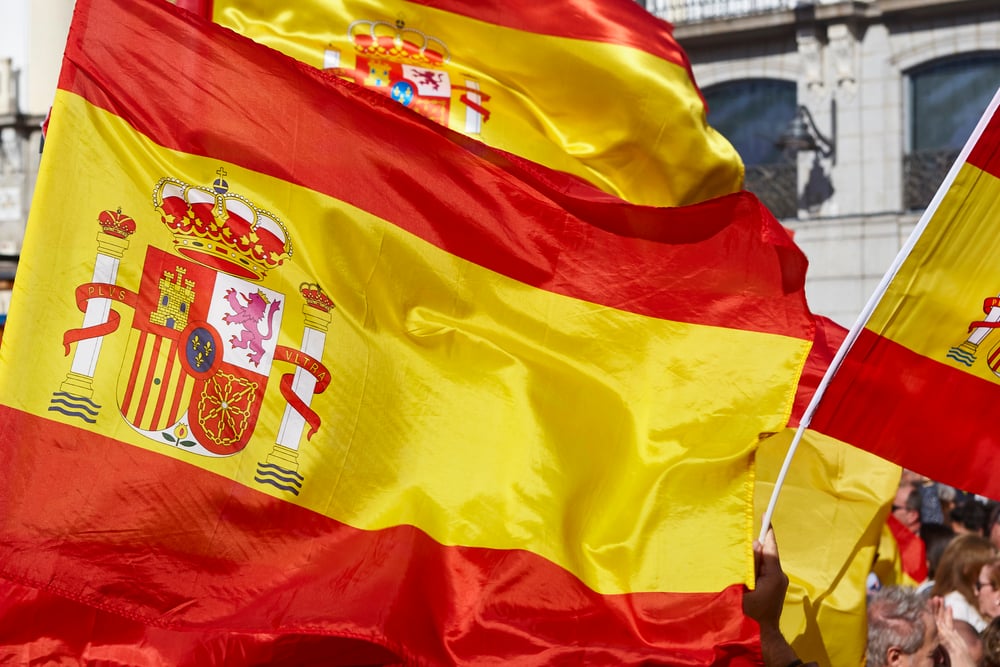
Spain’s 1977 Pact of Forgetting was a political bargain, not a history lesson. Textbooks after Franco’s death skipped the firing squads, the mass graves, and four decades of dictatorship, and jumped straight to democracy like nothing had happened in between.
Schools taught the transition as a peaceful miracle, and it wasn’t. Only in recent years have exhumations and new curricula started dragging those buried decades back into daylight.
Belgium and the Congo
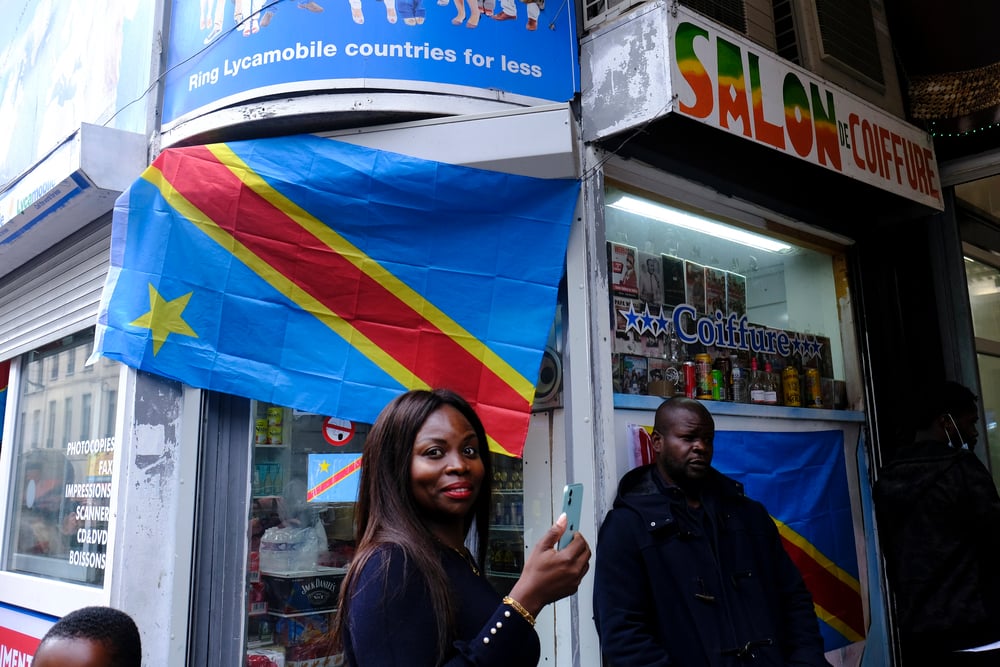
Belgian schoolbooks spent most of the twentieth century describing King Leopold II’s rule over the Congo as a civilizing mission, bridges and hospitals and order out of chaos, while somehow leaving out the part where an estimated ten million Congolese died under a rubber quota system enforced by mutilation. The numbers are argued over by historians (some put it lower, some higher, none put it comfortably low), but the silence in the classroom wasn’t really about uncertainty: it was about pride.
So generations of Belgian children grew up associating Leopold with a statue and a park bench, not a policy of severed hands. And it took until 2022 for a Belgian parliamentary commission to seriously reckon with what the curriculum had spent a century avoiding.
The United Kingdom and Empire’s Violence
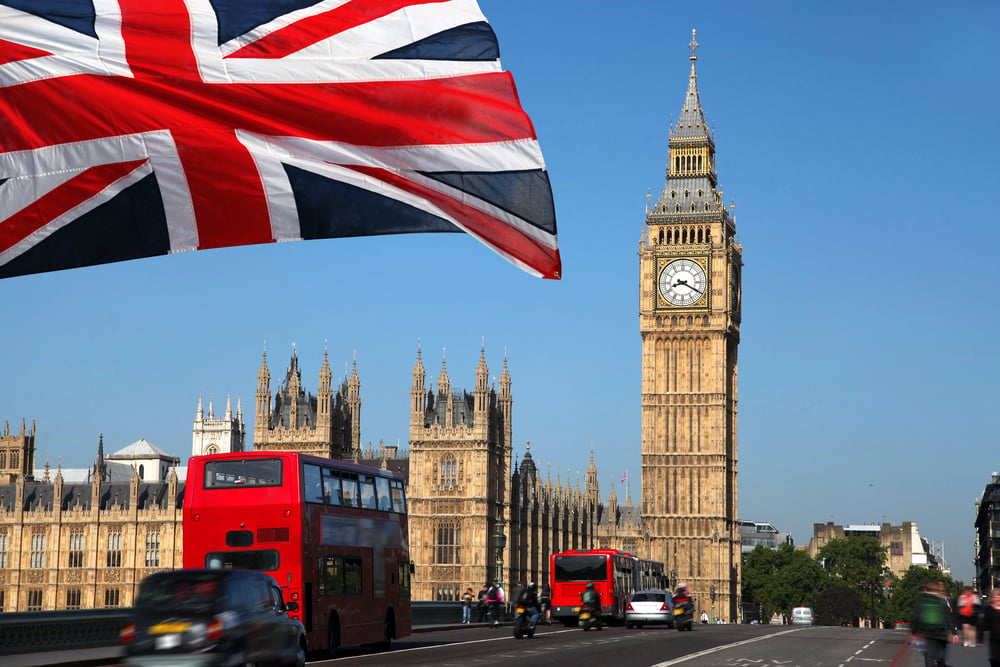
British schoolchildren for generations learned the Empire the way you’d learn about a favorite relative who happened to have a temper nobody wanted to discuss at length. The Amritsar massacre of 1919, where troops fired on an unarmed crowd, got a paragraph if it got anything at all.
The Bengal famine of 1943, which killed millions while grain kept moving to feed the war effort elsewhere, barely registered as a footnote beside lessons on railways and cricket. History is supposed to correct you, not flatter you, and for a long stretch the British curriculum did the opposite.
France and Algeria
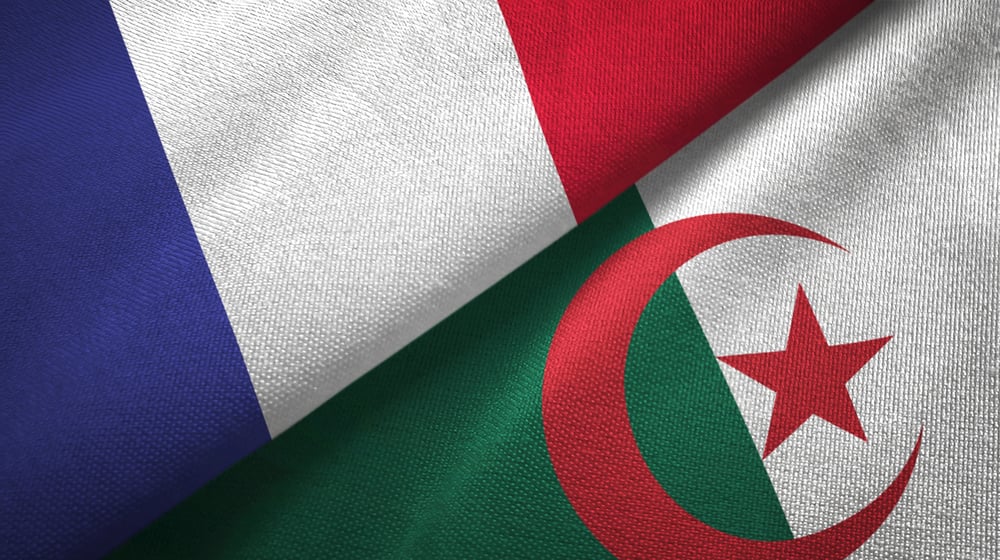
France still hasn’t fully made peace with what it did in Algeria, and its textbooks show it. For decades the war for Algerian independence, fought from 1954 to 1962, wasn’t even called a war in official French documents, it was an “operation to maintain order,” a phrase doing a lot of quiet, dishonest work.
Torture, disappearances, and the massacre of pro-independence demonstrators in Paris in 1961 barely surfaced in classrooms until historians forced the issue decades later. French curriculum reform has improved things since, though “improved” here is a fairly low bar to clear.
Australia and the Stolen Generations
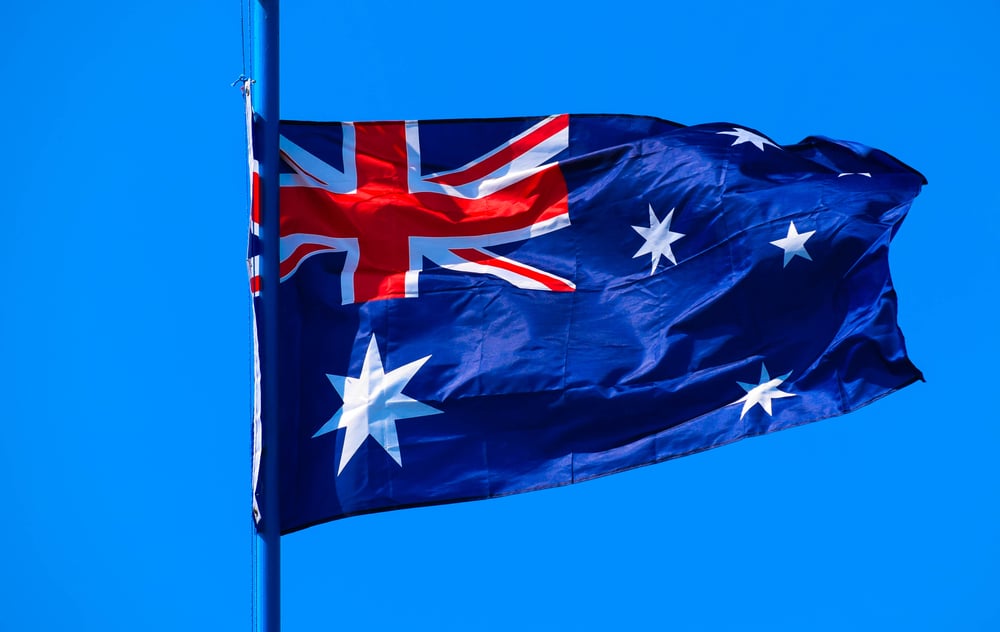
Australian textbooks ignored Aboriginal history almost entirely until the 1970s. The forced removal of mixed-race Aboriginal children from their families, a policy that ran for most of the twentieth century, went unmentioned in mainstream schooling for generations.
Kids learned about explorers and gold rushes instead. The 1997 “Bringing Them Home” report finally forced the term Stolen Generations into public conversation, and into classrooms, decades too late.
Cambodia and the Khmer Rouge
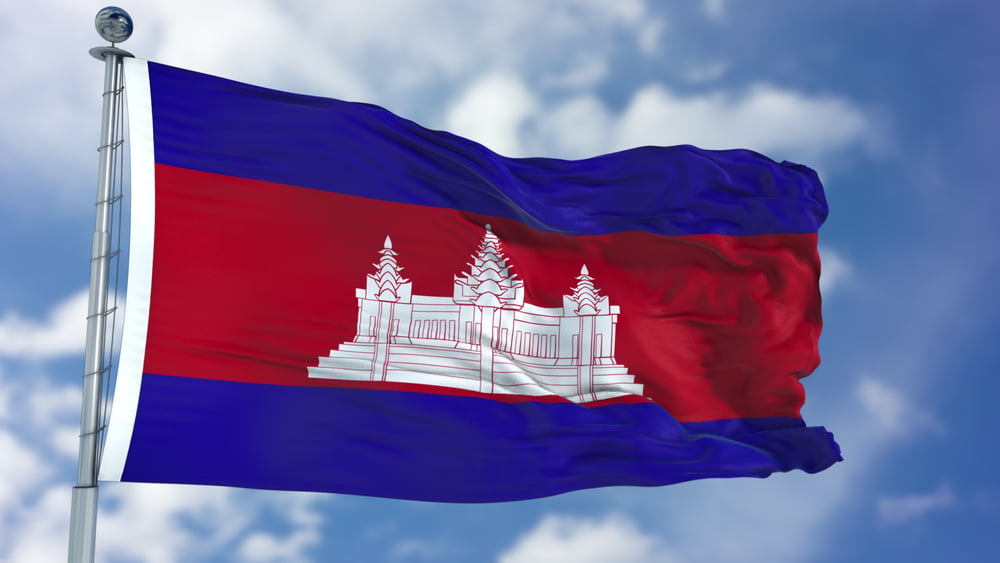
For nearly two decades after the Khmer Rouge fell in 1979, Cambodian schools taught almost nothing about the regime that killed close to two million people through execution, starvation, and forced labor, not because teachers didn’t know, but because plenty of them had lived through it and the government preferred quiet. Genocide education didn’t formally enter the national curriculum until 2009, which meant an entire generation grew up with grandparents who wouldn’t talk and textbooks that wouldn’t either.
So kids pieced the Khmer Rouge years together from rumor, from silence at the dinner table, from the strange fact that so many families seemed to be missing someone. And when the material finally arrived, it had to compete with decades of avoidance that don’t disappear just because a textbook shows up late.
North Korea and the Manufactured Past
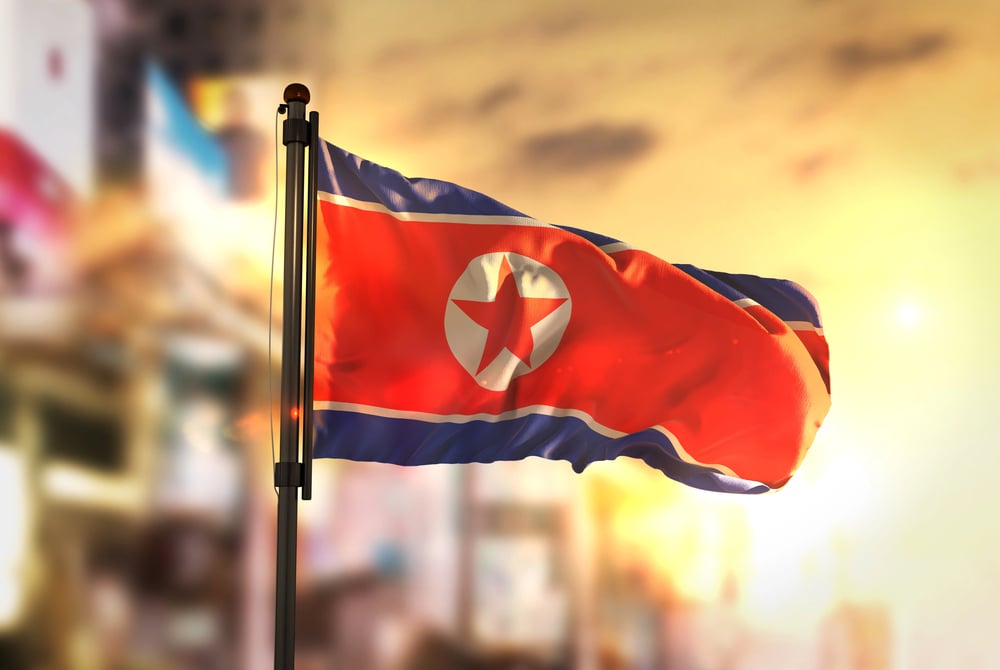
North Korean textbooks don’t edit history so much as replace it, the way a stage set gets swapped out between acts while the audience is told nothing changed. The Korean War becomes a story of Southern and American aggression against a peaceful North, with the actual timeline rearranged to fit the narrative.
Kim Il Sung’s biography reads less like history and more like scripture, filled with details that couldn’t survive contact with an actual archive. Children graduate having learned a version of the twentieth century that exists nowhere else on earth.
Indonesia and 1965
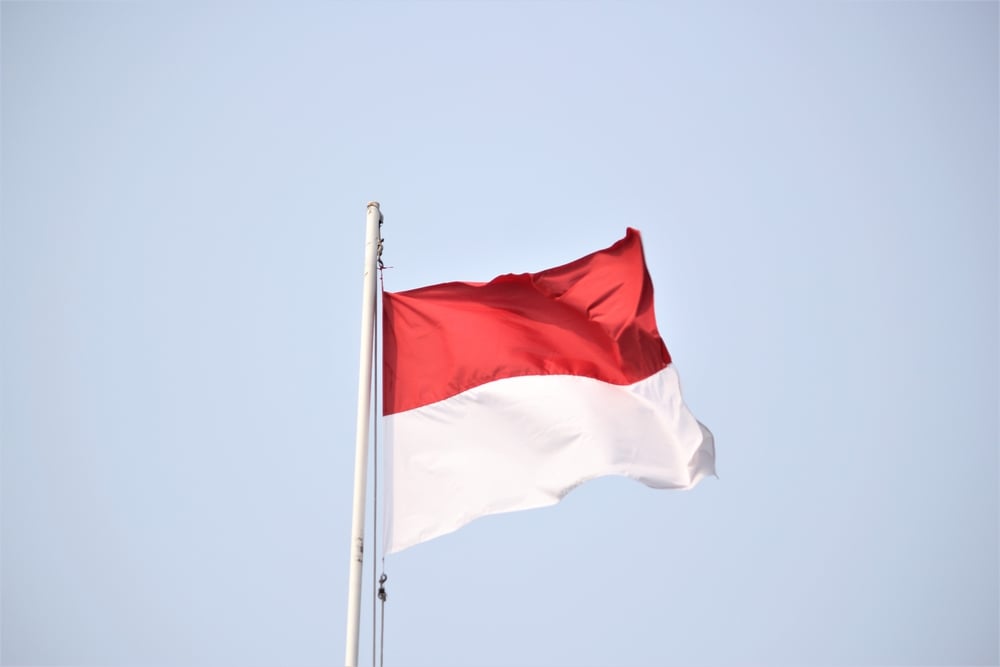
Indonesia’s mass killings of 1965 and 1966 are one of the least discussed atrocities of the entire twentieth century, and that’s by design. Somewhere between five hundred thousand and a million people were killed in an anti-communist purge, and for over three decades under Suharto’s New Order, textbooks framed the massacre as a heroic rescue of the nation from communist danger.
The killers got remembered as patriots. Even after Suharto’s fall in 1998, revising the curriculum has moved at a pace best described as reluctant.
South Africa and Apartheid Classrooms
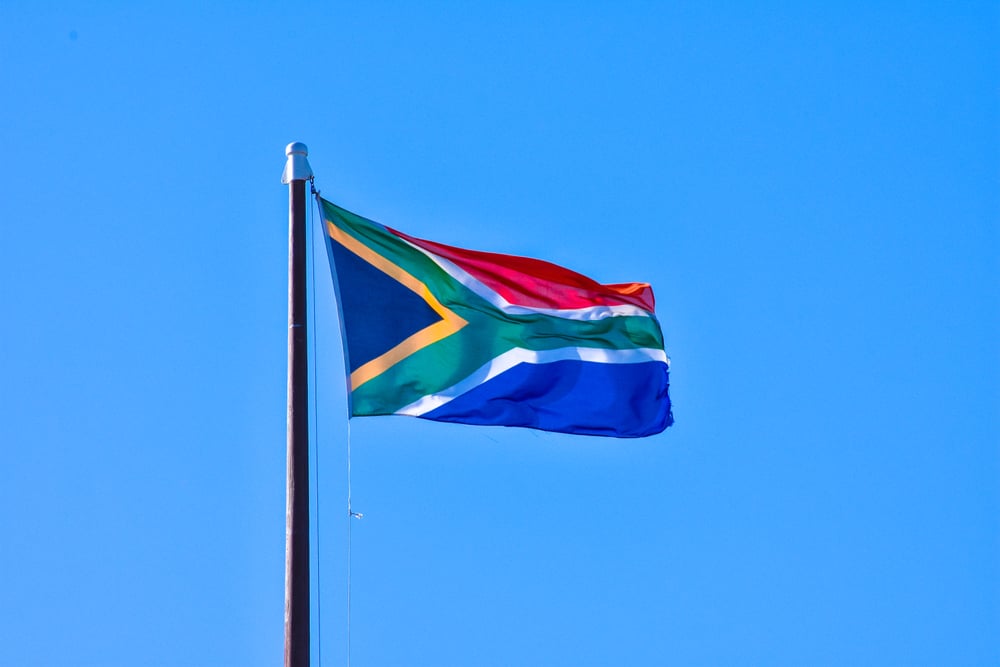
Bantu education under apartheid wasn’t an accident. It was designed to keep Black South Africans in subordinate roles, and history lessons reflected that on purpose.
Colonial arrival got framed as progress, resistance movements barely existed on paper, and the post-apartheid curriculum had to rebuild the story from the ground up after 1994.
Poland and the Holocaust Law
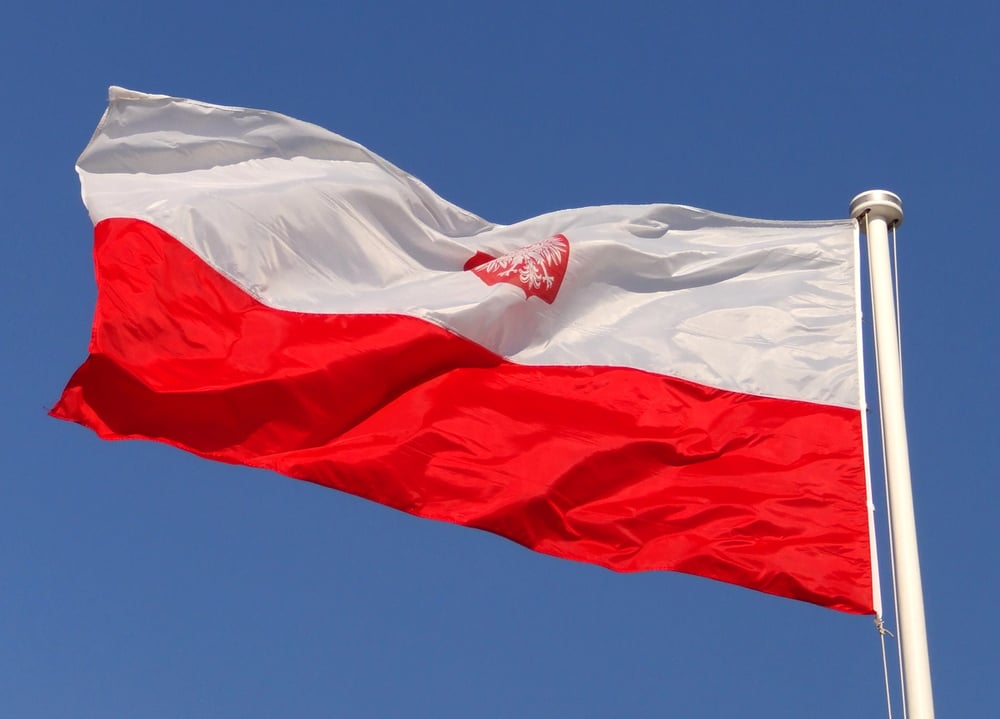
Poland’s 2018 law made it a crime to accuse the Polish nation of complicity in Nazi crimes, which sounds like a defense of history until you notice what it actually did: it made honest scholarship about Polish collaborators, and there were some, legally risky. The law got walked back under international pressure, Israel among the loudest objectors, but the instinct behind it never fully left, and school materials still lean hard on Poland’s role as victim and rescuer while going quiet on the uncomfortable exceptions.
So the curriculum ended up caught between two true things it couldn’t hold at once: a nation that suffered enormously under occupation, and a nation where some of its own people also turned on their neighbors. Pretending the second part doesn’t exist doesn’t make Polish history simpler, it just makes it less honest.
China and Tiananmen Square
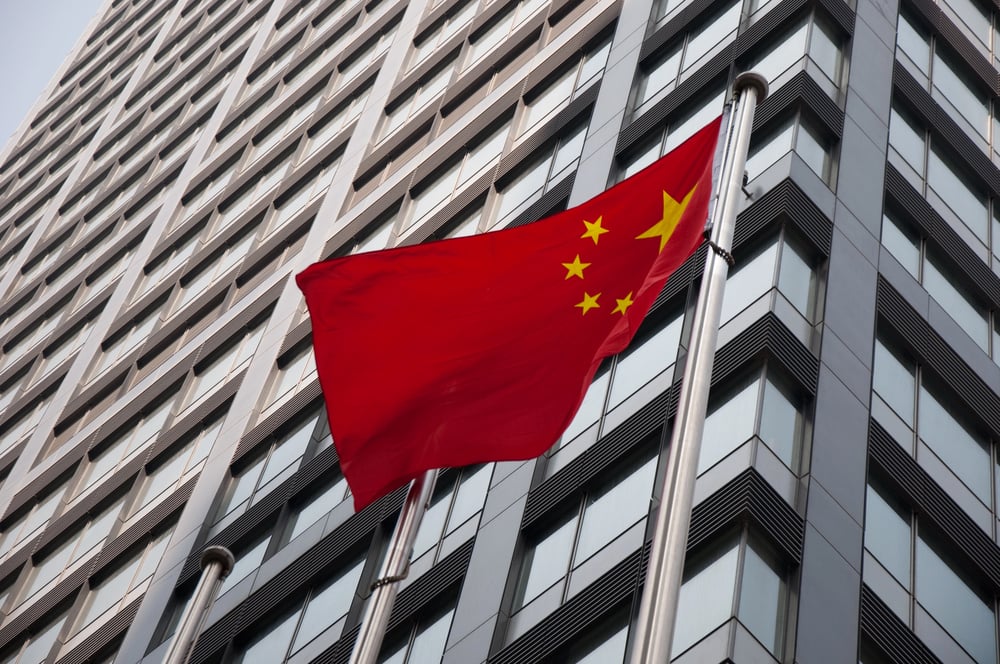
Ask a Chinese student born after 1990 about June 4th, 1989, and you’ll likely get a blank look, the same blank look you’d get asking about a film pulled from theaters before it ever screened. Textbooks skip the protests, the tanks, and the crackdown entirely, and internet censorship makes sure curiosity doesn’t fill the gap that classrooms left open.
It isn’t that the event is debated or softened the way other countries handle their uncomfortable chapters, it’s erased so completely that most young citizens don’t know something used to sit there at all. That kind of erasure doesn’t just change what people know, it changes what they think is even possible to ask about.
Rwanda and the Single Story
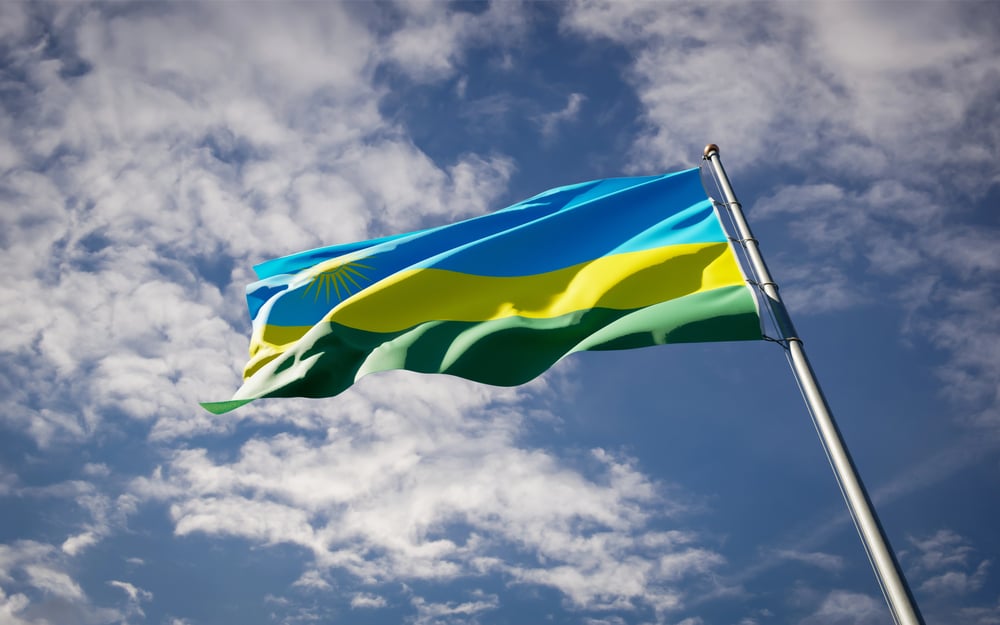
Rwanda took the opposite problem to an extreme, and it’s worth understanding why. After the 1994 genocide killed roughly eight hundred thousand people, the government banned ethnic identification in official life and rewrote the curriculum to teach one unified national story instead of the Hutu and Tutsi narratives that had fueled the killing.
That’s a defensible choice for a country trying to survive itself, but it also means textbooks can’t fully explain how the genocide happened without naming the very categories the state has asked everyone to forget. Whether that trade-off holds up over the next generation is an open question, and nobody in Kigali is pretending otherwise.
The Weight of What Isn’t Printed
None of this is really about textbooks. It’s about the quiet negotiation every country makes between what actually happened and what it can stomach teaching a twelve-year-old before lunch.
Some nations lie by omission, some lie by substitution, and a few, to their credit, have started doing the slow, uncomfortable work of putting the missing chapters back where they belong. What gets left out of a classroom doesn’t vanish, though.
It just waits somewhere outside the curriculum, in family stories and old newspapers and the questions nobody quite got around to asking, until someone finally does.
More from Go2Tutors!

- The Romanov Crown Jewels and Their Tragic Fate
- 13 Historical Mysteries That Science Still Can’t Solve
- Famous Hoaxes That Fooled the World for Years
- 15 Child Stars with Tragic Adult Lives
- 16 Famous Jewelry Pieces in History
Like Go2Tutors’s content? Follow us on MSN.



