Strange Minerals Found Deep Underground
The earth beneath our feet holds more secrets than most people realize. While we walk around on the surface going about our daily lives, there’s a whole hidden world down below where pressure, heat, and time create things that seem almost impossible.
Scientists have been drilling, digging, and exploring the deepest parts of our planet for decades, and what they’ve found down there often surprises even the experts who study rocks for a living. Let’s take a look at some of the strangest minerals hiding in the depths below us.
Ringwoodite
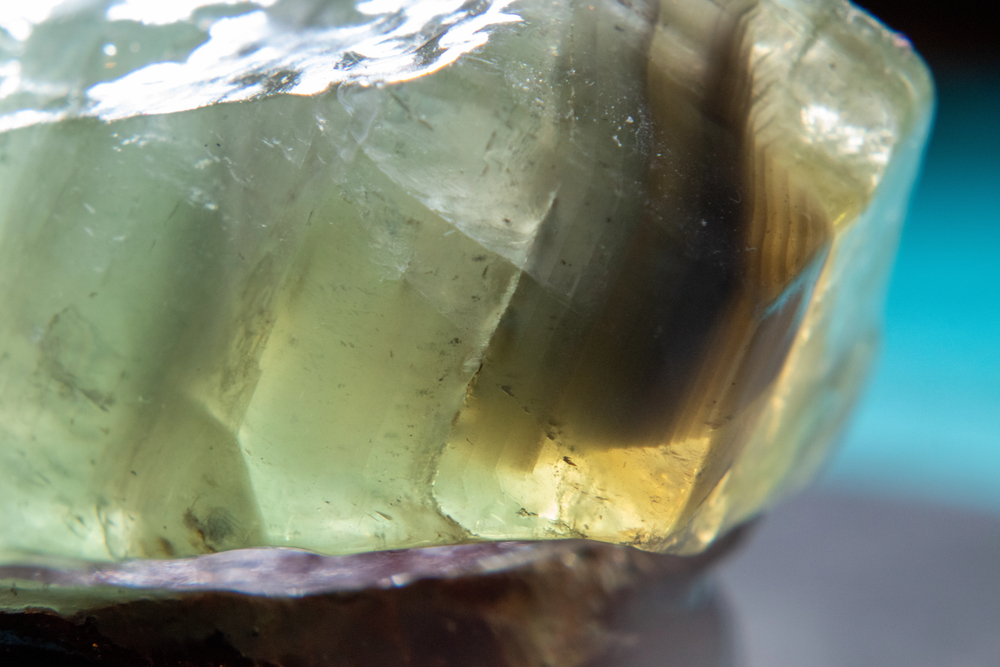
This mineral exists so far down that humans will probably never see it in its natural home. Ringwoodite forms about 300 miles beneath the surface, where the pressure is so intense that it literally changes the structure of regular minerals into something completely different.
What makes it really unusual is that it can hold water inside its crystal structure, not like a sponge holds water, but actually locked into the mineral itself. Scientists think there might be more water trapped in ringwoodite deep underground than in all the oceans combined.
That’s a pretty wild thought when you consider how much ocean we have on the surface.
Lonsdaleite
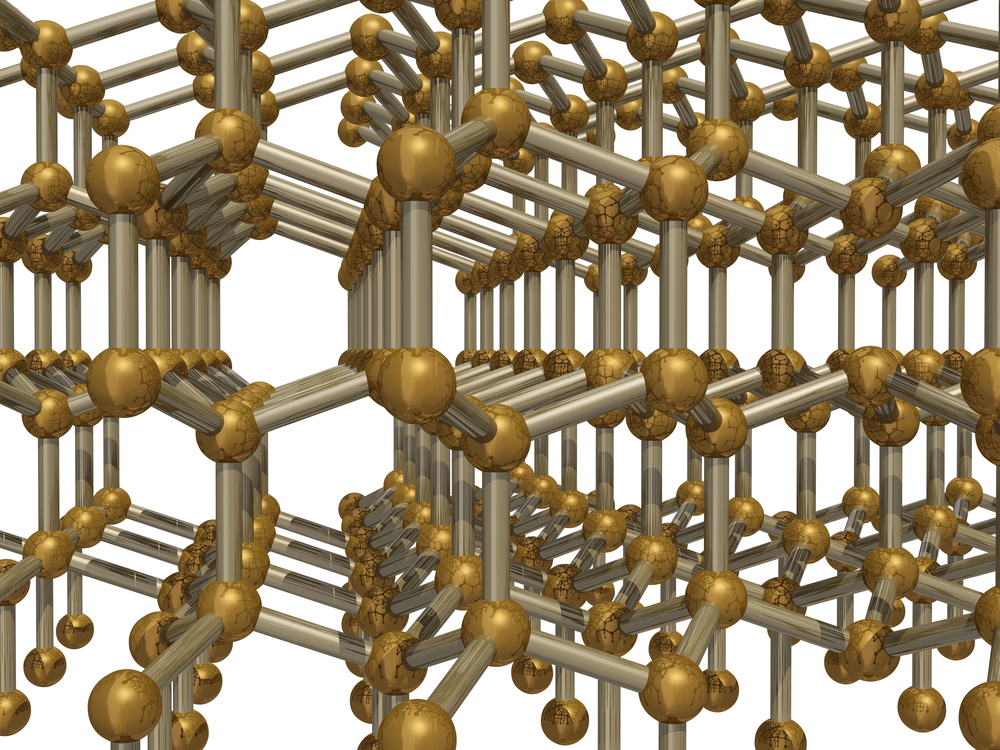
Sometimes called hexagonal diamond, this mineral forms when meteorites slam into the earth at incredibly high speeds. The impact creates temperatures and pressures so extreme that carbon atoms get squeezed into a different pattern than regular diamonds.
It’s actually harder than normal diamonds, which are already the hardest natural substance most people know about. Scientists have found tiny amounts of it at meteorite impact sites, but they’ve also discovered it can form deep underground under the right conditions.
The crystals are usually so small you’d need a microscope to see them properly.
Bridgmanite
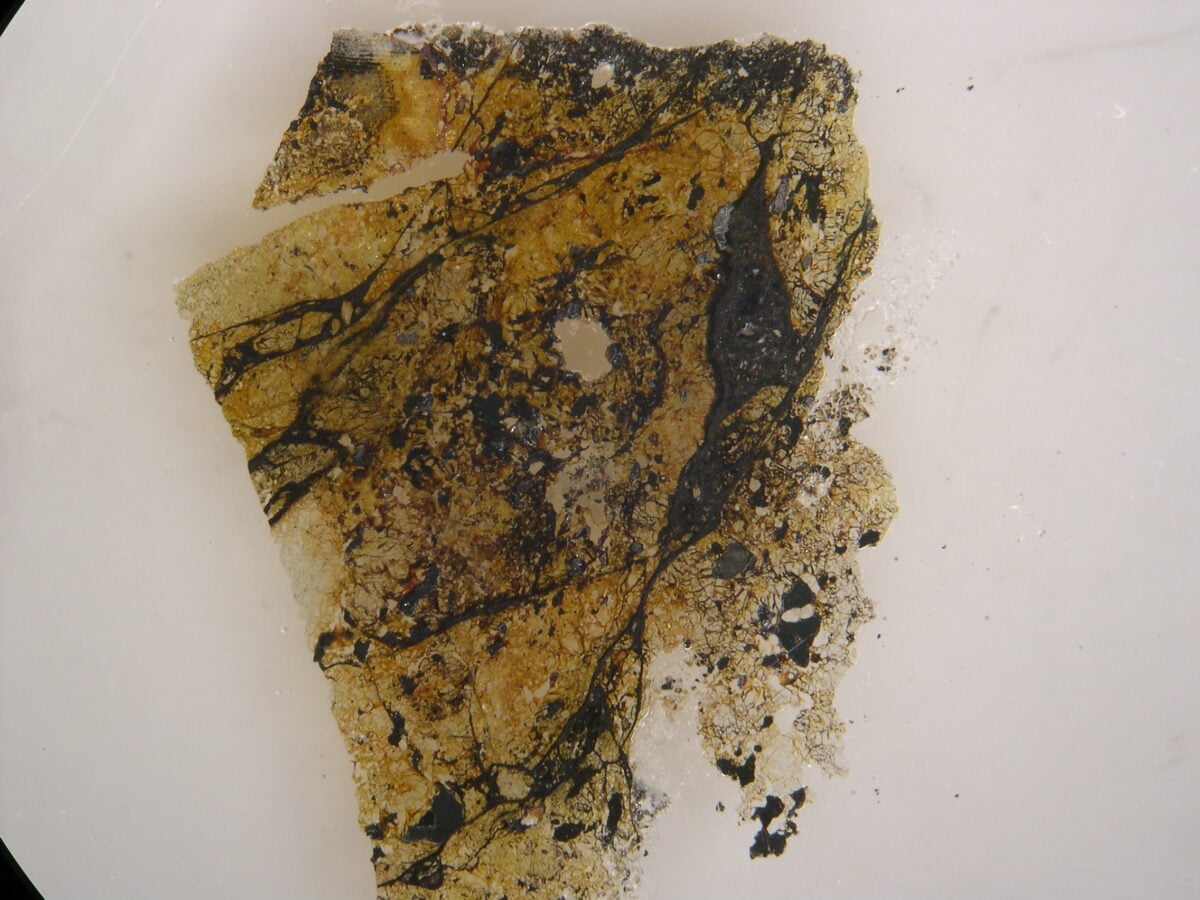
For years, scientists knew this mineral had to exist deep in the earth’s mantle, but they couldn’t prove it because it only stays stable under enormous pressure. Bring it to the surface and it transforms into something else entirely.
In 2014, researchers finally found a sample that had been preserved inside a meteorite that hit Australia. Bridgmanite makes up about 38% of the earth’s volume, which means it’s actually the most common mineral on the entire planet.
Most people have never heard of it because it only exists where humans can’t reach.
Hazenite
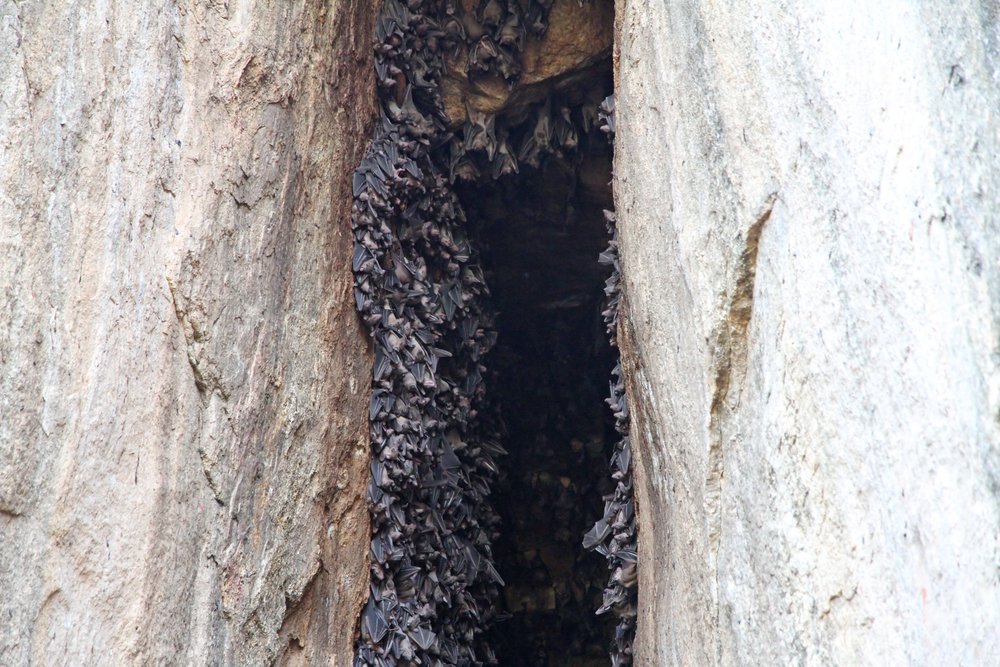
This one formed in a pretty disgusting place. A pile of bat droppings in a cave in Arizona caught fire somehow, and the heat combined with minerals in the rocks to create something brand new.
Scientists named it hazenite after a mineralogist, and it’s one of the few minerals that can claim it was born from burning animal waste. The phosphate-rich environment and the intense heat created just the right conditions for this mineral to form.
It probably exists in other caves around the world where similar fires have happened, but nobody’s found it anywhere else yet.
Ice VII
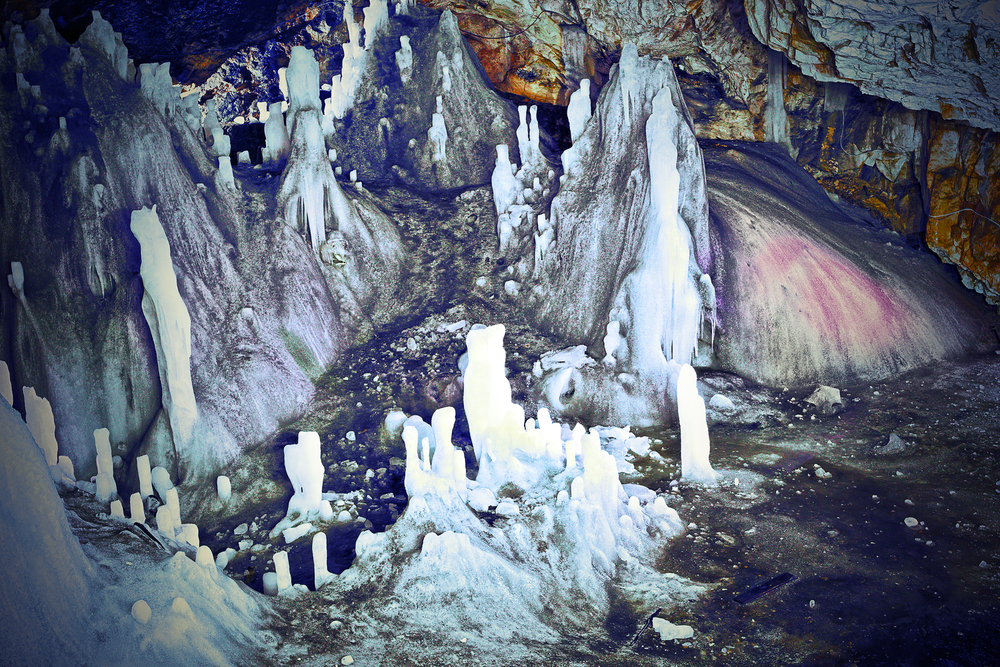
Yes, ice counts as a mineral when it forms naturally in the earth. Ice VII is nothing like the ice cubes in your freezer.
It forms under pressures that are at least 20,000 times stronger than the air pressure at sea level, which means it only exists deep underground. Scientists found tiny pockets of it trapped inside diamonds that came from deep in the mantle.
At room temperature and normal pressure, Ice VII would instantly turn into regular water, so the only reason we can study it is because it stays locked inside those diamonds like a time capsule.
Stishovite
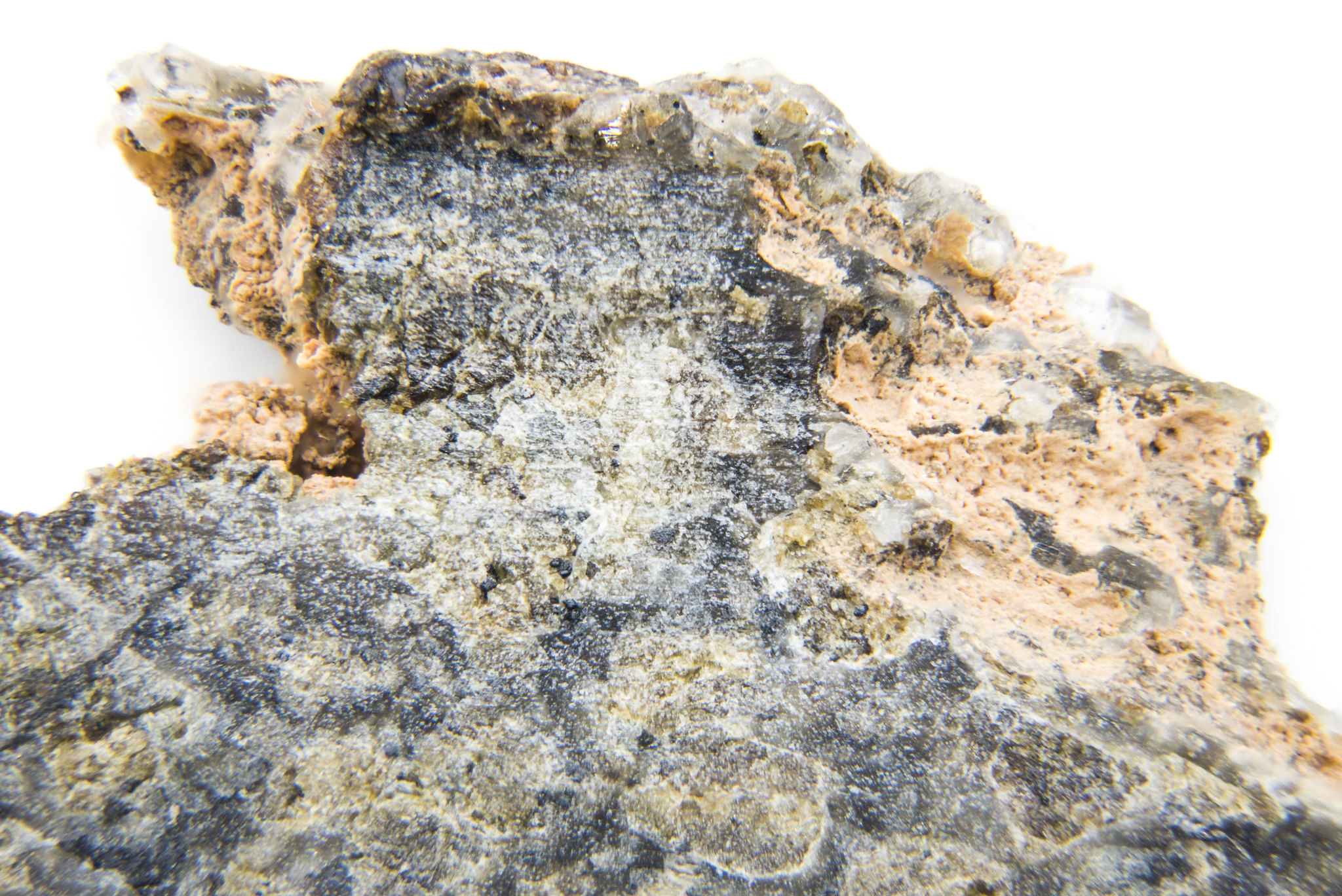
When a massive meteorite hits the ground, the impact creates a shock wave that briefly generates pressures higher than anything else on earth except maybe a nuclear explosion. Stishovite is a form of quartz that only appears under these extreme conditions.
It’s much denser than the quartz you might find in a regular rock. Scientists use it as evidence to identify ancient impact craters because nothing else in nature creates the right conditions to make it.
Some also forms deep in the earth’s mantle where the pressure stays consistently high.
Davemaoite
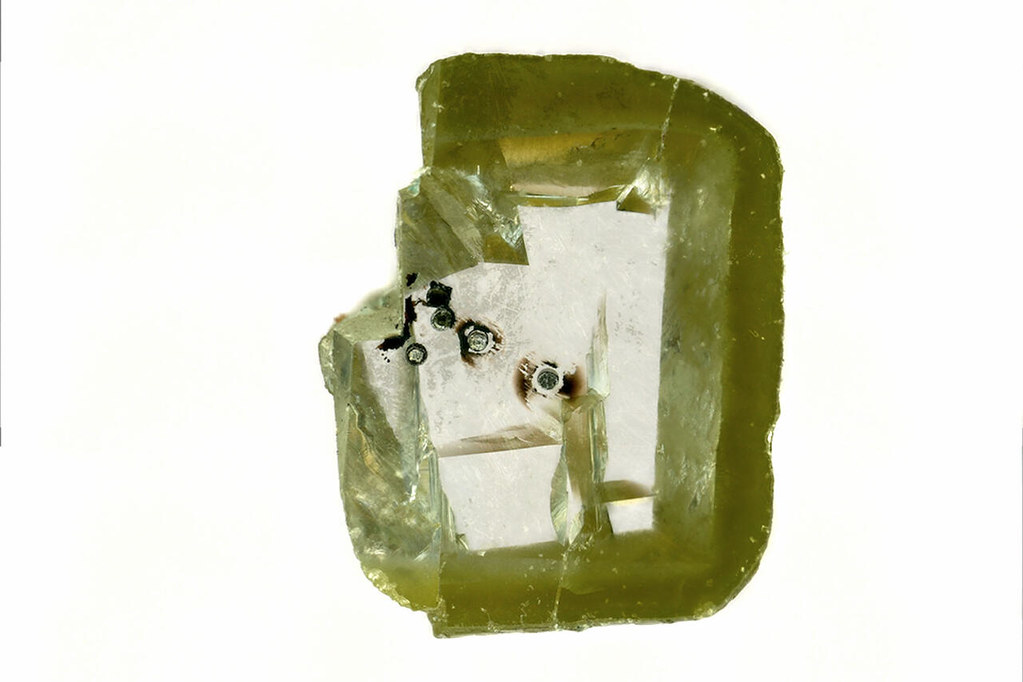
Named after a scientist who spent his career studying what happens to minerals under extreme pressure, davemaoite was officially recognized as a new mineral in 2021. Like bridgmanite, it only exists deep in the lower mantle where the pressure keeps it stable.
Researchers found it preserved inside a diamond that came from about 410 miles below the surface. It contains calcium, silicon, and oxygen arranged in a structure that can’t exist anywhere near the surface.
The diamond acted like a protective capsule that kept the davemaoite from changing into something else during its journey upward.
Fibrous diamonds
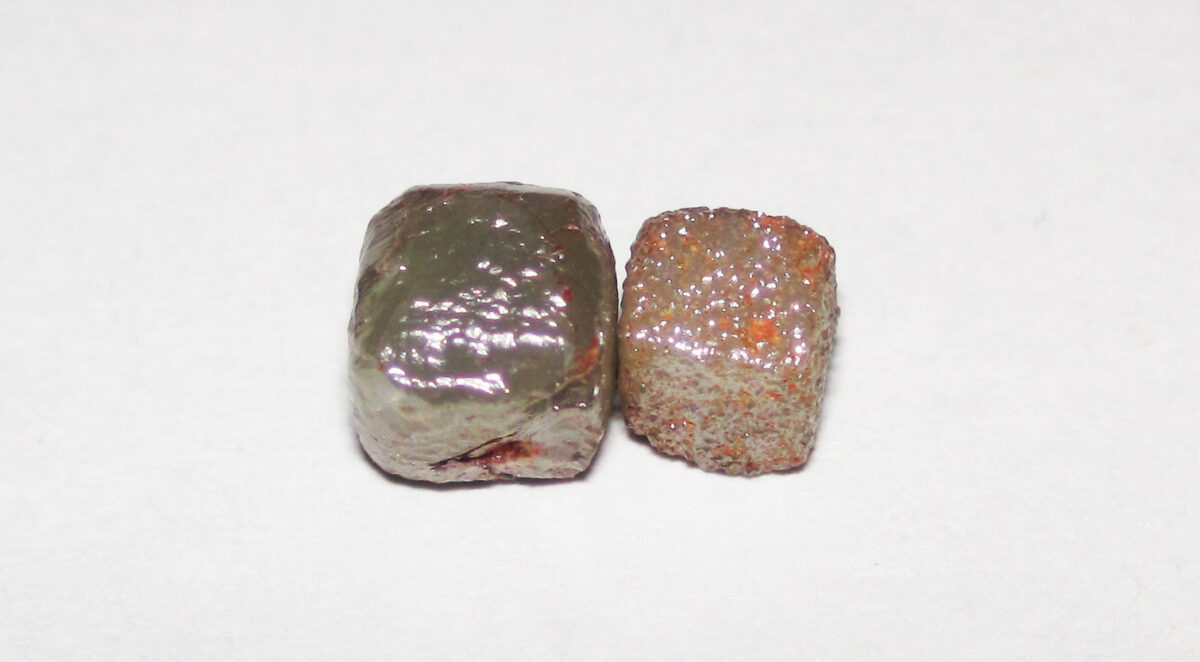
Most people picture diamonds as clear, sparkling gems, but deep underground some diamonds grow in long, thin strands that look more like threads than jewels. These fibrous diamonds form in areas where fluids rich in carbon move through the rocks under high pressure.
They trap tiny bits of those fluids inside as they grow, which gives scientists clues about what’s happening hundreds of miles down. The fibers themselves aren’t pretty enough to use in jewelry, but they’re incredibly valuable for research.
Some contain minerals that only exist at depths of 400 miles or more.
Qingsongite
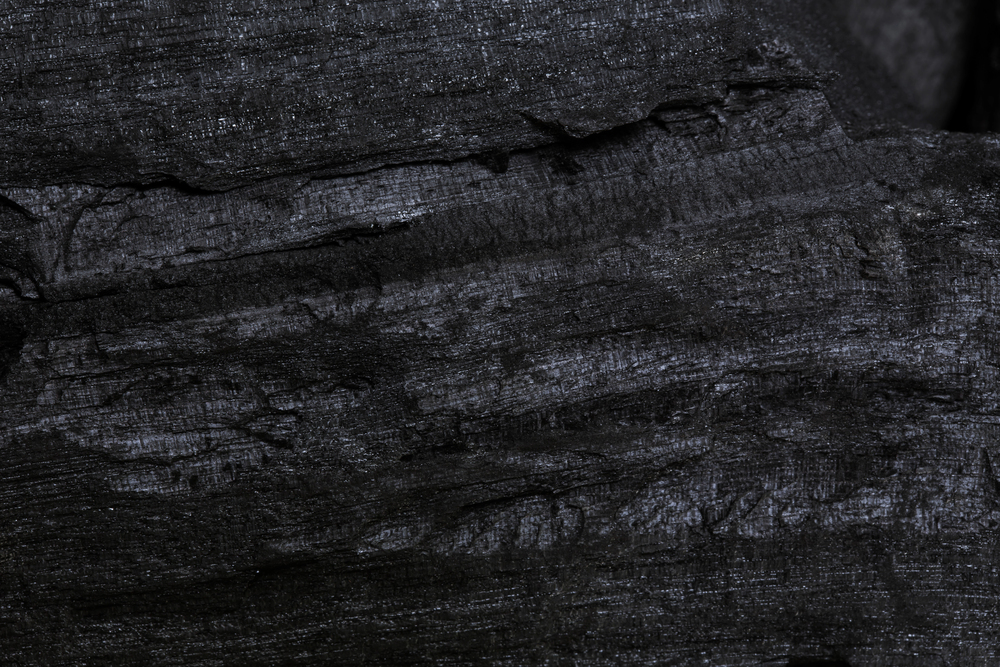
This mineral is basically a form of pure carbon that’s harder than most types of steel but not quite as hard as diamond. It was first discovered inside a meteorite that fell in China, but scientists later figured out it can also form deep in the earth’s mantle.
The high pressure down there squeezes carbon atoms into a cubic structure that’s different from both diamond and graphite. Qingsongite crystals are usually tiny, and they’re pretty rare even in the deep rocks where they can form.
Most samples have come from meteorites rather than from mining operations.
Niningerite
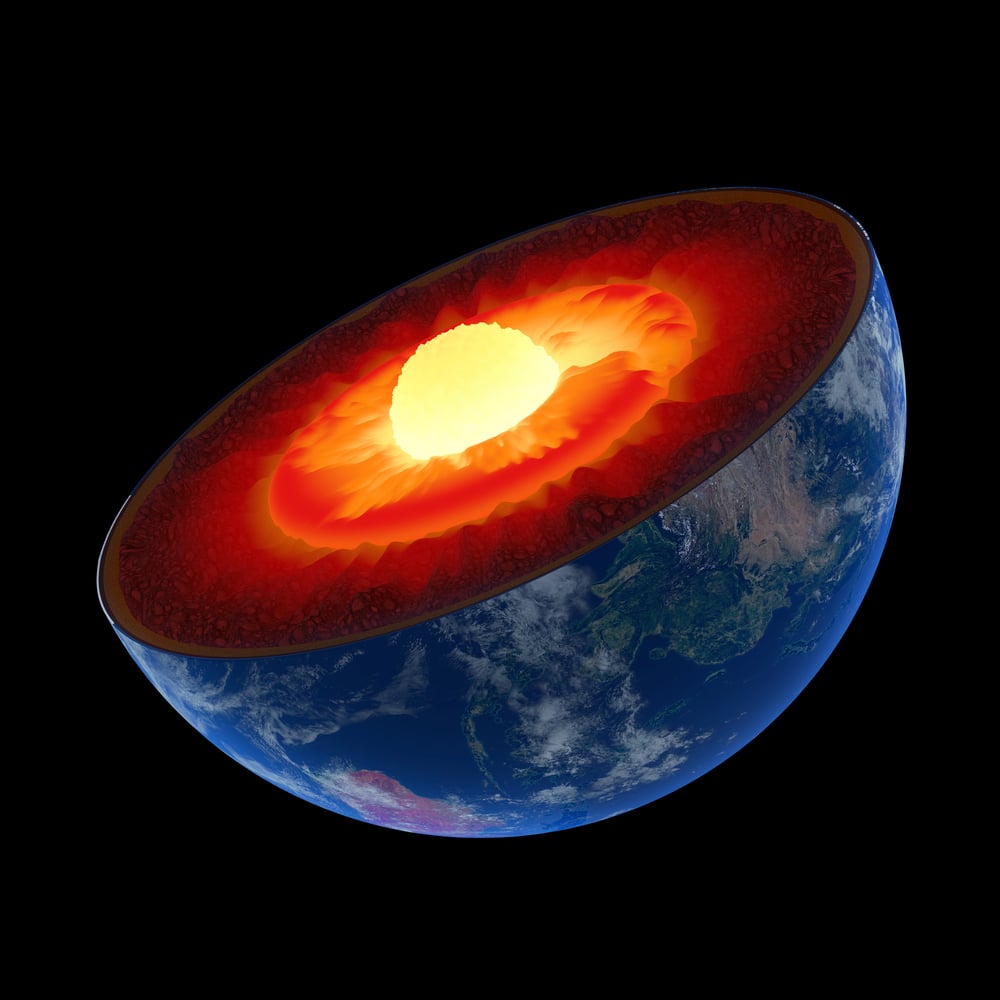
This mineral contains magnesium and sulfur, and it’s named after a meteorite expert who studied rocks from space. While scientists originally found it in meteorites, they later discovered it also exists in the deep mantle.
It needs low oxygen levels and high temperatures to form conditions that don’t happen near the surface. The crystals are usually dark colored and mixed in with other minerals.
Studying niningerite helps researchers understand how the deep earth differs from the crust we live on, particularly in terms of the chemical makeup and the amount of oxygen available.
Majorite
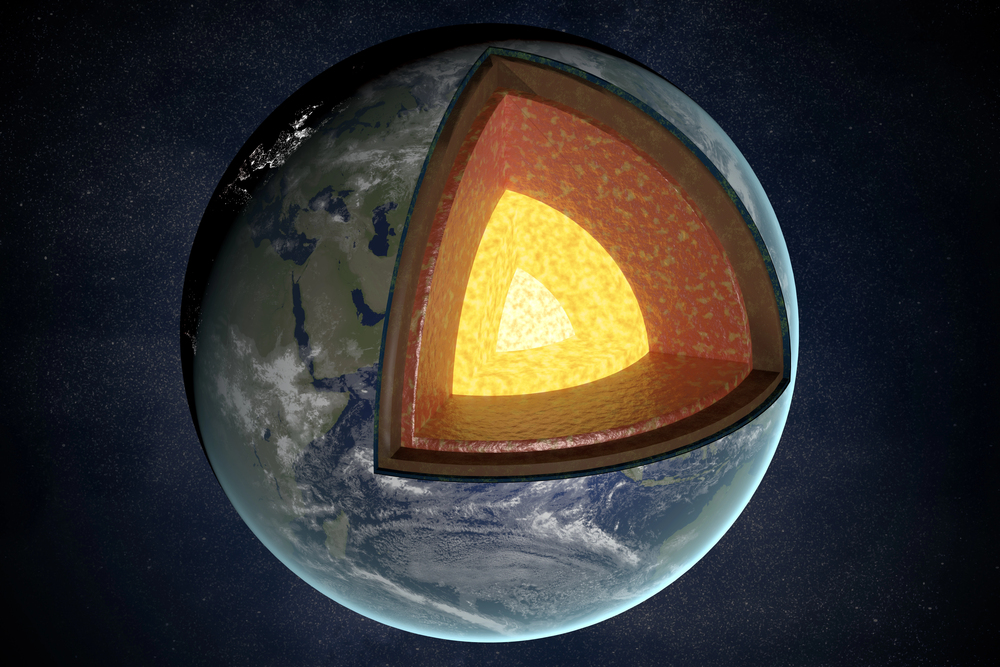
Deep in the transition zone between the upper and lower mantle, regular minerals start to change their structure because of the increasing pressure. Majorite is a type of garnet that only forms at these depths, roughly 250 to 400 miles down.
It was first created in a laboratory before scientists found natural samples trapped inside diamonds. The mineral has a purple color when it’s pure, but natural samples usually have other elements mixed in that change the color.
It’s one of the key minerals that helps scientists understand how the earth’s mantle works at different depths.
Akimotoite
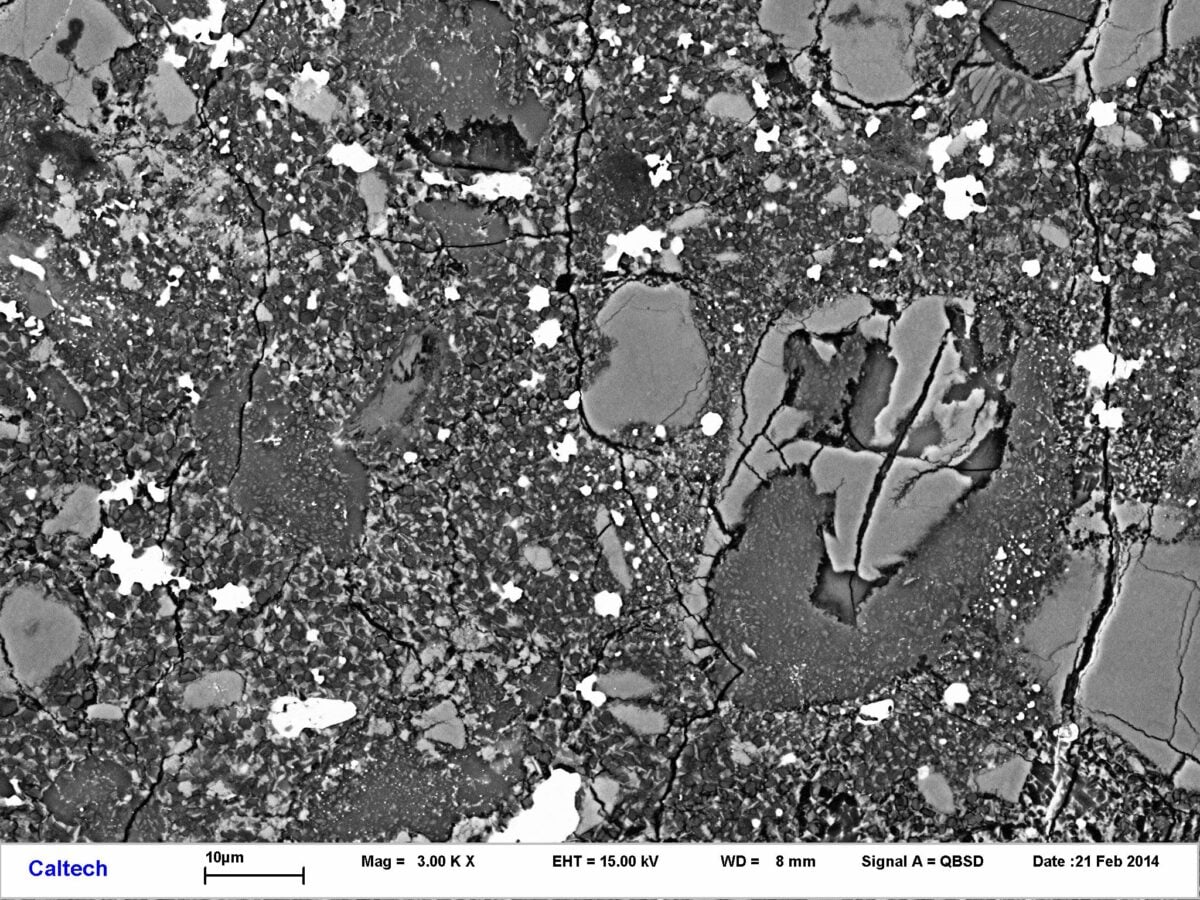
Named after a Japanese scientist who pioneered high-pressure research, this mineral is another form of magnesium silicate that only exists deep underground. It appears in the transition zone of the mantle at depths around 300 to 500 miles.
The pressure at those depths squeezes the atoms into a tightly packed structure that’s denser than the minerals found closer to the surface. Scientists have created it in labs to study its properties, and they’ve also found tiny samples preserved in diamonds.
The existence of akimotoite helps explain why earthquake waves change speed at certain depths.
Reidite
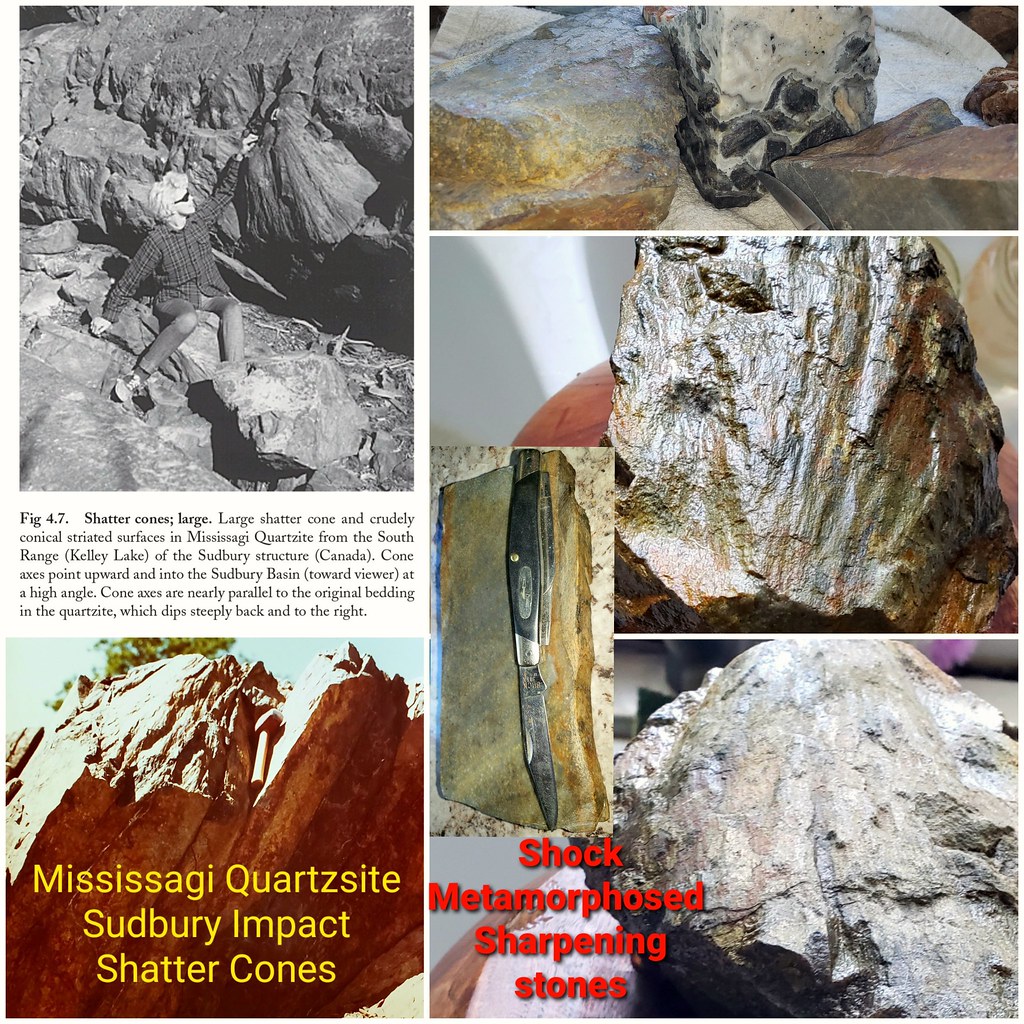
Another impact mineral, reidite forms when meteorites crash into rocks that contain zircon crystals. The shock wave from the impact is so powerful that it changes the zircon’s internal structure within microseconds.
Scientists use reidite as a telltale sign of ancient impacts because nothing else creates it. The crystals are usually incredibly small, and they often sit right next to unchanged zircon in the same rock.
This mineral has helped researchers identify impact sites that had been eroded or buried over millions of years, leaving few other clues behind.
Jeffbenite
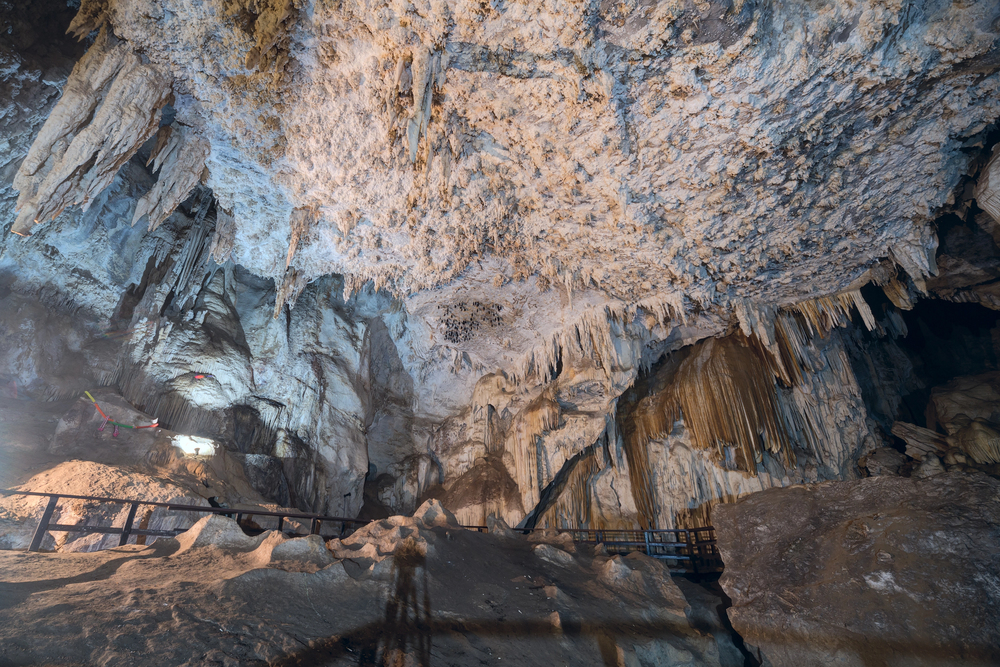
Found only inside diamonds that formed deep in the earth, jeffbenite is a mineral that contains magnesium, aluminum, silicon, and oxygen in unusual proportions. It was discovered in the 1990s and named after two researchers.
The mineral forms at depths around 200 to 300 miles, where temperatures exceed 1800 degrees Fahrenheit and the pressure is crushing. Scientists study these tiny inclusions to learn about the chemical composition of the deep mantle.
Each trapped grain is like a messenger from the depths, preserved perfectly inside its diamond prison.
Calcium silicate perovskite
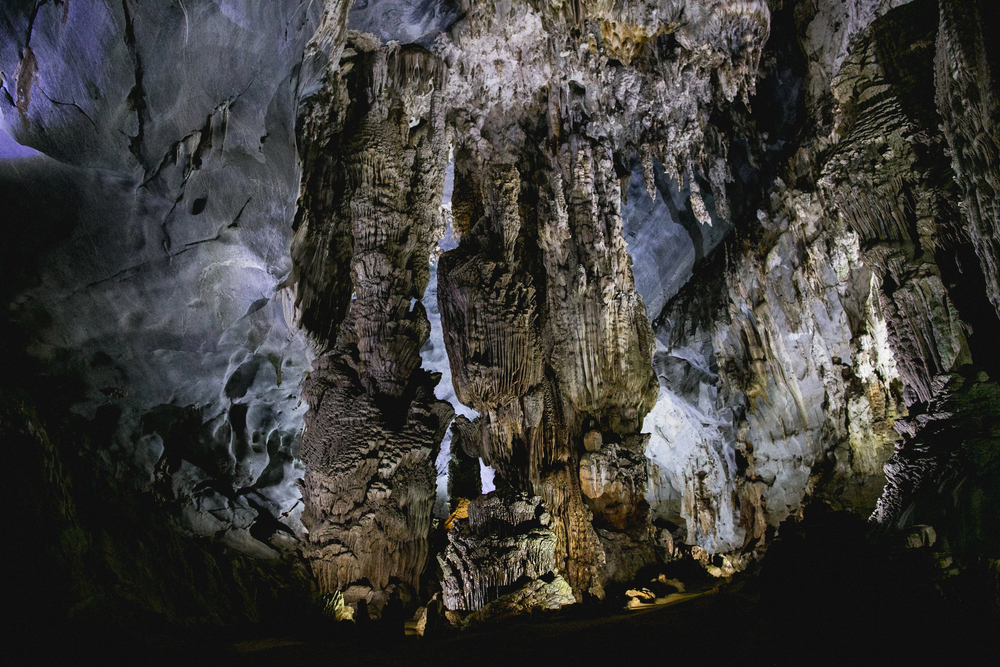
Far below where most rocks form, this mineral emerges in the lowest reaches of the mantle, buried beyond 400 miles down. Though it ranks as Earth’s fourth largest mineral chunk by space taken up, its name wasn’t confirmed until 2021 due to extreme rarity.
Because pressure must be crushing for it to exist, bringing it up changes its shape entirely. Instead of breaking ground on its own, it has been found trapped inside diamonds forged very deep.
Those rare stones acted like elevators, moving fragments toward labs without letting structure collapse. While invisible from the surface, its behavior shapes how warmth moves through our planet’s inner zones.
How deep can diamonds go
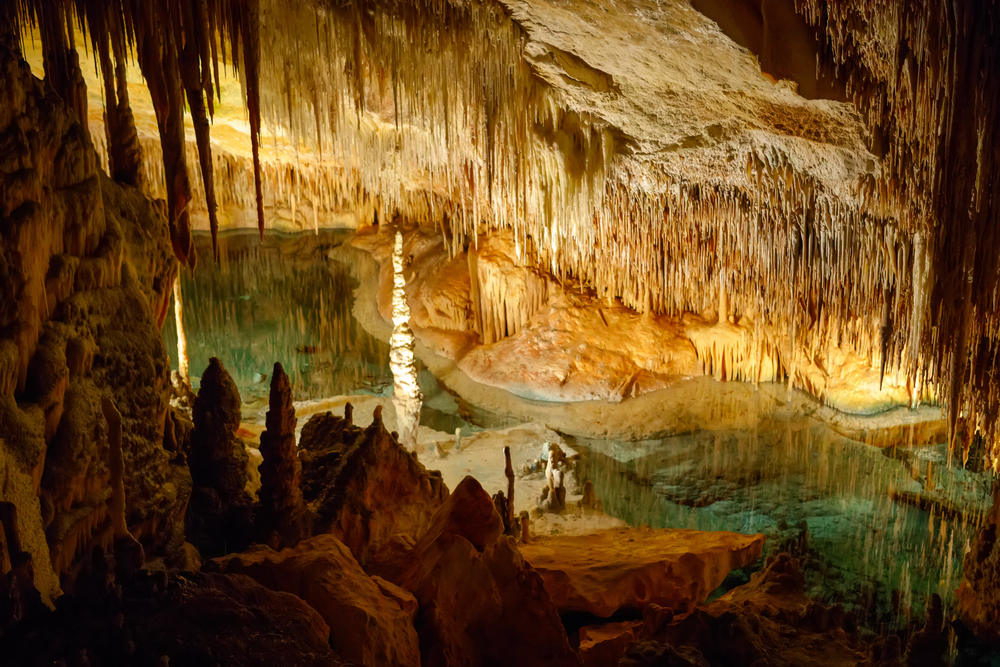
Deep beneath Earth’s skin, diamonds begin far beyond where most rocks form. Starting below five hundred miles, heat and squeeze reach extremes hard to picture.
As they take shape, some lock tiny bits of surrounding material within. What gets caught becomes a frozen moment from places people can’t go.
Volcanic surges heave them skyward, racing through rock at hundreds of miles each hour. It is only because of such forceful lifts that clues about deep-Earth makeup ever reach light.
Through glass, a view opens where hands cannot go
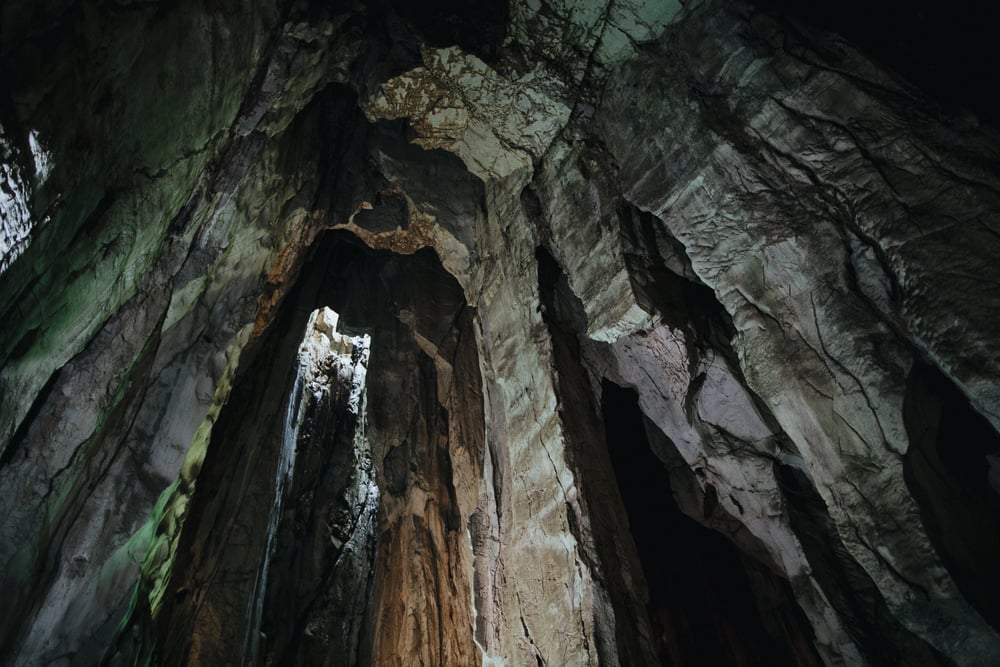
Just seven and a half miles – that’s as far down as humans have ever dug. Yet these minerals grow hundreds of miles below even that point.
Each bit brought up changes what researchers understand about Earth’s inner motion – places machines will likely never touch. They reveal a world where material rises and falls across eons, cycling endlessly from crust to core and back again.
Ground once thought stiff and lifeless actually shifts over time, morphing quietly into strange forms through pressure and heat. Movement hidden underfoot shapes stones in ways only now being seen.
More from Go2Tutors!

- The Romanov Crown Jewels and Their Tragic Fate
- 13 Historical Mysteries That Science Still Can’t Solve
- Famous Hoaxes That Fooled the World for Years
- 15 Child Stars with Tragic Adult Lives
- 16 Famous Jewelry Pieces in History
Like Go2Tutors’s content? Follow us on MSN.



