Plants That Act Like Wild Animals
You most likely envision a fairly immobile object when you think of plants—possibly rooted in soil, quietly photosynthesizing, and not really doing anything.
Isn’t that the story of nature’s supporting cast? Some plants, however, did not receive that message.
Some species around the world have developed behaviors that make them appear less like the tranquil greenery we typically associate with them and more like cunning predators, quick-reflexed prey, or territorial bullies.
These rebellious plants hunt, talk, protect themselves, and even appear to make choices.
There are some incredibly bizarre characters in the plant kingdom that make it difficult to distinguish between flora and fauna.
These 14 plants exhibit more animal-like behaviors than one might anticipate.
Venus Flytrap
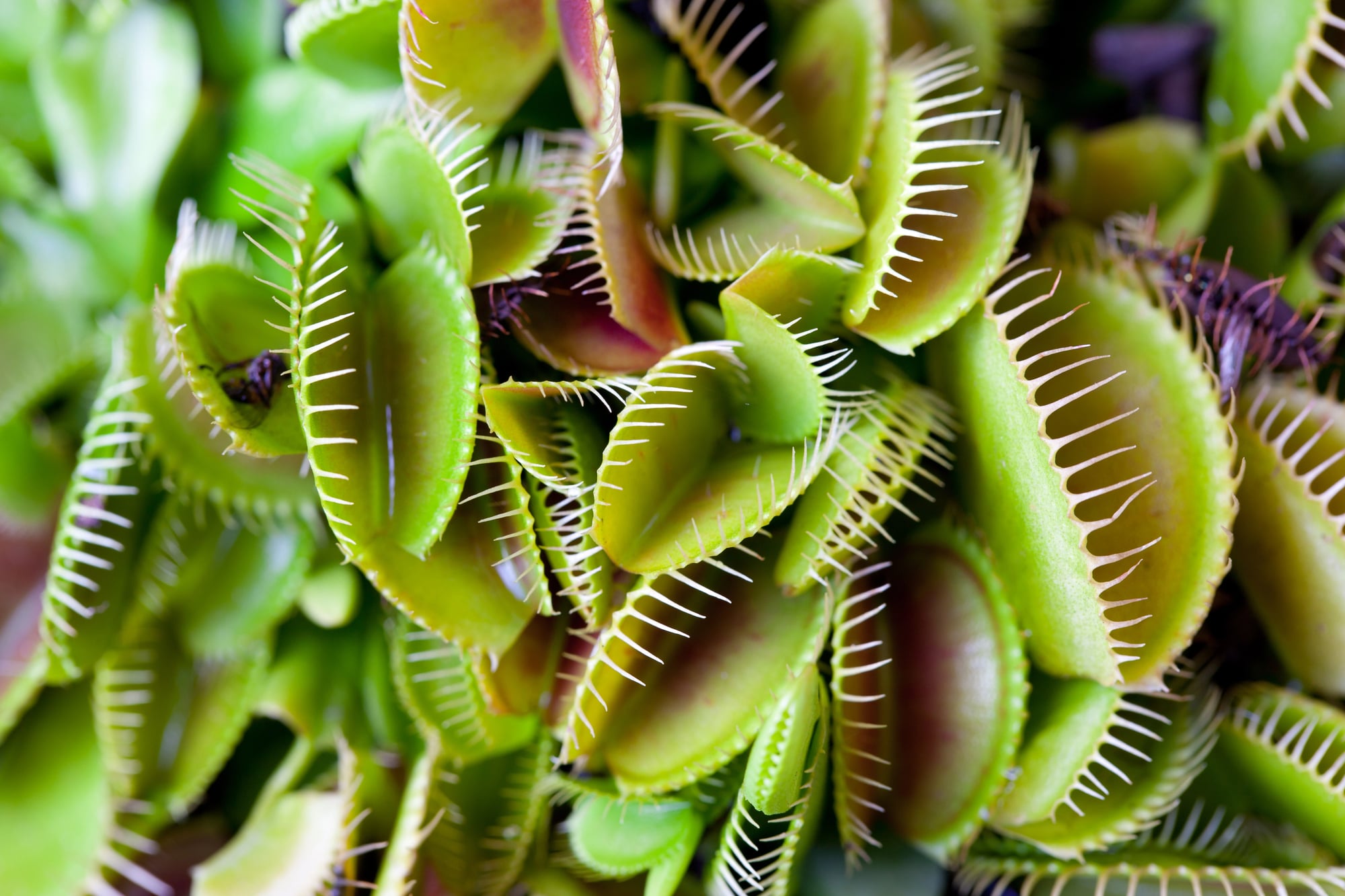
The Venus flytrap is probably the most famous carnivorous plant on Earth, and for good reason.
This thing actually counts how many times its trigger hairs get touched before it snaps shut on an insect.
It waits for at least two contacts within about 20 seconds, which prevents it from wasting energy on raindrops or windblown debris.
Once an unlucky bug triggers the trap twice, the plant closes in roughly 0.1 seconds—faster than most animals can react.
University of Würzburg studies have verified this remarkable counting ability and lightning-fast response.
Mimosa Pudica
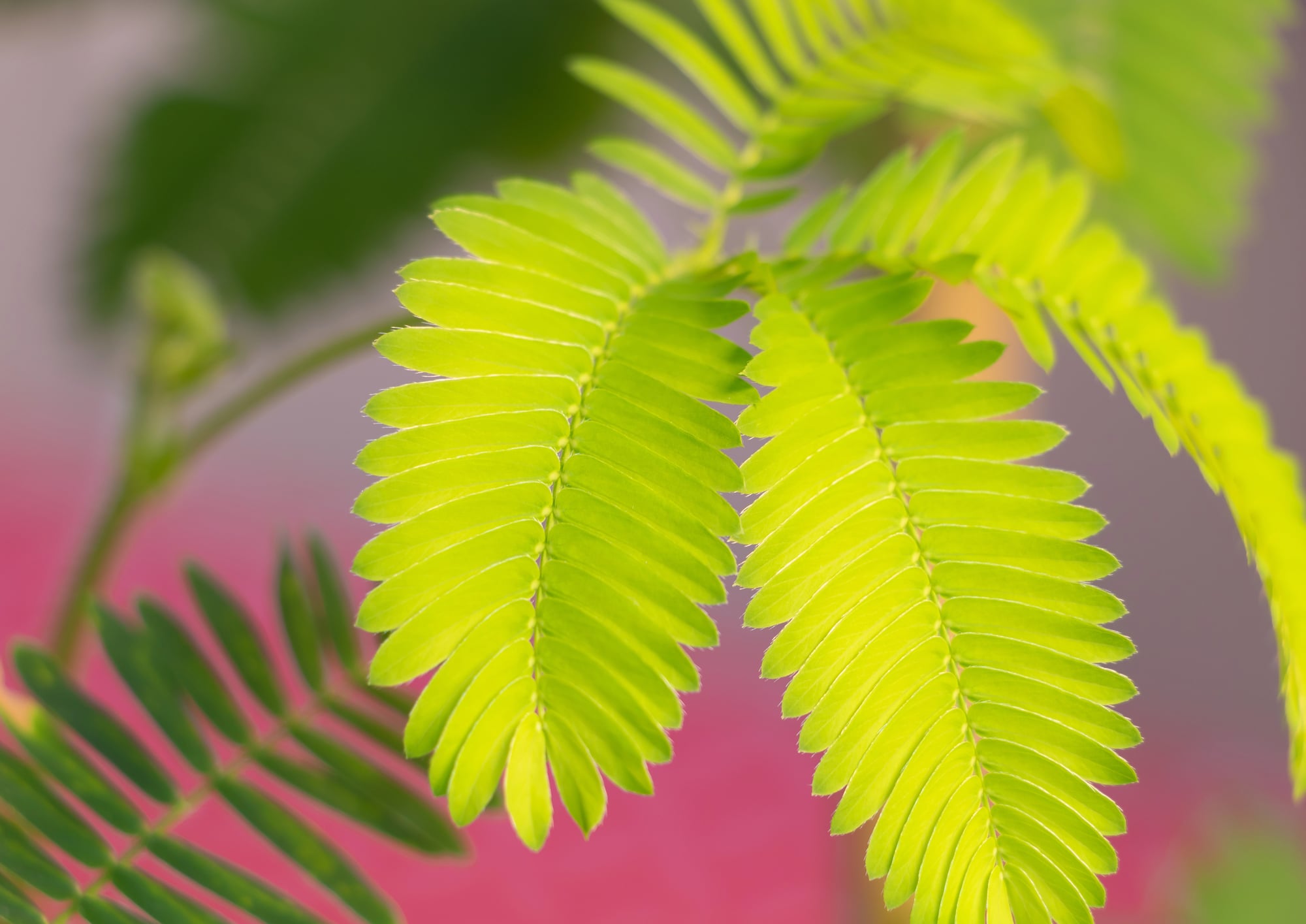
Touch a Mimosa pudica leaf and watch it fold up like it’s embarrassed.
This sensitive plant collapses its leaves within seconds of being touched, shaken, or even exposed to heat.
The movement happens through rapid changes in water pressure inside specialized joint-like structures called pulvini.
Scientists believe this dramatic reaction either scares off potential plant-eaters by making the mimosa look sick and unappetizing, or simply dumps insects off the leaves before they can start munching.
The leaves gradually reopen in about 10 to 15 minutes after the stimulation ends.
Like Go2Tutors’s content? Follow us on MSN.
Sundews
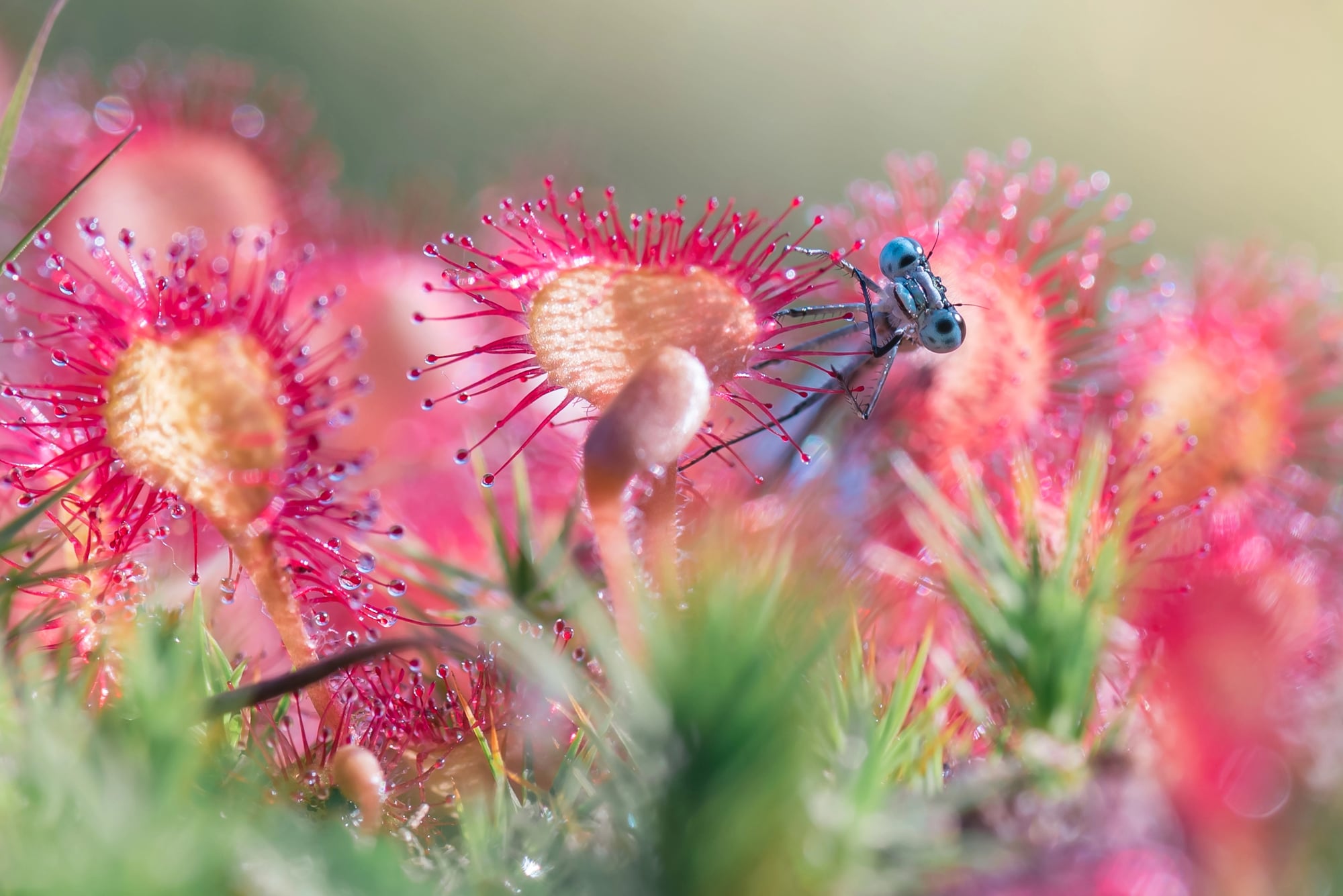
Sundews are like tiny green octopuses waiting for prey.
Their leaves are covered with sticky tentacles that glisten with what looks like sweet dew but is actually a deadly trap.
When an insect lands and gets stuck, the plant doesn’t just sit there—it slowly curls its tentacles around the victim over several hours.
The movement is controlled by growth hormones called auxins rather than muscles, and the speed varies by species, taking anywhere from minutes to hours.
Some species even bend their entire leaf to wrap around prey, showing a hunting sophistication that would make plenty of spiders jealous.
Pitcher Plants
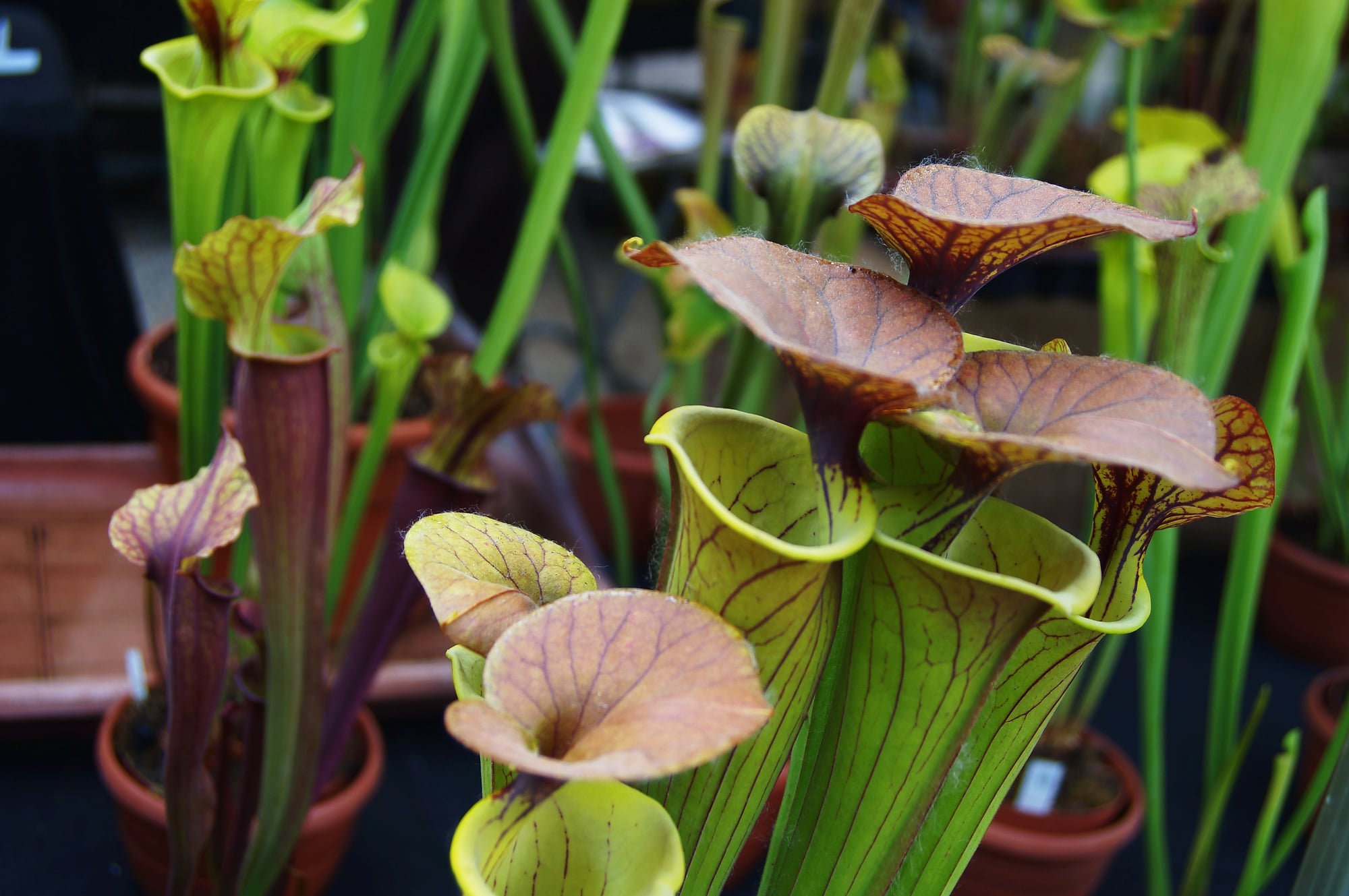
Pitcher plants have turned their leaves into elaborate death traps that would impress any predator.
These modified leaves form deep, slippery containers filled with digestive fluids.
Insects are lured in by bright colors and sweet scents near the rim, but the waxy surface offers zero traction.
Once they slip inside, there’s no climbing out.
The largest species, Nepenthes rajah, can hold over a foot of fluid and has occasionally trapped small vertebrates like frogs and rodents, though these events are rare and mostly accidental rather than active predation.
Bladderworts

If you want to see one of the fastest movements in the entire plant kingdom, check out bladderworts.
These aquatic carnivores have tiny bladders that create a vacuum by pumping out water.
When a microscopic creature brushes against trigger hairs near the opening, the trap door flies open and sucks in the prey in just 0.002 seconds—that’s two milliseconds.
This is the fastest known movement in any plant, quicker than you can blink and faster than almost any animal movement on record.
Like Go2Tutors’s content? Follow us on MSN.
Dodder Vine

The dodder vine is basically a botanical vampire.
This parasitic plant has no roots and can’t make its own food, so it hunts for host plants instead.
Here’s the creepy part: it can actually smell potential victims from a distance and grow directly toward the most nutritious options.
A 2006 Penn State study confirmed this behavior, showing that dodder detects volatile organic compounds released by nearby plants.
If you give a dodder seedling a choice between a tomato plant and wheat, it’ll consistently head for the tomato.
Once it reaches a host, it wraps around like a python and drains nutrients through specialized penetrating structures.
Telegraph Plant
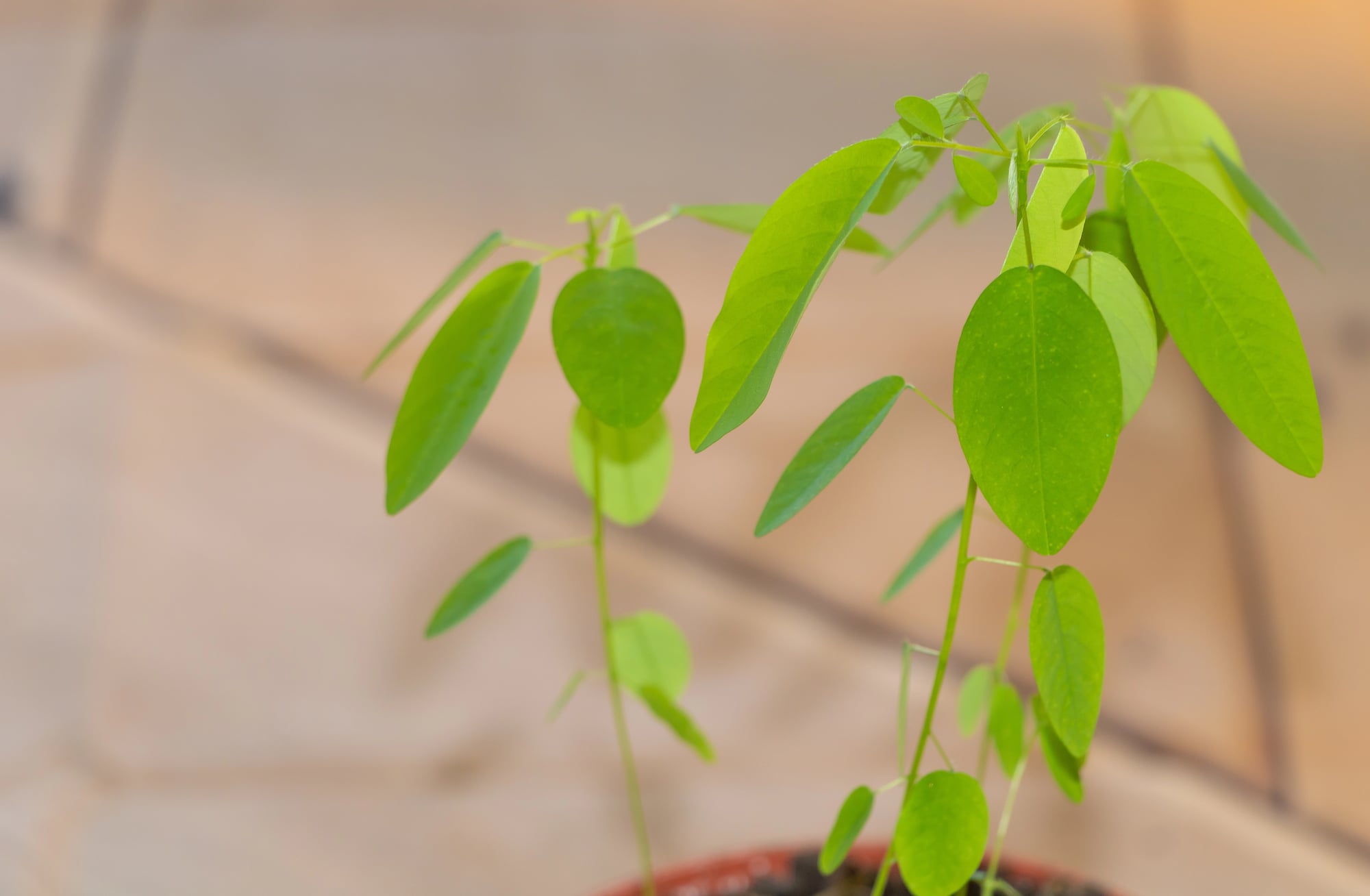
The telegraph plant moves constantly throughout the day, rotating its small side leaves in slow circles like it’s doing some kind of botanical dance.
The leaflets move every three to five minutes, driven by changes in turgor pressure and influenced by light intensity and temperature.
Scientists still aren’t entirely sure why it does this nonstop movement, though theories include optimizing light exposure or deterring hungry insects.
Watching it in real time feels more like observing a restless caged animal than a rooted organism.
Corpse Flower
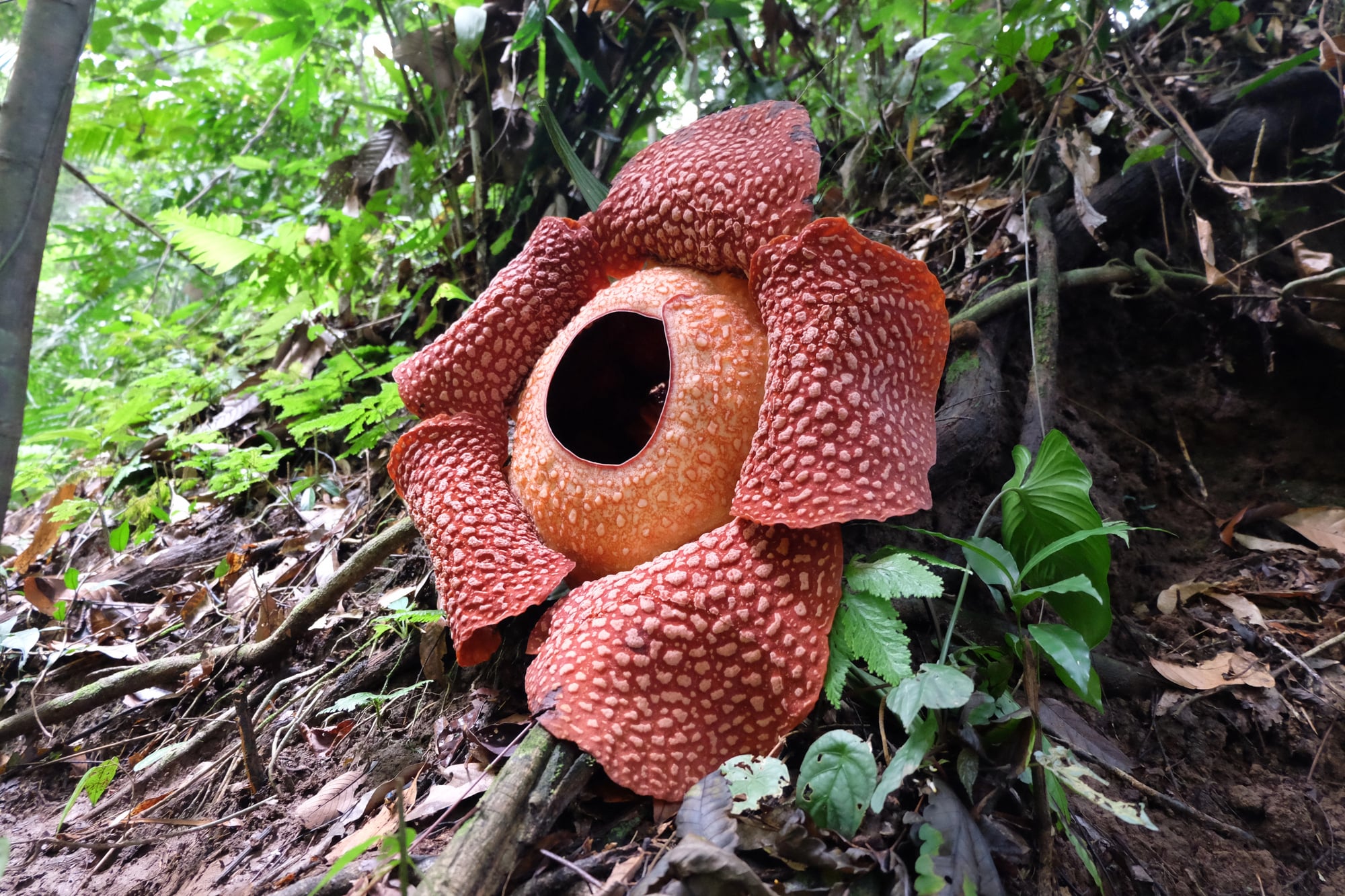
The corpse flower takes mimicry to a disturbing level.
This plant produces one of the worst smells in nature—exactly like rotting meat—to attract flies and beetles that normally feed on dead animals.
The odor contains dimethyl trisulfide and putrescine, the same compounds found in decomposing flesh.
The deep red color of the flower even looks like decaying tissue.
The bloom only lasts 24 to 36 hours, making it a brief but unforgettable event.
It’s a brilliant survival strategy since those insects end up pollinating the plant while searching for a meal that doesn’t exist.
Like Go2Tutors’s content? Follow us on MSN.
Strangler Fig
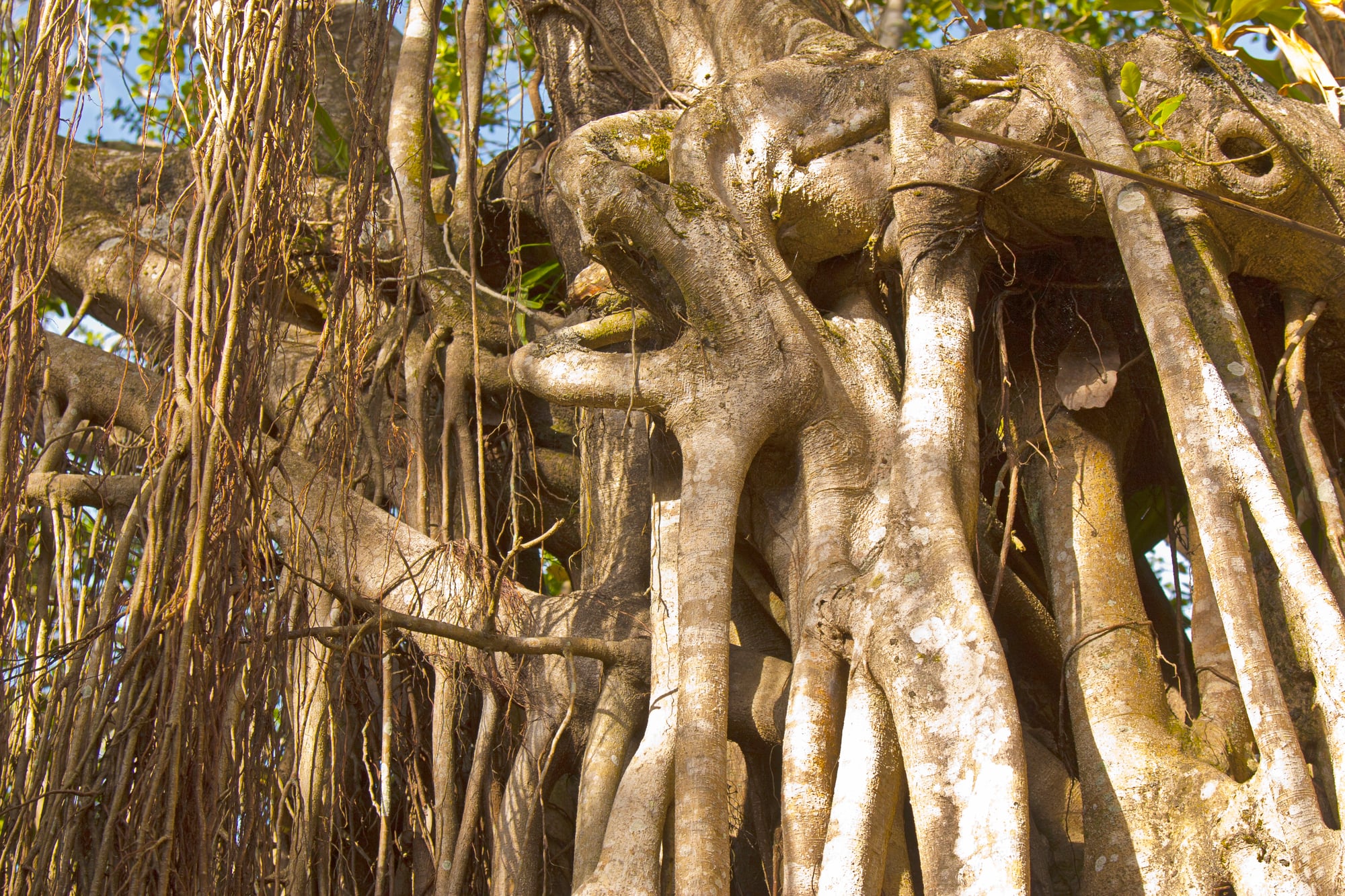
Strangler figs start life innocently enough as seeds dropped by birds in the branches of other trees.
But over time, these plants send roots down to the ground and branches upward, gradually enveloping their host tree.
Eventually, the fig completely surrounds and kills the tree that supported it, standing alone where its victim once stood.
This process can take decades to complete.
Common in tropical forests worldwide, species like Ficus aurea and Ficus benghalensis use this aggressive, almost predatory growth pattern that reshapes entire forest ecosystems.
Boquila Vine
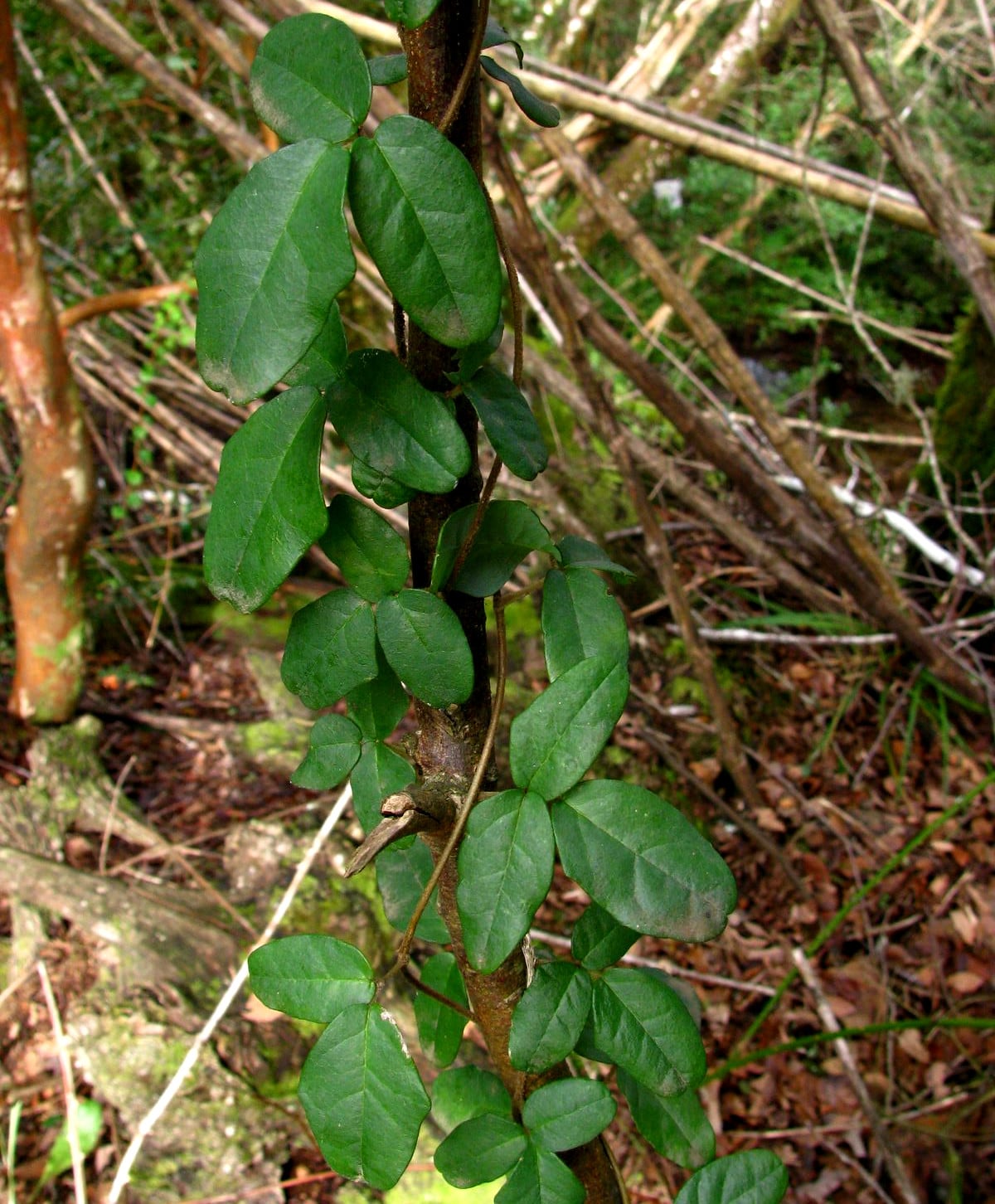
The Boquila vine is one of the most mind-bending mimics in nature.
This South American plant can change the shape, size, and color of its leaves to match whatever plant is growing nearby—even if they’re completely unrelated species.
A single vine can mimic up to 12 different species as it climbs.
The wild part is that Boquila doesn’t need to touch the plants it’s copying, meaning it somehow senses or sees its surroundings.
The mechanism remains unknown, with scientists debating whether it uses airborne chemical cues or possibly even horizontal gene transfer from host plants.
This camouflage helps it avoid herbivores by blending seamlessly into the surrounding foliage.
Jewelweed
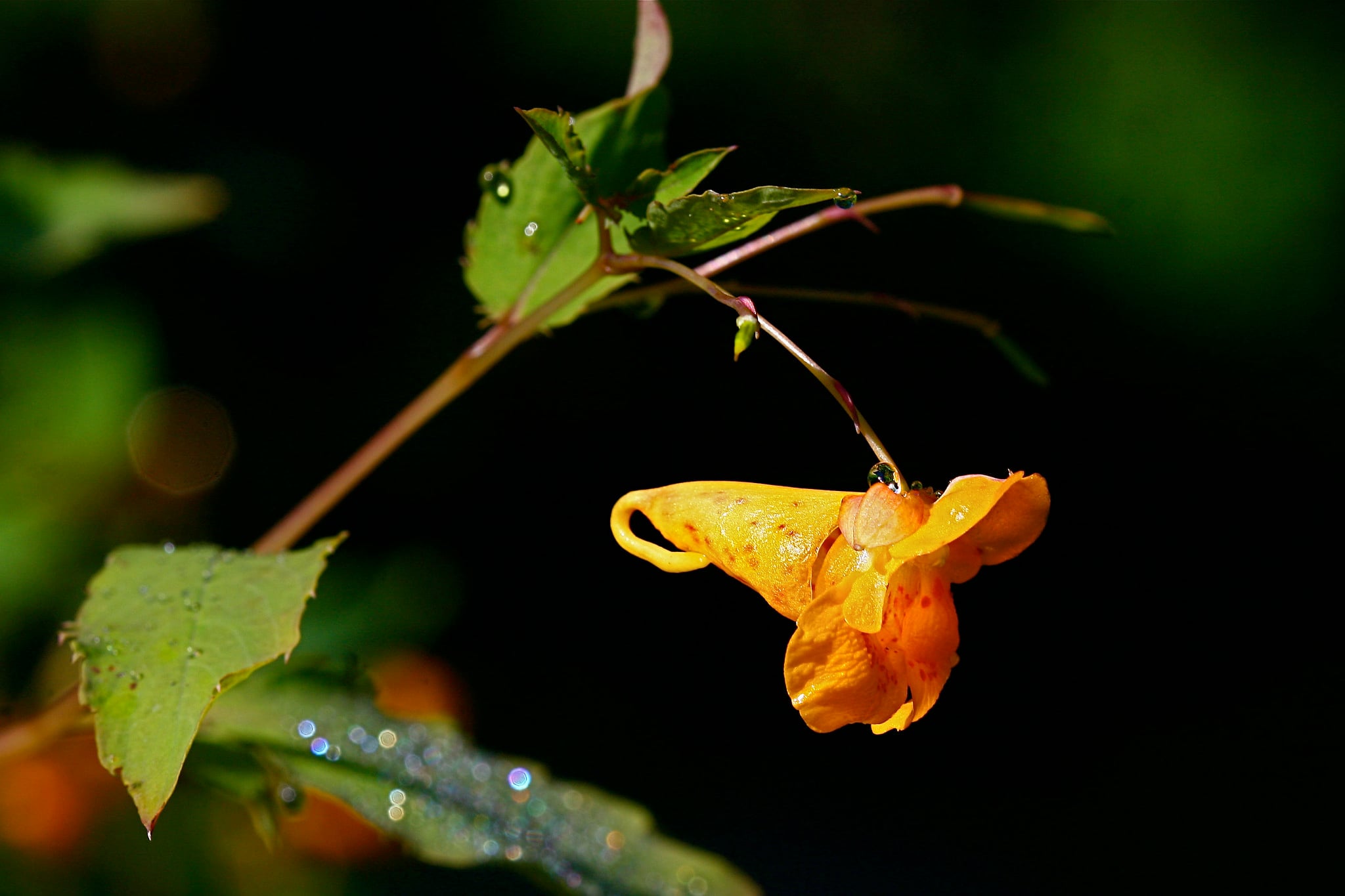
Jewelweed has developed an explosive way to spread its offspring.
When the seed pods mature, they become incredibly sensitive to touch.
The slightest disturbance makes them burst open and shoot seeds up to two meters—roughly 6.5 feet—away in a startling display.
This mechanism is called ballochory and works through tension built up in the pod’s outer layer.
Hikers often get surprised when they accidentally brush against these plants on trails.
This ballistic seed dispersal acts like a quick escape mechanism, scattering the next generation far from the parent plant while simultaneously startling anything that might want to eat the seeds.
Like Go2Tutors’s content? Follow us on MSN.
Stinging Nettles

Stinging nettles are armed and dangerous, covered in tiny hollow hairs called trichomes that work exactly like hypodermic needles.
When something brushes against the plant, these hairs break off and inject a chemical cocktail containing histamine, serotonin, acetylcholine, and formic acid that causes immediate burning pain.
It’s a defense mechanism directly comparable to animal stingers or venomous spines.
The pain can last for hours and serves as an extremely effective deterrent against anything considering the plant as food.
Prayer Plant
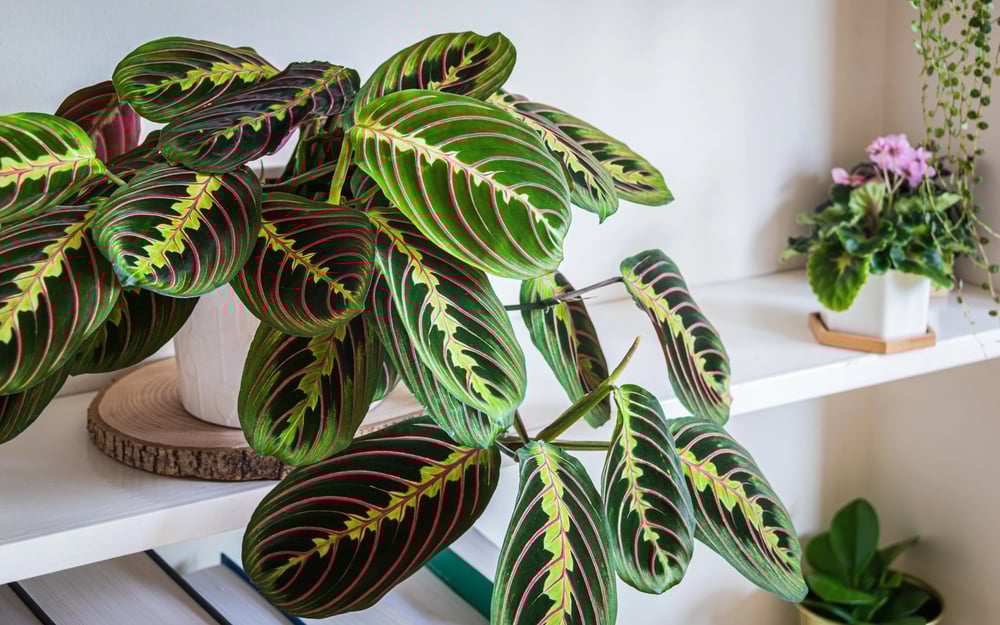
Prayer plants follow a daily routine that looks surprisingly similar to a sleep-wake cycle in animals.
Every evening, their leaves lift upward as if they’re praying, then lower back down each morning with remarkable consistency.
This motion is controlled by pulvini at the leaf base responding to circadian rhythms and light cues, a behavior called nyctinasty.
The movement helps the plant conserve moisture during cooler nights and protects leaves from temperature drops.
People often assume the plant is responding to their presence, but it’s actually following an internal biological clock more precise than many animals maintain.
Tree of Heaven
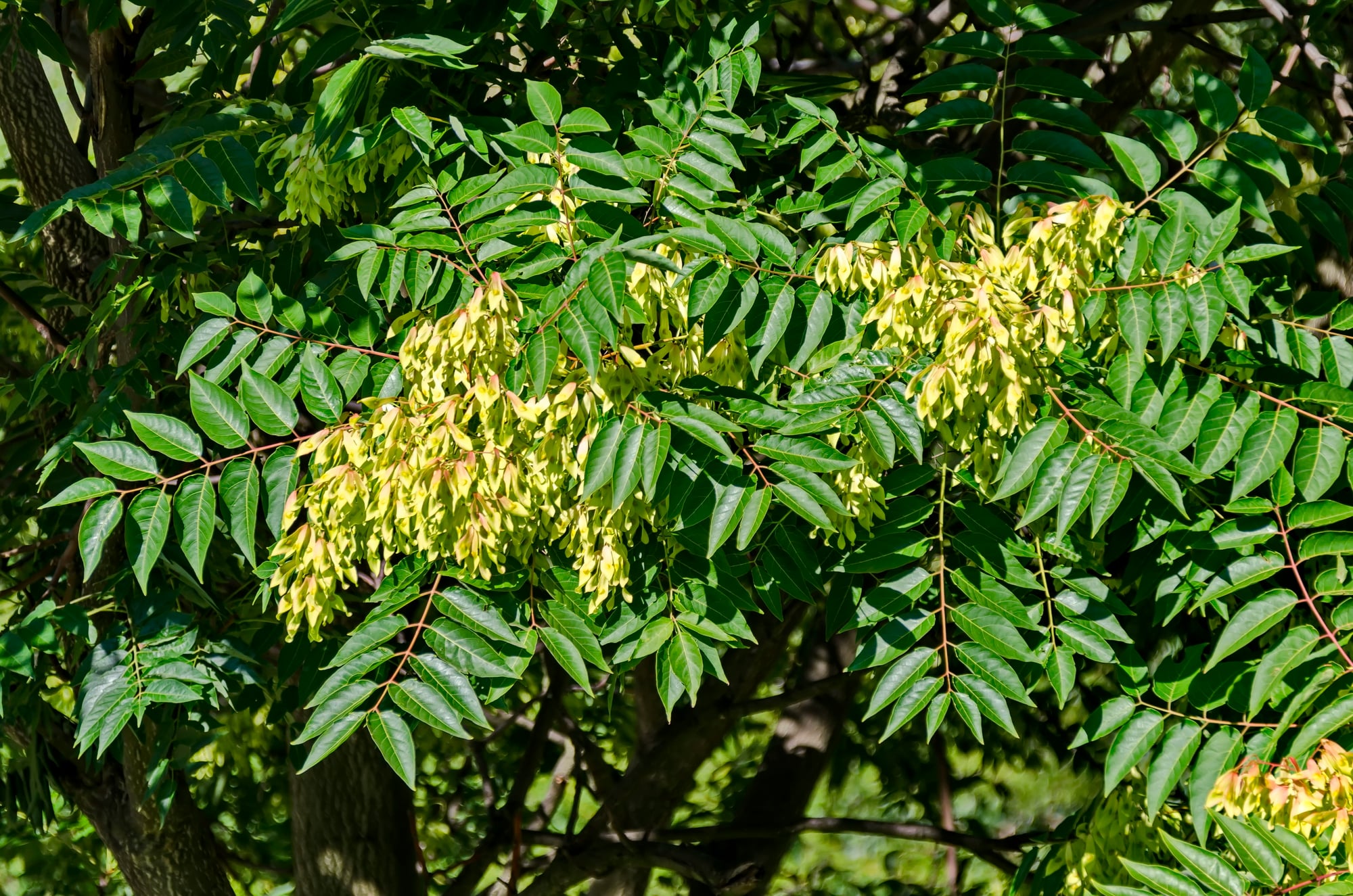
The Tree of Heaven doesn’t just compete with neighboring plants—it actively wages chemical warfare against them.
This aggressive species releases a toxic compound called ailanthone into the soil that poisons and inhibits the growth of other plants, securing its dominance over the territory.
Native to China but now invasive across North America and Europe, this species combines chemical warfare with rapid growth and adaptability.
It’s basically the botanical equivalent of an animal marking and defending its turf through intimidation and aggression.
Like Go2Tutors’s content? Follow us on MSN.
Where Biology Gets Blurry
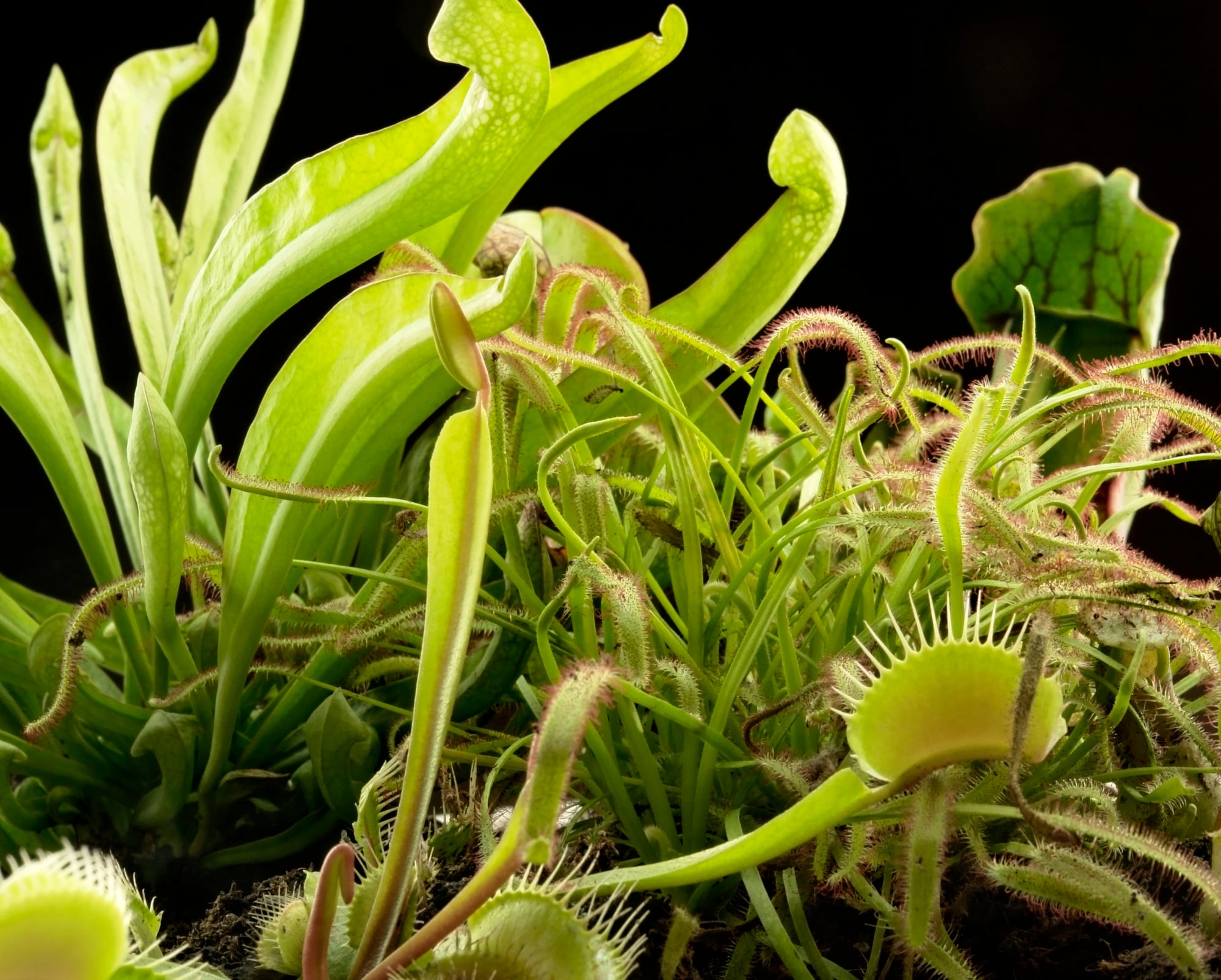
Over the course of their hundreds of millions of years of evolution, plants have independently acquired characteristics that we typically associate with animal behavior.
Our preconceptions of what plants are capable of are challenged by the Venus flytrap’s touch-counting ability, the mimosa’s lightning-fast reflexes, and the dodder vine’s hunting choices.
These aren’t merely oddball innovations; they’re highly developed survival techniques that are equally effective as running away, teeth, or claws.
It turns out that the distinction between plants and animals is much more ambiguous than most of us were taught in school.
These amazing species demonstrate that millions of years of ingenious evolution are all that is required to act alive—no muscles, nerves, or brains.
More from Go2Tutors!

- 16 Historical Figures Who Were Nothing Like You Think
- 12 Things Sold in the 80s That Are Now Illegal
- 15 VHS Tapes That Could Be Worth Thousands
- 17 Historical “What Ifs” That Would Have Changed Everything
- 18 TV Shows That Vanished Without a Finale
Like Go2Tutors’s content? Follow us on MSN.