Islands Inhabited Only by Animals
Some places on Earth belong entirely to the creatures that live there. No permanent human residents.
No shops or houses. Just animals that have claimed these islands as their own, creating ecosystems that exist almost entirely separate from human interference.
These islands tell stories about adaptation, survival, and what happens when nature gets left alone. Some of these places became animal sanctuaries by accident.
Others were always remote enough that people never bothered settling there. Either way, they offer a glimpse into a world where animals call the shots.
Okunoshima: The Rabbit Island of Japan
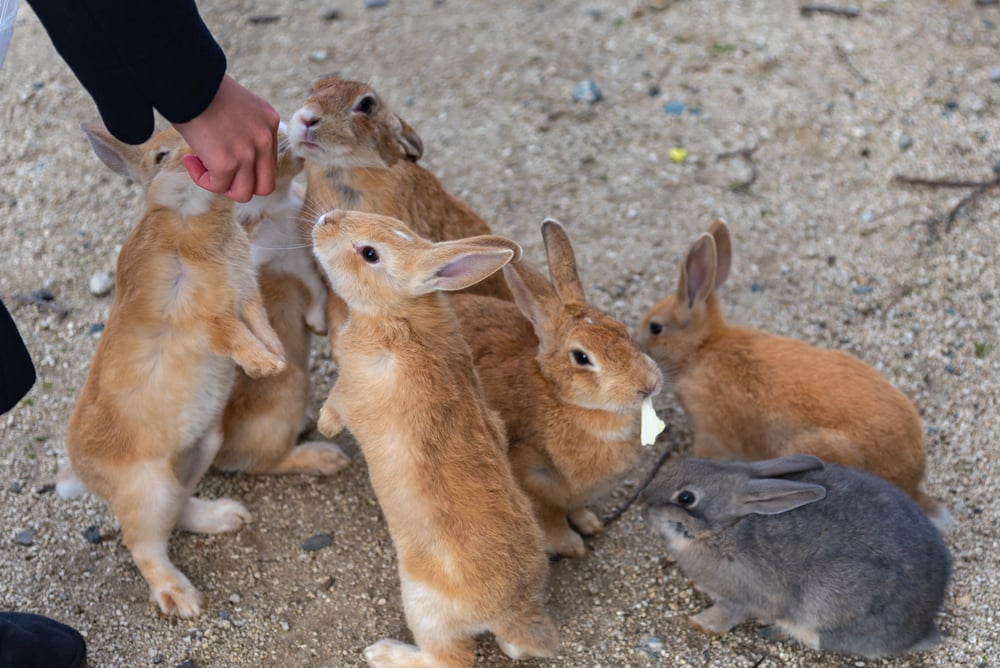
Okunoshima sits in the Inland Sea of Japan, and rabbits cover every available surface. Hundreds of them.
They approach visitors without fear, expecting food and attention. But these fluffy residents have a darker origin story than you’d expect.
During World War II, the Japanese military used this island to manufacture chemical weapons. They brought rabbits for testing purposes.
After the war ended, those rabbits either escaped or were released, and they multiplied. Fast.
The island had no natural predators, perfect conditions, and plenty of space. Today, the descendants of those test subjects have turned Okunoshima into their personal kingdom.
The rabbits here don’t just survive—they thrive. They’ve adapted to tourist presence and figured out that humans bring food.
Watch them for a few minutes and you’ll see a complex social structure at play. Dominant rabbits control the best territories near the ferry dock.
Younger ones hang back and wait their turn.
Big Major Cay: Swimming Pigs in the Bahamas
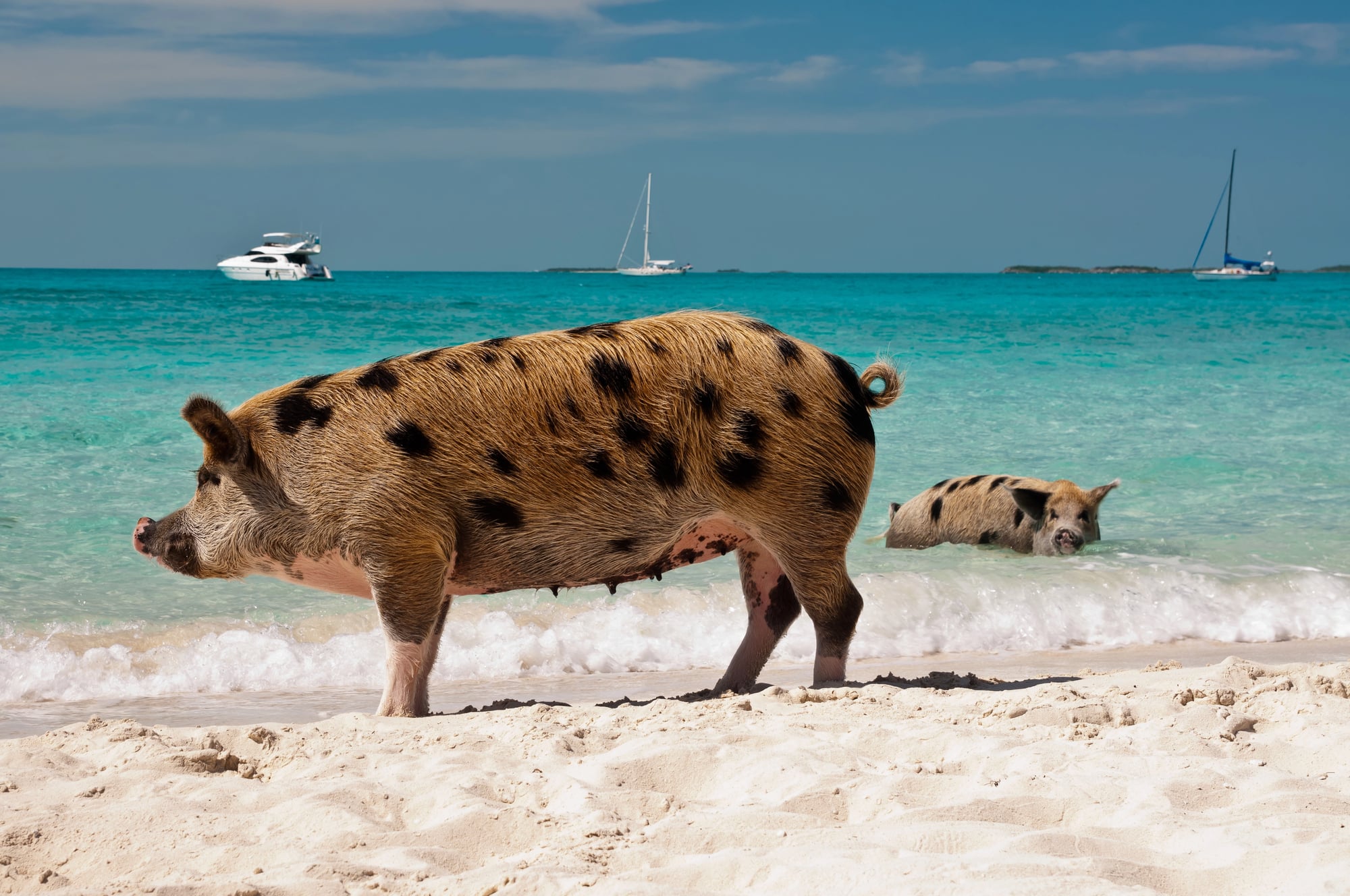
Pigs swimming in crystal-clear Caribbean water sounds made up. But on Big Major Cay in the Exumas, that’s exactly what happens every day.
These pigs paddle out to boats, confident swimmers who have learned that vessels mean food.
Nobody knows for certain how pigs ended up on this uninhabited island. Some stories say sailors left them there as a future food source and never came back.
Others claim the pigs survived a shipwreck and swam to shore. The truth got lost somewhere in Caribbean folklore.
What matters now is that these pigs run the island. They’ve become so famous that boats full of tourists show up daily.
The pigs have adapted their behavior around this schedule. They know when boats typically arrive.
They position themselves for maximum visibility. Smart animals figure out patterns, and these pigs are no exception.
Assateague Island: Wild Horses on the Coast
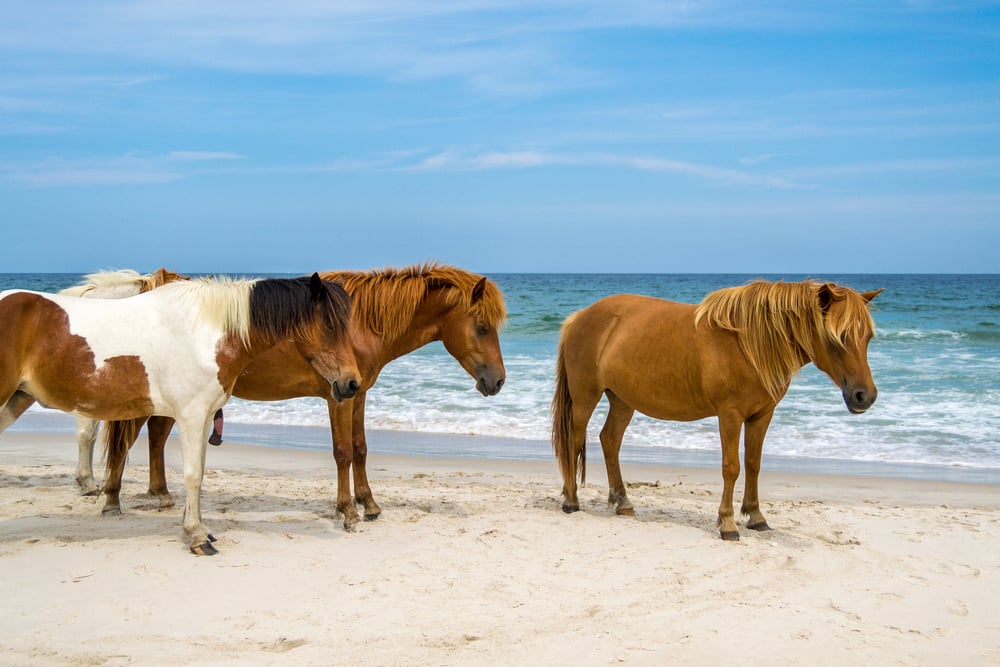
Assateague Island stretches along the Maryland and Virginia coastline, and wild horses roam freely across its beaches and marshlands. These aren’t escaped farm animals from last week.
They’re descendants of horses that have lived here for centuries.
The most popular origin story involves a Spanish galleon shipwreck in the 1600s. Horses swam to shore and established themselves on the island.
Documents from colonial times mention wild horses here, so however they arrived, they’ve been around for a very long time.
The horses split into two herds based on which state side of the island they prefer. The Maryland herd gets managed more intensively.
The Virginia herd lives under fewer restrictions. Both groups deal with harsh conditions—salt marsh grass for food, mosquitoes by the thousands, and storms that flood their grazing areas.
These horses look different from their mainland cousins. They’re smaller, stockier, and tougher.
Their bodies adapted to survive on limited resources. You can see the impact of island life in their build and behavior.
They’ve become their own distinct population.
Christmas Island: Red Crab Territory
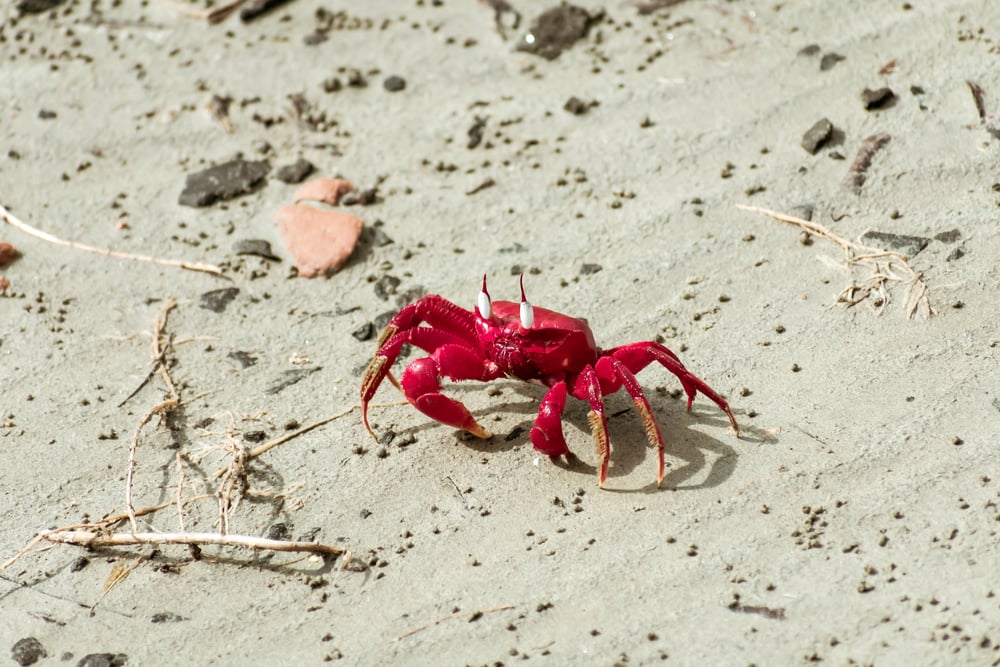
Every year, around 50 million red crabs emerge from Christmas Island’s forests and march to the ocean. They move as one massive organism, covering roads, sidewalks, and anything else in their path.
The island essentially shuts down for crab migration.
This Australian territory sits in the Indian Ocean, far from major landmasses. The isolation helped red crabs become the dominant species.
They control the forest floor ecosystem. Their feeding habits shape which plants grow and where.
Remove the crabs and the entire island ecology would collapse.
The migration happens when conditions align—usually after the first rainfall of the wet season. The crabs need moisture to survive the journey.
Males arrive at the ocean first and dig burrows. Females join them, mate, and release eggs into the water.
Then everyone marches back inland. The whole process takes about a week, and it stops all human activity.
Gough Island: Seabird Sanctuary

Gough Island sits in the South Atlantic Ocean, one of the most remote places on the planet. No permanent human settlement has ever existed here.
Just millions of seabirds that nest on the cliffs and raise their young in relative safety.
At least, it used to be safe. Introduced mice have become a problem.
These mice, brought accidentally by visiting ships, grew larger over generations. Now they attack seabird chicks in their nests.
The island faces an ecological crisis because of these invasive rodents.
Conservation efforts focus on eliminating the mice before they destroy the seabird populations. Teams have tried various approaches.
The challenge comes from the island’s isolation—everything needed for pest control must arrive by boat, and the weather window for safe landing is narrow.
Success here would restore Gough Island to its natural state as a seabird paradise.
Komodo Island: Dragon Domain
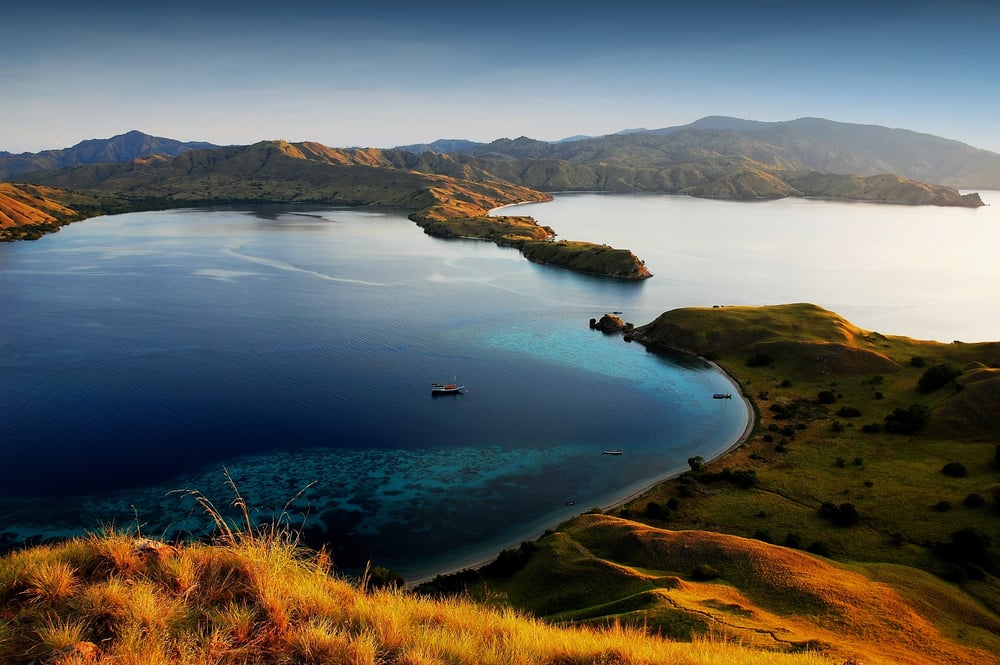
Komodo dragons own their namesake island. These massive lizards, the largest living species of lizard, patrol the Indonesian landscape looking for prey.
They eat deer, wild boar, water buffalo, and occasionally each other.
The dragons here evolved in isolation, developing traits that made them apex predators. Their bite contains venom that prevents blood clotting.
They track wounded prey for miles, waiting for shock and blood loss to do the work. Patient hunters with the size and strength to take down animals much larger than themselves.
Human visitors need guides and strict rules. The dragons view people as potential food.
Rangers carry forked sticks to keep the reptiles at a safe distance. Villages exist on parts of the island, but the dragons venture close to human settlements regularly.
It’s their island. People are just visiting.
South Georgia: Penguin Metropolis
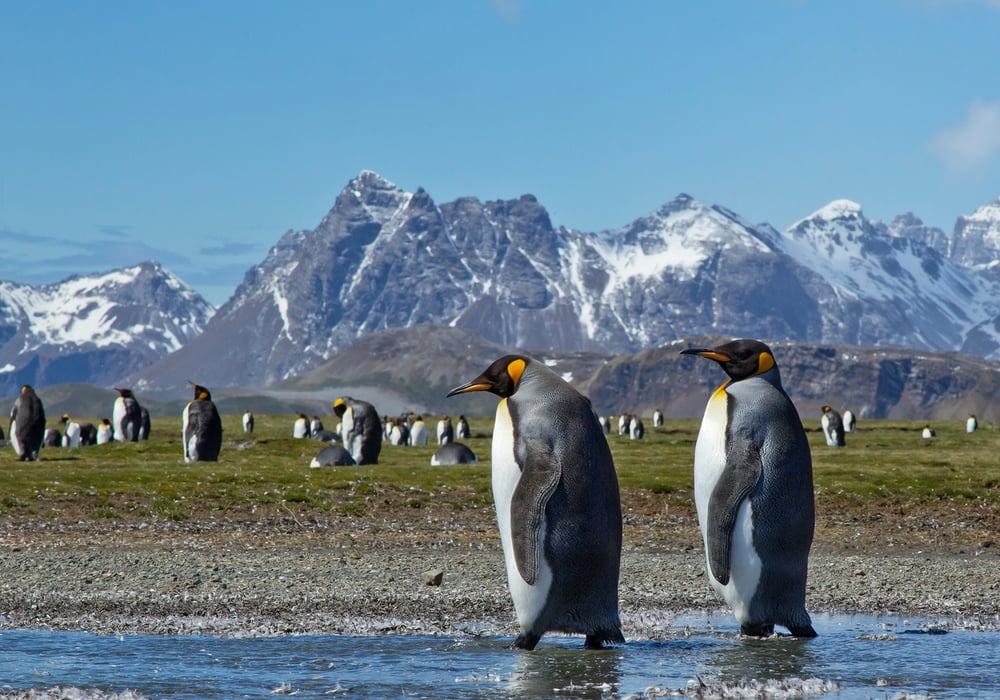
South Georgia sits in the southern Atlantic Ocean, covered in ice and surrounded by rough seas. But it hosts one of the largest concentrations of penguins on Earth.
King penguins, specifically, gather here by the hundreds of thousands during breeding season.
The beaches become so crowded with penguins that finding a clear spot to stand seems impossible. They pack together, trumpet their distinctive calls, and create a chaos of activity that runs 24 hours a day.
The noise alone overwhelms first-time visitors.
Elephant seals share the beaches, massive animals that can weigh several tons. They establish territories and defend them aggressively.
During mating season, the beaches become battlegrounds. Seal fights break out regularly, and smaller animals learn to stay clear of the combatants.
Fur seals add to the mix. Three species competing for beach space, with penguins navigating through it all.
The island provides enough resources that everyone finds room, but barely. It’s crowded, loud, and completely dominated by wildlife.
Monito Island: Gecko Paradise
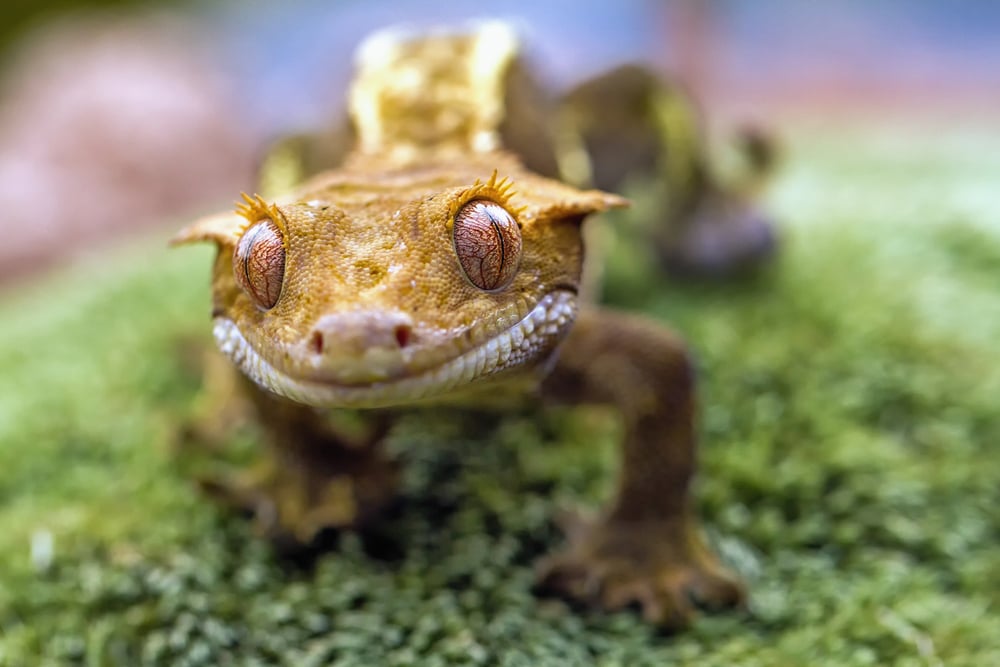
Monito Island, a tiny rock off the coast of Puerto Rico, belongs to geckos. Specifically, the Monito gecko, a species found nowhere else on Earth.
These small lizards adapted to life on a barren outcrop where most animals couldn’t survive.
The island measures less than 40 acres. Sheer cliffs rise from the ocean, offering little flat ground.
Rain is scarce. Vegetation struggles to grow.
Yet the geckos persist, feeding on insects and taking shelter in rock crevices.
The Puerto Rican government declared Monito Island a nature reserve. No one is allowed to visit without special permits.
This protection helps ensure the gecko population stays stable. They’re an example of evolution in action, showing how life finds a way even in the harshest environments.
Rinca Island: More Dragon Territory

Rinca Island sits near Komodo, and it also hosts a population of Komodo dragons. Fewer tourists visit Rinca, making it a quieter alternative for seeing these reptiles in their natural habitat.
The dragons here behave much like their Komodo cousins—patient, powerful, and perfectly adapted to their environment.
The island’s landscape differs slightly from Komodo. More savanna, less forest.
The dragons adjust their hunting strategies based on available prey and terrain. They’re intelligent enough to modify their behavior when conditions change.
Rangers report that Rinca’s dragons show less habituation to humans. They’re warier, more likely to retreat than the dragons on Komodo that see tourists daily.
This difference highlights how even the same species adapts to different levels of human exposure.
Pig Island: Another Swimming Pig Colony
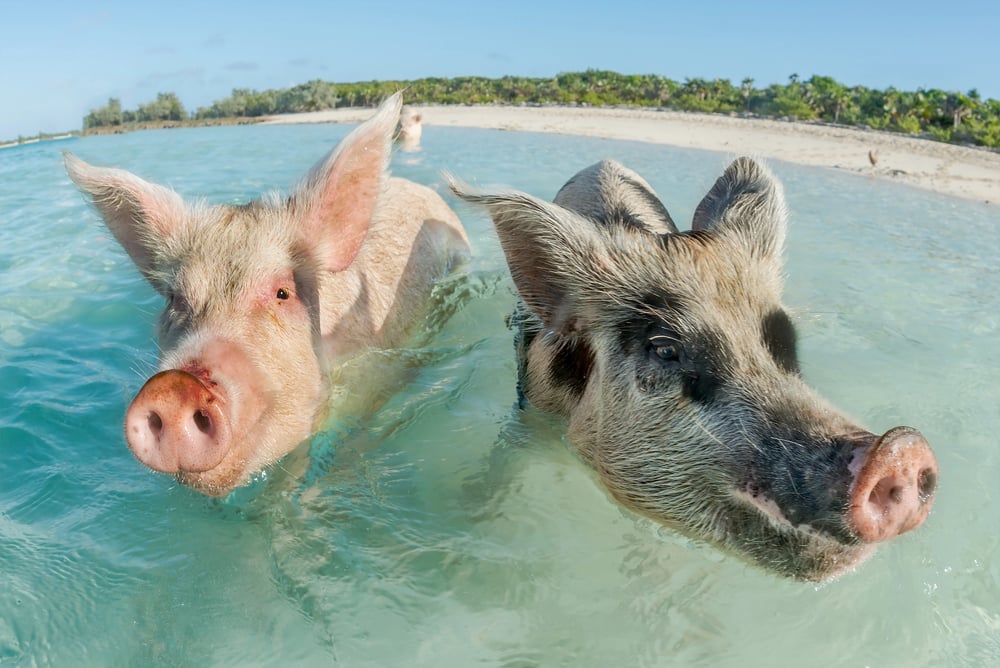
Beyond Big Major Cay, other Caribbean islands have discovered pigs living on their shores. Some people call this phenomenon spreading, as if pigs are conquering the Caribbean one island at a time.
More likely, different stories of abandonment or escape led to similar outcomes.
These other pig populations tend to be smaller and less famous. They haven’t adapted to tourist boats the same way.
But they still swim, still survive on limited resources, and still demonstrate how adaptable pigs are as a species. Give them an island and they’ll figure it out.
Seal Island: South African Colony
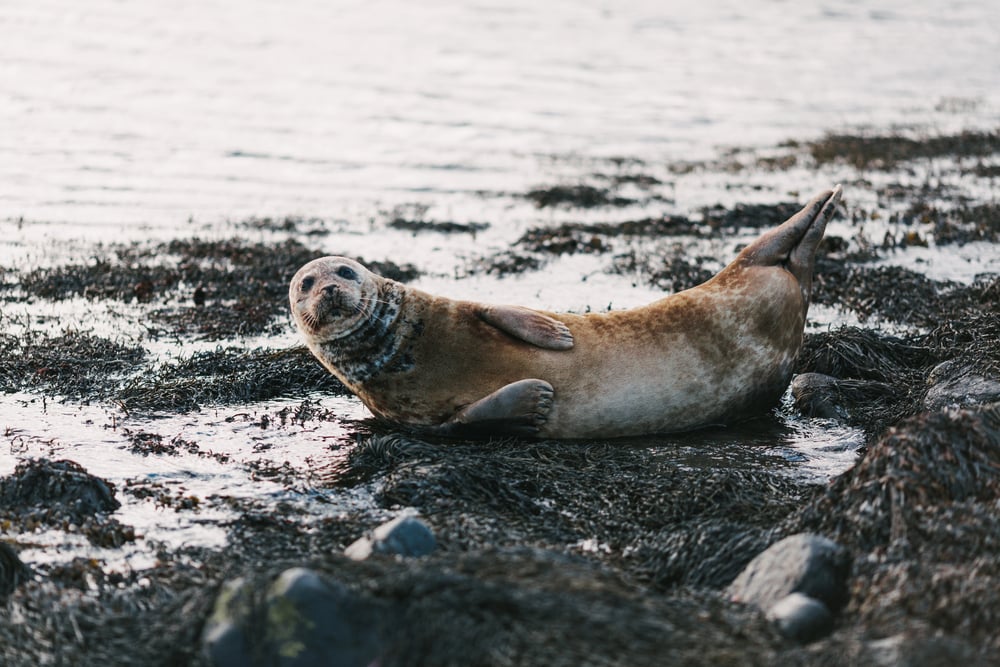
Seal Island near False Bay, South Africa, serves as home to thousands of Cape fur seals. But this island gained fame for something else—great white sharks that patrol the waters around it.
The sharks have learned that seals commuting between the island and feeding grounds make easy targets.
The seals know the danger. They time their departures and arrivals to minimize risk.
They travel in groups. They swim fast and erratically.
Despite these precautions, sharks still catch them regularly. Researchers study this predator-prey dynamic because it offers clear examples of hunting behavior and evasion tactics.
The island itself is rocky and barren, covered in guano and seal bodies. The smell hits you from a distance.
But for the seals, it represents safety. In the water, they face constant danger.
On land, they can rest and raise pups without worrying about becoming food.
Macquarie Island: Subantarctic Wildlife Hub

Macquarie Island sits halfway between Antarctica and Australia, surrounded by some of the roughest ocean on the planet. Royal penguins breed here exclusively—nowhere else on Earth.
They share the island with elephant seals, fur seals, and multiple other seabird species.
The island faced ecological problems when humans introduced rabbits, rats, and mice. These invasive species destroyed vegetation and preyed on bird eggs.
A massive eradication program took years and significant resources. In 2014, officials declared the island free of invasive species.
Now Macquarie recovers. Vegetation returns.
Bird populations stabilize. The island demonstrates what’s possible when conservation efforts succeed.
It belongs to the animals again, the way it did before humans interfered.
Aldabra Atoll: Giant Tortoise Kingdom
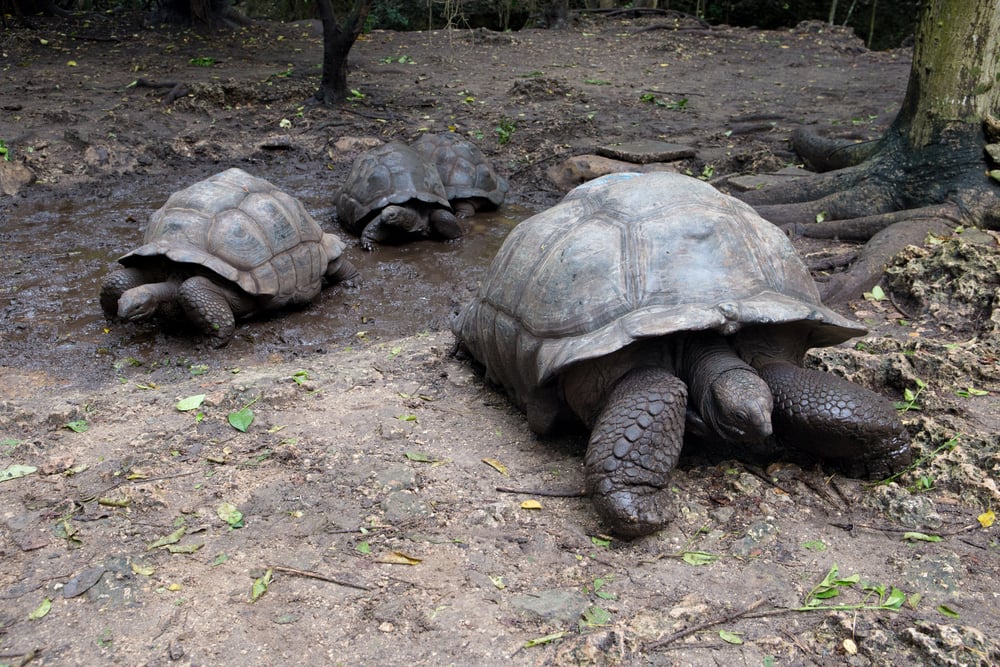
Aldabra Atoll in the Indian Ocean hosts the world’s largest population of giant tortoises. Over 100,000 of them roam the atoll, feeding on vegetation and moving slowly through their days.
These tortoises can live over 100 years, and the oldest residents have been around longer than any human alive today.
The atoll remains largely undeveloped. A small research station exists, but no permanent human settlement.
This isolation saved the tortoises from extinction. Similar populations on other islands disappeared when humans arrived.
Aldabra’s remoteness protected its residents.
These tortoises shape their environment. They create paths through vegetation that other animals use.
They spread seeds in their droppings. They even influence which plants survive based on their feeding preferences.
The atoll ecology revolves around these ancient reptiles.
Where Animals Make the Rules
These islands exist in a strange space between wilderness and human awareness. We know about them.
We visited some of them. We study the animals that live there.
But the day-to-day reality on these islands continues without human input.
The animals on these islands follow their own rhythms. Migration patterns set by instinct and environmental cues.
Social structures developed over generations. Survival strategies that work specifically for their unique circumstances.
They’ve built complete ecosystems that function independent of human management.
Maybe that’s what makes these islands special. They remind us that animals don’t need our permission to thrive.
They just need space, resources, and time to adapt. Give them an island and stand back.
Nature handles the rest.
More from Go2Tutors!

- The Romanov Crown Jewels and Their Tragic Fate
- 13 Historical Mysteries That Science Still Can’t Solve
- Famous Hoaxes That Fooled the World for Years
- 15 Child Stars with Tragic Adult Lives
- 16 Famous Jewelry Pieces in History
Like Go2Tutors’s content? Follow us on MSN.



