Legendary Jeopardy! Clues Fans Still Recall
Some television moments become folklore. They transcend the show that created them, finding new life in office water cooler conversations, dinner party trivia, and late-night internet rabbit pits.
Jeopardy! has produced more than its fair share of these moments—clues so memorable, so perfectly crafted, or so delightfully twisted that they’ve outlived the episodes they appeared in. These aren’t just questions and answers; they’re tiny masterpieces of wordplay, cultural reference, and pure cleverness that remind us why Alex Trebek’s stage has remained television’s sharpest testing ground for decades.
Ken Jennings’ Final Answer
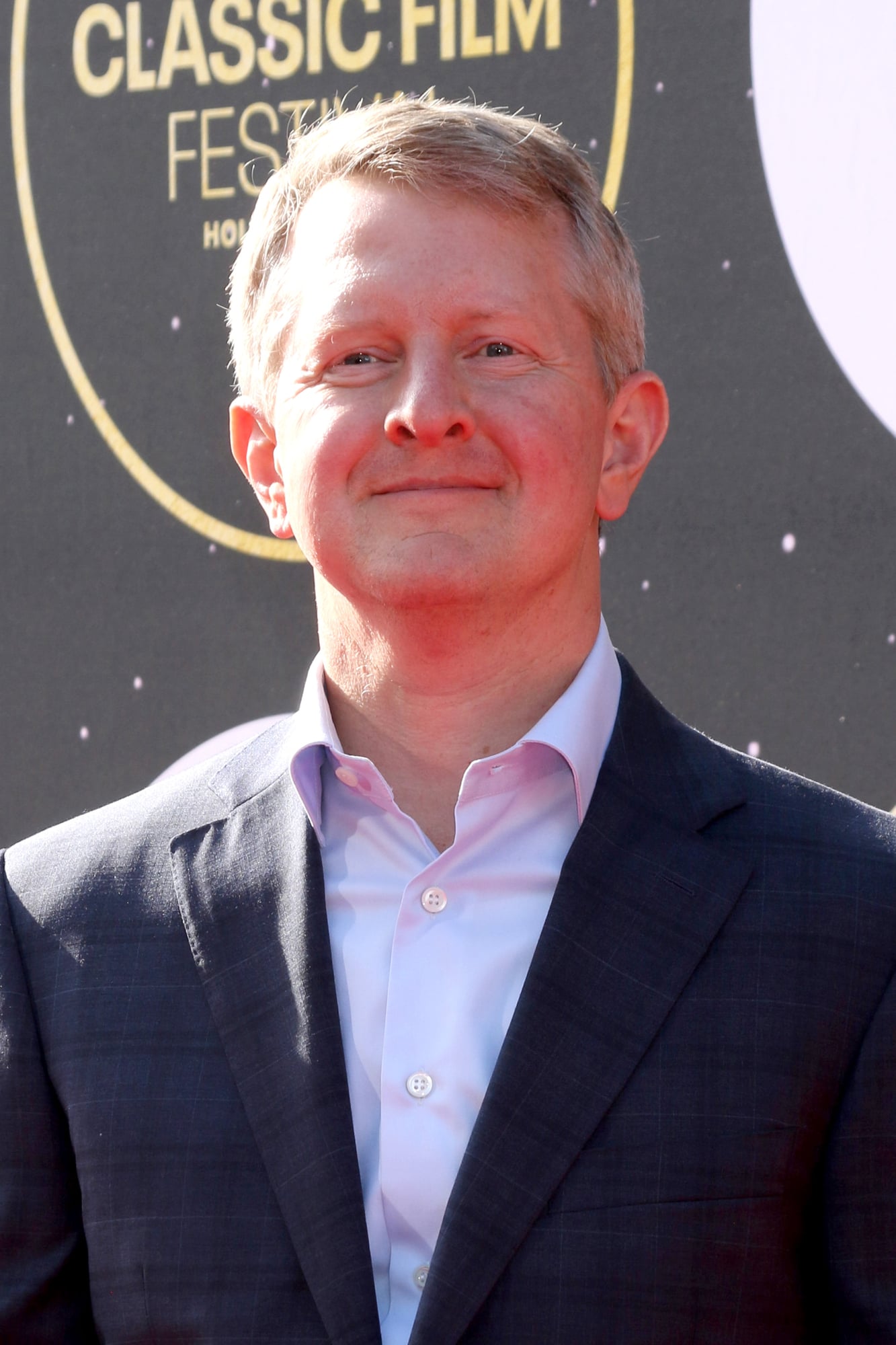
The man who won 74 consecutive games had his streak end on a geography question that still makes fans wince. “Most of this firm’s 70,000 seasonal white-collar employees work only four months a year” led to Jennings’ incorrect response of “What is FedEx?”
The correct answer—H&R Block—seems obvious in hindsight, but that’s exactly what made this moment legendary. Even the greatest can stumble on what appears simple.
The Daily Double That Wasn’t

So here’s what happened: a contestant found the Daily Double, confidently wagered everything, and then delivered an answer so spectacularly wrong that it became internet gold (this was back when “internet gold” meant something different than it does now, but the principle stands). The category was “Potpourri” and the clue read “This term for a long-handled gardening tool can also mean an immoral pleasure seeker”—which should have led to “What is a rake?”
But instead produced one of those moments where you can actually see someone’s brain short-circuiting on national television. And the beauty of it wasn’t just the wrong answer; it was how confidently wrong it was, delivered with the kind of certainty that makes you wonder if maybe, just maybe, they knew something the rest of us didn’t.
Watson’s Quirky Logic

Watching IBM’s supercomputer play Jeopardy! felt like glimpsing the future through a funhouse mirror. Watson processed information at inhuman speeds but occasionally stumbled in delightfully human ways.
The machine that could instantly access vast databases of knowledge would sometimes repeat a previous contestant’s incorrect answer, as if artificial intelligence had developed its own version of not paying attention in class. These moments reminded everyone that intelligence—artificial or otherwise—comes in forms we’re still learning to recognize.
The Threesome That Wasn’t

Nobody expected three contestants to finish with identical scores of zero dollars. The 2016 episode became legendary not for brilliance but for its beautiful disaster—three smart people having the kind of day where nothing clicks and every confident guess lands somewhere in the wrong zip code.
Watching intelligence fail this spectacularly somehow felt more human than watching it succeed.
Alex’s Accidental Profanity
There are moments when television’s most dignified host becomes accidentally, wonderfully mortal. Reading a clue about a tool used for cutting grass, Alex Trebek pronounced “hoe” in a way that made the studio audience—and eventually, YouTube—react with barely suppressed giggles.
His immediate realization of what had happened, followed by his attempt to maintain composure, created one of those perfect accidents that no amount of scripting could improve upon.
The Beatles Stumper
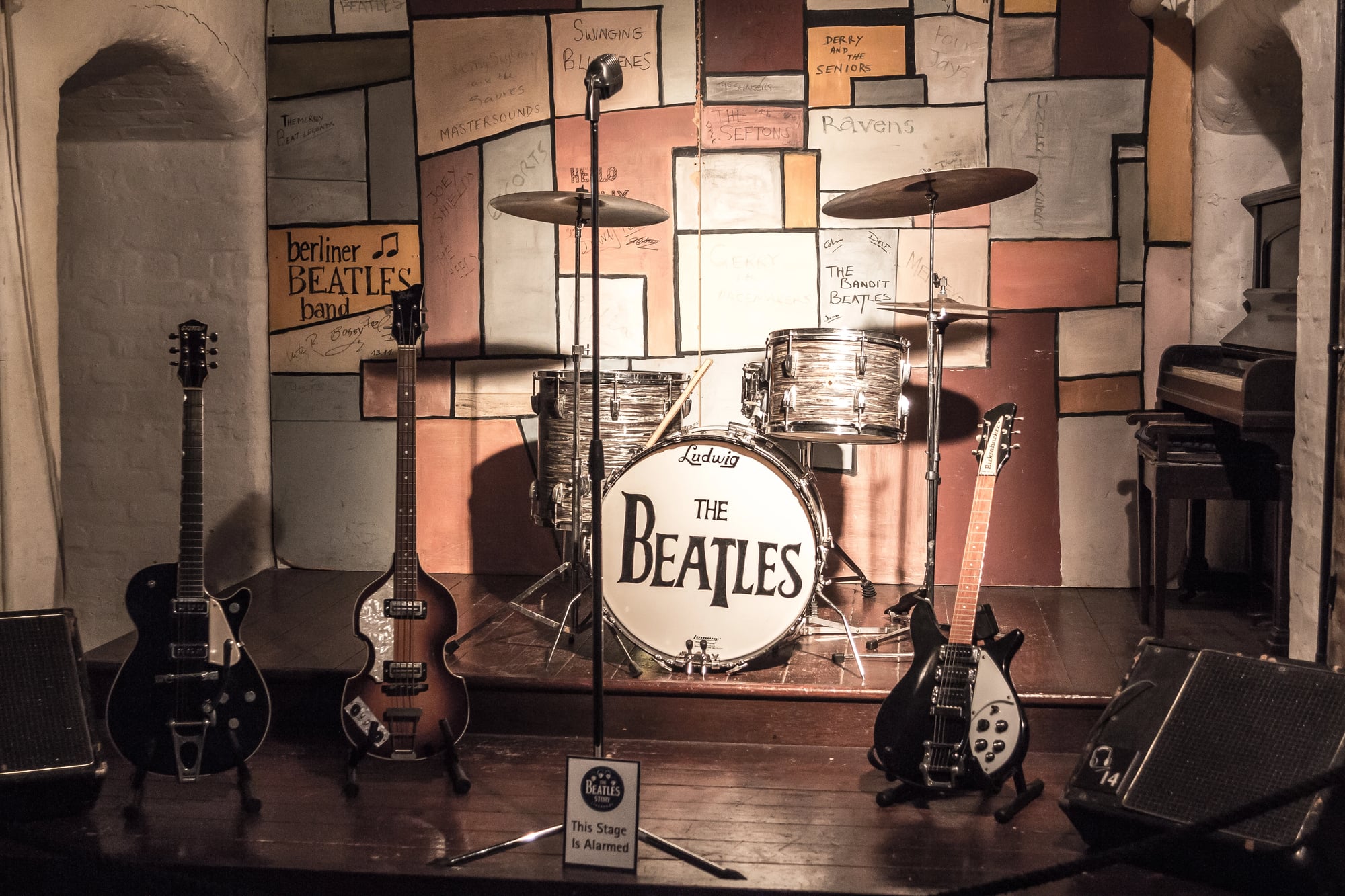
“This working-class hero and Nowhere Man died outside the Dakota building in 1980” should have been automatic for anyone with passing knowledge of rock history (which, to be fair, describes most humans born after 1960, but apparently not everyone who makes it onto a game show). The clue sat there, unanswered, while three contestants—people smart enough to qualify for Jeopardy!—somehow couldn’t connect John Lennon to the most famous musician death of the decade.
And yet there’s something oddly comforting about watching brilliant people discover the exact boundaries of their own knowledge on live television.
The Category That Broke Everyone
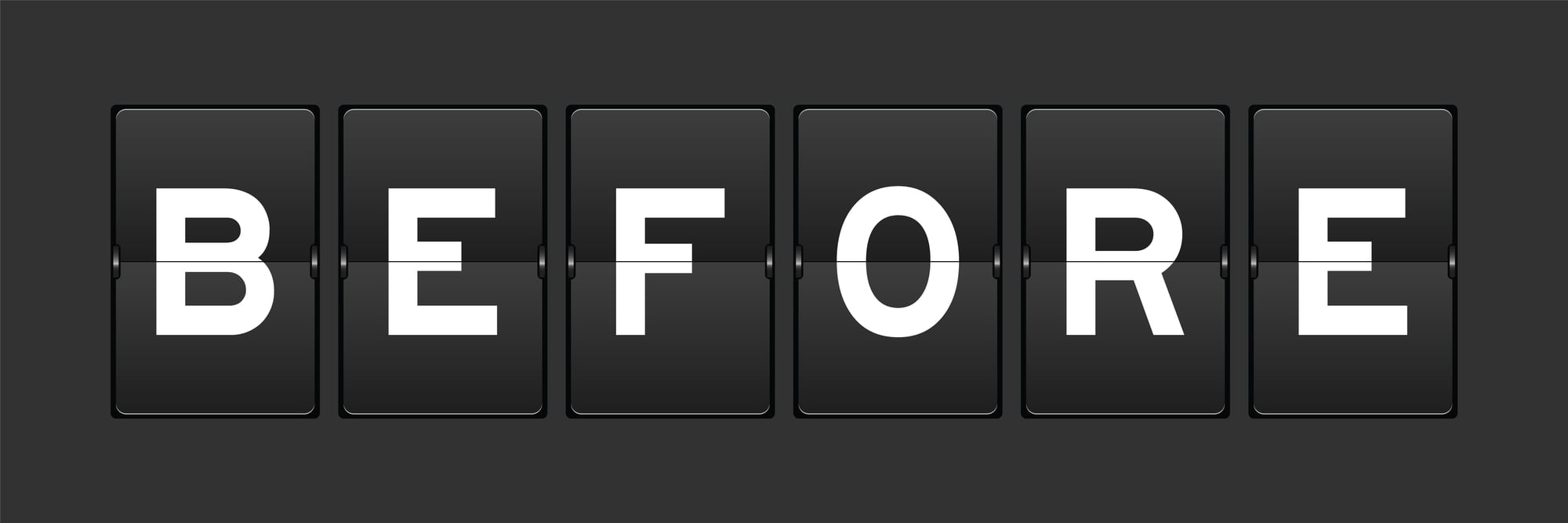
Before we begin sounds innocent enough for a category name. The twist revealed itself slowly: every correct response had to start with the letters that spelled “before.”
Contestants struggled to decode this wordplay puzzle while the clock ticked, creating the kind of beautiful confusion that makes Jeopardy! more than just a trivia contest. It becomes a test of how quickly your brain can rewire itself under pressure.
Emma Boettcher’s Giant Slaying
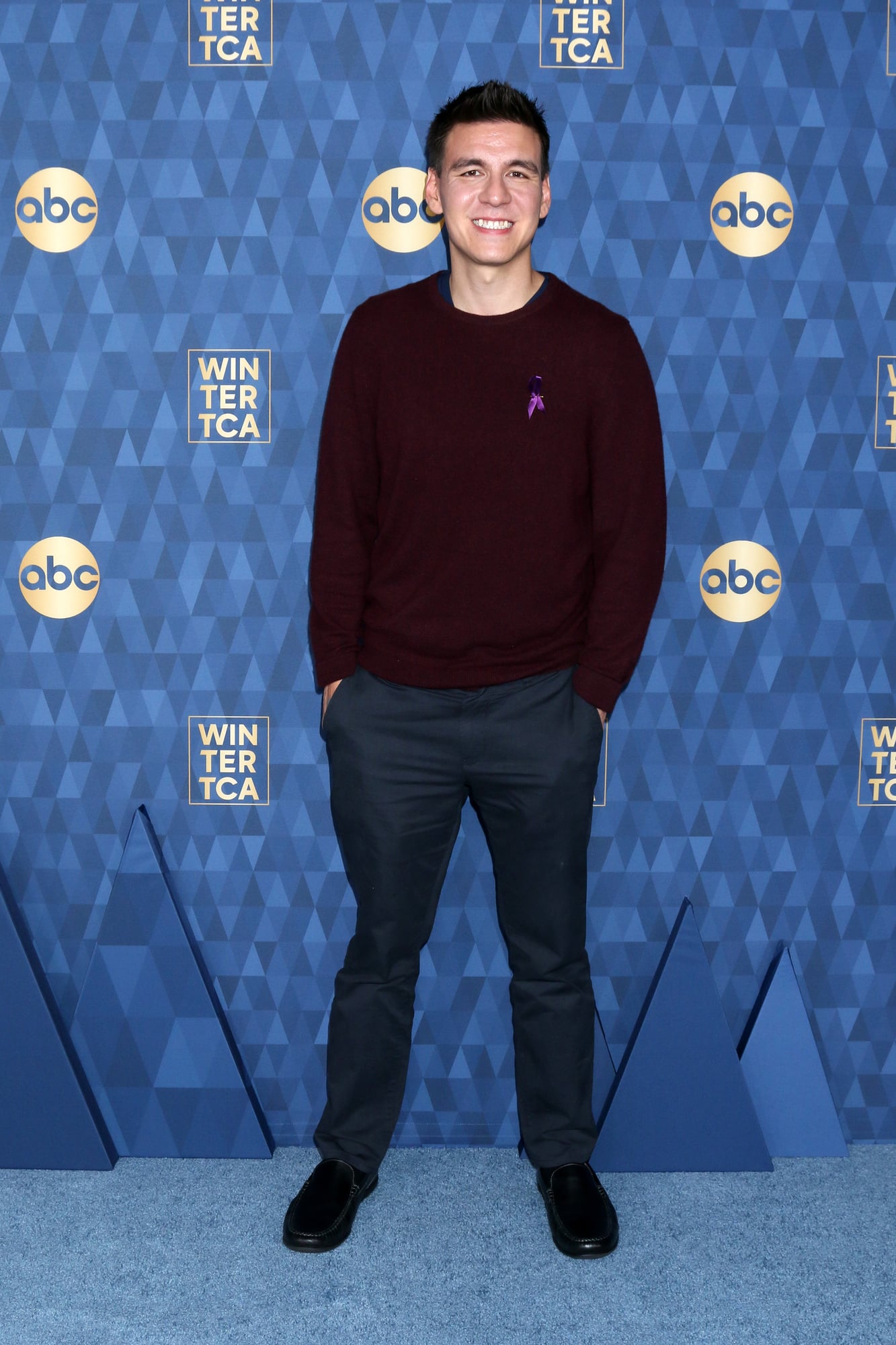
James Holzhauer dominated Jeopardy! with a playing style that felt like watching someone hack the game in real time—big bets, strategic hunting, mathematical precision that made other contestants look like they were playing checkers while he played chess. Then Emma Boettcher appeared and simply outplayed him straight up, ending his run with quiet competence that proved sometimes the best strategy against flash is just being better at the fundamentals.
The Final Jeopardy! No One Got Right
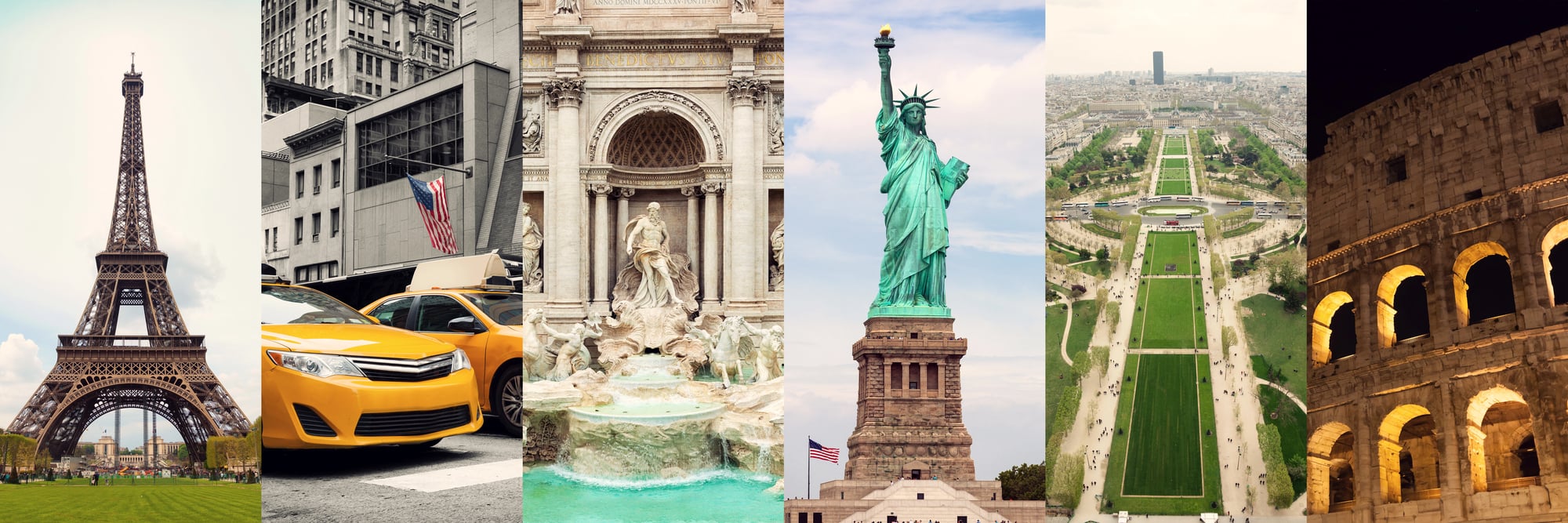
Three contestants, all smart enough to make it to the end, all staring at the same clue about European geography, all writing down three different wrong answers. The category was “European Capitals” and the clue seemed straightforward enough, but something about the wording created a perfect storm of overthinking.
Watching confident people second-guess themselves into spectacular failure captures something essential about how knowledge works under pressure—or doesn’t.
The Rhyme Time Disaster

Rhyme Time categories should be Jeopardy! comfort food—straightforward wordplay that rewards quick thinking without requiring specialized knowledge. But sometimes a perfectly reasonable clue like “A large feline’s hat” will sit there unanswered while three smart people somehow can’t make the leap to “cat’s hat.”
These moments remind us that clever can be harder than complex.
Sean Connery’s Revenge
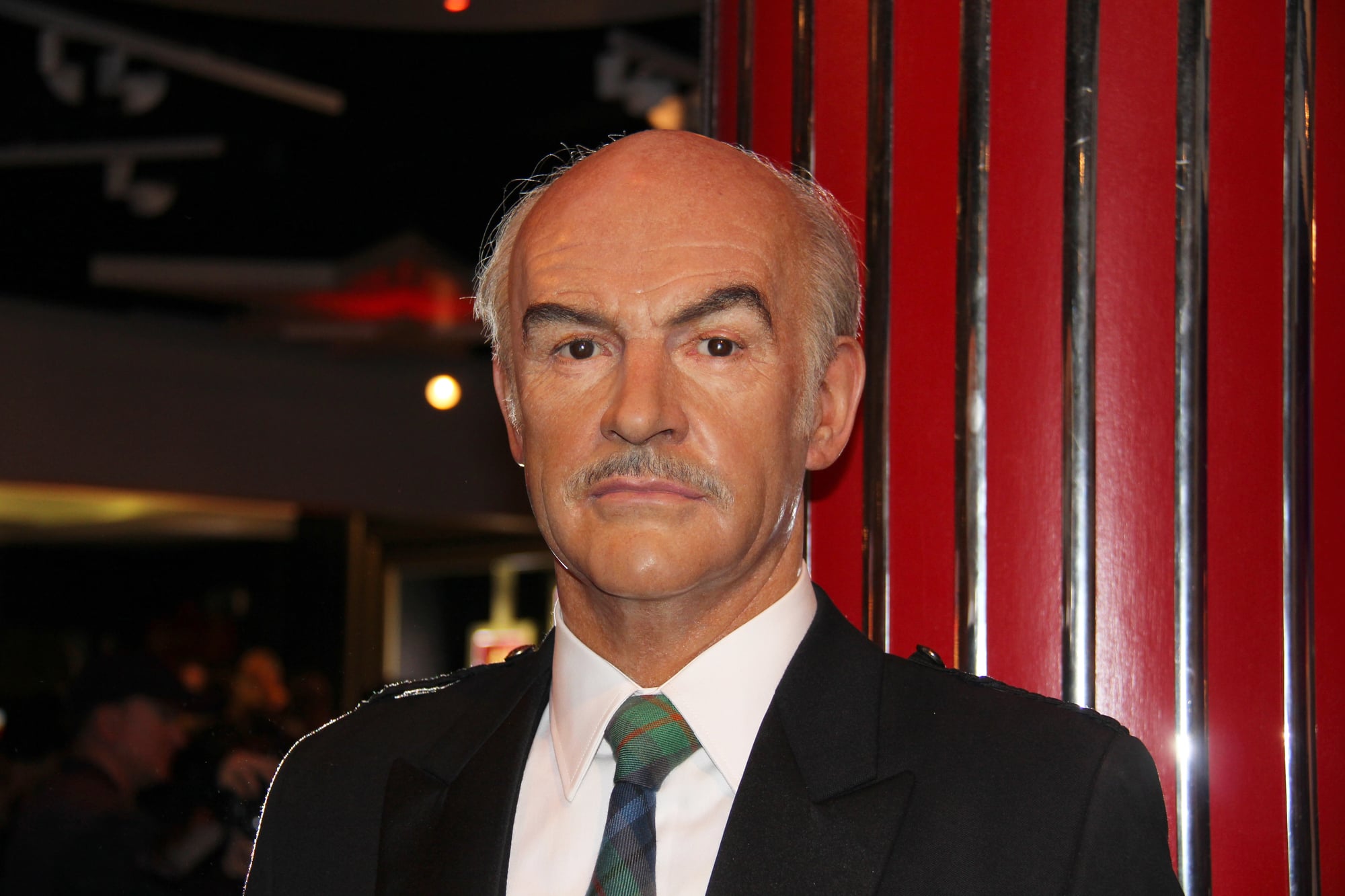
Saturday Night Live’s Sean Connery character tormented Will Ferrell’s Alex Trebek for years, but the real show got its own back with clues that seemed designed specifically to make contestants sound like they were auditioning for the sketch. ‘This Scottish actor played James Bond in six films’ became the setup for responses delivered in accents that would make Darrell Hammond proud.
Art imitating life imitating art, all on a stage where dignity usually reigns supreme.
The Shakespeare Massacre
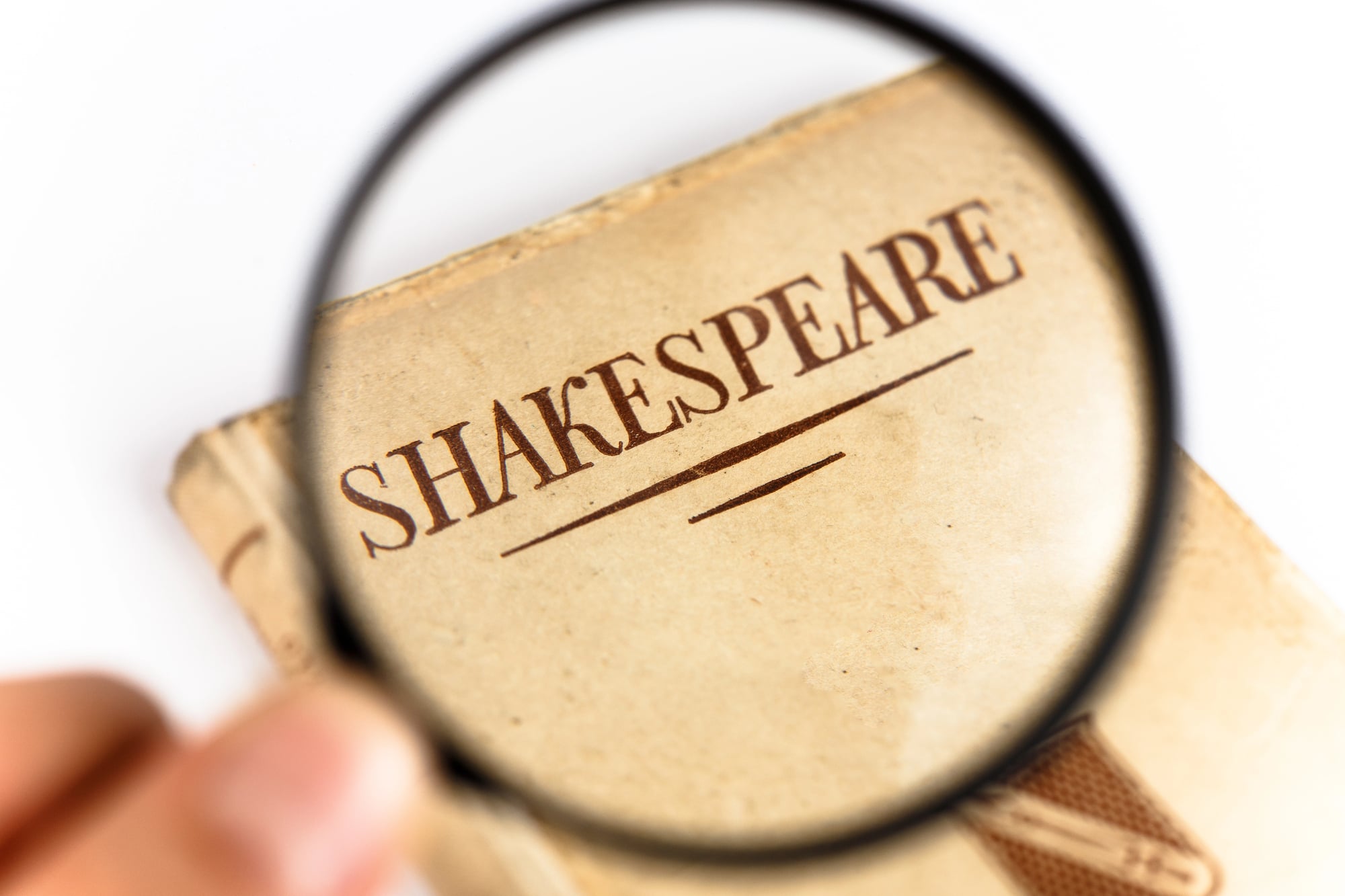
Literature categories can humble anyone, but Shakespeare clues seem to carry extra weight—they make contestants visibly nervous in a way that science or geography questions don’t. There’s something about the Bard that makes smart people second-guess their education.
“To be or not to be” might be the most quoted line in English, but put it in Jeopardy! format and suddenly everyone’s wondering if maybe they missed something in high school English.
The Sports Blind Spot
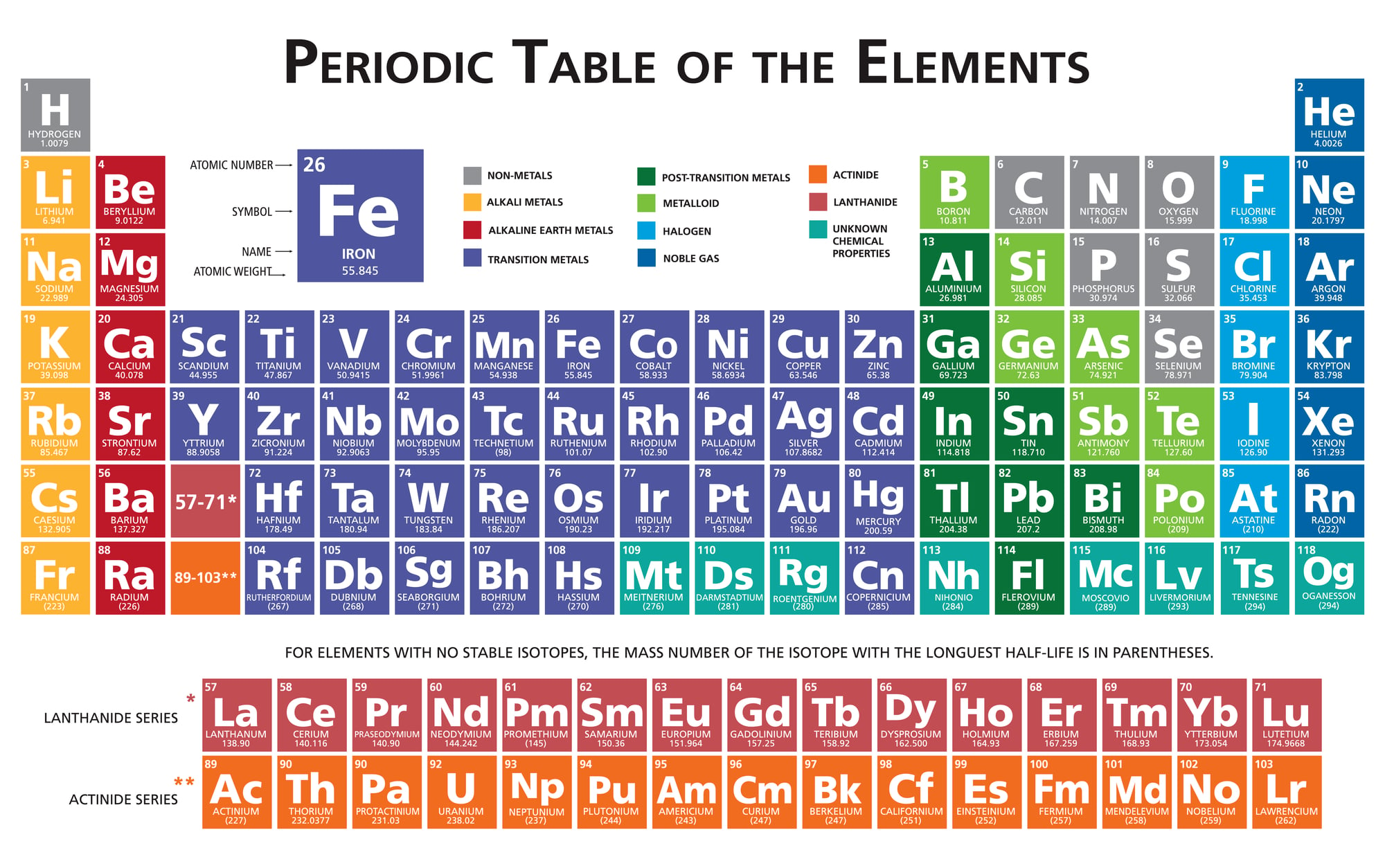
Academic types appearing on Jeopardy! often reveal a collective blind spot when it comes to sports categories, creating moments of pure comedic gold as PhD holders struggle with questions any sports bar patron could answer instantly. The sight of someone who can recite periodic tables or discuss 18th-century literature stumbling over basic baseball terminology reminds us that intelligence comes in specialized packages, and those packages don’t always overlap in convenient ways.
When Simple Becomes Impossible
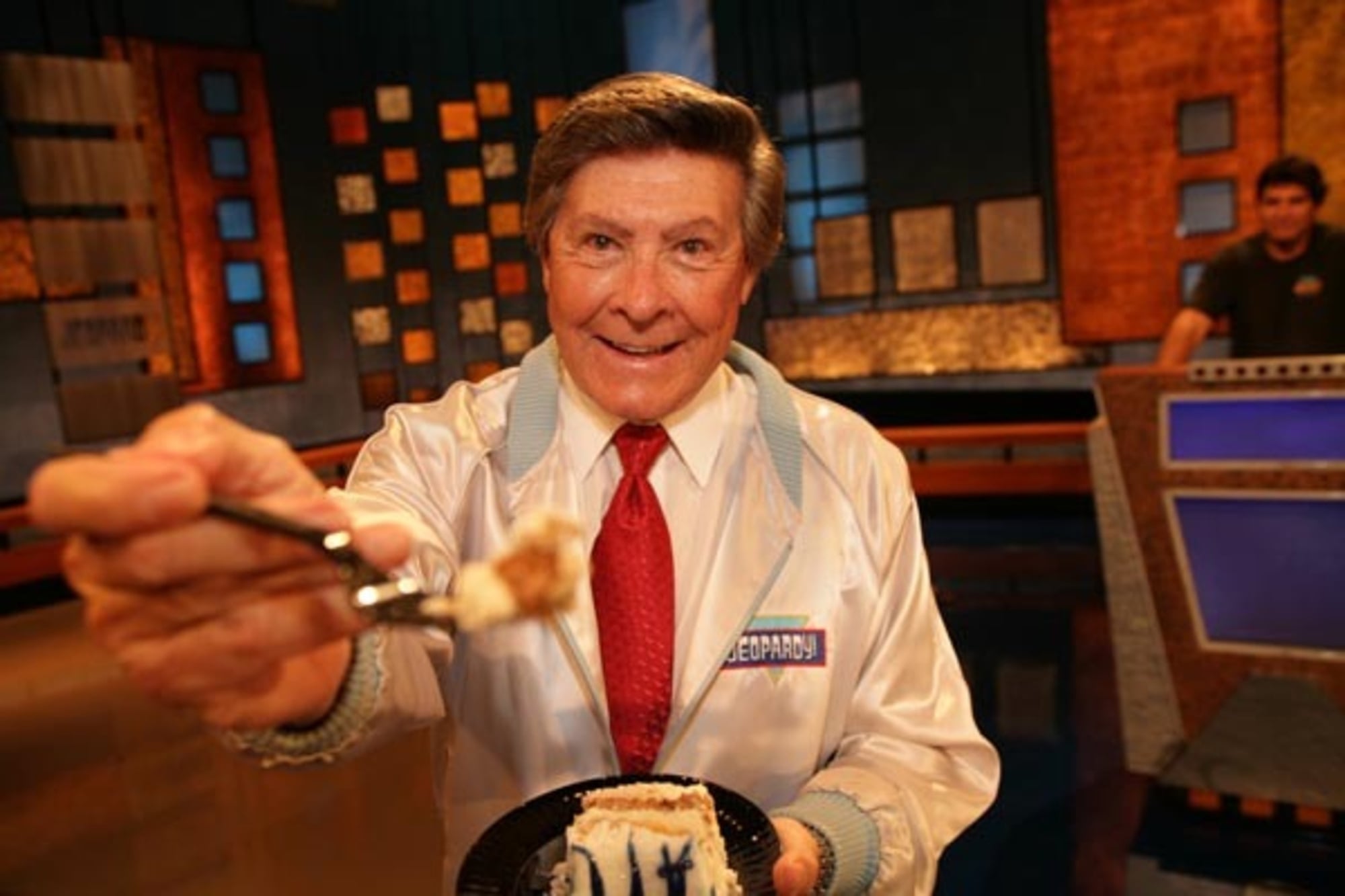
The most memorable Jeopardy! moments often happen when the simplest questions create the biggest stumbles. A clue that seems designed for elementary school students will occasionally stump three adults who’ve proven their intelligence just by making it onto the show.
These moments feel like watching the universe’s sense of humor in action—reminding everyone that knowledge is more fragile and specialized than we’d like to admit, and that confidence can evaporate faster than morning fog when the lights get bright and the clock starts ticking.
More from Go2Tutors!

- The Romanov Crown Jewels and Their Tragic Fate
- 13 Historical Mysteries That Science Still Can’t Solve
- Famous Hoaxes That Fooled the World for Years
- 15 Child Stars with Tragic Adult Lives
- 16 Famous Jewelry Pieces in History
Like Go2Tutors’s content? Follow us on MSN.