Halloween Candy Facts Through History
The brightly wrapped sweets that fill trick-or-treat bags every October didn’t always exist. What feels like an unshakable tradition today has roots in rationing, clever marketing, and old-fashioned homemade goods. Here’s a list of candy facts through history that show how Halloween treats became what they are now.
Early Homemade Treats

Fruit, popcorn orbs, cookies, and other homemade treats were frequently given to kids long before supermarkets and gleaming packaging. It was practical, frugal, and a true community endeavor. And occasionally—though not always the most cherished discovery at the bottom of a bag—an apple.
The Rise of Wrapped Candy

Candy wrapped in factories started showing up at front doors in the 1920s and 1930s. The appeal was clear: less mess, consistency, and hygiene. In bowls, wrapped candies also appeared presentable and ready for hungry hands.
Wartime Rationing

During World War II, sugar was strictly rationed. Candy was scarce, and substitutes like raisins or smaller portions often took its place. Kids still knocked on doors, but the loot? Not exactly thrilling.
Candy Corn’s Longevity

Candy corn, created in the 1880s, became a Halloween staple by the 1950s. Its colours mirrored the autumn harvest, tying it neatly to the season. Some adore its sweet, waxy bite. Others call it inedible.
Marketing Magic

By the mid-20th century, candy makers realised Halloween’s potential. They poured resources into ads that painted sweets as central to the holiday. Sales soared. So did the idea that no Halloween was complete without candy.
Bite-Sized Innovation
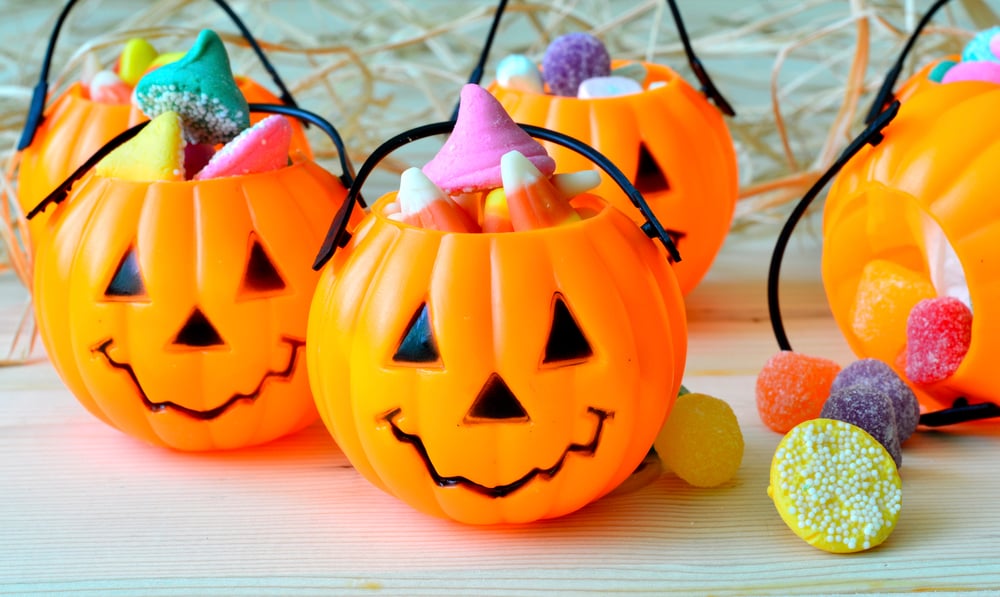
The miniature candy bar, a post-war invention, hit its stride in the 1960s. “Fun size” pieces were marketed as perfect for trick-or-treaters. Small, convenient, and a chance to sample more than one brand. Less fighting between siblings—at least in theory.
The Safety Panic of the 1970s
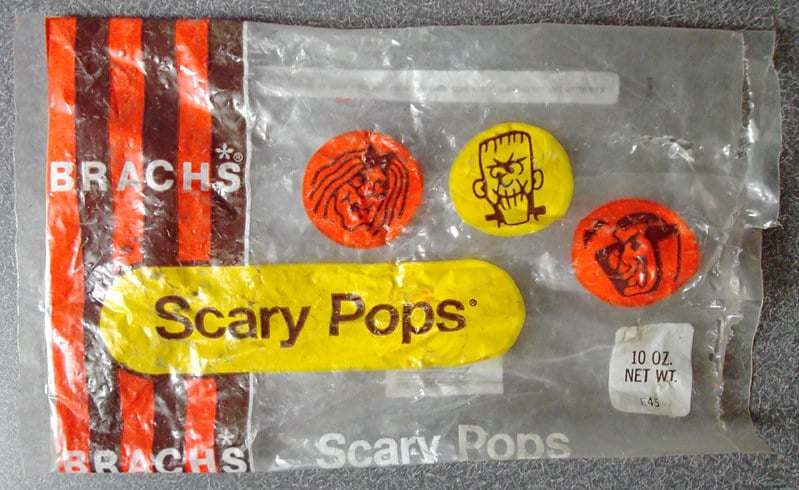
Stories of tampered candy spread quickly during the 1970s. Evidence was minimal, yet worry ran high. Parents grew wary of homemade goods, and factory-wrapped candy became the only acceptable option. The shift was lasting.
Chocolate Dominance
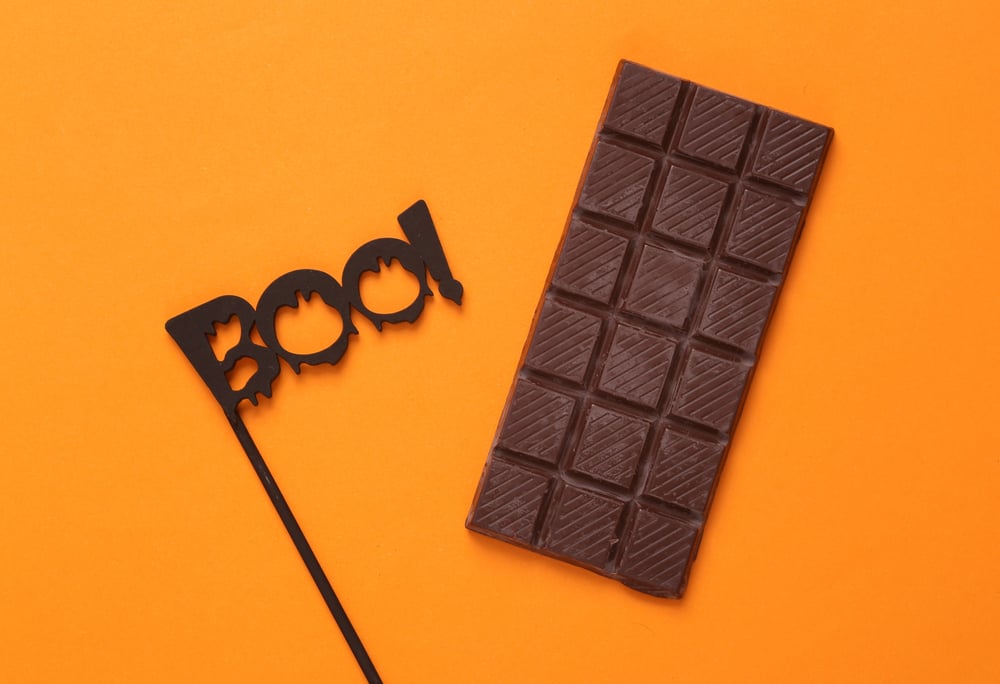
Though gumdrops, caramels, and lollipops had their place, chocolate steadily took over. By the 1980s, chocolate bars—especially the mini versions—dominated trick-or-treat bags. Richer, more filling, and very brandable.
Regional Specialties
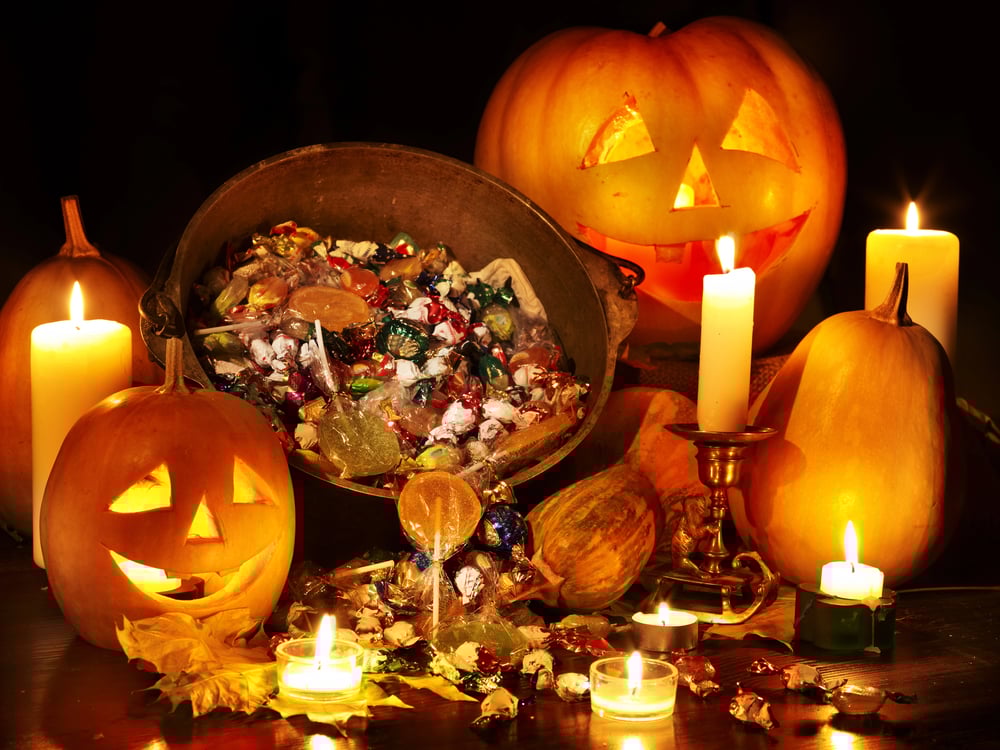
Certain candies became local legends. In parts of North America, peanut butter kisses wrapped in black and orange paper were common. To some, they tasted nostalgic and comforting. To others, disappointing. Divisive little things.
The Role of Television

Television amplified Halloween candy culture. Cartoons, jingles, and mascots turned sweets into seasonal stars. A clever ad spot could make one candy bar the “must have” of October. Marketing and entertainment blurred.
Global Influences

As Halloween spread internationally, candy customs shifted. In countries unfamiliar with trick-or-treating, local sweets often filled the gap—rice snacks, fruit chews, or whatever small packaged goods were handy. Different treats, same excitement.
Health-Conscious Shifts

By the 1990s and 2000s, some households handed out alternatives—granola bars, sugar-free gum, even toothbrushes. Kids weren’t thrilled, but the gesture reflected growing concerns about sugar. Candy still reigned, but the message was clear.
Seasonal Flavours

Pumpkin spice, caramel apple, cinnamon—these flavours started creeping into Halloween candy lines. Limited runs built buzz, and seasonal offerings made certain hauls feel extra special. A trick of marketing, sure, but also fun.
The Plastic Pumpkin Era

Trick-or-treat bags gave way to bright plastic pumpkins and themed buckets by the late 20th century. The containers weren’t candy, but they changed the game—how much could be carried, how much could be begged for in a single night.
Modern Candy Economics

— Photo by a3701027d
One of the busiest candy-selling seasons in the world today is Halloween. Each year, billions are spent. Businesses compete by introducing novel flavors, imaginative packaging, and eye-catching advertising. The industry of confections has grown to be just as important as the pleasure of collecting them.
A Sweet Legacy
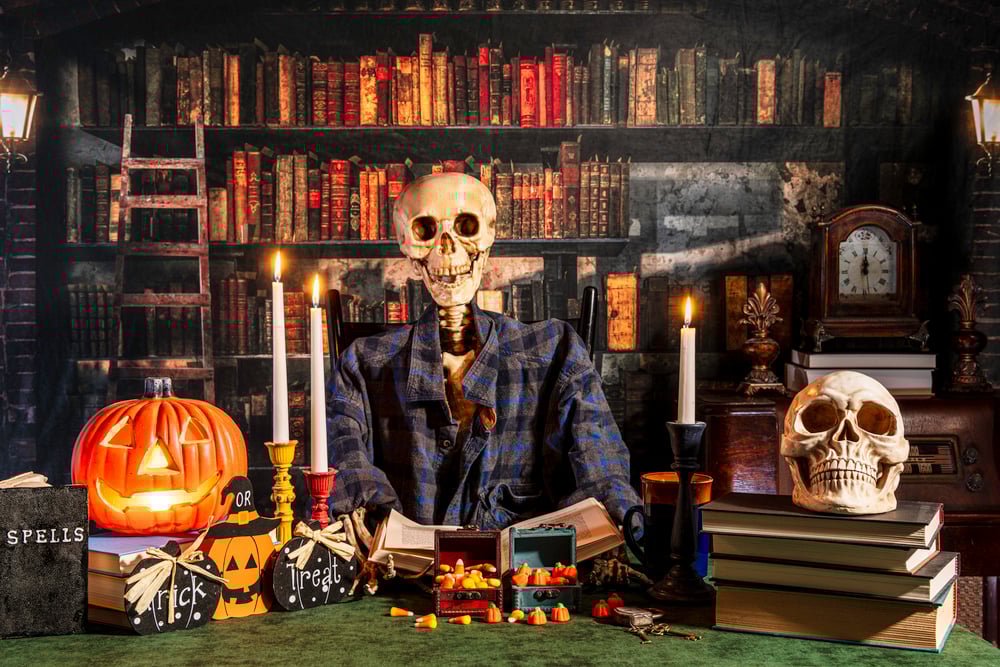
Candy for Halloween is more than just sugar. Wrapped in vibrant paper, it is a chronicle of evolving preferences, evolving anxieties, and astute marketing strategies. Each handful reveals a historical tale wrapped in confections.
More from Go2Tutors!

- 16 Historical Figures Who Were Nothing Like You Think
- 12 Things Sold in the 80s That Are Now Illegal
- 15 VHS Tapes That Could Be Worth Thousands
- 17 Historical “What Ifs” That Would Have Changed Everything
- 18 TV Shows That Vanished Without a Finale
Like Go2Tutors’s content? Follow us on MSN.



