25 Photographs Held Back for Decades
A photograph can sit in a drawer, a classified file, or a locked archive for years without losing any of its power. If anything, the delay tends to sharpen it, since the image arrives into a world that has had time to forget exactly what it is about to see again.
Some of these were suppressed deliberately by governments or publishers. Others were simply never developed, shelved by an estate, or judged too raw for the moment they were taken in; all of them eventually reached an audience their subjects, or their photographers, never got to see react.
Tank Man
Photographer Jeff Widener captured an unidentified man standing in front of a column of tanks near Tiananmen Square in June 1989, an image that became one of the most recognized photographs of the twentieth century almost everywhere except the country where it was taken. Chinese authorities have systematically censored the image within the country for decades, scrubbing it from search results and social media so thoroughly that surveys have found many younger Chinese citizens do not recognize it; the photograph’s global fame and its domestic suppression have run on parallel tracks for over three decades.
The Falling Soldier
Robert Capa’s photograph, said to capture the exact moment a Spanish Republican soldier was killed during the Spanish Civil War, was published within weeks of being taken in 1936. Questions about its authenticity, including whether the moment was staged, dogged the image for decades and were never fully resolved even after extensive historical investigation; the uncertainty itself became part of the photograph’s held-back history, since museums and publishers spent years debating how, or whether, to present it.
Hitler’s Rehearsal Photographs
German photographer Heinrich Hoffmann captured a series of images showing Adolf Hitler privately rehearsing dramatic hand gestures for public speeches, images Hitler personally ordered suppressed as incompatible with his carefully managed public image. A British soldier recovered an original set from the ruins of Berlin in 1945 and kept them privately for decades before they became more widely known through later publication; the images remained obscure enough that their broader public exposure did not arrive until long after the war’s end.
Finland’s Winter War Photographs
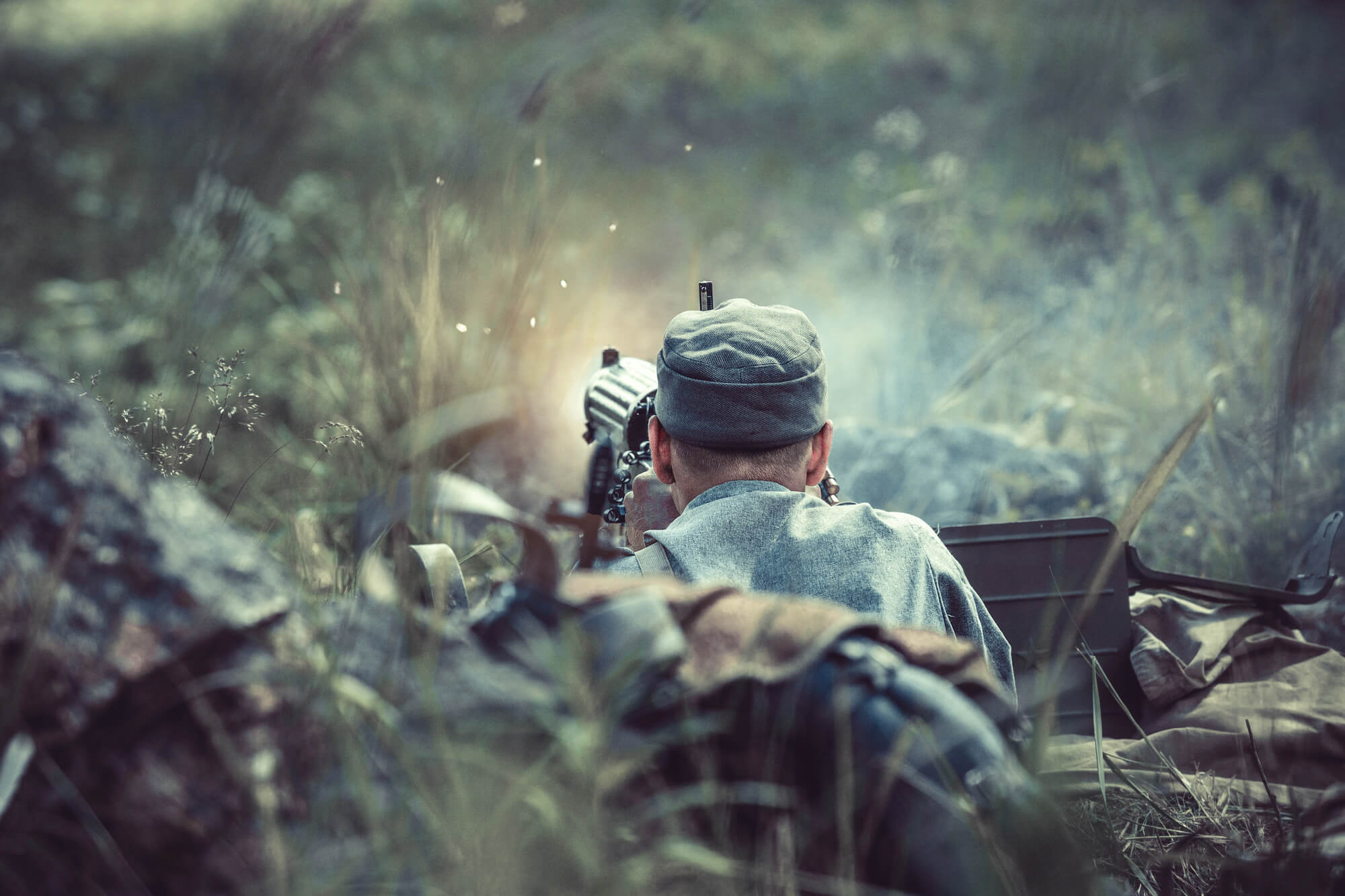
Finnish military photographers documented the country’s brutal conflicts against the Soviet Union in the 1940s, producing hundreds of images considered too graphic or diplomatically sensitive for public release during the Cold War. The Finnish government kept the bulk of this material officially classified for roughly fifty years; Finland declassified the collection in November 2006, giving historians and the public their first full look at material that had sat in government archives for half a century.
The Tiananmen Square Crackdown Photographs
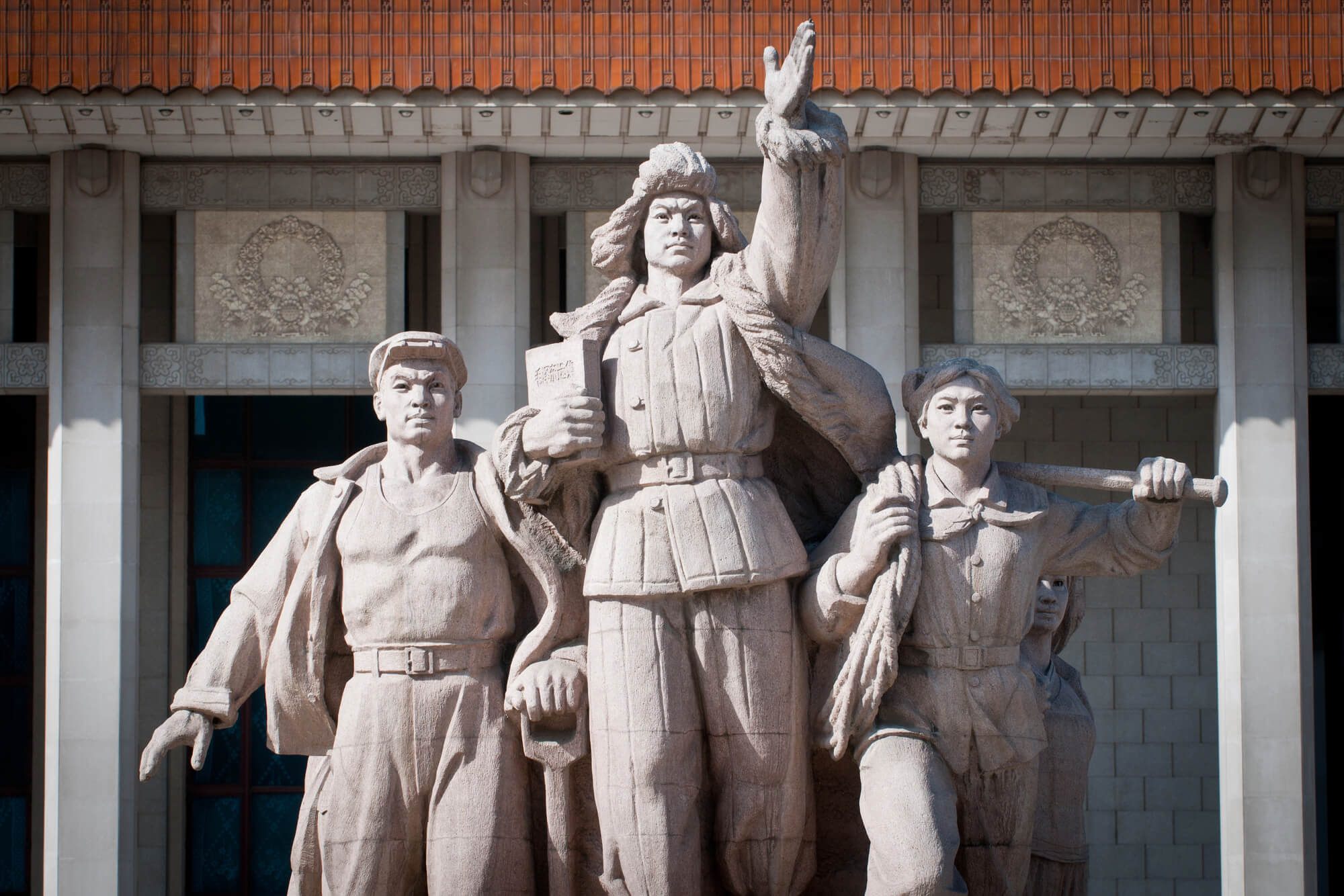
Beyond the single Tank Man image, an entire body of photographic documentation from the 1989 Tiananmen Square crackdown was systematically suppressed within China, removed from domestic circulation and erased from official records almost immediately. International news agencies and exile communities preserved and distributed the images abroad throughout the decades that followed; within mainland China, the photographs have remained effectively unavailable to the general public since the events they depict took place.
Bert Hardy’s Korea Photograph
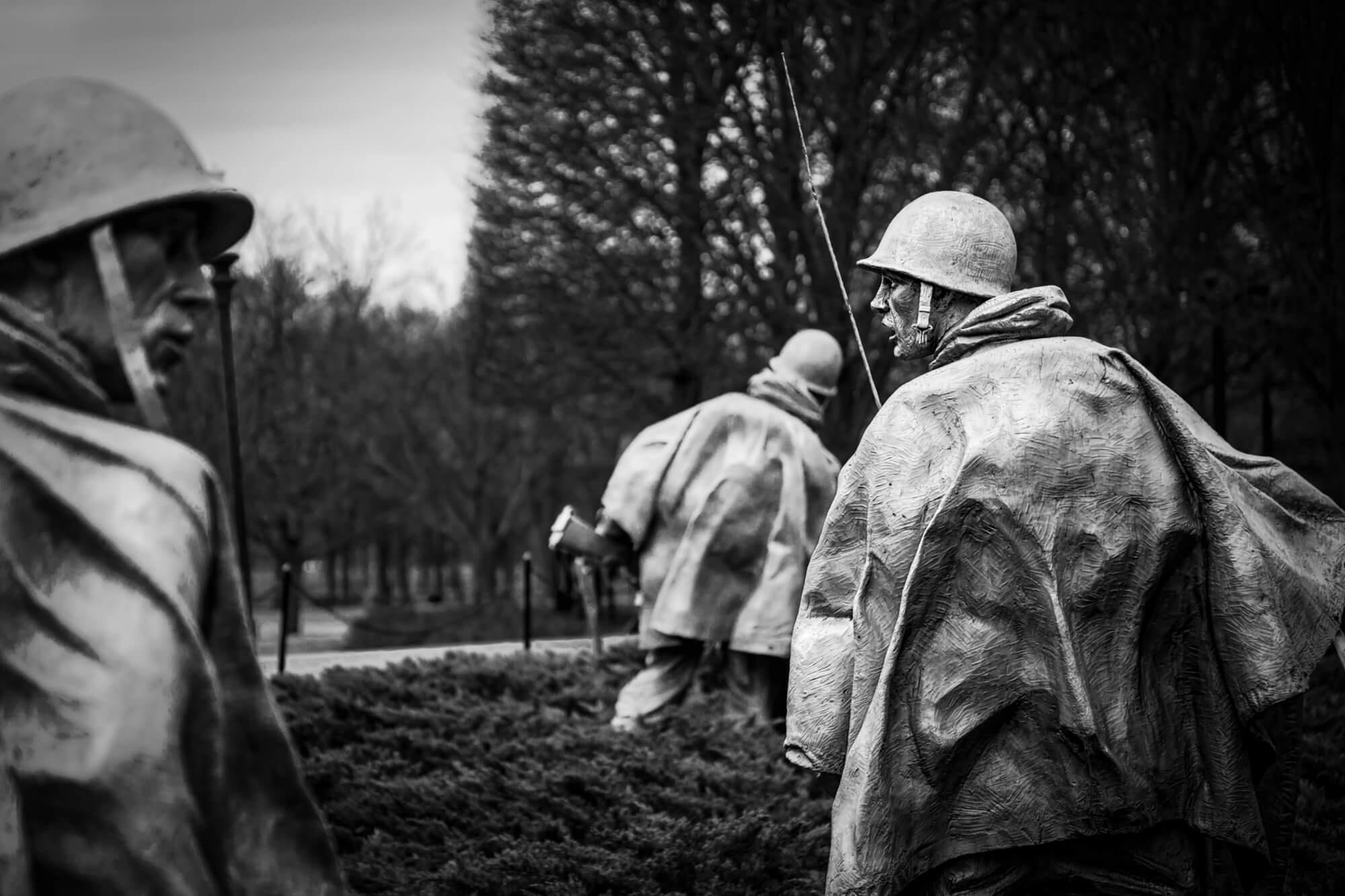
British photojournalist Bert Hardy captured an image showing a prisoner in evident distress during the Korean War, submitted to the British magazine Picture Post for publication alongside a critical report. The magazine’s proprietor refused to run the photograph or the accompanying story, judging it too damaging to the broader anti-communist war effort, and dismissed the editor who had approved it; the image did not reach wide publication until long after the war had ended and the magazine’s original leadership had moved on.
Highway of Death
Photographer Kenneth Jarecke captured the charred remains of Iraqi forces retreating along a highway during the 1991 Gulf War, an image so stark that American publications largely declined to print it at the time. The photograph circulated internationally but remained effectively suppressed from mainstream domestic coverage for the duration of the conflict and well beyond; it reemerged in later years as a reference point in discussions about how sanitized wartime photography had become for American audiences.
Yosuke Yamahata’s Nagasaki Photographs
Japanese photographer Yosuke Yamahata documented the immediate aftermath of the atomic bombing of Nagasaki within days of the 1945 attack, producing one of the only extensive photographic records of the bombing’s direct effects on the city and its residents. Occupation authorities censored and restricted publication of the images for years afterward; the photographs did not reach wide public circulation until the early 1950s, once postwar censorship restrictions began to ease.
Hiroshima’s Censored Photographs
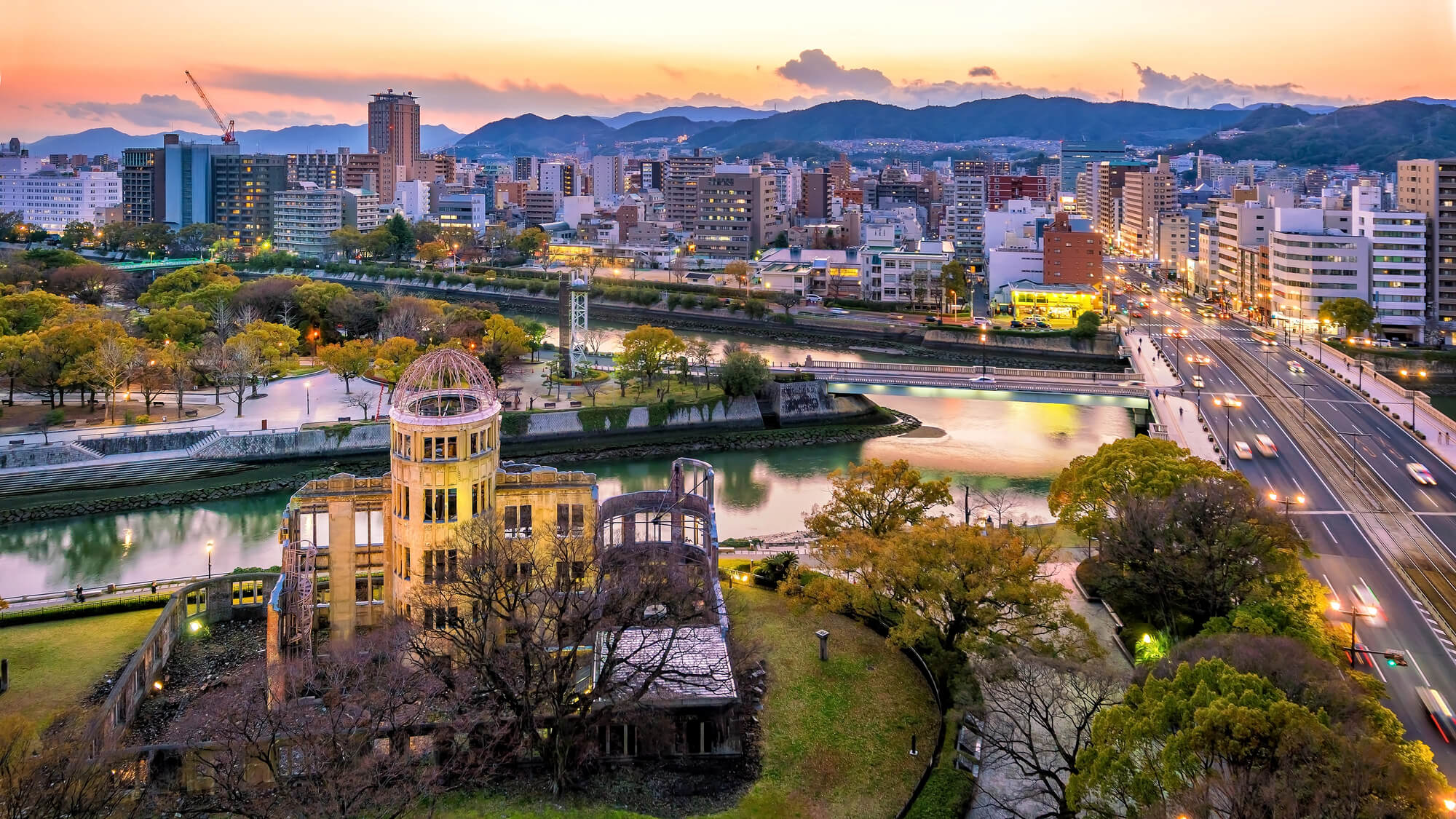
Japanese photographers who documented Hiroshima in the days after the atomic bombing found their negatives confiscated or their published work suppressed under occupation-era press restrictions. Some images remained held in government or archival custody, unavailable to the public, for years after they were taken; their gradual release over the following decade shaped how the world’s understanding of the bombing’s human toll developed well after the war had already ended.
Ansel Adams’s Manzanar Photographs
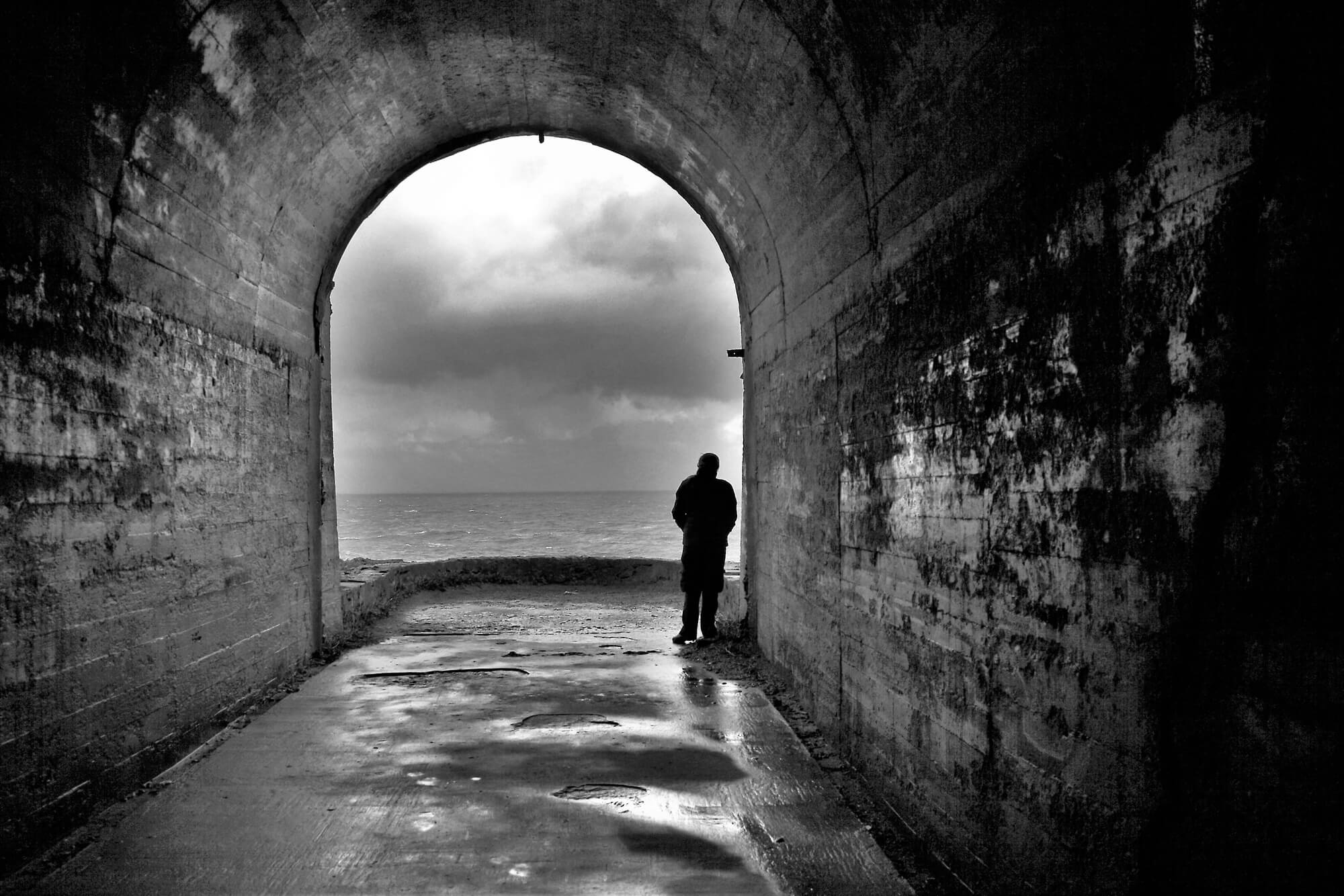
Renowned landscape photographer Ansel Adams documented daily life inside the Manzanar internment camp, where the United States government held Japanese American citizens during the Second World War, producing a body of work that complicated the era’s official narrative. The photographs received limited attention and distribution when they were first made; they gained substantially wider recognition and museum exhibition only decades later, as public understanding of the camps’ history shifted.
Diane Arbus’s Unpublished Negatives
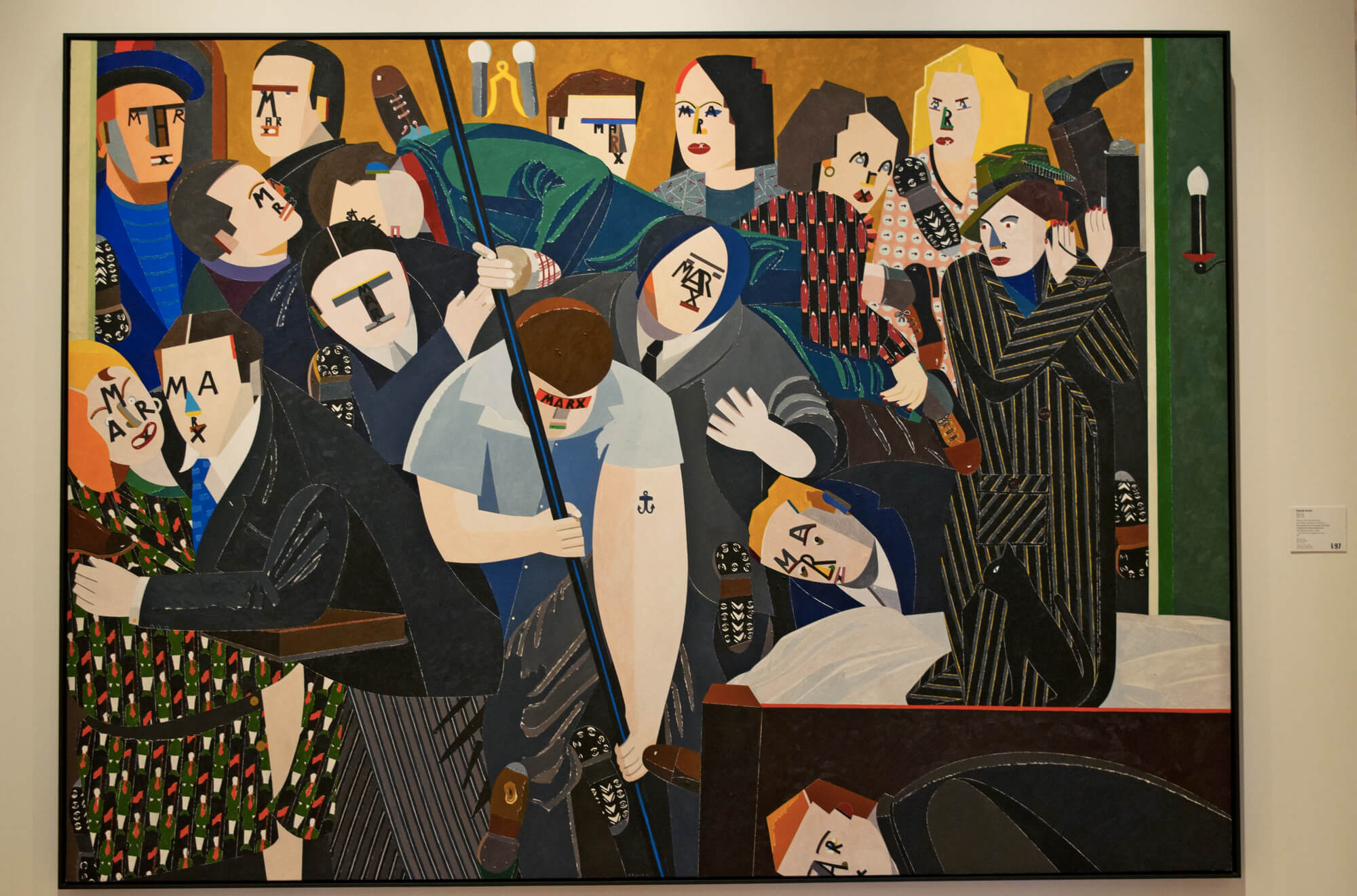
Following photographer Diane Arbus’s death in 1971, a large portion of her negatives and contact sheets remained unpublished and unexhibited for years while her estate carefully managed access to the archive. Major retrospective exhibitions drawing on previously unseen material continued to appear for decades after her death; some images from her archive did not reach public exhibition until well into the following century.
Soviet Prisoner of War Photographs
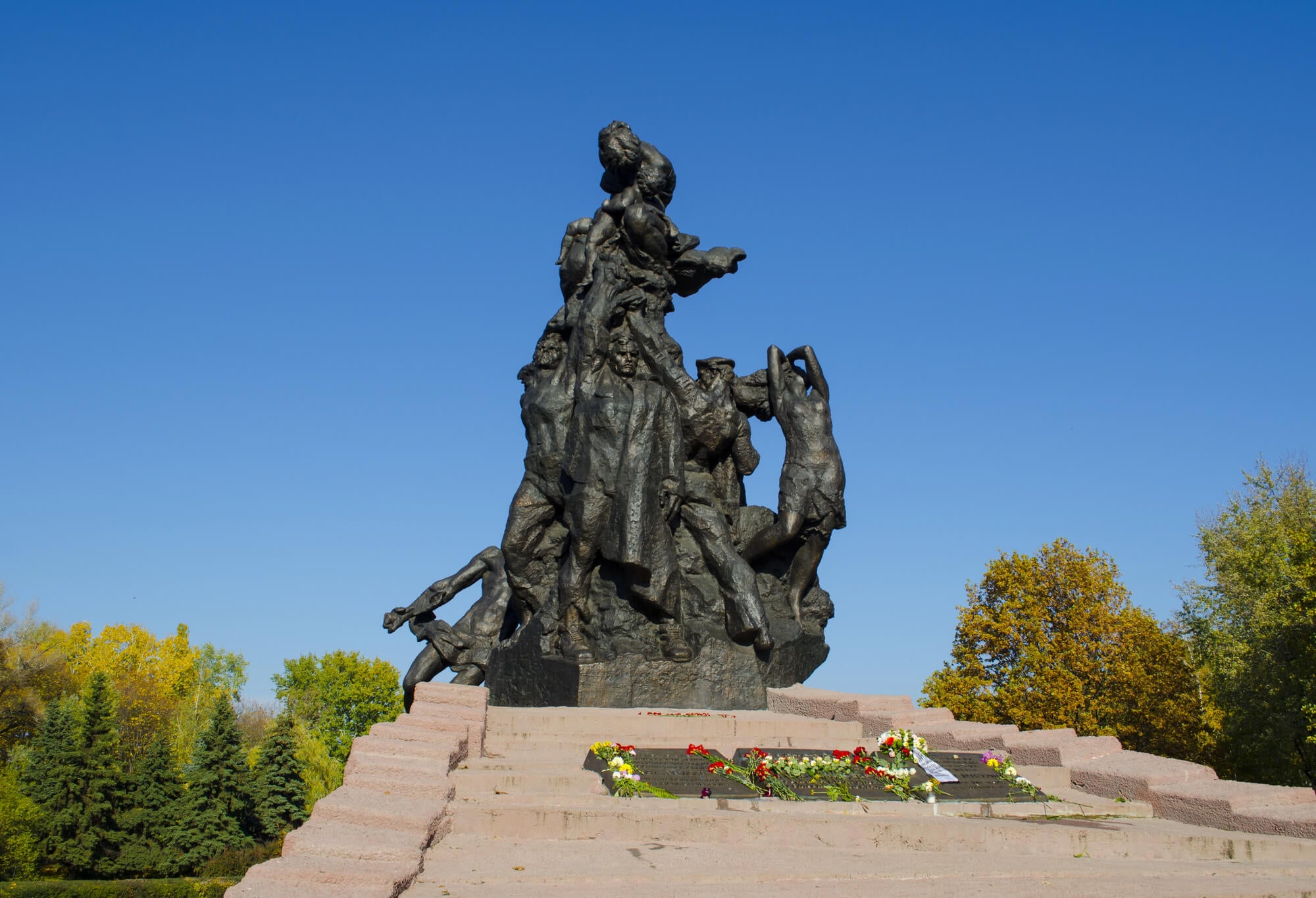
Photographs documenting the conditions faced by Axis soldiers held in Soviet prisoner-of-war camps remained largely inaccessible throughout the Cold War, held within Soviet archives that Western researchers could not access. Some of this material surfaced only after the Soviet Union’s dissolution in 1991, when archival access briefly expanded; portions of the collection remain difficult for researchers to fully access even now.
The My Lai Photographs
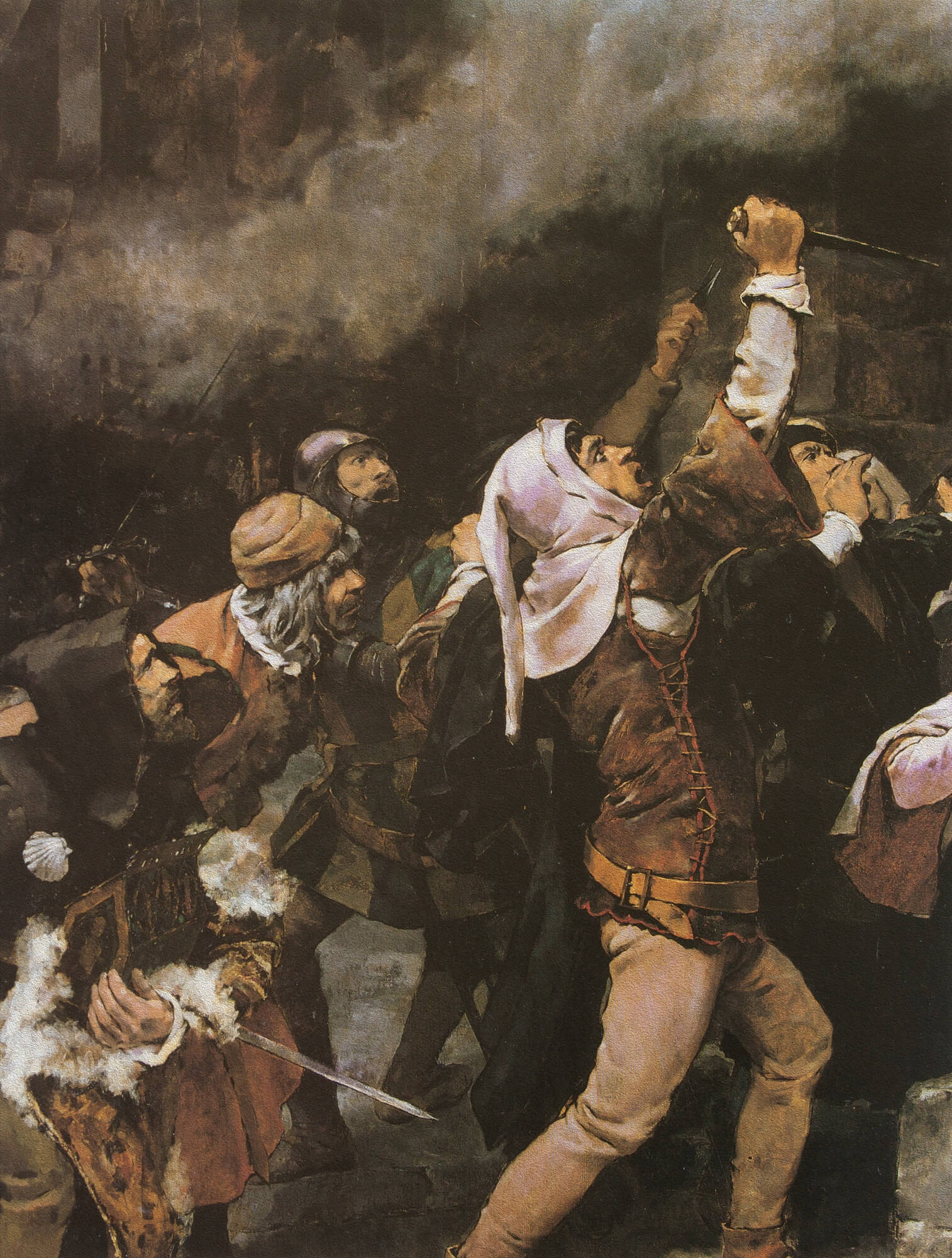
Army photographer Ron Haeberle documented the aftermath of the 1968 My Lai massacre in Vietnam while on official assignment, but he kept a set of the most damaging images privately rather than submitting them through military channels. The photographs did not reach public view until journalist Seymour Hersh’s reporting brought the massacre to national attention more than a year later; their eventual publication in 1969 became central evidence in the broader public reckoning with the incident.
The JFK Autopsy Photographs
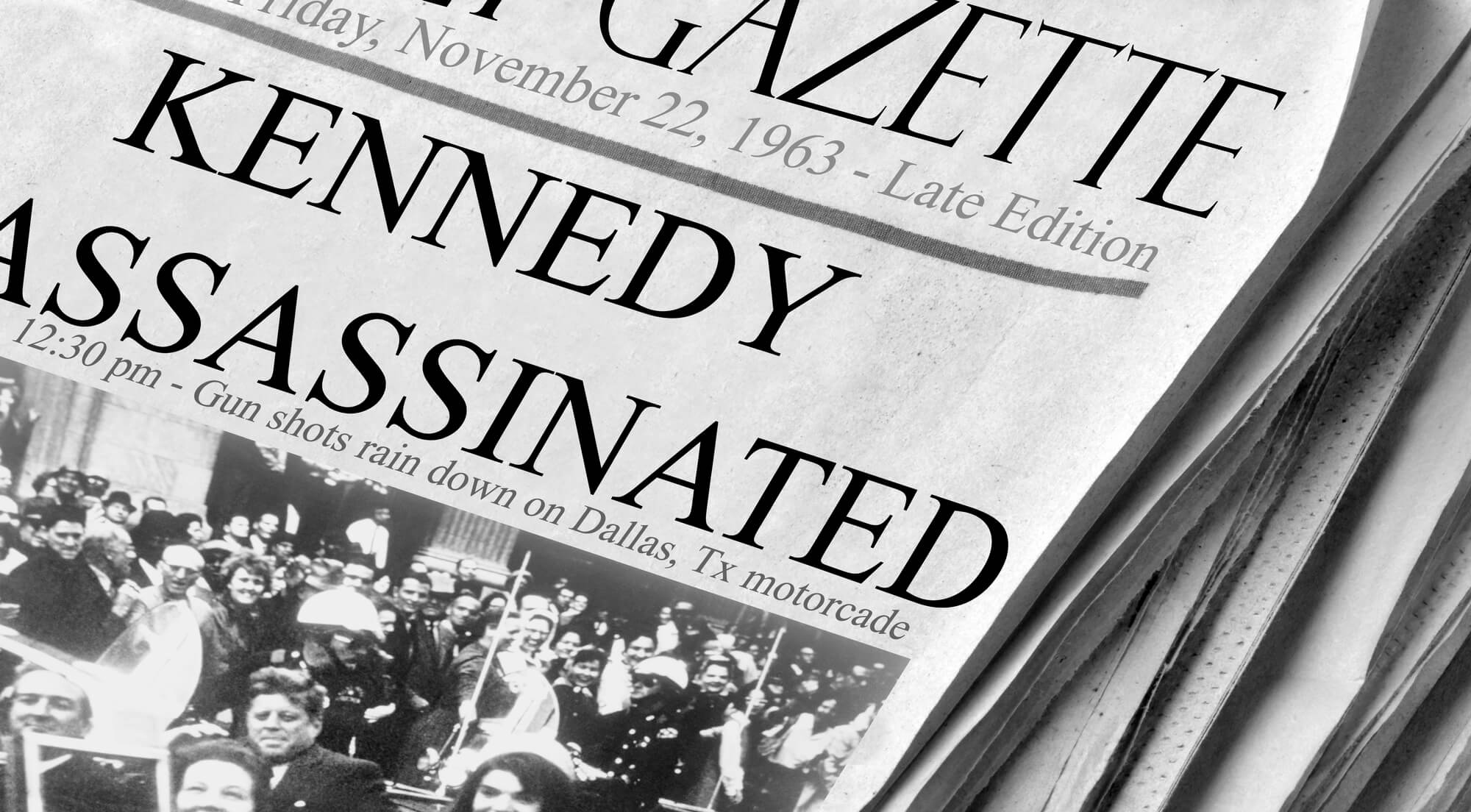
Photographs taken during President John F. Kennedy’s 1963 autopsy were sealed by the government and remained restricted from public viewing for decades under National Archives custody rules. Researchers and historians could petition for limited access under specific conditions, but general public release never occurred; the restrictions have outlasted most of the original officials involved in the decision to seal the images in the first place.
The Challenger Crew Cabin Photographs
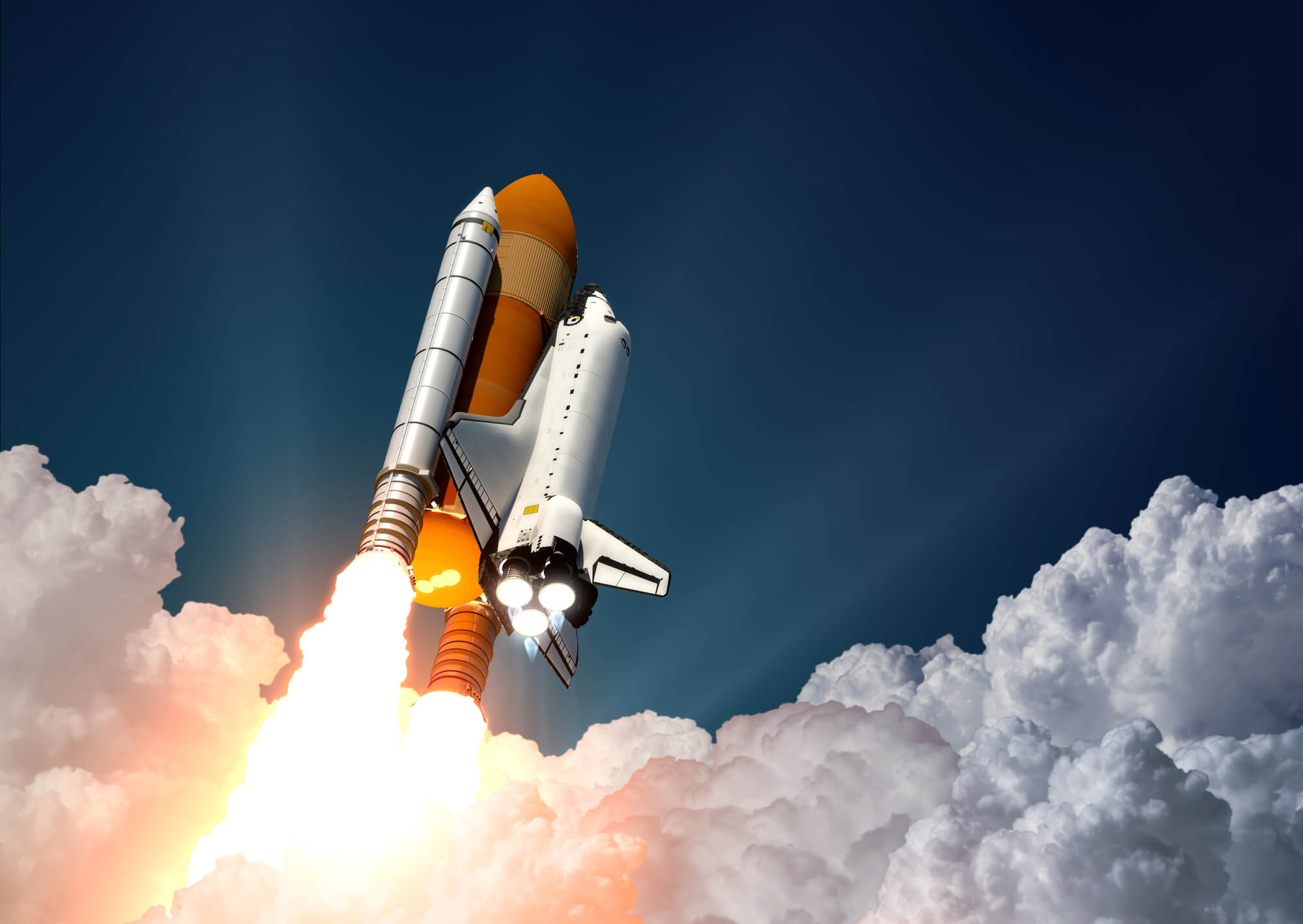
Photographs taken during the recovery of the Space Shuttle Challenger’s crew cabin following the 1986 disaster were withheld by NASA for decades, citing sensitivity toward the families of the astronauts who died. The agency continued to deny public records requests for the material for roughly thirty-five years; portions of the imagery were only released following renewed freedom-of-information requests well into the following decades.
The Abu Ghraib Photographs
Photographs documenting the abuse of detainees by American military personnel at Iraq’s Abu Ghraib prison were taken in 2003 but kept out of public view during an internal military investigation that followed. The images leaked to journalists and were broadcast in 2004, months after military officials had already reviewed them internally; additional photographs from the same collection remained legally restricted from public release for years afterward under a separate court order.
The Farm Security Administration’s Rejected Negatives

Depression-era photographers working for the federal Farm Security Administration produced tens of thousands of images documenting rural poverty across the country, but program administrator Roy Stryker physically perforated negatives he judged unsuitable for use, marking them as killed before filing them away. Many of these deliberately damaged negatives sat unseen in government archives for decades; archivists and historians later recovered and studied the perforated images specifically because the marks themselves became a subject of historical interest.
Vivian Maier’s Photographs
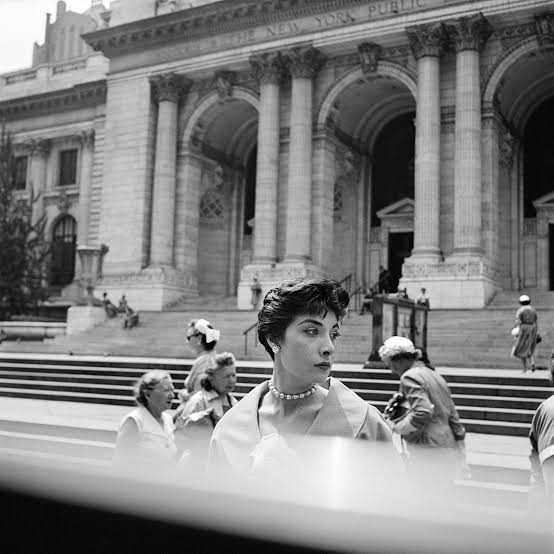
Working as a nanny in Chicago for most of her adult life, Vivian Maier shot tens of thousands of photographs on the streets around her without ever developing or showing the majority of the film. The rolls sat undeveloped in storage for decades until a local historian purchased a box of her negatives at an auction in 2007, two years before her death; her posthumous recognition as one of the era’s significant street photographers rests almost entirely on images she herself never saw printed.
The Trinity Test Photographs
Photographs documenting the first detonation of a nuclear weapon at the Trinity test site in July 1945 were classified by the United States government immediately after the event. Portions of the imagery remained restricted from public release for years as part of broader nuclear-security classification policy; some of the earliest color photographs from the test were not released for public viewing until decades after the test itself took place.
Bloody Sunday’s Photographic Evidence
Photographs and other visual evidence documenting the 1972 shooting of civilians by British soldiers in Northern Ireland became central material in a lengthy public inquiry that did not conclude until 2010, thirty-eight years after the event. Much of the photographic evidence remained tied up in legal and inquiry proceedings for decades, unavailable for full public review outside that process; the inquiry’s final report drew directly on images that had effectively been held within an ongoing legal process for a generation.
The Falling Man
Photographer Richard Drew’s image of a man falling from the World Trade Center during the September 11 attacks ran in newspapers the following day, then was almost entirely withdrawn from further publication after readers objected to its content. American media largely avoided reprinting the photograph for years afterward; a 2003 magazine investigation into the man’s identity brought the image back into public conversation after a period of near-total absence from circulation.
Buchenwald’s Liberation Photographs
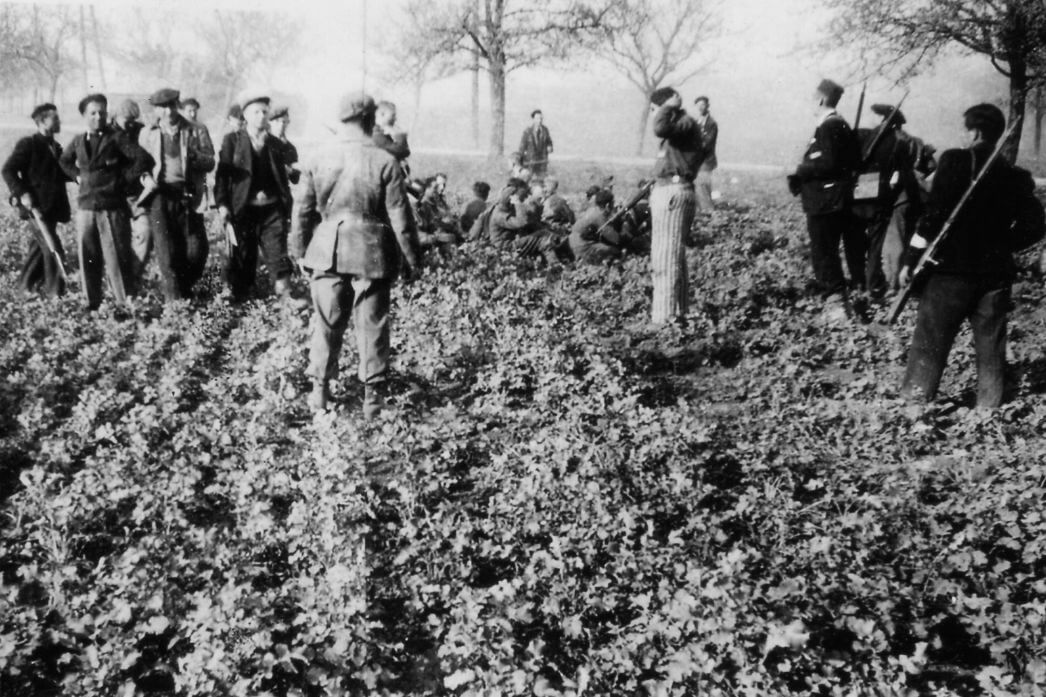
Photographs taken by military photographers documenting conditions at the Buchenwald concentration camp immediately after its 1945 liberation were partially withheld from wide publication in the immediate postwar period, with some material managed carefully by military and government offices assessing how to present the material to the public. Portions of the collection entered wider circulation only in later years, as archives were reviewed and reorganized; historians have continued to locate previously unpublished images from the same liberation period in military archives decades later.
The Manhattan Project’s Classified Photographs
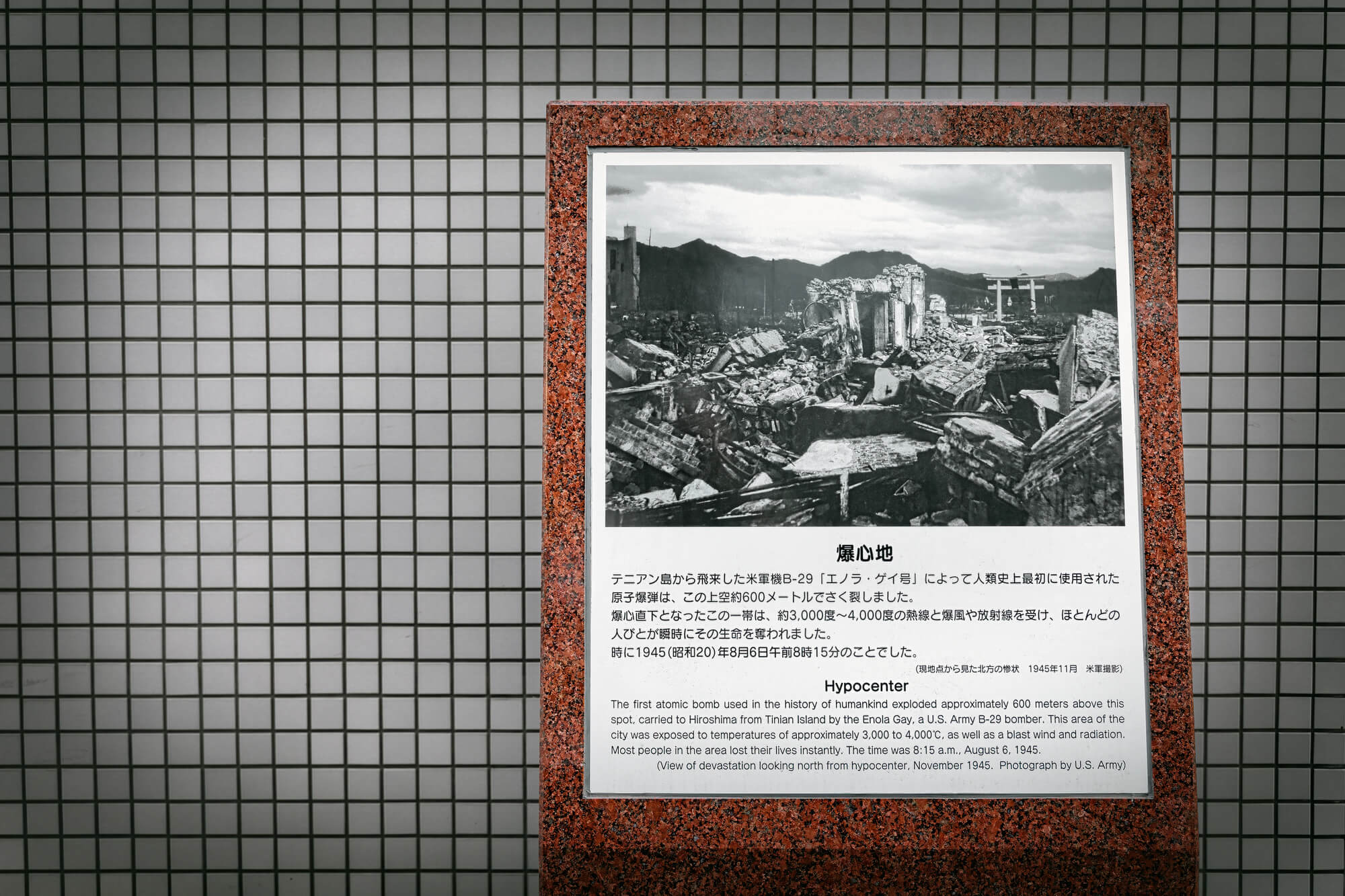
Photographs documenting the wartime development of the atomic bomb at sites including Los Alamos remained classified for years after the war ended, restricted under nuclear-security policy that outlasted the project itself by decades. Some images were not declassified and released to historians and the public until well into the second half of the twentieth century; government archives have continued to review and release additional material from the project’s photographic record in the years since.
The Photographs Mainstream Outlets Would Not Run
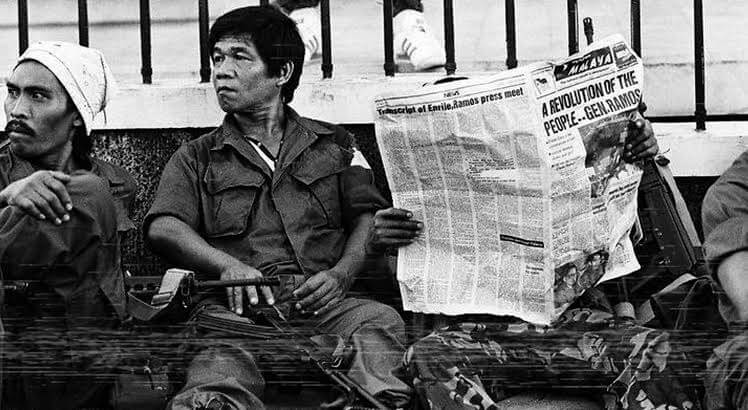
Jet magazine published photographs of Emmett Till’s body in 1955 at his mother’s insistence, while many mainstream American publications declined to run the same images for years, citing their graphic content. The contrast between which publications were willing to show the photographs and which were not became part of the story’s own historical significance; broader mainstream circulation of the images arrived only decades later, as the case was revisited by historians and documentary filmmakers.
The USS Arizona’s Recovery Photographs
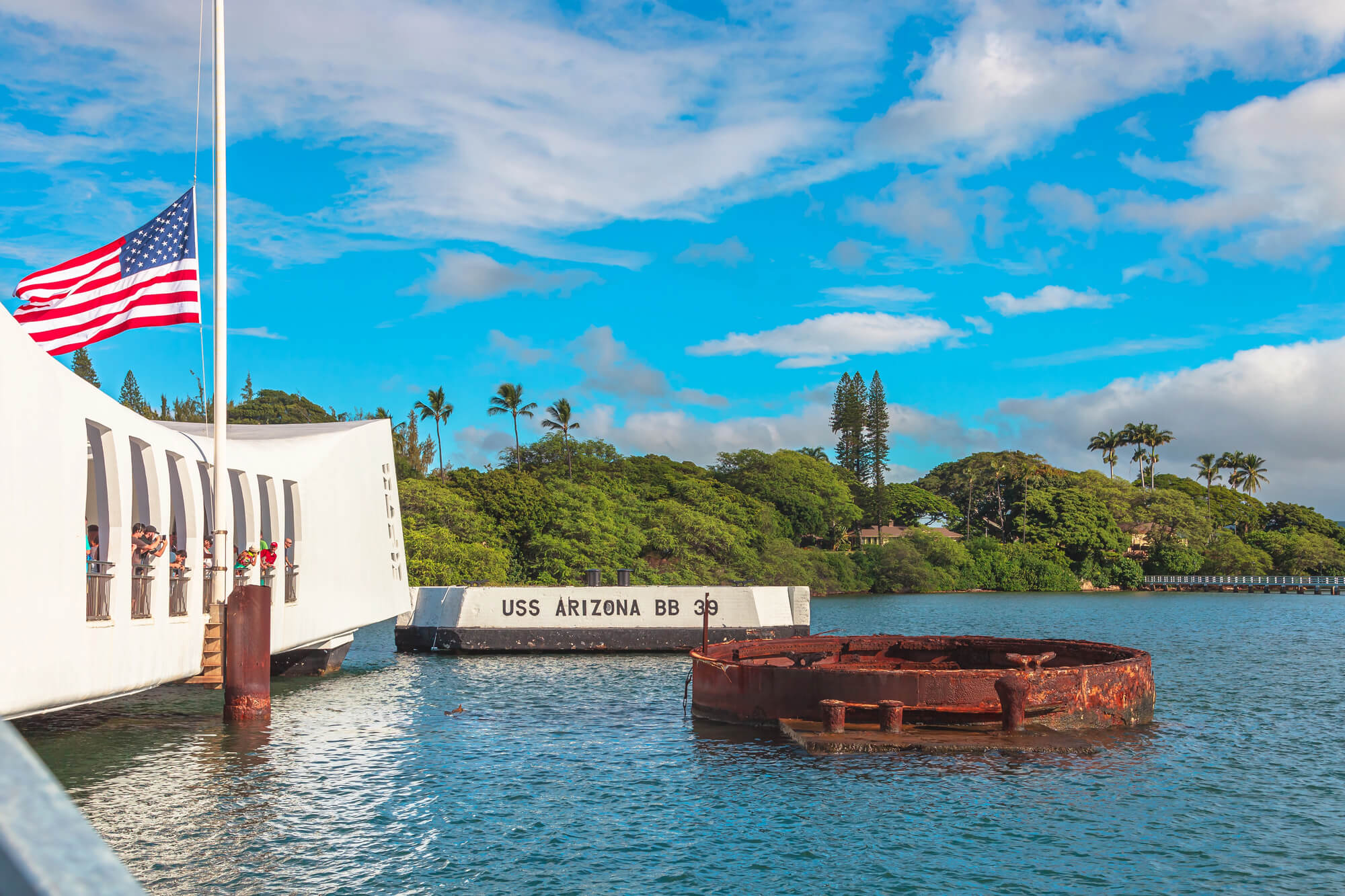
Photographs taken during recovery and identification efforts aboard the sunken USS Arizona following the 1941 attack on Pearl Harbor remained restricted from public release for decades, citing sensitivity toward the remains of service members still aboard the vessel. The ship was left in place as a memorial rather than raised, and much of the photographic documentation from the recovery period stayed within military and naval archives; limited portions of the material have been released to historians and museums only in more recent years.
What the Delay Adds
A photograph held back does not change while it waits. What changes is the room it eventually walks into, a room that has had years or decades to build up expectations, assumptions, and a certain amount of forgetting.
That gap between the moment captured and the moment finally seen is its own kind of evidence. It records not just what happened, but how long the people who could have shown it chose not to.
More from Go2Tutors!

- The Romanov Crown Jewels and Their Tragic Fate
- 13 Historical Mysteries That Science Still Can’t Solve
- Famous Hoaxes That Fooled the World for Years
- 15 Child Stars with Tragic Adult Lives
- 16 Famous Jewelry Pieces in History
Like Go2Tutors’s content? Follow us on MSN.



