16 Everyday Items With Strange Origins
We use countless objects daily without giving them a second thought. From the coffee we sip to the buttons on our shirts, these familiar items have fascinating backstories that would surprise most people. Some emerged from wartime necessity, others from pure accident, while a few came about through the most unexpected circumstances imaginable.
Here’s a list of 16 everyday items with origins that are far stranger than you’d ever guess.
Bubble Wrap
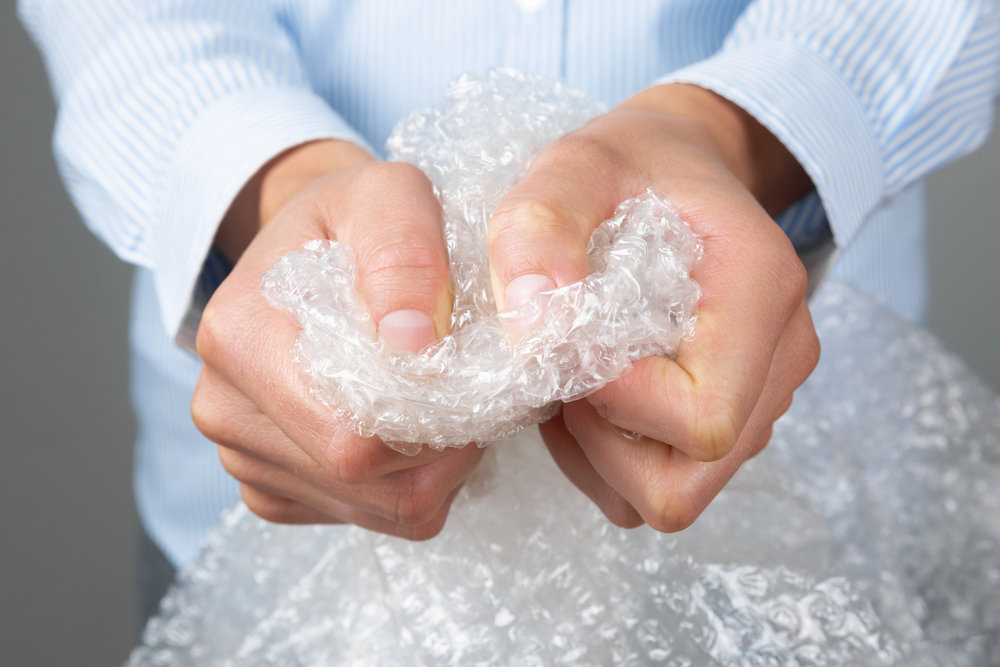
Bubble wrap started as a fancy wallpaper idea back in 1957. Engineers Alfred Fielding and Marc Chavannes were trying to create textured wall coverings by sealing two shower curtains together — though the bumpy result looked absolutely terrible on walls. They pivoted and tried marketing it as greenhouse insulation, yet that flopped too. IBM eventually discovered it made perfect packaging material for their computers.
Post-it Notes

The sticky note revolution began with what seemed like a complete failure. 3M scientist Spencer Silver was attempting to create a super-strong adhesive in 1968 — instead, he ended up with something disappointingly weak. His colleague Art Fry later realized this ‘failed’ glue was perfect for bookmarks that wouldn’t damage pages, though the company initially dismissed the idea until employees became addicted to using the prototypes.
Cornflakes
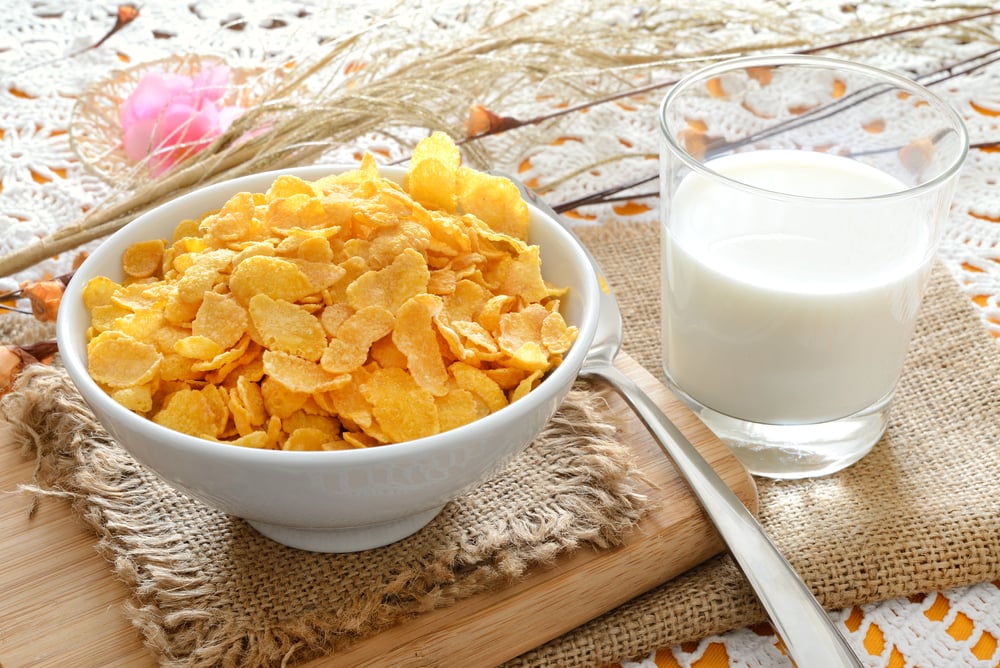
Dr. John Harvey Kellogg invented cornflakes as part of his bizarre health crusade at a Michigan sanitarium. He believed bland foods would reduce what he considered unhealthy urges while promoting extreme dietary restrictions. The cereal was originally served stale and unsweetened to patients — until his brother Will added sugar and founded the Kellogg Company, much to the doctor’s dismay.
Silly Putty

During World War II, engineer James Wright was desperately trying to create synthetic rubber for the war effort. Instead, he accidentally mixed boric acid with silicone oil, creating a bouncy, stretchy substance that seemed utterly useless. The military rejected it — but a toy store owner recognized its potential and packaged it in plastic eggs for Easter 1950.
Velcro
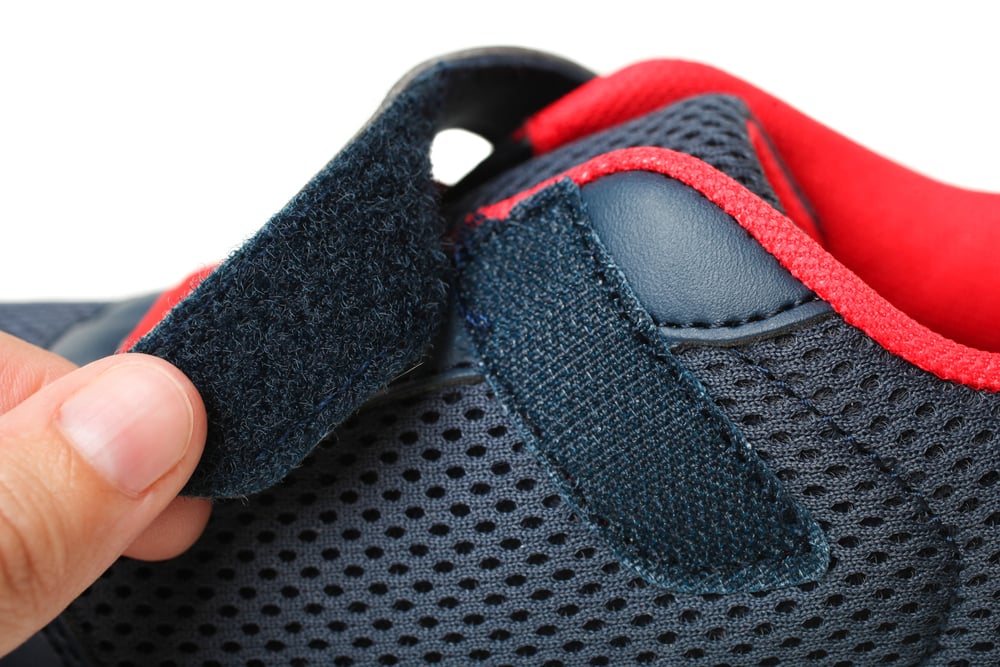
Swiss engineer Georges de Mestral got the inspiration for Velcro during a 1941 hunting trip when he noticed how stubbornly burr seeds stuck to his dog’s fur. He spent years examining the tiny hooks under a microscope — figuring out how to recreate them artificially proved incredibly challenging. The fashion industry initially mocked his invention as ugly, though NASA’s adoption of it for space missions changed everything.
Play-Doh

This colorful modeling compound started life as wallpaper cleaner in the 1930s. The product was designed to remove soot stains from walls before homes switched from coal heating to natural gas — when demand plummeted, the company was nearly bankrupt. Someone noticed kids loved playing with the non-toxic putty, so they added bright colors and rebranded it as a children’s toy.
Champagne
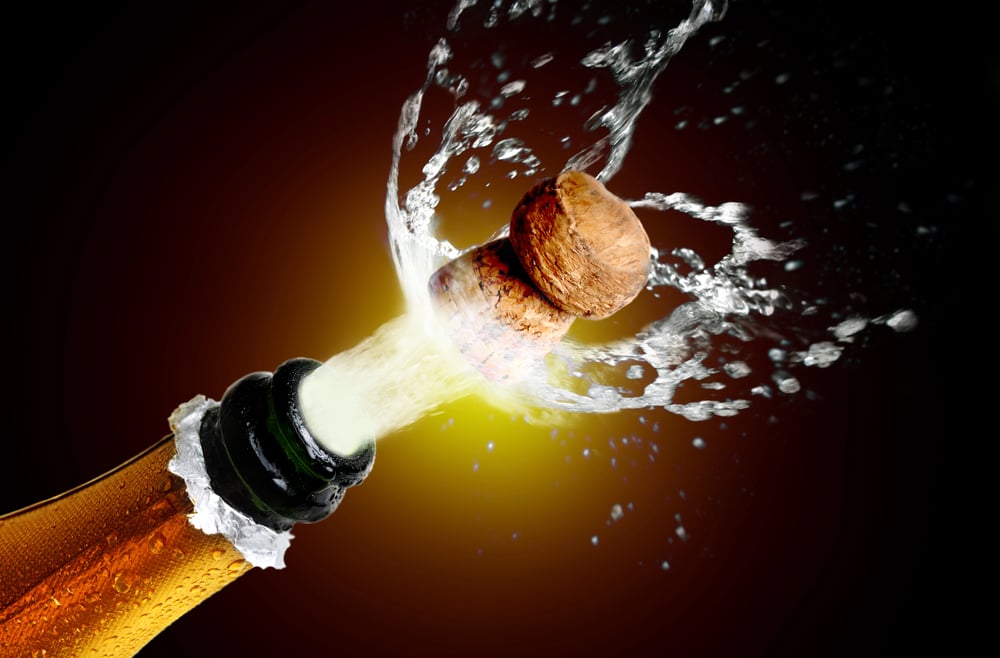
The sparkling wine we associate with celebrations happened by accident due to cold French winters. Monks in the Champagne region would bottle their wine before fermentation finished — winter temperatures would halt the process completely. When spring arrived, fermentation resumed inside the bottles, creating carbon dioxide bubbles that often caused explosions in wine cellars.
Plastic Wrap

Saran wrap emerged from Dow Chemical’s research into materials for military applications during World War II. Scientists Ralph Wiley discovered the clingy plastic substance while working on new coatings for fighter planes — the military found it useful for protecting equipment from moisture and salt water. After the war, Dow realized it could keep food fresh and revolutionize kitchen storage.
Potato Chips

Chef George Crum created potato chips in 1853 out of pure spite at his restaurant in Saratoga Springs, New York. A customer kept complaining that his french fries were too thick and soggy — sending them back repeatedly got on Crum’s nerves. Frustrated, he sliced the potatoes paper-thin, fried them until crispy, and doused them with salt, expecting the customer to hate them.
Microwaves

Percy Spencer discovered microwave cooking entirely by chance while working on radar technology for Raytheon in 1945. He noticed that a chocolate bar in his pocket had melted while standing near a magnetron device — curious, he tried the same experiment with popcorn kernels and an egg. Both cooked quickly from the inside out, revealing the technology’s potential.
Stainless Steel

Metallurgist Harry Brearley stumbled upon stainless steel in 1913 while trying to solve a completely different problem for gun manufacturers. He was attempting to create steel that wouldn’t erode inside rifle barrels, yet kept producing metal that seemed worthless for that purpose. Months later, he noticed that his ‘failed’ samples hadn’t rusted like regular steel, leading to the discovery of chromium’s protective properties.
Tea Bags

New York tea merchant Thomas Sullivan accidentally invented tea bags around 1908 when he started sending samples to customers in small fabric pouches instead of expensive tins. He intended for people to remove the tea and brew it normally. However, customers found it more convenient to dunk the entire pouch. Sullivan initially received complaints that the fabric was too thick, so he switched to thinner materials.
Safety Glass

French chemist Édouard Bénédictus discovered safety glass in 1903 after a laboratory accident that could have been disastrous. He knocked over a glass flask that had contained a plastic solution, and instead of shattering into dangerous shards, it cracked but held together. This accidental discovery later became essential for car windshields and protective equipment.
Matches

The friction match emerged from a fortunate accident by British pharmacist John Walker in 1826. He was stirring a mixture of chemicals with a wooden stick when dried residue formed on the end. When he tried to scrape off the hardened material, it burst into flames unexpectedly. Walker realized he’d found a simple way to create fire on demand.
Coca-Cola
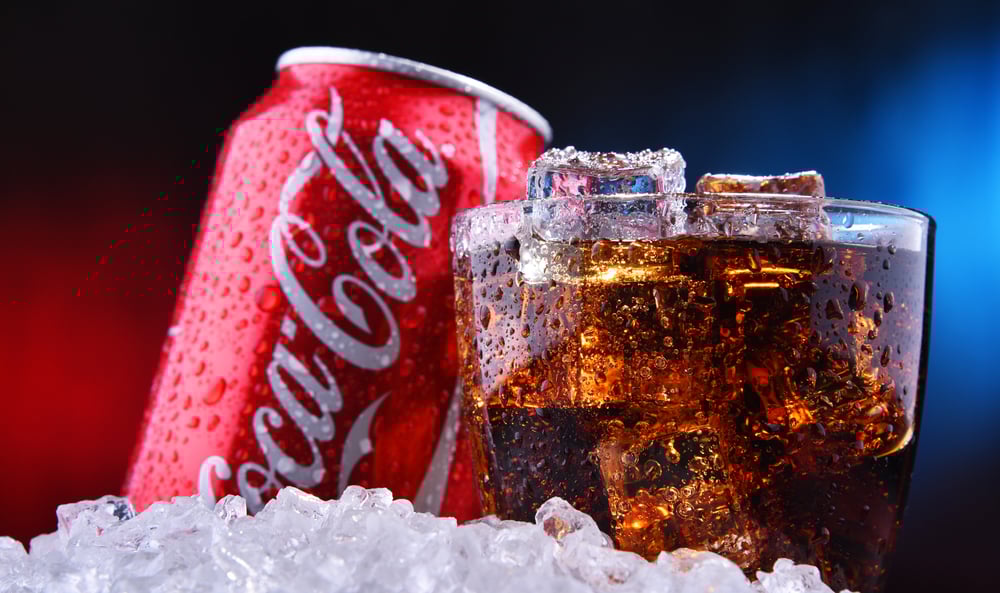
Pharmacist Dr. John Pemberton created Coca-Cola in 1886 as a patent medicine intended to cure headaches and fatigue. His original formula contained caffeine from kola nuts and a small amount of cocaine from coca leaves, which was perfectly legal at the time. The drink was sold exclusively at soda fountains as a health tonic until someone accidentally mixed it with carbonated water instead of plain water.
Super Glue

Dr. Harry Coover discovered super glue twice by accident while working for Eastman Kodak. In 1942, he was trying to create clear plastic gun sights but created an impossibly sticky substance instead. Nine years later, while working on heat-resistant airplane canopies, he rediscovered the same compound and finally realized its commercial potential for instant bonding.
The Thread That Connects Innovation

These everyday objects remind us that breakthrough innovations rarely follow predictable paths. Most emerged from failed experiments, wartime necessity, or pure chance encounters that curious minds chose to explore further. The next time you pop bubble wrap or stick a Post-it note somewhere, remember that someone’s ‘mistake’ became an essential part of modern life. Innovation often hides in the most unexpected places, waiting for someone to recognize its true potential.
More from Go2Tutors!

- The Romanov Crown Jewels and Their Tragic Fate
- 13 Historical Mysteries That Science Still Can’t Solve
- Famous Hoaxes That Fooled the World for Years
- 15 Child Stars with Tragic Adult Lives
- 16 Famous Jewelry Pieces in History
Like Go2Tutors’s content? Follow us on MSN.