Last Words That Reveal Shocking Truths
There’s something unsettling about final words. They arrive at the moment when pretense falls away, when the careful masks we wear throughout life suddenly become too heavy to hold.
In those last breaths, people often say things that surprise everyone—including themselves. These aren’t the peaceful, poetic farewells you see in movies.
Real last words tend to be messier, stranger, and far more revealing than anyone expects. They expose hidden guilt, unexpected humor, buried resentments, and truths that families spend years trying to understand.
Steve Jobs

“Oh wow. Oh wow. Oh wow.”
The tech visionary who spent his career crafting perfect presentations left the world with three simple words repeated like a mantra. His sister later described how his eyes looked past everyone in the room, as if he was seeing something extraordinary that no one else could witness.
Jobs had always been obsessed with what came next—the next product, the next innovation, the next breakthrough. Even dying, he seemed fascinated by the ultimate unknown.
Napoleon Bonaparte
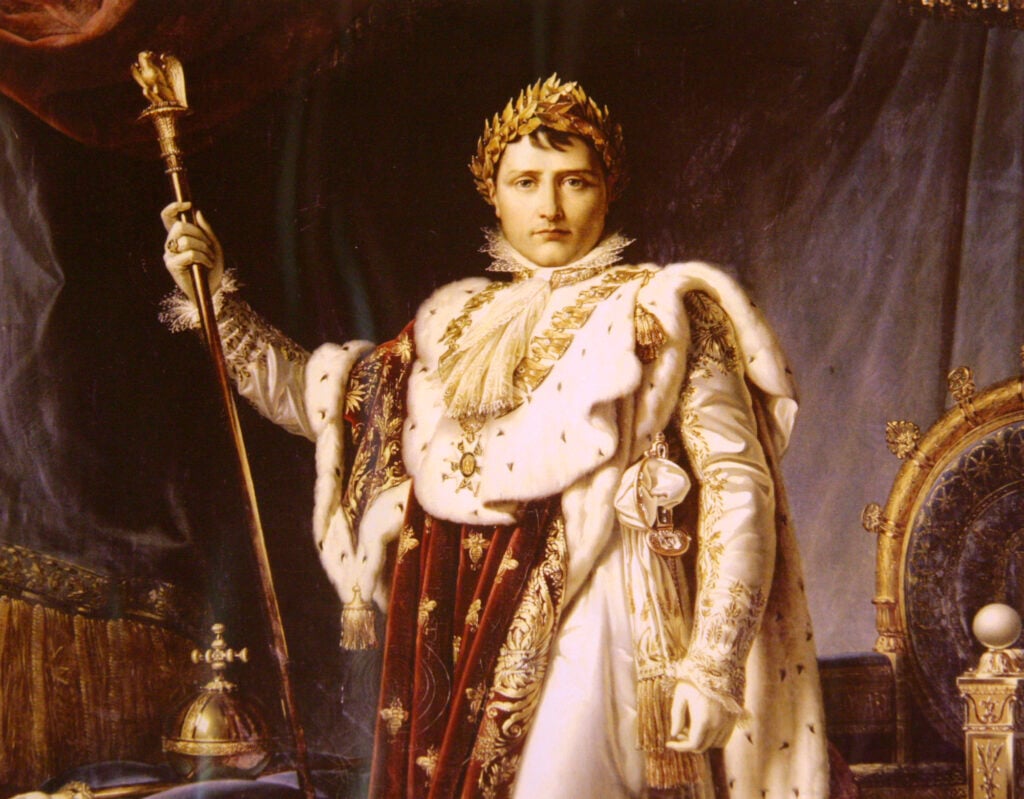
“France, army, head of the army, Josephine.”
The emperor who conquered most of Europe died mumbling about the three things that defined his existence. But (and this is the part that haunts historians) he mentioned Josephine last, even though he’d divorced her years earlier to marry Marie Louise for political reasons—a decision that reportedly broke both their hearts, though neither would admit it publicly.
So his final breath revealed what everyone suspected: that his great love affair never really ended, and the marriage he claimed was purely strategic had cost him more than any military defeat. And what makes this even more poignant is the order of his words.
France first, because that was his public duty; the army second, because that was his tool of power; but Josephine last—which in the grammar of dying might actually mean first, the way your mind saves the most important thing, the thing that matters most when nothing else matters anymore.
Oscar Wilde

Like autumn leaves that cling to branches long after their season has passed, Wilde’s wit remained sharp even as his body failed him in a shabby Paris hotel room. His final words were reportedly about the wallpaper: “Either it goes, or I do.”
The man who had spent his life crafting beautiful things couldn’t bear to die surrounded by ugliness. There’s something almost unbearably fitting about this—that someone who believed beauty was the highest truth would use his last breath to reject aesthetic failure.
Even facing death, Wilde was editing his environment, trying to curate his final scene. The wallpaper stayed. He didn’t.
Thomas Edison
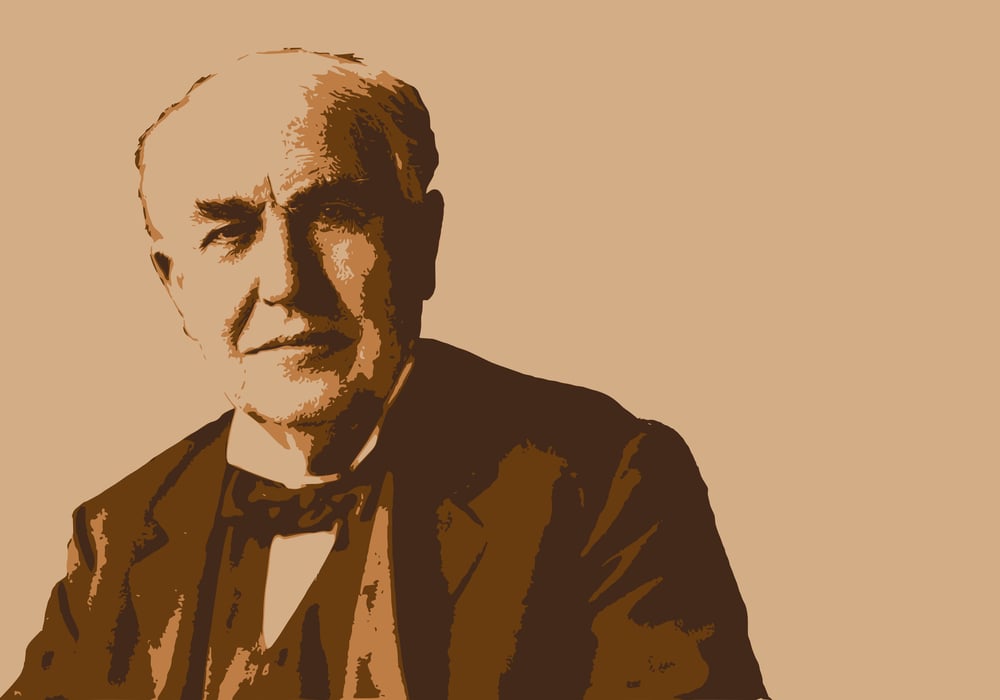
Edison got it wrong about alternating current, but he got dying exactly right. His last words were simple: “It is very beautiful over there.”
The inventor who spent his life trying to capture and control natural forces—light, sound, motion—apparently found something in his final moments that needed no improvement. For someone who never stopped tinkering, never stopped trying to make things work better, those words suggest he finally encountered perfection.
No patents required.
Marie Antoinette
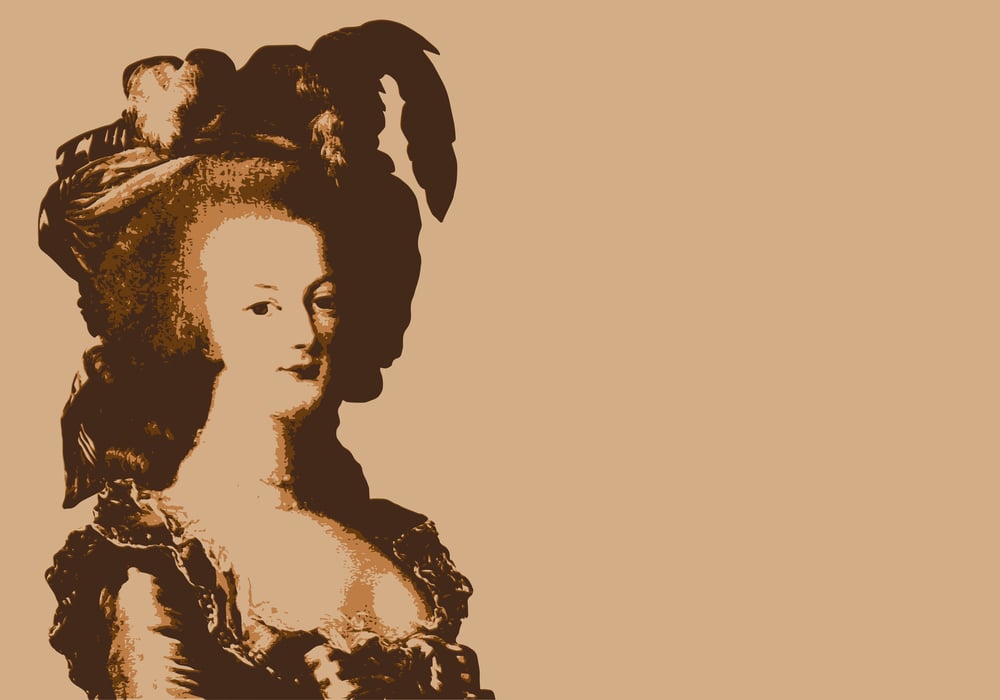
“Pardon me, sir. I meant not to do it.”
The queen who supposedly said “Let them eat cake” (she didn’t) accidentally stepped on her executioner’s foot on the scaffold. Her last words weren’t a political statement or a plea for mercy—they were an apology for a tiny breach of etiquette in the middle of her own execution.
This reveals something the history books miss about her character. Here was someone so trained in politeness, so genuinely concerned with proper behavior, that even facing the guillotine she couldn’t help but say sorry for a minor accident.
The revolutionaries wanted to kill a symbol of royal excess. Instead they executed someone who apologized for stepping on their foot.
Leonardo da Vinci
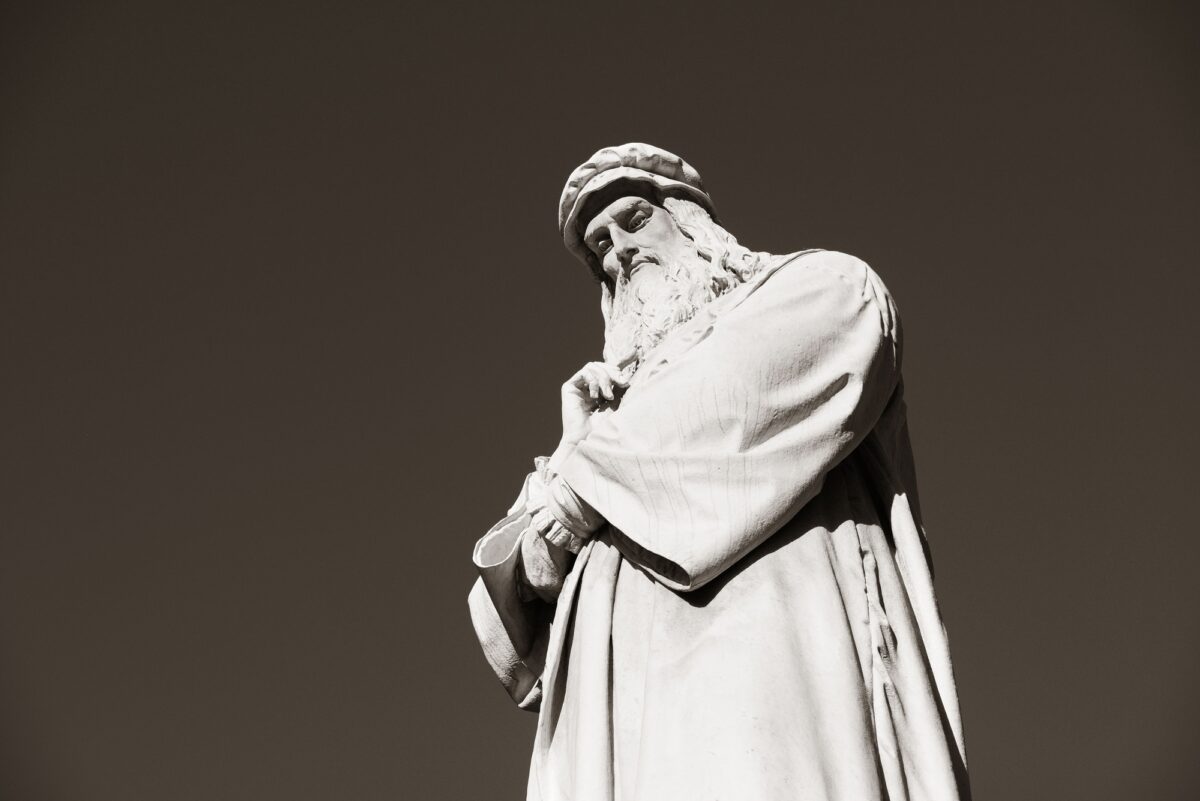
The ultimate Renaissance man died convinced he was a failure: “I have offended God and mankind because my work did not reach the quality it should have.” Coming from someone who painted the Mona Lisa, designed flying machines centuries before flight was possible, and filled thousands of pages with observations that wouldn’t be understood for generations—well, it suggests that genius might be less about satisfaction and more about perpetual dissatisfaction with your own limitations.
Da Vinci saw further than anyone of his era, which also meant he saw how much further there was to go. His notebooks are filled with unfinished projects, half-completed inventions, ideas that outpaced the technology available to execute them. So his final words make perfect sense: when you can envision perfection clearly enough, everything you actually create feels like a rough draft.
Even The Last Supper, even La Gioconda’s enigmatic smile — still not quite right, still falling short of what lived in his imagination. And the tragic irony is that his “failures” became humanity’s treasures, while his regrets became our inheritance.
What he saw as falling short, we see as reaching heights no one else even attempted. But genius doesn’t get to see itself from the outside—it only knows the gap between vision and execution, between what could be and what is.
So Leonardo died apologetic for giving us some of the most beautiful things humans have ever created.
John Wayne

The Duke’s final words were quietly devastating: “Of course I know who you are. You’re my girl. I love you.”
He was speaking to his daughter, but the surprise in his voice suggests he’d been drifting in and out of recognition for days. Wayne built his career on playing men who never showed weakness, never admitted vulnerability, never needed anyone.
But dying stripped away the performance. His last moment of clarity was used to tell his daughter he loved her—something the characters he played would never have done so directly.
Frank Sinatra

“I’m losing” were Sinatra’s last words. Not “I’m dying” or “I’m tired”—”I’m losing.” The man who sang “My Way” and “I Did It My Way” apparently saw death as his final opponent in a game he’d been winning his whole life.
Sinatra had survived poverty, mob connections, career setbacks, failed marriages, and the changing music industry. He’d outlasted most of his contemporaries and remained relevant across decades.
But in the end, he recognized he’d met something he couldn’t charm, bribe, or sing his way past.
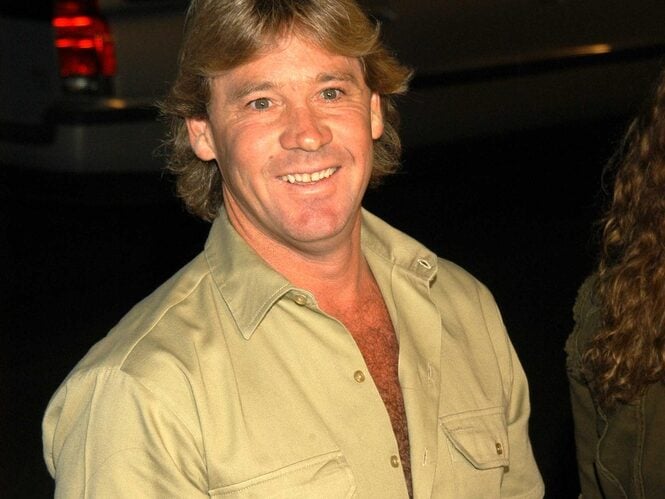
Steve Irwin
— Photo by s_bukley
The Crocodile Hunter’s last words, caught on camera during the stingray attack that killed him, were characteristically focused on others: “It’ll be all right. Everything’s going to be okay.”
He was talking to his cameraman, trying to reassure him even as Irwin himself was fatally wounded. This perfectly captures who he was—someone so genuinely concerned with other people’s wellbeing that even his own death became about comforting someone else.
He spent his life teaching people not to fear dangerous animals, and he died trying to keep someone from being afraid.
Albert Einstein
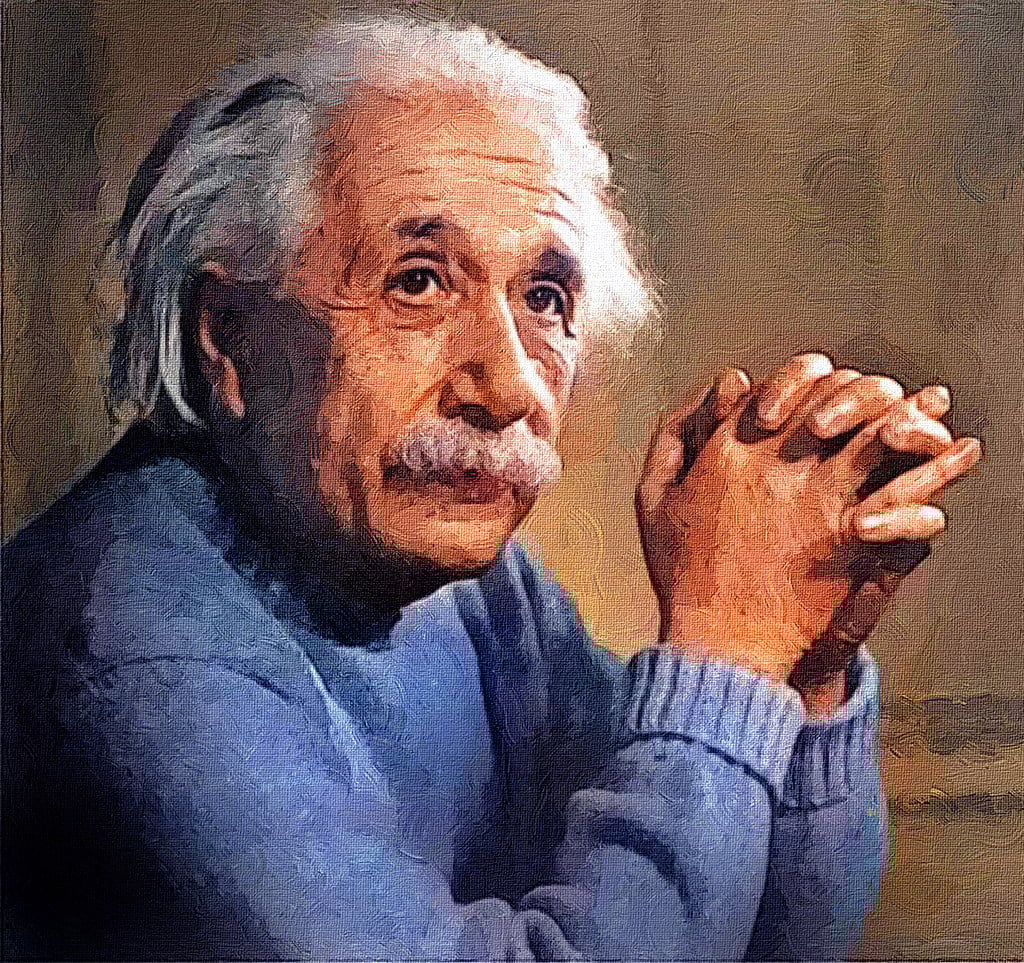
Einstein’s last words are lost forever because he spoke them in German to a nurse who didn’t understand the language. The universe’s greatest explicator took his final thoughts with him, untranslated and unrecorded.
There’s something poetic about this accident of language. Einstein spent his career making the incomprehensible universe comprehensible to the rest of us.
But his last insight—whatever it was—remains as mysterious as the cosmic puzzles he’d spent his life solving. Maybe that’s fitting. Some truths are meant to stay hidden.
James Dean

Dean died in a car crash, but his last recorded words were from earlier that day when a police officer pulled him over for speeding: “I’m not speeding now, am I?” Even facing a ticket, he couldn’t resist being a smart-ass.
The exchange reveals everything about his appeal and his fate. Dean was always testing limits, always seeing how much he could get away with.
That afternoon, he found out.
Elvis Presley
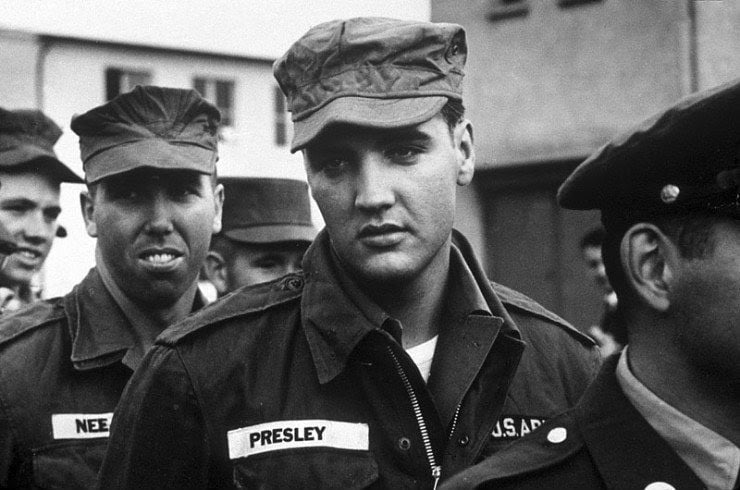
The King’s last words were mundane and somehow perfect: “I’m going to the bathroom to read.” Elvis died on his toilet with a book in his hand, which is either the most undignified end possible for a rock star or the most human.
After years of being treated like something more than human—worshipped, isolated, surrounded by people who wouldn’t tell him no—Elvis died doing something completely ordinary. Reading on the toilet.
Just like everyone else.
Winston Churchill

Churchill’s last words came after days of silence: “I’m bored with it all.” The man who had guided Britain through its darkest hour, who had rallied a nation with his speeches, who had lived one of the most consequential lives of the 20th century, was ready to be done.
There’s something almost relieving about this admission. Churchill had carried enormous responsibility for decades.
He’d made decisions that affected millions of lives. He’d witnessed more history than almost anyone. By the end, he’d simply had enough.
Princess Diana
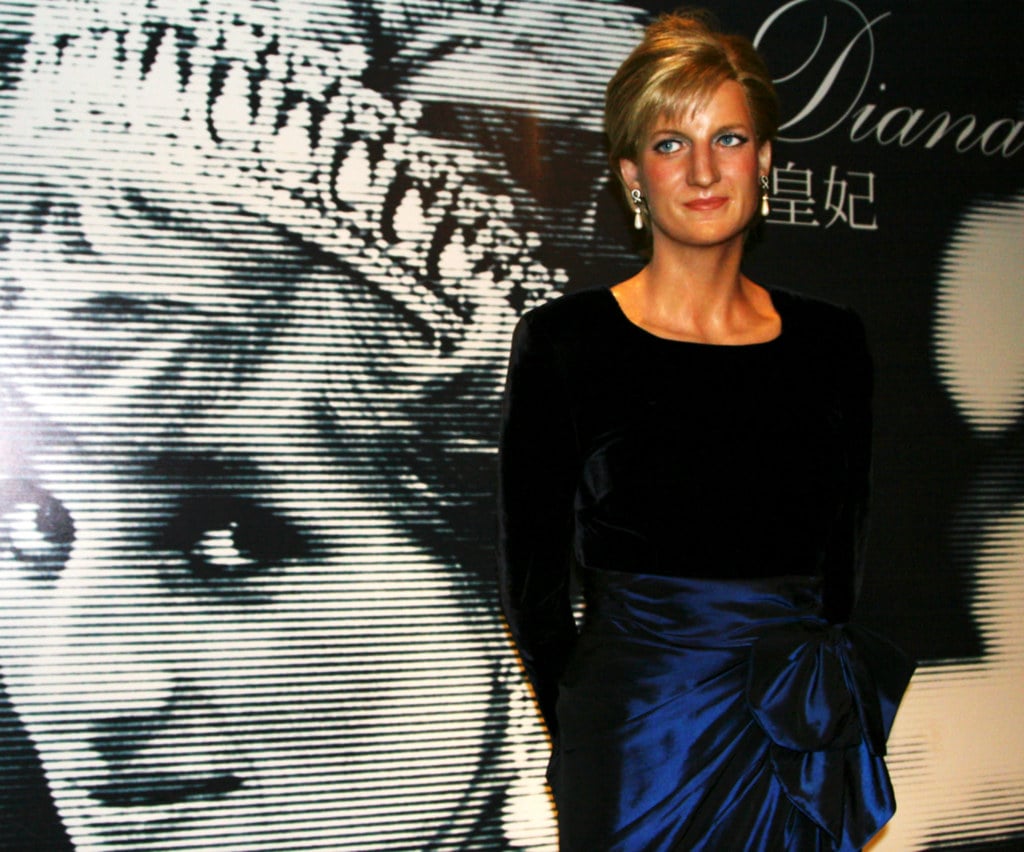
Diana’s last words, spoken to firefighters trying to rescue her from the Paris car crash, were reportedly: “My God, what’s happened?” She had no memory of the crash itself, no understanding that she was dying, no final message for her sons.
The tragedy isn’t just that she died young, but that she died confused and afraid, with no chance to say goodbye or leave final words of love. Sometimes the most shocking truth about last words is their absence—the things left unsaid because there was no time or awareness to say them.
When Words Run Out

These final utterances strip away everything we think we know about famous people and reveal something more essential—fear, love, humor, regret, curiosity, exhaustion. Death has a way of cutting through the carefully constructed public personas to expose the human being underneath.
Maybe that’s why the last words fascinate us so much. They’re the moment when pretense becomes impossible, when the real person emerges from behind whatever role they’ve been playing. In those final breaths, we get to see who they really were all along.
More from Go2Tutors!

- The Romanov Crown Jewels and Their Tragic Fate
- 13 Historical Mysteries That Science Still Can’t Solve
- Famous Hoaxes That Fooled the World for Years
- 15 Child Stars with Tragic Adult Lives
- 16 Famous Jewelry Pieces in History
Like Go2Tutors’s content? Follow us on MSN.



