Handshakes, Bows, And Greetings That Mean Different Things in Every Culture
Picture this: you extend your hand for what you think is a simple, friendly greeting, only to watch the other person’s face shift into confusion or even offense. What went wrong?
Nothing catastrophic — you just ran headfirst into the invisible minefield of cultural greetings. Every culture has developed its own language of hello, and what feels natural to you might translate as awkward, rude, or downright bizarre to someone else.
The way people greet each other reveals more about a society than you might expect. These rituals carry centuries of history, social hierarchy, and unspoken rules about respect, intimacy, and status.
Some cultures bow to show reverence, others kiss cheeks to express warmth, and still others avoid physical contact entirely. Getting it wrong doesn’t just create an awkward moment — it can accidentally communicate disrespect when you meant to show friendliness.
The Western Handshake

The handshake owns the business world. Firm grip, direct eye contact, two or three pumps.
Done. Most Americans treat this as universal protocol, but it’s not.
In many cultures, grabbing someone’s hand without invitation crosses a boundary they didn’t know existed.
Japanese Bowing

The bow in Japan operates like a social GPS system — it tells you exactly where everyone stands in relation to everyone else, and ignoring those signals (or worse, getting them backward) sends a message you probably didn’t intend to send. The depth of the bow, the length of time you hold it, who initiates it, who goes deeper — all of this communicates respect, status, apology, or gratitude in ways that a handshake simply can’t match.
And the fascinating thing is that Japanese people navigate this complex system automatically, the way Americans know to shake hands without thinking about grip strength or duration, except the Japanese system carries far more nuanced information about the relationship between the people involved. So when a Westerner meets a Japanese person and offers a handshake while the Japanese person offers a bow, both people end up caught in this awkward dance where neither greeting gets completed properly.
The Westerner feels like they’re being ignored, the Japanese person feels like they’re being forced into an unfamiliar gesture that doesn’t convey what they wanted to express. But here’s what makes it more complicated: many Japanese people will shake hands with foreigners because they know it’s expected, even though it doesn’t feel natural to them — which means the cultural exchange goes one way, with the Japanese person adapting while the Westerner remains oblivious to what they’re missing.
Thai Wai

Pressing palms together near the chest while bowing slightly looks simple enough. The reality corrects you quickly.
The wai carries multiple layers of meaning depending on hand placement and bow depth. Hands at chest level for peers, higher for elders, highest for monks or royalty.
Get it wrong and you’ve accidentally claimed status you don’t have or shown disrespect you didn’t intend. Foreigners often receive a pass for mistakes, but learning the basics shows genuine respect for Thai culture.
Maori Hongi

The hongi strips greeting down to something primal — two people sharing breath, literally. When Maori people press foreheads and noses together and breathe in, they’re not just saying hello; they’re acknowledging the life force in each other.
It’s intimate in a way that makes a handshake feel like keeping someone at arm’s length. This greeting carries spiritual weight that most visitors don’t grasp immediately.
The breath you share is considered sacred, connecting you to the other person and to their ancestors. It’s not performed casually or with strangers — it’s reserved for moments that matter, when relationships deepen beyond surface politeness.
For many Westerners, the hongi feels uncomfortably close. Personal space norms get tossed out entirely.
But that discomfort is part of the point — it asks you to be present with another person in a way that modern life rarely demands.
Indian Namaste
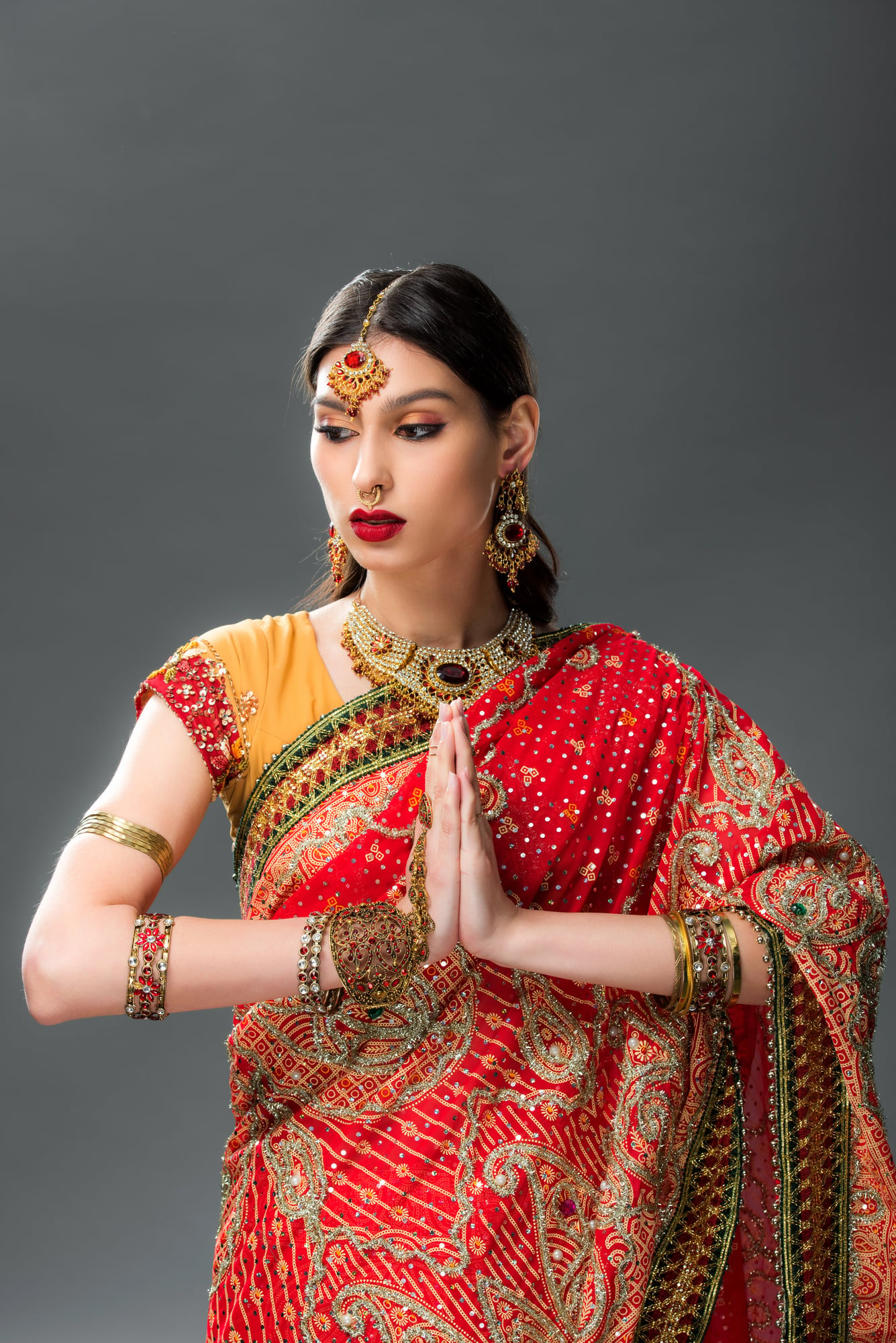
Namaste gets thrown around in yoga classes like it means “peace out,” but the real thing operates on a different frequency entirely. The word itself translates roughly to “the divine in me acknowledges the divine in you” — which makes using it to end a workout session feel a bit shallow, even if the intention is good.
The gesture — palms pressed together at heart center, slight bow of the head — creates a moment of mutual respect that doesn’t depend on social status, age, or gender. Rich or poor, old or young, the greeting stays the same.
That equality is built into the gesture itself. In India, namaste avoids the complications of physical contact across gender lines while still conveying warmth and respect.
No worries about appropriate touch, no awkward moments when cultural norms clash. Just recognition of shared humanity.
Middle Eastern Cheek Kissing
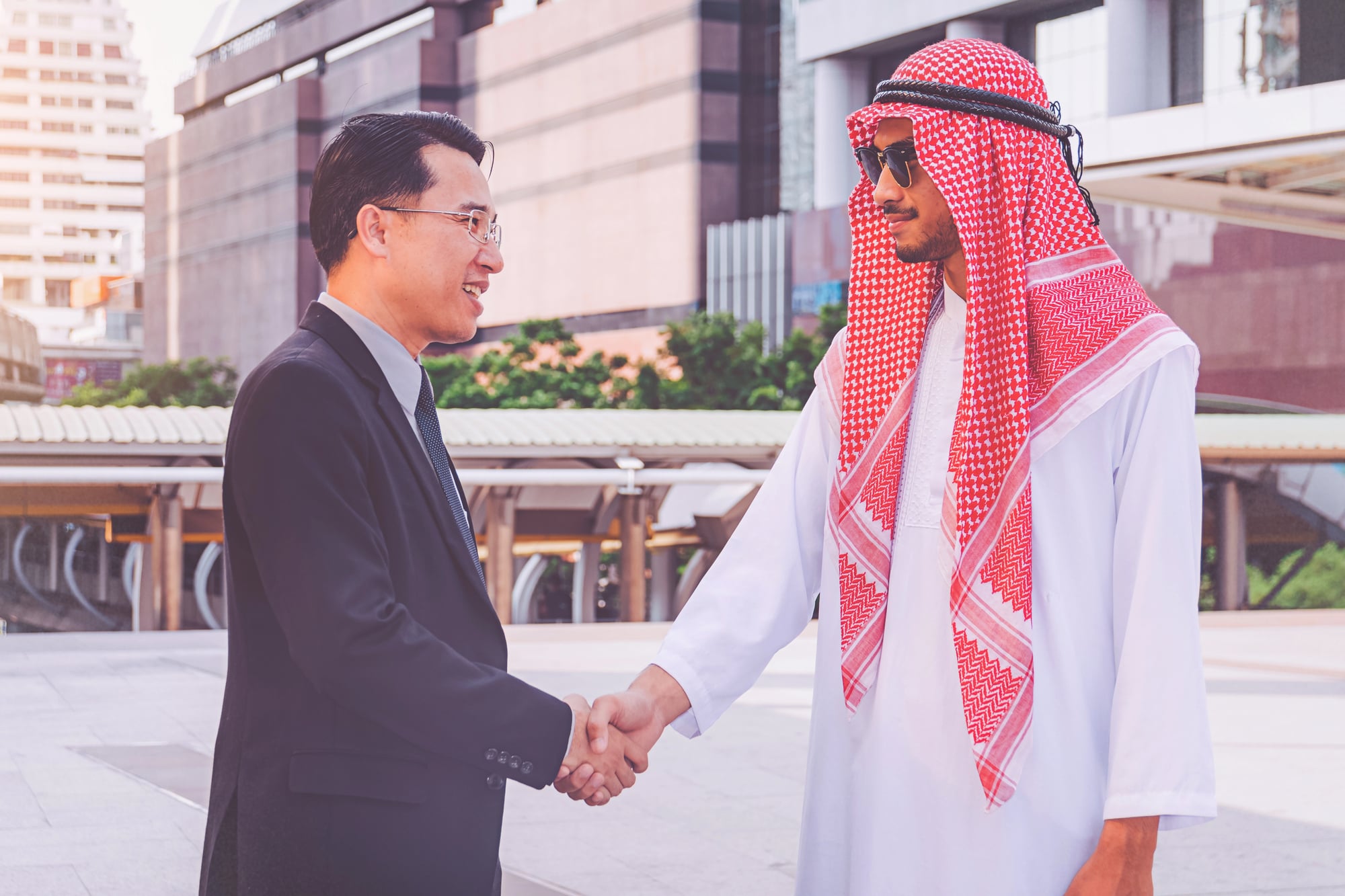
The cheek kiss changes rules depending on which country you’re in, how well you know the person, and what gender everyone happens to be. Two kisses in some places, three in others.
Start on the right cheek or the left. Air kisses or actual contact.
Get the pattern wrong and you end up in that awkward dance where both people turn the same direction and nearly collide, or someone goes for a third kiss while the other person has already stepped back. It’s like a cultural coordination game where everyone knows the steps except you.
The tradition builds intimacy gradually. Acquaintances might shake hands, friends exchange kisses, family gets longer embraces.
The progression makes sense once you understand it, but jumping to the wrong level of familiarity can make people uncomfortable in ways that aren’t immediately obvious.
French La Bise

La bise in France follows an intricate social map that even French people sometimes navigate incorrectly — the number of kisses changes from region to region (two in Paris, three in Provence, four in parts of the Loire Valley), and there’s an unspoken hierarchy about who initiates the greeting based on age, social status, and how well you know each other. Women kiss women, women kiss men, but men typically don’t kiss men unless they’re family or very close friends, and the whole system assumes a level of cultural fluency that leaves visitors guessing about whether they should lean in or step back.
And here’s the thing that makes it particularly tricky: refusing la bise when it’s offered comes across as cold or rude, but attempting it when it’s not appropriate feels presumptuous, so you’re constantly reading social cues to figure out which version of politeness the situation calls for. The ritual also serves as a daily temperature check on relationships.
The warmth or coolness of the greeting, whether someone offers it readily or seems to hesitate, whether they make actual contact or just air kisses — all of this communicates how things stand between you in ways that are more subtle than words. But for Americans used to maintaining more physical distance in casual social situations, la bise can feel surprisingly intimate, especially with people you’ve just met or don’t know well.
Chinese Formal Bowing
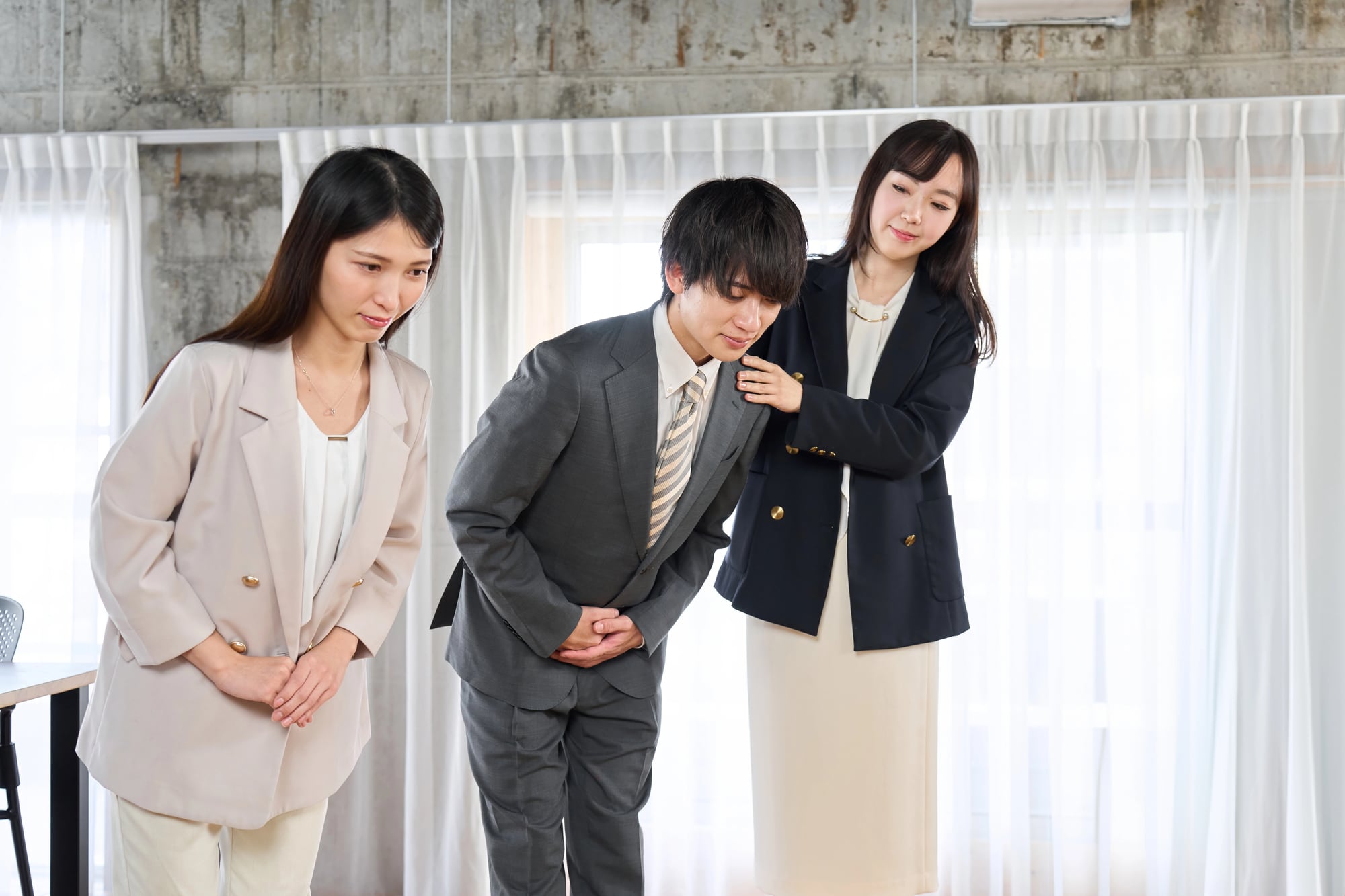
Traditional Chinese bowing operates nothing like the Japanese version, despite surface similarities. The movements carry different weight, different meaning, different rules about when and how to deploy them.
The depth of the bow and the hand positioning communicate specific relationships and intentions. Deeper bows show greater respect, but going too deep with the wrong person can create awkwardness rather than honor.
Hands clasped in front, right hand covered by left, adds another layer of formality that modern handshakes skip entirely. Most younger Chinese people have moved toward Western-style handshakes in business settings, but the traditional bow still appears during formal ceremonies, holidays, or when showing respect to elders.
Knowing when to use which greeting becomes part of reading the social situation correctly.
Russian Bear Hug
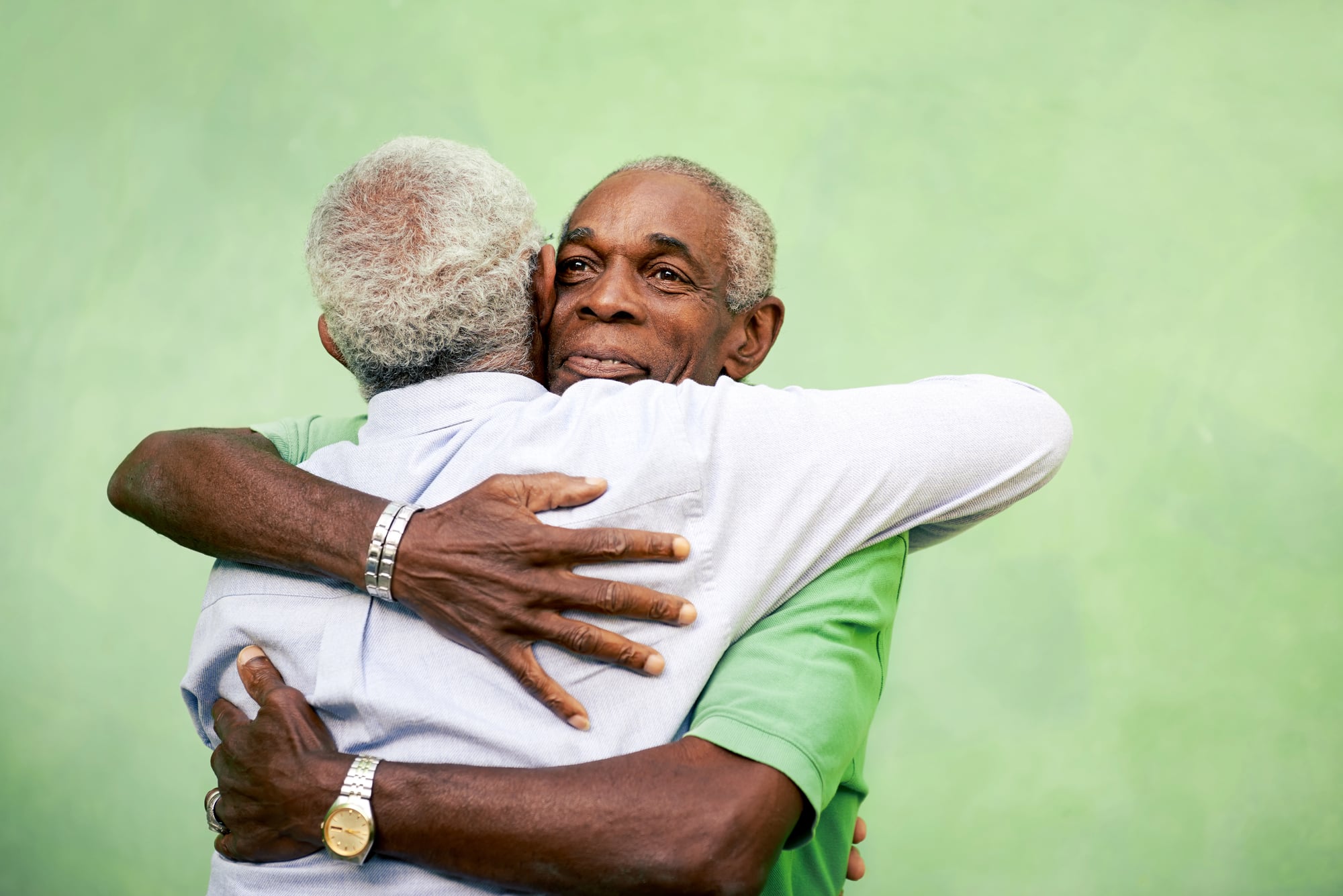
Russians don’t do greeting halfway measures. When friendship or family bonds exist, the embrace comes with genuine force — full body contact, strong arms, real affection expressed through pressure that would feel overwhelming to cultures that prefer lighter touch.
This isn’t casual social touching. The bear hug gets reserved for relationships that matter, people you haven’t seen in a long time, or moments of genuine emotion.
Offering it too readily cheapens its meaning; withholding it when it’s expected creates distance that words can’t bridge. The contrast with formal Russian interactions makes the bear hug even more significant.
Official meetings, business dealings, or interactions with strangers stay much more reserved. When the warmth comes out, it means something specific about how you’re viewed and valued.
Tibetan Tongue Showing

Sticking your tongue out as a greeting sounds like playground behavior until you understand the history behind it. In Tibet, showing the tongue proves you’re not the reincarnation of a cruel king who was said to have a black tongue.
The gesture developed as a way to demonstrate good intentions and peaceful nature. A quick tongue show, often accompanied by hands pressed together, communicates “I mean no harm” in a culture that values spiritual purity and non-violence.
For visitors, the greeting feels bizarre until the cultural context clicks. Then it becomes a fascinating example of how historical events shape modern social customs, even when the original threat no longer exists.
Arabic Air Kissing

Air kissing in Arab cultures creates connection without crossing religious or social boundaries that direct contact might violate — you get the warmth and recognition of the greeting without potential complications around appropriate touch between genders, and the number of kisses (usually three, alternating cheeks) follows a rhythm that feels more substantial than a quick handshake but less intimate than actual contact. The tradition works particularly well in mixed social situations where different comfort levels with physical contact need to be navigated gracefully, and there’s an elegance to the gesture that feels both formal and affectionate at the same time.
But like most greeting customs, the air kiss carries subtle social information about relationships, status, and familiarity that outsiders often miss — who initiates, how close you actually get, whether you make the kissing sound or stay silent, all of this communicates things about how people view each other and what level of intimacy is appropriate. The greeting also solves practical problems in cultures where men and women might avoid direct physical contact while still wanting to show mutual respect and warmth.
Everyone gets acknowledged, relationships get honored, and social boundaries stay intact. And there’s something theatrical about air kissing that makes social interactions feel more ceremonial, more intentional than a quick handshake and moving on.
Korean Nunchi

Korean greetings depend heavily on nunchi — the ability to read a room and understand social dynamics before acting. Age, status, relationship history, and current circumstances all influence how you should greet someone.
Younger people bow to older people. Lower status individuals show more deference.
Close friends might embrace, while business acquaintances maintain formal distance. The greeting changes based on who else is present and what the social context demands.
Nunchi requires constant attention to subtle cues that determine appropriate behavior. Miss those signals and your greeting can accidentally communicate disrespect or inappropriate familiarity.
The skill develops over time, but cultural outsiders often struggle with reading the room correctly.
Scandinavian Reserve

Scandinavian greetings reflect cultural values that prioritize personal space, understated emotion, and respect for individual boundaries. A brief handshake, direct eye contact, and minimal physical contact create connection without overwhelming anyone with forced intimacy.
The reserved approach doesn’t indicate coldness — it demonstrates respect for the other person’s autonomy and comfort level. Excessive enthusiasm or physical contact can actually make Scandinavians uncomfortable, as it violates their cultural preference for measured, appropriate responses to social situations.
This greeting style works particularly well in professional settings where relationships build slowly over time rather than through immediate personal disclosure or physical familiarity. Trust develops through consistent, reliable behavior rather than dramatic gestures.
Brazilian Warmth

Brazil turns greeting into celebration. Multiple cheek kisses, warm embraces, enthusiastic expressions of joy at seeing someone — even casual acquaintances receive treatment that would feel overwhelming in more reserved cultures.
The warmth isn’t fake or performed; it reflects genuine cultural values about human connection and the importance of acknowledging relationships. Brazilians often find other cultures’ greeting styles cold or unfriendly by comparison.
Physical affection gets distributed generously across social situations. Friends, family, colleagues, even new acquaintances can expect some level of touching, kissing, or embracing.
The line between appropriate and inappropriate sits in a very different place than it does in cultures that maintain more physical distance.
Indigenous Smudging Greetings
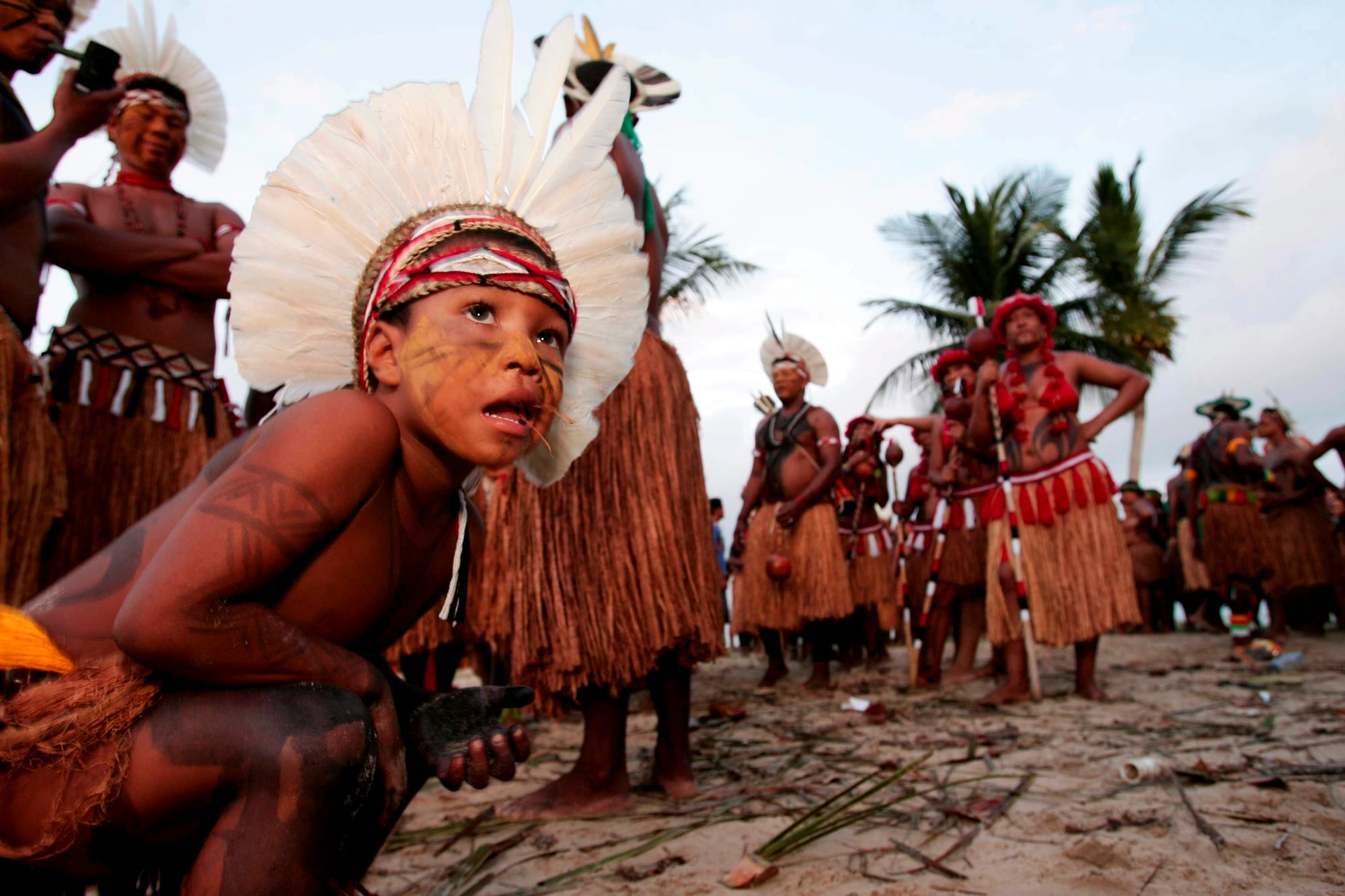
Many Indigenous North American cultures incorporate smudging or other spiritual elements into greeting rituals, particularly during formal gatherings or ceremonies. Sage, sweetgrass, or cedar smoke purifies the space and the people entering it.
The practice acknowledges that greetings can be sacred acts, not just social ones. Cleansing negative energy, honoring ancestors, and creating spiritual connection between people adds layers of meaning that secular handshakes don’t carry.
These greeting rituals often include prayers, acknowledgments of the land, or recognition of the spiritual dimensions of human relationships. Participation requires understanding of the cultural and spiritual context, not just mimicking the physical actions.
African Ubuntu Greetings
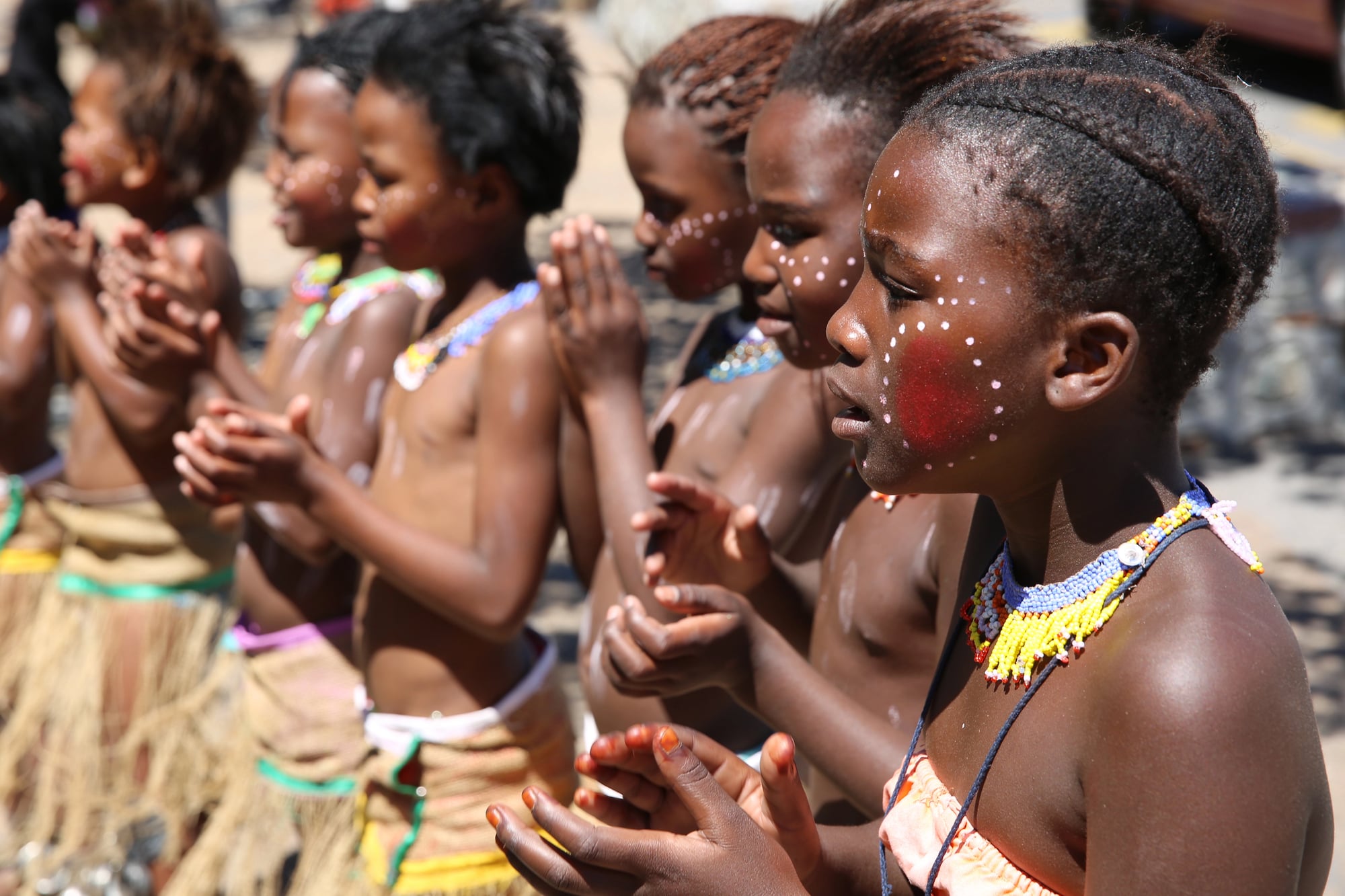
Ubuntu philosophy — “I am because we are” — influences greeting customs across many African cultures. The focus shifts from individual identity to collective connection and mutual recognition of shared humanity.
Greetings often involve longer exchanges than Western cultures expect. Asking about family, health, work, and community takes precedence over efficiency or getting down to business quickly.
The extended conversation builds relationship foundation that supports later interactions. This approach treats greeting as investment in social fabric rather than mere politeness.
The time spent acknowledging each other as complete human beings with complex lives pays dividends in trust, cooperation, and mutual support.
Turkish Tea Culture Greetings
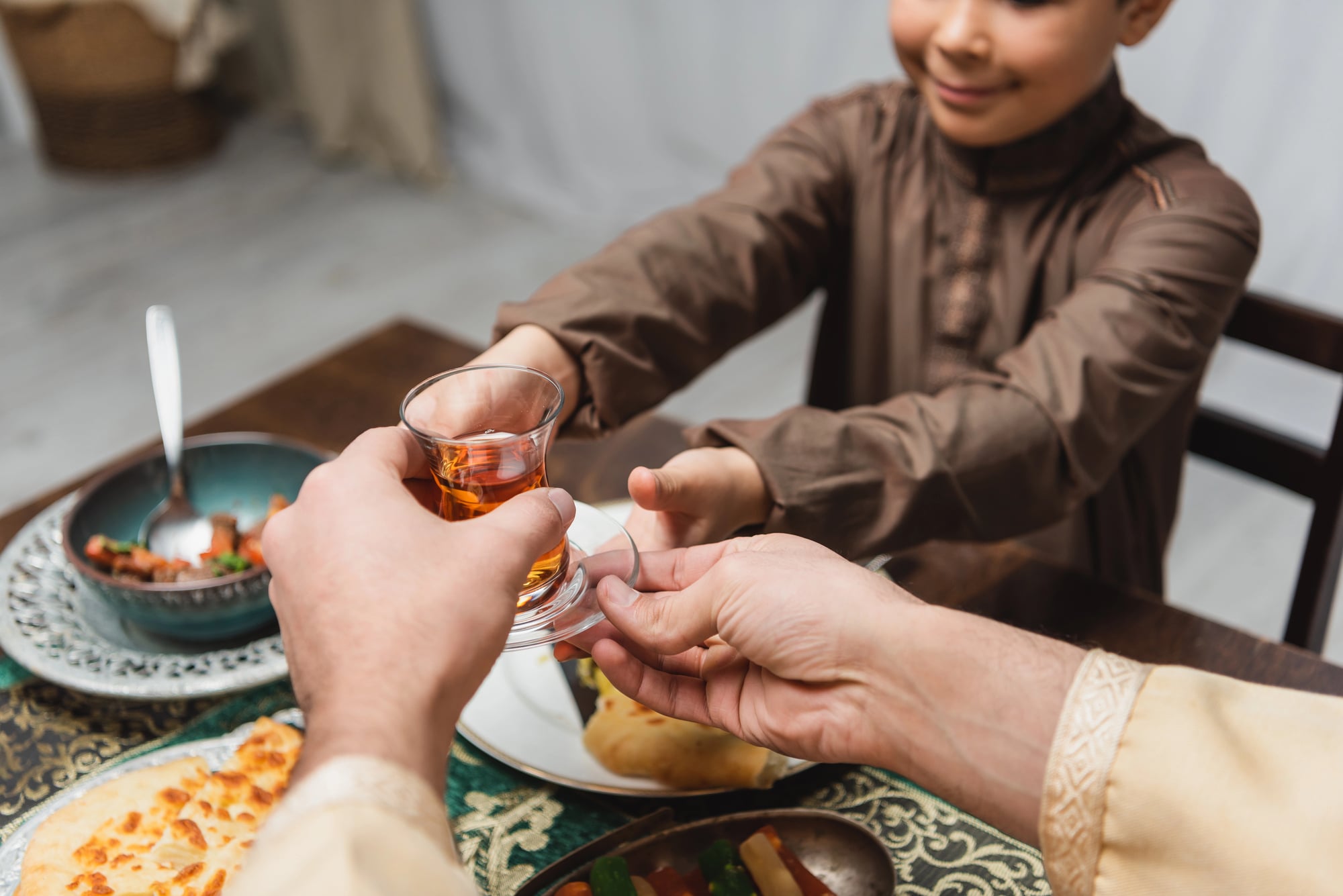
In Turkey, offering tea becomes part of the greeting ritual, especially in business or formal social situations. Accepting or declining the tea communicates different things about your intentions, respect level, and available time.
The tea service creates a natural pause in social interaction that allows relationships to develop more organically than quick handshakes permit. Conversation flows around the shared activity of drinking tea, which reduces pressure and creates common ground.
Refusing tea can accidentally communicate disrespect or disinterest, while accepting it signals willingness to invest time in the relationship. The ritual teaches patience and prioritizes human connection over efficiency.
Mexican Abrazo

The Mexican abrazo combines physical embrace with emotional expression in ways that feel natural and appropriate within the culture but might overwhelm people from more reserved backgrounds. Friends, family, and even business associates often greet with full-body hugs that communicate genuine affection and respect.
The abrazo doesn’t get distributed casually — it reflects real warmth and connection between people. Duration and intensity vary based on relationship closeness, but the gesture itself acknowledges the other person as someone who matters in your life.
For cultures that maintain more physical distance in social situations, the abrazo can feel surprisingly intimate. But within Mexican social contexts, it creates bonds that support deeper, more trusting relationships over time.
German Punctuality In Greetings

Germans approach greetings with the same precision they bring to other social interactions. Firm handshakes, direct eye contact, and efficient verbal exchanges reflect cultural values about respect, reliability, and appropriate use of time.
The greeting serves its function without unnecessary embellishment. This doesn’t indicate coldness — it demonstrates consideration for other people’s schedules and responsibilities.
Excessive small talk or prolonged physical contact can actually feel disrespectful to German sensibilities about efficiency. Professional and personal greetings maintain clear boundaries.
Colleagues shake hands; close friends might embrace. The distinction stays clear, and crossing those lines inappropriately can create discomfort or misunderstanding about relationship expectations.
Italian Expressiveness

Italian greetings involve the whole body — hands, facial expressions, voice tone, and physical positioning all contribute to communicating emotional state and relationship warmth. Even simple hellos become performances that convey personality and mood.
The expressiveness isn’t theatrical in a false way; it reflects cultural comfort with emotional display and physical communication. Restraining natural impulses toward dramatic greeting can actually feel artificial or cold within Italian social contexts.
Hand gestures, voice inflection, and facial expressions carry as much meaning as words during Italian greetings. Learning to read and respond to these additional communication layers becomes essential for building authentic relationships within the culture.
Nordic Equality In Greetings

Nordic cultures structure greetings around egalitarian principles — similar treatment regardless of social status, age, or gender. Handshakes stay consistent whether you’re meeting a CEO or a student, reflecting deeply held values about human equality and democratic social interaction.
This approach eliminates the complex status calculations that other cultures build into their greeting rituals. No bowing deeper for higher-status individuals, no elaborate deference displays, no gender-specific greeting variations that reinforce social hierarchies.
The simplicity requires cultural adjustment for people from more hierarchical societies where greetings communicate and reinforce social positioning. Nordic directness and equality can feel abrupt to cultures that expect more elaborate acknowledgment of status differences.
Pacific Islander Group Greetings

Many Pacific Islander cultures emphasize group acknowledgment over individual greetings. Entering a space means recognizing everyone present rather than focusing on specific individuals, reflecting cultural values about collective identity and community harmony.
The approach treats social interactions as group events where everyone deserves recognition and inclusion. Singling out particular individuals for special greeting attention can accidentally create division or imply that others matter less.
Group greetings often involve specific protocols about elders, visitors, and community roles that require cultural knowledge to navigate appropriately. The rituals build community cohesion while ensuring that no one feels overlooked or excluded from social recognition.
The Universal Need For Connection

Every greeting ritual, no matter how different it appears on the surface, serves the same fundamental human need: acknowledging each other’s presence and worth. Whether through bows, handshakes, embraces, or shared breath, people across cultures have developed ways to say “I see you, I recognize you, you matter.”
The specific gestures change, but the underlying message stays constant. These rituals remind us that despite our differences in expression, the desire for connection and mutual respect spans every culture.
Learning to navigate different greeting customs isn’t just about avoiding awkward moments — it’s about honoring the human need to be recognized and valued, regardless of the form that recognition takes.
More from Go2Tutors!

- The Romanov Crown Jewels and Their Tragic Fate
- 13 Historical Mysteries That Science Still Can’t Solve
- Famous Hoaxes That Fooled the World for Years
- 15 Child Stars with Tragic Adult Lives
- 16 Famous Jewelry Pieces in History
Like Go2Tutors’s content? Follow us on MSN.