Memorable Disney Movie Animal Sidekicks
Who could forget the little creatures tagging along behind princesses and pirates? Not always in the spotlight, these furry friends color how we feel about each scene.
Sometimes it’s a goofy noise, sometimes a brave move – tiny moments that hold everything together. They stand beside heroes without speaking much, yet everyone understands them perfectly.
Funny animals pop up when things get too serious. These little friends show what the main character feels inside.
When words fail others, one of them might say it plainly. Even if they do not talk much or push the story along, you remember their face later.
A silent moment with them can stick longer than any speech. A fresh peek into a few standout animal pals from Disney films shows what makes them stick around in our minds well past the ending scenes.
Sebastian
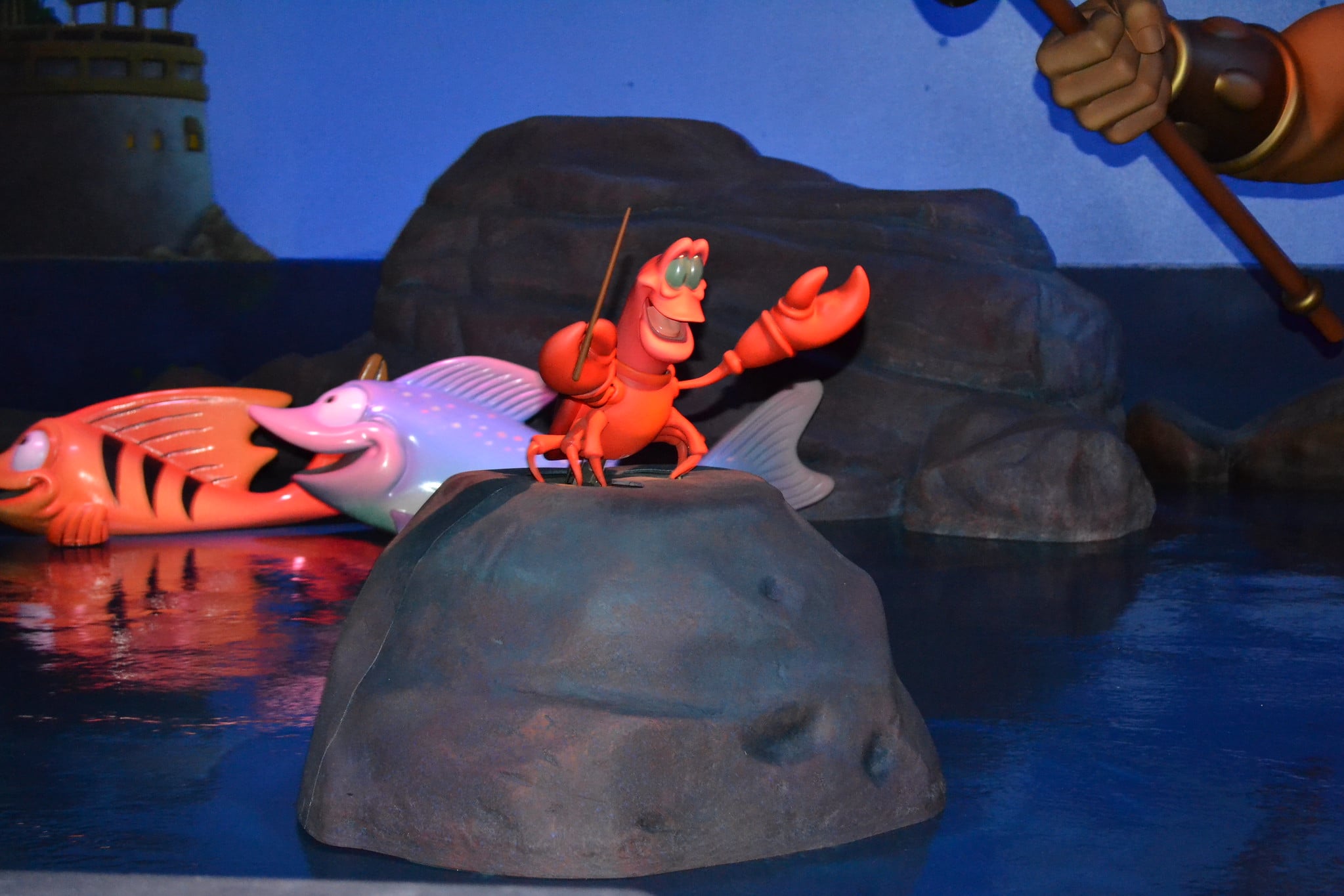
Sebastian from The Little Mermaid is far more than comic relief. As a cautious, rule-following crab tasked with watching over Ariel, he embodies the voice of responsibility in a story driven by curiosity and rebellion.
His constant worry contrasts sharply with Ariel’s optimism, creating a dynamic that feels both funny and grounded. What makes Sebastian memorable is his emotional investment.
He does not simply comment on the action; he feels personally accountable for its outcomes. His musical moments add charm, but it is his genuine concern that gives him depth.
Even when flustered, he remains loyal, making him feel less like a gag character and more like a guardian.
Timon and Pumbaa

It is impossible to talk about Disney sidekicks without mentioning Timon and Pumbaa from The Lion King. As a pair, they function as emotional lifelines for Simba during his lowest point.
Their humor is unmistakable, but it is their acceptance that gives them lasting impact. They offer Simba a way to survive without confronting pain head-on, which feels comforting at first.
Over time, their philosophy reveals its limits, pushing Simba toward growth. The balance between comedy and quiet emotional support is what elevates them beyond standard sidekicks.
They are funny, yes, but also deeply human in their fears and hopes.
Mushu

Mushu from Mulan brings sharp wit and restless energy into a story rooted in identity and duty. As a small dragon with something to prove, he mirrors Mulan’s own insecurities.
His bravado often masks fear, making his mistakes feel relatable rather than reckless. What makes Mushu stand out is his arc.
He begins as self-serving and desperate for recognition, but gradually learns the value of supporting someone else’s journey. His humor lands because it comes from vulnerability, not superiority.
By the end, he has grown alongside Mulan, making their bond feel earned.
Pascal

Pascal from Tangled proves that words are not required to leave a strong impression. As Rapunzel’s constant companion, Pascal communicates entirely through expression and movement.
His loyalty is quiet but unwavering. He often acts as Rapunzel’s conscience, reacting to danger or deception before she does.
His subtle encouragement gives her confidence to step beyond her fears. Pascal’s appeal lies in his restraint.
He never overshadows the story, yet his presence deepens Rapunzel’s emotional world in a way that feels natural and sincere.
Lumière
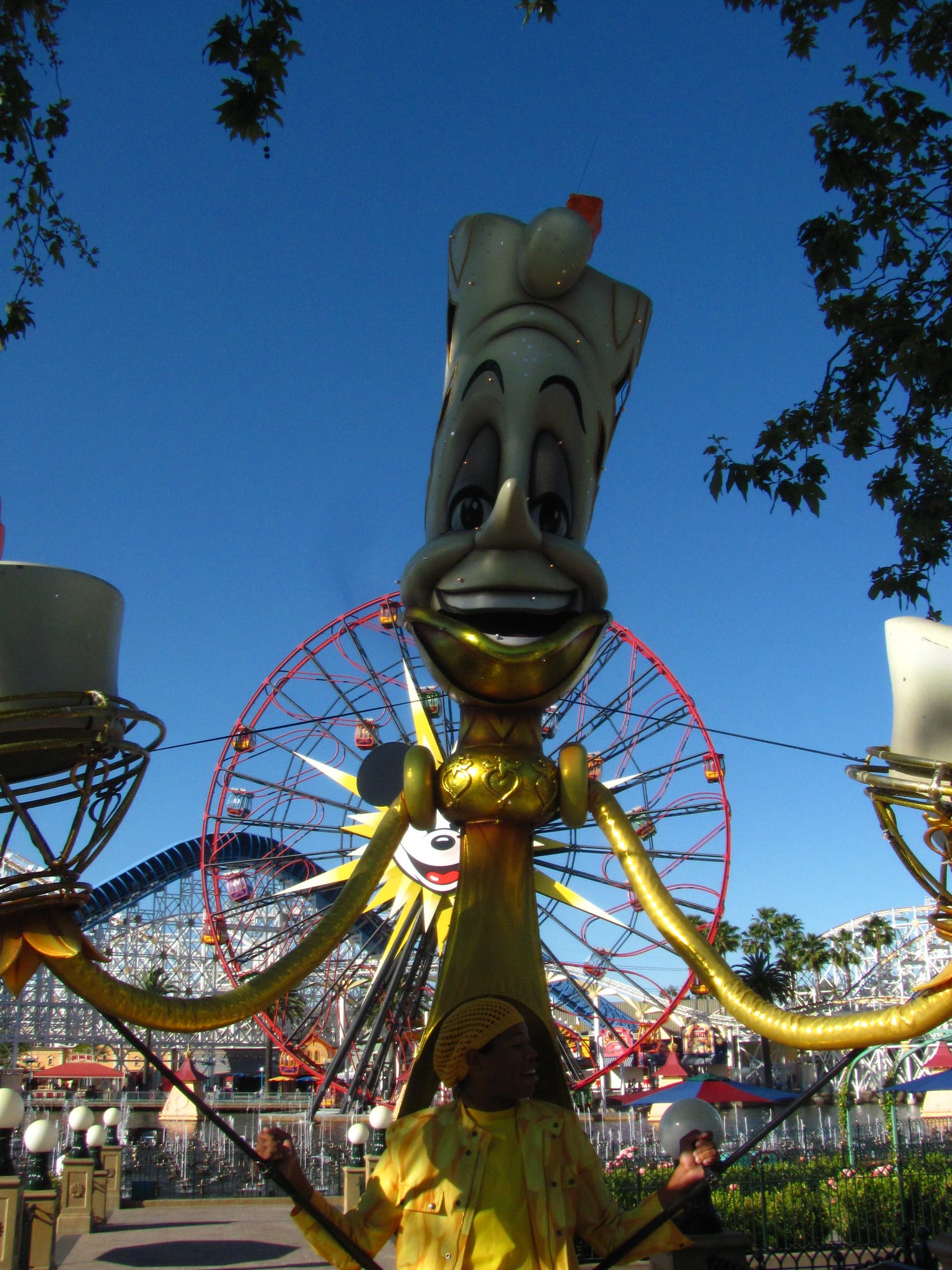
In Beauty and the Beast, Lumière brings warmth and charm to a cursed household. As a transformed servant, he retains his hospitality and optimism even under grim circumstances.
His personality contrasts with the Beast’s isolation, subtly nudging the story toward connection. Lumière’s role goes beyond humor.
He represents hope and continuity, reminding the audience that kindness persists even when circumstances change. His interactions with the other enchanted objects create a sense of community that makes the castle feel alive rather than haunted.
Dory

Dory from Finding Nemo stands out because her flaws directly affect the plot. Her forgetfulness creates obstacles, but it also fuels resilience.
She keeps moving forward, even when memory fails her, which becomes her defining strength. As Marlin’s companion, Dory challenges his controlling nature.
Her optimism forces him to trust the world again, step by step. What makes Dory memorable is not just her humor, but her emotional honesty.
She does not hide her struggles, and that openness turns vulnerability into connection.
Meeko

Meeko from Pocahontas embodies curiosity and playful defiance. As a raccoon driven by appetite and instinct, he offers levity in a story that tackles serious themes.
His antics never feel out of place because they reflect the natural world Pocahontas is connected to. Meeko’s silent companionship reinforces the film’s emphasis on nonverbal understanding.
He reacts to emotion rather than dialogue, reminding viewers that connection does not always require explanation. His role may seem small, but it supports the film’s quieter moments with warmth and humor.
Olaf
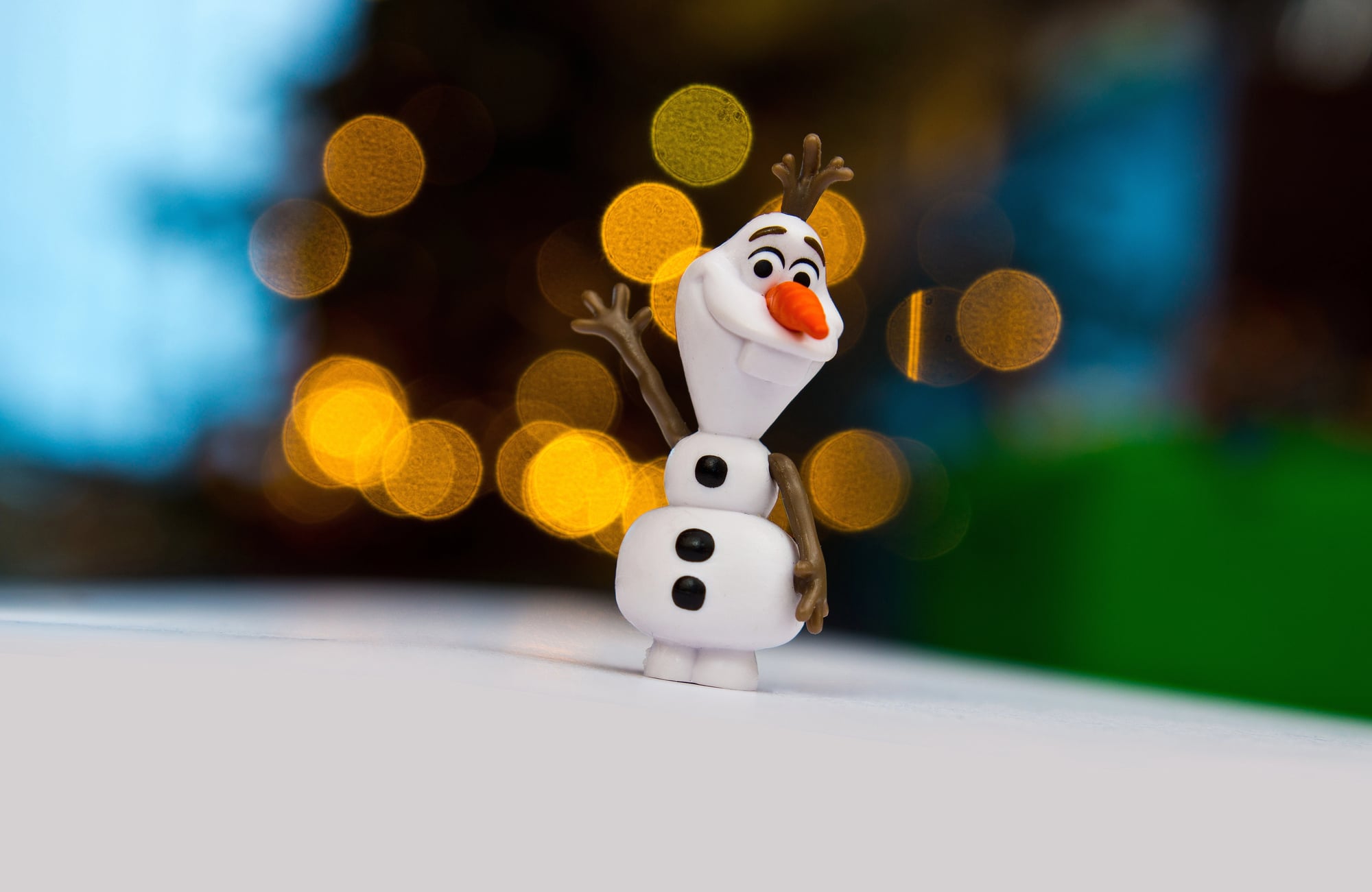
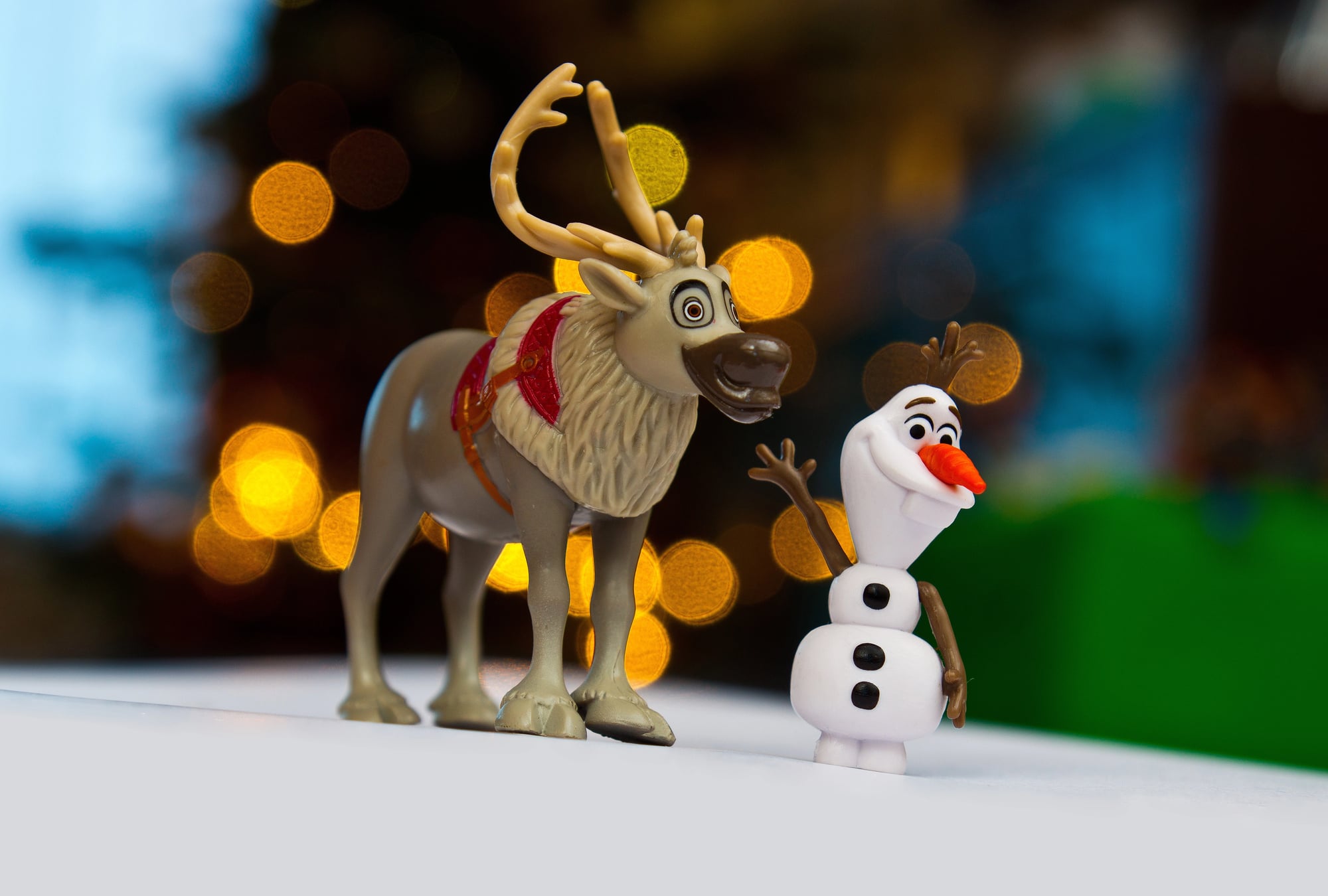
Olaf from Frozen brings innocence into a narrative shaped by fear and restraint. His optimism is sincere rather than naive, making him feel comforting instead of distracting.
He voices simple truths that other characters struggle to articulate. Despite his playful nature, Olaf often delivers emotional clarity.
His belief in love and loyalty grounds the story during moments of uncertainty. What makes him memorable is his ability to be gentle without being passive, joyful without being careless.
Hei Hei
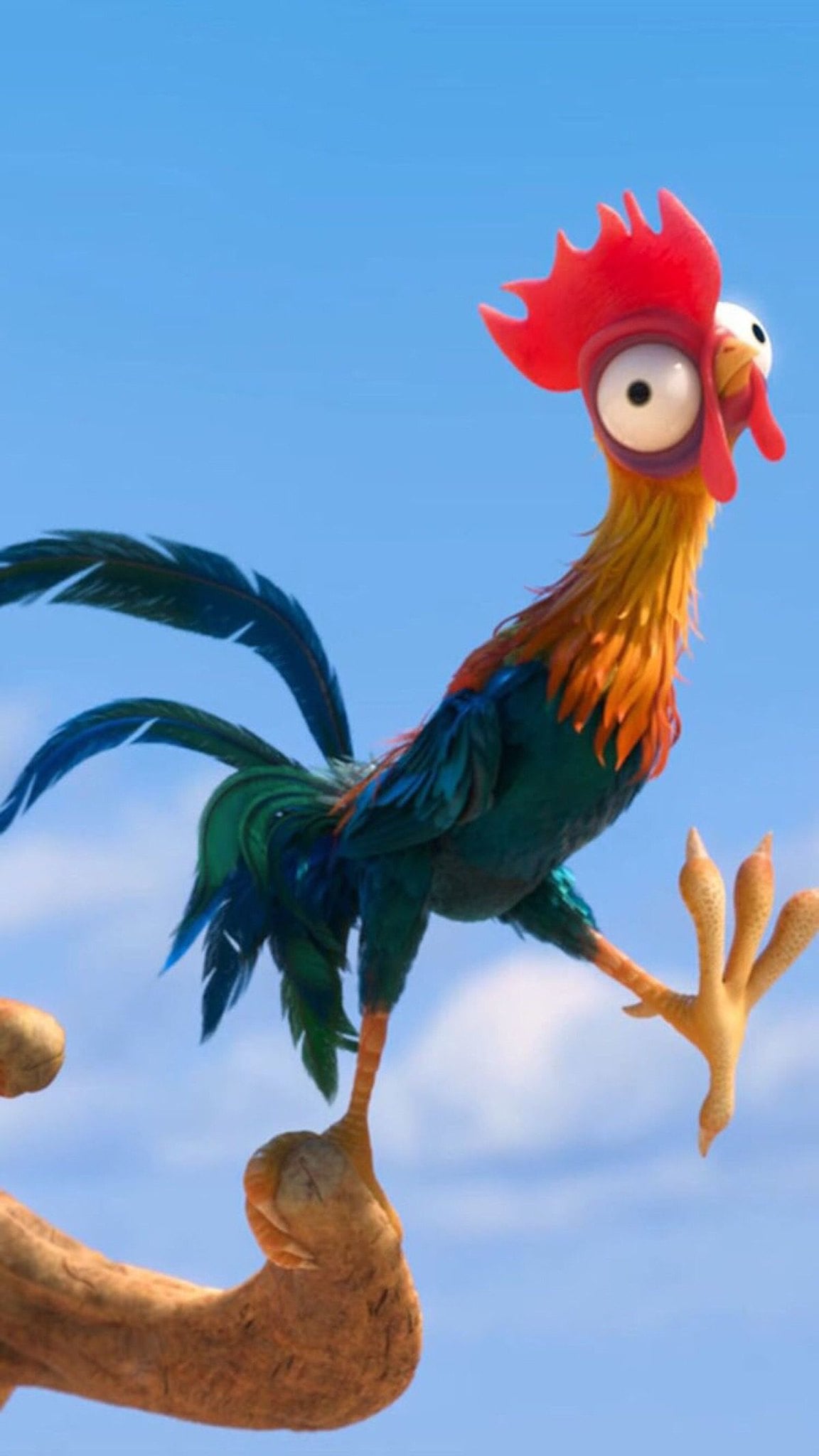
Hei Hei from Moana is intentionally chaotic. As a rooster with little awareness of danger, he becomes an unlikely travel companion.
His presence injects absurdity into a journey filled with myth and responsibility. Yet Hei Hei’s appeal lies in contrast.
His randomness highlights Moana’s growth and determination. While he rarely contributes intentionally, his survival becomes a running reminder that persistence sometimes defies logic.
In a story about balance, his unpredictability adds texture.
Abu

Abu from Aladdin reflects Aladdin’s instincts and vulnerabilities. As a loyal companion, he shares Aladdin’s skepticism and hunger for security.
Their bond feels rooted in shared survival rather than convenience. Abu’s reactions often mirror what Aladdin cannot say aloud.
His jealousy, fear, and protectiveness deepen Aladdin’s emotional landscape. Through Abu, the story explores loyalty shaped by hardship rather than idealism.
Why These Sidekicks Endure
What unites these characters is not their humor alone, but their emotional function. Each sidekick reflects something essential about the hero, whether it is fear, hope, or resilience.
They act as emotional mirrors, amplifying internal conflicts without overpowering the narrative. Their designs and personalities are carefully balanced.
They are distinctive enough to be memorable, yet grounded enough to feel integral rather than ornamental. Over time, they become shorthand for entire stories, instantly recognizable even outside their original context.
Why It Still Matters

Out of nowhere, a small creature appears – faithful, quiet, always there. These characters stick around, not because they have to, but because they choose to.
When everything shifts, one thing stays: their calm beside chaos. Who would expect such strength in something so playful?
Their silence speaks louder than promises ever could. Out here beyond the main story, these figures still leave a mark.
Even when the big moments blur, small things – how they look, move, speak softly – stay clear. What sticks isn’t drama, it’s presence.
Memory holds on because of that.
More from Go2Tutors!

- 13 Historical Mysteries That Science Still Can’t Solve
- The Romanov Crown Jewels and Their Tragic Fate
- Famous Hoaxes That Fooled the World for Years
- 15 Child Stars with Tragic Adult Lives
- 16 Famous Jewelry Pieces in History
Like Go2Tutors’s content? Follow us on MSN.